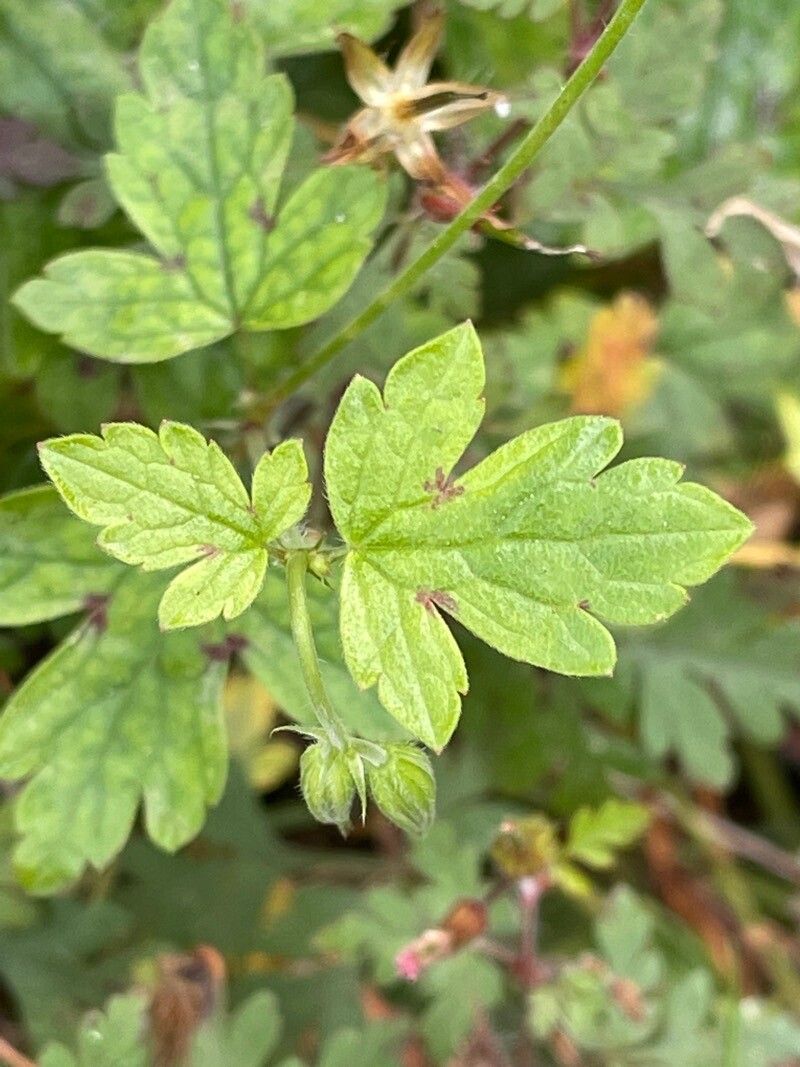
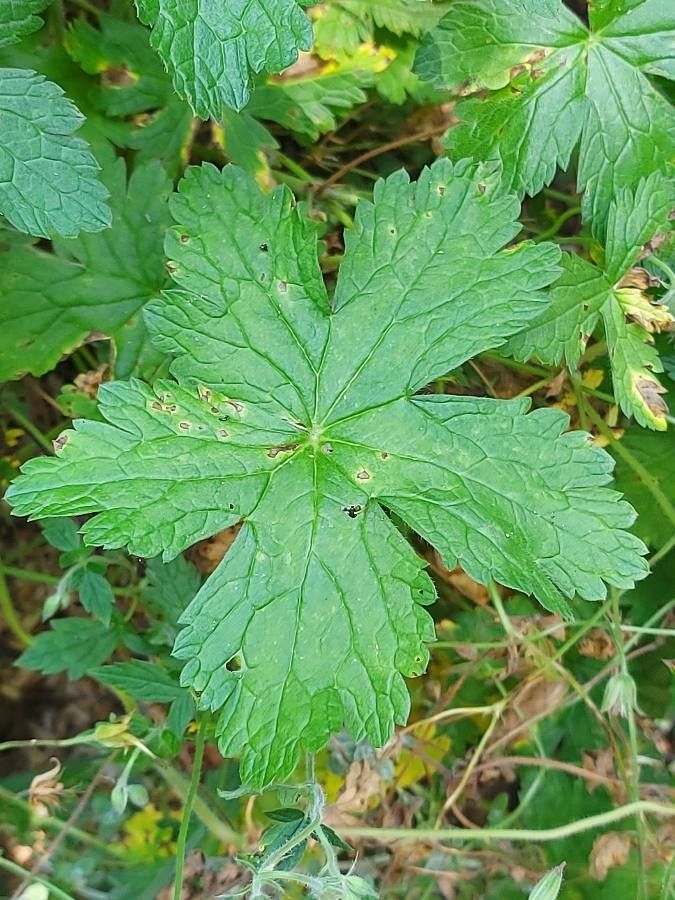
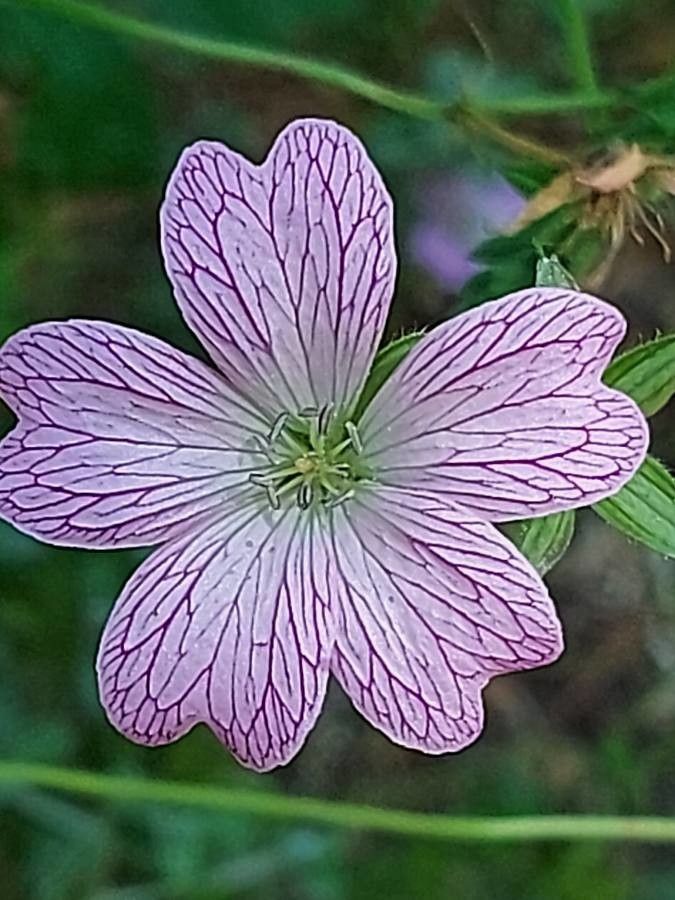
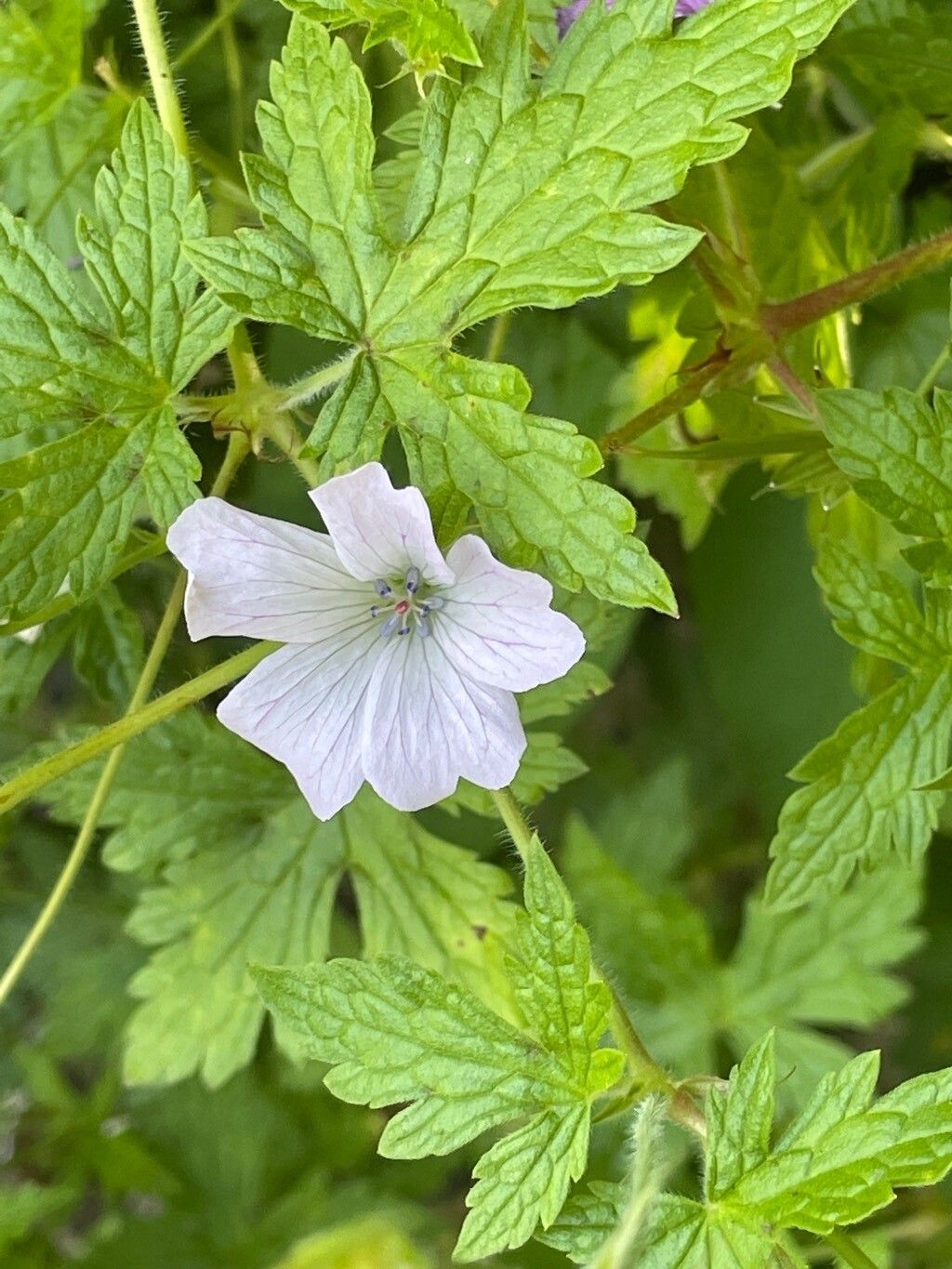
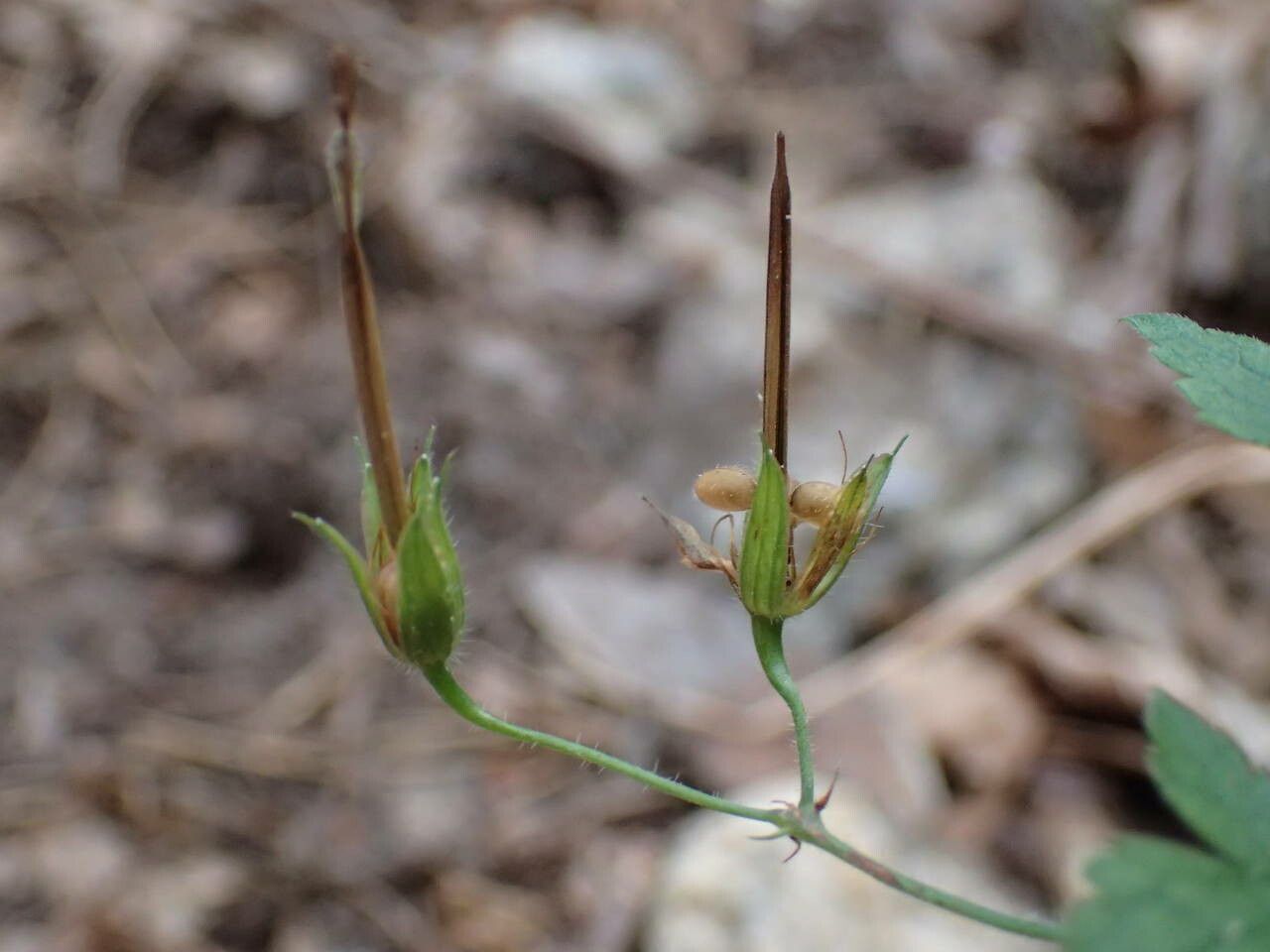
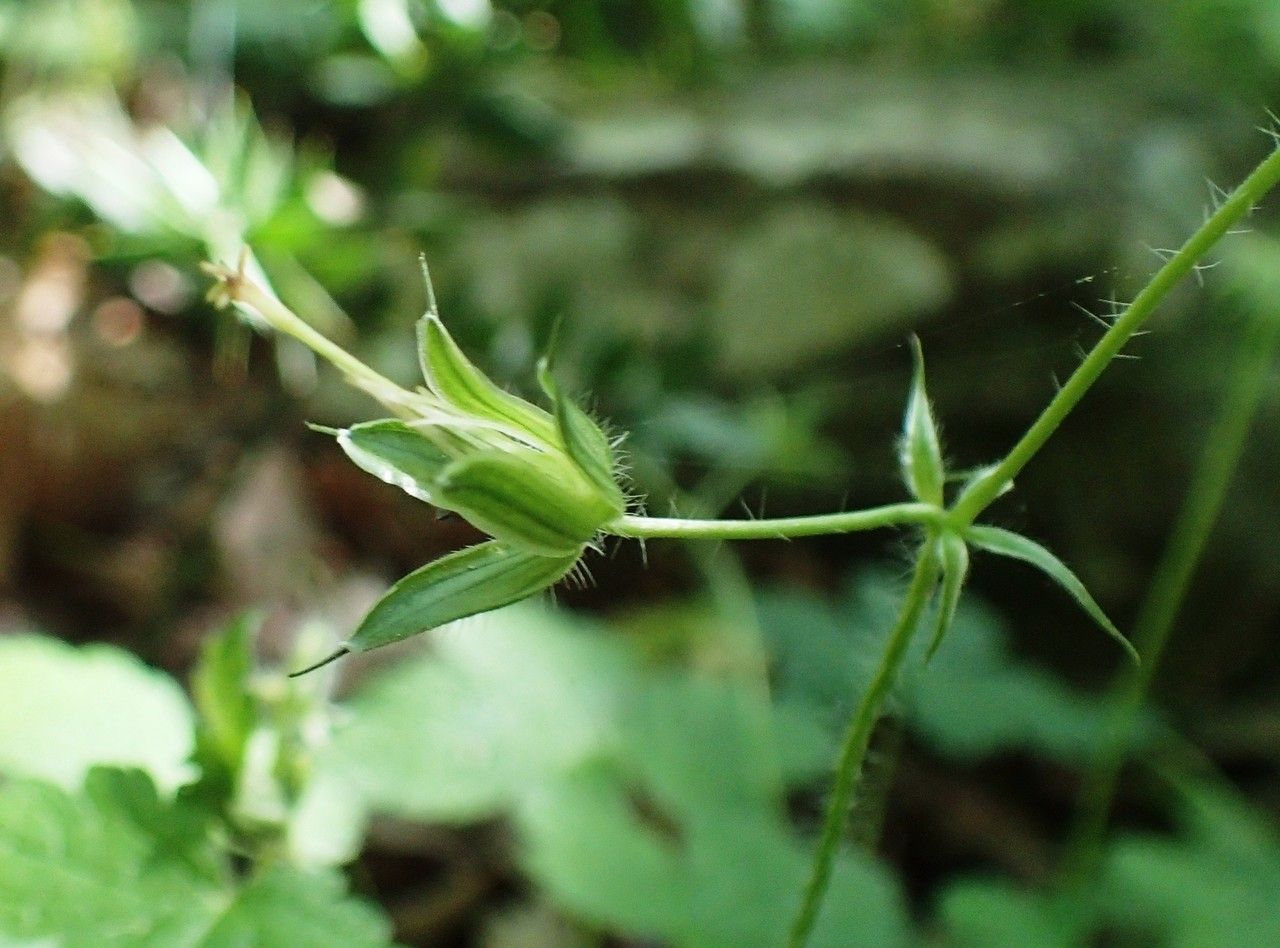
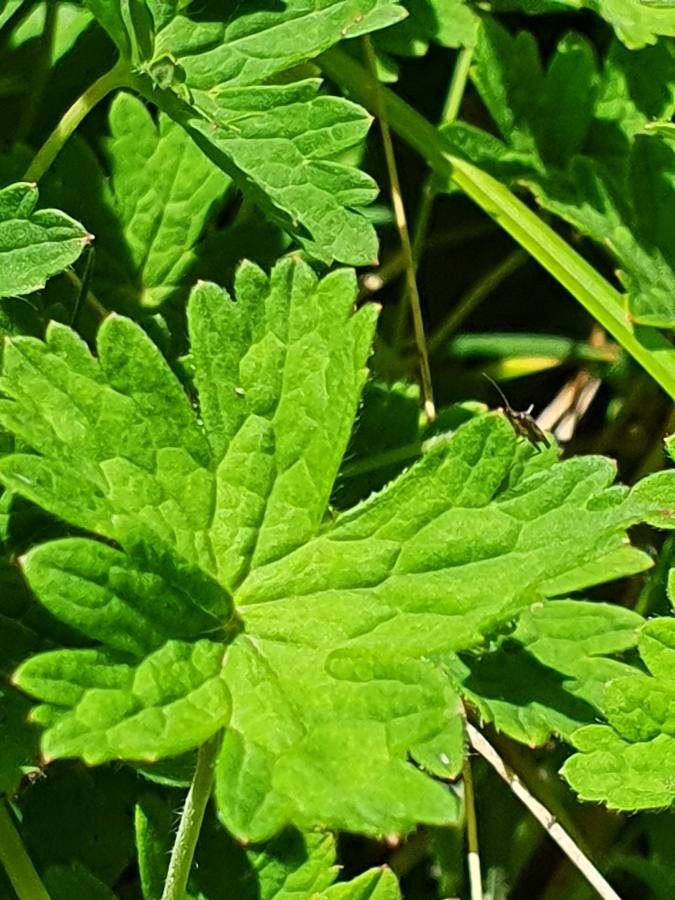
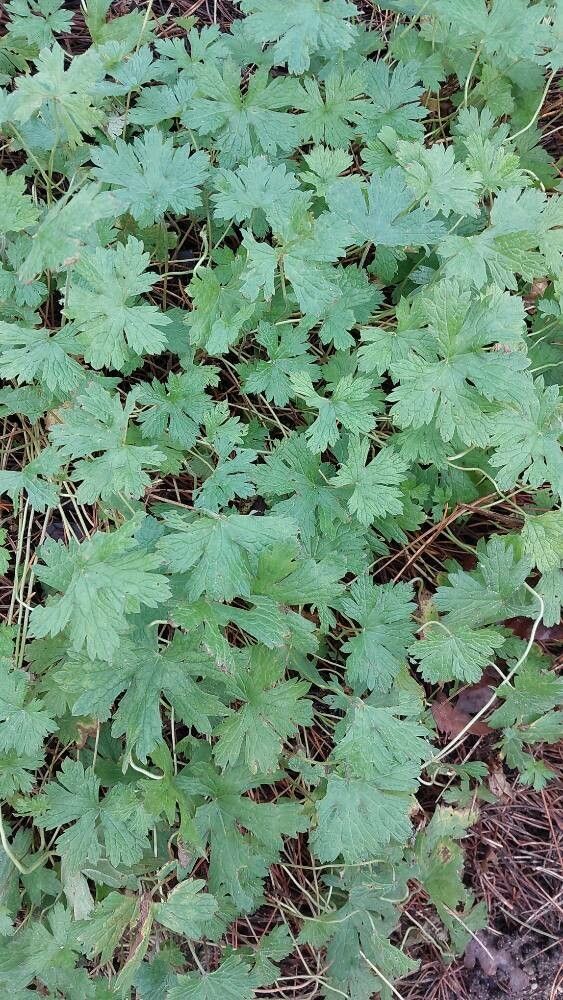
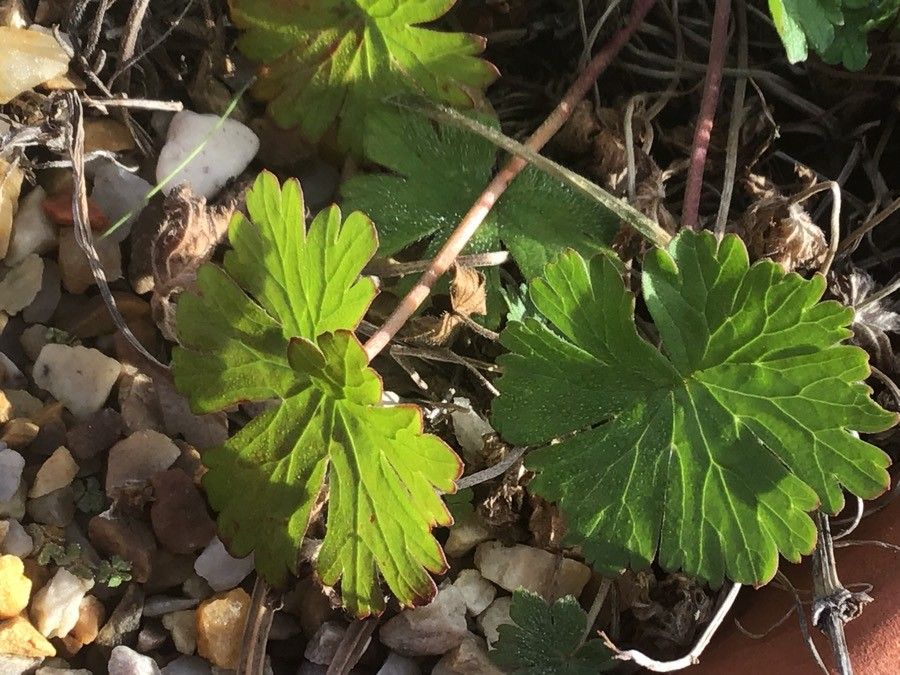
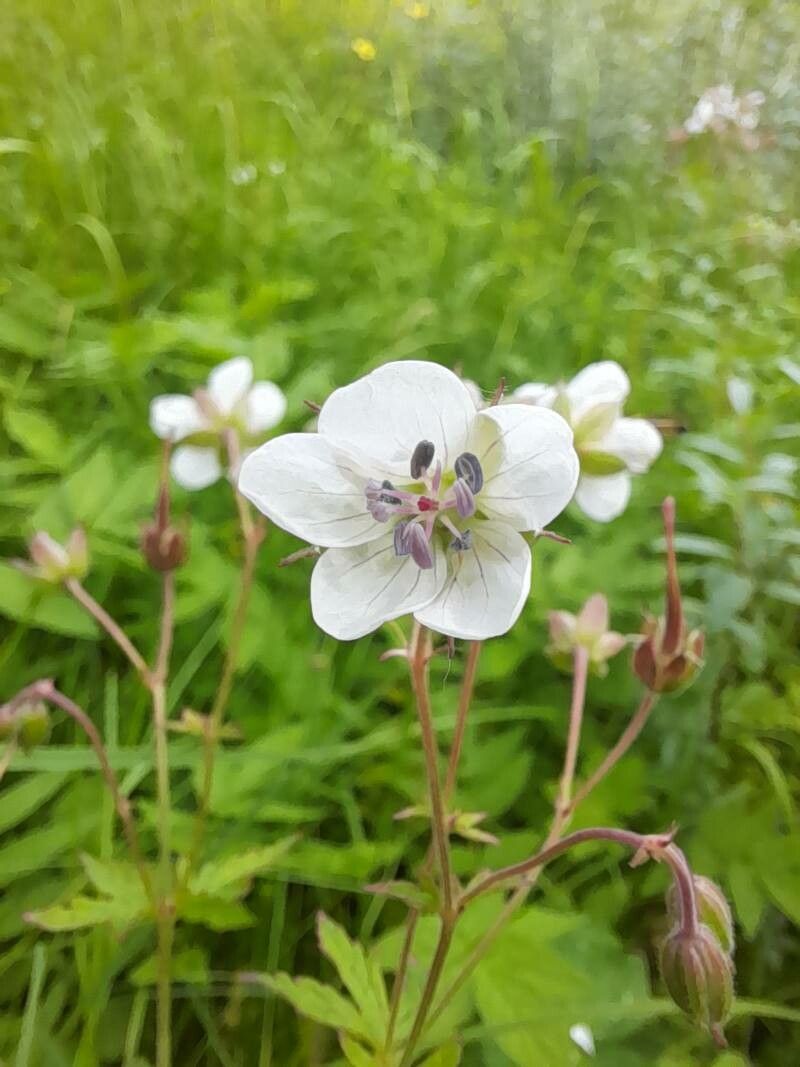
Geranium versicolor, the pencilled geranium, pencilled cranesbill, veined cranesbill, or veiny geranium, is a species of flowering plant in the family Geraniaceae. It is native to southeastern Europe, and has been introduced as a garden escapee to Ireland, Great Britain, France, the former Czechoslovakia, and the US state of Pennsylvania. A semi‑evergreen perennial reaching 45 cm (18 in), it is widely available from commercial suppliers, with the Royal Horticultural Society considering it to be a good plant to attract pollinators. With Geranium endressii it is a parent of the artificial garden hybrid Geranium × oxonianum.
Pencilled crane's-bill is fairly resistant to disease and usually not much affected by illness. However, it can be vulnerable to pests and diseases present in its environment. These problems are typically minor. For care, the plant requires a moderate level of maintenance. It should be pruned regularly to keep a neat appearance and support healthy growth. Fertilizing can also encourage flowering. Pencilled crane's-bill is suitable for anyone with outdoor space such as a garden or patio and does not need extensive care experience. It may demand more attention when grown indoors.
How to keep Geranium Versicolor.
Light
Pencilled crane's-bill is native to habitats like forest understories and rocky areas, where it grows in natural shade. It prefers partial sun but can tolerate both full sun and full shade, reflecting its versatile and hardy nature.
Water
Originating from temperate regions, the pencilled crane's-bill thrives in environments with moderate moisture. This plant prefers consistently moist soil and benefits from weekly watering. When grown outdoors in gardens, applying mulch can help retain moisture, reducing the need for frequent watering during its active growth period.
Temperature
Pencilled crane's-bill can tolerate a wide range of temperatures, but its range may still be restricted by various combinations of water and heat conditions. It performs best in warm summer climates when there is sufficient rainfall or watering. Extended periods of cloudy, rainy weather or prolonged high temperatures can raise the chance of Pencilled crane's-bill dying. In winter, adequate protection from the cold can increase the plant's survival rate.
Fertilizer
Usually a single fertilizer application in spring is enough for Pencilled crane's-bill, though repeated feedings can maximize growth. Feed every month to six weeks. Fertilizing improves leaf appearance and function, maintaining consistent color and a healthy texture. It also promotes root growth and nutrient uptake for long-term plant health.
Pruning
The pencilled crane's-bill, known for its veined flowers, benefits from pruning between early and late spring. This helps remove dead growth and stimulates new shoots. After the plant has flowered, deadhead the blooms to encourage further flowering and to prevent self-seeding. Regular thinning is also important, as it enhances air circulation, reduces the risk of disease, and invigorates established plants for healthy growth.
Botanical profile.
- Plant Type
- Herb
- Life Cycle
- Perennial
- Genus
- Geranium
- Family
- Geraniaceae
- Hardiness Zone
- 5-9
- Mature Height
- 30 cm
- Mature Spread
- 49 cm
- Leaf Color
- Green, Dark Green
- Leaf Type
- Deciduous
- Flower Color
- White
- Flower Size
- 2.03 cm to 3.05 cm
- Bloom Time
- Late spring, Early summer, Mid summer
- Planting Time
- Spring
- Harvest Time
- Mid summer, Late summer, Early fall
- Native Area
- Greece, Albania, Serbia, Italy
Other names.