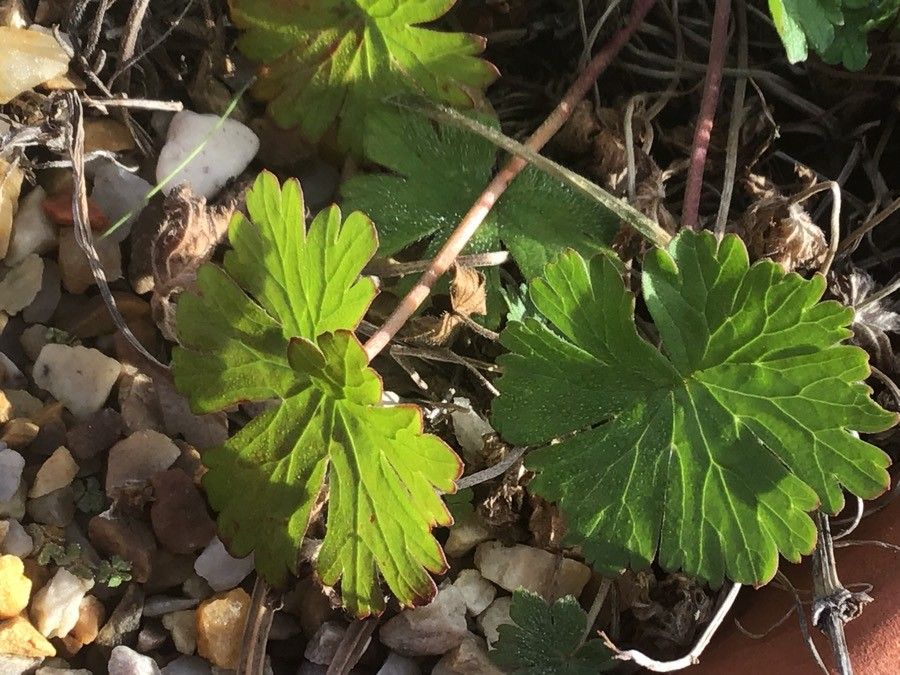
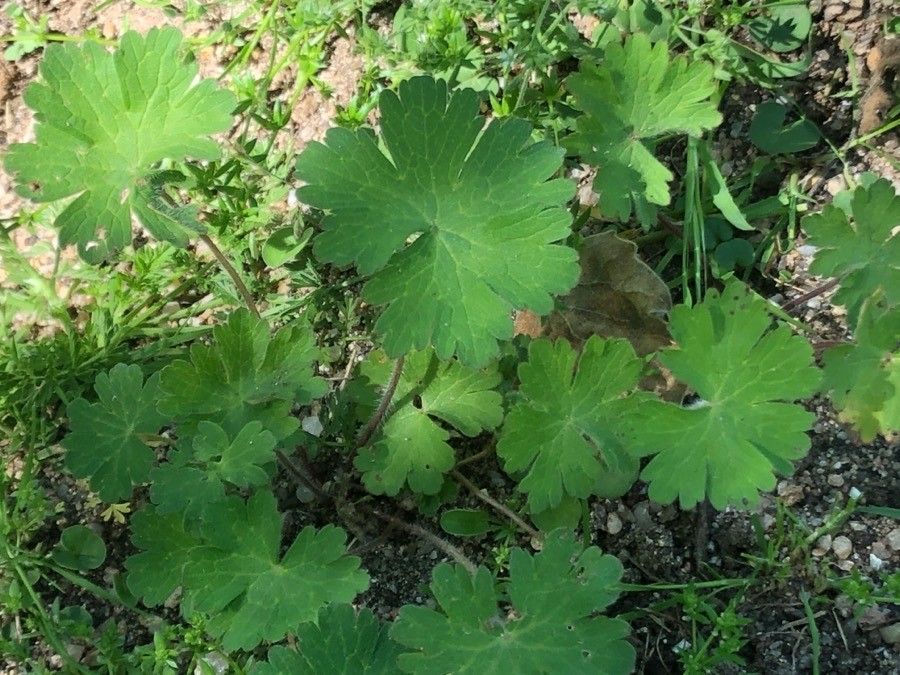
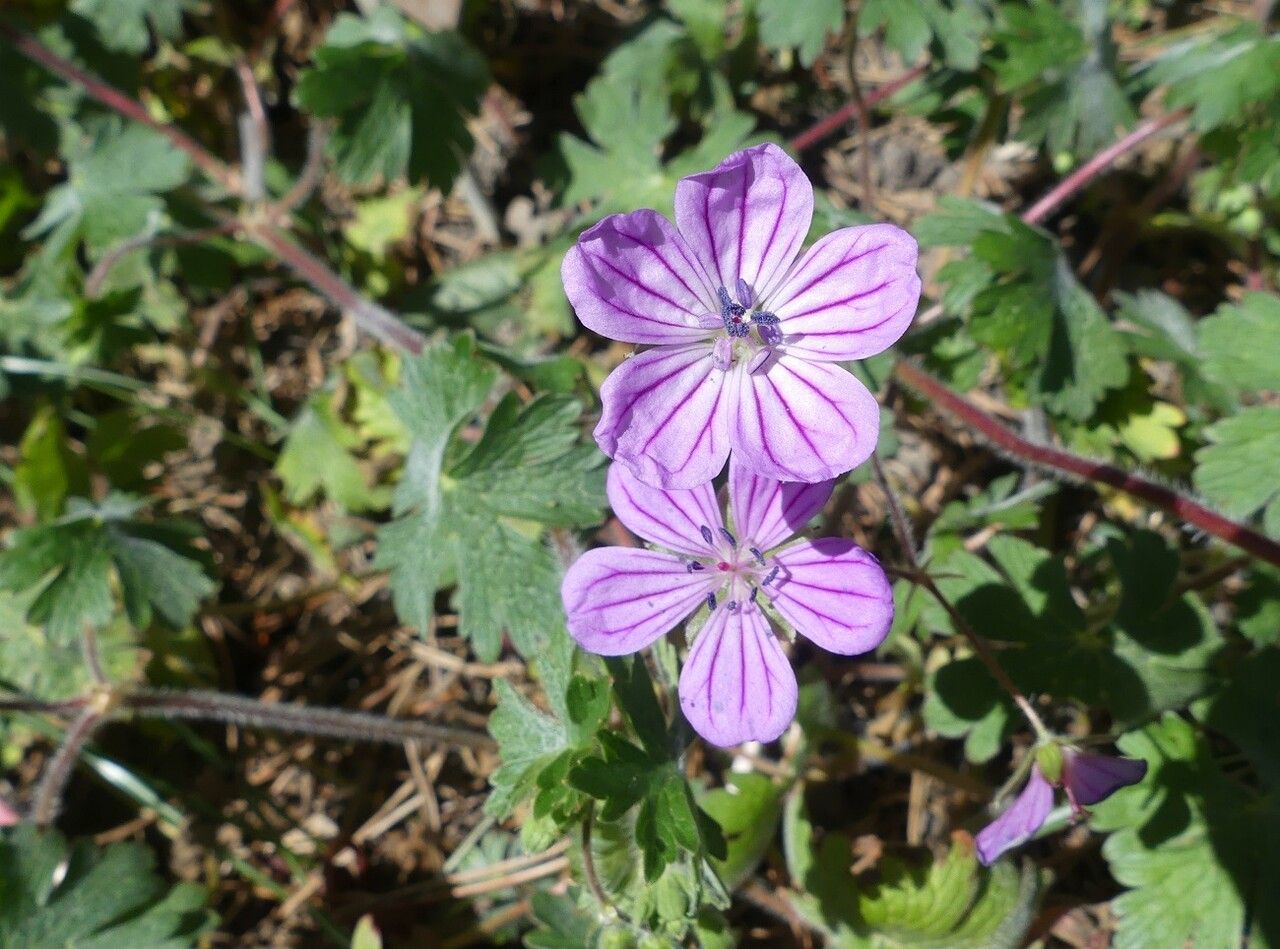
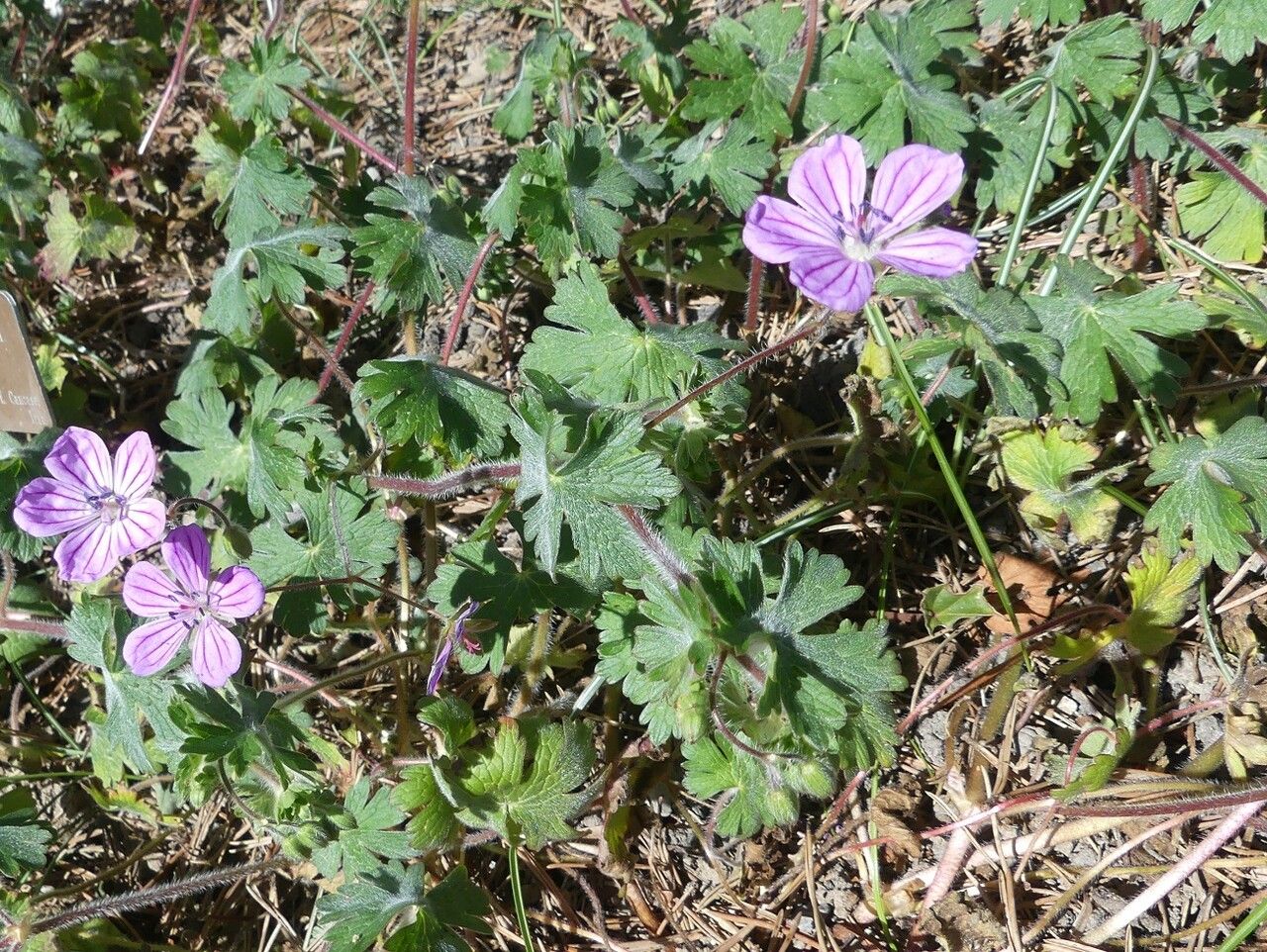
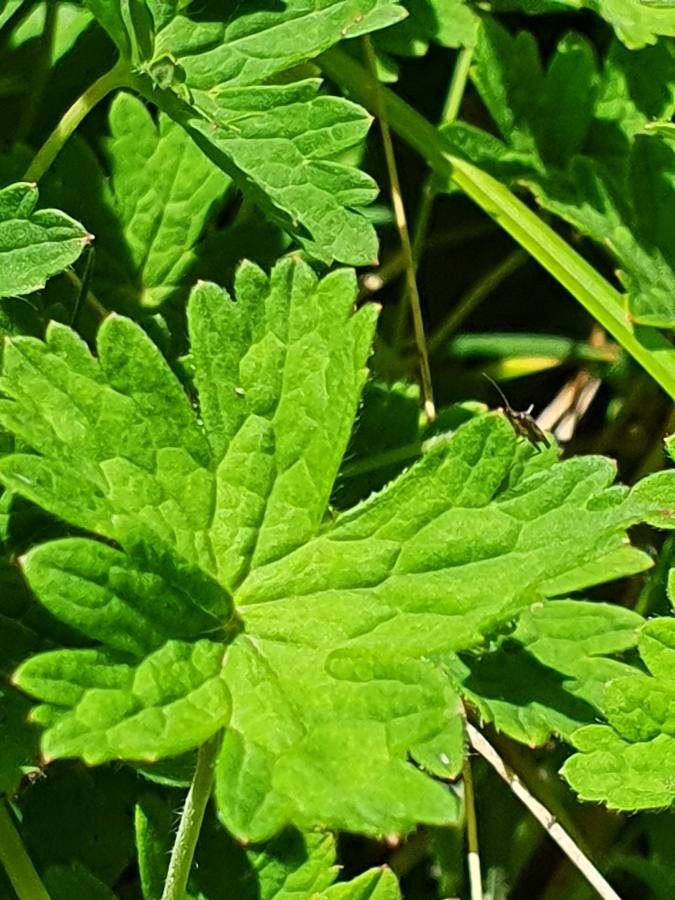
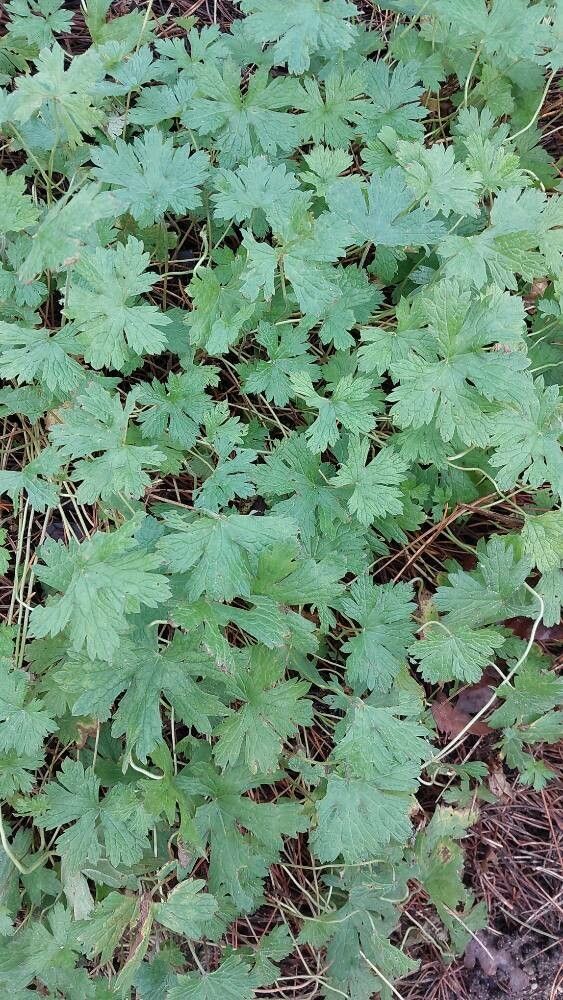
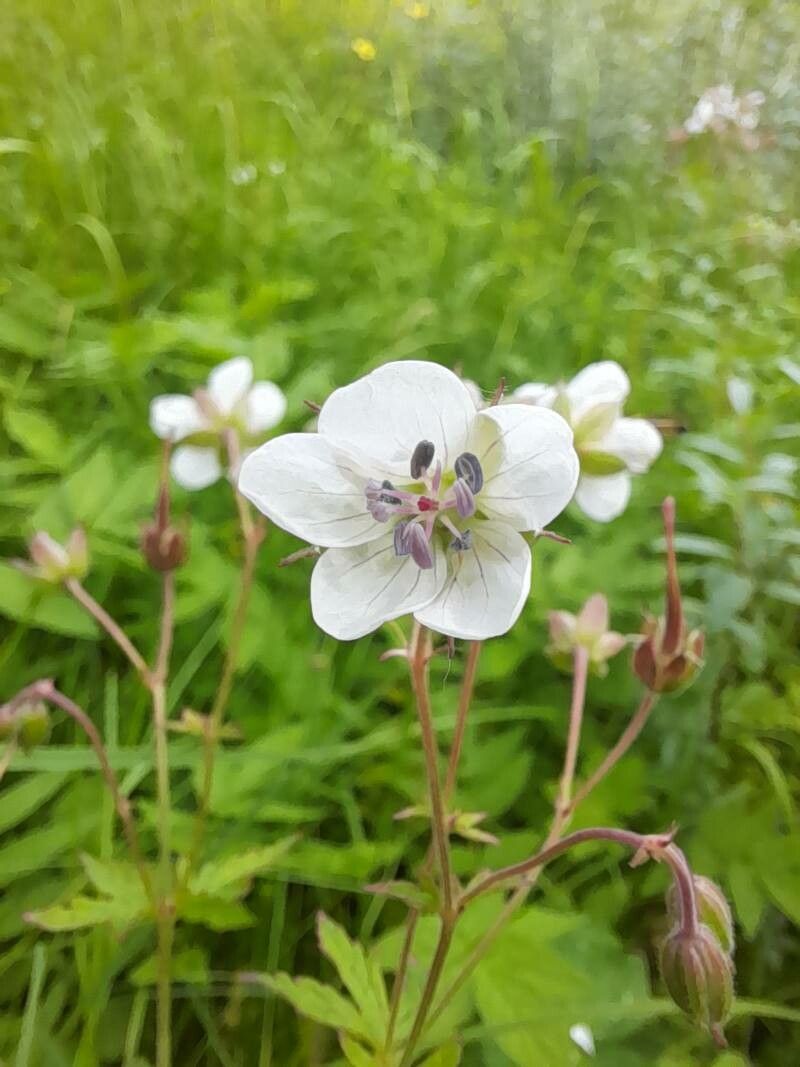
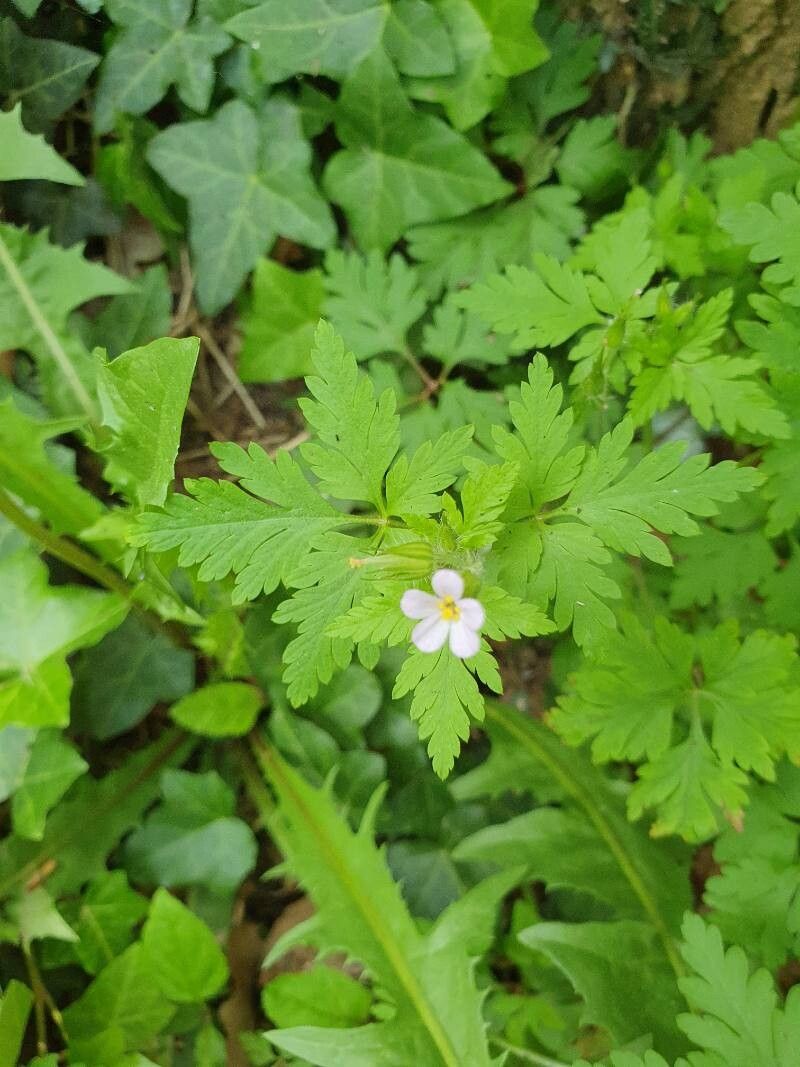
Geranium albanum, the crested cranesbill or Albanian cranesbill, is a species of flowering plant in the family Geraniaceae, native to the Caucasus and northern Iran. A clumping perennial reaching 50 cm (20 in), the Royal Horticultural Society considers it a good plant to attract pollinators. There is a cultivar, 'Pink and Stripes'.
Crested cranesbill is fairly disease-resistant and usually does not develop many illnesses. Nevertheless, it can be affected by pests and diseases present in its environment. These problems are typically not serious. For care, the plant requires moderate maintenance. It should be pruned regularly to maintain a neat appearance and support healthy growth. Fertilizing can also help encourage flowering. Crested cranesbill is suitable for anyone with outdoor space, such as a garden or patio, and does not demand extensive gardening experience. When grown indoors, it may need more attentive care.
How to keep Geranium Albanum.
Light
Crested cranesbill naturally occurs in habitats like forest understories and rocky areas, where it grows in natural shade. It prefers partial sun but can tolerate full sun or full shade, demonstrating its versatile and hardy nature.
Water
Crested cranesbill thrives in humid environments and requires consistent moisture to stay healthy. For optimal growth, it should be watered weekly. While it is usually grown outdoors and is drought-tolerant, its water needs may increase during the growing season due to higher temperatures. Regular watering is essential for strong, robust growth.
Temperature
Crested cranesbill can adapt to a wide range of temperatures, but its distribution may still be restricted by different combinations of moisture and heat. It does best in warm summers with sufficient rainfall or watering. Long stretches of cloudy, rainy weather or extended high temperatures can raise the likelihood of Crested cranesbill dying. In winter, adequate protection from cold can increase the plant’s survival rate.
Fertilizer
The best time to fertilize a Crested cranesbill is in early spring, as it comes out of dormancy and begins active growth. Fertilizing supplies essential nutrients for healthy development. Although Crested cranesbill has fairly low fertilizer requirements, annual feeding can improve its survival and encourage better, longer-lasting blooms.
Pruning
The crested cranesbill boasts vibrant flowers and attractive foliage. To promote healthier growth, prune old stems and remove spent blooms in early spring. Make sure to use clean tools to prevent infections and enhance air circulation, which reduces the risk of disease. This practice encourages optimal blooming and enhances the plant's overall vitality.
Botanical profile.
- Plant Type
- Herb
- Life Cycle
- Perennial
- Genus
- Geranium
- Family
- Geraniaceae
- Hardiness Zone
- 5-9
- Mature Height
- 30 cm
- Mature Spread
- 46 cm
- Leaf Color
- Green, Dark Green
- Leaf Type
- Evergreen
- Flower Color
- Pink, White
- Flower Size
- 2.03 cm to 3.05 cm
- Bloom Time
- Late spring, Early summer, Mid summer
- Planting Time
- Spring, Summer
- Harvest Time
- Mid summer, Late summer, Early fall
- Native Area
- Iran, Armenia, Azerbaijan
Other names.