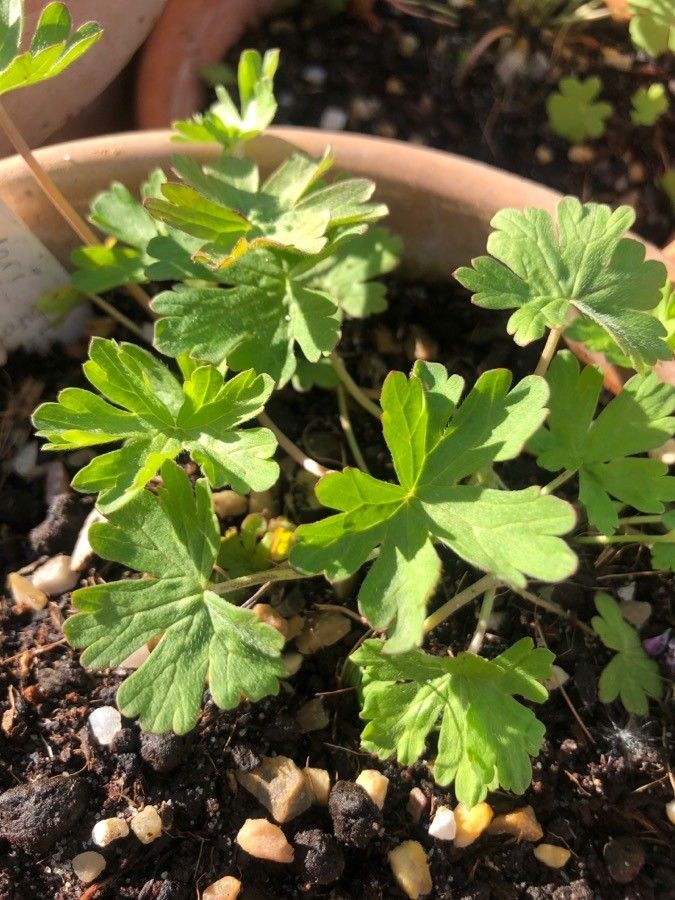
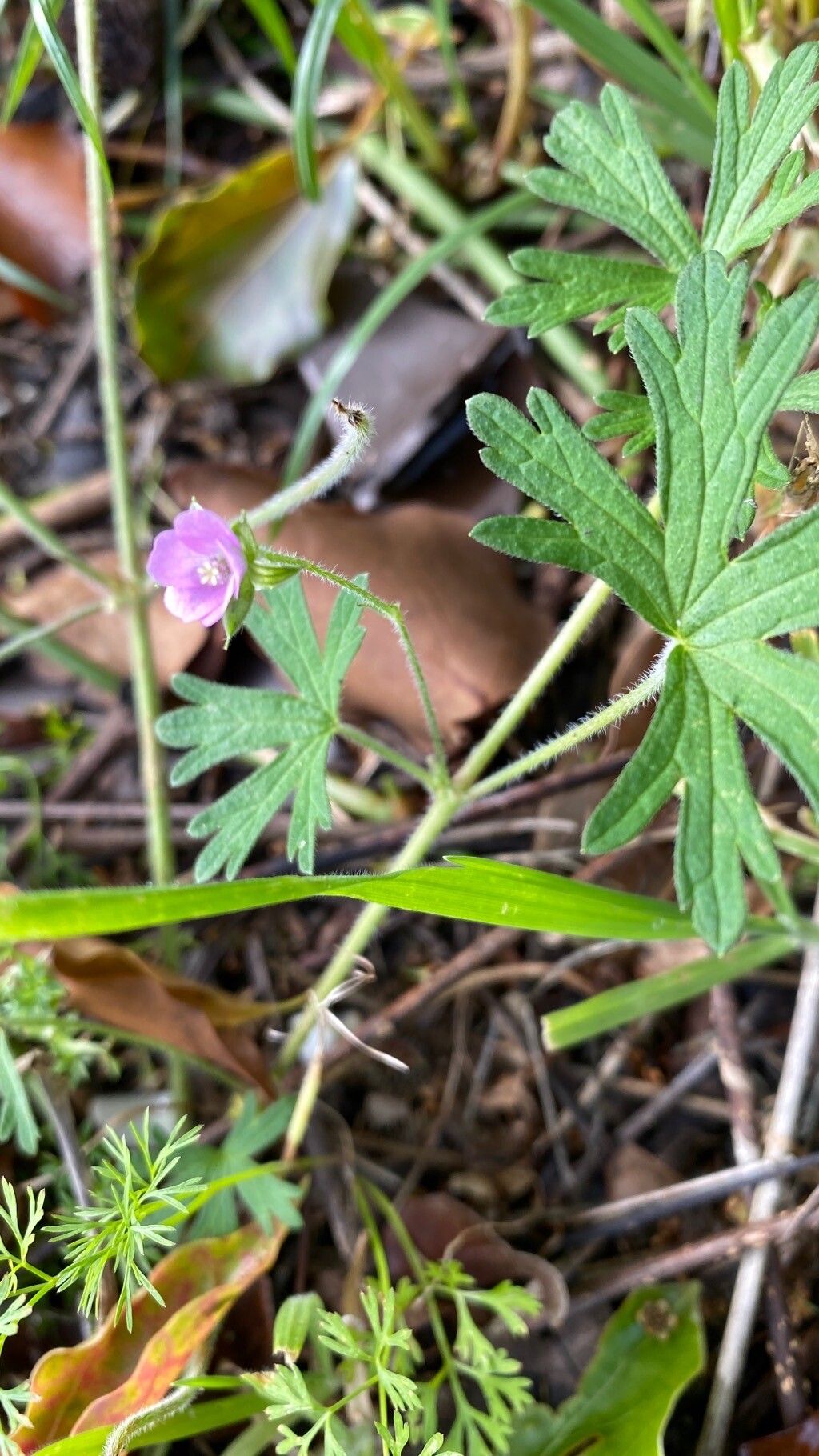
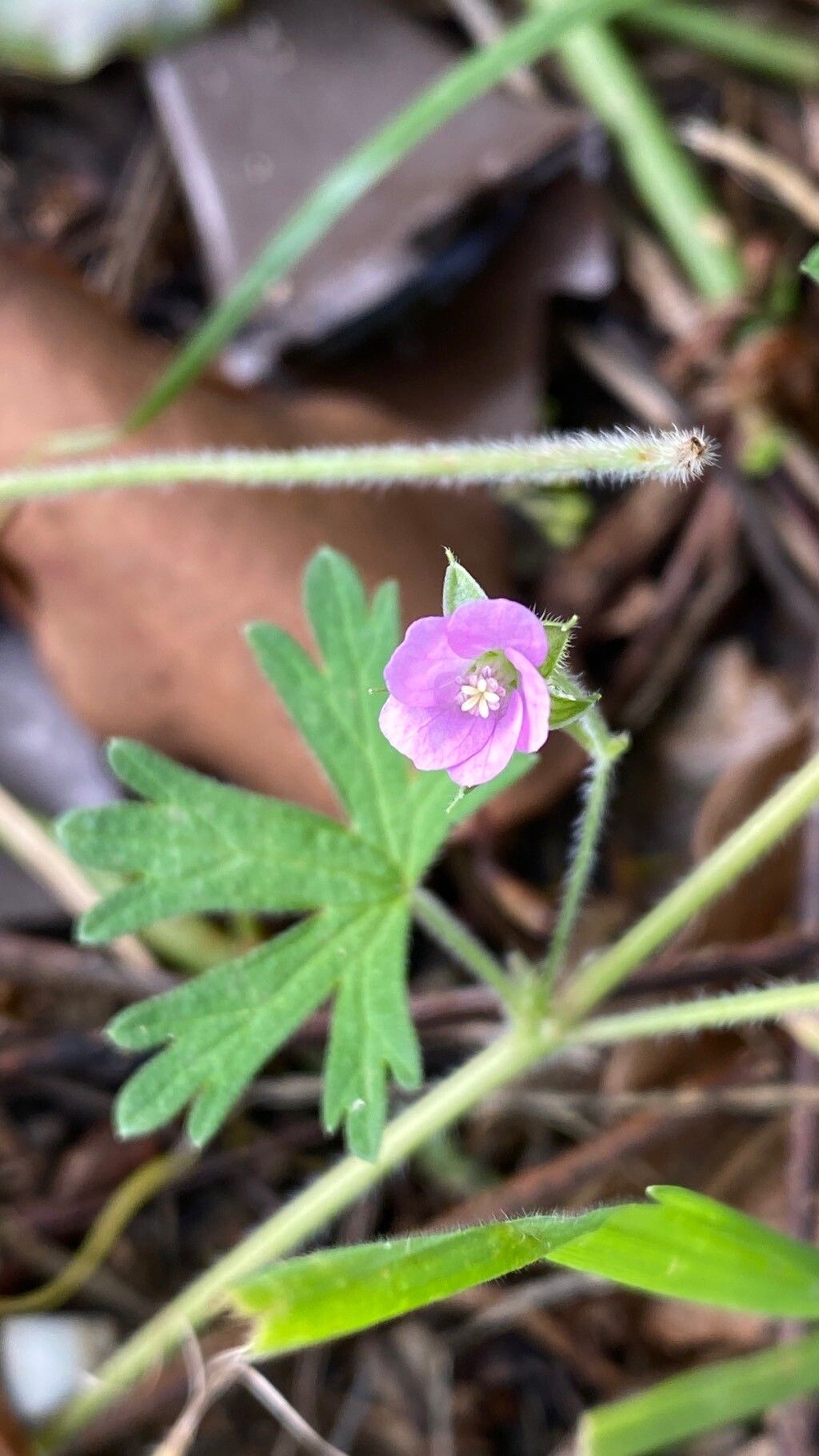
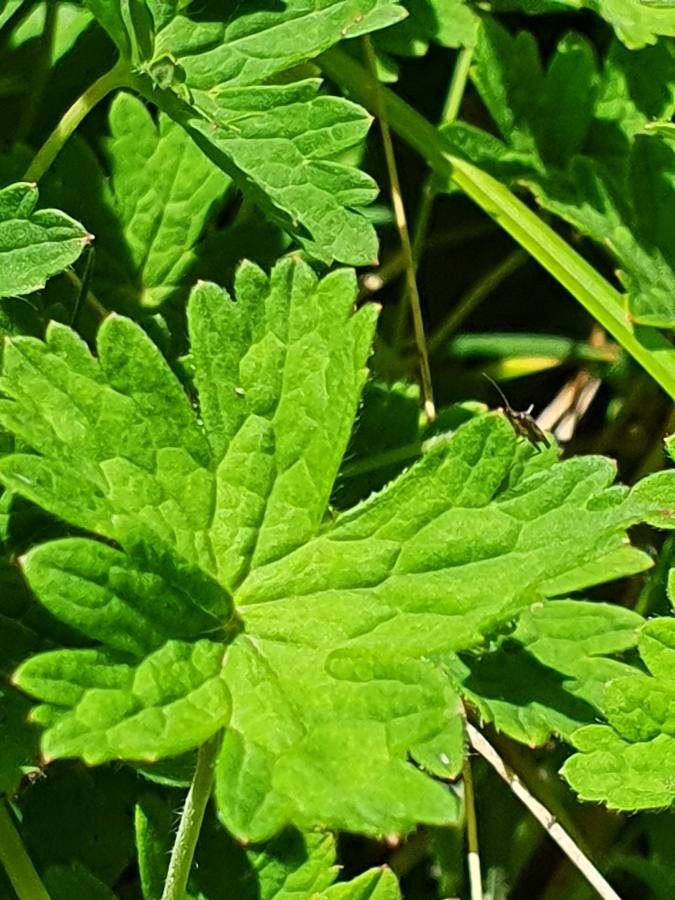
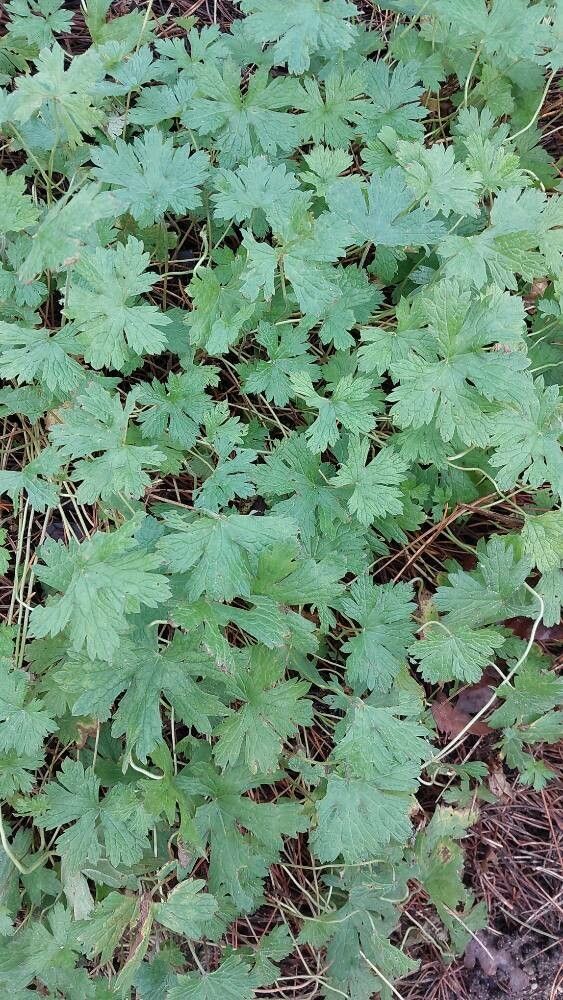
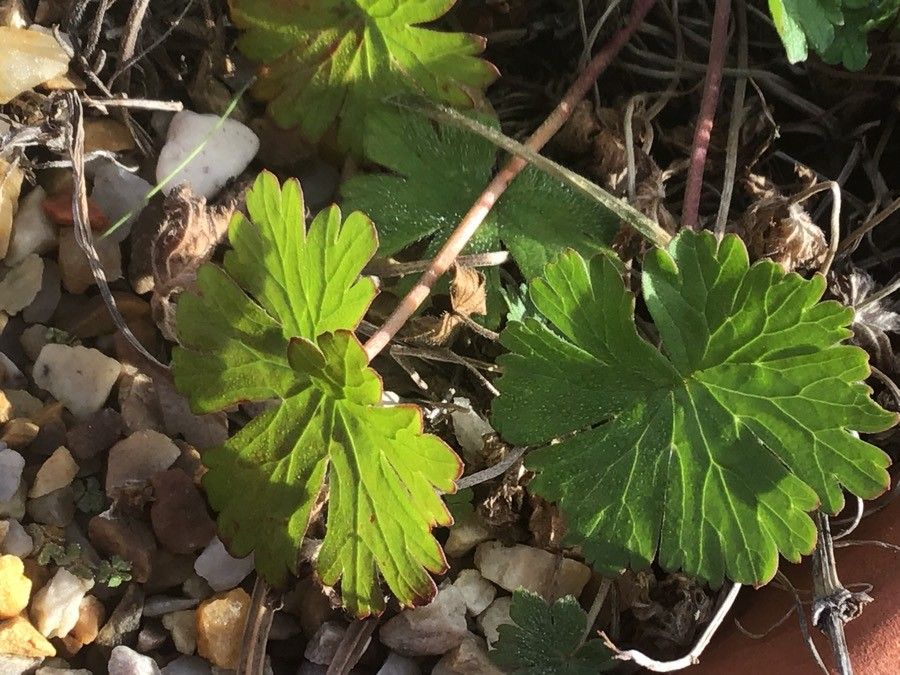
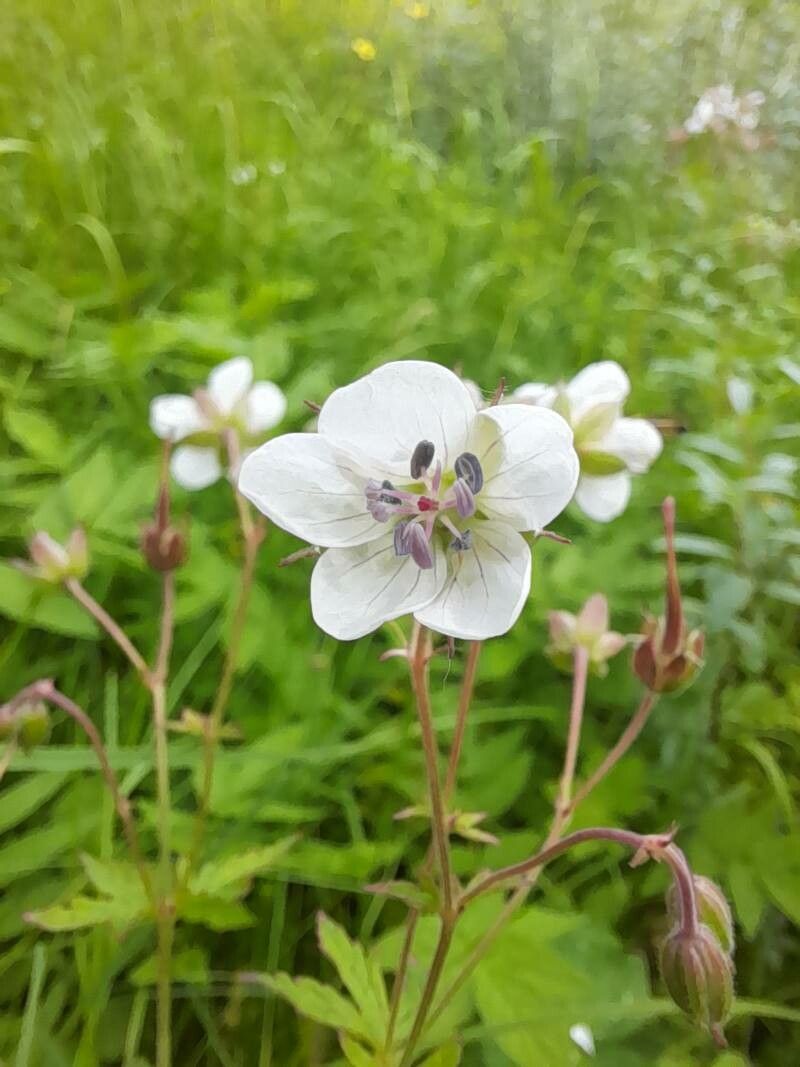
Geranium solanderi (common names - native geranium, Australian cranesbill, Austral cranesbill, Cut-leaf cranesbill, native carrot, and hairy geranium) is a species of plant in the family Geraniaceae. It is native to Australia (New South Wales, Queensland, Victoria, South Australia, Western Australia, and Tasmania), and to New Zealand.It was first described in 1800 by Daniel Solander as Geranium pilosum, from a specimen found in New Zealand. However, the name was illegal (having already been used in 1787 by Antonio José Cavanilles) and it was renamed in 1965 by Roger Charles Carolin, with the species epithet, solanderi, honouring Solander.
Solanders geranium has strong resistance to diseases and is generally not liable to illnesses. Still, it can be vulnerable to pests and diseases present in its surroundings. These infections are typically mild. In terms of care, this plant needs a moderate amount of attention. It should be pruned regularly to keep a neat appearance and support healthy growth. Fertilizing can also help encourage flowering. Solanders geranium is suitable for anyone with outdoor space, such as a garden or patio, and does not require extensive experience in plant care. It may demand more attention when grown indoors.
How to keep Geranium Solanderi.
Light
Solanders geranium naturally occurs in habitats like forest understories or rocky areas, where it grows in natural shade. It prefers partial sun but can adjust to full sun or full shade, illustrating its hardy and adaptable nature.
Water
Solander's geranium originally comes from moisture-rich environments and thrives with consistent watering, ideally once a week. Its adaptable nature allows it to withstand varying weather conditions, promoting healthy growth cycles and overall well-being, all while maintaining the right level of hydration without the risk of overwatering.
Temperature
Solanders geranium kan anpassa sig till ett brett spektrum av temperaturer, men dess utbredning kan ändå begränsas av olika kombinationer av vatten- och värmeförhållanden. Den trivs bäst i varma sommarklimat med tillräcklig nederbörd eller vattning. Längre perioder av molnigt och regnigt väder, liksom långvarigt höga temperaturer, kan öka risken för att Solanders geranium dör. På vintern kan rätt skydd mot kyla förbättra plantans överlevnadsförmåga.
Fertilizer
The best time to fertilize a Solanders geranium is in early spring, as it comes out of dormancy and starts active growth. Fertilizing supplies essential nutrients for healthy development. Although the Solanders geranium has relatively low fertilizer requirements, applying fertilizer annually can improve its survival and encourage better, longer-lasting flowers.
Pruning
For optimal health of solander geraniums, prune them in early to mid-spring to remove dead stems and encourage new growth. Regular deadheading enhances blooming cycles and improves overall vitality. For detailed techniques specific to solander geraniums, consult gardening guides.
Botanical profile.
- Plant Type
- Herb
- Life Cycle
- Perennial
- Genus
- Geranium
- Family
- Geraniaceae
- Hardiness Zone
- 7-10
- Mature Height
- 20 cm to 40 cm
- Mature Spread
- 30 cm to 61 cm
- Leaf Color
- Green, Dark Green
- Leaf Type
- Semi-evergreen
- Flower Color
- Pink, Lavender
- Flower Size
- 1.02 cm to 2.03 cm
- Bloom Time
- Spring, Summer
- Planting Time
- Spring
- Harvest Time
- Late spring, Summer, Early fall, Mid fall
Other names.
Reader questions.
What are the sunlight requirements for Solanders geranium (Geranium solanderi)?
Solanders geranium (Geranium solanderi) requires specific sunlight conditions to thrive. For full sun exposure, it needs above 6 hours of sunlight daily. For partial sun exposure, about 3-6 hours of sunlight is necessary. It's important to observe how sunlight moves through your garden to find spots that provide the perfect balance of light and shade for your plants. This ensures the happiness and health of your Solanders geranium.
What is Solander's geranium?
Solander's geranium, also known by its botanical name, Geranium solanderi, doesn't have provided details on its essentials or symptoms. Since there's limited information available in the initial content, it's challenging to provide a comprehensive description beyond its identification. For more in-depth information, further research would be required.