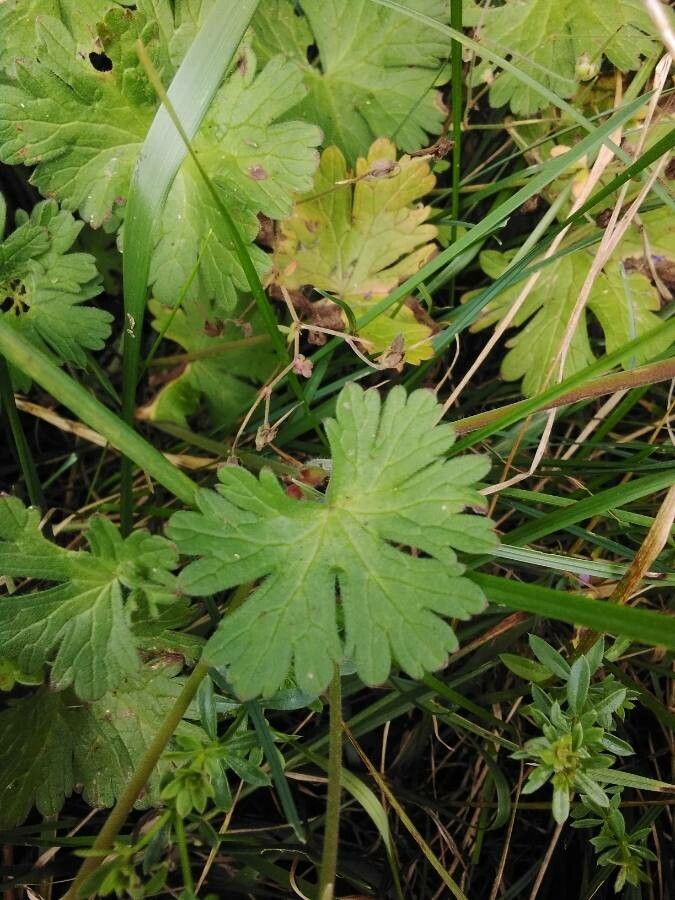
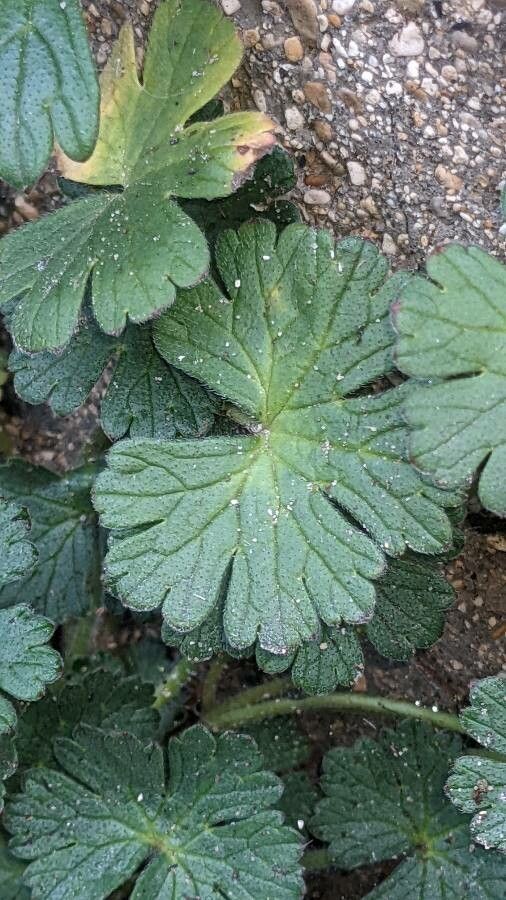
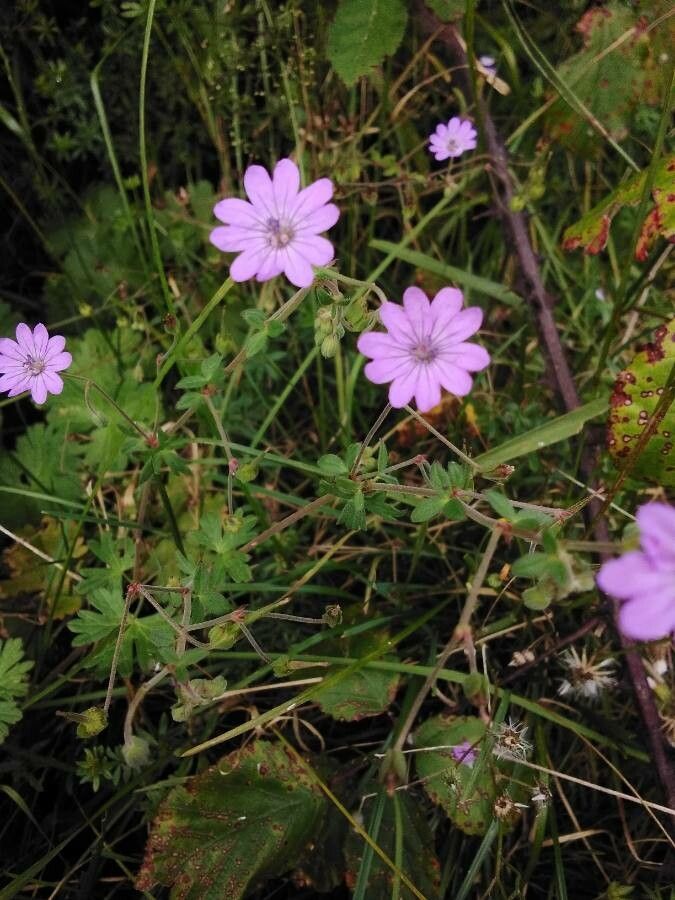
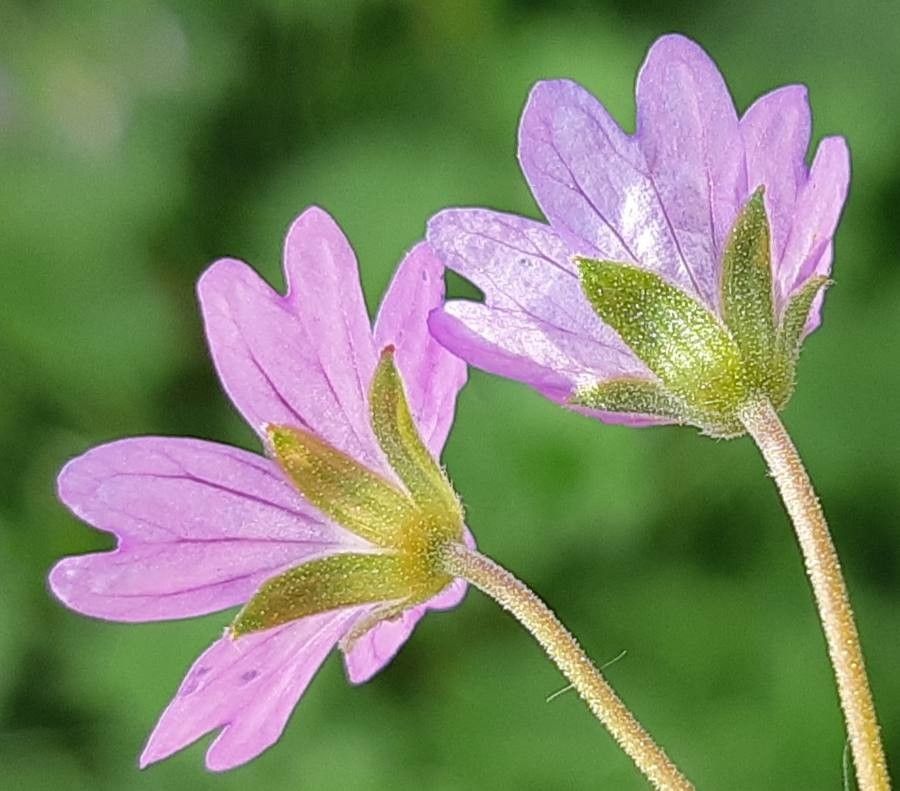
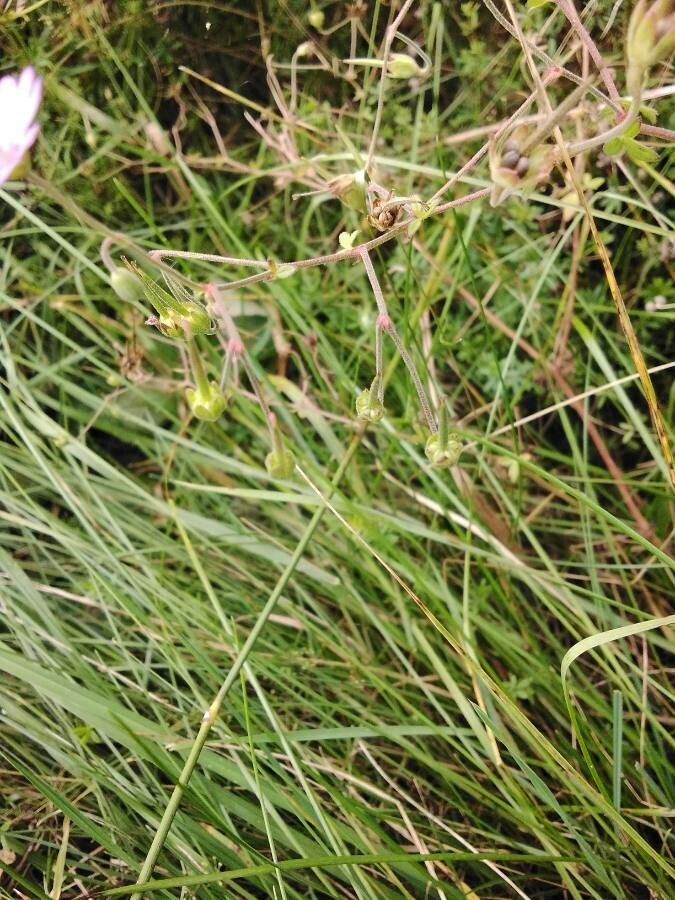
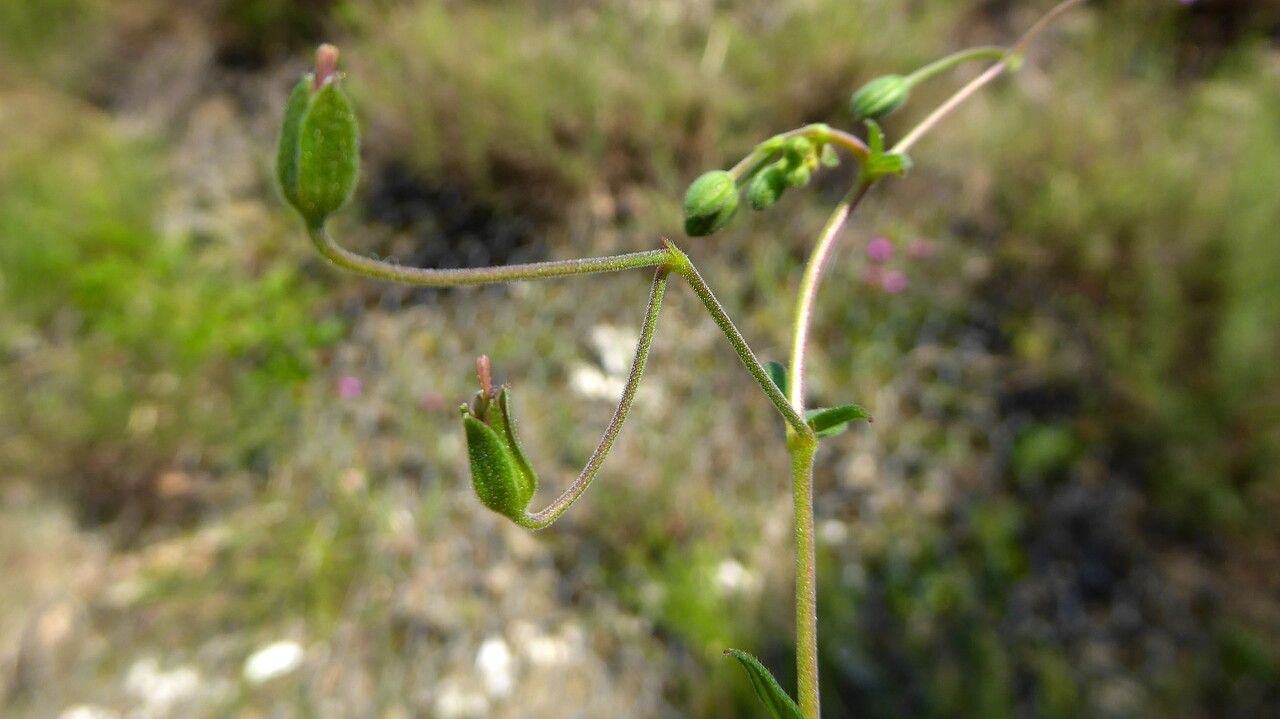
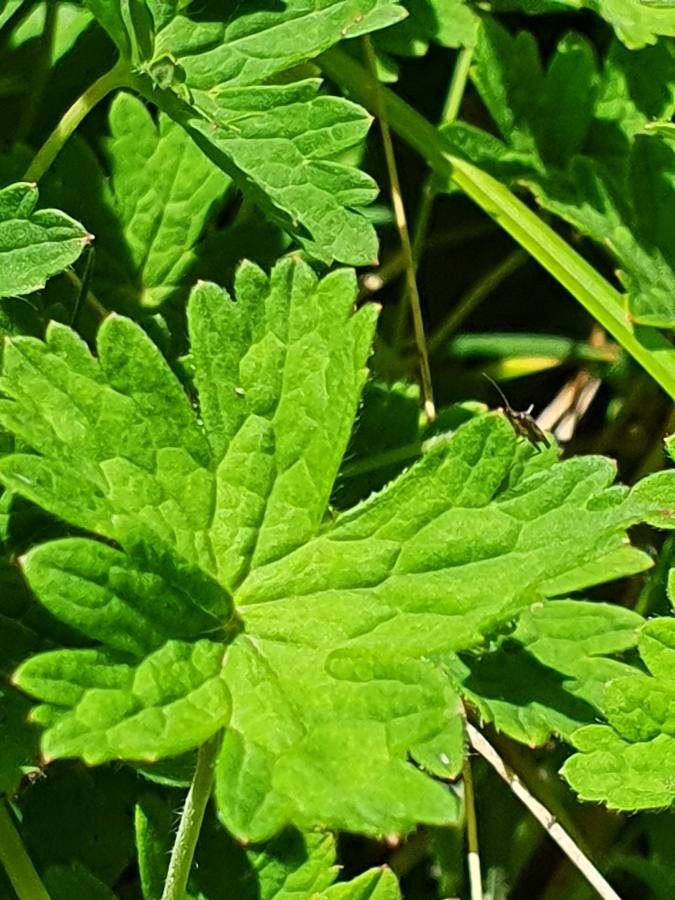
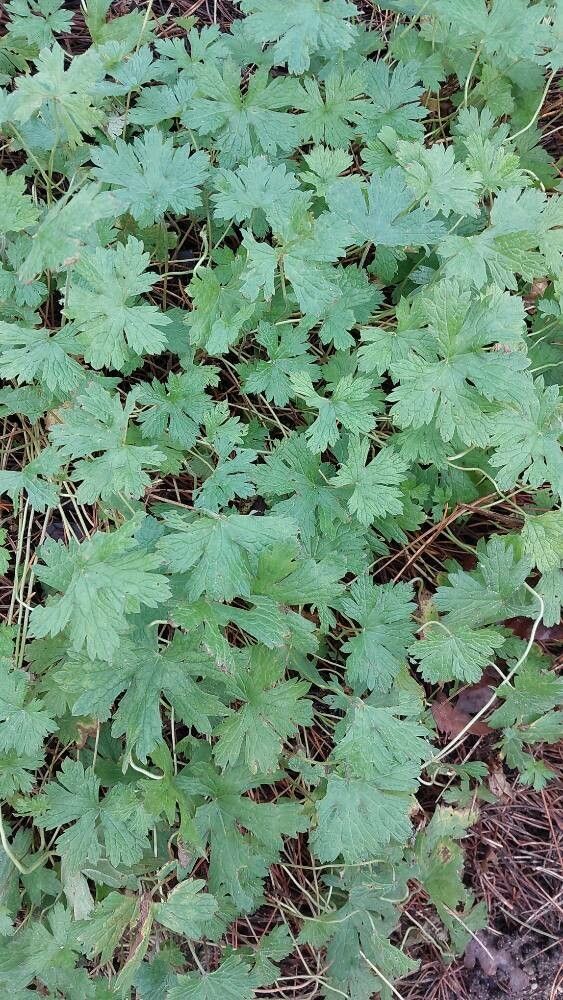
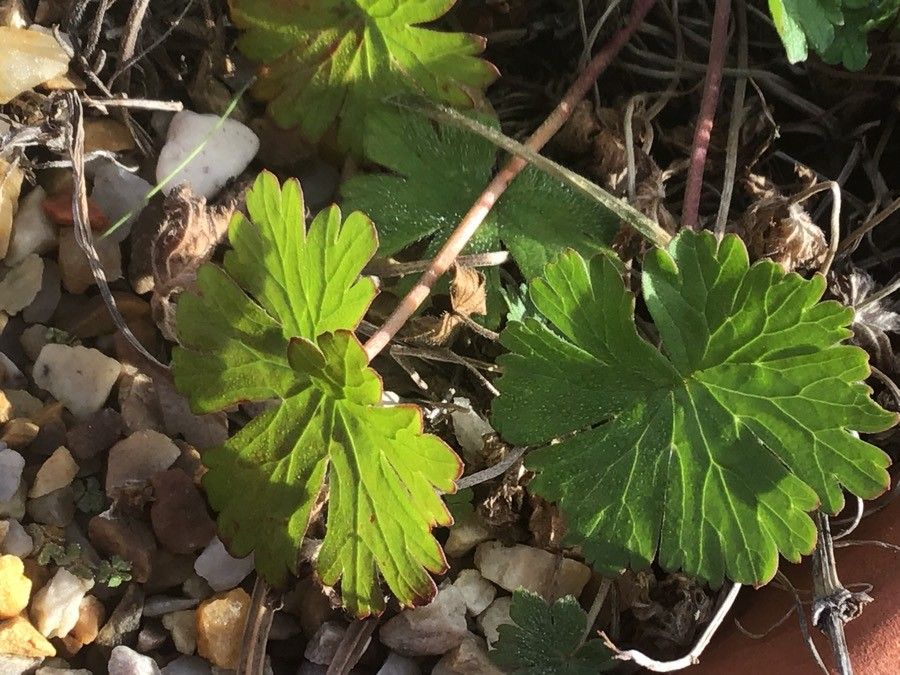
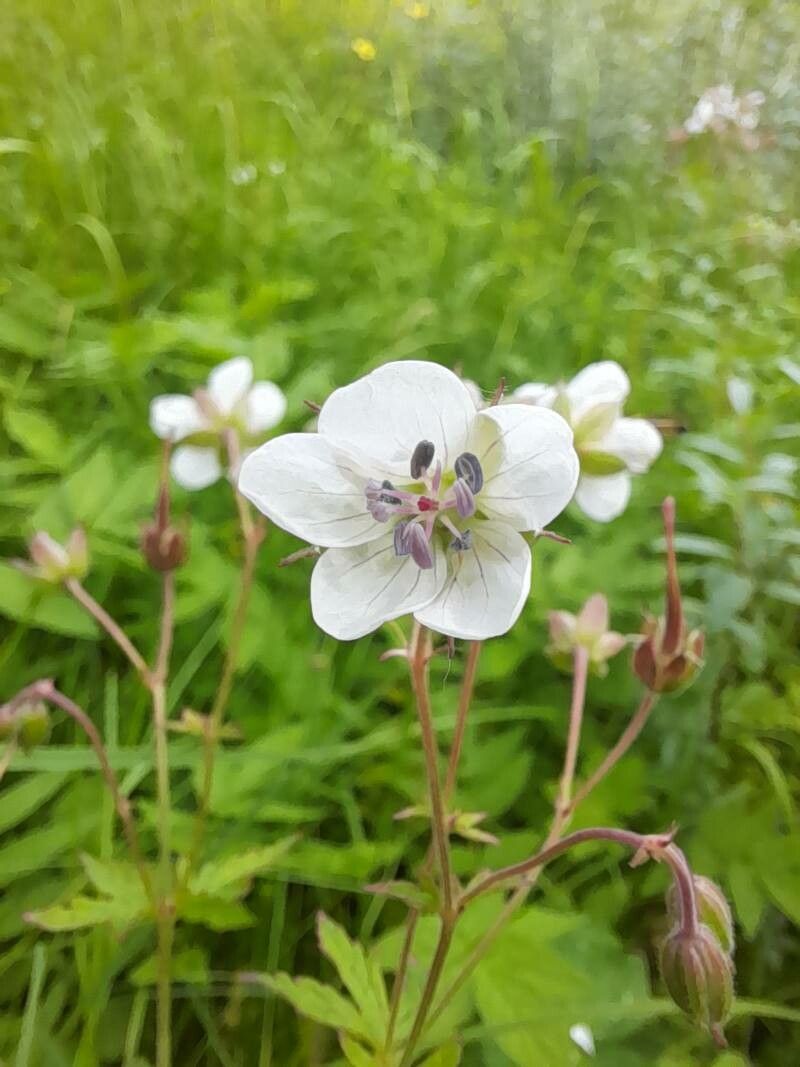
Geranium pyrenaicum, otherwise known as hedgerow cranesbill or mountain cranesbill is a perennial species of plant in the family Geraniaceae. It can be found on roadside verges and along hedgerows.
Hedgerow cranesbill has strong disease resistance and is usually not susceptible to illnesses. However, it can be affected by pests and diseases present nearby. These infections tend to be mild. Regarding care, the plant requires a moderate level of maintenance. Regular pruning is needed to preserve its appearance and support healthy growth. Fertilizing can also help encourage flowering. Hedgerow cranesbill is well suited to anyone with an outdoor area, such as a garden or patio, and does not demand extensive experience in plant care. It may need more attention if grown indoors.
How to keep Geranium Pyrenaicum.
Light
Hedgerow cranesbill grows best in places that receive plenty of sunlight throughout the day, encouraging strong growth and flowering. It can also tolerate reduced light, making it a hardy plant. Nevertheless, too much or too little light can result in stunted growth and fewer flowers. It comes from environments with substantial sun exposure.
Water
Hedgerow cranesbill, a plant native to temperate regions, thrives best with consistent soil moisture, avoiding waterlogging. To ensure optimal health, it requires weekly watering. This plant is best suited for outdoor cultivation, as it aligns its growth cycle with seasonal rainfall, benefiting from natural hydration patterns.
Temperature
Hedgerow cranesbill is native to habitats with temperatures ranging from 68 to 95 °F (20 to 35 °C). It favors the upper end of that range and may need extra warmth during cooler seasons.
Fertilizer
The best time to fertilize a Hedgerow cranesbill is in early spring, as it breaks dormancy and starts active growth. Fertilizing supplies essential nutrients for healthy development. Although Hedgerow cranesbill has fairly low fertilizer requirements, applying fertilizer annually can improve its survival and encourage better, longer-lasting blooms.
Pruning
Hedgerow cranesbill showcases delicate lobed leaves and pink-to-purple flowers. For optimal growth, prune it between early and late spring to remove dead stems and encourage blooming. Light trimming during the growing season helps maintain healthy foliage and controls its spread. Always use clean, sharp tools for the best results.
Toxicity
Geranium pyrenaicum has no toxic effects reported.
Further reading →
The toxicity and danger assessments provided are for reference only. We do not assure their accuracy, so it's crucial not to depend on them. Seek professional advice when necessary for accurate guidance.
Botanical profile.
- Plant Type
- Herb
- Life Cycle
- Perennial, Biennial
- Genus
- Geranium
- Family
- Geraniaceae
- Hardiness Zone
- 5-9
- Mature Height
- 20 cm to 40 cm
- Mature Spread
- 40 cm
- Leaf Color
- Green
- Leaf Type
- Deciduous
- Flower Color
- Lavender, Pink
- Flower Size
- 2.54 cm
- Bloom Time
- Late spring, Early summer, Mid summer
- Planting Time
- Spring, Summer, Autumn
- Harvest Time
- Early summer, Mid summer
Other names.
Reader questions.
How should I water my Hedgerow cranesbill plant?
To properly water the Hedgerow cranesbill, it is recommended to use filtered water at room temperature. Tap water may contain harmful particles, so filtering it is preferable. The Hedgerow cranesbill is accustomed to warm environments, so it is best to avoid cold water, which can be a shock to the plant's system. Additionally, overhead watering should be avoided as it can cause issues with the foliage. Instead, it is better to apply filtered room temperature water directly to the soil until it is completely soaked. This method benefits the plant by keeping the roots moist and aiding in their spread through the soil to access essential nutrients.
Why should I put fertilizer on my Hedgerow cranesbill?
Fertilization is important for the Hedgerow cranesbill because it provides necessary nutrients for both above and below ground growth. Although the fertilization needs for the Hedgerow cranesbill are relatively low, it can benefit from annual fertilization. This helps the plant survive and encourages the growth of better, longer-lasting flowers. Therefore, to help their Hedgerow cranesbill thrive, it is recommended to maintain annual fertilization.
What are the sunlight requirements for Hedgerow cranesbill?
Hedgerow cranesbill requires full sun conditions to thrive, ideally receiving more than 6 hours of sunlight daily for optimal growth and blooming. It can also tolerate partial sun, with about 3-6 hours of sunlight. However, it's essential to watch how sunlight moves through your garden and choose spots that offer a balance of light and shade, ensuring that the plant's needs are met. This balance helps in maintaining the plant's health and promotes flowering.
What is the native temperature range for Hedgerow cranesbill?
Hedgerow cranesbill thrives in native environments where temperatures range between 68 to 95 °F (20 to 35 °C). This plant prefers the higher end of this temperature range and may require additional heating during the cooler seasons to maintain optimal growth conditions.
What should I do if I give my Hedgerow cranesbill plant too much or too little water?
Overwatering is a more common problem for Hedgerow cranesbill than underwatering. When overwatered, the plant's leaves wilt and turn yellow, and it becomes susceptible to diseases like root rot, mold, and mildew. Hedgerow cranesbill has good drought tolerance, so underwatering is less likely, but it can cause leaves to become brittle and brown. It is important to identify the signs of overwatering early and reduce watering if necessary. Check the soil drainage and replace it with a well-draining potting mix if needed. If the plant is receiving too little water, increase watering until the symptoms improve.
When should I add fertilizer to my Hedgerow cranesbill?
To ensure the best growth for your Hedgerow cranesbill, it is recommended to fertilize it in late winter to early spring. This is when the plant is transitioning from its dormant phase to an active growth phase. Fertilizing at this time gives the plant a strong start and promotes healthy growth. While early spring is the most favorable time, fertilizing in the fall is also acceptable. However, it is not advisable to feed the Hedgerow cranesbill during summer or winter seasons.
How can I provide adequate light for my indoor Hedgerow cranesbill?
For indoor Hedgerow cranesbill plants, when natural sunlight is insufficient, especially in winter or less sunny spaces, artificial lighting becomes crucial. Selecting the right type of light, such as LED lights, can be beneficial as they can be customized to provide specific wavelengths needed by the plant. Full sun plants need 30-50W/sq ft of artificial light, partial sun plants need 20-30W/sq ft, and full shade plants require 10-20W/sq ft. The artificial light source should be placed 12-36 inches above the plant to mimic natural sunlight, for about 8-12 hours per day to promote healthy growth.
Does Hedgerow cranesbill require frost protection measures during winter?
Hedgerow cranesbill possesses strong cold resistance and typically does not require special frost protection measures during winter. However, in the event that winter temperatures are expected to dip below -25°C, it is advised to protect the plant by covering it with soil or straw. It is also beneficial to water the plant abundantly before the first freeze in autumn to ensure the soil remains moist and enters a frozen state, which helps in preventing drought and water scarcity during winter and early spring.
How much should I water my Hedgerow cranesbill plant?
If your Hedgerow cranesbill is in a pot, the most precise way to determine if it needs water is by checking the soil. Take your finger and insert it into the soil. If the top two to three inches of soil feel dry, it's time to water the plant. If you have planted your Hedgerow cranesbill outdoors in the ground, you can use a similar method to test the soil. Again, check the top few inches of soil. If it has become dry, it's time to water the plant. In the spring and early fall, using this method will typically require watering the plant once a week. However, during extremely hot weather, you may need to water it twice a week or more. It's important to note that mature and well-established Hedgerow cranesbill plants have the ability to tolerate drought conditions.
When is it not a good idea to fertilize my Hedgerow cranesbill?
To properly feed your Hedgerow cranesbill, focus on late winter and early spring. This plant's low fertilization needs only require one feeding per year. Too much fertilization during other seasons can lead to overfertilization and complications. However, if you missed fertilizing in spring, you can feed the plant in the fall. Furthermore, there is no need to fertilize during winter as the plant is in a dormant growth phase and does not produce new growth.
What symptoms indicate light deficiency in Hedgerow cranesbill?
Symptoms of light deficiency in Hedgerow cranesbill include smaller new leaves compared to older ones, leggy or sparse growth, faster leaf drop, delayed growth or complete halt in new leaf production, and lighter-colored or chlorotic new leaves. These signs suggest the plant is not receiving adequate sunlight. Additionally, symptoms such as sunscald, leaf curling, wilting, and leaf scorching may occur due to excessive sunlight exposure. Both insufficient and excessive light can negatively affect the plant's health and growth.
How does low temperature affect Hedgerow cranesbill, and what are the recommended solutions?
Hedgerow cranesbill is cold-tolerant and performs best when temperatures remain above 20°C. During winter, ensuring the temperature stays above 0°C is advisable. When temperatures fall below -25°C, the plant may not show noticeable changes during the winter but might experience decreased or even a lack of sprouting in spring. To address this issue, it is recommended to remove any parts of the plant that have failed to sprout in spring.