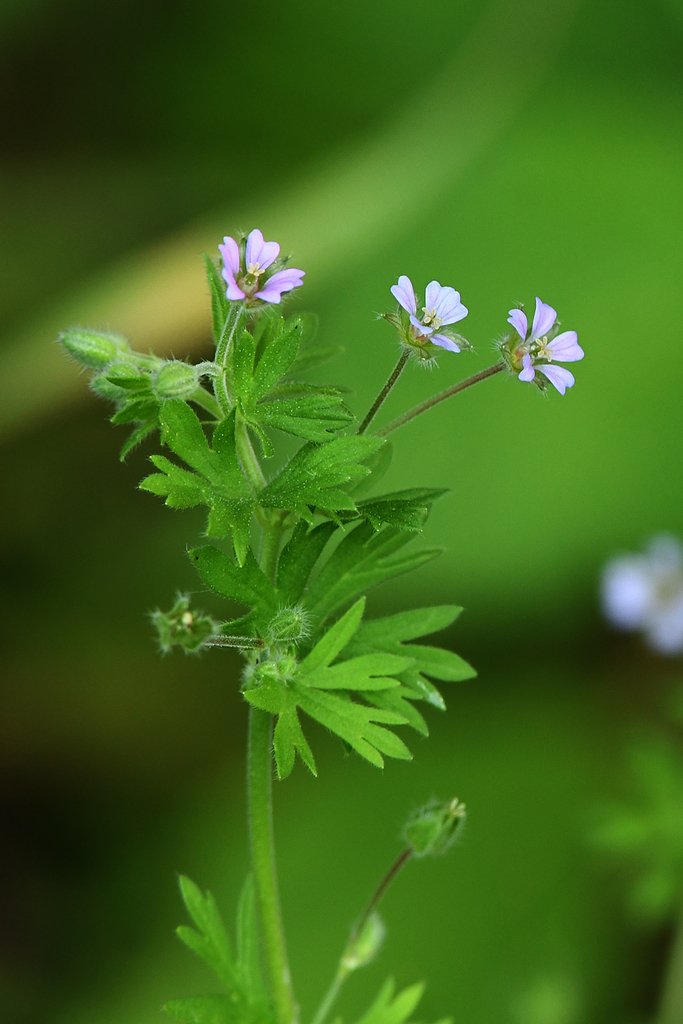
Geranium pusillum, commonly known as small-flowered geranium or small geranium, is a perennial herbaceous plant in the Geraniaceae family. Native to Europe and Asia, it has also been introduced to North America. This plant typically grows up to 30 cm in height and features spreading, hairy, reddish stems.
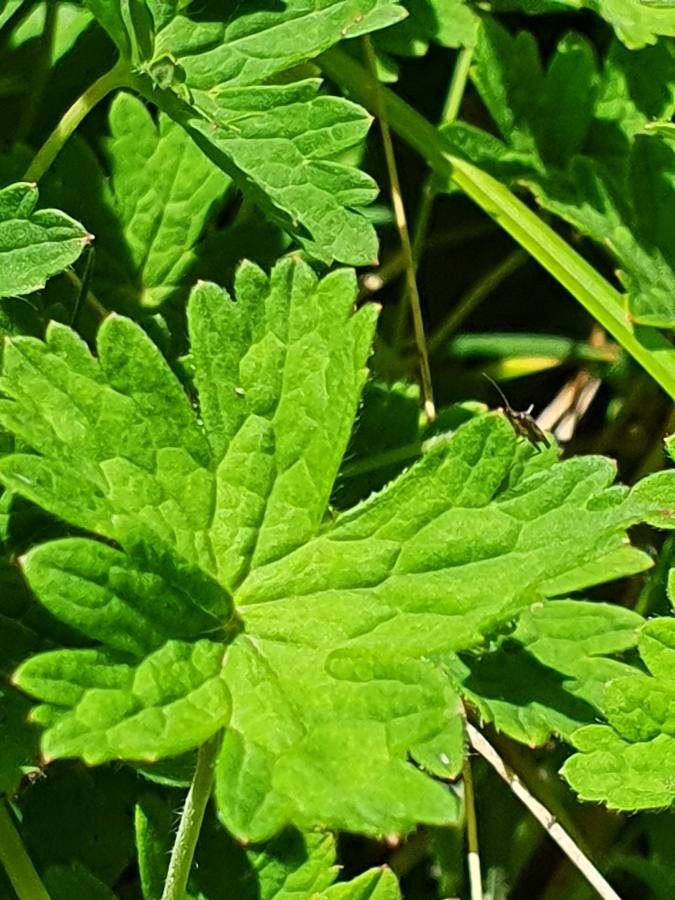
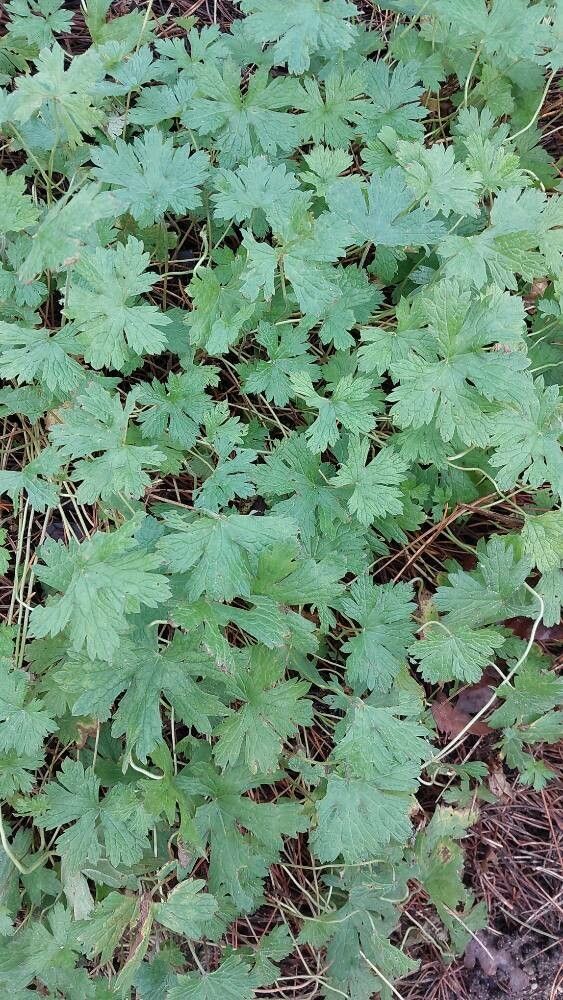
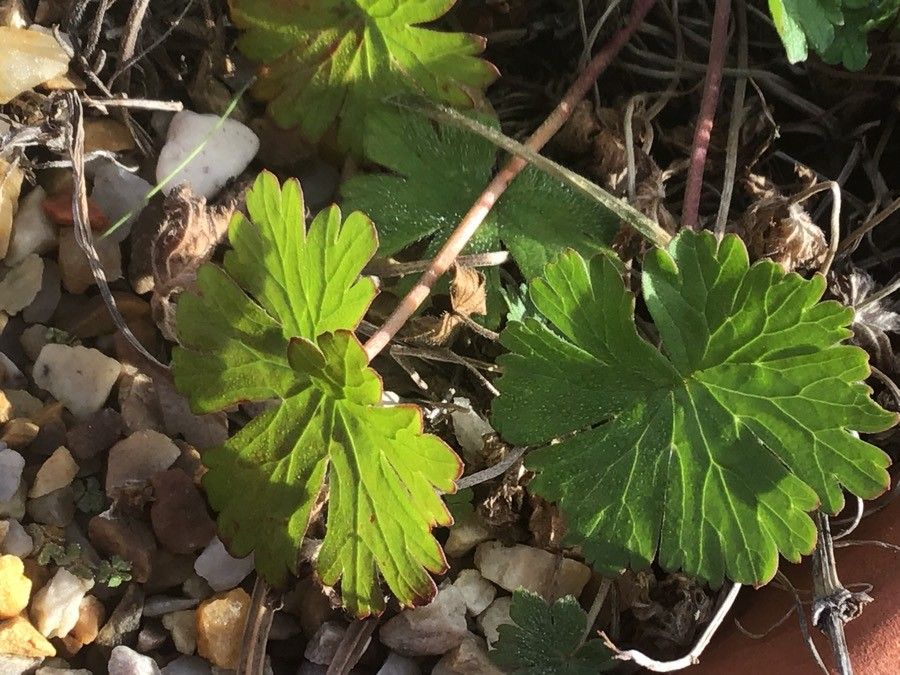
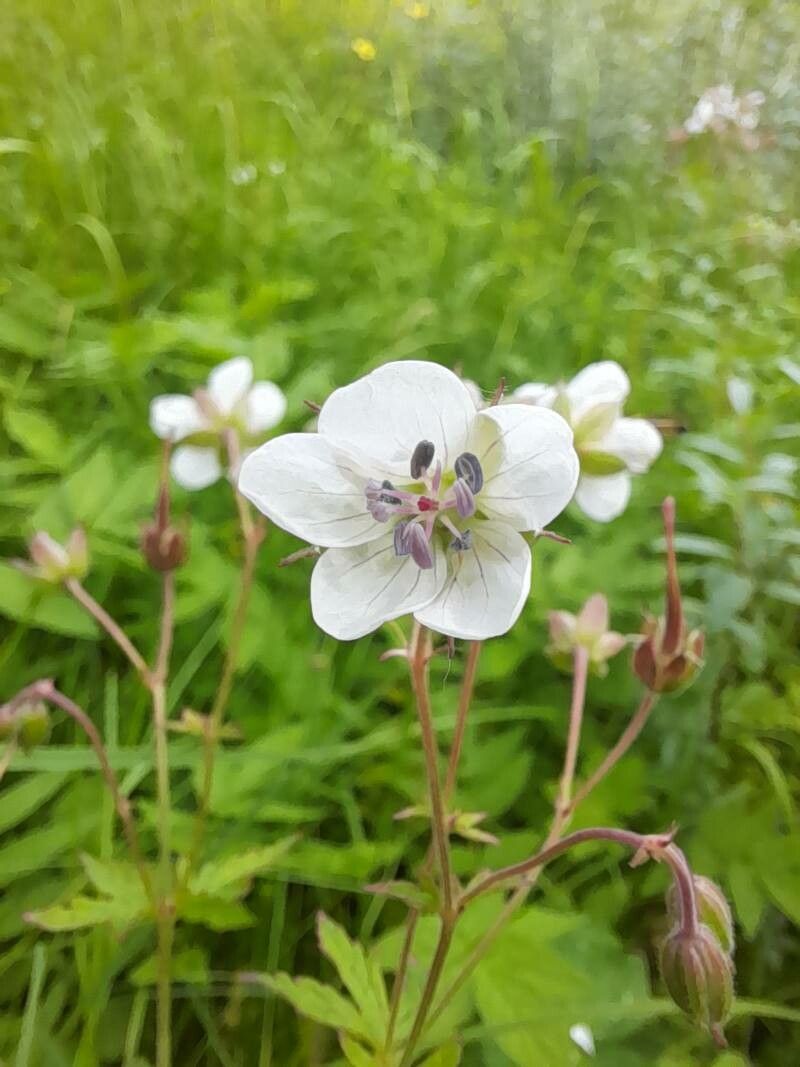
The leaves of Geranium pusillum are deeply lobed with toothed edges, resembling a fern in appearance. Its small flowers, about 1 cm in diameter, have five petals that range in color from pinkish-purple to white. The blooming period extends from May to August.
Geranium pusillum thrives in moist soils but can tolerate dry conditions once established. It is often found along roadsides, in meadows, and at woodland edges.
Historically, this plant has been used for medicinal purposes due to its anti-inflammatory properties, making it effective for treating skin conditions such as eczema and psoriasis.
Overall, Geranium pusillum is an attractive, low-growing perennial that adds beauty and interest to any garden or landscape project. Its medicinal benefits further enhance its appeal as an excellent addition to any setting.
Cutleaf geranium is fairly disease-resistant and typically not prone to illnesses. However, it can be affected by pests and diseases present in its surroundings; such infections are generally not severe. For care, this plant requires moderate maintenance. It should be pruned regularly to maintain a neat appearance and support healthy growth. Fertilizing can also help encourage flowering. Cutleaf geranium is suitable for anyone with outdoor space, such as a garden or patio, and does not demand extensive care experience. It may need more attention when grown indoors.
How to keep Geranium Pusillum.
Light
The cutleaf geranium does best with abundant light for healthy growth. Native to well-lit environments, it does not tolerate being shaded. Its health can decline if light is inadequate, while excessive light causes no harm.
Water
The small geranium flourishes in consistently moist conditions, favoring soil that remains evenly moist without becoming waterlogged. To ensure its health, it is essential to water it weekly. This versatile herbaceous plant can be grown both indoors and outdoors. However, during its active growing season, careful attention to watering is crucial for optimal growth.
Temperature
Cutleaf geranium naturally occurs in mild climates and prefers temperatures of 68 to 95 °F (20 to 35 ℃). In colder months, typical indoor warmth can be sufficient. By contrast, in hotter periods, providing shade may be necessary to preserve optimal growth conditions.
Fertilizer
When most of the Cutleaf geranium's blooms have opened to full size, resume fertilizing. At the time of peak bloom, feed it every three to four weeks, as weather allows. Once the Cutleaf geranium begins to produce fewer new blooms, discontinue fertilizing; there's no reason to feed it when it can no longer produce additional flowers.
Pruning
The small geranium grows slowly and requires minimal trimming. Over-pruning can stunt its growth and may even cause it to die.
Toxicity
Geranium pusillum has no toxic effects reported.
Further reading →
The toxicity and danger assessments provided are for reference only. We do not assure their accuracy, so it's crucial not to depend on them. Seek professional advice when necessary for accurate guidance.
Botanical profile.
- Plant Type
- Herb
- Life Cycle
- Annual, Biennial
- Genus
- Geranium
- Family
- Geraniaceae
- Hardiness Zone
- 4-9
- Mature Height
- 30 cm to 61 cm
- Mature Spread
- 20 cm
- Leaf Color
- Green
- Leaf Type
- Deciduous
- Flower Color
- Pink
- Flower Size
- 1.27 cm to 1.78 cm
- Bloom Time
- Late spring, Early summer, Mid summer
- Planting Time
- Spring, Autumn
- Harvest Time
- Early summer, Mid summer
- Native Area
- Libya, Egypt, Turkey, Austria, Sweden, Slovakia, Montenegro, Croatia, Slovenia, Morocco, Belarus, Uzbekistan, Russia, Iraq, Germany, Romania, Latvia, Moldova, Portugal, Netherlands, France, Tajikistan, Tunisia, Czech Republic, Cyprus, Bulgaria, Poland, Armenia, Greece, Serbia, Lebanon, Lithuania, Norway, Afghanistan, Syria, Italy, Spain, Switzerland, Denmark, Finland, Iran, Albania, Ireland, United Kingdom, Hungary, Algeria
Other names.
Reader questions.
How should I water my small geranium plant?
To water a Small geranium, you have several options: a garden hose with a spray nozzle, a watering can, or any other common watering tool. These plants are not too particular about their water source and can thrive on rainwater, tap water, or filtered water. It's best to avoid watering them from above as this can harm the leaves and flowers and potentially cause disease. Instead, consider using a drip irrigation system, which will deliver water evenly and directly to the soil. If you have a Small geranium in a container, you can follow a similar method but use a cup, watering can, or your tap to water the soil directly.
What are the sunlight requirements for a small geranium?
A small geranium requires full exposure to the sun for optimal growth, thriving best in areas that receive above 6 hours of sunlight daily. It can also tolerate partial sun, roughly about 3-6 hours of sunlight. However, it's crucial to ensure that the plant does not remain in excessive shade as this can hinder its proper development by stunting growth and vitality. Observing how sunlight moves through your garden and choosing locations that offer a balance of light and shade will contribute significantly to the health and happiness of your plants.
What is the native temperature range for Small Geranium (Geranium pusillum)?
The Small Geranium, or Geranium pusillum, is native to environments that typically have a temperature range between 68 to 95°F (20 to 35°C). It thrives best within these temperate conditions. To ensure the plant's health, it's crucial to maintain this preferred temperature range, especially during the colder seasons when artificial heating strategies might be needed to replicate these optimal conditions.
What should I do if I give my Small geranium too much or too little water?
Underwatering your Small geranium can be fixed by watering it more regularly. Overwatering, on the other hand, can be a serious problem that can lead to disease and death for your plant. To prevent overwatering, choose a sunny location with good drainage. If your Small geranium is in a pot and you have overwatered it, consider transferring it to a new pot with better drainage. Make sure to use loose soil and a pot that drains efficiently when repotting.
How does artificial lighting support small geraniums indoors?
When natural sunlight is insufficient, especially in winter or less sunny spaces, artificial lighting provides an essential solution for indoor plants like small geraniums. Optimal growth is achieved with adequate lighting, and artificial lights, such as LED lights, can be customized to supply the necessary wavelengths. For full sun plants, 30-50W/sq ft is recommended; partial sun plants need 20-30W/sq ft, and full shade plants require 10-20W/sq ft of artificial light. The artificial light source should be placed 12-36 inches above the plant to mimic natural sunlight, and most plants will benefit from 8-12 hours of light per day.
Does Small Geranium require special frost protection?
Small Geranium possesses strong cold resistance and does not usually require special frost protection measures during the winter. However, if temperatures are expected to plunge below -25°C, it becomes important to provide some form of cold protection. This can be effectively done by covering the plant with insulating materials such as soil or straw. Additionally, it is advisable to water the plant abundantly before the first freeze in autumn to keep the soil moist, which helps in preventing drought stress and ensures the plant has enough water during winter and early spring.
How often should I water my small geranium?
A small geranium needs regular watering during the growing season. In spring, water it once a week. As the season progresses and it gets warmer, you may need to increase watering to two or three times per week. However, watering too much can harm the plant, so be careful. The soil should be moist but not wet, regardless of how often you water. If your small geranium is in a pot, you'll need to water it more frequently compared to when it is in the ground. Generally, water a container-grown small geranium a few times per week instead of just once a week for an in-ground plant.
What are the symptoms of inadequate light for small geraniums?
Small geraniums grown indoors with insufficient light may exhibit symptoms such as smaller new leaves, leggy or sparse growth, faster leaf drop, slower or halted growth, lighter-colored new leaves, chlorosis (yellowing leaves due to chlorophyll breakdown), sunscald (damage from intense light exposure), leaf curling (a defense mechanism against excessive sunlight), wilting (loss of turgor pressure), and leaf scorching (brown, dry patches on leaves due to excessive light). These symptoms indicate that the plant needs more sunlight for healthy growth and proper development.
How does low temperature affect Small Geranium, and what are the recommended solutions?
Small Geranium is quite cold-tolerant and performs optimally when the temperature stays above 20°C. It's crucial to keep the plant above 0°C during winter months. Should temperatures fall below -25°C, you may not observe immediate changes during winter, but there could be a noticeable decrease in sprouting or failure to sprout at all in spring. The advised solution for any parts of the plant that have failed to sprout by spring is to remove them, promoting healthier growth for the coming season.
How much water does my little geranium plant need?
Determining the optimal amount of water for your Small geranium can be approached in a few different ways. Some gardeners prefer to assess the soil's moisture level by touch, aiming to moisten the top six inches of soil. Alternatively, you can use a standardized measurement, typically around two gallons per week, taking into account factors like heat and soil drying speed. However, following strict guidelines may result in overwatering if your plant requires less. When growing Small geranium in a container, a different method is necessary. Ensure that all soil layers are adequately moistened by using the finger test or allowing a slight trickle of excess water to drain from the pot's holes.
What solutions can be implemented for small geraniums receiving inadequate sunlight?
For indoor small geraniums, gradually moving the plants to sunnier locations, ensuring at least 6 hours of direct sunlight daily, is recommended. This can be achieved by placing plants near south-facing windows and using curtains to maximize sunlight exposure. Alternatively, supplementing with artificial light, such as desk lamps or professional grow lights, for at least 8 hours daily can provide sufficient light. For outdoor geraniums, gradually transitioning plants to sunnier spots and avoiding sudden changes in light intensity is crucial to prevent sunburn. Additionally, for ground plants, reducing obstructions like tree branches and considering transplanting to sunnier locations during the plant's dormant period can greatly improve light exposure. It is important to note that while parts of the plant affected by sunlight deficiency may not recover, new growth following these adjustments will be healthy.
What should be done if Small Geranium experiences high temperatures?
During the summer months, it is important to ensure that the temperature around the Small Geranium doesn't exceed 35°C. Temperatures above 38°C can cause the leaves to lighten in color, become prone to curling, and in extreme cases, can lead to sunburn of the leaves or even wilting and drying of the entire plant. To mitigate such effects, it's recommended to trim away any sunburned and dried parts of the plant, move it to a location with more shade, especially from midday and afternoon sun, or use a shade cloth. Additionally, watering the plant in the morning and evening helps keep the soil moist and cool, providing relief from the heat.