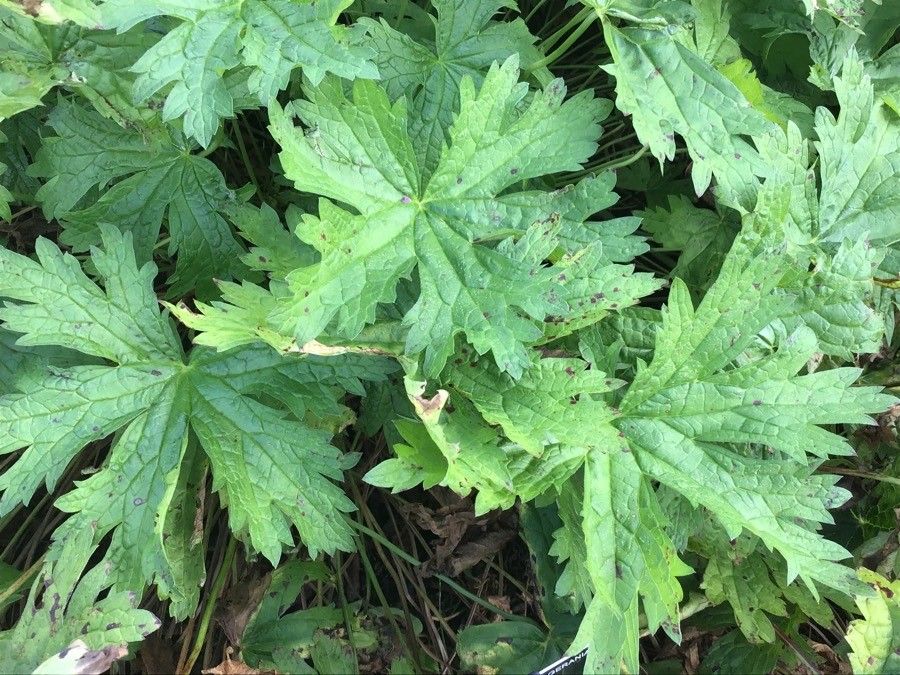
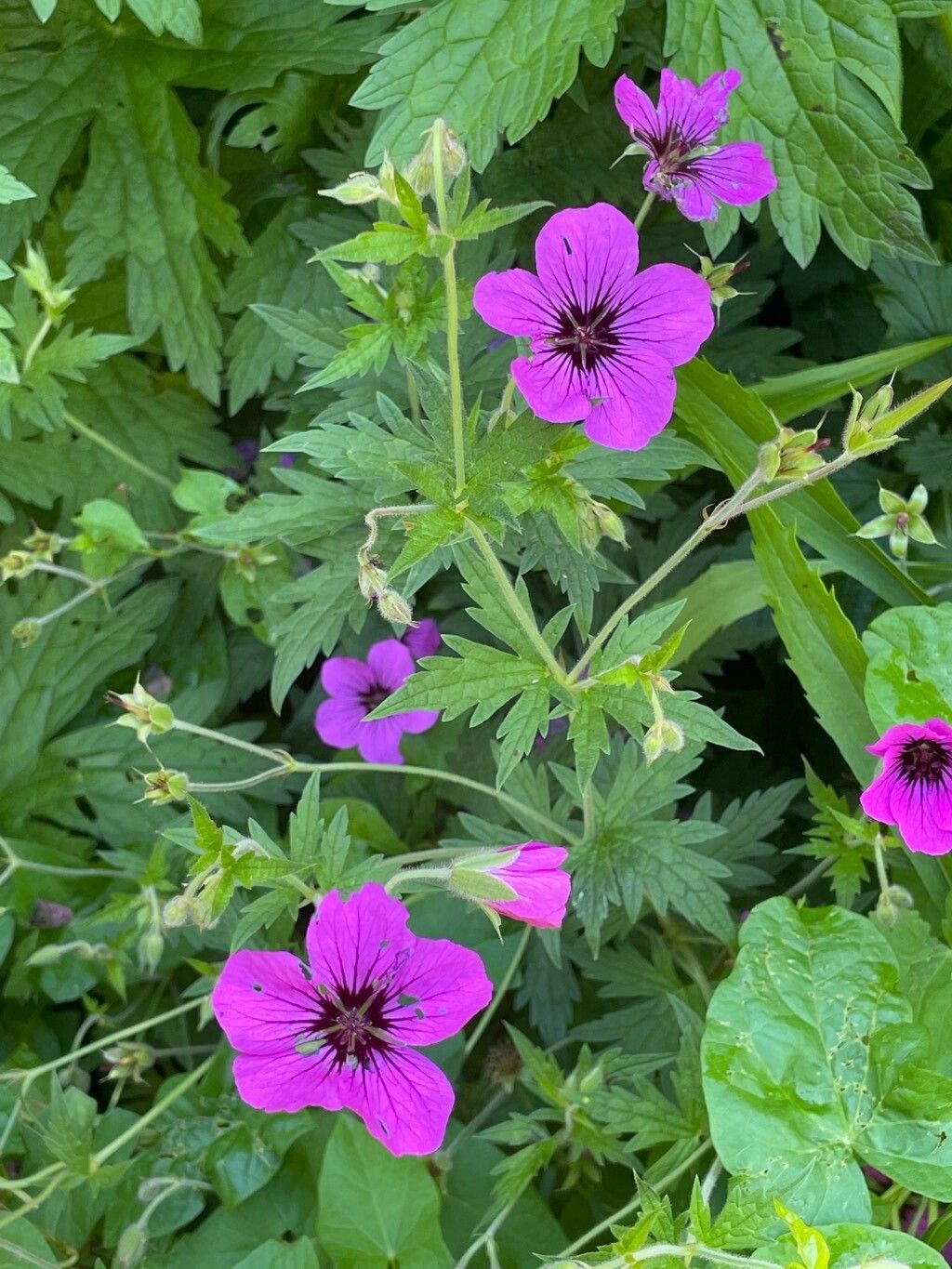
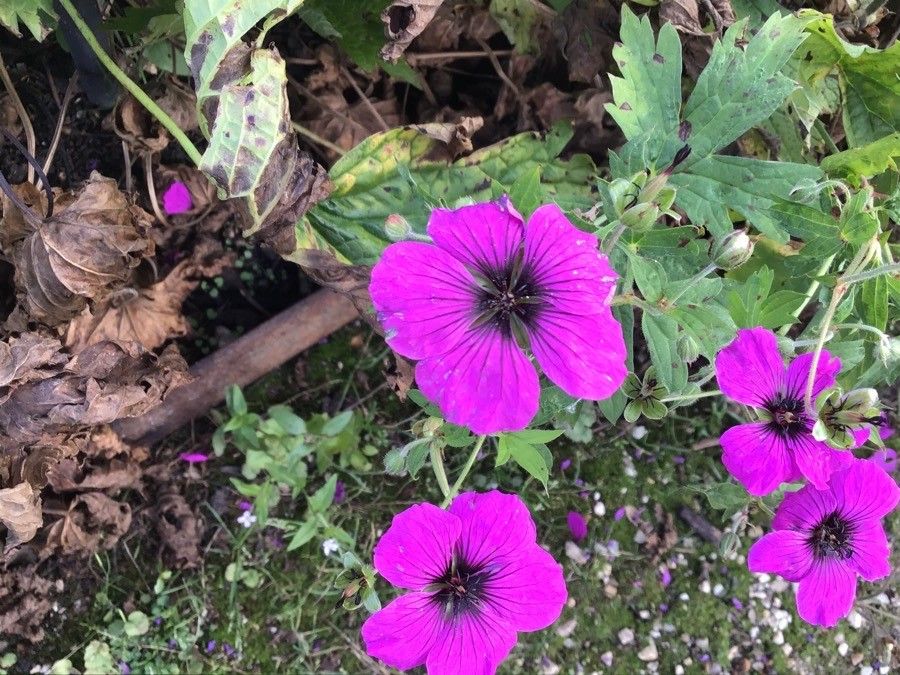
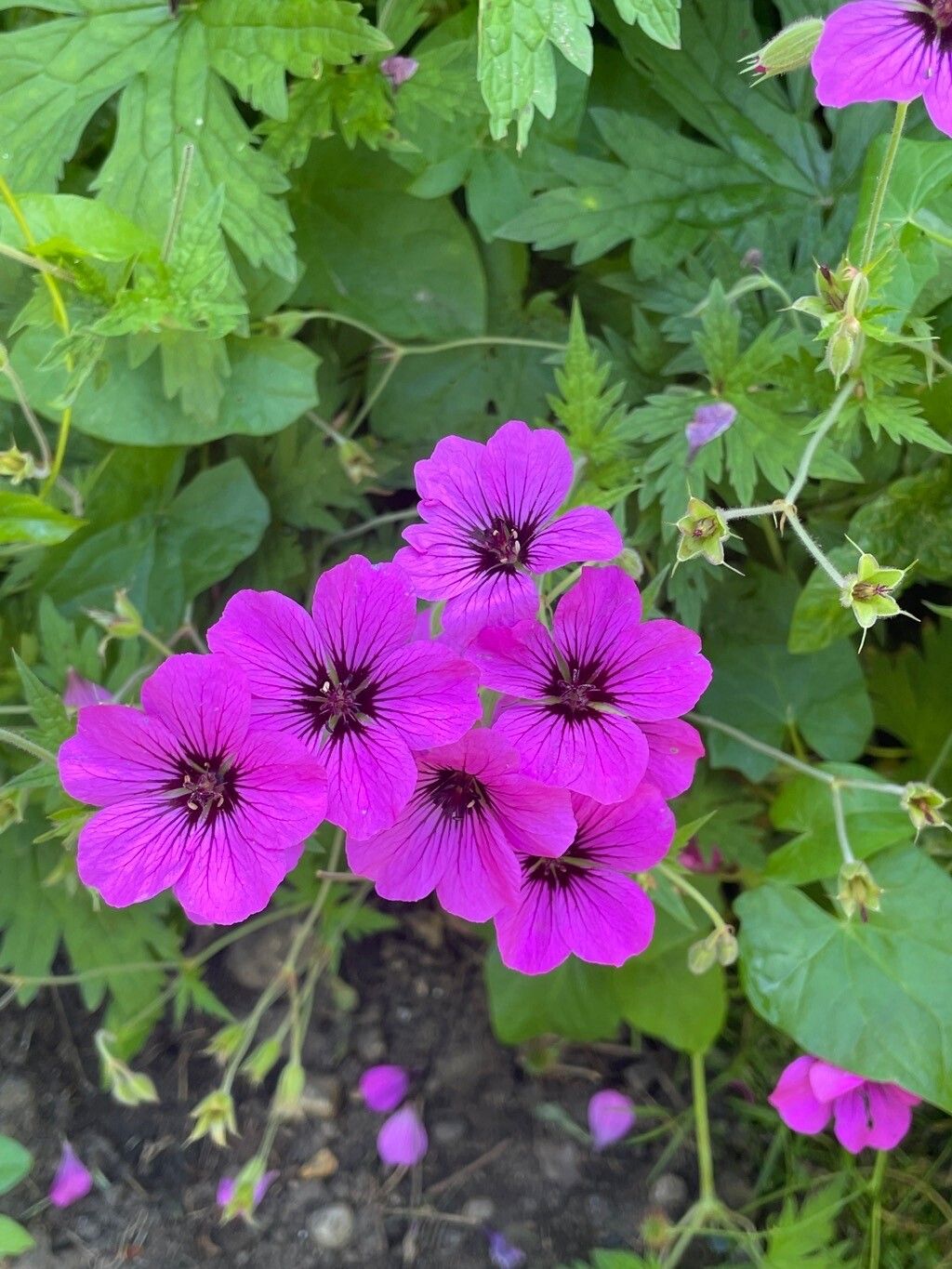
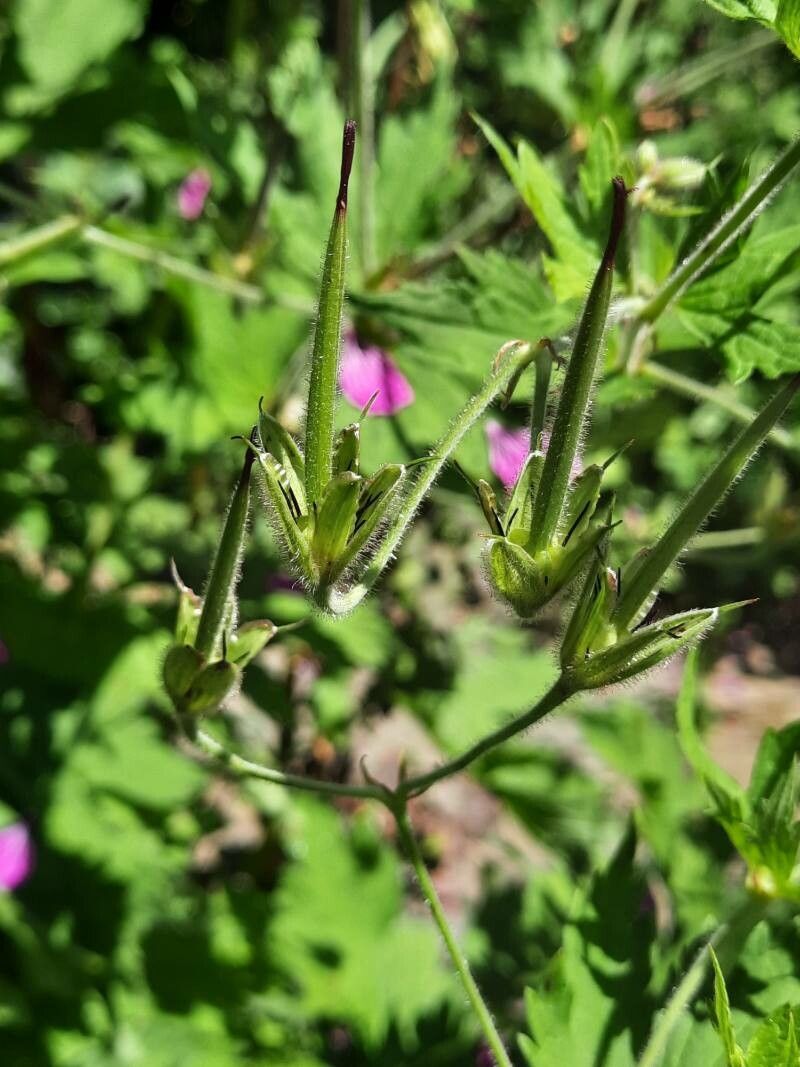
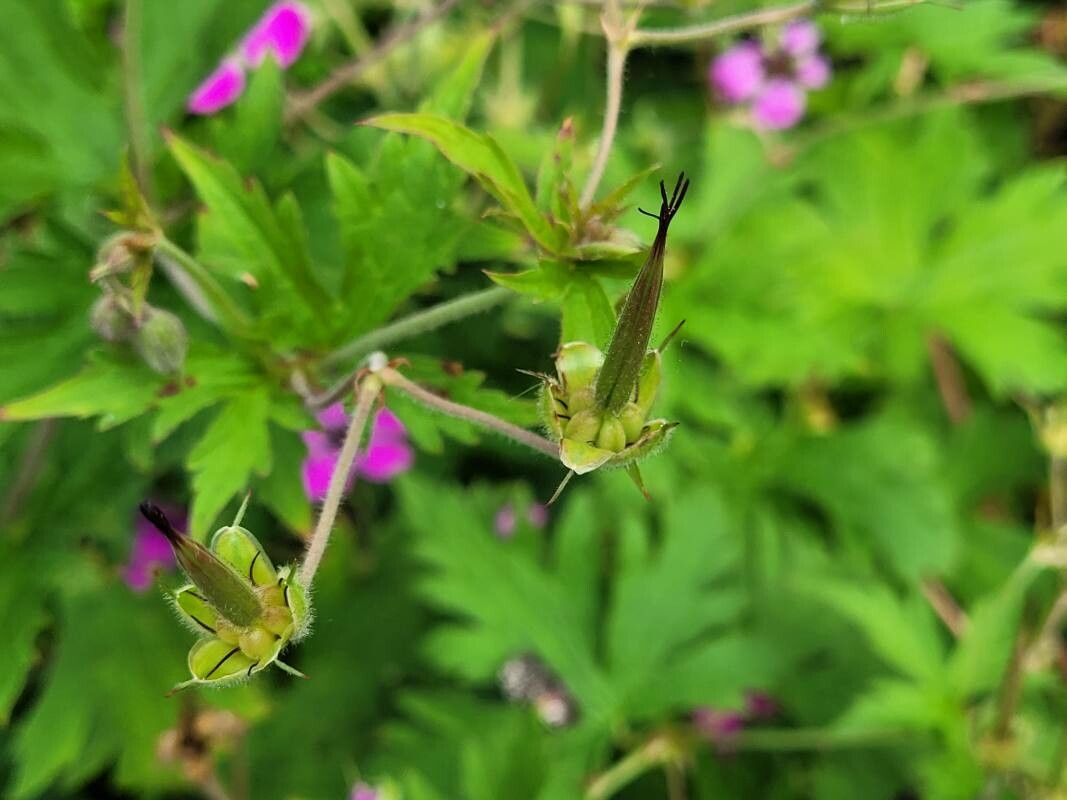
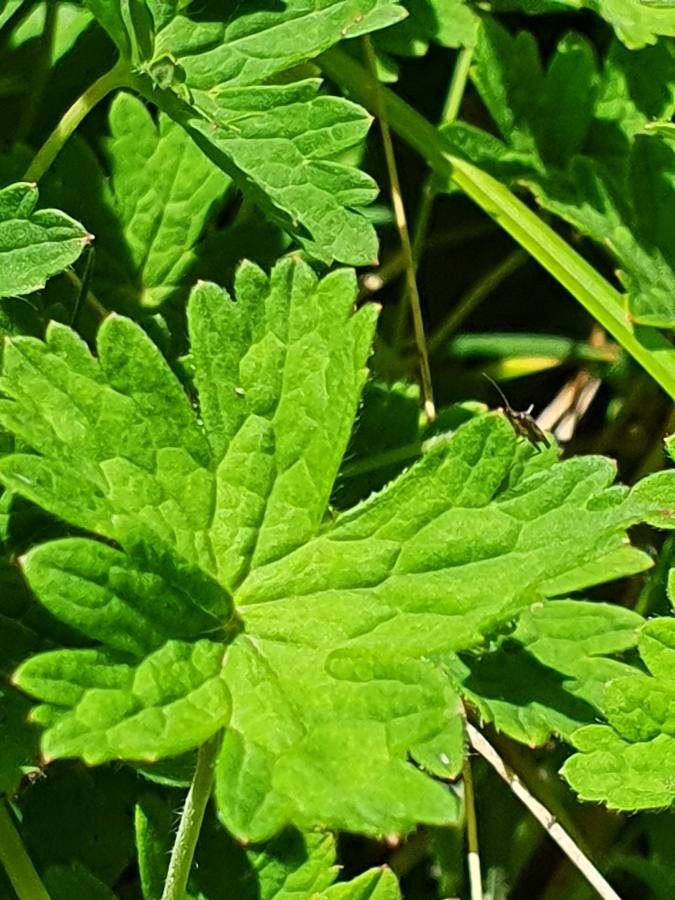
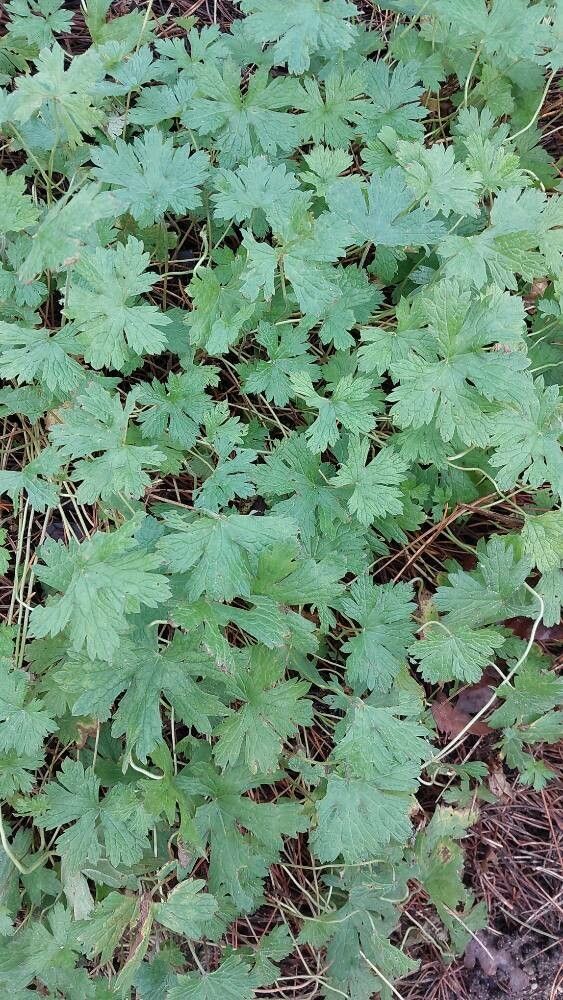
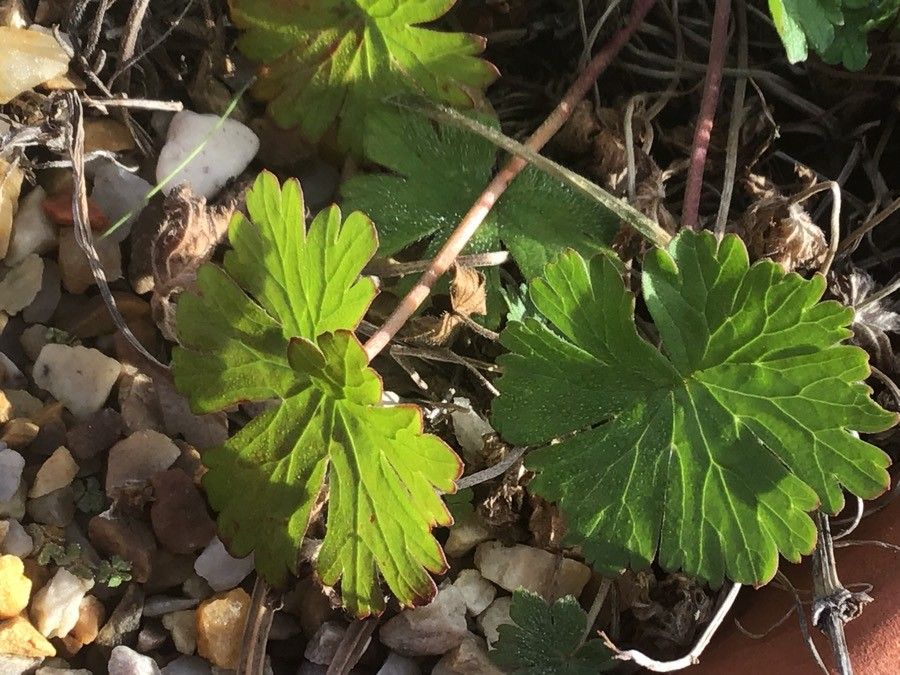
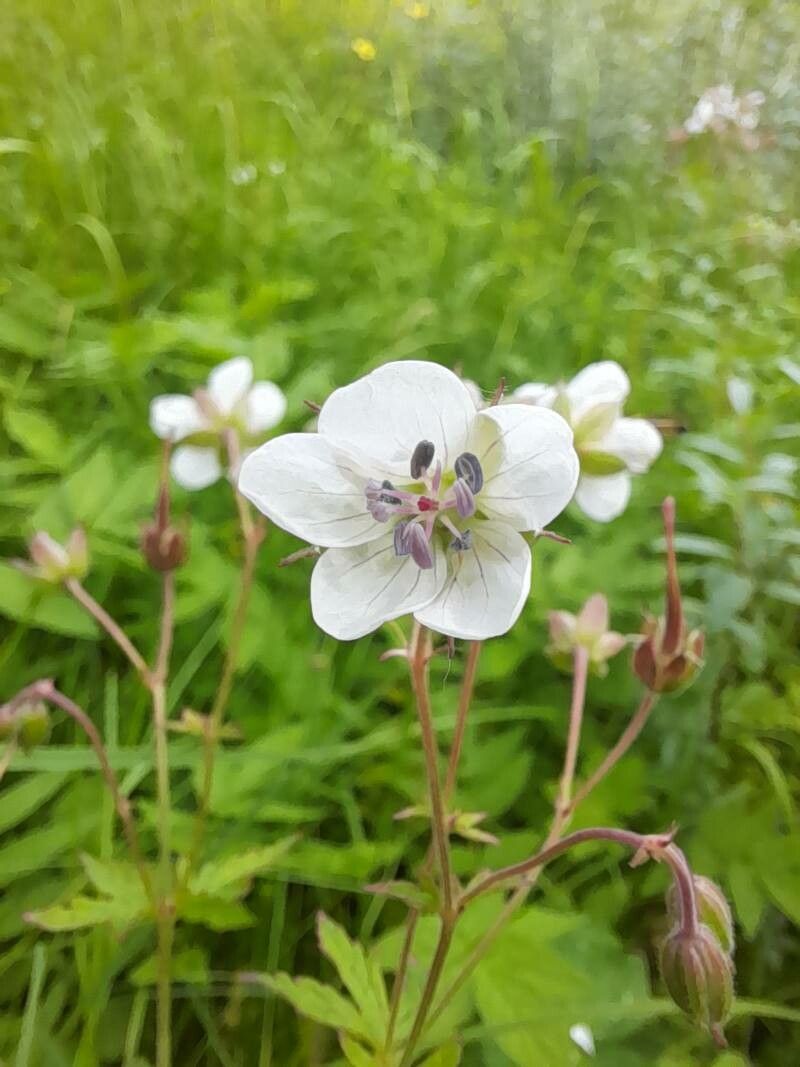
Geranium psilostemon, commonly called Armenian cranesbill, is a species of hardy flowering herbaceous perennial plant in the genus Geranium, family Geraniaceae. It is native to Turkey, Armenia, Azerbaijan, and the Russian Federation. Forming a large clump to 120 cm (47 in) tall, it has glowing reddish purple colored flowers with prominent dark centres, and divided leaves tinted red in Autumn. It is cultivated as a garden subject, and a number of different cultivars exist. G. psilostemon has the UK’s hardiest rating, surviving temperatures as low as −20 °C (−4 °F).The Latin specific epithet psilostemon means "with smooth stamens".Like other geranium species, G. psilostemon is useful as underplanting for larger shrubs such as roses. It has earned the Royal Horticultural Society's Award of Garden Merit. The cultivar 'Ivan' has also received the award.
The Armenian crane's-bill is fairly disease-resistant and is generally not prone to illness. However, it can be vulnerable to pests and diseases present in its surroundings. Such infections are usually mild. In terms of care, the plant requires moderate maintenance. It should be pruned regularly to maintain a neat appearance and encourage healthy growth. Fertilizing can also help stimulate flowering. The Armenian crane's-bill is suitable for anyone with outdoor space, such as a garden or patio, and does not demand extensive experience in plant care. It may need extra attention when grown indoors.
How to keep Geranium Psilostemon.
Light
The armenian crane's-bill prefers broad exposure to the sun's rays, promoting strong growth. Insufficient light can impede its development, while excessive sunlight does not harm it. It adapts to environments with filtered or intermittent light, reflecting its native habitat where it prospered in abundant sunshine.
Water
The Armenian crane's-bill thrives in rich, moist woodland soils and requires consistent moisture, though it should not be waterlogged. For optimal hydration, water it weekly. While it can tolerate moderate drought, it flourishes with regular care. Ideally grown outdoors, the Armenian crane's-bill adapts well to temperate climates that experience diverse seasonal rainfall.
Temperature
Armenian crane's-bill is native to regions where temperatures range from 68 to 95 °F (20 to 35 ℃), making it well adapted to warmer sites. To achieve optimal growth, seasonal adjustments that replicate these conditions—particularly in cooler climates—are recommended.
Fertilizer
The best time to fertilize an Armenian crane's-bill is in early spring, when it is coming out of dormancy and entering active growth. Fertilizing supplies essential nutrients for healthy growth. Although Armenian crane's-bill has relatively low fertilization needs, annual fertilization can improve its survival and promote better, longer-lasting flowers.
Pruning
The Armenian crane's-bill is a vibrant, herbaceous perennial known for its magenta flowers and finely cut foliage. To encourage bushy growth and abundant flowering, prune the plant from early to late spring. Regular deadheading will also promote continuous blooming. For best results, use sharp tools to make clean cuts, pruning back to healthy leaves or stems to ensure optimal plant health.
Pot & Repot
To promote healthy growth, repot the Armenian crane's-bill every 2 to 3 years in the spring, using a container that is one size larger than the current one. After repotting, water the plant sparingly and place it in a location with bright, indirect light. The Armenian crane's-bill can grow up to 120 cm tall and is known for its vibrant magenta flowers, which require attentive care after repotting.
Botanical profile.
- Plant Type
- Herb
- Life Cycle
- Perennial, Annual
- Genus
- Geranium
- Family
- Geraniaceae
- Hardiness Zone
- 4-9
- Mature Height
- 76 cm
- Mature Spread
- 91 cm
- Leaf Color
- Green, Red
- Leaf Type
- Deciduous
- Flower Color
- Pink, Black, Purple, Red
- Flower Size
- 3.05 cm to 5.08 cm
- Bloom Time
- Late spring, Early summer, Mid summer
- Planting Time
- Spring, Summer, Autumn
- Harvest Time
- Mid summer, Late summer, Early fall
- Native Area
- Turkey
Other names.