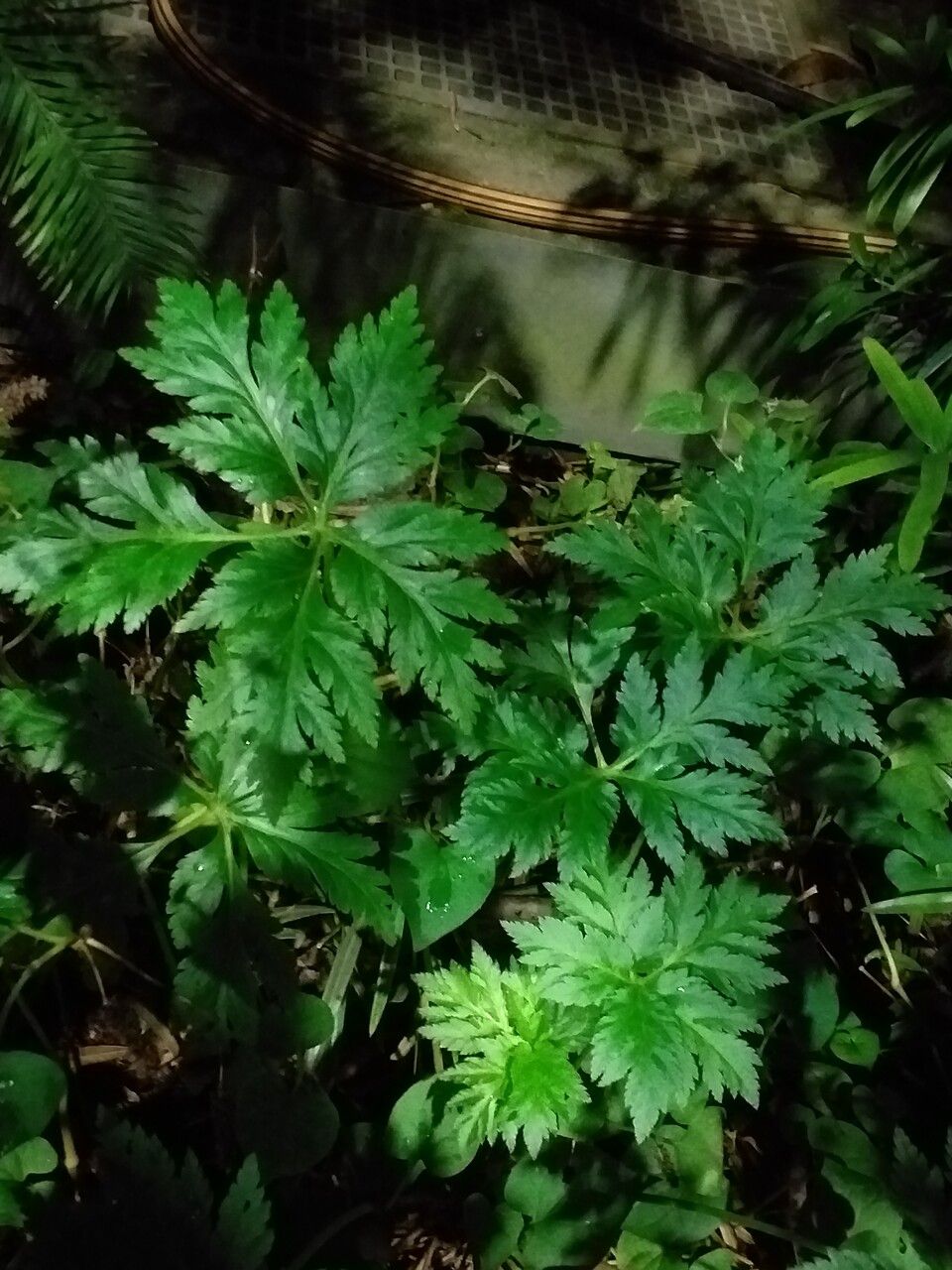
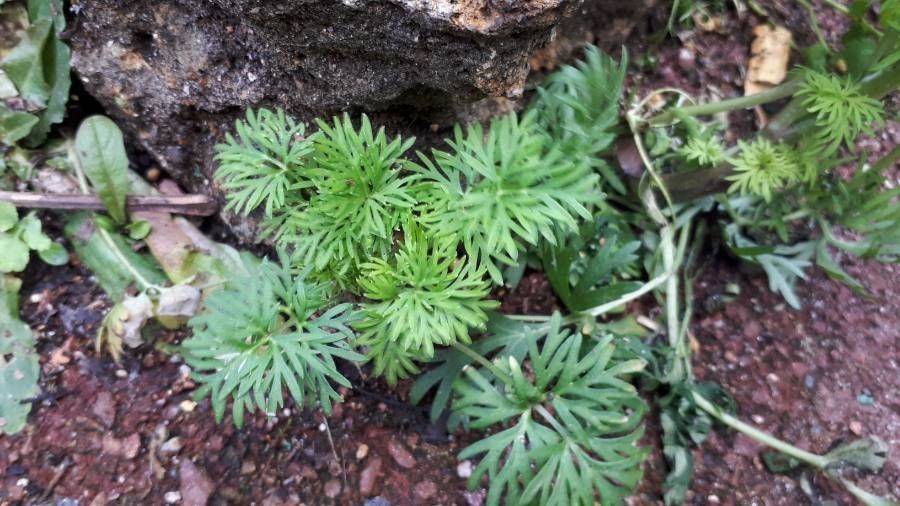
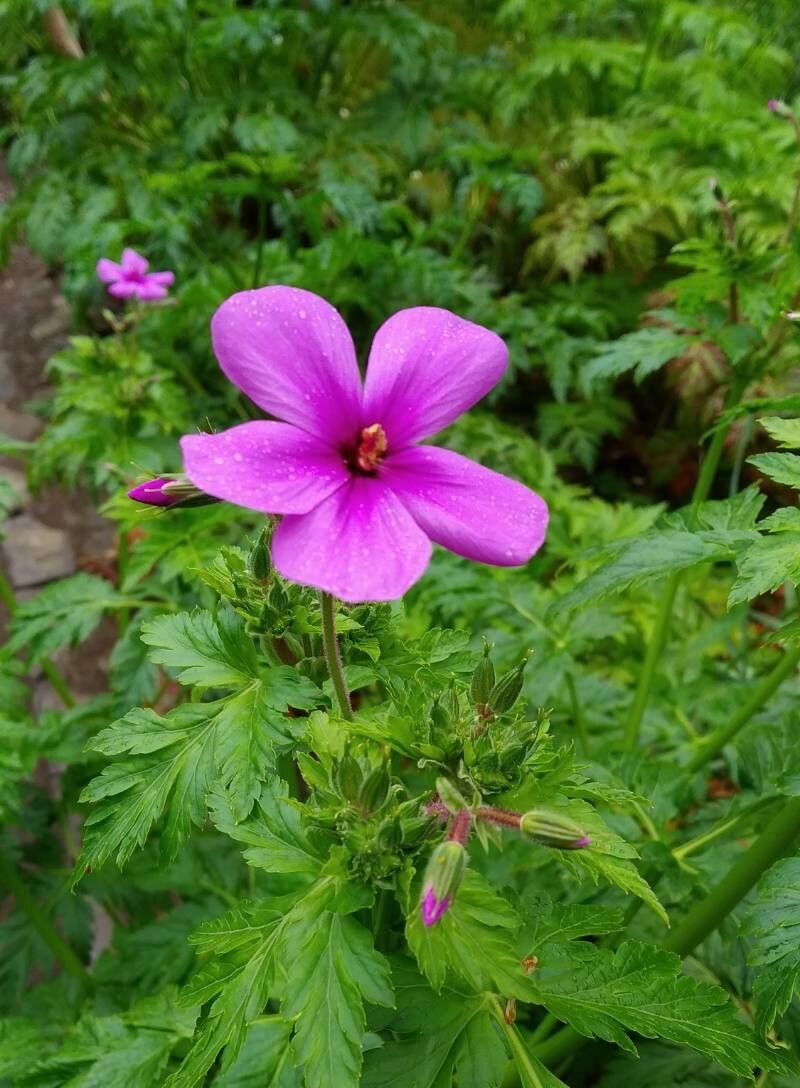
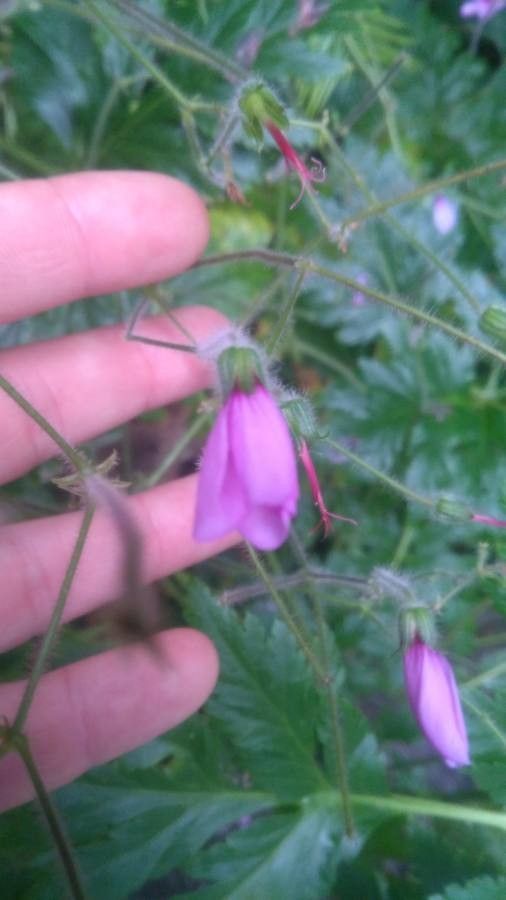
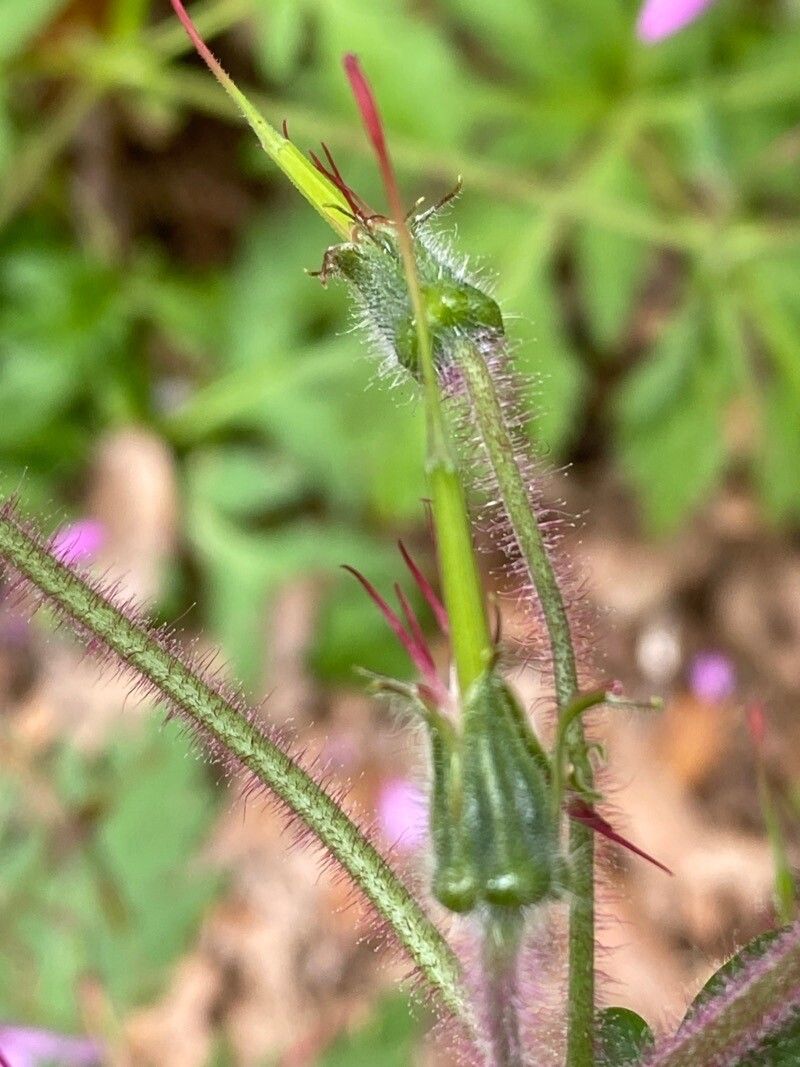
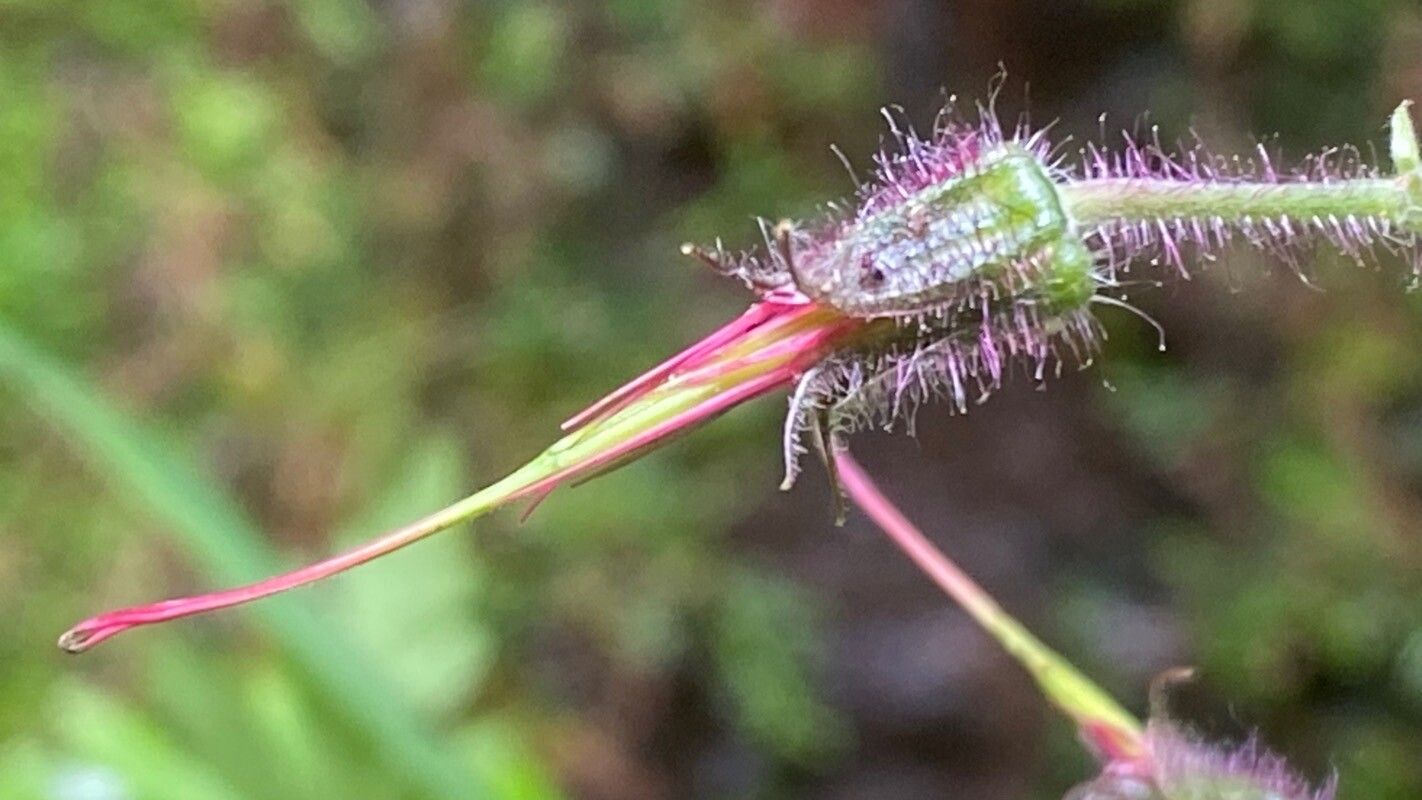
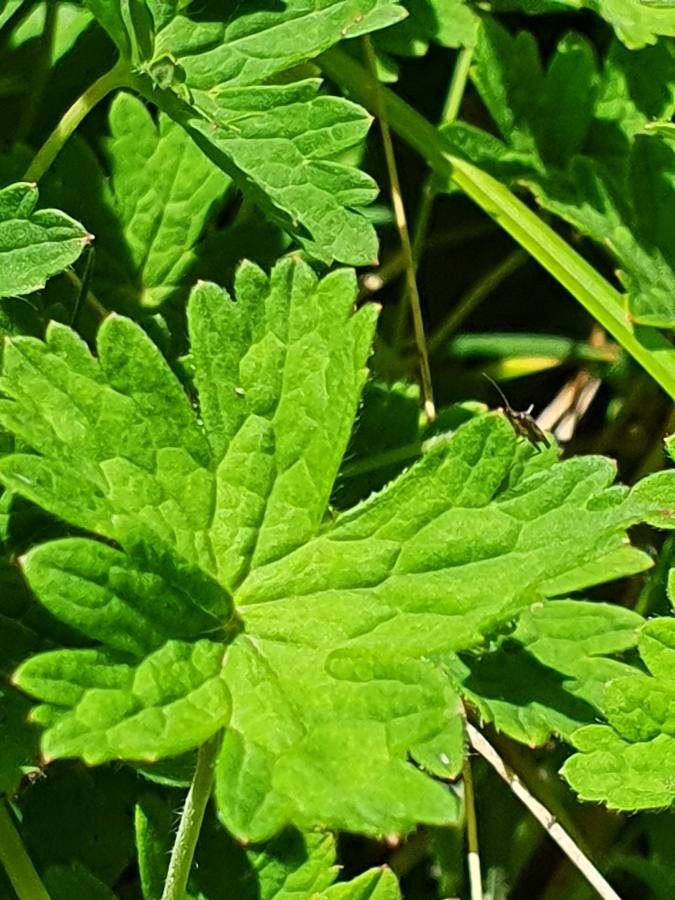
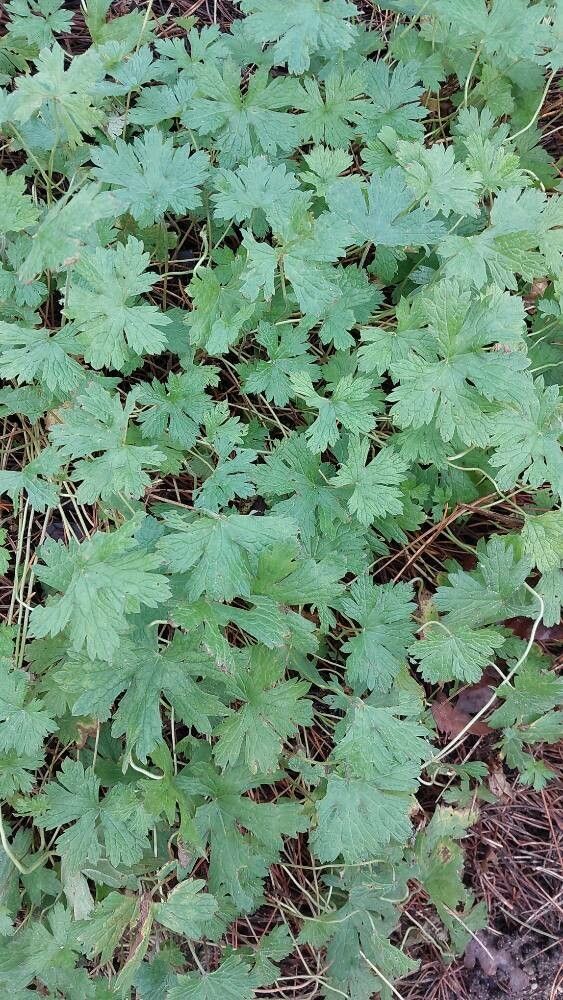
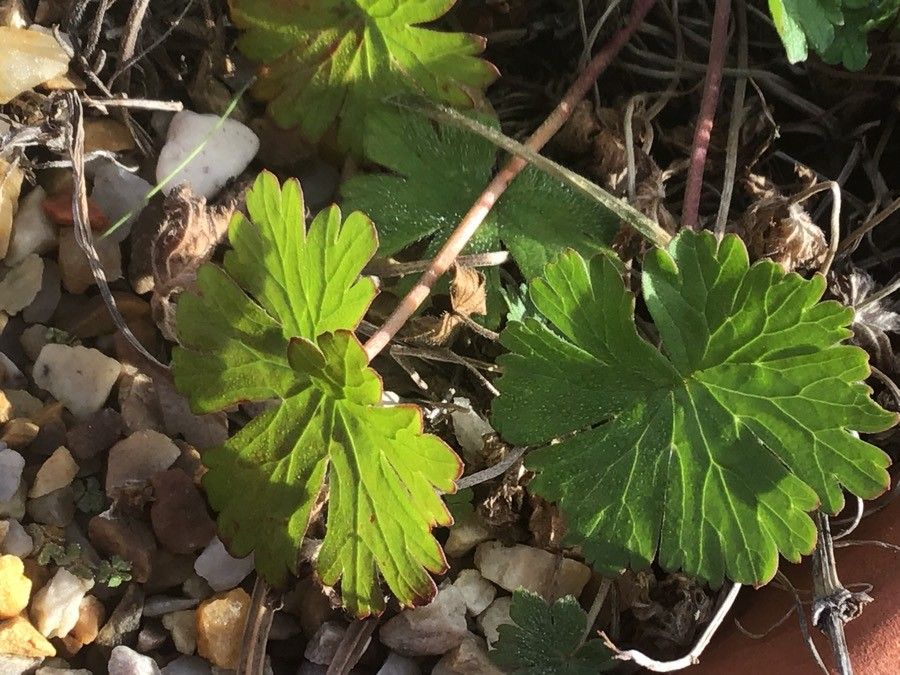
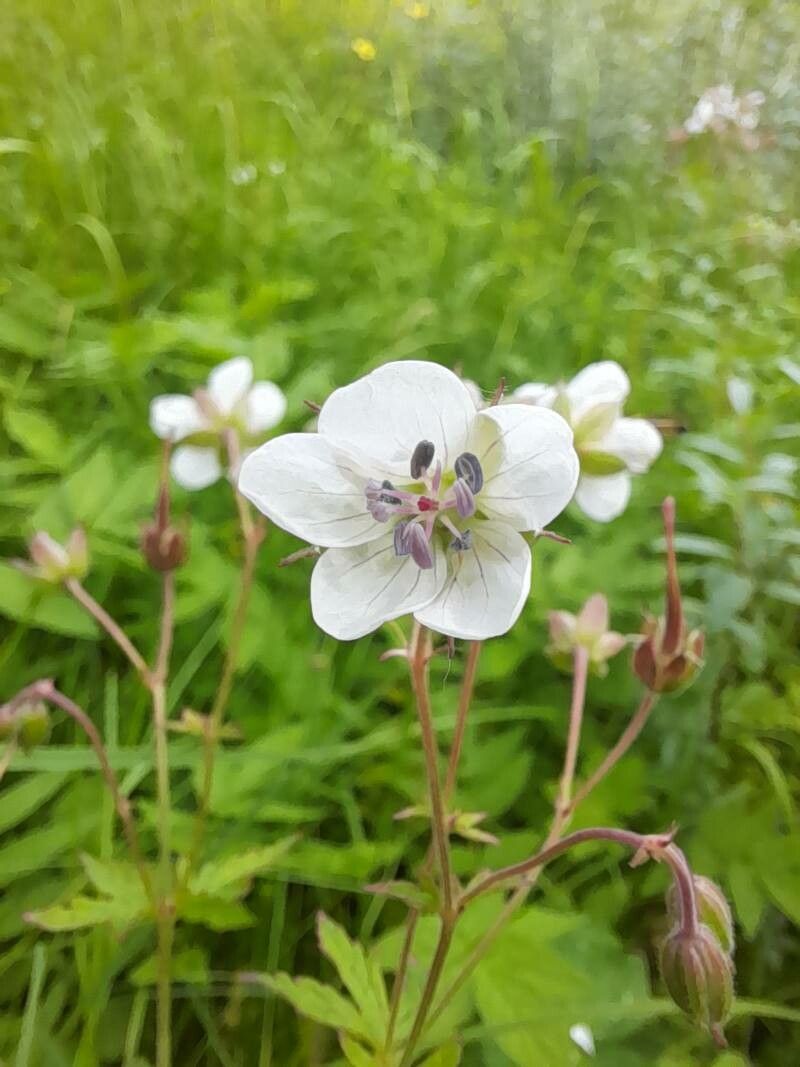
Geranium palmatum, falsely called Canary Island geranium, is a species of flowering plant in the family Geraniaceae, native to the island of Madeira. Growing in a rosette 1.5 m (4.9 ft) tall by 1 m (3.3 ft) broad, it is an evergreen perennial with divided palmate leaves and pink flowers 4 cm (1.6 in) in diameter on long red stems.Hardy down to −10 °C (14 °F), in cultivation this plant requires a sheltered position in full sun with some afternoon shade. It dislikes heavy, wet soils, preferring a light, well-drained medium. It has won the Royal Horticultural Society's Award of Garden Merit.
Cutleaf geranium is fairly disease-resistant and typically not prone to illnesses. However, it can be affected by pests and diseases present in its surroundings; such infections are generally not severe. For care, this plant requires moderate maintenance. It should be pruned regularly to maintain a neat appearance and support healthy growth. Fertilizing can also help encourage flowering. Cutleaf geranium is suitable for anyone with outdoor space, such as a garden or patio, and does not demand extensive care experience. It may need more attention when grown indoors.
How to keep Geranium Palmatum.
Light
The cutleaf geranium does best with abundant light for healthy growth. Native to well-lit environments, it does not tolerate being shaded. Its health can decline if light is inadequate, while excessive light causes no harm.
Water
The Canary Island geranium, which is native to subtropical climates, requires consistent moisture to thrive. It prefers weekly watering to prevent waterlogging. In temperate zones, the plant benefits from seasonal rains that keep the soil evenly moist during its growth periods.
Temperature
Cutleaf geranium naturally occurs in mild climates and prefers temperatures of 68 to 95 °F (20 to 35 ℃). In colder months, typical indoor warmth can be sufficient. By contrast, in hotter periods, providing shade may be necessary to preserve optimal growth conditions.
Fertilizer
When most of the Cutleaf geranium's blooms have opened to full size, resume fertilizing. At the time of peak bloom, feed it every three to four weeks, as weather allows. Once the Cutleaf geranium begins to produce fewer new blooms, discontinue fertilizing; there's no reason to feed it when it can no longer produce additional flowers.
Pruning
The Canary Island geranium has deeply divided leaves and vibrant pink flowers. To promote bushy growth and remove dead stems, prune it from early to late spring. Make sure to use clean, sharp tools for precise cuts just above the leaf nodes. This will enhance flowering and improve the plant's overall health.
Pot & Repot
Repot your Canary Island geranium every 2-3 years during the spring to encourage healthy growth. Choose a larger container with good drainage. After repotting, place the plant in bright, indirect light and keep the soil consistently moist. Be careful not to overwater, as this will help the plant recover and thrive with vibrant growth.
Botanical profile.
- Plant Type
- Herb
- Life Cycle
- Annual, Biennial
- Genus
- Geranium
- Family
- Geraniaceae
- Hardiness Zone
- 4-9
- Mature Height
- 30 cm to 61 cm
- Mature Spread
- 20 cm
- Leaf Color
- Green
- Leaf Type
- Deciduous
- Flower Color
- Pink
- Flower Size
- 1.27 cm to 1.78 cm
- Bloom Time
- Late spring, Early summer, Mid summer
- Planting Time
- Spring, Autumn
- Harvest Time
- Early summer, Mid summer
- Native Area
- Libya, Egypt, Turkey, Austria, Sweden, Slovakia, Montenegro, Croatia, Slovenia, Morocco, Belarus, Uzbekistan, Russia, Iraq, Germany, Romania, Latvia, Moldova, Portugal, Netherlands, France, Tajikistan, Tunisia, Czech Republic, Cyprus, Bulgaria, Poland, Armenia, Greece, Serbia, Lebanon, Lithuania, Norway, Afghanistan, Syria, Italy, Spain, Switzerland, Denmark, Finland, Iran, Albania, Ireland, United Kingdom, Hungary, Algeria
Other names.
Reader questions.
What are the sunlight requirements for the Canary Island Geranium?
The Canary Island Geranium, known botanically as Geranium palmatum, thrives in conditions ranging from full sun to partial shade. It requires more than 6 hours of sunlight daily to flourish in full sun conditions, but it can also tolerate partial sun, defined as about 3-6 hours of sunlight each day. It's important to observe how sunlight moves through your garden throughout the day to choose the best spots that provide the ideal balance of light and shade for your plants, ensuring they remain healthy and happy.
How does artificial lighting support indoor Canary Island Geranium plants?
Indoor Canary Island Geranium plants require adequate lighting for optimal growth, especially where natural sunlight is limited, such as during winter or in rooms with less sun exposure. Artificial lighting presents a viable solution to this challenge. LED lights are particularly beneficial as they can be tailored to emit specific wavelengths essential for your plant's growth, with full sun plants needing 30-50W/sq ft, partial sun plants requiring 20-30W/sq ft, and full shade plants needing 10-20W/sq ft. To mimic natural sunlight, position the artificial light source 12-36 inches above the plants and ensure they are exposed to this light for 8-12 hours a day.
What are common symptoms of improper lighting for Canary Island Geranium?
Canary Island Geranium exhibits several symptoms when subjected to inadequate lighting. Indoor plants may show small leaves, a result of new foliage growing smaller compared to older ones. Leggy or sparse growth, with extended spaces between leaves or stems, can indicate insufficient light, as might a thin, stretched appearance. Premature leaf drop can occur as plants conserve resources under low light. Growth might stop and leaves can turn lighter or even yellow, a sign called chlorosis, due to chlorophyll breakdown from inadequate light or overexposure. Sunscald, leaf curling, wilting, and leaf scorching are also possible signs indicating that the plants might be receiving too much or too little sunlight.
What solutions can help improve sunlight exposure for Canary Island Geranium?
To optimize sunlight exposure for Canary Island Geraniums, for indoor environments, gradually transition the plants to sunnier spots to ensure a minimum of 6 hours of direct sunlight daily, leveraging the light from south-facing windows. If the plant is too large to move, consider supplementing with artificial lighting, keeping a lamp on for at least 8 hours a day or using specialized grow lights. For outdoor plants, it's crucial to adjust their location gradually to prevent shock, aiming for a spot with enough sunlight without sudden exposure to intense light. If trees or other barriers shade your garden, consider pruning to enhance sunlight penetration. For smaller plants, transplanting during the dormant season to a brighter location with good drainage might be beneficial. Remember, although adjusting light can promote new growth, parts previously affected by poor lighting conditions may not fully recover.