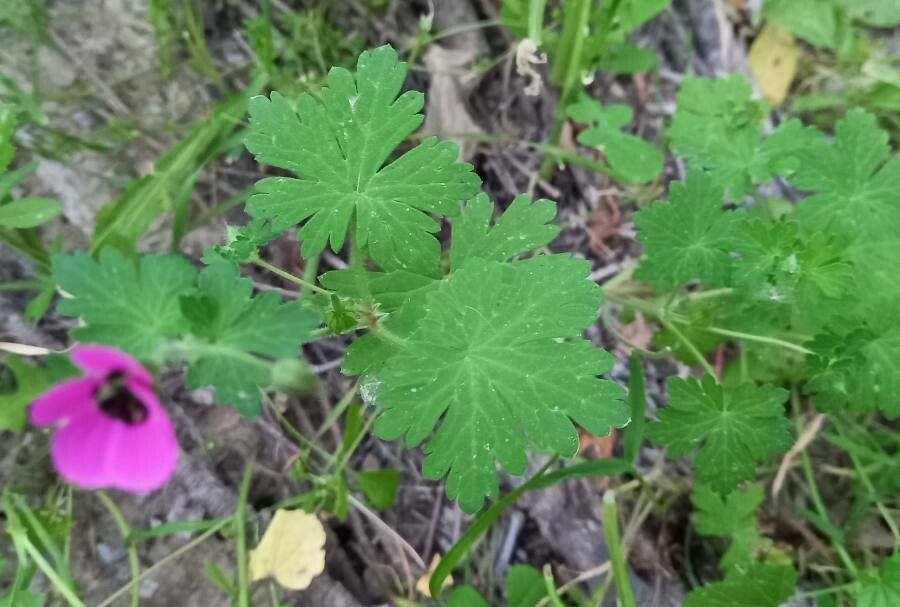
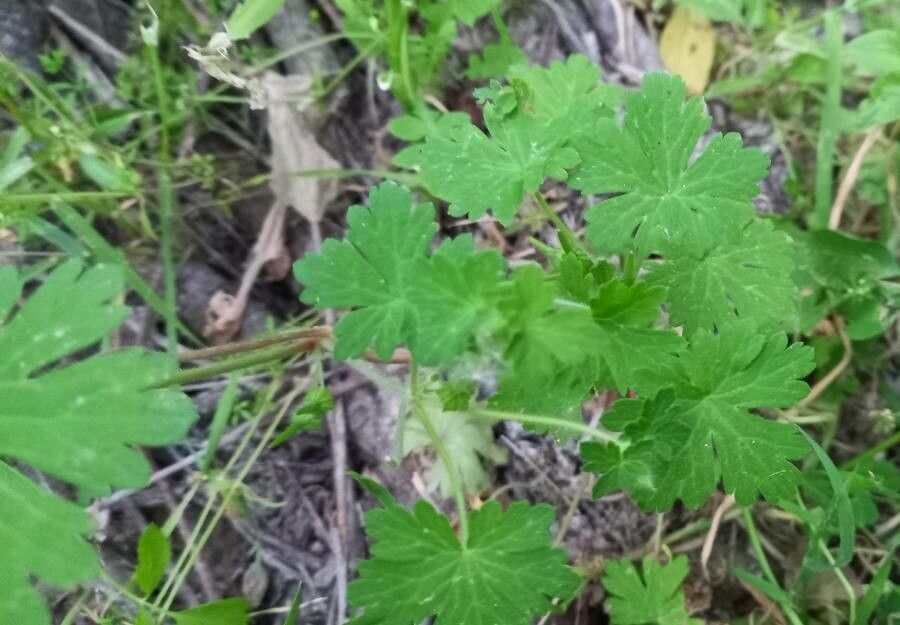
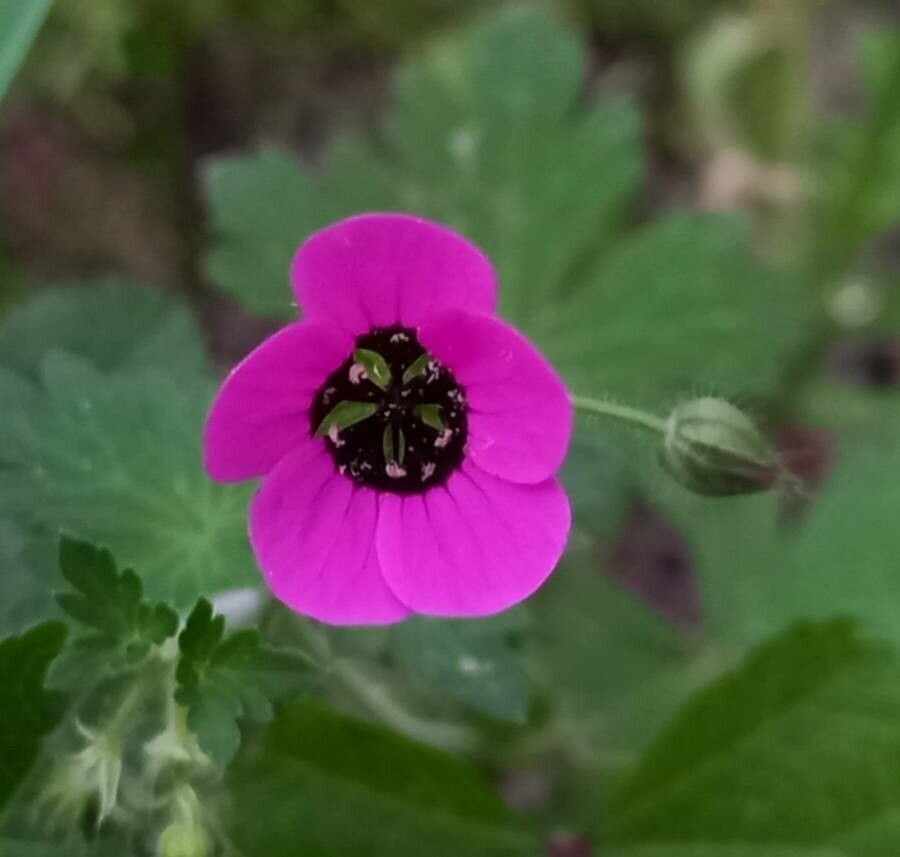
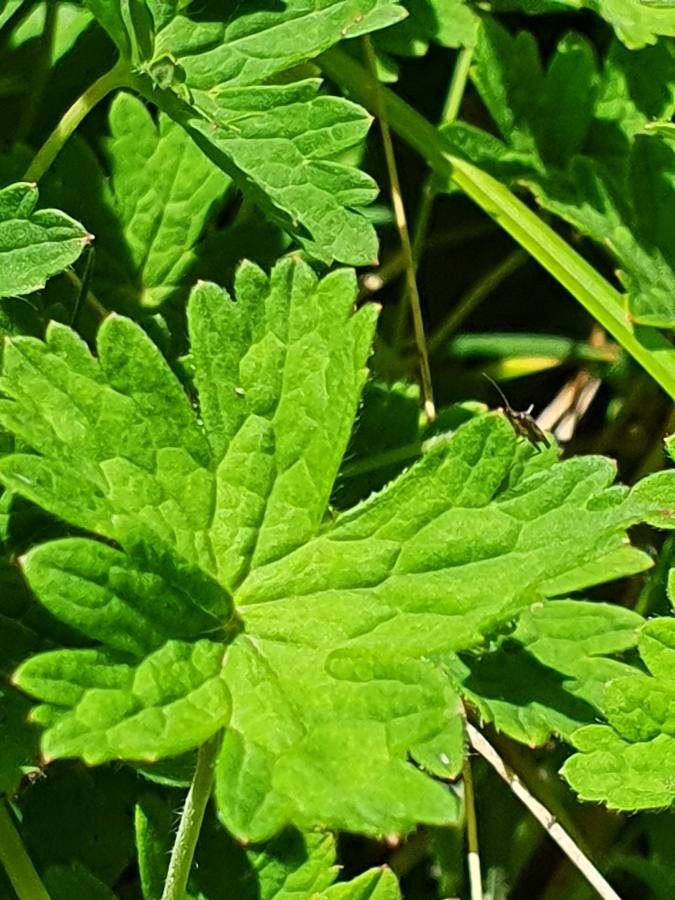
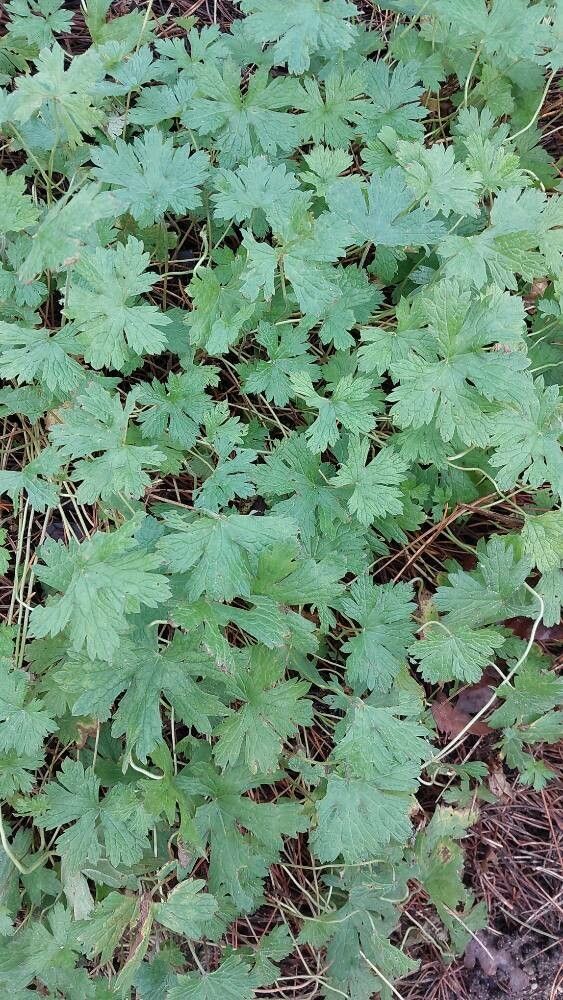
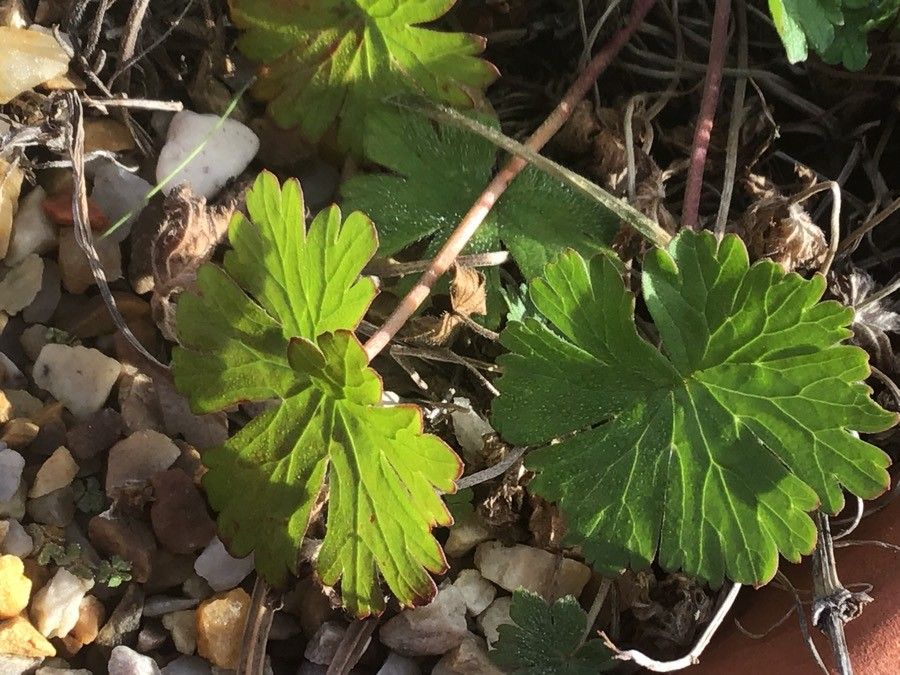
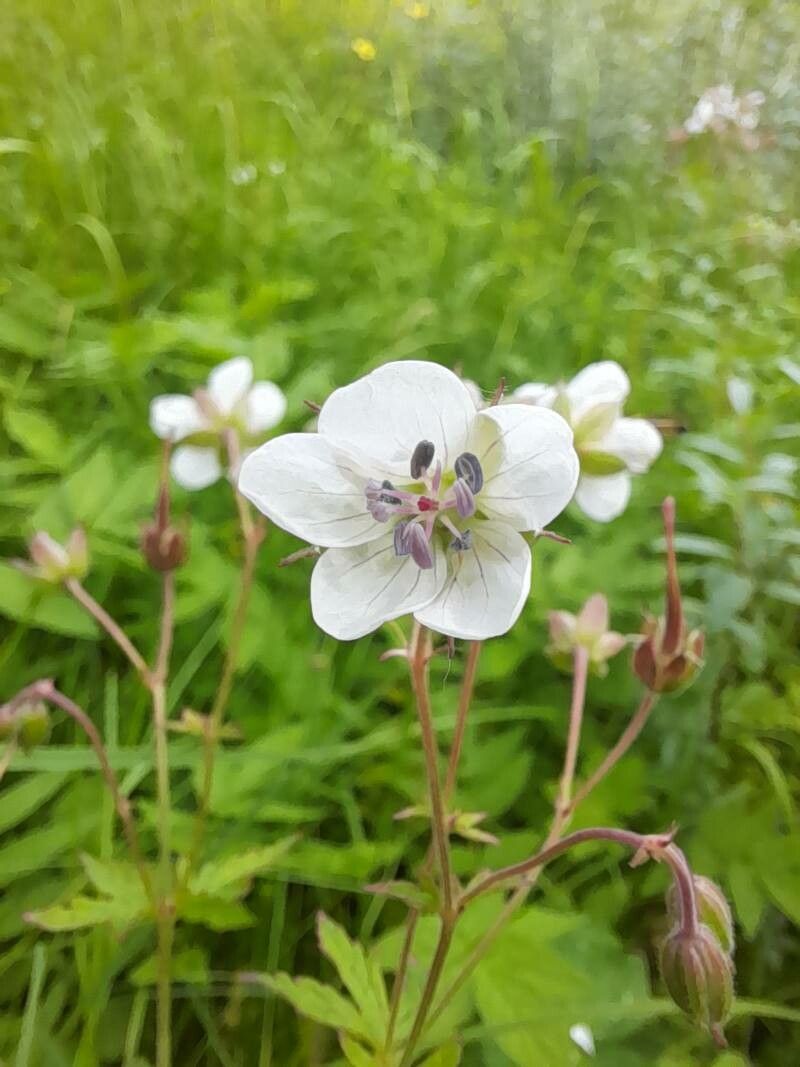
Black eyed geranium has strong disease resistance and is generally not susceptible to illnesses. Still, it can be vulnerable to pests and diseases present in its environment. These problems are usually not serious. In terms of care, this plant requires medium maintenance. It should be pruned regularly to preserve a neat appearance and healthy growth. Fertilizing can also help encourage flowering. Black eyed geranium is suitable for anyone with outdoor space, such as a garden or patio, and does not demand extensive gardening experience. It may need more attention when grown indoors.
How to keep Geranium Ocellatum.
Light
Black eyed geranium comes from bright, open habitats and does best in full sun. It can withstand partial sun but favors direct sunlight for optimal growth. This plant, which can be annual or biennial, is recognized for its sun-loving habit.
Water
Black-eyed geraniums, which originate from temperate regions, require consistent moisture and thrive in evenly moist soil. During their growing season, water them every two weeks, adjusting for any seasonal rainfall. Once established, these plants exhibit moderate drought tolerance but still need stable hydration to flourish.
Temperature
Black-eyed geranium is native to regions where temperatures range from 68 to 95 °F (20 to 35 °C). Consequently, it does best within that span. In seasons when temperatures go above or below this range, adjustments to its surroundings may be necessary.
Fertilizer
When most of the blooms on the Black eyed geranium have opened to full size, it's time to resume fertilizing. Around the period when bloom production is at its peak, begin fertilizing again every three to four weeks, as the weather allows. Then, once the Black eyed geranium starts producing fewer new blooms, stop fertilizing; there's no need to feed it when it can no longer produce more blooms.
Pruning
To promote optimal growth and vibrant blooms, it's best to prune black-eyed geraniums in early to late spring. During this time, remove dead stems and shape any overgrown sections. Annual pruning helps enhance bloom production and boosts the plant's vigor. Be sure to use clean, sharp tools to minimize the risk of disease, and take advantage of the plant's natural growth cycle.
Botanical profile.
- Plant Type
- Herb
- Life Cycle
- Annual
- Genus
- Geranium
- Family
- Geraniaceae
- Hardiness Zone
- 3-8
- Mature Height
- 15 cm to 20 cm
- Mature Spread
- 37 cm to 76 cm
- Leaf Color
- Green, Dark Green
- Leaf Type
- Semi-evergreen
- Flower Color
- Pink, Lavender
- Flower Size
- 1.27 cm to 1.52 cm
- Bloom Time
- Mid spring, Late spring, Early summer
- Planting Time
- Spring, Summer, Autumn, Winter
- Harvest Time
- Summer
- Native Area
- Nepal, Afghanistan, India, Iran, Pakistan, China
Reader questions.
What are the sunlight requirements for Black Eyed Geranium (Geranium ocellatum)?
Black Eyed Geranium (Geranium ocellatum) thrives in areas that receive full sun, which is defined as above 6 hours of sunlight per day. It can also grow in partial sun, requiring about 3-6 hours of sunlight per day. It's important to observe the movement of sunlight through your garden to find the ideal spots that offer a balance of light and shade. This ensures the plants grow happily by getting the right amount of light they need.
What is the native climate for Black Eyed Geranium?
The Black Eyed Geranium (Geranium ocellatum) is native to climates where the temperatures fluctuate between 68 to 95 °F (20 to 35 °C). It thrives best within this temperature range, suggesting that it prefers moderately warm to hot conditions. If the temperature in your area often falls outside of this range, either too hot or too cold, you may need to take steps to adjust the plant's immediate environment to keep it healthy.