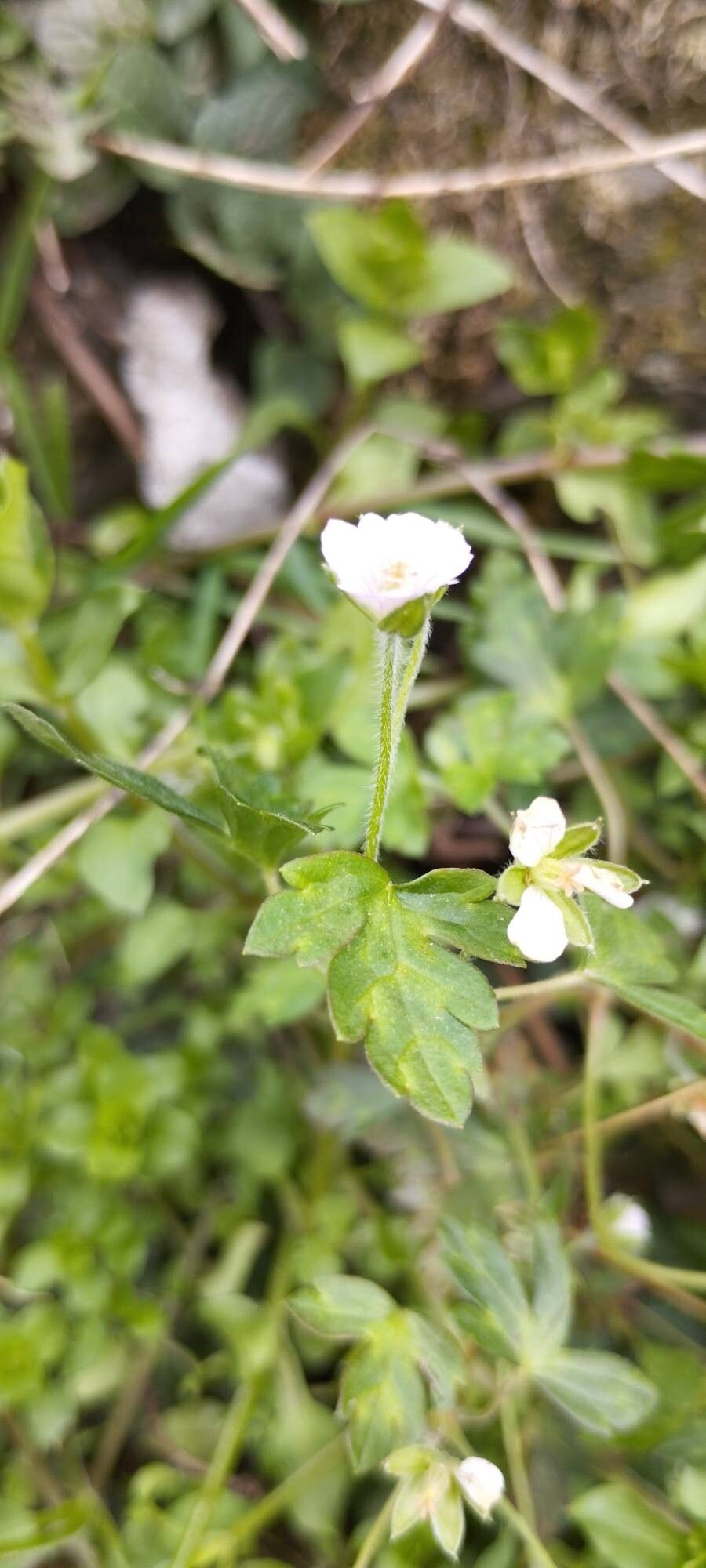
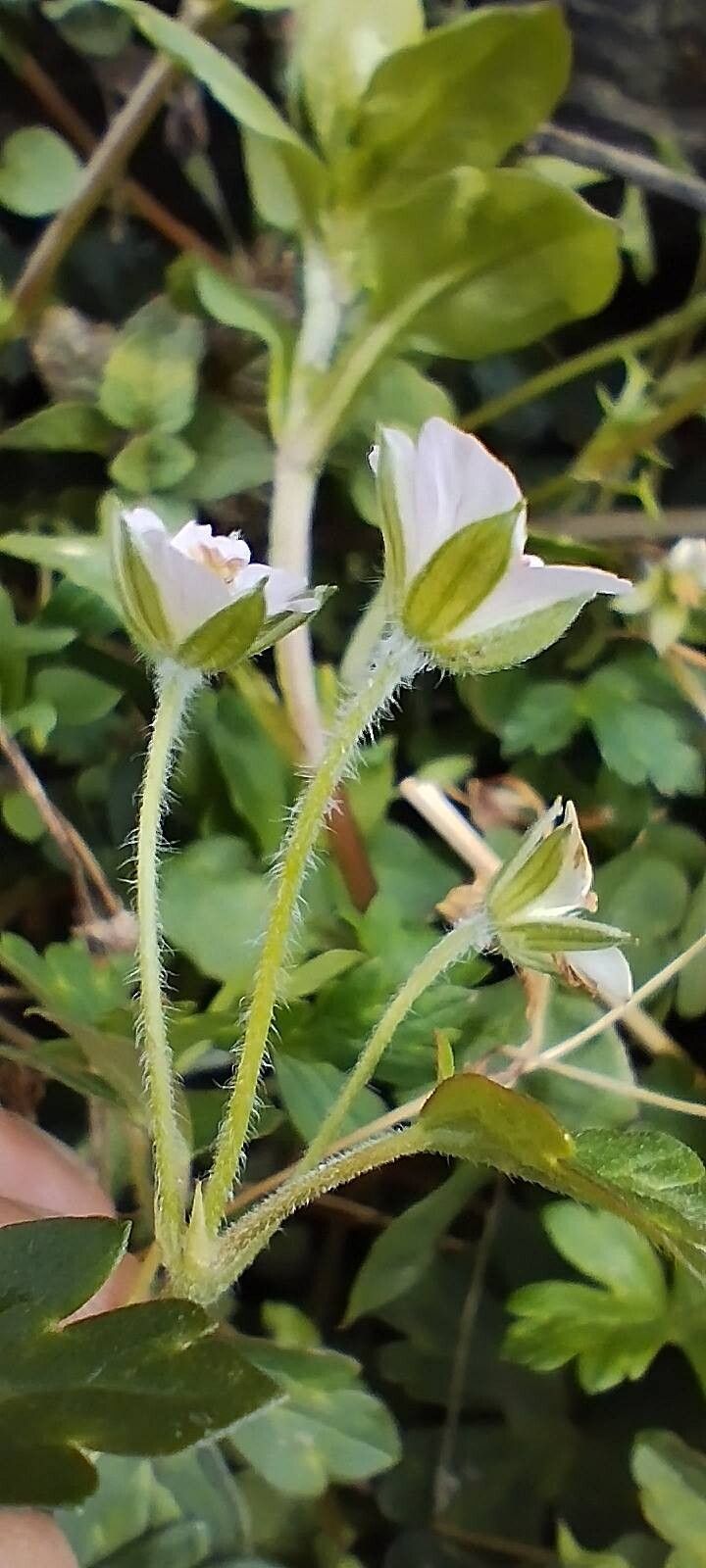
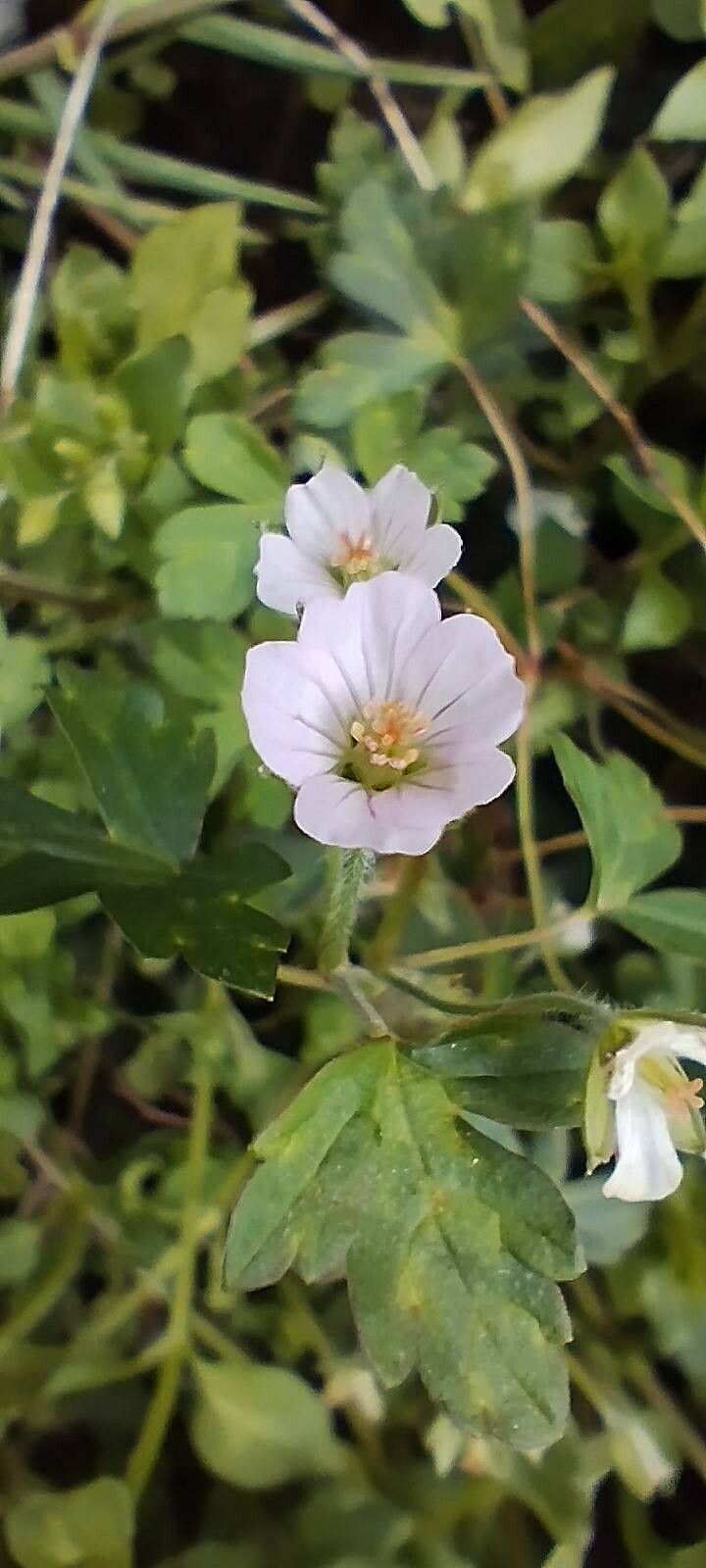
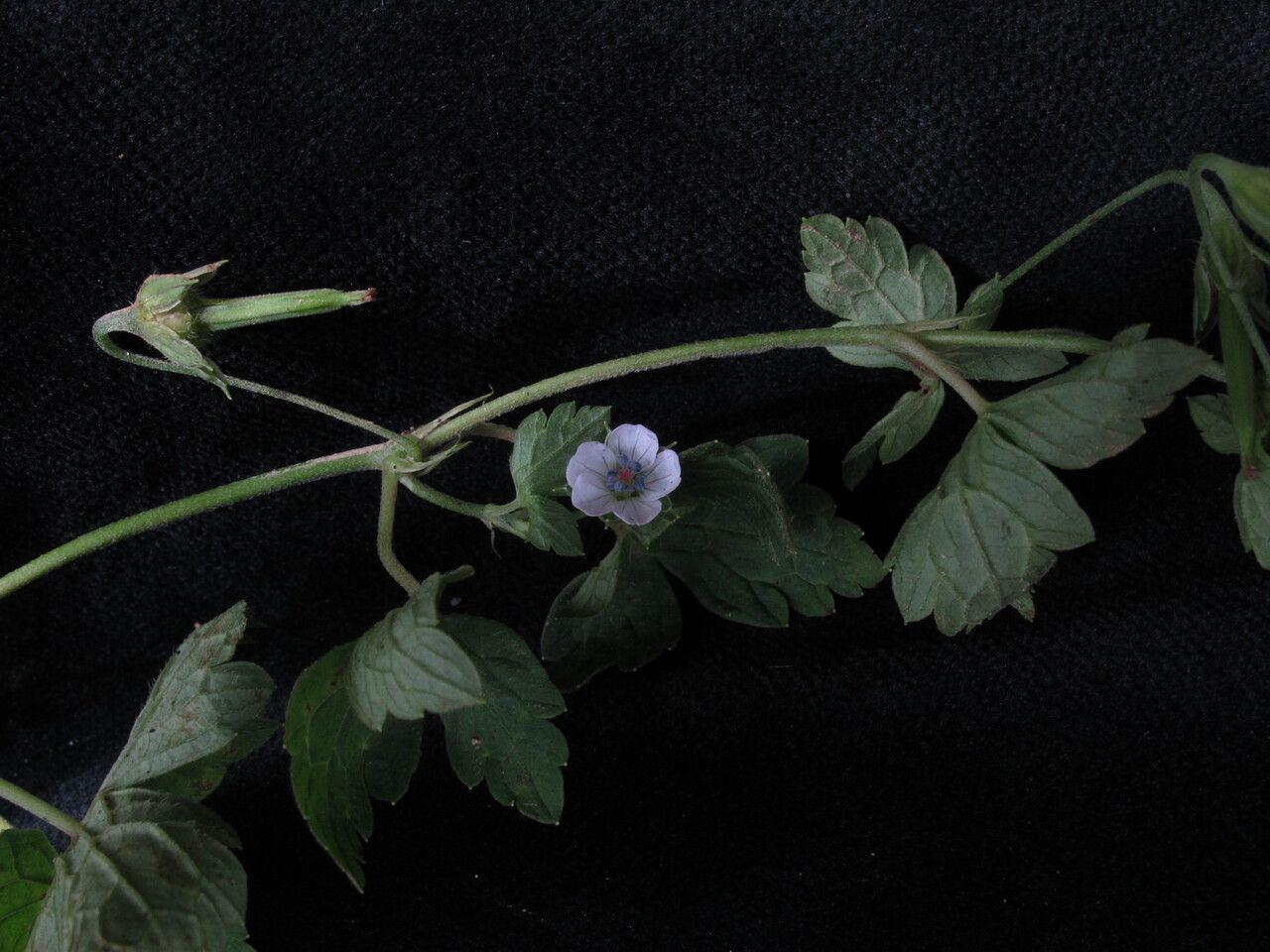
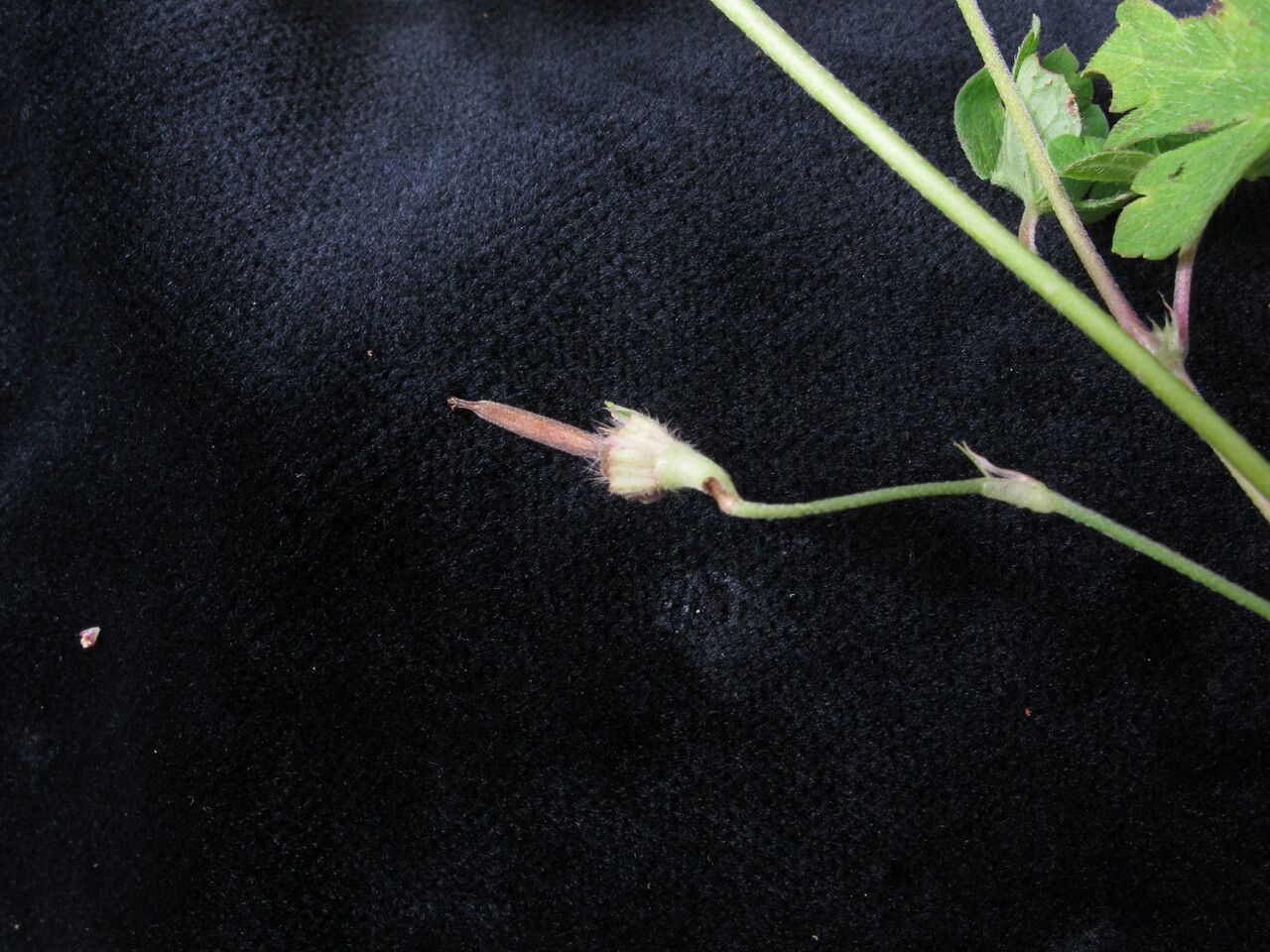
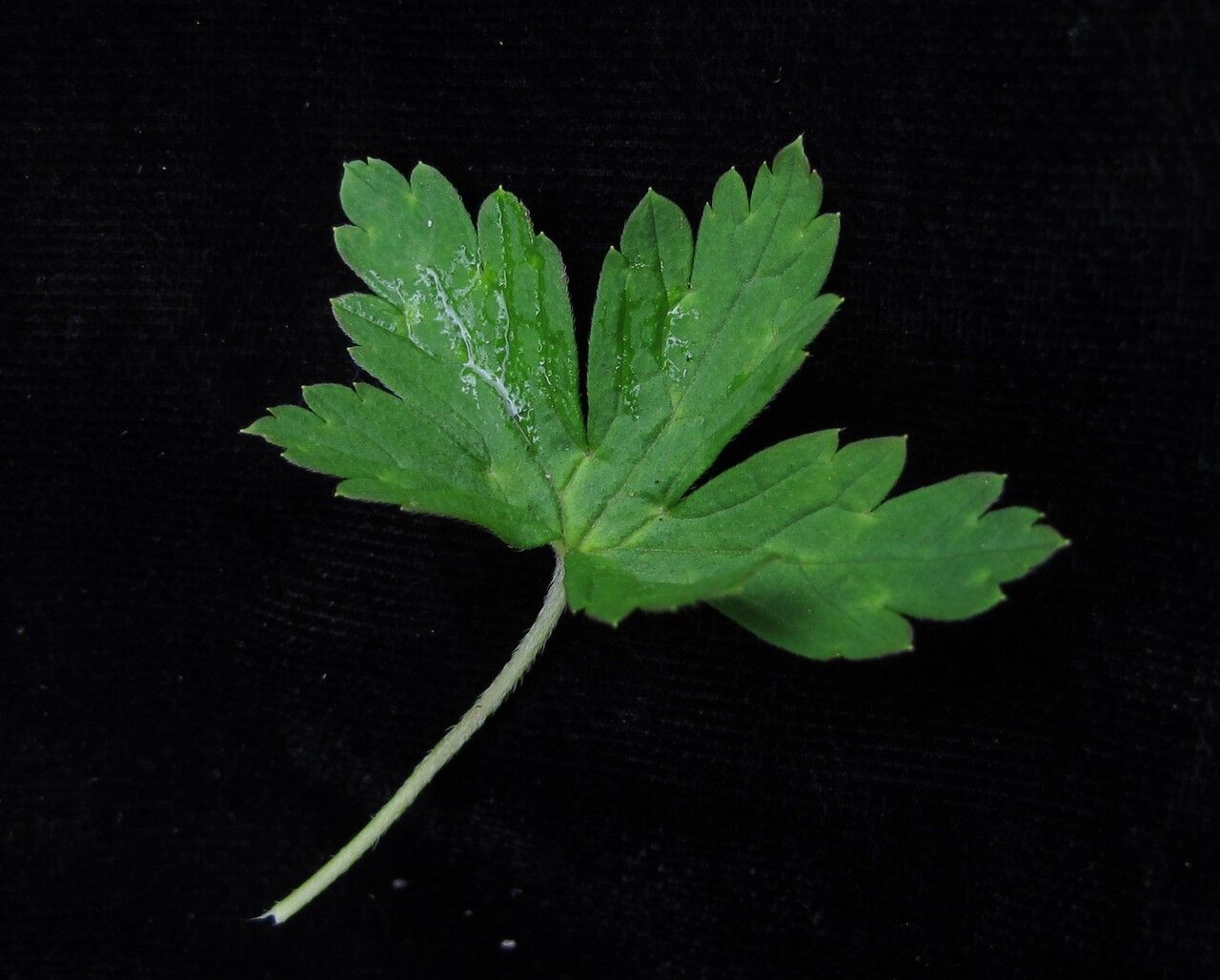
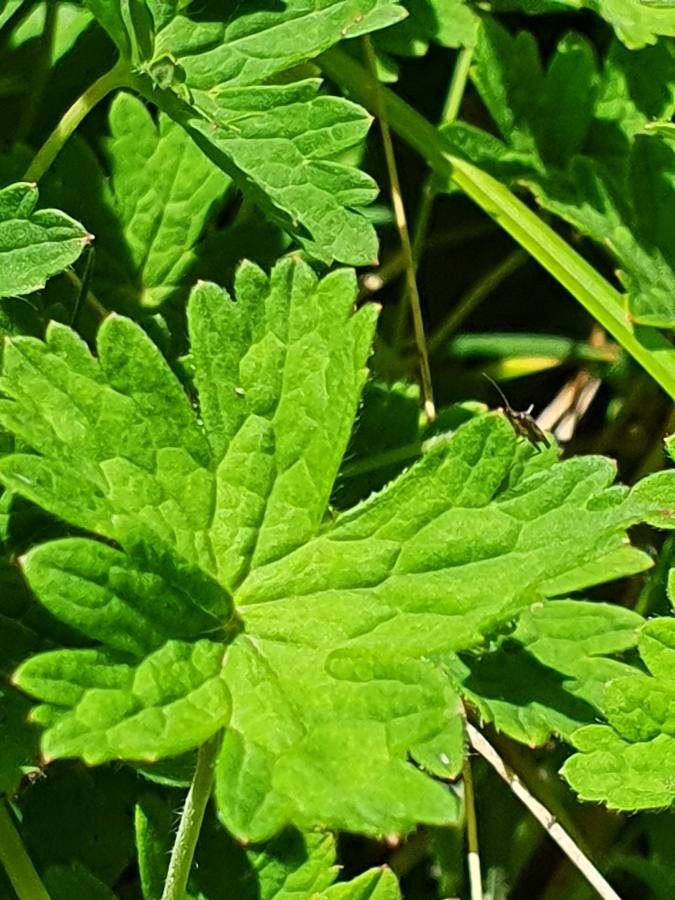
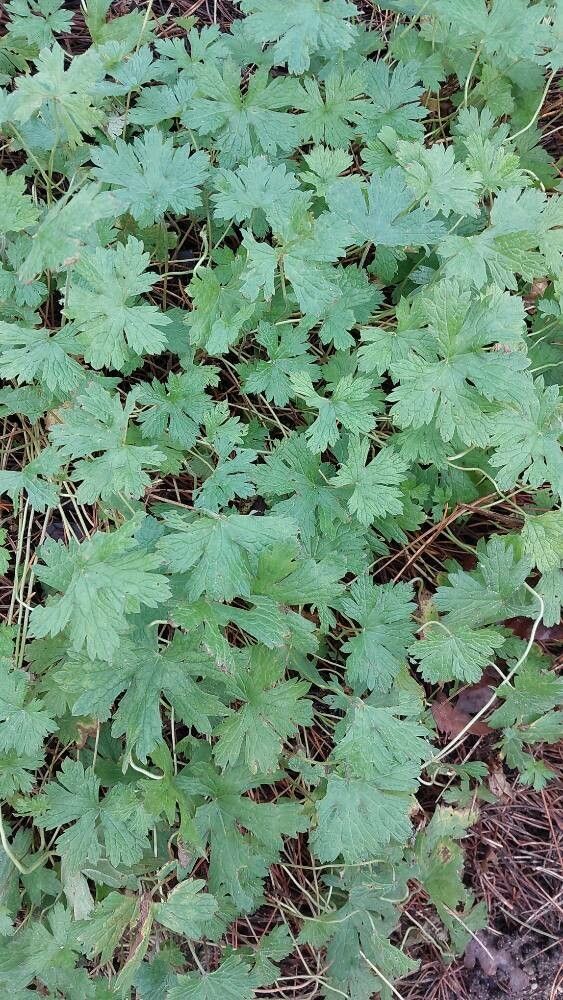
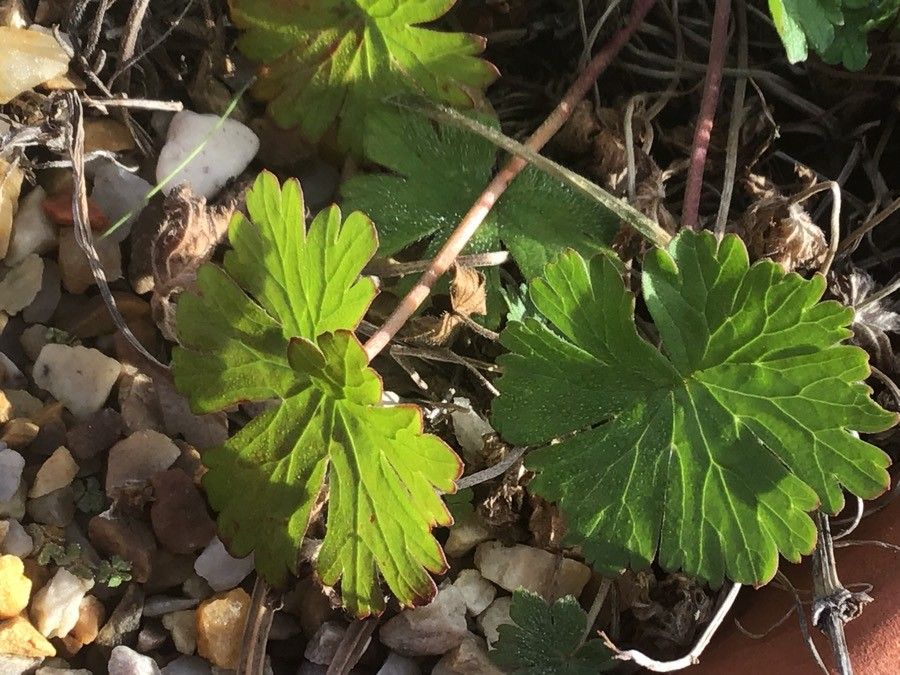
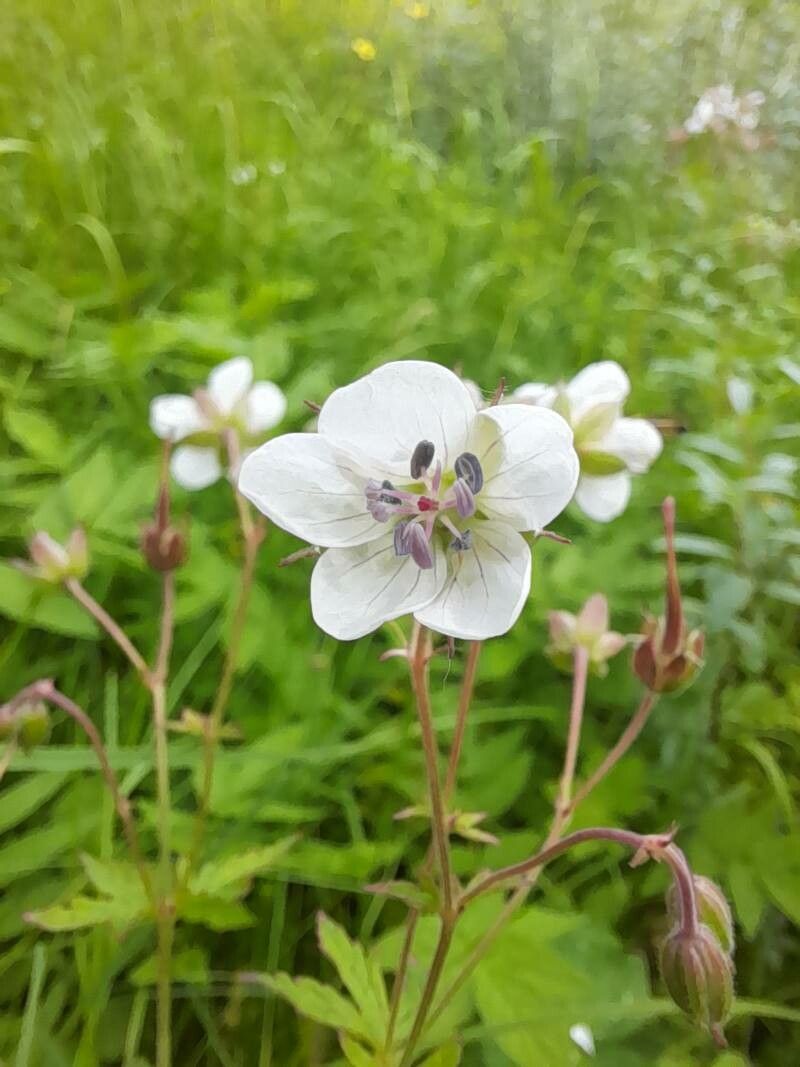
Nepalese cranes bill has strong disease resistance and is generally not prone to illnesses. However, it can be affected by pests and diseases present in its surroundings. Such infections are typically mild. Regarding care, this plant needs moderate maintenance. It should be pruned regularly to keep a good appearance and healthy growth. Applying fertilizer can also encourage flowering. Nepalese cranes bill is suitable for anyone with outdoor space, such as a garden or patio, and does not require extensive care experience. It may need more attention when grown indoors.
How to keep Geranium Nepalense.
Light
The Nepalese cranes bill is native to habitats like forest understories or rocky sites, where it is naturally shaded. It prefers partial sun but can tolerate full sun or full shade, showing its versatility and hardiness.
Water
The Nepalese cranesbill thrives in balanced moisture conditions, preferring to be watered consistently every 1-2 weeks. While it can tolerate dry spells, it requires less water during dormancy, conserving energy for future growth. This adaptability mirrors the moderate rainfall of its native habitat.
Temperature
Nepalese cranes bill shows good adaptability to temperature, tolerating high heat and wide temperature fluctuations. In hot conditions, attention should be paid to watering and providing suitable shade to avoid sunburn. However, Nepalese cranes bill is relatively intolerant of low temperatures. Although it can endure some cold, overly low temperatures can cause frost damage.
Fertilizer
The best time to fertilize a Nepalese cranes bill is in early spring, when it is coming out of dormancy and beginning active growth. Fertilizing supplies essential nutrients for healthy development. Although Nepalese cranes bill has relatively low fertilizer requirements, an annual application can improve its survival and encourage better, longer-lasting blooms.
Pruning
The Nepalese cranesbill, known for its vibrant flowers, thrives when pruned to enhance its shape and blooms. Key techniques include deadheading and trimming overextended stems, ideally during early to late spring. This practice improves air circulation, reduces the risk of disease, and helps maintain the plant's ornamental appeal and vigor.
Botanical profile.
- Plant Type
- Herb
- Life Cycle
- Perennial
- Genus
- Geranium
- Family
- Geraniaceae
- Hardiness Zone
- 6-9
- Mature Height
- 49 cm
- Mature Spread
- 61 cm
- Leaf Color
- Green, Light Green
- Leaf Type
- Semi-evergreen
- Flower Color
- Lavender, Pink
- Flower Size
- 0.76 cm to 1.52 cm
- Bloom Time
- Late spring, Summer
- Planting Time
- Spring, Autumn
- Harvest Time
- Mid summer, Late summer, Early fall, Mid fall
- Native Area
- Russia, Sri Lanka, Afghanistan, Nepal, India, Vietnam, Myanmar, Japan, Koppen, Bhutan, Bangladesh, Pakistan, South Korea, Thailand, China
Other names.
Reader questions.
What are the sunlight requirements for Nepalese cranes bill?
Nepalese cranes bill thrives best in partial sun, requiring about 3-6 hours of sunlight daily. It's crucial to observe your garden's sunlight patterns to find spots offering an optimal balance of light and shade, ensuring the plant's growth and health. Although this plant prefers partial sun, it can also tolerate full shade, thanks to its adaptability to various environments like forest understories or rocky areas.
What is the Nepalese crane's bill?
The Nepalese crane's bill, botanically known as Geranium nepalense, is a plant species without any provided information on its essentials or symptoms associated with it.
How can artificial lighting supplement natural sunlight for indoor Nepalese cranes bill plants?
When natural sunlight is insufficient, especially during winter or in less sunlit spaces, artificial lighting becomes crucial for indoor Nepalese cranes bill plants. LED lights are recommended due to their ability to provide specific light wavelengths needed by plants. For optimal growth, full sun plants require 30-50W/sq ft, partial sun plants 20-30W/sq ft, and full shade plants 10-20W/sq ft of artificial light. The light source should be placed 12-36 inches above the plant, mimicking natural sunlight conditions, and should be on for 8-12 hours per day.
What are the signs of insufficient light for Nepalese cranes bill and how can it affect the plant?
Nepalese cranes bill shows several symptoms when it doesn't get enough light, including smaller new leaves, leggy or sparse growth, accelerated leaf drop, reduced or ceased new growth, lighter-colored or discolored new leaves, chlorosis, sunscald, leaf curling, wilting, and leaf scorching. These signs indicate a struggle with light deficiency, impacting the plant's ability to grow healthily and perform photosynthesis effectively.
What are the best practices for addressing light deficiency in Nepalese cranes bill?
To address light deficiency in Nepalese cranes bill, gradually acclimate your plant to more sunlight by shifting it to sunnier spots each week, ensuring it receives 3-6 hours of direct sunlight per day. If moving the plant isn't feasible, use artificial lighting such as desk lamps or professional grow lights for at least 8 hours daily. For outdoor plants, move them gradually to prevent sunburn. Remember, parts of the plant that have already suffered from light deficiency may not recover, but new growth should be healthy with improved lighting conditions.
How can you optimize light exposure for Nepalese cranes bill in a garden setting?
In a garden setting, optimizing light exposure for Nepalese cranes bill involves reducing obstructions and, if necessary, transplanting smaller plants. Start by identifying which elements in your garden obstruct sunlight and consider pruning trees or shrubs that shadow your plants. For smaller plants, transplant them during their dormant period, typically in late winter or early spring, to a location with ample sunlight and good drainage, ensuring healthier growth and development.