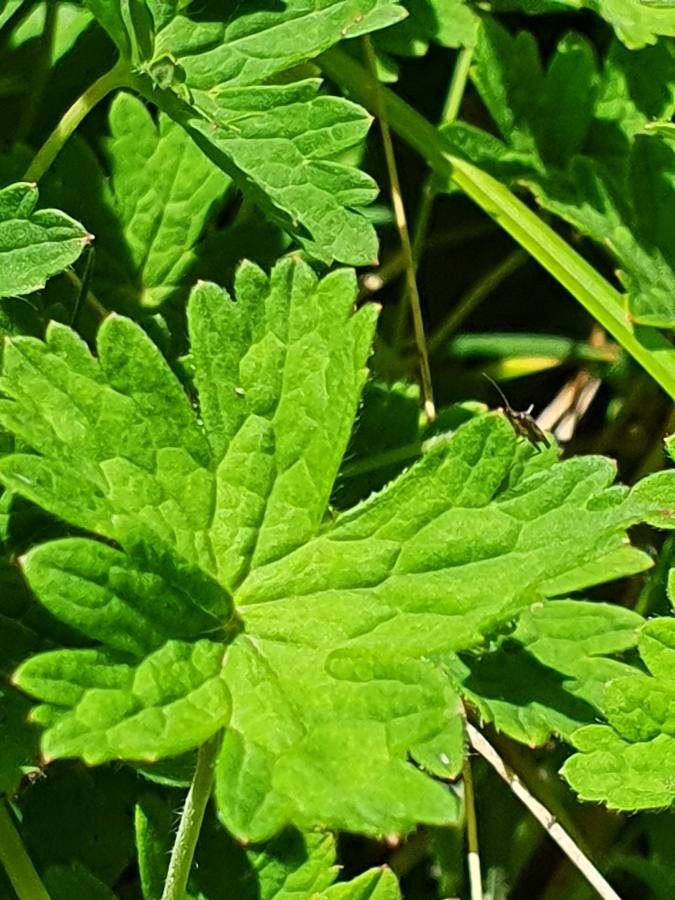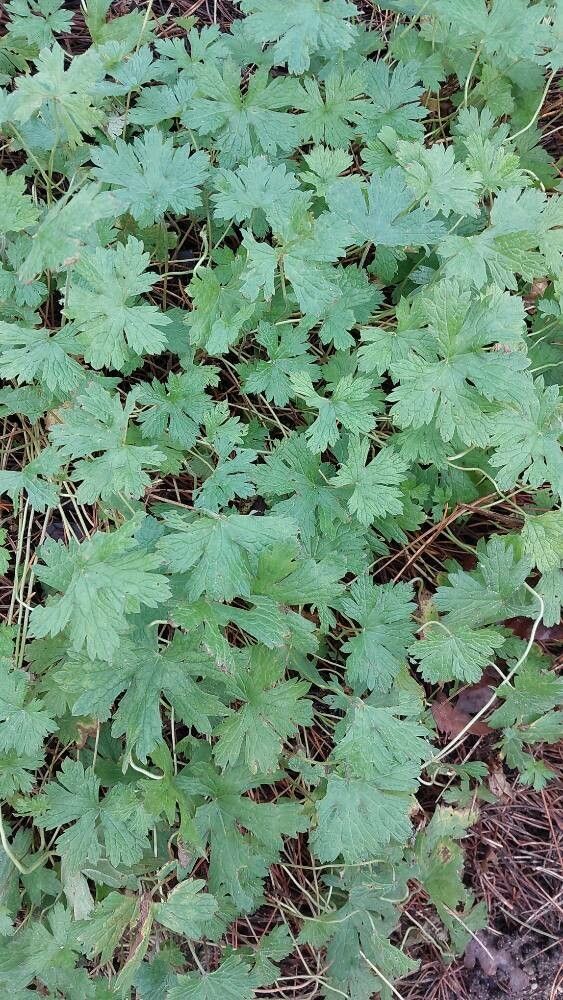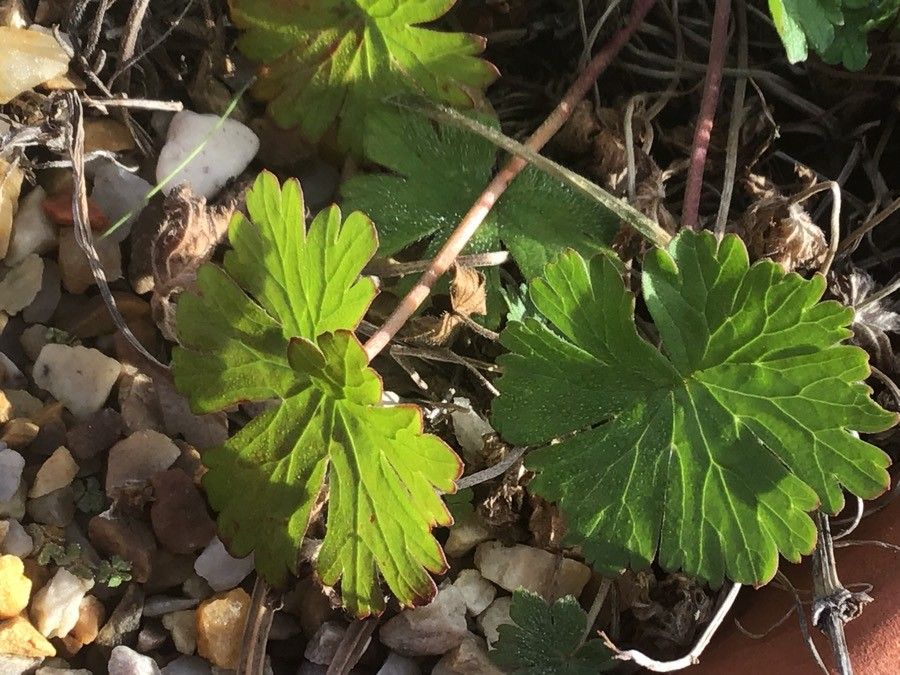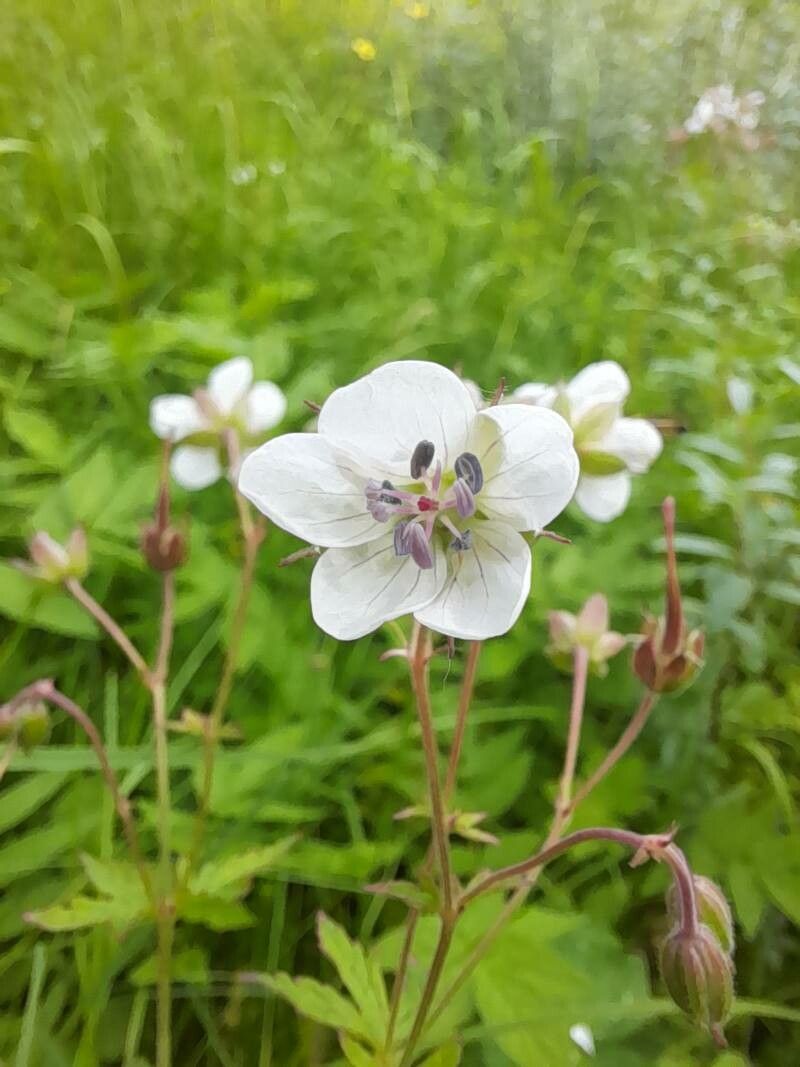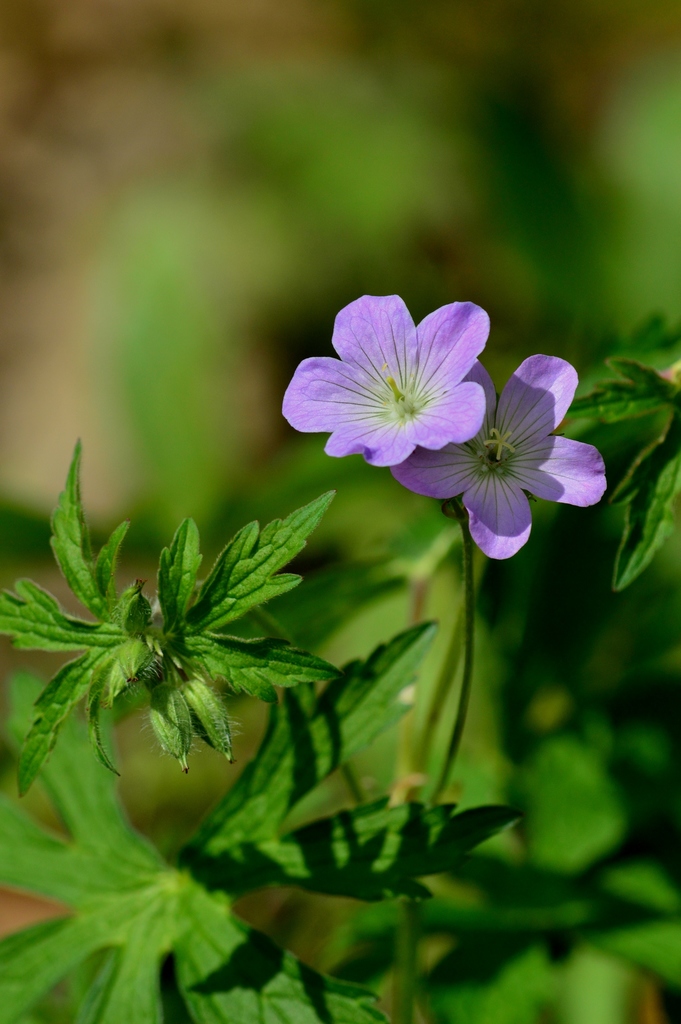
Geranium maculatum, the wild geranium, spotted geranium, or wood geranium, is a perennial plant native to woodland in eastern North America, from southern Manitoba and southwestern Quebec south to Alabama and Georgia and west to Oklahoma and South Dakota.
Wild geranium, known scientifically as Geranium maculatum, gets its specific epithet "maculatum" from the mottled appearance of its dark greenish-brown leaves. While we commonly refer to this plant as "wild geranium," the term "wild" is actually a misnomer. In fact, this plant is a true geranium.
Wild geranium is fairly disease-resistant and generally does not suffer from many illnesses. However, it can be affected by pests and diseases present in its environment. Such infections are typically mild. As for care, the plant needs moderate maintenance. Regular pruning is required to keep a neat appearance and encourage healthy growth. Applying fertilizer can also help encourage blooming. Wild geranium is suitable for people with outdoor areas like a garden or patio and does not demand much prior care experience. It may need extra attention if kept indoors.
How to keep Geranium Maculatum.
Light
Wild geranium performs best when it gets plentiful sunlight for most of the day. It can also tolerate lower light, with fewer hours of sun, and still remain healthy. Both too little and too much sun can stress the plant and change its vigor and appearance. A variety of light conditions like this are found in its native habitats.
Water
Wild geranium thrives best in moderately moist conditions, similar to its natural habitat in woodlands and meadows. While it can endure short periods of drought, it benefits from consistent moisture. To support growth, particularly during its active growing season, it is best to water it weekly. This regular watering helps enhance its development and blooming as a herbaceous perennial.
Temperature
Native to temperate regions, wild geranium prospers in a temperature range of 68 to 95 °F (20 to 35 °C). To maintain healthy growth, nighttime temperatures should be lowered during the winter months.
Fertilizer
One fertilizer application in spring is typically enough for Wild geranium, though multiple feedings can enhance growth. Feed every one to one and a half months. Fertilizing improves the leaves' appearance and function, helping maintain uniform color and a healthy texture. It also encourages root growth and nutrient uptake, supporting the plant's long-term health.
Pruning
To keep wild geraniums healthy and flourishing, prune them from early to late spring. This encourages new growth and helps prevent disease. After the flowers bloom, remove the spent blooms, or deadhead them, to encourage more flowers to grow. Light pruning during their active growth stages promotes bushiness, improves air circulation, and helps maintain overall plant health, ensuring they make a vibrant addition to your garden.
Pot & Repot
When repotting wild geranium, choose a pot 1-2 inches (2.5–5.1 cm) larger with good drainage. Use a well-draining potting mix. Repot in spring or fall, making sure the root ball is slightly lower than the rim of the pot. Water thoroughly after repotting and place in a warm spot with indirect sunlight.
Botanical profile.
- Plant Type
- Herb
- Life Cycle
- Perennial, Annual
- Genus
- Geranium
- Family
- Geraniaceae
- Hardiness Zone
- 6-9
- Mature Height
- 61 cm
- Mature Spread
- 30 cm to 61 cm
- Leaf Color
- Green
- Leaf Type
- Deciduous
- Flower Color
- Lavender
- Flower Size
- 2.54 cm to 4.06 cm
- Bloom Time
- Mid spring, Late spring, Early summer
- Planting Time
- Spring
- Harvest Time
- Early summer, Mid summer
- Native Area
- Europe, North America
Other names.
Reader questions.
How should I water my Wild geranium?
To properly care for the Wild geranium plant, it is recommended to use filtered water that is at room temperature. Tap water may contain harmful particles, so filtered water is preferred. Additionally, it is important to avoid using cold water as it can shock the plant, which prefers a warm environment. Instead of overhead watering, it is advised to pour the filtered room temperature water directly onto the soil until it is completely soaked. This helps to moisturize the roots and support their spread in the soil for nutrient collection.
Why is it necessary for me to add fertilizer to my Wild geranium?
The Wild geranium relies heavily on its leaves, making fertilization crucial for maintaining their appearance and functionality. Proper fertilization promotes consistent leaf color and a healthy texture. Additionally, fertilization benefits the Wild geranium below the soil's surface by stimulating the growth of new roots and maintaining existing ones. This not only ensures the plant's current health but also enhances its ability to absorb nutrients from the soil in the future.
What kind of sunlight does Wild geranium need?
Wild geranium requires full sun each day, with a minimum of six hours of sunlight to maintain healthy leaves, roots, and blooms. While many perennials also need six hours of daily sunlight, plants such as the Orange Daylily or Giant Coreopsis can survive with only three hours of sun. However, these perennial flowers will not thrive as well as they would in sunnier conditions.
What is the optimal temperature range for wild geranium to flourish?
Wild geranium, also known as Geranium maculatum, thrives best in temperate regions within a temperature range of 68 to 95°F (20 to 35°C). To promote healthy growth, it's advisable to lower nighttime temperatures during the winter months. This plant is native to temperate areas and possesses strong cold resistance, generally not requiring special frost protection measures. However, during exceptionally cold winters where temperatures are expected to fall below -25°C, it's important to take steps to protect the plant, such as covering it with soil or straw. Additionally, watering the plant abundantly before the first freeze in autumn, ensuring the soil remains moist as it freezes, can help prevent drought and water scarcity during the colder months.
What should I do if I give my Wild geranium too much water or too little water?
Overwatering and underwatering can harm your Wild geranium, but overwatering is more common. When the plant gets too much water, its stems and leaves may wilt and turn yellow. Overwatering over time can also cause diseases like root rot, mold, and mildew which can be fatal. Underwatering is less likely for this plant due to its tolerance for drought. However, it is still possible and can cause the leaves to become brittle and brown. It is important to recognize signs of overwatering early. Some diseases caused by overwatering, such as root rot, may not be fixable if you wait too long. If you notice early signs, reduce watering immediately and check the soil's drainage. If it is poor, replace it with a loose, well-draining potting mix. If your Wild geranium shows signs of insufficient water, simply water it more regularly until the signs disappear.
When should I fertilize my Wild geranium?
If you grow your Wild geranium outdoors each year, you will notice new growth shooting out in early spring, which indicates that it is time to fertilize. Usually, a single application of fertilizer in the spring is sufficient for the plant to thrive. However, if you want your Wild geranium to grow as much as possible, you can fertilize it multiple times during the spring and early summer. In this case, you can feed the plant approximately once every month to a month and a half.
Can the sun harm Wild geraniums? How can you shield Wild geraniums from sun and heat damage?
In warm climates, some Perennial Flowering Plants may struggle with excessive heat and suffer from sun damage. They can wilt, dry out, or even experience growth problems if they are consistently exposed to the intense afternoon sun. However, not all plants require protection from the light afternoon sun. For those that are harmed by intense afternoon exposure, it is recommended to provide them with some shade in warmer climates. Gardeners can achieve this by planting these plants in areas that do not receive direct heat during the afternoon, such as under trees or behind bushes.
How does low temperature affect wild geranium and what are the solutions?
Wild geranium is cold-tolerant, thriving best in temperatures above 20°C and ideally kept above 0°C during winter. If temperatures fall below -25°C, the plant may not show immediate damage during winter, but there could be a noticeable decrease in sprouting or even no sprouting at all in the spring. To remedy this, in spring, you should remove any parts of the plant that have failed to sprout. This action helps in revitalizing the plant for new growth.
How often should I give water to my Wild geranium?
If your Wild geranium is in a pot, you can check if it needs water by sticking your finger into the soil. If the top two to three inches of soil are dry, it's time to water it. If you have the plant planted outdoors, you can also use the same method to check the soil. If the top few inches of soil have dried out, it's time to water. In the spring and early fall, watering once a week is usually sufficient. However, in very hot weather, you may need to water twice a week or more. It's worth noting that mature and well-established Wild geraniums can tolerate drought well.
When is it not a good idea to put fertilizer on my Wild geranium?
During the late fall and winter, your Wild geranium will go into a dormant phase and stop producing new growth. During this time, it's best not to fertilize it. When spring and summer arrive, you can choose to fertilize, but make sure to gradually reduce the amount as summer approaches because the growth rate of your Wild geranium will slow down too. In general, it is not advisable to fertilize your Wild geranium when the weather is exceptionally hot or when the soil is extremely dry as it can stress the plant and cause it to die earlier.
Should I keep Wild geranium out of the sun?
Certain perennial plants require ample sunlight to reach their maximum bloom. However, in warmer climates, some of these plants actually benefit from less sun. For instance, individuals residing in hotter regions might find it beneficial to shade their flowering perennials during the intense afternoon sun, especially during summer months. Although many perennial flowering plants prefer partial shade in the hottest climates, there are exceptions. Take the Giant Coreopsis, for example, as it is not bothered by excessive sun exposure. These plants can flourish even when placed in the full sun during scorching weather.
How does high temperature affect wild geranium and what are the solutions?
During summer, it's important to ensure that wild geranium remains below 35°C. When temperatures exceed 38°C, the plant's leaves may turn lighter, become prone to curling, suffer from sunburn, and in severe cases, the entire plant may wilt and dry out. To mitigate these issues, you should trim away any sunburned and dried parts of the plant. Relocating the plant to a shaded area or using a shade cloth can protect it from the harsh midday and afternoon sun. Additionally, watering the plant in the morning and evening to maintain soil moisture can greatly help in coping with high temperatures.