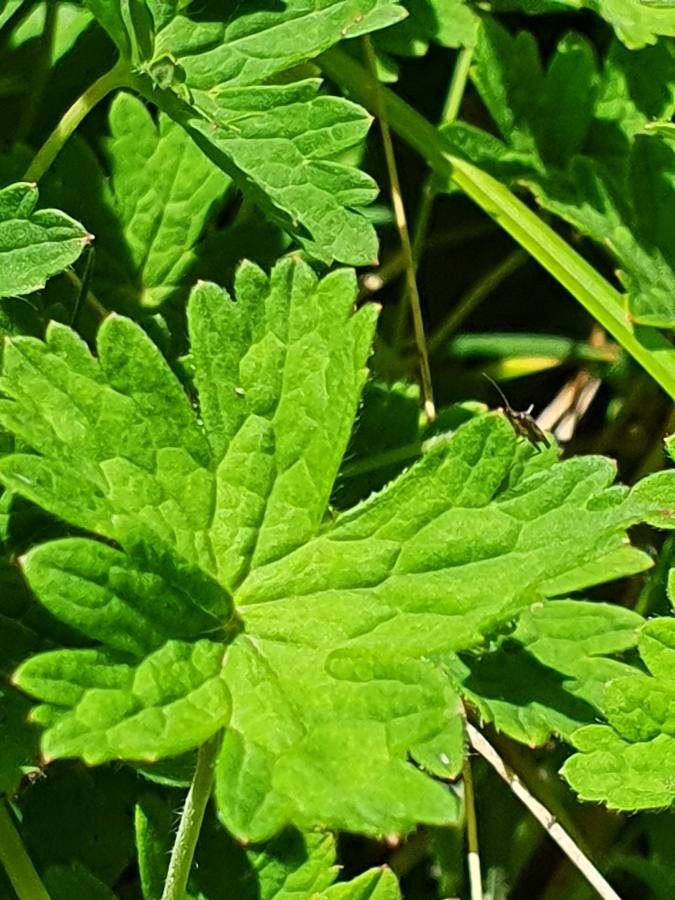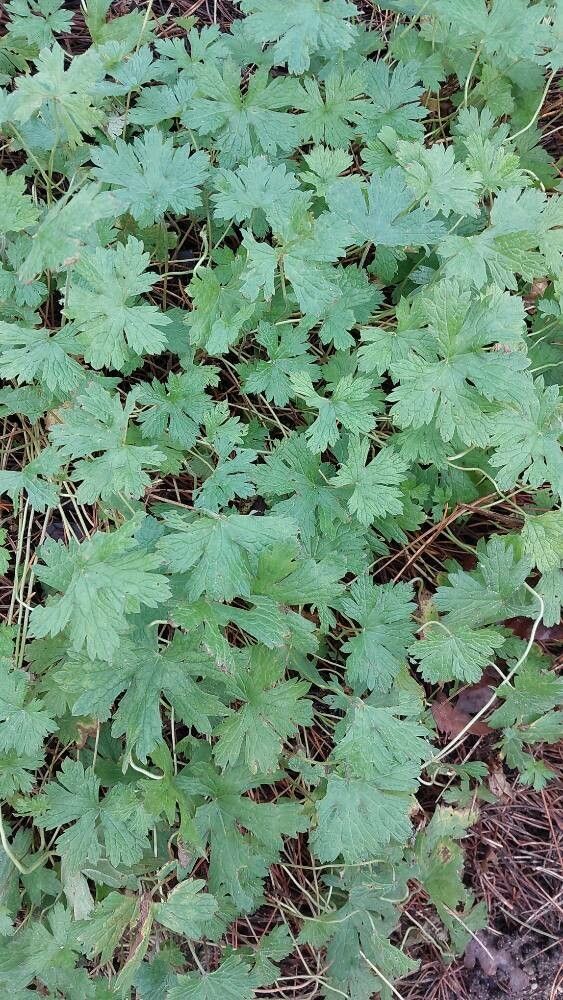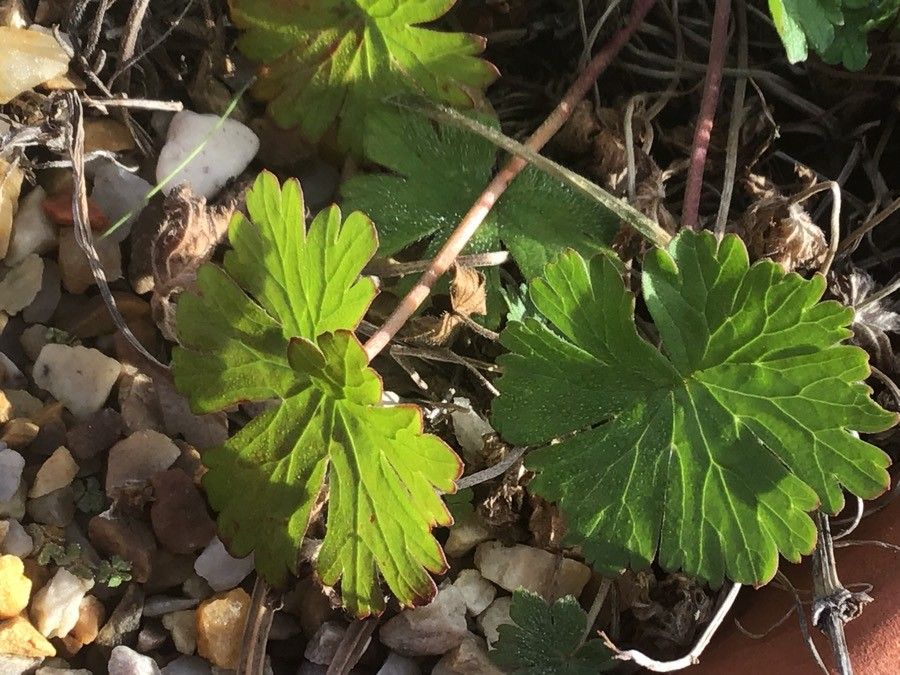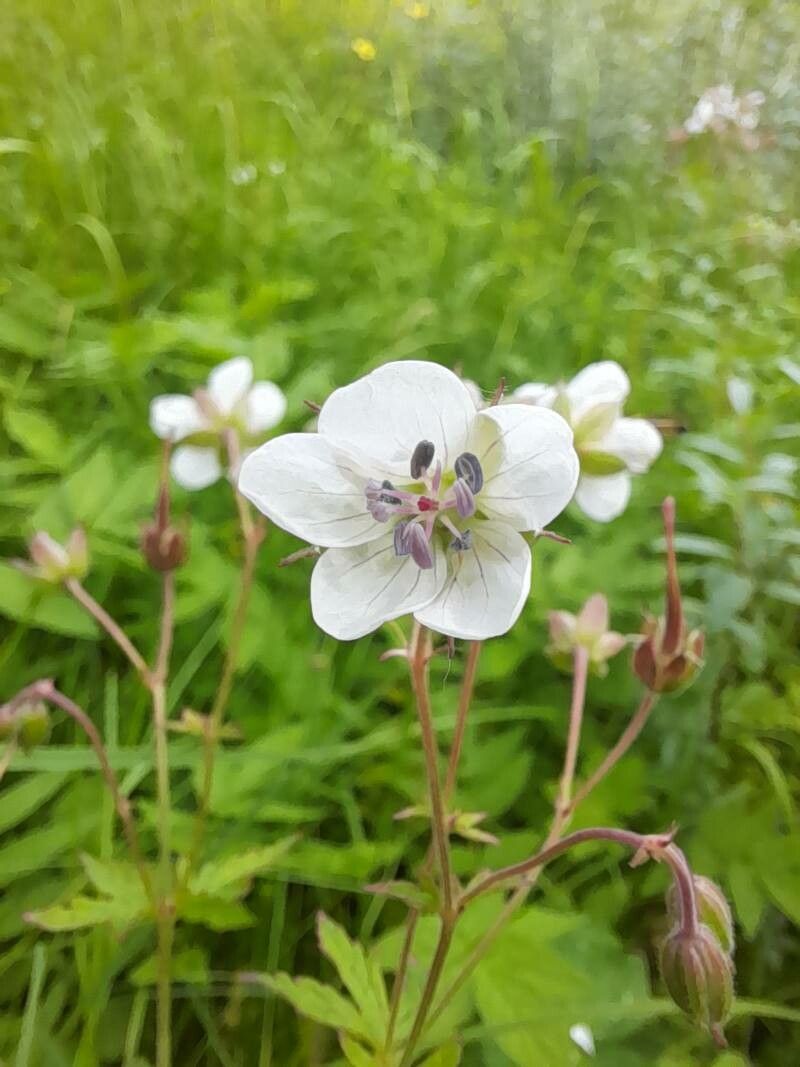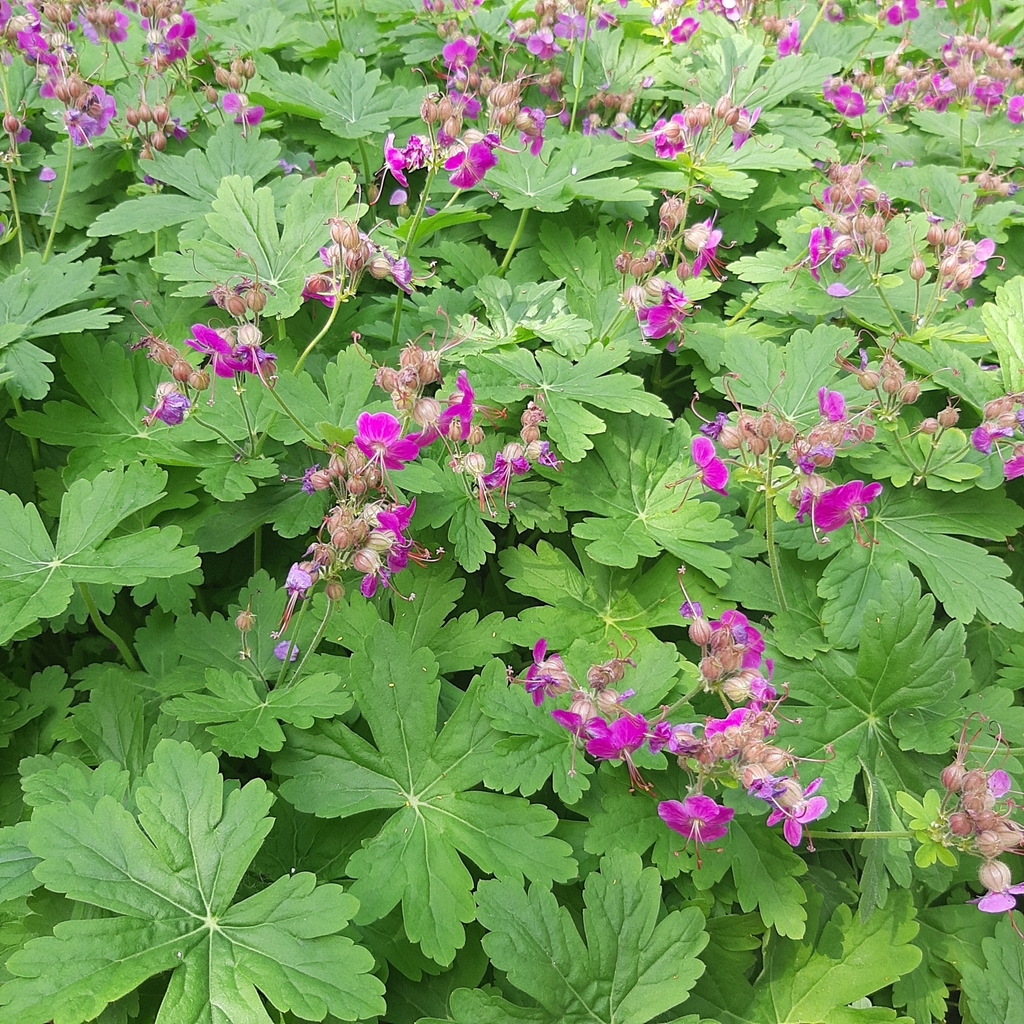
Geranium macrorrhizum, commonly known as bigroot geranium, is a perennial plant belonging to the Geraniaceae family. Native to Europe and Asia, it has been widely cultivated as an ornamental plant in gardens worldwide. The plant reaches heights of 30-50 cm and has a spreading habit, characterized by thick rhizomes that give it its common name.
The leaves of Geranium macrorrhizum are deeply lobed with a glossy green hue that turns reddish-brown in autumn. Its small, pink or purple flowers bloom from late spring through summer, perched on long stalks above the foliage.
This hardy geranium prefers well-drained soil but can tolerate some shade or full sun exposure. While drought-tolerant once established, it benefits from regular watering during dry spells.
Geranium macrorrhizum is a popular choice in landscaping due to its attractive foliage and prolonged blooming period. It serves well as ground cover or planted along borders, offering an eye-catching display of color throughout the growing season.
Beyond its ornamental value, this plant has medicinal properties attributed to its essential oils, which have been used for centuries for their antiseptic effects on wounds and skin irritations.
Overall, Geranium macrorrhizum is a versatile perennial that enhances the aesthetic appeal of landscaping while also providing medicinal benefits. Its combination of beauty and functionality makes it an excellent addition for any garden enthusiast.
The Bigroot Geranium gets its common name from its large, fleshy rhizomes or roots. The Latin name, Geranium macrorrhizum, reflects this characteristic, with "macrorrhizum" specifically referring to the plant's sizeable roots. The genus name, "Geranium," refers to the seed-holding column or fruit of the plant, which resembles the beak or bill of a crane.
Bigroot geranium has strong disease resistance and is generally not prone to illnesses. However, it can be vulnerable to pests and diseases present in its environment. These infections are typically mild. Carewise, this plant requires moderate maintenance. It needs regular pruning to maintain a neat appearance and support healthy growth. Fertilizing can also help encourage flowering. Bigroot geranium is appropriate for anyone with outdoor space, such as a garden or patio, and does not demand extensive gardening experience. It may need more attention if grown indoors.
How to keep Geranium Macrorrhizum.
Light
The Bigroot geranium does best when it gets ample sunlight all day. Yet it can still grow in areas with less light or even in full shade. This ability is shaped by its native habitat. However, too much or too little sun can harm the plant, affecting growth rate and foliage color.
Water
The Bigroot Geranium thrives best in well-drained soils and benefits from consistent moisture without becoming waterlogged. Watering it once a week is ideal to maintain its health. While it has moderate drought tolerance, it's important to balance hydration with proper drainage. Adding mulch can help retain moisture, thereby reducing the need for frequent watering during the growing season.
Temperature
Bigroot geranium is naturally adapted to a climate between 41 and 95°F (5 and 35°C). It does best in temperatures similar to its native temperate habitat. It is most vigorous in spring and fall when temperatures are moderate. Moving it seasonally can help meet its preferred temperature conditions.
Fertilizer
Early spring, as the Bigroot geranium comes out of dormancy and begins active growth, is the best time to fertilize it. Fertilizing supplies essential nutrients for healthy growth. Although the Bigroot geranium has relatively low fertilizer needs, annual feeding can improve its survival and encourage better, longer-lasting flowers.
Pruning
The Bigroot Geranium is a hardy perennial known for its aromatic leaves and vibrant flowers. To promote its health and appearance, it's best to prune in early spring or late winter. This helps remove damaged stems and encourages a new bloom. Regular trimming keeps the plant compact, supports healthy growth, and enhances its visual appeal. Be sure to sterilize your tools before trimming to prevent the spread of disease.
Toxicity
Geranium macrorrhizum has no toxic effects reported.
Further reading →
The toxicity and danger assessments provided are for reference only. We do not assure their accuracy, so it's crucial not to depend on them. Seek professional advice when necessary for accurate guidance.
Botanical profile.
- Plant Type
- Herb
- Life Cycle
- Perennial
- Genus
- Geranium
- Family
- Geraniaceae
- Hardiness Zone
- 4-9
- Mature Height
- 20 cm to 30 cm
- Mature Spread
- 0.61 m to 1.22 m
- Leaf Color
- Green, Red, Purple, Bronze
- Leaf Type
- Evergreen, Semi-evergreen
- Flower Color
- Pink
- Flower Size
- 2.54 cm to 5.08 cm
- Bloom Time
- Late spring, Early summer
- Planting Time
- Spring
- Harvest Time
- Mid summer
- Native Area
- Austria, Italy, Serbia, Romania, Bulgaria, Albania, Greece, Croatia, Slovenia, Ukraine, France
Other names.
Reader questions.
How should I water my Bigroot geranium?
To properly water the Bigroot geranium, it is recommended to use filtered water at room temperature. Tap water may contain harmful particles that can affect the plant's health. It is important to use room temperature or slightly warmer water because the Bigroot geranium is accustomed to a warm environment and cold water can be a shock to its system. It is also advised to avoid overhead watering, as this can cause issues with the foliage. Instead, gently pour the filtered room temperature water directly onto the soil until it is thoroughly soaked. This helps to moisten the roots and support their spreading and nutrient absorption.
Why is it necessary to fertilize my Bigroot geranium?
Fertilization is important for the Bigroot geranium for a few reasons. It provides necessary nutrients for the plant's growth both above and below the ground. Although the overall fertilization needs for a Bigroot geranium are low, annual fertilization can be highly beneficial. It helps the plant stay alive and may improve the longevity of its flowers. Therefore, if you want your Bigroot geranium to look its best, make sure to fertilize it every year.
What are the sunlight requirements for Bigroot Geranium?
Bigroot geranium thrives when given ample sunlight throughout the day, requiring above 6 hours of full sun to flourish optimally. It can also grow under conditions of partial sun or full shade, which means about 3-6 hours of sunlight. The plant's adaptability to different light conditions stems from its original habitat, though its health may be negatively affected by either too much or too little sun, impacting growth rates and foliage color. It's beneficial to observe your garden's light patterns to ensure you place your plants in areas that offer a perfect balance of light and shade.
What is the ideal temperature range for Bigroot geranium?
Bigroot geranium is best suited to a climate that ranges from 41 to 95°F (5 to 35°C), reflecting its temperate natural habitat. It shows vigorous growth during the moderate temperatures of spring and fall. To accommodate its temperature preferences, adjusting its location seasonally may be beneficial. The plant is notably cold-resistant, rendering special frost protection measures unnecessary in most cases. Nonetheless, in anticipation of winter temperatures plummeting below -30°C, it is advised to employ cold protection by covering the plant with insulating materials such as soil or straw. Additionally, before the onset of the first freeze in autumn, watering the plant abundantly to ensure the soil remains moist can help prevent drought and water scarcity during the winter and early spring months.
What should I do if I give too much or too little water to my Bigroot geranium?
Overwatering is a common issue that can harm your Bigroot geranium. Too much water can cause the stems and leaves to wilt and turn yellow. Over time, it can also lead to diseases like root rot, mold, and mildew, which can kill the plant. On the other hand, underwatering is less common because the Bigroot geranium can tolerate drought well. However, it is still possible, and underwatering can cause the leaves to become brittle and brown. It's important to spot signs of overwatering early and take action, as some diseases may be irreversible if left untreated. If you notice these signs, reduce the watering schedule and check the soil drainage. If the soil drains poorly, replace it with a loose, well-draining potting mix. If you see signs of underwatering, simply water the plant more regularly until the signs disappear.
What is the right time to add fertilizer to my Bigroot geranium?
The best time to fertilize a Bigroot geranium is in late winter to early spring when it is transitioning from dormancy to active growth. Fertilizing during this time promotes healthy growth and a strong start to the season. Fertilizing can also be done in the fall, although it is not as beneficial as in the early spring. However, it is not recommended to fertilize a Bigroot geranium during the summer or winter.
How does artificial lighting affect indoor Bigroot Geranium plants?
Indoor Bigroot geranium plants require adequate lighting for optimal growth, especially when natural sunlight is insufficient, like during winter or in less sunny spaces. Artificial lighting, such as LED lights, provides a vital solution by promoting faster, healthier growth. These lights can be customized to deliver specific wavelengths needed by the plants. For full sun plants, 30-50W/sq ft of artificial light is recommended; partial sun plants need 20-30W/sq ft, and full shade plants require 10-20W/sq ft. The light source should be placed 12-36 inches above the plant to mimic natural sunlight, and most plants benefit from 8-12 hours of artificial light per day.
How should Bigroot geranium be cared for in low temperatures?
Bigroot geranium is cold-tolerant, thriving best when temperatures are maintained above 5°C. For winter care, it's important to ensure that temperatures do not drop below -25°C. At temperatures below -30°C, while there may not be noticeable changes during winter, there can be a significant reduction in the plant’s ability to sprout come spring, possibly resulting in no sprouting at all. As a solution, it is recommended to remove any parts of the plant that have failed to sprout in spring, aiding in its revitalization for the growing season.
How frequently should I water my Bigroot geranium plant?
If your Bigroot geranium is potted, the most precise way to determine if it needs water is by checking the soil. Stick your finger into the soil and if the top two to three inches are dry, it's time to water. For Bigroot geraniums planted in the ground, you can use the same method. When the top few inches of soil are dry, it's time to water. Typically, during spring and early fall, watering once a week is sufficient. However, during extremely hot weather, you may need to water twice or more per week. It's worth mentioning that mature, well-established Bigroot geraniums have the ability to tolerate drought well.
When is it best to not add fertilizer to my Bigroot geranium?
To avoid any complications, it is best to only fertilize your Bigroot geranium during late winter and early spring. Since this plant has low fertilization needs, a single annual feeding is enough. Fertilizing during spring, summer, and fall can easily lead to overfertilization. However, if you forgot to fertilize in spring, it is okay to feed the plant in fall. It is important to note that there is no need to fertilize during winter since the plant will be in a dormant phase and not producing new growth.
What are common symptoms of inadequate or excessive sunlight in Bigroot Geranium?
When Bigroot geranium is exposed to inadequate lighting, it may show symptoms such as smaller new leaves compared to mature ones, leggy or sparse growth, faster leaf drop, slower or no new growth, and lighter-colored new leaves. Excessive sunlight can cause chlorosis, where leaves turn yellow and lose their green color, sunscald with pale or necrotic spots on tissues, leaf curling as a defense against water loss, wilting due to increased water loss through transpiration, and leaf scorching characterized by brown, crispy edges on leaves. These symptoms indicate the plant's struggle with inappropriate light conditions.
What is the recommended care for Bigroot geranium in high temperatures?
During the summer season, it is imperative to keep Bigroot geranium in conditions where the temperature does not exceed 35°C. Exposure to temperatures above 38°C may cause the leaves to lighten in color, become prone to curling, susceptible to sunburn, and, in severe cases, lead to the wilting and drying of the entire plant. To mitigate these risks, it's advisable to trim away sunburned and dried portions of the plant, and relocate it to a spot that offers protection from the midday and afternoon sun. Utilizing a shade cloth can also be effective in providing necessary shade. Moreover, watering the plant in the morning and evening will help maintain soil moisture, further protecting the plant from heat stress.