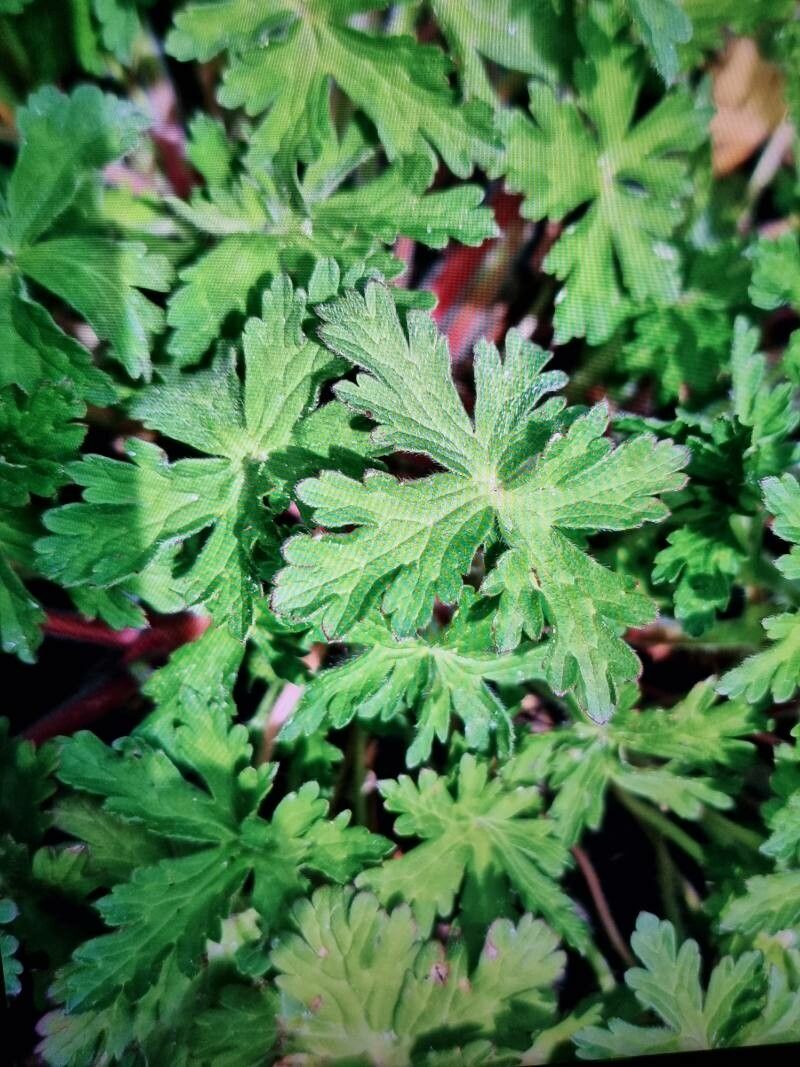
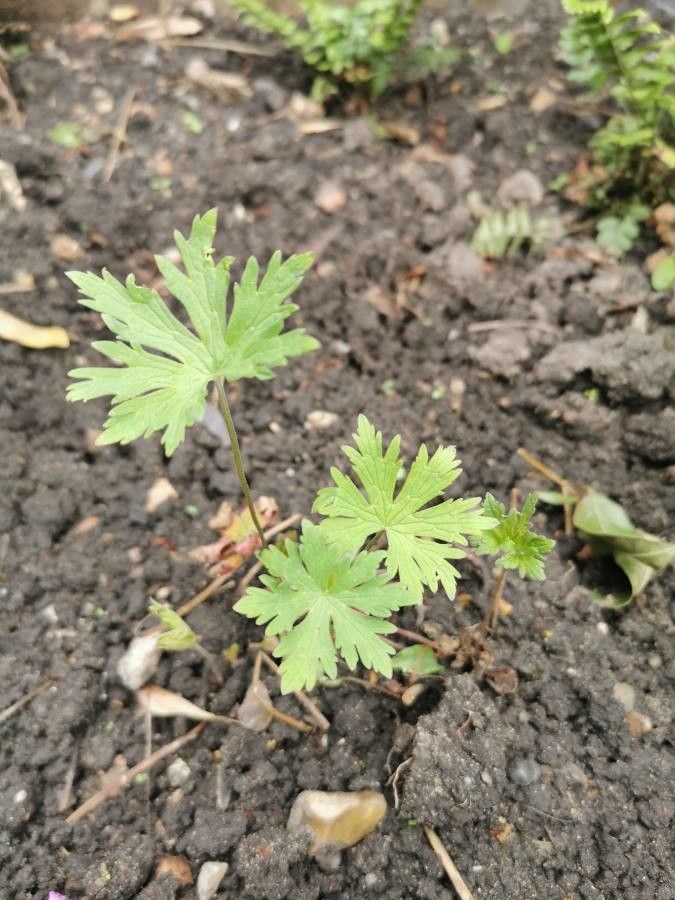
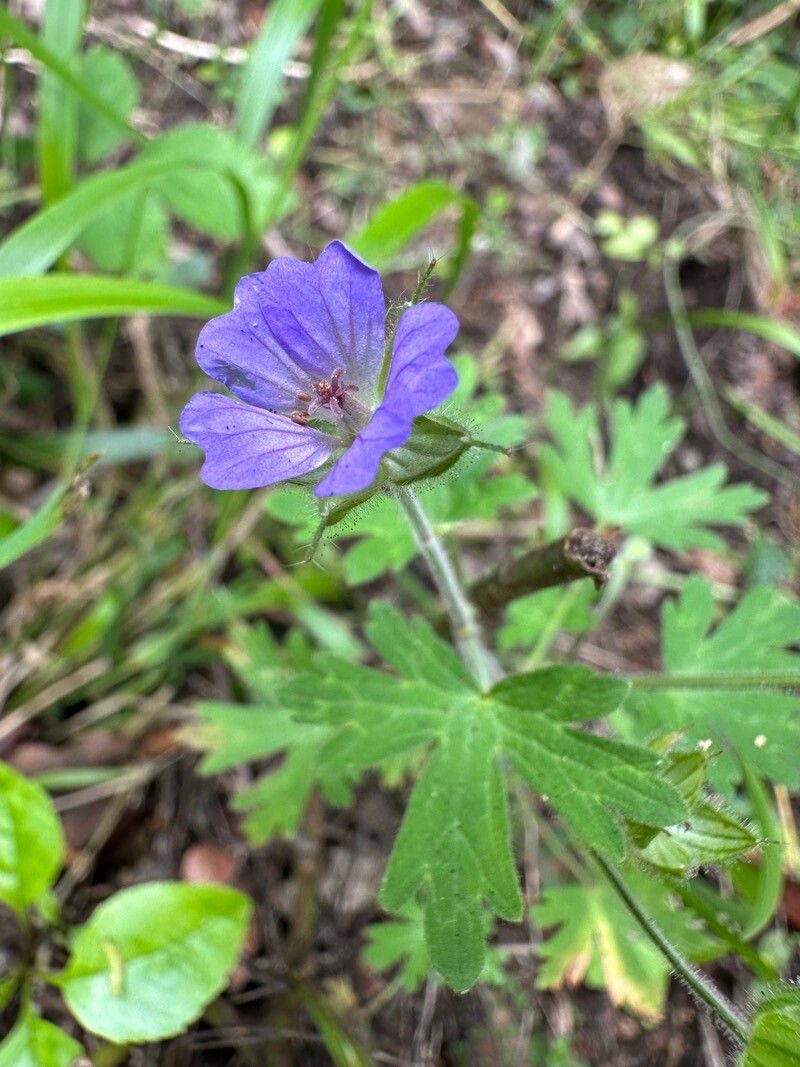
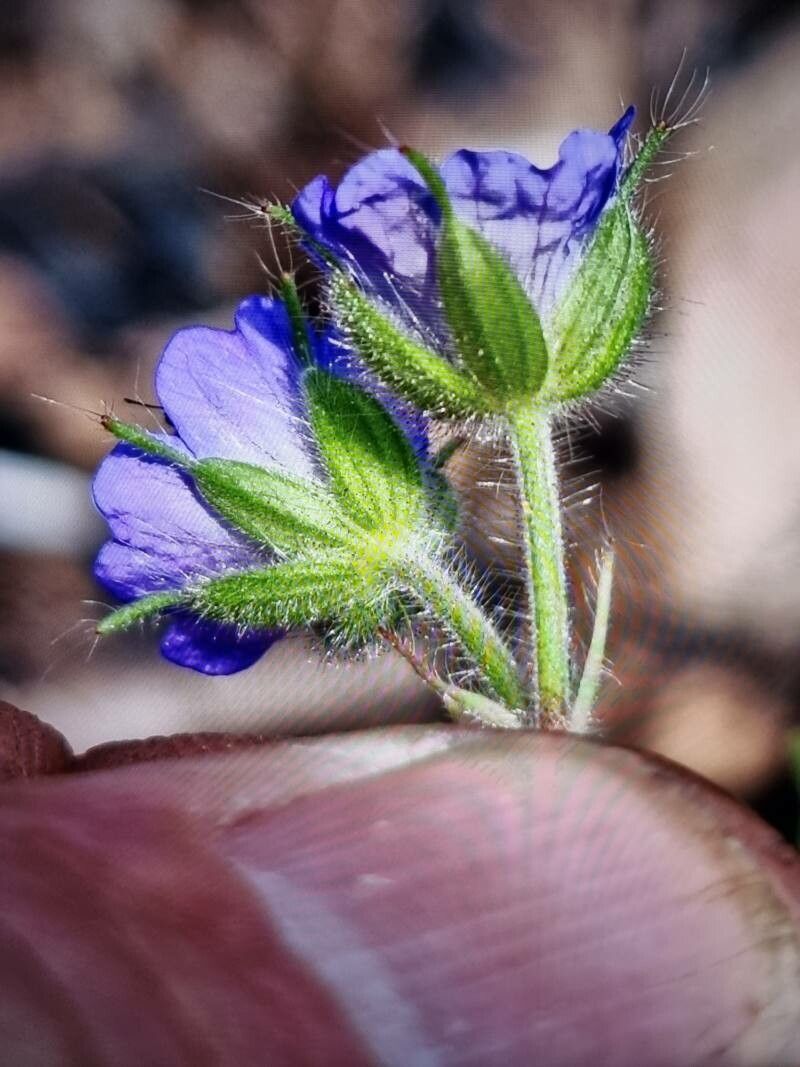
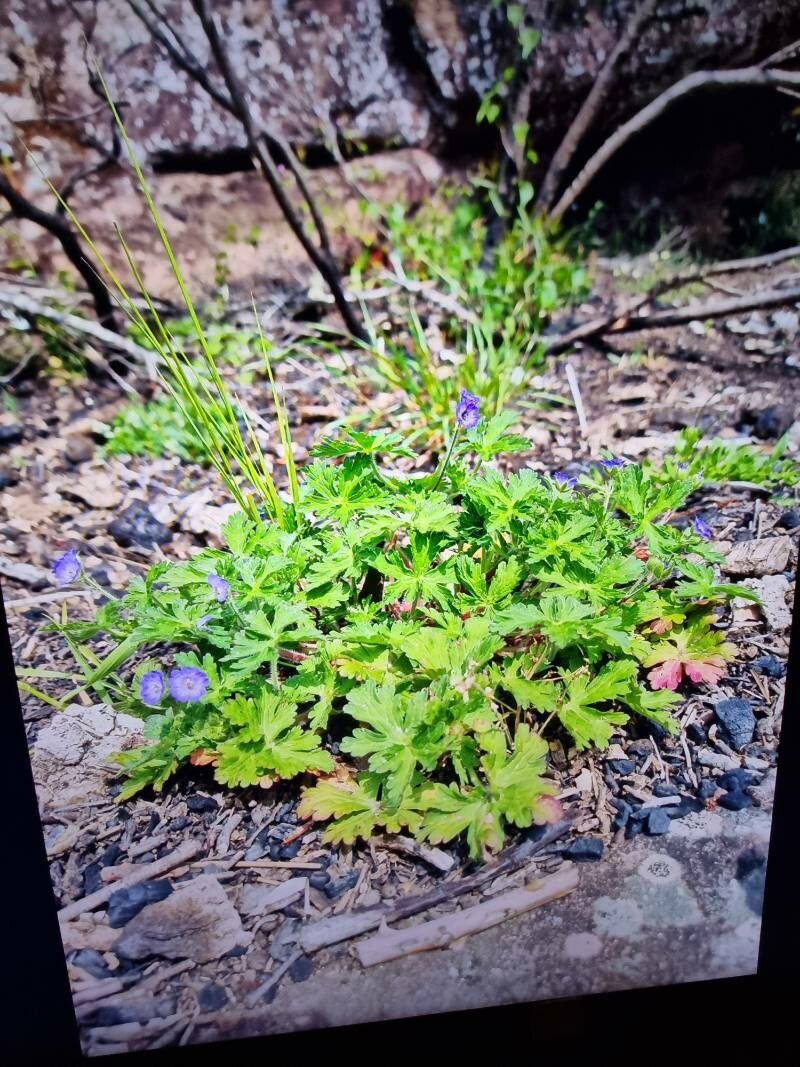
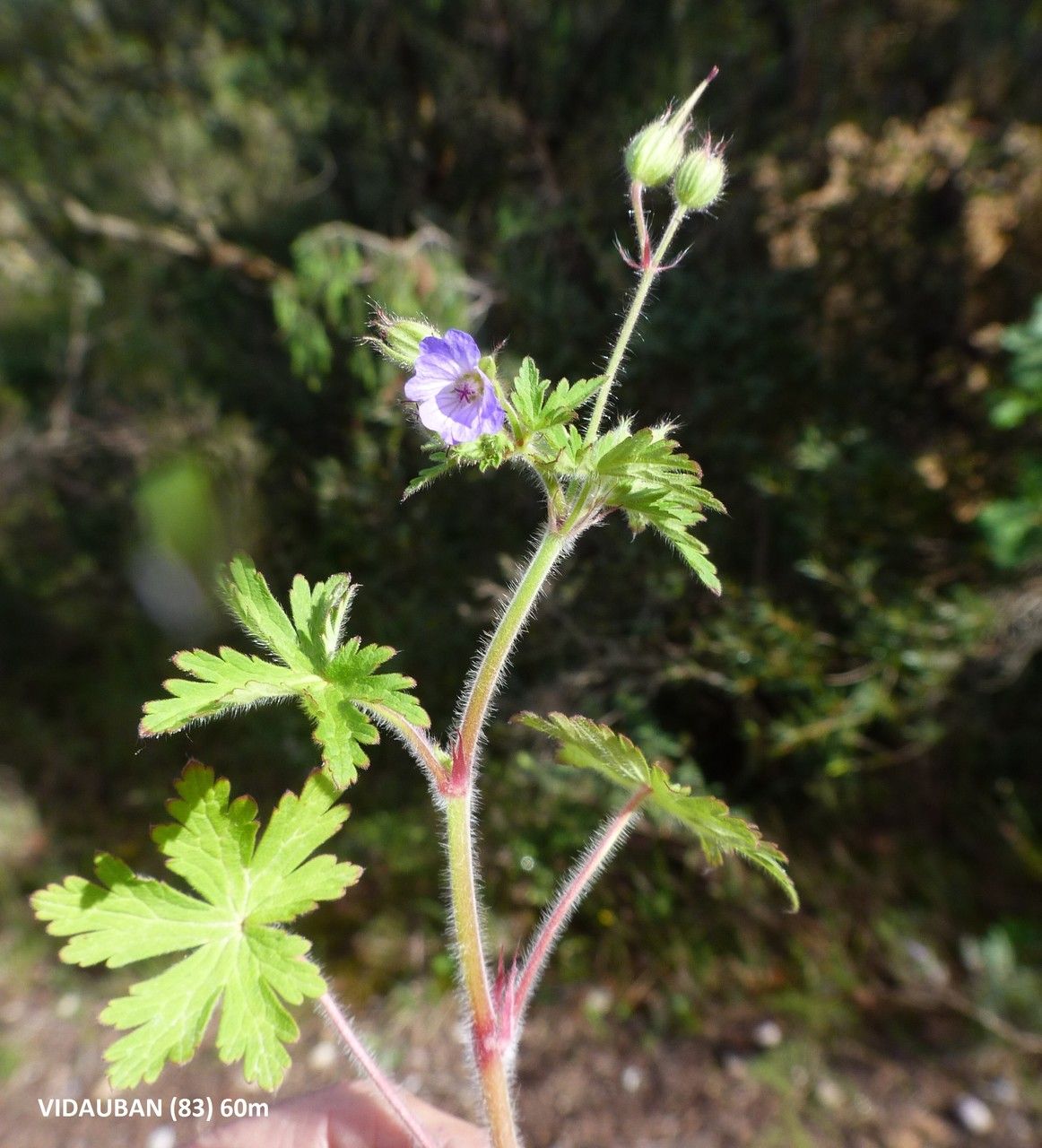
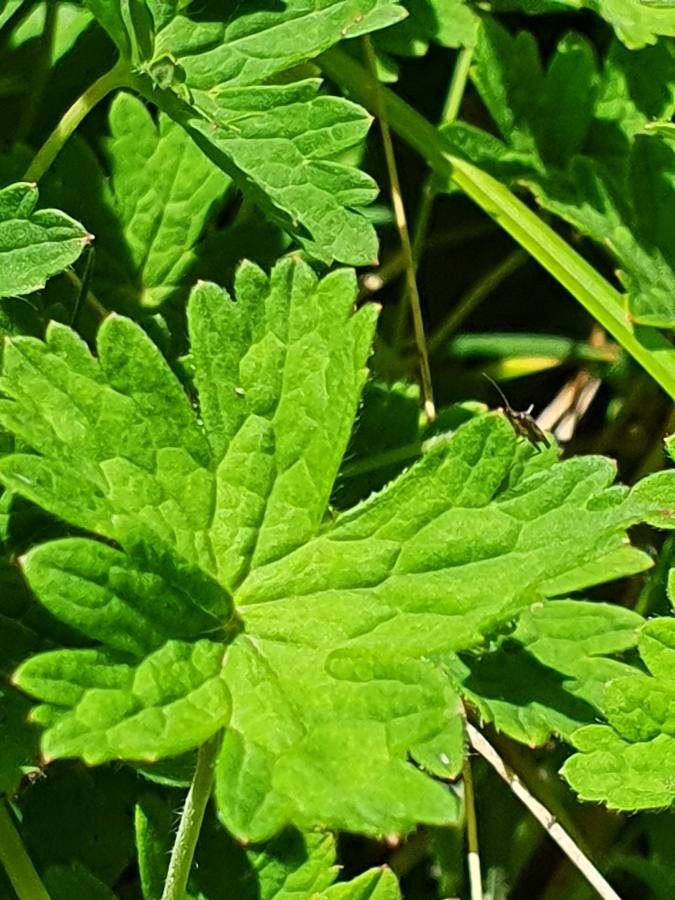
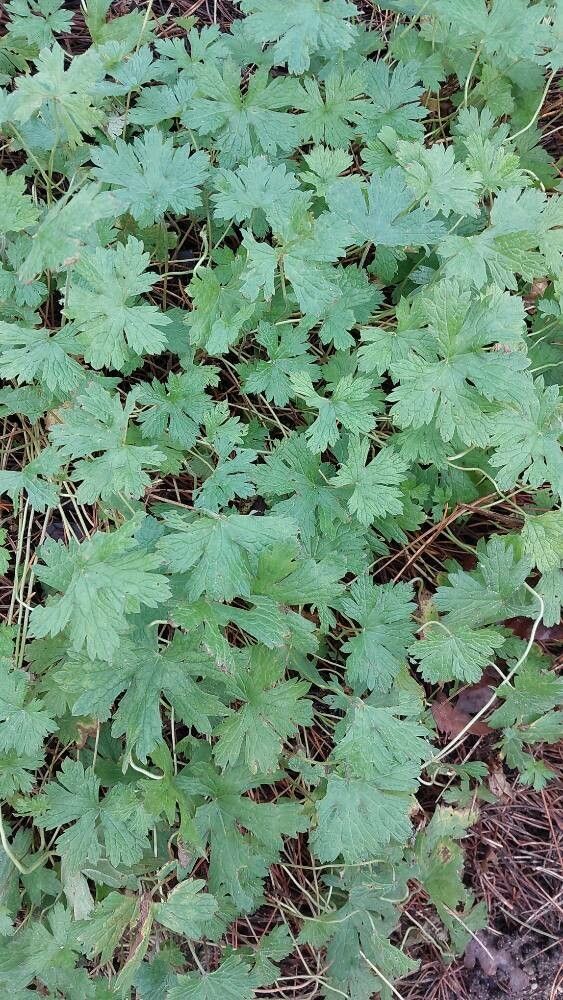
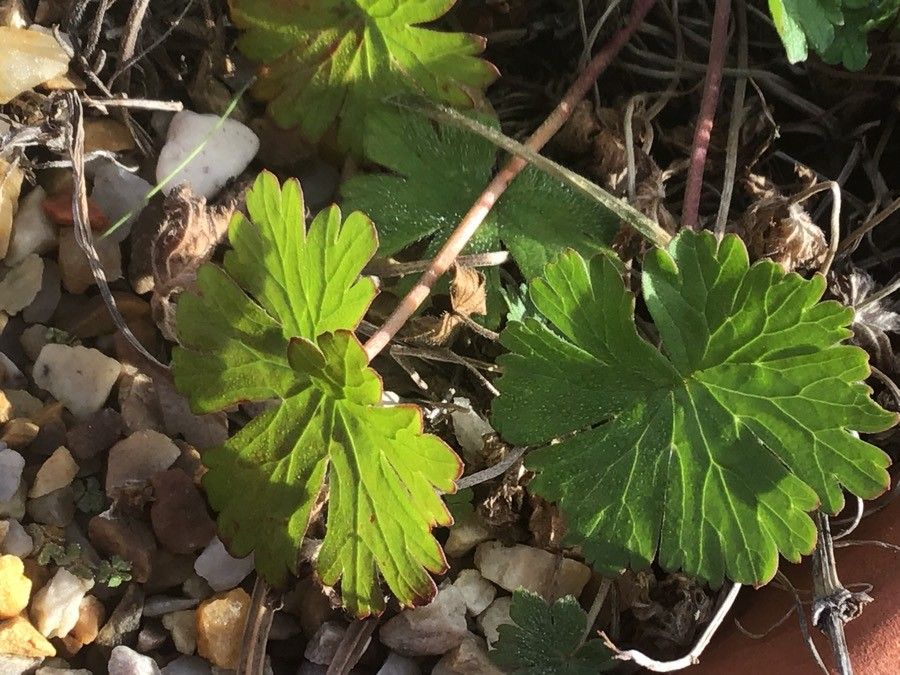
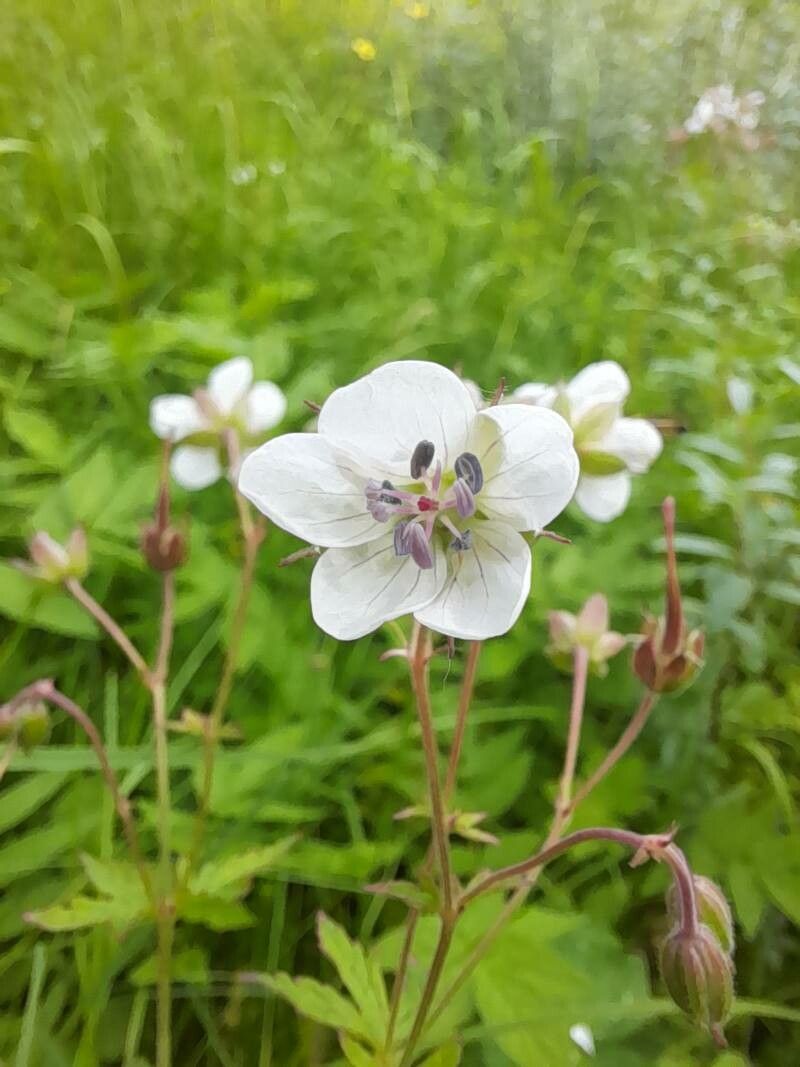
Carolina crane's-bill is fairly disease-resistant and typically not prone to illnesses. However, it can be affected by pests and diseases present in its surroundings. These problems are usually mild. In terms of upkeep, this plant requires moderate maintenance. Regular pruning is needed to preserve a tidy appearance and support healthy growth. Fertilizing can also help encourage flowering. Carolina crane's-bill is suitable for anyone with outdoor space, such as a garden or patio, and does not demand extensive gardening experience. It may require more attention when grown indoors.
How to keep Geranium Lanuginosum.
Light
The carolina crane's-bill does well with sunlight levels that tend toward the gentler side but can also prosper under strong sun. Its native habitat matches this tolerance for sun. Too much sunlight can stress the plant, while too little can limit its growth and vigor.
Temperature
Carolina crane's-bill is native to areas with moderate temperatures and performs best at 68 to 95 °F (20 to 35 ℃). During cooler periods it acclimates by slowing its growth, while in warmer climates consistently moist soil can help regulate temperature.
Fertilizer
Carolina crane's-bill benefits from regular, dilute fertilizer applications to encourage healthy leaf growth. Fertilize Carolina crane's-bill about once a month during the summer months. Nitrogen is important for foliage, and supplying nitrogen-rich sources helps Carolina crane's-bill thrive.
Botanical profile.
- Plant Type
- Herb
- Life Cycle
- Annual, Biennial
- Genus
- Geranium
- Family
- Geraniaceae
- Hardiness Zone
- 3-10
- Mature Height
- 20 cm to 61 cm
- Mature Spread
- 20 cm
- Leaf Color
- Green
- Leaf Type
- Deciduous
- Flower Color
- Lavender
- Flower Size
- 2.54 cm
- Bloom Time
- Mid spring, Late spring, Early summer
- Planting Time
- Autumn, Winter
- Harvest Time
- Early summer, Mid summer
- Native Area
- Bahamas, Mexico