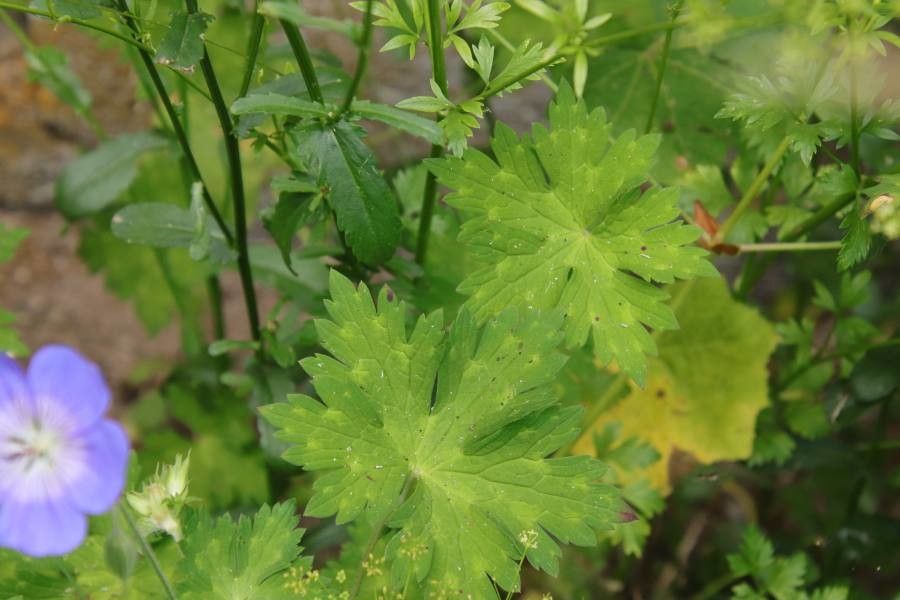
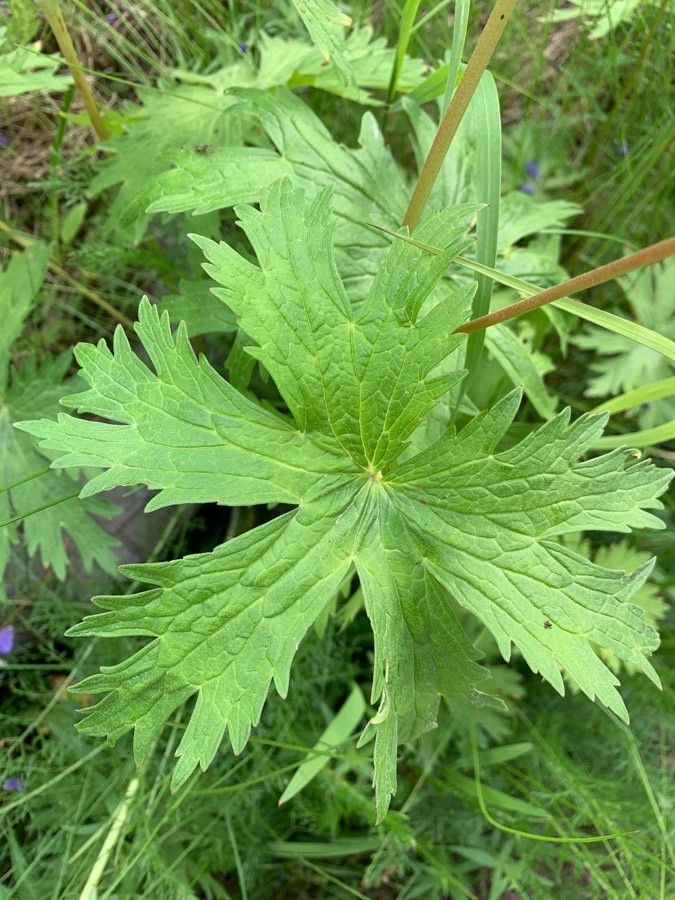
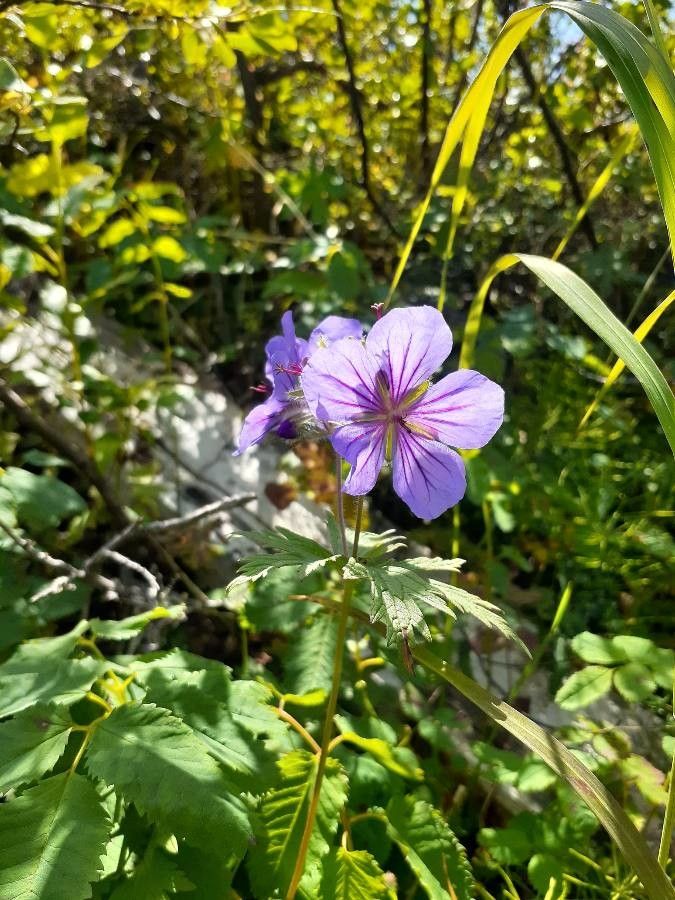
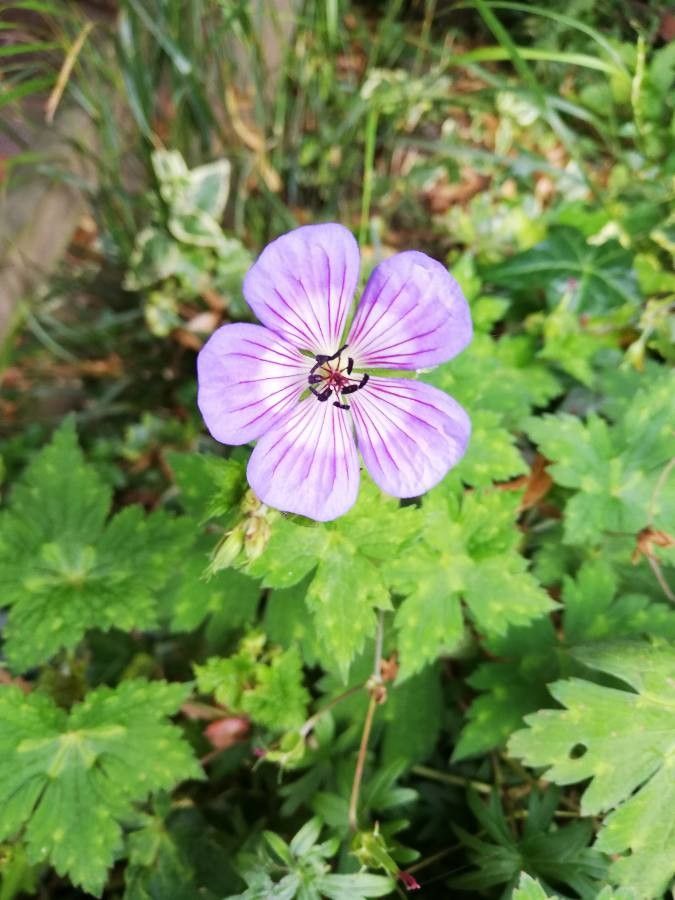
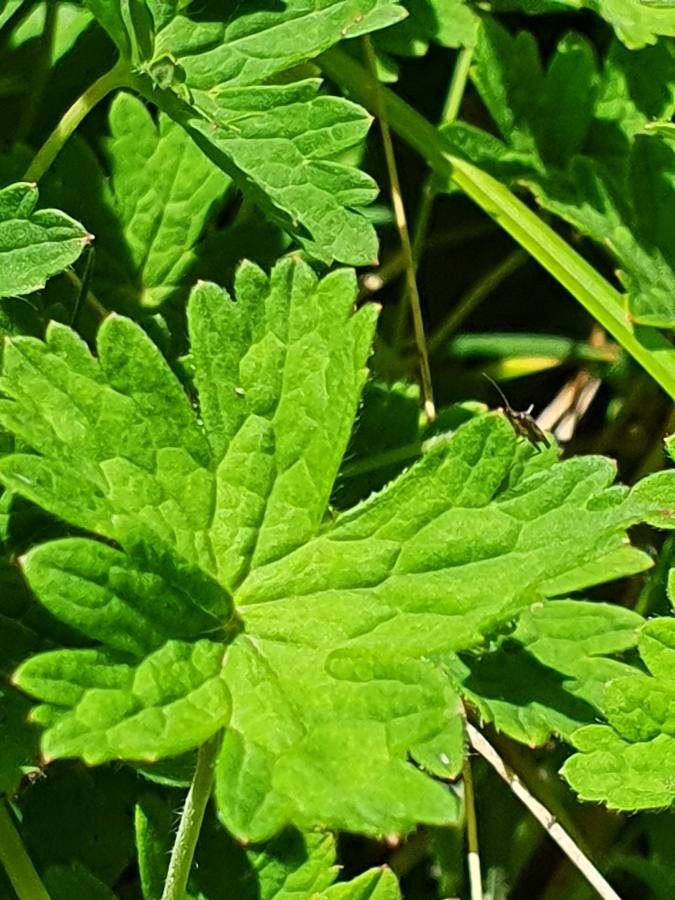
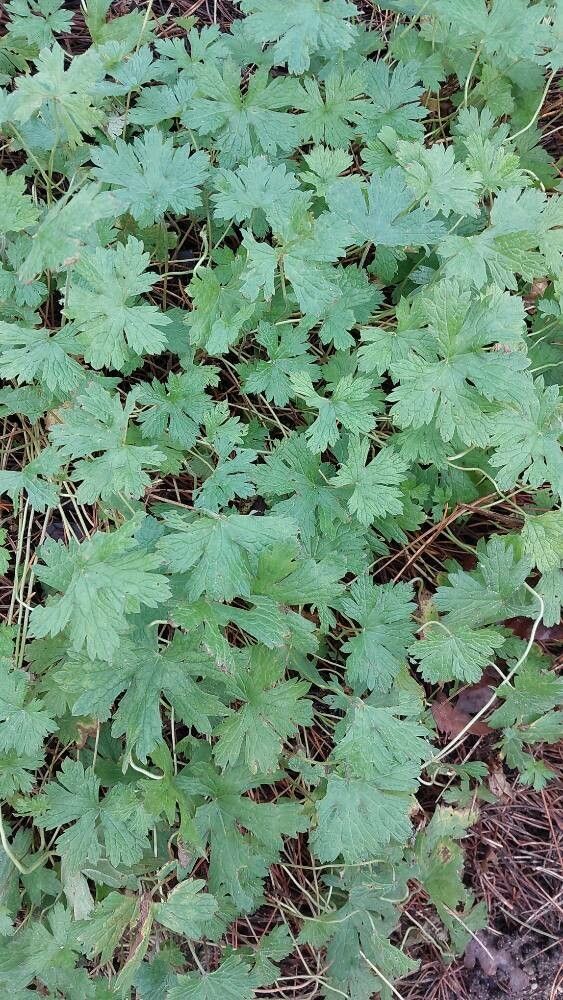
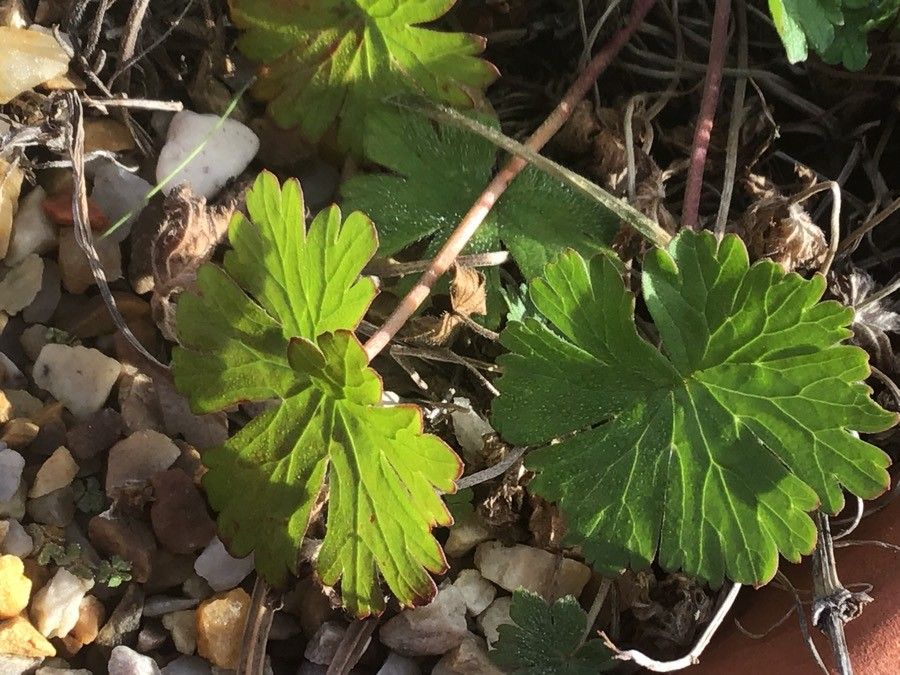
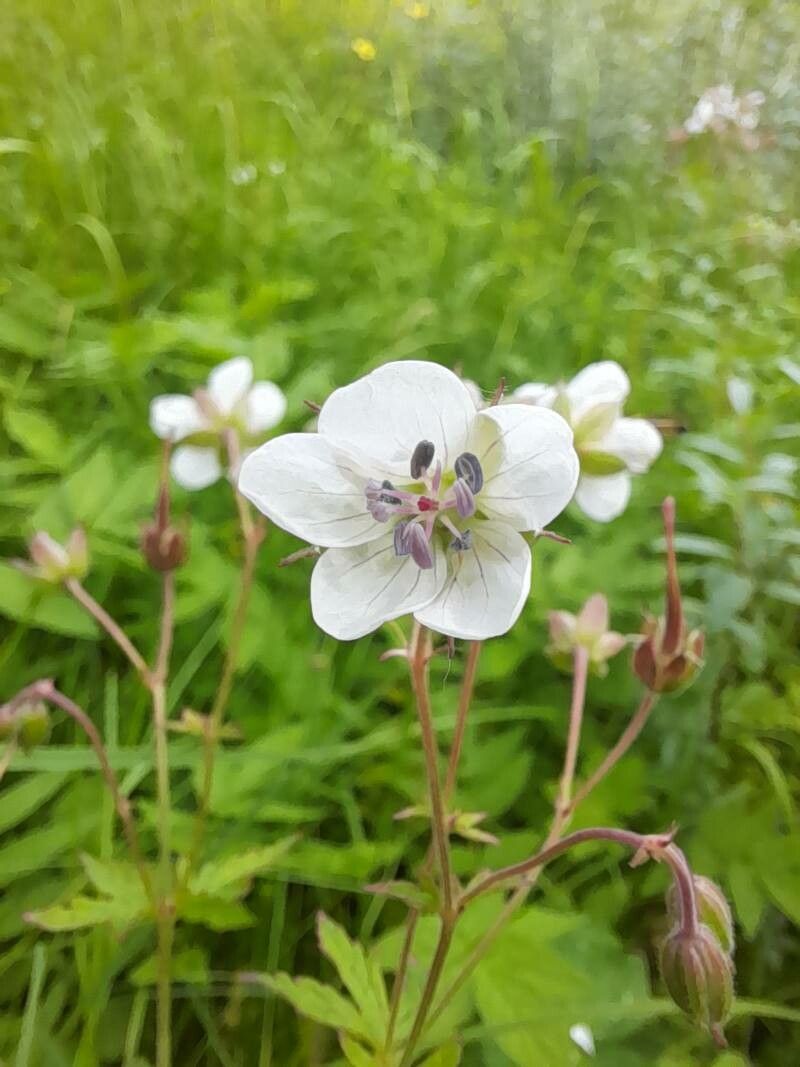
Geranium erianthum, the woolly geranium, is a flowering plant found in China, Japan, Russia, and North America. Within its range, it is often known as "wild geranium" or "cranesbill", but note that these common names are also used for several other species within the genus Geranium.
Woolly cranesbill is fairly disease-resistant and generally not prone to illness. However, it can be affected by pests and diseases present in its surroundings. These infections are typically mild. For care, the plant requires moderate maintenance. It should be pruned regularly to maintain a neat appearance and promote healthy growth. Fertilizing can also help encourage flowering. Woolly cranesbill is suitable for anyone with an outdoor area, such as a garden or patio, and does not require much gardening experience. It may need more attention when cultivated indoors.
How to keep Geranium Erianthum.
Light
The woolly cranesbill performs best when it gets a substantial amount of light daily, yet it also grows well in situations with diffused or inconsistent illumination. Native to areas with long daylight periods, its development can be impaired by inadequate light, leading to stunted growth, or by excessive light, which can produce wilting or leaf scorch.
Water
Woolly cranesbill thrives best with moderately moist soil that is consistently hydrated, needing watering every 1-2 weeks. It grows well outdoors in well-drained soil, which is crucial for preventing root rot and ensuring healthy growth during its active season. While this plant shows some drought resistance, it still requires regular watering to flourish.
Temperature
Woolly cranesbill is a plant native to climates where temperatures range from 32 to 90 °F (0 to 32 ℃). It prefers cooler conditions, tolerates low temperatures, and favors mild to cool summers. Seasonal adjustments in temperature may be necessary depending on the region.
Fertilizer
The best time to apply fertilizer to a Woolly cranesbill is in early spring, as it comes out of dormancy and begins active growth. Supplying fertilizer gives essential nutrients for healthy development. While Woolly cranesbill has relatively low fertilizer requirements, an annual feeding can improve its survival and encourage better, longer-lasting blooms.
Pruning
The Woolly Cranesbill is known for its fuzzy leaves and vibrant flowers. To ensure it thrives, prune it from early to late spring. After the frost, remove any dead stems and spent blooms to promote growth and improve flowering. This will also enhance air circulation and reduce the risk of disease. Be sure to use clean, sharp tools for the best plant health.
Botanical profile.
- Plant Type
- Herb
- Life Cycle
- Perennial
- Genus
- Geranium
- Family
- Geraniaceae
- Hardiness Zone
- 3-7
- Mature Height
- 30 cm to 61 cm
- Mature Spread
- 10 cm to 49 cm
- Leaf Color
- Green, Red
- Leaf Type
- Deciduous
- Flower Color
- Lavender, Pink
- Flower Size
- 2.54 cm to 3.81 cm
- Bloom Time
- Late spring, Early summer, Mid summer
- Planting Time
- Spring, Summer, Autumn
- Harvest Time
- Mid summer, Late summer, Early fall
- Native Area
- Russia, Japan, China
Other names.
Reader questions.
What are the sunlight requirements for Woolly Cranesbill?
Woolly Cranesbill requires full sun, meaning it needs above 6 hours of sunlight daily, but it can also thrive in partial sun, which is about 3-6 hours of sunlight. Observing the movement of sunlight in your garden is crucial to find the optimal balance of light and shade for your plants, ensuring their well-being. The Woolly Cranesbill thrives under substantial light exposure yet can also prosper in environments where light is not constant, indicative of its origin from regions with long daylight hours. Inadequate or excessive light can hinder its growth, leading to stunted development, wilting, or leaf scorch.
What is Woolly Cranesbill and where is it native to?
Woolly Cranesbill, scientifically known as Geranium erianthum, is a plant native to regions with temperatures ranging from 32 to 90 °F (0 to 32 °C). It thrives best in cooler environments and is well-suited to conditions that have mild to cool summers. Depending on the regional climate, seasonal temperature adjustments may be necessary to cater to its growing requirements. Woolly Cranesbill is remarkably cold-tolerant, managing well without the need for extra frost protection measures during winter. To help it through winter and early spring, it is advisable to water the plant abundantly before the first freeze of autumn, ensuring the soil is moist and enters a frozen state properly. This technique helps in preventing drought and water scarcity for the plant during the colder months.
How can artificial lighting be used for indoor Woolly Cranesbill plants?
For indoor Woolly Cranesbill plants, artificial lighting is a viable solution when natural sunlight is insufficient, particularly during winter or in less sunny spaces. It promotes faster, healthier growth. LED lights are recommended due to their ability to provide specific wavelengths needed by plants. The intensity of artificial light varies based on plant needs: 30-50W/sq ft for full sun plants, 20-30W/sq ft for partial sun plants, and 10-20W/sq ft for full shade plants. The light source should be placed 12-36 inches above the plant to mimic natural sunlight, and the duration should replicate natural daylight hours, typically 8-12 hours per day.
How does Woolly Cranesbill react to low temperatures?
Woolly Cranesbill exhibits an extreme tolerance to cold environments, with the ability to withstand winter temperatures above -35°C (-31°F). However, if temperatures fall below this threshold, there might not be any noticeable impact during the winter. Yet, come spring, there could be a reduction in the plant's sprouting activity or in severe cases, a complete lack of sprouting. The recommended solution for these situations is to remove any parts of the plant that have failed to sprout in spring, allowing for rejuvenation and new growth.
What are the symptoms of inadequate lighting in Woolly Cranesbill?
Symptoms of light deficiency in Woolly Cranesbill include smaller new leaves, leggy or sparse growth, faster leaf drop, slower or stopped growth, and lighter-colored new leaves. These symptoms indicate the plant is not receiving enough light. Conversely, excessive sunlight can cause chlorosis, sunscald, leaf curling, wilting, and leaf scorching. Woolly Cranesbill shows its discomfort with inadequate lighting conditions through visible signs such as weak or stunted growth and discoloration of the leaves.
What should be done if Woolly Cranesbill is exposed to high temperatures?
Woolly Cranesbill has a low tolerance for high temperatures, and its growth ceases when temperatures exceed 32°C (90°F). Exposure to high temperatures increases the plant's susceptibility to rot. To mitigate these effects, it is advised to trim away any sunburned or dried-up parts of the plant. Relocating the plant to a cooler spot that offers shade during the midday and afternoon sun, or utilizing a shade cloth for protection, can greatly benefit the plant. Additionally, watering the plant in the morning and evening helps keep the soil moist and can alleviate stress from the heat.
What solutions are available for Woolly Cranesbill facing insufficient sunlight?
To address insufficient sunlight for Woolly Cranesbill, indoors, gradually move the plant to a sunnier location each week until it receives at least 6 hours of direct sunlight daily, utilizing a south-facing window for maximum exposure. Artificial lights, such as desk or ceiling lamps kept on for at least 8 hours daily, can supplement light intake. Outdoors, slowly transition your plant to sunnier areas to prevent sunburn. Removing obstructions and possibly transplanting to sunnier locations with good drainage can also help outdoor plants. Note that parts of the plant already affected might not recover, but new growth should be healthy with improved light.