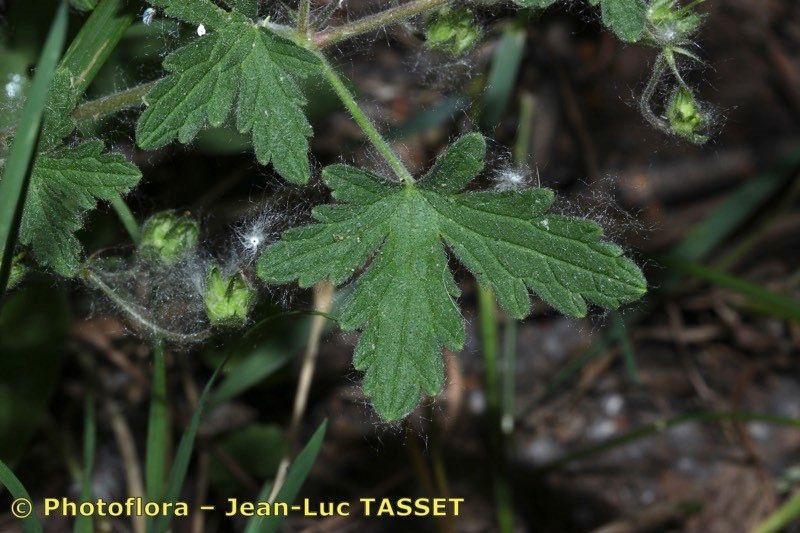
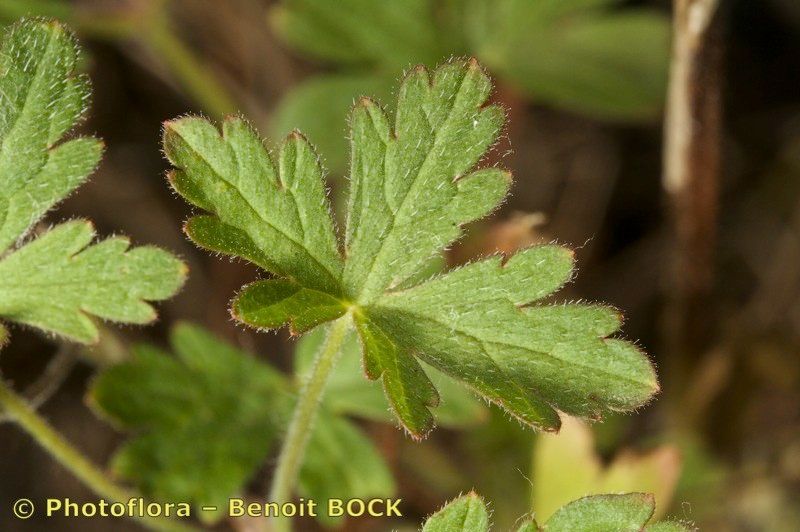
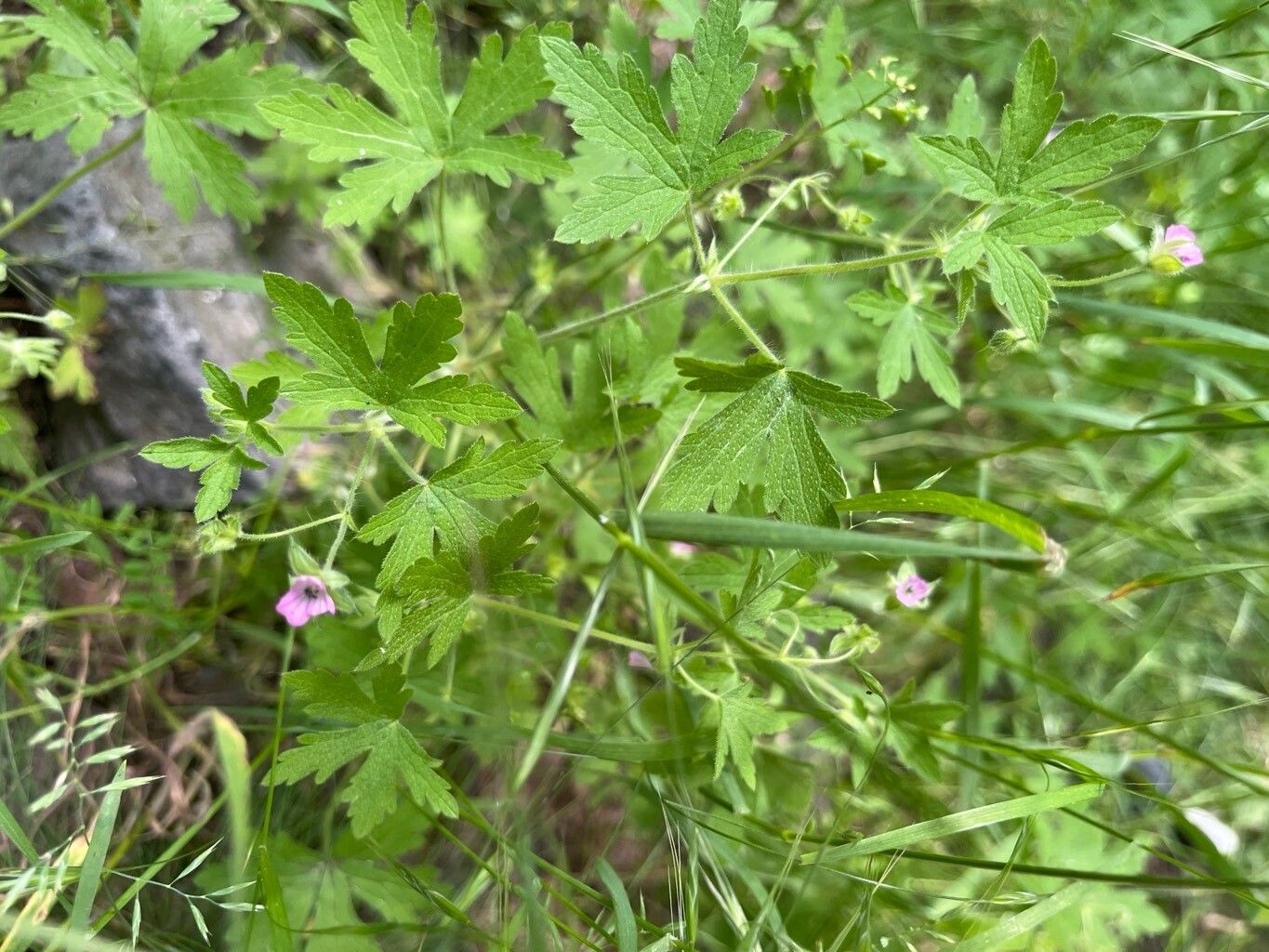
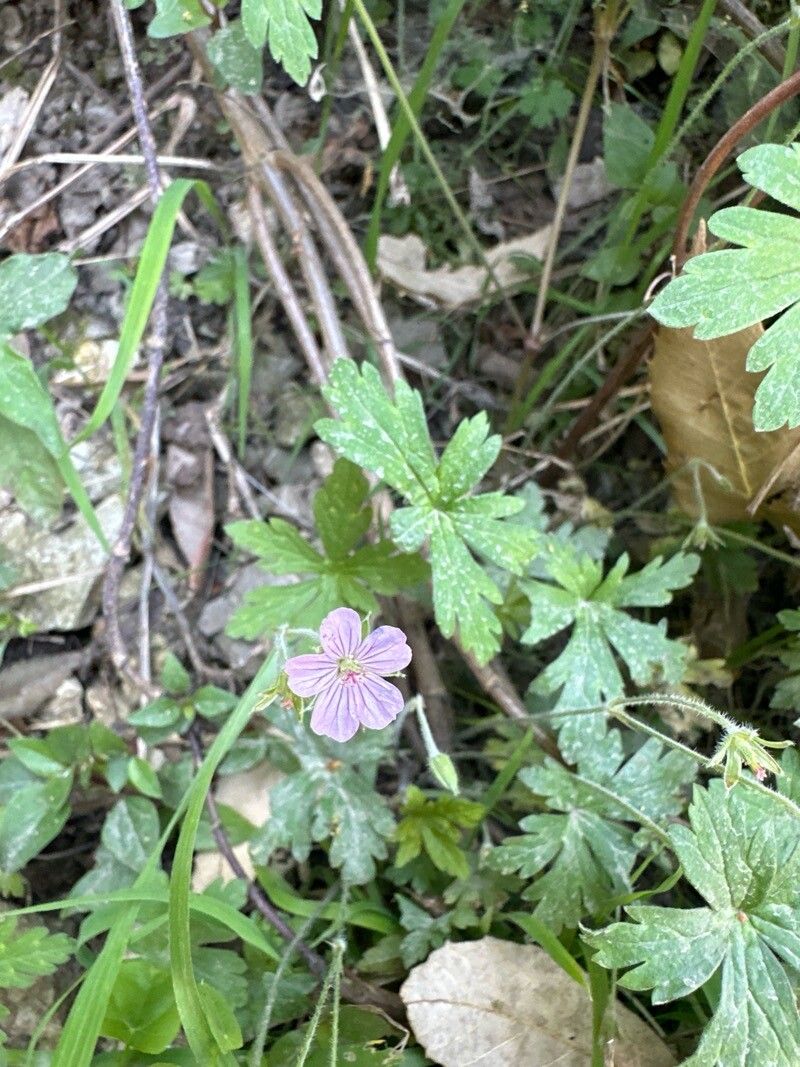
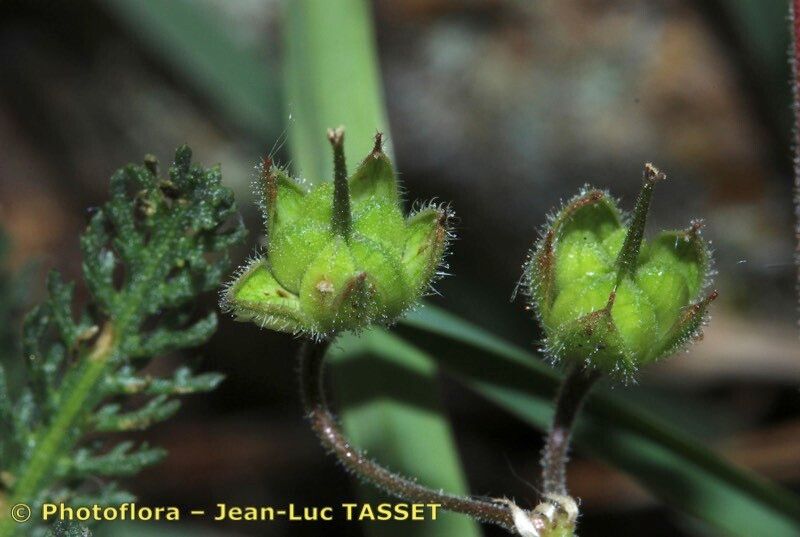
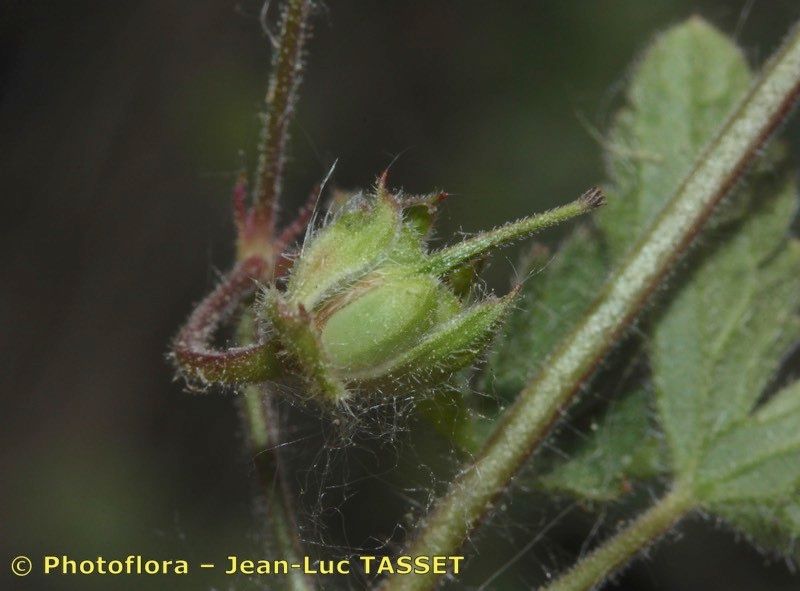
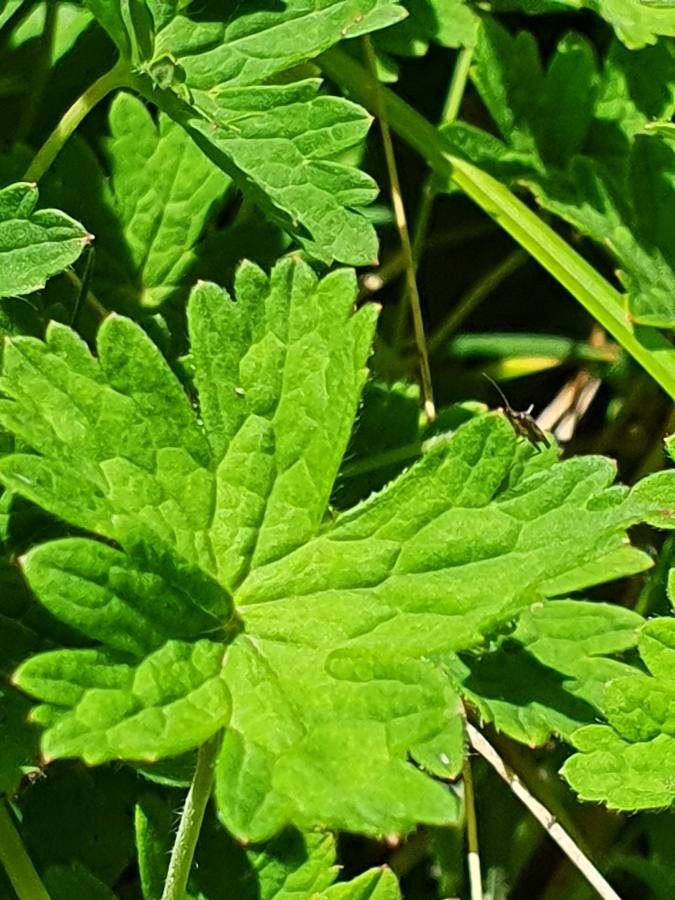
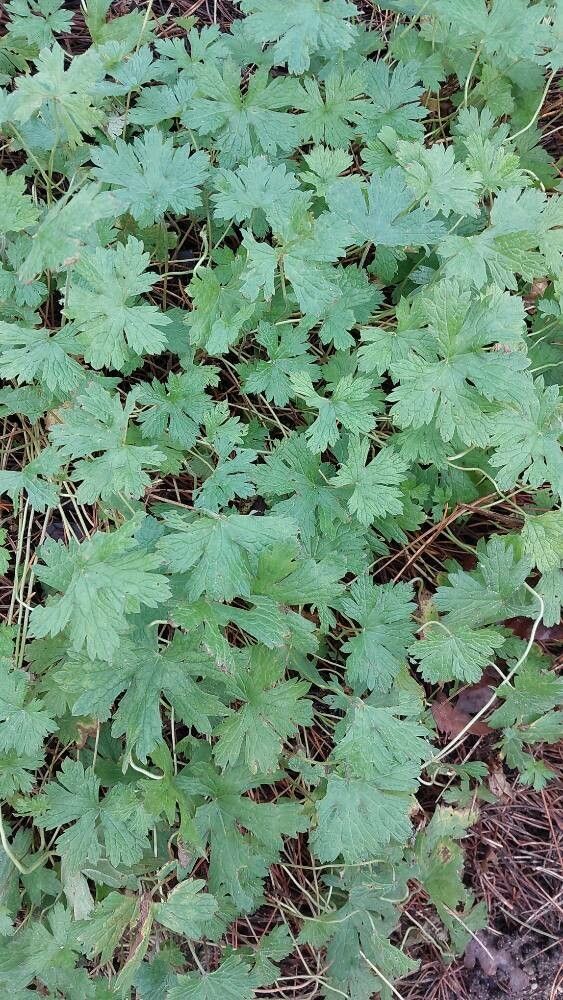
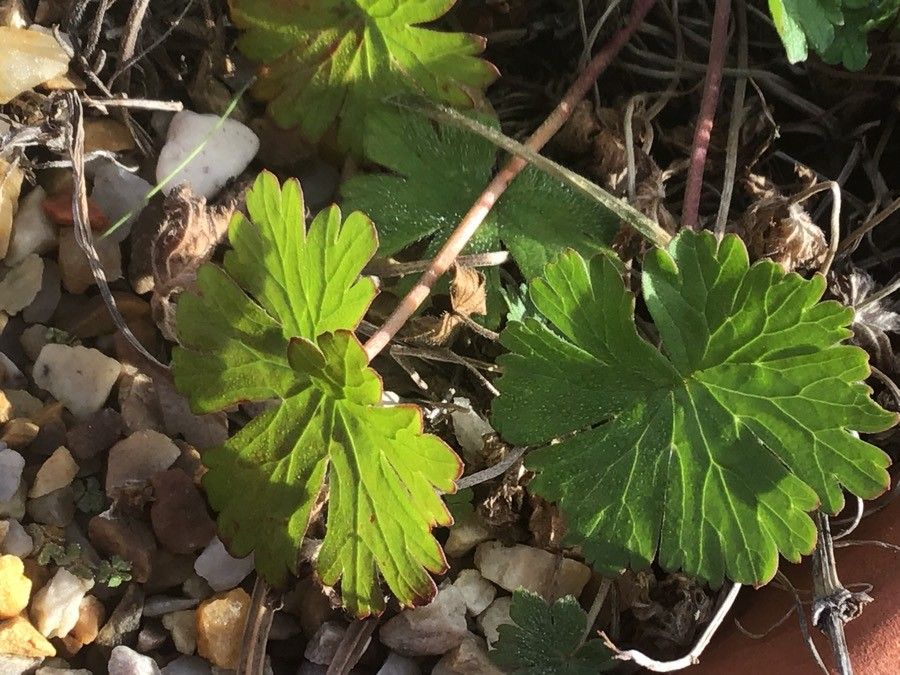
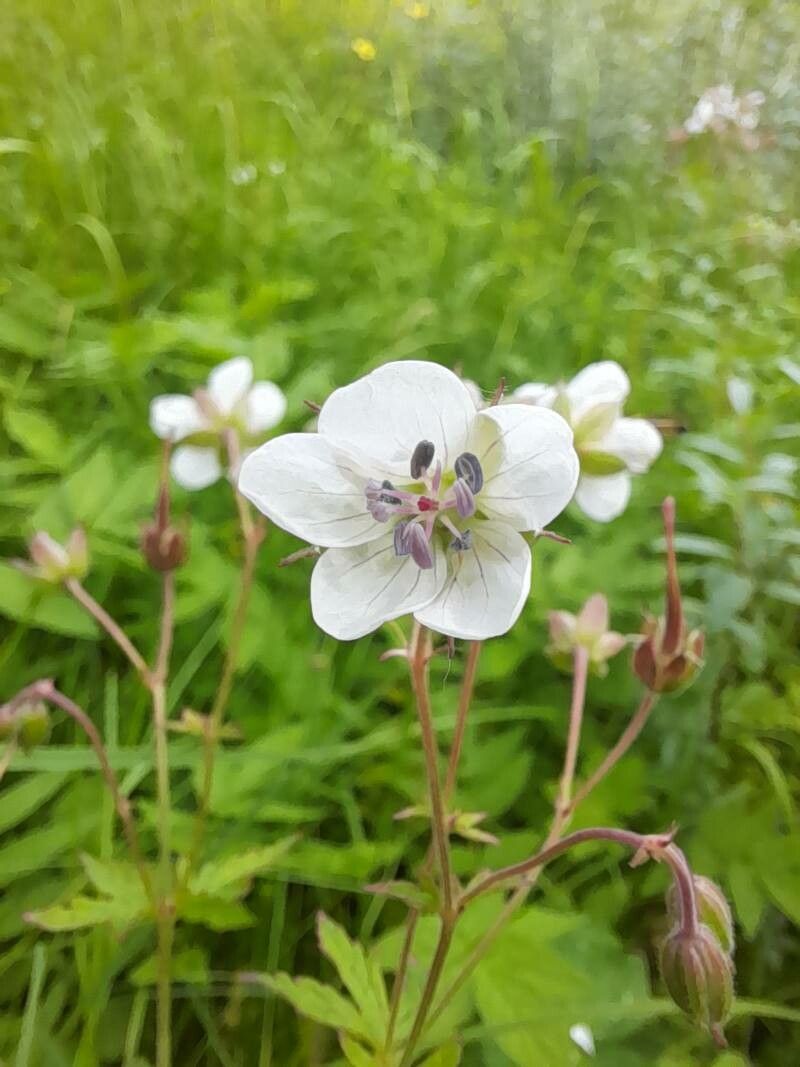
Fanleaf geranium is fairly disease-resistant and generally not prone to illness. However, it can be susceptible to pests and diseases present in its surroundings. These infections are usually mild. In terms of care, this plant requires moderate maintenance. It should be pruned regularly to maintain a tidy appearance and healthy growth. Fertilizing can also help encourage flowering. Fanleaf geranium is suitable for anyone with outdoor space, such as a garden or patio, and does not demand much prior care experience. It may need more attention when grown indoors.
How to keep Geranium Divaricatum.
Light
Fanleaf geranium comes from habitats with dappled sunlight, such as forest understories or rocky areas that provide natural shade. It does best in partial sun but can also adapt to full sun conditions.
Temperature
Fanleaf geranium can tolerate a wide range of temperatures, but its distribution may still be limited by different combinations of moisture and heat. It grows best in warm summer climates with sufficient rainfall or watering. Prolonged periods of cloudy, rainy weather and extended high temperatures can increase the likelihood of the Fanleaf geranium dying. In winter, protecting it from cold can improve its chances of survival.
Fertilizer
When most of the Fanleaf geranium's blooms have fully opened, resume fertilizing. At about the peak of flowering, feed it every three to four weeks, weather permitting. Then, once the Fanleaf geranium begins to produce fewer new blooms, stop fertilizing; there is no need to feed the plant when it can no longer produce more blooms.
Pruning
To keep fanleaf geranium thriving, it's best to prune it regularly, ideally in early to mid-spring. Focus on removing dead or damaged stems to boost airflow. This not only encourages bushier growth but also improves flowering and helps manage the plant's size. Avoid heavy pruning during the peak flowering season to prevent stress and to maintain the plant's health and appearance.
Botanical profile.
- Plant Type
- Herb
- Life Cycle
- Annual
- Genus
- Geranium
- Family
- Geraniaceae
- Hardiness Zone
- 5-9
- Mature Height
- 20 cm to 49 cm
- Mature Spread
- 30 cm to 61 cm
- Leaf Color
- Green, Dark Green
- Leaf Type
- Semi-evergreen
- Flower Color
- Pink
- Flower Size
- 1.02 cm to 1.52 cm
- Bloom Time
- Mid spring, Late spring, Early summer
- Planting Time
- Spring, Summer, Autumn
- Harvest Time
- Summer
- Native Area
- Turkey, Sweden, India, Austria, Slovakia, Montenegro, Croatia, Belarus, Uzbekistan, Russia, Germany, Romania, Moldova, France, Tajikistan, Czech Republic, Bulgaria, Armenia, Poland, Greece, Ukraine, Serbia, China, Lithuania, Afghanistan, Kyrgyzstan, Kazakhstan, Italy, Spain, Switzerland, Iran, Albania, Hungary, Turkmenistan
Other names.
Reader questions.
What are the sunlight requirements for Fanleaf geranium (Geranium divaricatum)?
Fanleaf geranium (Geranium divaricatum) thrives in areas that receive full sun, which means they should get above 6 hours of sunlight daily. They can also tolerate partial sun, requiring about 3-6 hours of sunlight. It's important to observe the movement of sunlight through your garden, to ensure you place these plants in locations that offer an ideal balance of light and shade. This careful placement ensures the plants' well-being and contributes to their growth and flowering success.