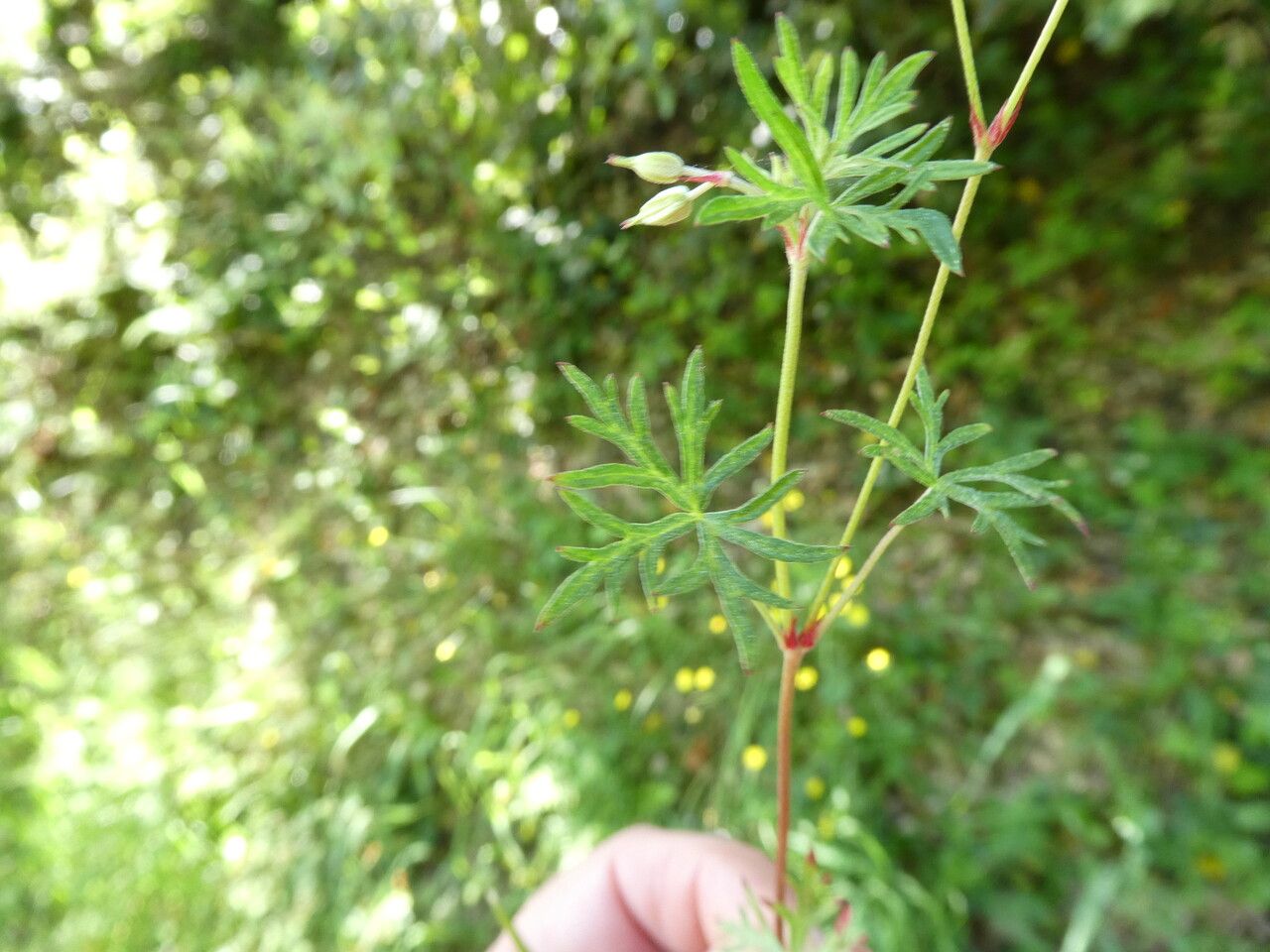
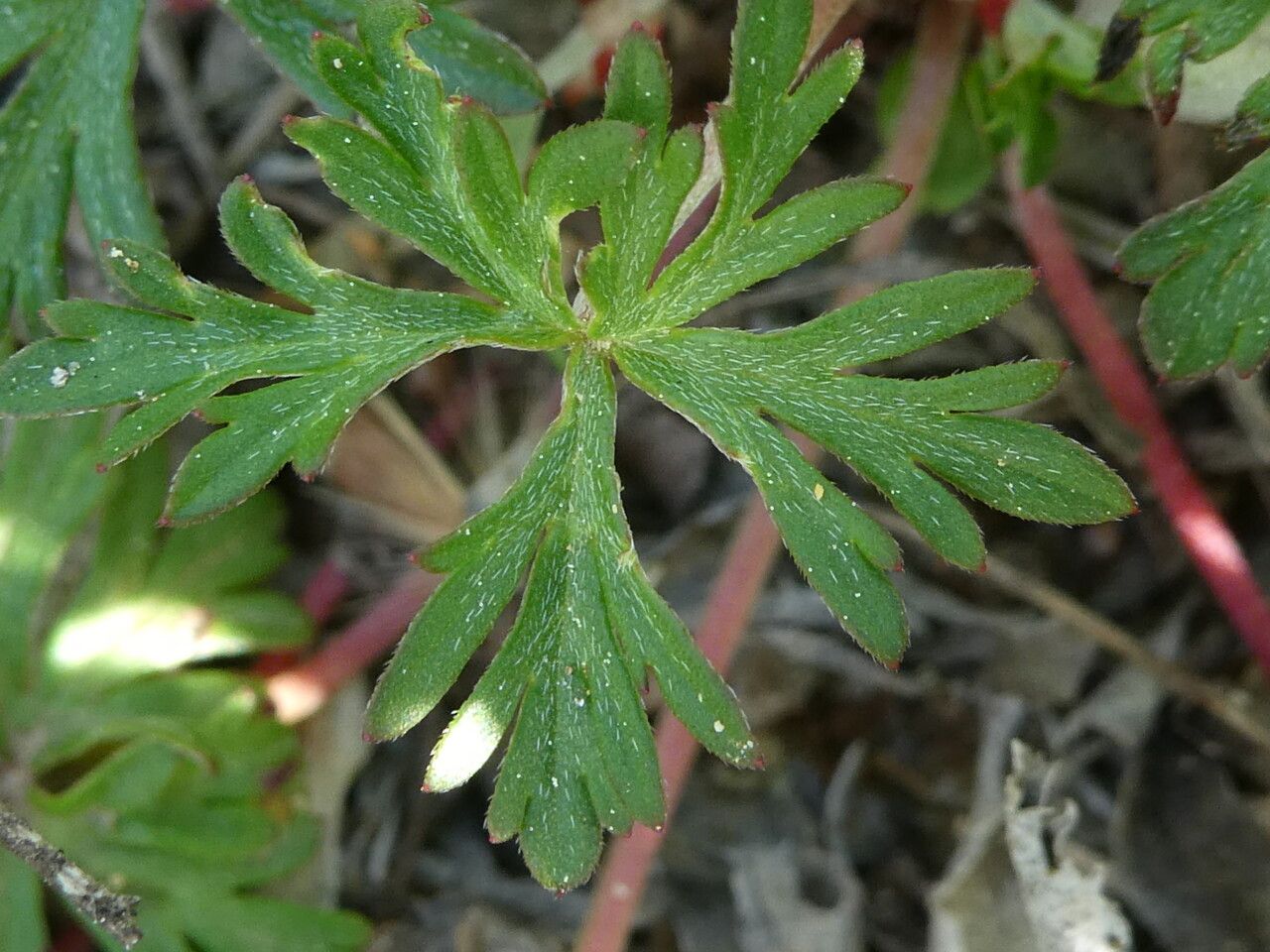
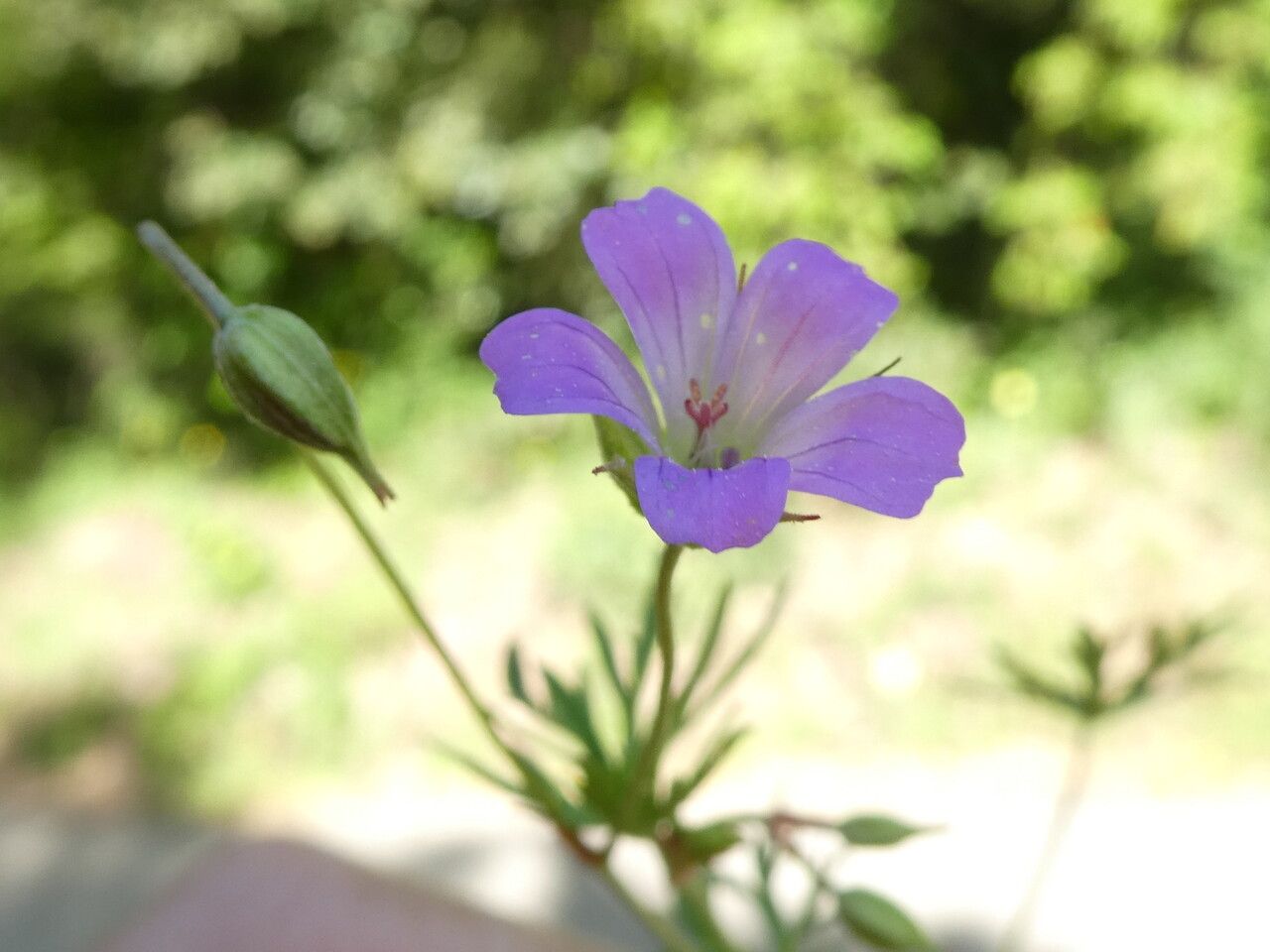
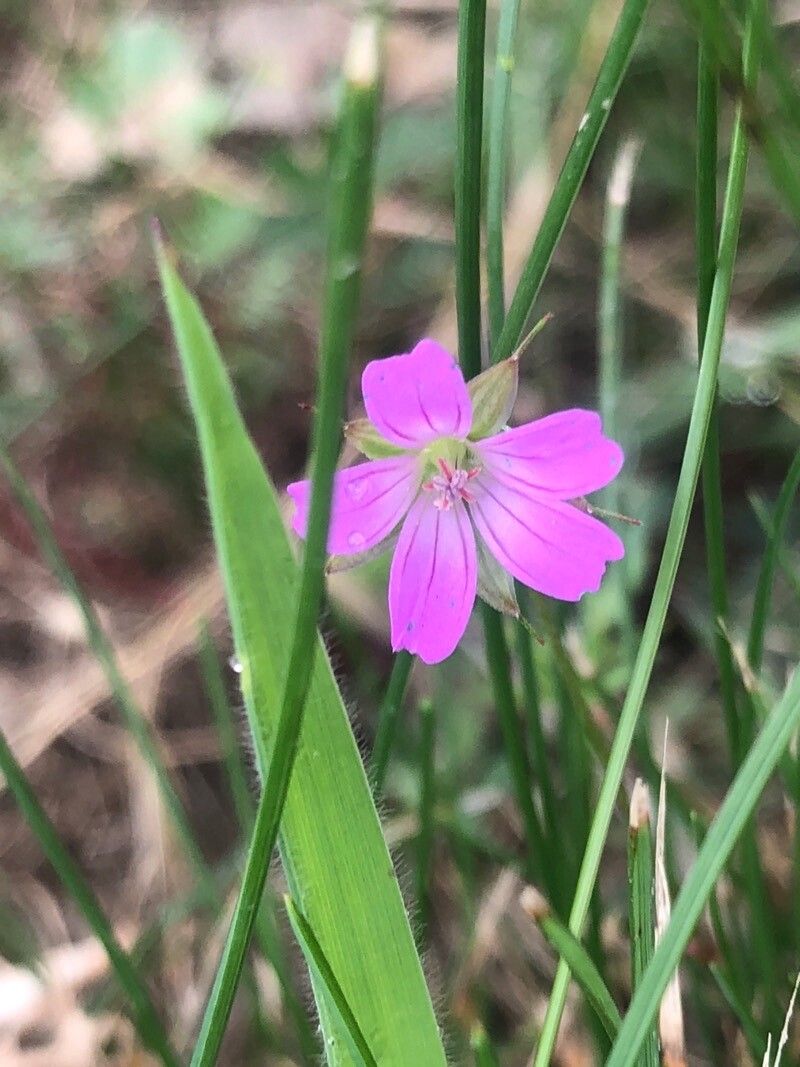
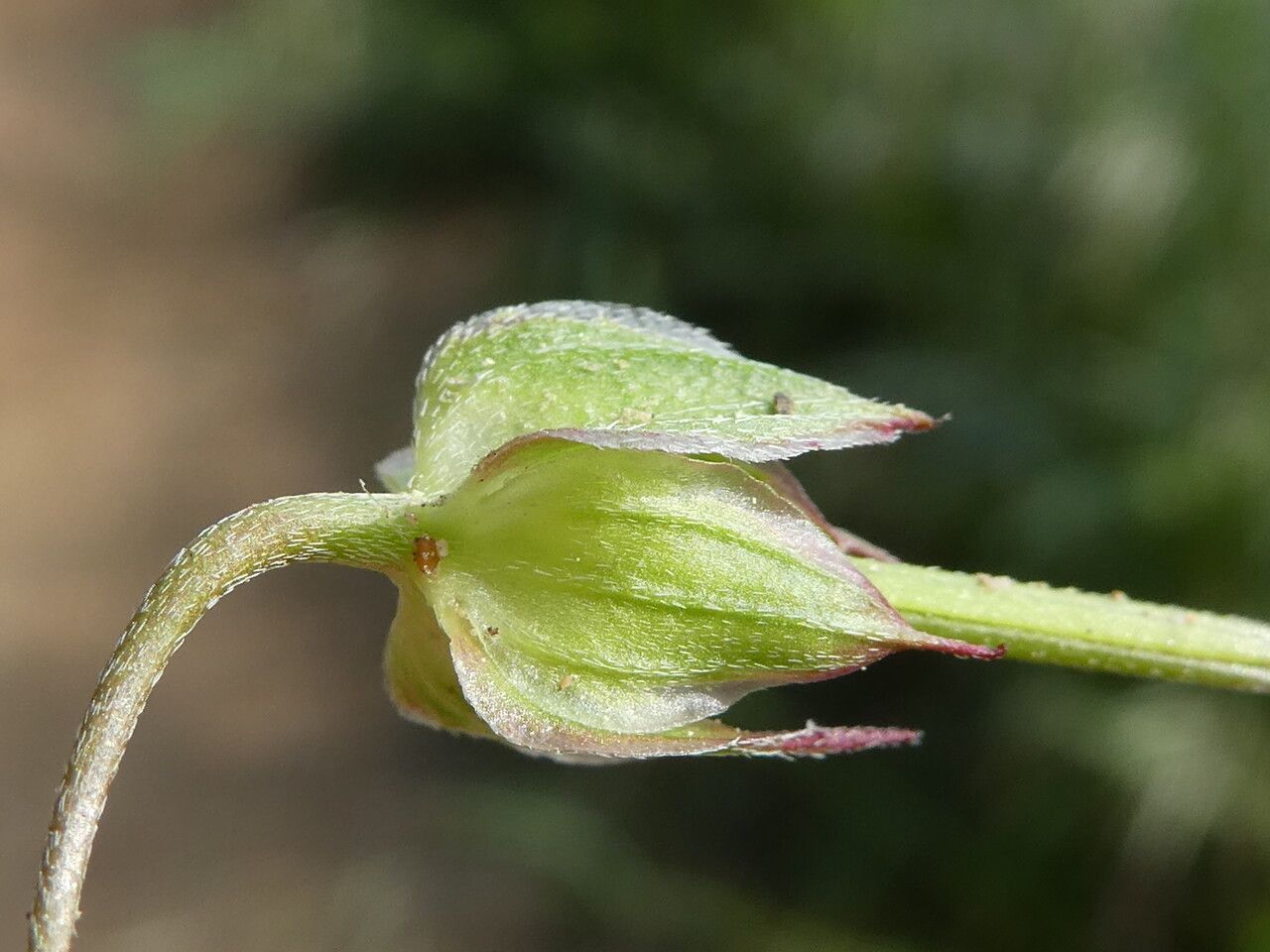
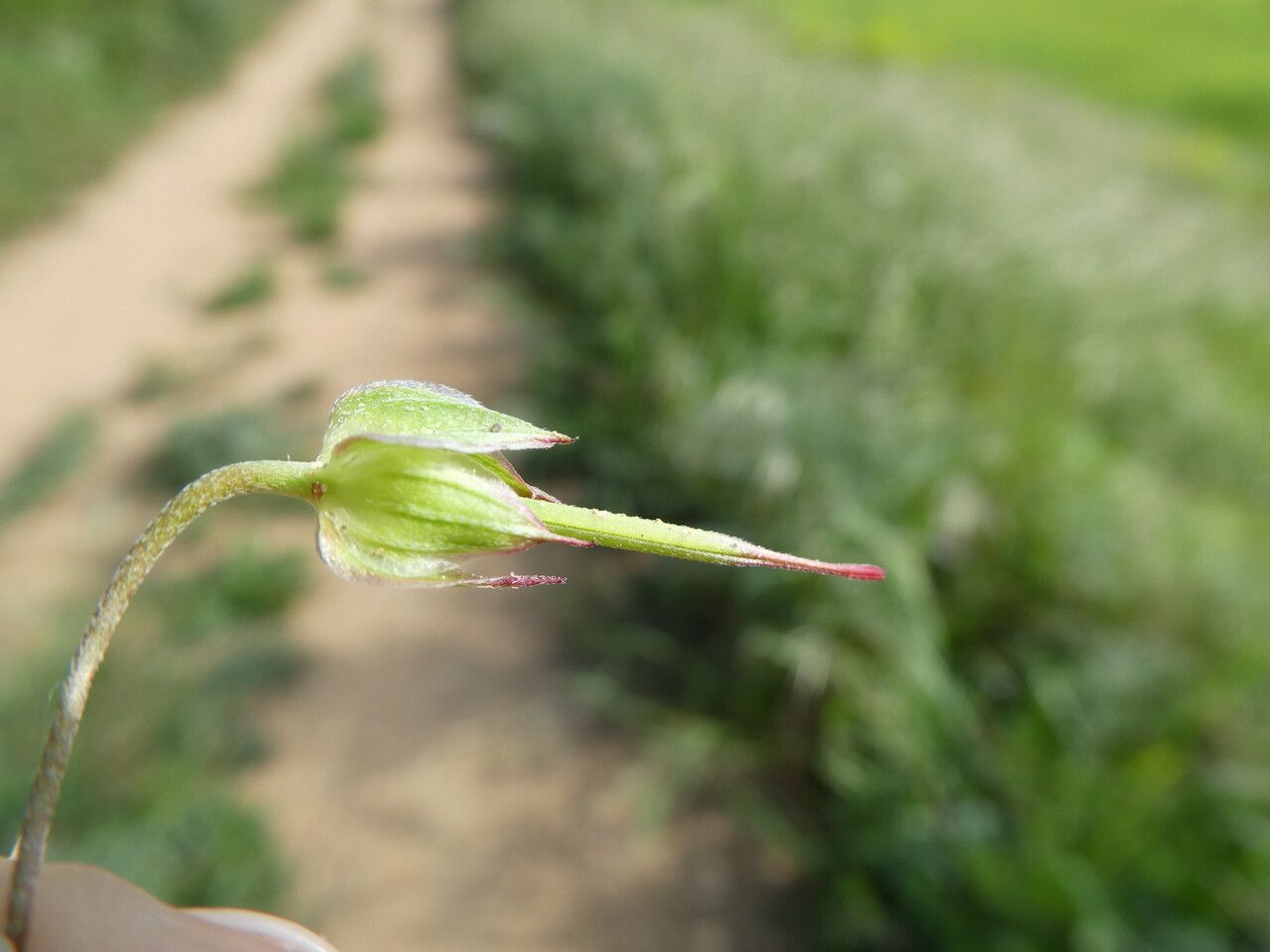
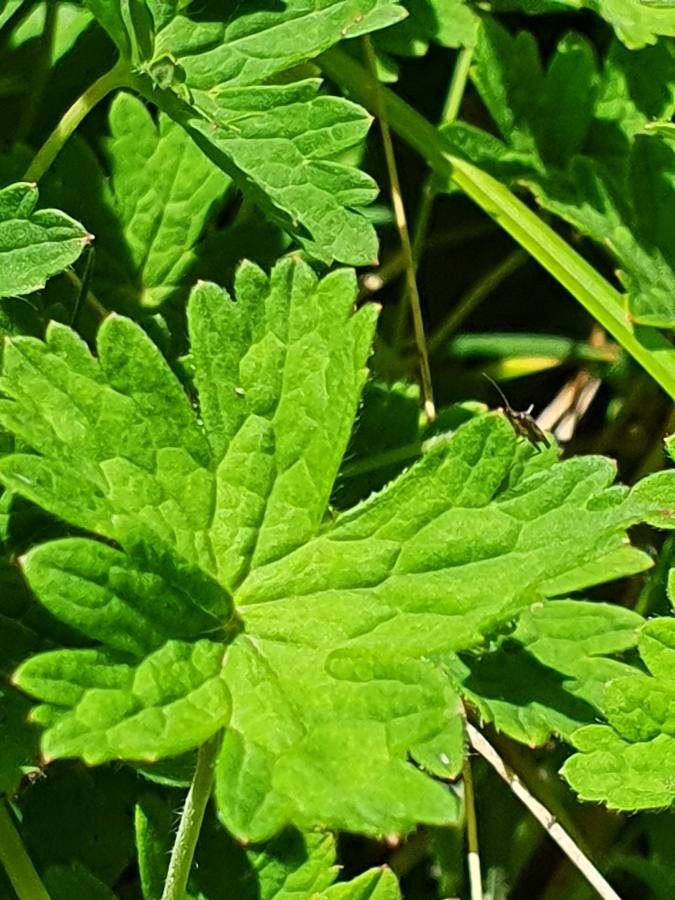
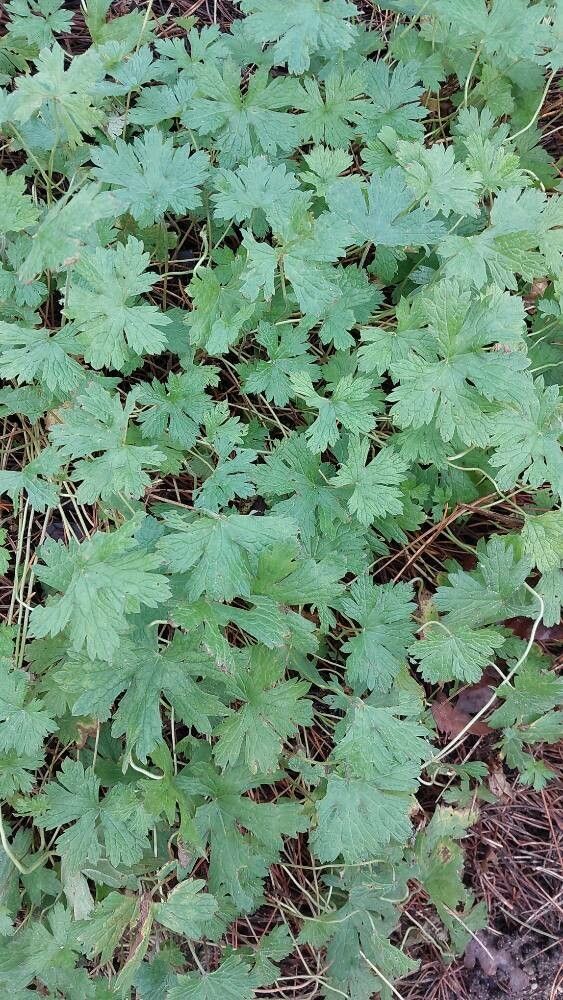
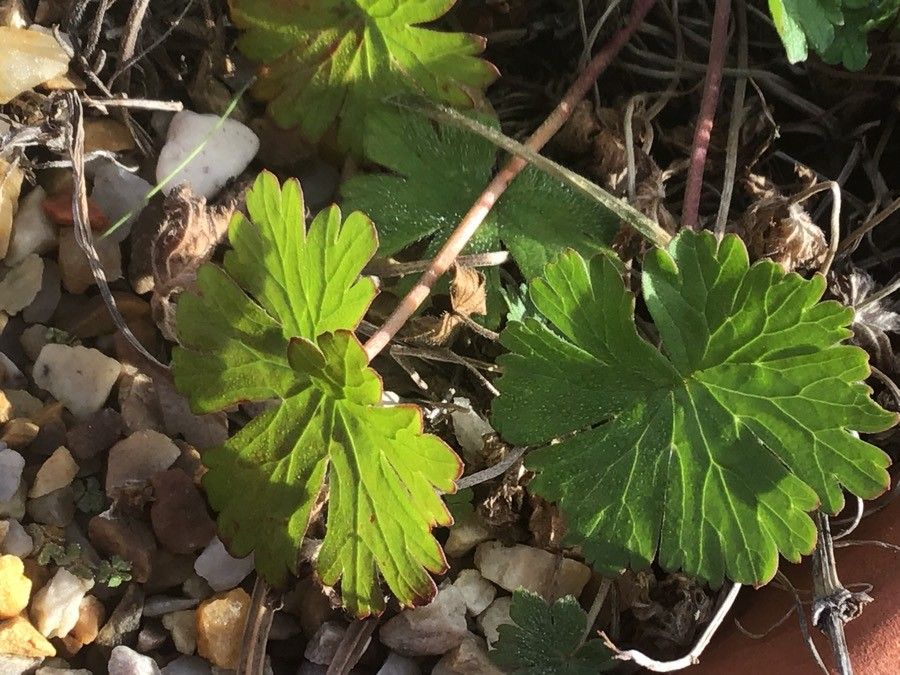
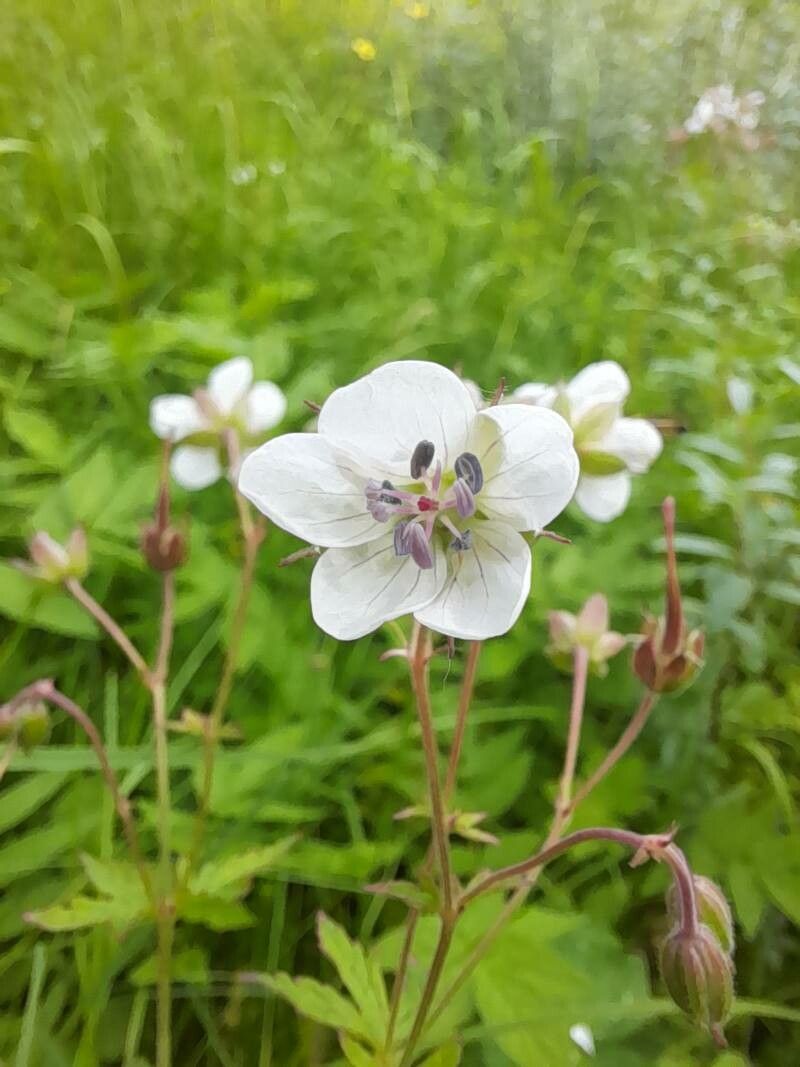
Geranium columbinum, commonly known as long-stalked cranesbill, is a perennial herbaceous plant in the Geraniaceae family. Native to Europe and Asia, it thrives in meadows, woodlands, and rocky areas. The plant can reach a height of up to 60 cm and features deeply lobed green leaves. Its flowers, which are pink or purple with five petals, bloom from May to August.
Historically, Geranium columbinum has been valued for its medicinal properties, particularly its astringent qualities. It has been used to treat various ailments such as diarrhea, bleeding gums, sore throats, and skin irritations.
In addition to its medicinal uses, the plant is popular among gardeners for its attractive flowers that bloom throughout the summer. It prefers well-drained soil and can thrive in either full sun or partial shade.
Overall, Geranium columbinum is a visually appealing perennial herbaceous plant with notable medicinal benefits. It can be easily cultivated in gardens or natural areas, offering beauty throughout the summer and health benefits when used appropriately.
Longstalk cranesbill has strong disease resistance and is generally not prone to diseases. However, it may be vulnerable to pests and diseases present in its surroundings. These infections are usually not severe. Regarding care, this plant needs moderate maintenance. It should be pruned regularly to keep a good appearance and support healthy growth. Fertilization can also help promote flowering. Longstalk cranesbill is suitable for anyone with outdoor space, such as a garden or patio, and does not require much care experience. It may need more attention when grown indoors.
How to keep Geranium Columbinum.
Light
Longstalk cranesbill usually does best when exposed to the full spectrum of sunlight throughout the day. It can tolerate moderately lit conditions, but insufficient light can inhibit healthy growth. Native to open habitats, Longstalk cranesbill can adapt reasonably well to variations in sunlight. However, excessive shade may impede growth and result in poor flowering.
Water
Longstalk cranesbill, a plant native to temperate regions, thrives in conditions with moderate moisture and good drainage. It grows best with consistent watering, ideally on a weekly schedule, with brief periods of dryness in between. As an herbaceous perennial, it also benefits from rainwater, which enhances its growth cycle and helps maintain its natural balance.
Temperature
Longstalk cranesbill is native to areas with moderate temperatures. It performs best at 68 to 95 °F (20 to 35 ℃). Adjustments may be necessary during seasonal changes to keep temperatures within this range.
Fertilizer
When Longstalk cranesbill has opened most of its flowers to full size, resume fertilizing. Starting when blooms are at their peak, apply fertilizer every three to four weeks, as weather permits. Then, once the plant begins producing fewer new blooms, discontinue fertilizing; there is no need to feed it when it can no longer produce additional blooms.
Pruning
To encourage growth and flowering, prune longstalk cranesbill from early to late spring. Remove dead stems and trim overgrown areas to promote bushier growth. Ensure you use clean, sharp tools to minimize plant stress. Regular pruning enhances the plant's appearance, prolongs blooming, and ensures healthy spreading and vigor.
Botanical profile.
- Plant Type
- Herb
- Life Cycle
- Annual
- Genus
- Geranium
- Family
- Geraniaceae
- Hardiness Zone
- 10
- Mature Height
- 15 cm to 61 cm
- Mature Spread
- 61 cm to 91 cm
- Leaf Color
- Green, Dark Green
- Leaf Type
- Semi-evergreen
- Flower Color
- Lavender
- Flower Size
- 1.52 cm to 2.03 cm
- Bloom Time
- Late spring, Early summer, Mid summer
- Planting Time
- Spring, Summer
- Harvest Time
- Mid summer, Late summer, Early fall
- Native Area
- Libya, Turkey, Sweden, Austria, Slovakia, Montenegro, Slovenia, Morocco, Croatia, Belarus, Russia, Germany, Estonia, Romania, Latvia, Moldova, Portugal, Netherlands, France, Tunisia, Czech Republic, Cyprus, Bulgaria, Poland, Armenia, Greece, Serbia, Lebanon, Lithuania, Norway, Syria, Italy, Spain, Switzerland, Denmark, Finland, Iran, Albania, Ireland, United Kingdom, Hungary, Algeria
Other names.
Reader questions.
How should I water my Longstalk cranesbill plant?
To water Longstalk cranesbill, you have multiple options such as a garden hose with a spray nozzle or a watering can. This plant isn't very particular about the type of water it receives, as it can thrive with rainwater, tap water, or filtered water. It's generally best to avoid watering from overhead to prevent damage to the leaves and flowers, as well as potential diseases. A drip irrigation system tends to be the optimal watering method for Longstalk cranesbill, as it evenly and directly provides water to the soil. If you have a container-grown Longstalk cranesbill, you can take a similar approach by using a cup, watering can, or your tap to water the soil directly.
What are the sunlight requirements for Longstalk Cranesbill?
Longstalk Cranesbill thrives best when exposed to the full spectrum of sunlight throughout the day, requiring above 6 hours of sunlight, known as full sun. It can also adapt to moderately lit situations, with partial sun being about 3-6 hours of sunlight. However, insufficient light can prevent healthy growth, and excessive shade may hinder growth and result in a poor floral display. It's important to observe how sunlight moves through your garden to select spots that provide the optimal balance of light and shade.
What is the ideal temperature range for Longstalk cranesbill?
Longstalk cranesbill thrives in environments with moderate temperatures, ideally between 68 to 95 °F (20 to 35 °C). It is extremely heat-loving, but cold temperatures can be harmful. During cooler months, particularly in autumn, it's recommended to bring outdoor-grown Longstalk cranesbill indoors and place it near a bright window while keeping a safe distance from heaters to avoid harm from excessive heat. Ensuring the temperature remains above 20°C during winter is crucial for its growth, as temperatures approaching 5°C can be detrimental.
What should I do if I give my Longstalk cranesbill plant too much or too little water?
The solution for underwatering Longstalk cranesbill is quite simple: if you notice your plant is lacking moisture, start watering it more often. Overwatering, on the other hand, can be a more serious issue, particularly if you don't catch it early. When a Longstalk cranesbill is overwatered, it can develop diseases that cause it to decline and die. To avoid this outcome, choose a suitable location that gets plenty of sunlight to dry out the soil and has good drainage to prevent water from accumulating and causing waterlogged soil. If your potted Longstalk cranesbill has been overwatered, you may want to consider repotting it. The old container may not have had proper drainage or enough holes. When repotting an overwatered Longstalk cranesbill, make sure to use loose soil and a pot that drains well.
How does artificial lighting support Longstalk Cranesbill indoor growth?
For Longstalk Cranesbill grown indoors where natural sunlight is insufficient, especially in winter or less sunny spaces, artificial lighting is essential for optimal growth. LEDs are a popular choice because they can provide specific wavelengths needed by plants. Full sun plants require 30-50W/sq ft of artificial light, partial sun plants need 20-30W/sq ft, and full shade plants need 10-20W/sq ft. The light source should be placed 12-36 inches above the plant to mimic natural sunlight, and most plants would benefit from 8-12 hours of light per day.
How does Longstalk cranesbill react to low temperatures?
Longstalk cranesbill prefers warm temperatures and does not tolerate low temperatures well. It thrives best when the temperature is consistently above 20°C and should be kept above 5°C during winter to avoid damage. Exposure to temperatures below 1°C may cause the leaves to lighten in color. Frost damage manifests as a gradual change in leaf color to brown or black, accompanied by wilting and drooping. To address frost damage, trim off the affected parts and move the plant indoors to a warm environment, preferably near a south-facing window, ensuring it receives ample sunlight while avoiding placement near heaters or air conditioning vents to prevent air dryness.
How often do I need to water my Longstalk cranesbill plant?
Longstalk cranesbill requires regular watering throughout the growing season. In spring, water the plant about once per week. As the season progresses and temperatures rise, you may need to water two to three times per week. However, exceeding this rate can harm the plant. It's important to keep the soil relatively moist but not wet, regardless of how often you water. When watering a Longstalk cranesbill in a pot, increase the frequency as the soil in a pot can dry out faster. In most cases, plan to water a container-grown Longstalk cranesbill a few times per week, compared to just once per week for a plant in the ground.
What are common symptoms of insufficient light in Longstalk Cranesbill?
When grown indoors with inadequate light, Longstalk Cranesbill may show symptoms such as smaller new leaves, leggy or sparse growth, faster leaf drop, slower or no new growth, lighter-colored new leaves, chlorosis (leaves turning yellow), and sunscald. Excessive sunlight exposure can cause leaf curling, wilting, and leaf scorching. These symptoms indicate the plant's struggle with light conditions, affecting its overall health and growth.
What should I do if Longstalk cranesbill experiences high temperatures?
Longstalk cranesbill should ideally be kept below 35°C during summer months. When temperatures exceed 41°C, the plant's leaves may lighten in color and become more susceptible to sunburn. To mitigate sunburn or heat stress, trim away sunburned or dried-up parts of the plant. Move the plant to a shaded location, particularly away from the harsh midday and afternoon sun. Watering the plant in the morning and evening helps keep the soil moist and supports the plant's health during high temperatures.
How much water does my Longstalk cranesbill plant require?
Determining the appropriate amount of water for your Longstalk cranesbill can be done in a few ways. Some gardeners prefer to gauge soil moisture by feeling the soil. In this method, you should water until the first six inches of soil feels moist. Another approach is to use a specific measurement. Generally, Longstalk cranesbills require about two gallons of water per week, which may vary depending on temperature and soil dryness. However, strict adherence to this guideline could result in overwatering if your plant needs less water. If you are growing the Longstalk cranesbill in a container, a different method should be used. Ensure that all layers of dry soil are moisturized. You can check this by inserting your finger into the soil to test for moisture or by watering until you see a slight overflow of water from the pot's drainage holes.
What solutions can improve light conditions for Longstalk Cranesbill?
To optimize growth for Longstalk Cranesbill, gradually move the plant to a sunnier location until it receives at least 6 hours of direct sunlight daily. For indoor plants, consider using artificial lighting like a desk or ceiling lamp for at least 8 hours daily, or invest in professional plant grow lights. For outdoor plants, it's crucial to avoid sudden changes in light intensity to prevent sunburn. If sunlight is obstructed, consider pruning obstructions or transplanting smaller plants to a location with ample sunlight and good drainage. Note that parts of the plant affected by insufficient light may not recover, but new growth should be healthy after improving light exposure.
How can I know if I'm giving enough water to my Longstalk cranesbill?
Avoiding overwatering your Longstalk cranesbill can be tricky because they have deep roots that need weekly moisture, but they are also prone to root rot and browning from too much water. Underwatering is less likely as these plants can withstand some drought, but if they go too long without water, they will wilt and have dry leaves.