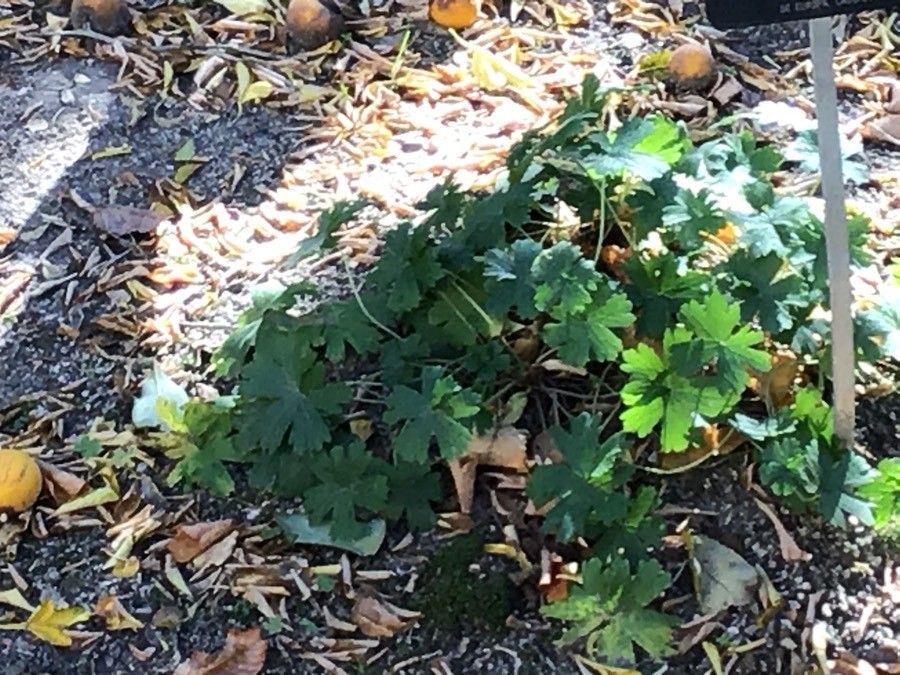
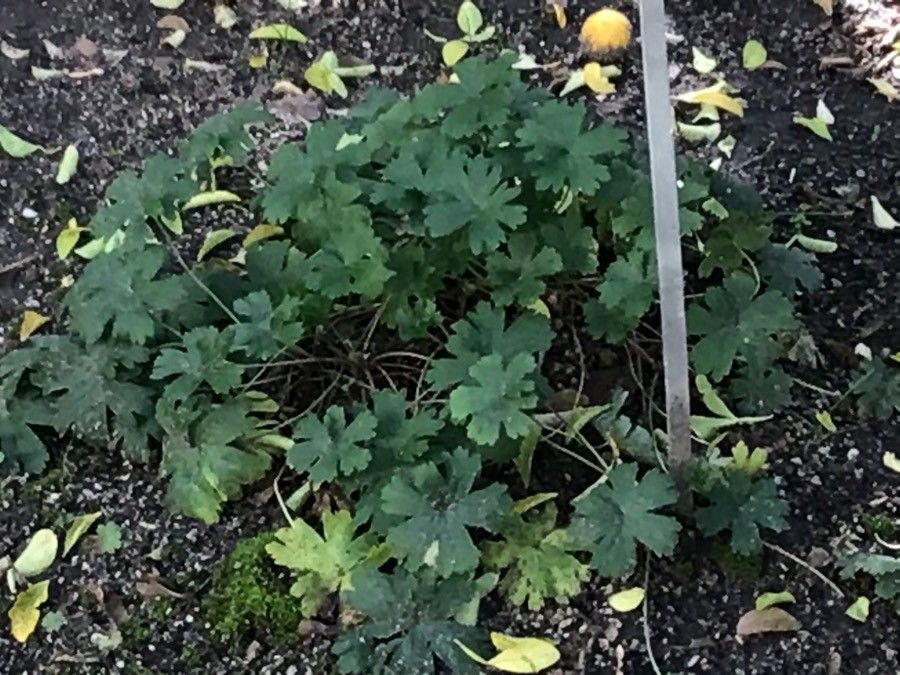
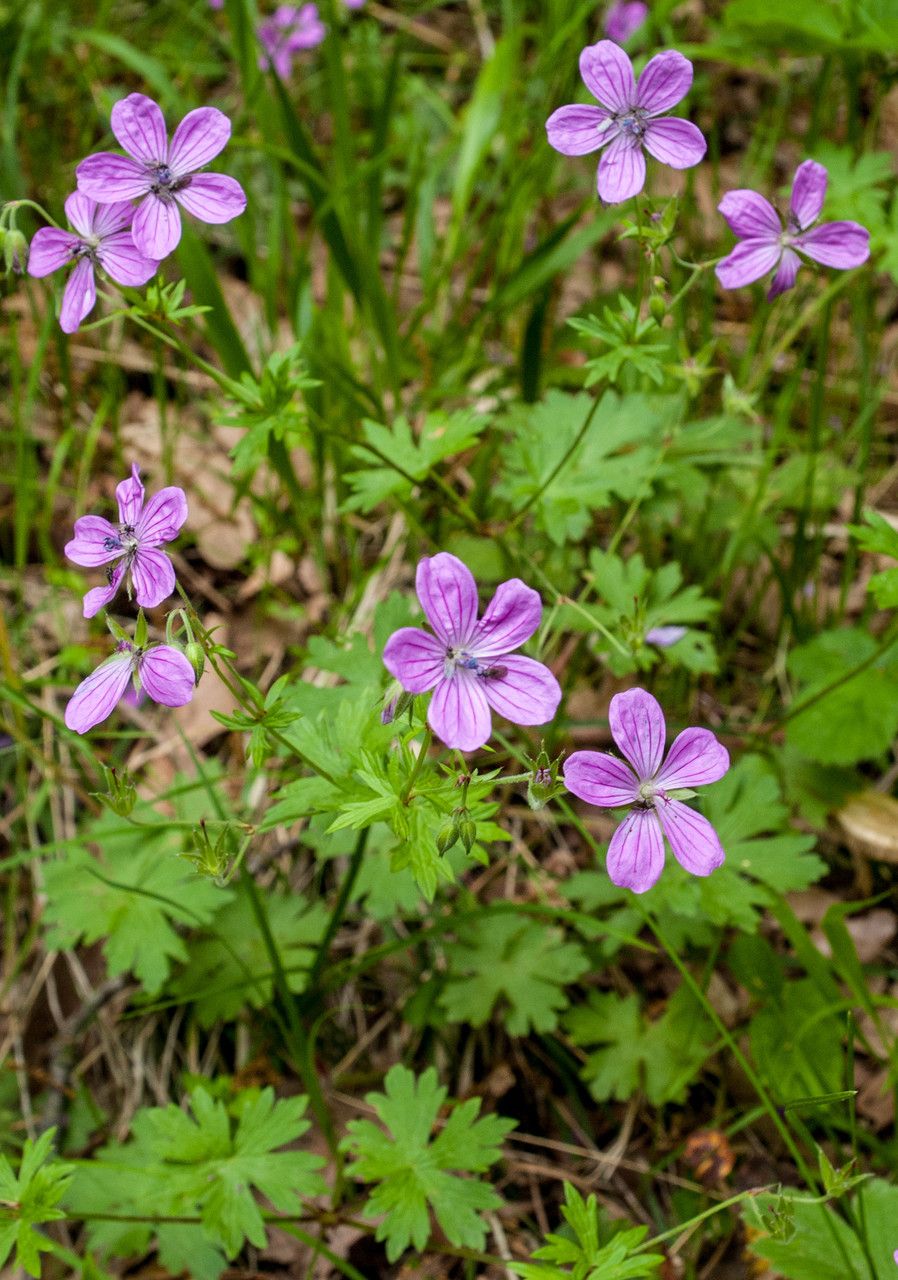
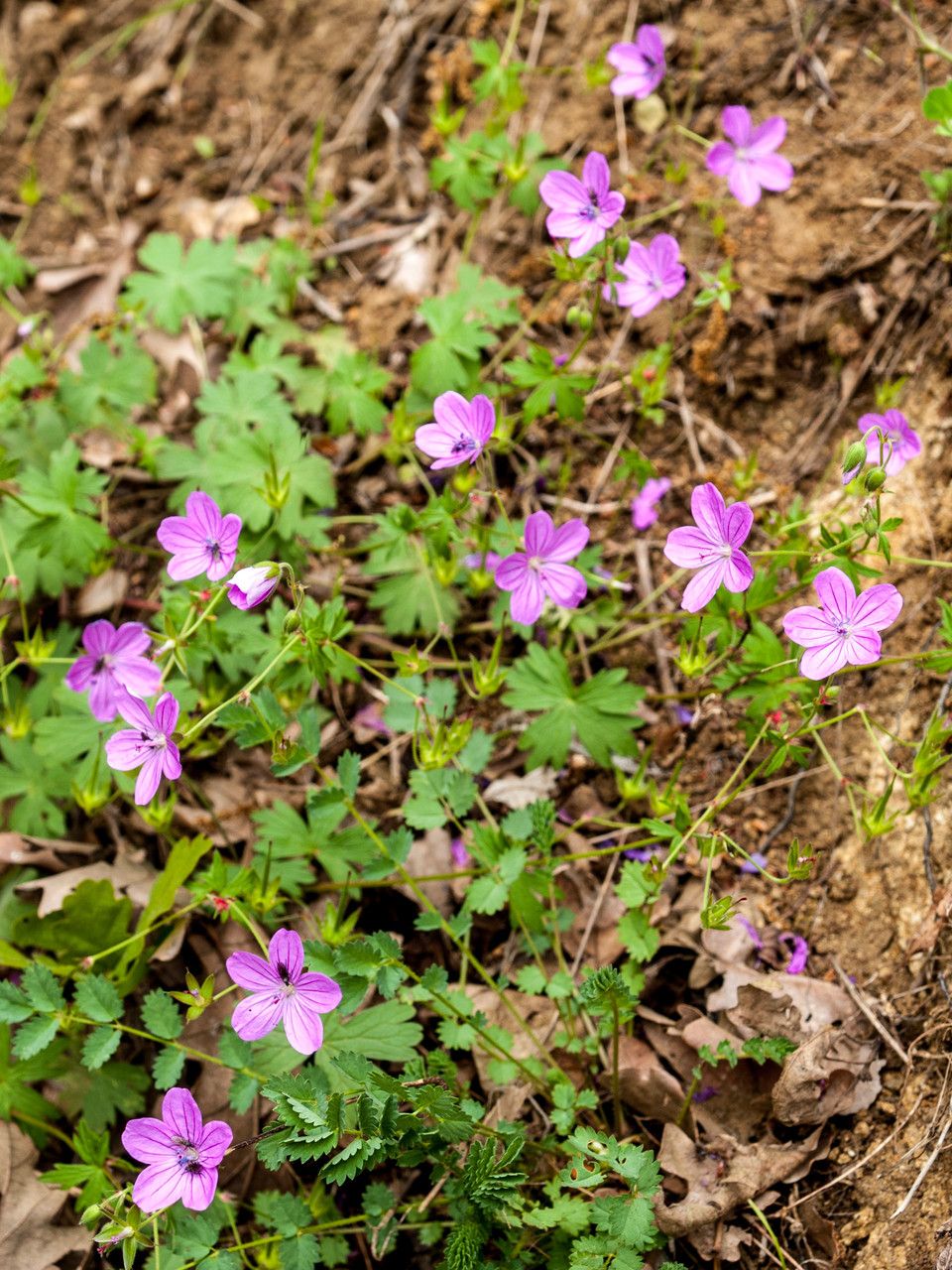
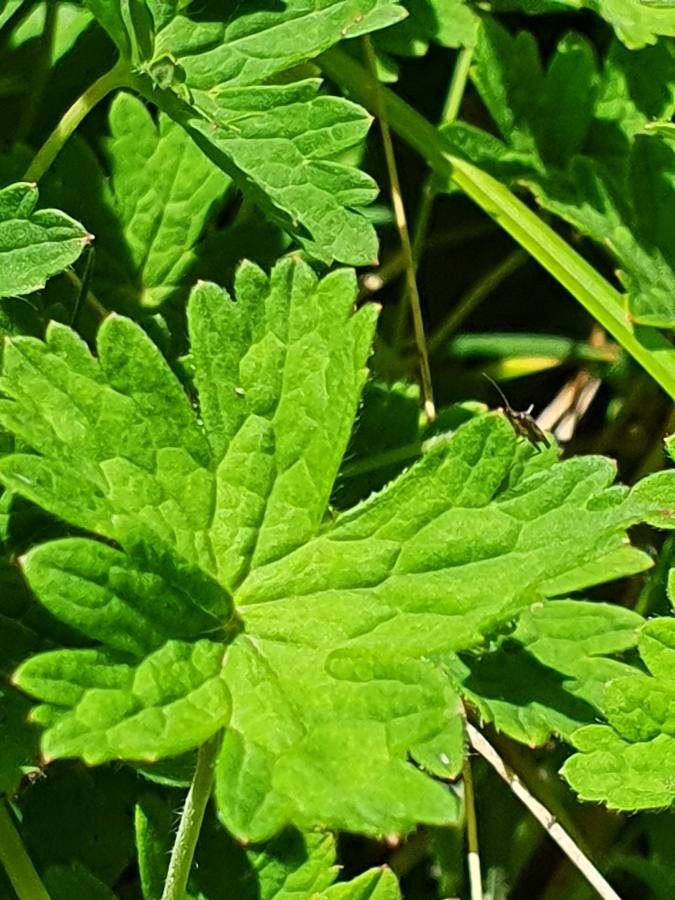
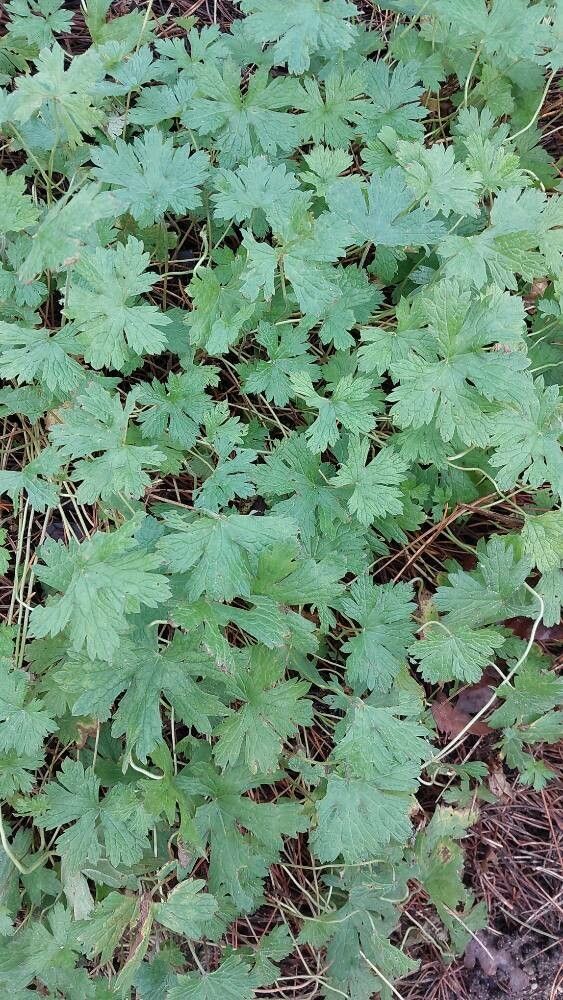
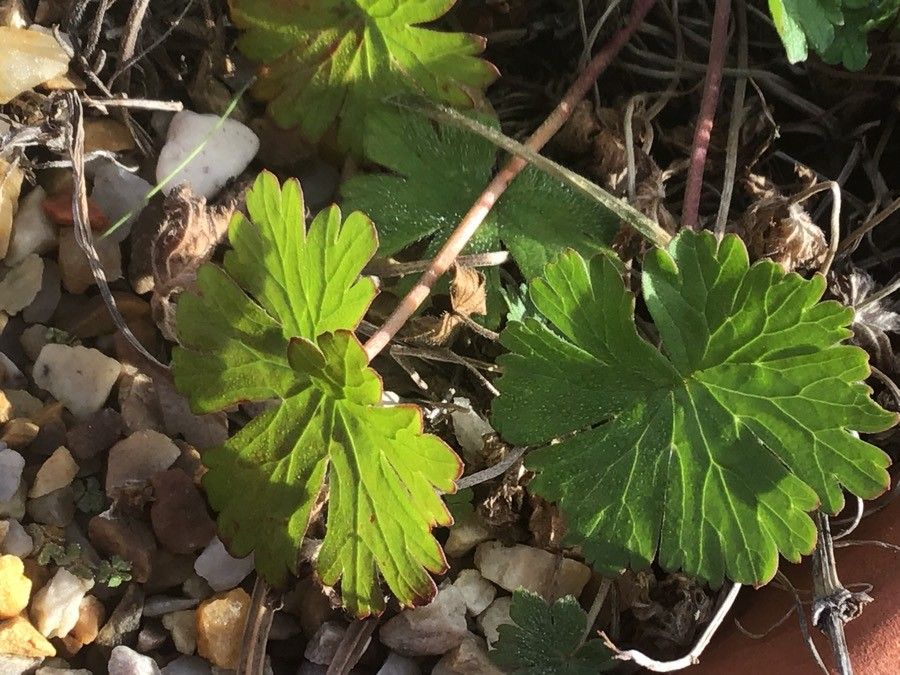
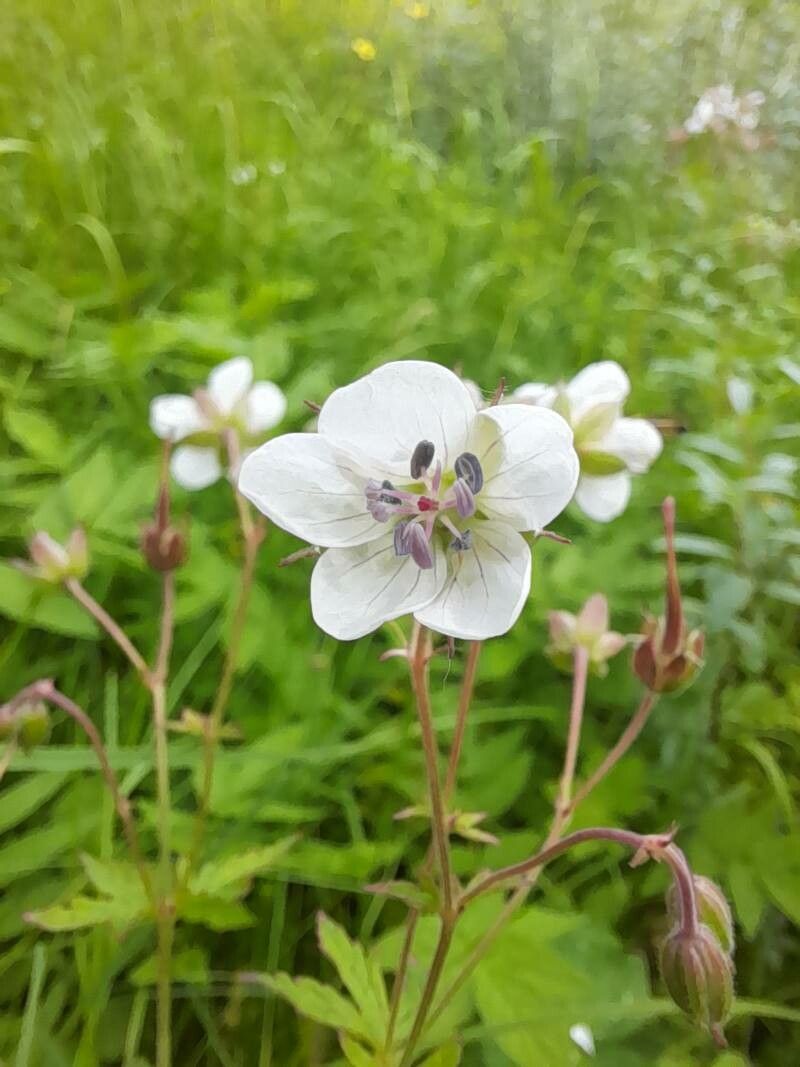
Geranium asphodeloides, the asphodel cranesbill, is a species of flowering plant in the family Geraniaceae. It is native to southeastern Europe, Crimea, the Transcaucasus, Turkey, and Lebanon/Syria. A spreading perennial, it is recommended as a pollinator-attracting ground cover, for rock and gravel gardens, and for planting beneath roses.
Geranium asphodeloides is relatively disease-resistant and generally not prone to illnesses. However, it can be affected by pests and diseases present in its surroundings. Such infections are typically minor. Care-wise, this plant needs moderate maintenance. Regular pruning is necessary to maintain a neat appearance and encourage healthy growth. Applying fertilizer can also help promote flowering. Geranium asphodeloides is suitable for anyone with outdoor space, such as a garden or patio, and does not require extensive care experience. It may need more attention when grown indoors.
How to keep Geranium Asphodeloides.
Light
Geranium asphodeloides is native to habitats like forest understories and rocky sites, where it grows in natural shade. It prefers partial sun but can tolerate both full sun and full shade, demonstrating its versatility and hardiness.
Water
Geranium asphodeloides thrives in humid environments with moderate moisture levels, requiring watering every 1-2 weeks. This plant is ideal for indoor growth, as it maintains its leaves throughout the year. It's important to provide consistent watering, even during non-growing seasons, since the plant is not drought-tolerant.
Temperature
Geranium asphodeloides can tolerate a wide range of temperatures, but its distribution may still be restricted by various combinations of moisture and heat. It performs best in warm summer climates with sufficient rainfall or watering. Extended periods of cloudy, rainy weather or sustained high temperatures can raise the risk of Geranium asphodeloides dying. In winter, adequate protection from cold can increase the plant's chances of survival.
Fertilizer
Usually one spring application of fertilizer is enough for Geranium asphodeloides, although several feedings can maximize growth. Apply fertilizer about once every month to month and a half. Feeding improves the leaves' appearance and function, helping maintain even color and a healthy texture. It also encourages root development and better nutrient uptake for the plant’s long-term health.
Pruning
Geranium asphodeloides features delicate pink flowers and finely cut leaves. To keep the plant healthy and promote blooming, prune it in early spring. This helps shape the plant, remove dead stems, and improve air circulation. Regular pruning also boosts the plant's resilience, reduces the risk of disease, and supports its overall health.
Botanical profile.
- Plant Type
- Herb
- Life Cycle
- Perennial
- Genus
- Geranium
- Family
- Geraniaceae
- Hardiness Zone
- 5-9
- Mature Height
- 30 cm to 61 cm
- Mature Spread
- 30 cm to 46 cm
- Leaf Color
- Green, Dark Green
- Leaf Type
- Deciduous
- Flower Color
- White, Pink
- Flower Size
- 2.03 cm to 3.05 cm
- Bloom Time
- Mid spring, Late spring, Early summer
- Planting Time
- Spring, Summer, Autumn
- Harvest Time
- Summer