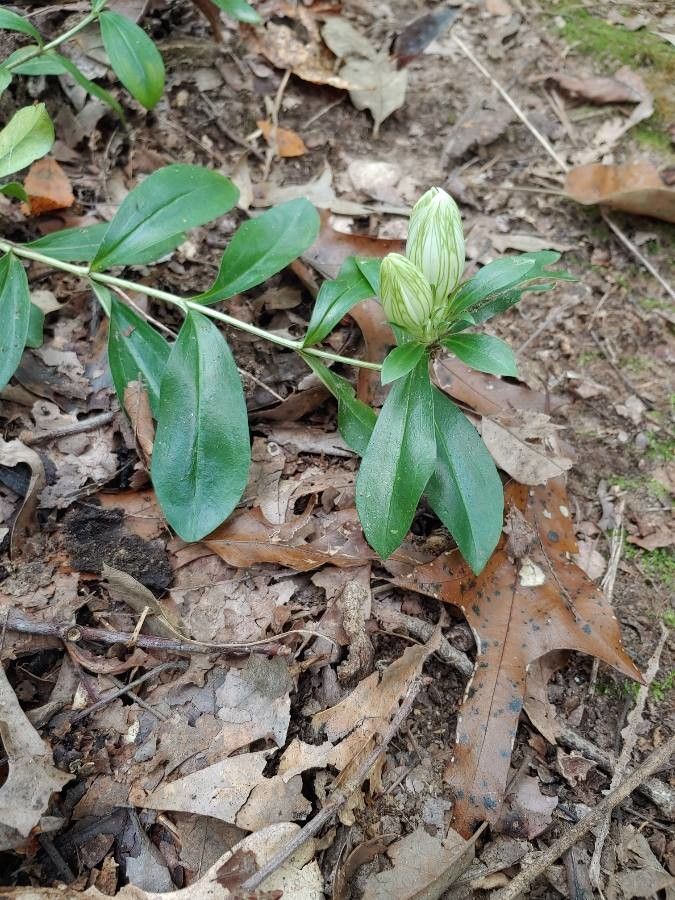
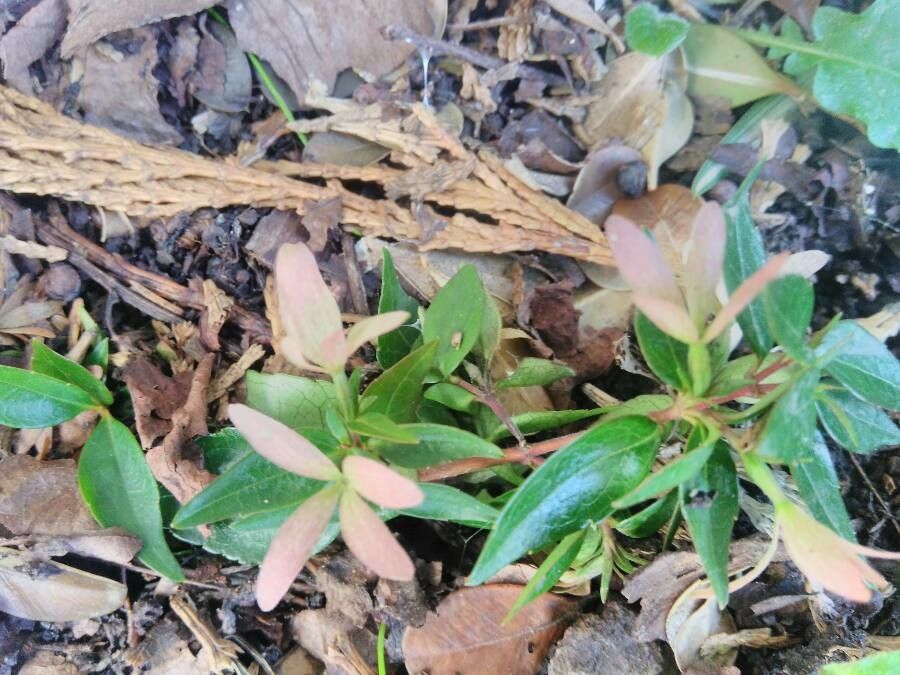
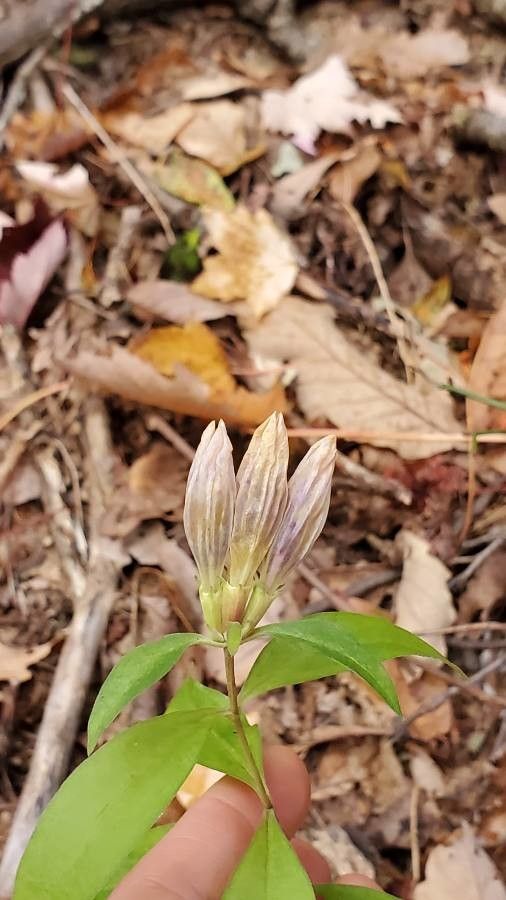
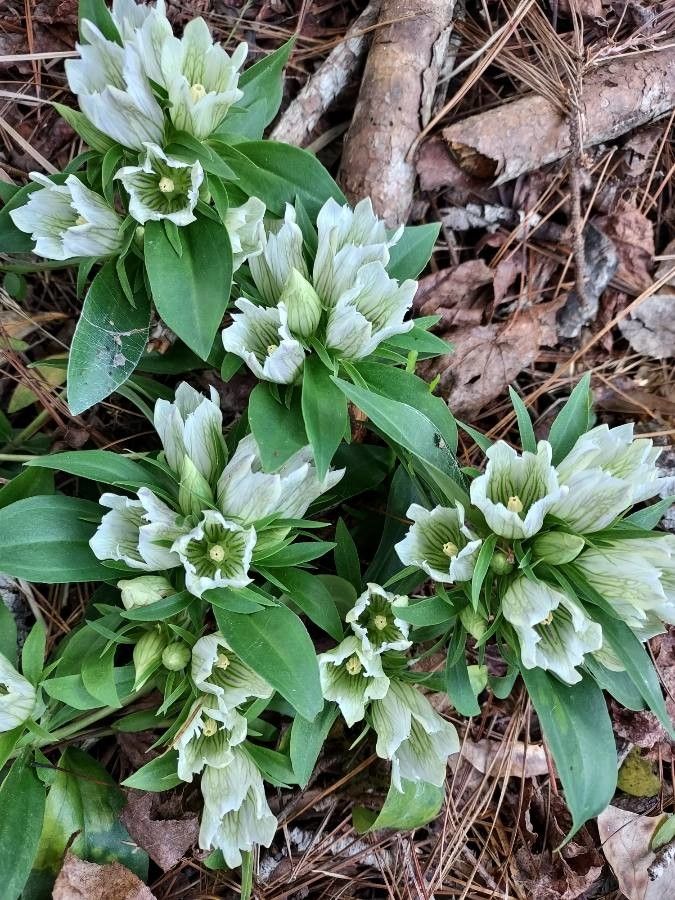
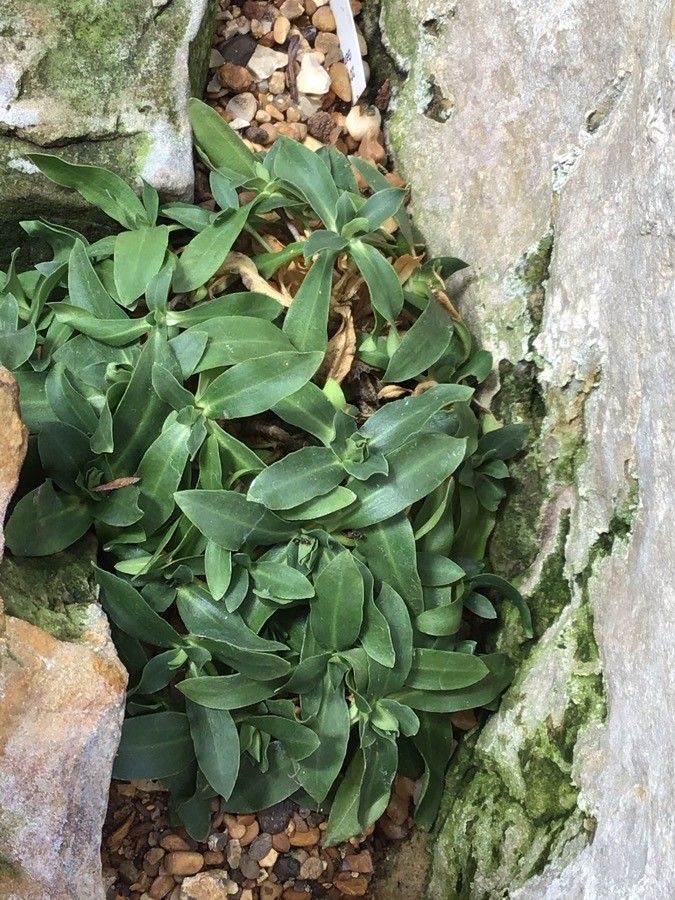
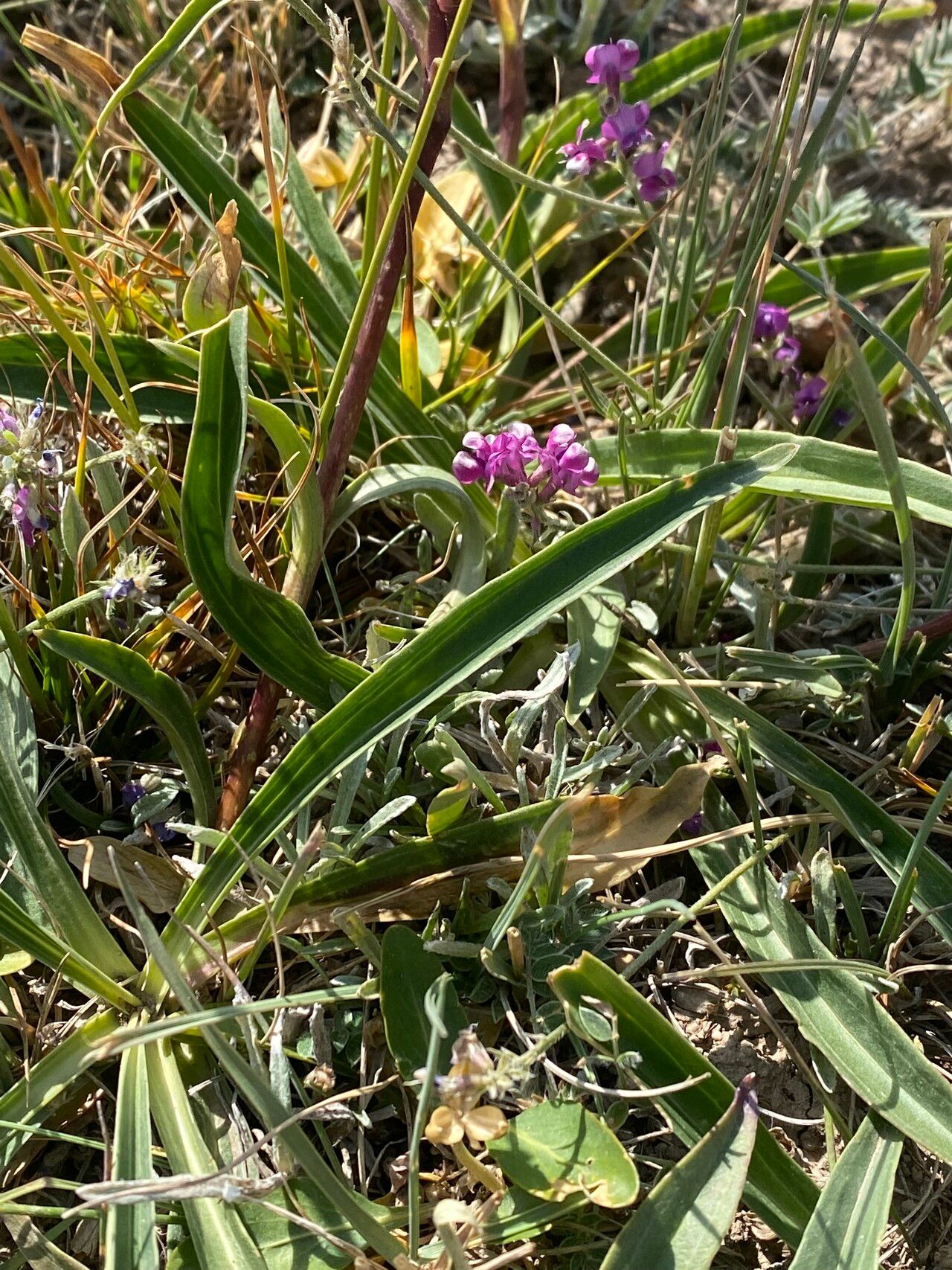
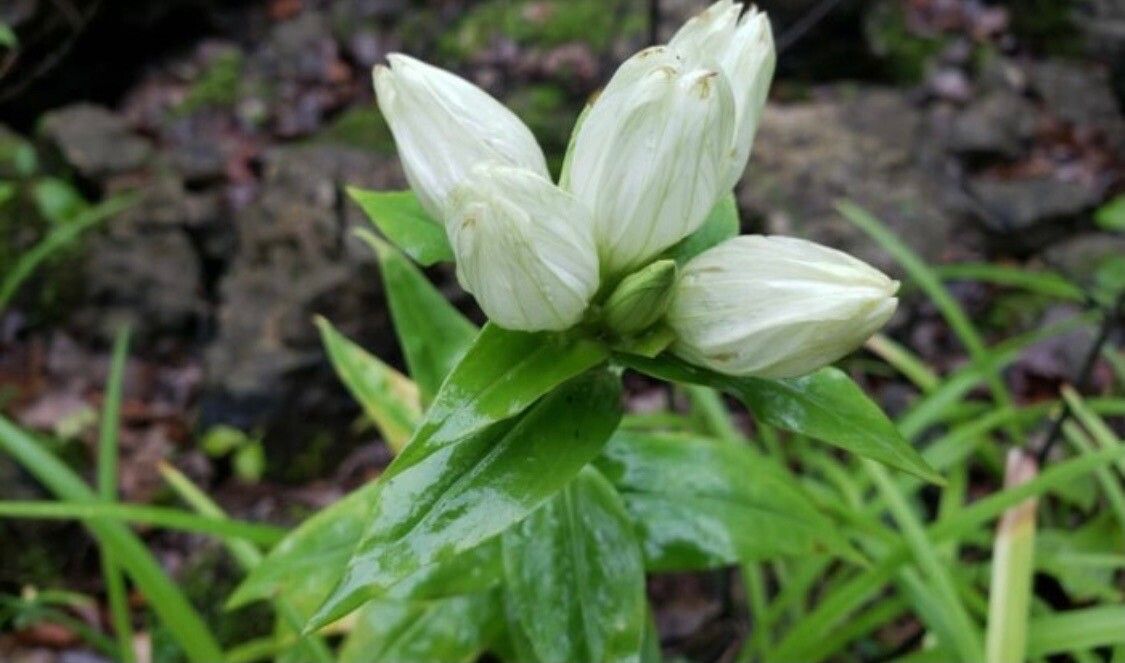
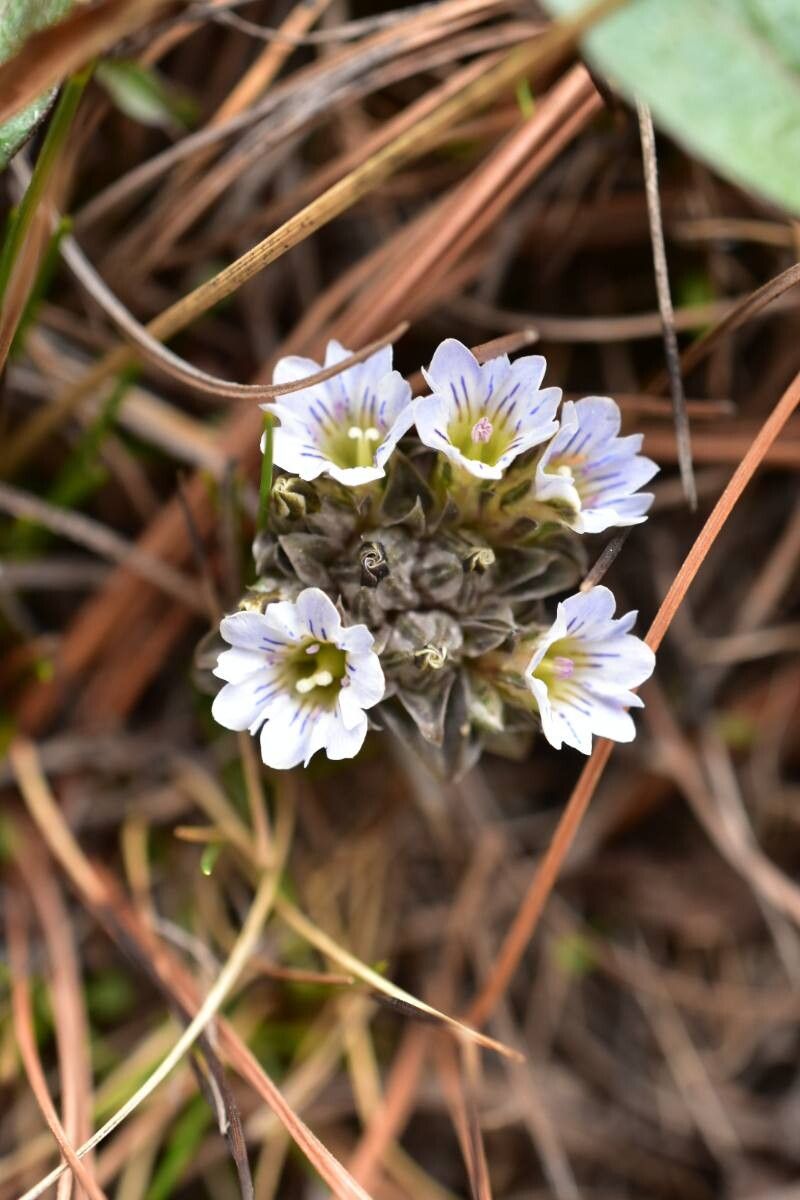
Gentiana villosa, commonly known as hairy gentian, is a perennial herbaceous plant belonging to the Gentianaceae family. It is native to western North America, including regions such as Alaska and Canada. This plant typically grows up to 60 cm in height and features a basal rosette of lance-shaped, hairy leaves.
The flowers of Gentiana villosa are trumpet-shaped with five petals, ranging in color from deep blue to purple. Blooming from mid-summer through early fall, these flowers attract pollinators like bees, butterflies, and hummingbirds.
Hairy gentian thrives in moist soils found in open meadows or along stream banks at high elevations, typically ranging from 1,500 to 3,500 meters above sea level. Indigenous people have traditionally used this plant for medicinal purposes, particularly for treating digestive disorders such as stomachaches.
In addition to its medicinal uses, Gentiana villosa is valued by horticulturists for its striking blue flowers. However, it can be challenging to cultivate outside its natural habitat due to its specific soil requirements.
Overall, Gentiana villosa is an attractive wildflower with medicinal properties, found naturally in high elevations across western North America.
Striped gentian has strong disease resistance and is generally not very susceptible to disease. Nevertheless, it can be affected by pests and diseases present in its environment. Such infections are generally mild. Care-wise, this plant needs a moderate amount of maintenance. It should be pruned regularly to keep a neat appearance and encourage healthy growth. Applying fertilizer can also help stimulate flowering. Striped gentian is well suited to anyone with an outdoor area, such as a garden or patio, and does not demand extensive gardening experience. It may need additional attention when grown indoors.
How to keep Gentiana Villosa.
Light
The striped gentian grows best in full daylight, though it can also tolerate less brightly lit locations. Its native setting, open terrain, shows its preference for abundant light. However, caution is warranted because both too little and too much light can affect its growth.
Water
Striped gentian flourishes in humid conditions but only needs to be watered once a week. As an evergreen plant, it retains water throughout the year, which makes it well-suited for indoor environments where humidity levels are controlled.
Temperature
Striped gentian flourishes in temperatures between 50 and 89.6 °F (10 to 32 ℃). Native to a temperate climate, it prefers milder temperatures. As seasons shift, small adjustments may be necessary to maintain optimal temperature conditions.
Fertilizer
The best time to fertilize a Striped gentian is in early spring, when it is coming out of dormancy and starting active growth. Fertilizing supplies essential nutrients for healthy development. Although Striped gentian has fairly low fertilizer requirements, applying fertilizer annually can improve its survival and encourage better, longer-lasting flowers.
Pruning
Striped gentian is known for its beautiful bicolor blooms and requires moderate care. To maintain its health and appearance, prune the plant from early to late spring. This involves removing dead stems and thinning out crowded areas to improve light exposure and airflow. Regular maintenance will help reduce pests and enhance the plant's vigor, resulting in vibrant growth throughout the season.
Botanical profile.
- Plant Type
- Herb
- Life Cycle
- Perennial
- Genus
- Gentiana
- Family
- Gentianaceae
- Hardiness Zone
- 6-7
- Mature Height
- 61 cm
- Mature Spread
- 20 cm to 40 cm
- Leaf Color
- Dark Green
- Leaf Type
- Deciduous
- Flower Color
- Purple, White
- Flower Size
- 5.08 cm to 10.16 cm
- Bloom Time
- Late summer, Early fall, Mid fall
- Planting Time
- Spring, Summer
- Harvest Time
- Mid fall, Late fall, Early winter
Other names.
Reader questions.
What does full sun and partial sun mean for plants?
Full sun refers to areas that receive more than six hours of sunlight per day, while partial sun indicates locations that get about three to six hours of sunlight. It's essential to observe how sunlight moves through your garden to choose spots providing the ideal balance of light and shade for plant health, particularly for ensuring that plants like the Striped gentian flourish in conditions similar to their natural habitat.
What temperature range is ideal for growing Striped gentian?
Striped gentian thrives in a temperature range from 50 to 89.6 °F (10 to 32 °C). Originating from a temperate climate, it favors milder temperatures. As seasons change, minor adjustments might be needed to keep the temperature conditions optimal. Even though Striped gentian is quite tolerant to cold and doesn't necessitate extra frost protection in winter, it is advisable to water the plant abundantly before the first freeze in autumn. This ensures that the soil stays moist and freezes in such a condition, helping to prevent drought and water scarcity for the plant during winter and early spring.
How important is daylight exposure for the Striped gentian?
Daylight exposure is crucial for the optimal growth of the Striped gentian, which thrives most under maximum daylight but can also tolerate less illuminated areas. Originating from open landscapes, this plant prefers abundant light. However, both insufficient and excessive light exposure can negatively impact its growth, highlighting the need for a balanced environment that mimics its natural setting.
How does Striped gentian react to temperatures below -25°C?
Striped gentian exhibits extreme cold tolerance, but it is essential to keep the winter temperature above -25°C. Should the temperature fall below this mark, there might not be visible changes during winter; however, a decline in sprouting or even failure to sprout can occur in spring. To counter this, any parts that have failed to sprout by spring should be removed to encourage new growth.
What solutions exist for indoor plants with inadequate natural light?
For indoor plants suffering from inadequate natural light, artificial lighting emerges as a lifesaving solution, especially during winter or in less sunny spaces. LED lights are recommended due to their ability to provide specific wavelengths of light needed by plants. Full sun plants require 30-50W/sq ft, partial sun plants need 20-30W/sq ft, and full shade plants should have 10-20W/sq ft of artificial light. The light source should be kept 12-36 inches above the plant, ensuring it mimics natural sunlight as closely as possible, with most plants benefiting from 8-12 hours of light per day.
What should be done if Striped gentian is exposed to high temperatures?
Striped gentian struggles with high temperatures, particularly above 32°C, as its growth halts and the risk of rot increases. In such scenarios, it's advisable to trim away the sunburned and dried-up parts of the plant. Relocating the plant to a shaded area or employing a shade cloth to protect it from the midday and afternoon sun can be beneficial. Moreover, watering the plant in the morning and evening to maintain soil moisture will help the plant cope with the heat.
What are common symptoms of inadequate lighting in Striped gentian?
Common symptoms of inadequate lighting for Striped gentian include smaller new leaves, leggy or sparse growth, faster leaf drop, slower or halted new growth, and the development of lighter-colored or irregularly patterned new leaves due to insufficient chlorophyll. Additionally, excessive sunlight can cause chlorosis, sunscald, leaf curling, wilting, and leaf scorching, damaging the plant's health and reducing its photosynthetic ability.
How can I improve the lighting conditions for my Striped gentian?
To enhance the lighting conditions for Striped gentian, consider gradually relocating plants to sunnier locations, ensuring they receive at least 6 hours of direct sunlight daily if indoors, or using south-facing windows and keeping curtains open. Artificial plant grow lights are also beneficial for plants too large or difficult to move. Outdoors, avoid sudden changes in light to prevent sunburn, and consider pruning or transplanting to reduce sunlight obstructions. Note that damaged parts might not recover, but new, healthier growth can be achieved through improved light exposure.