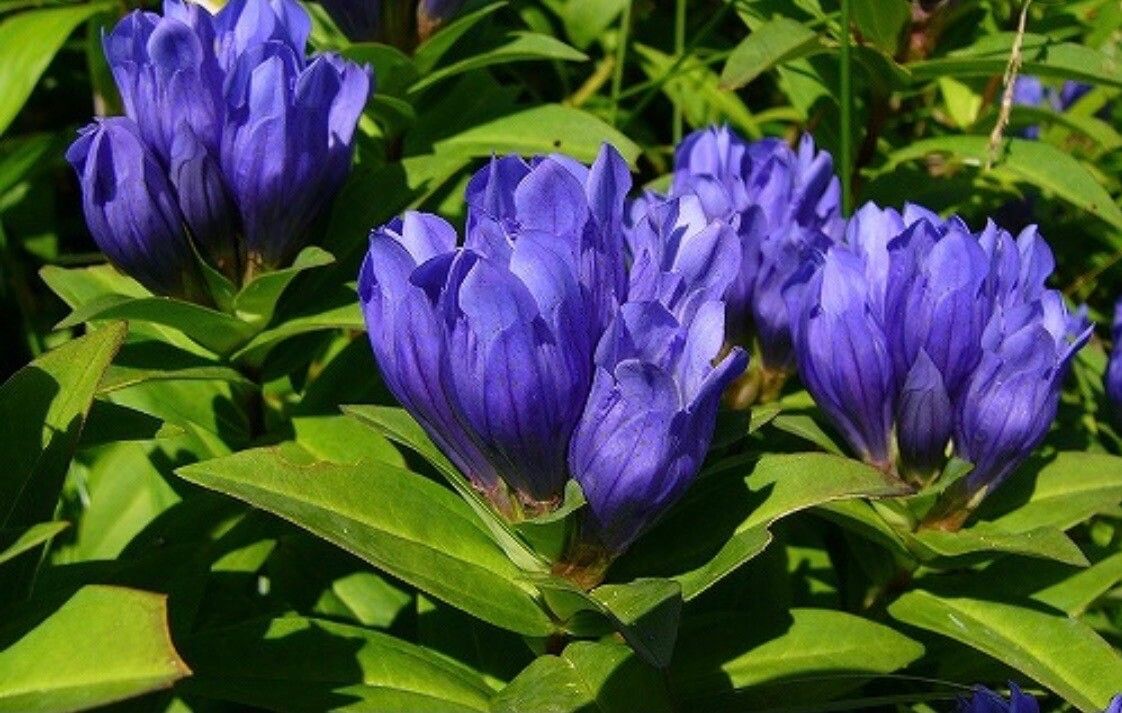
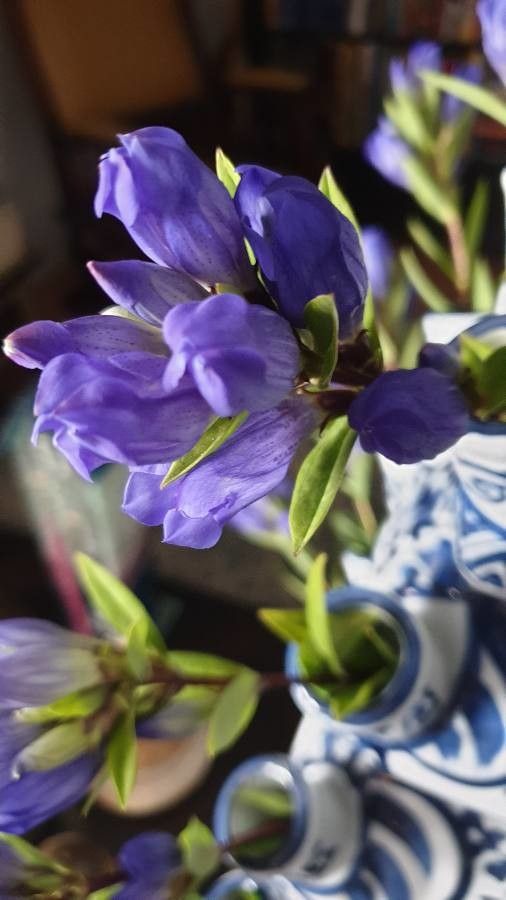
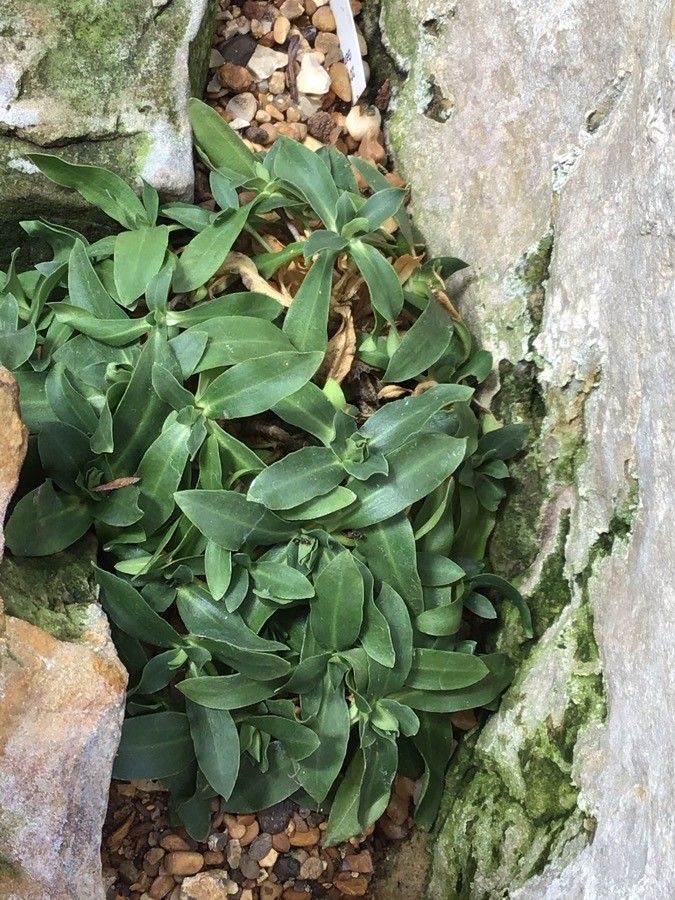
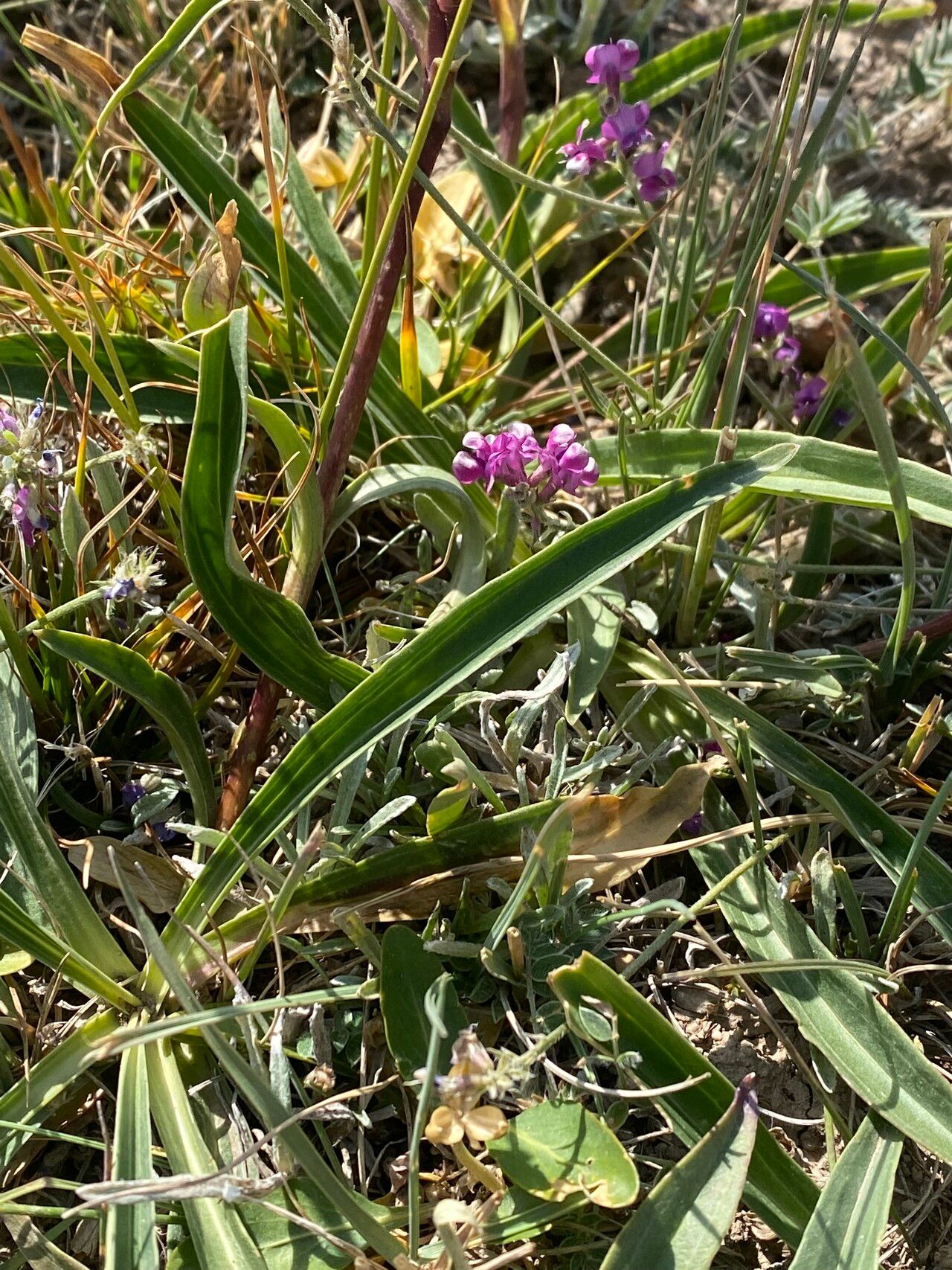
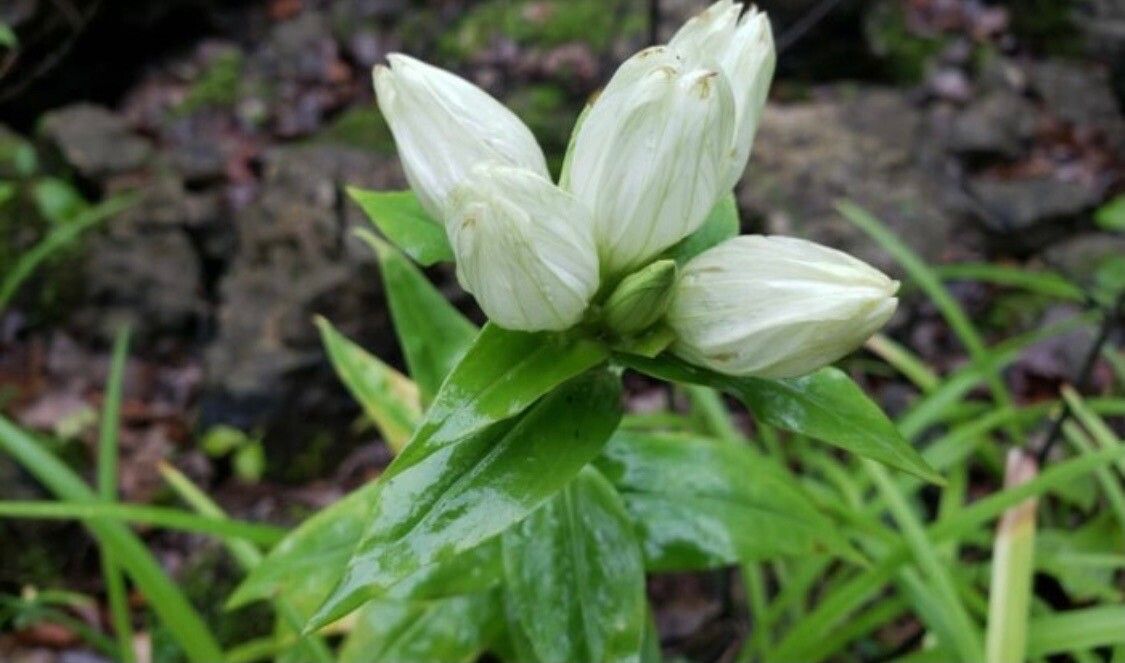
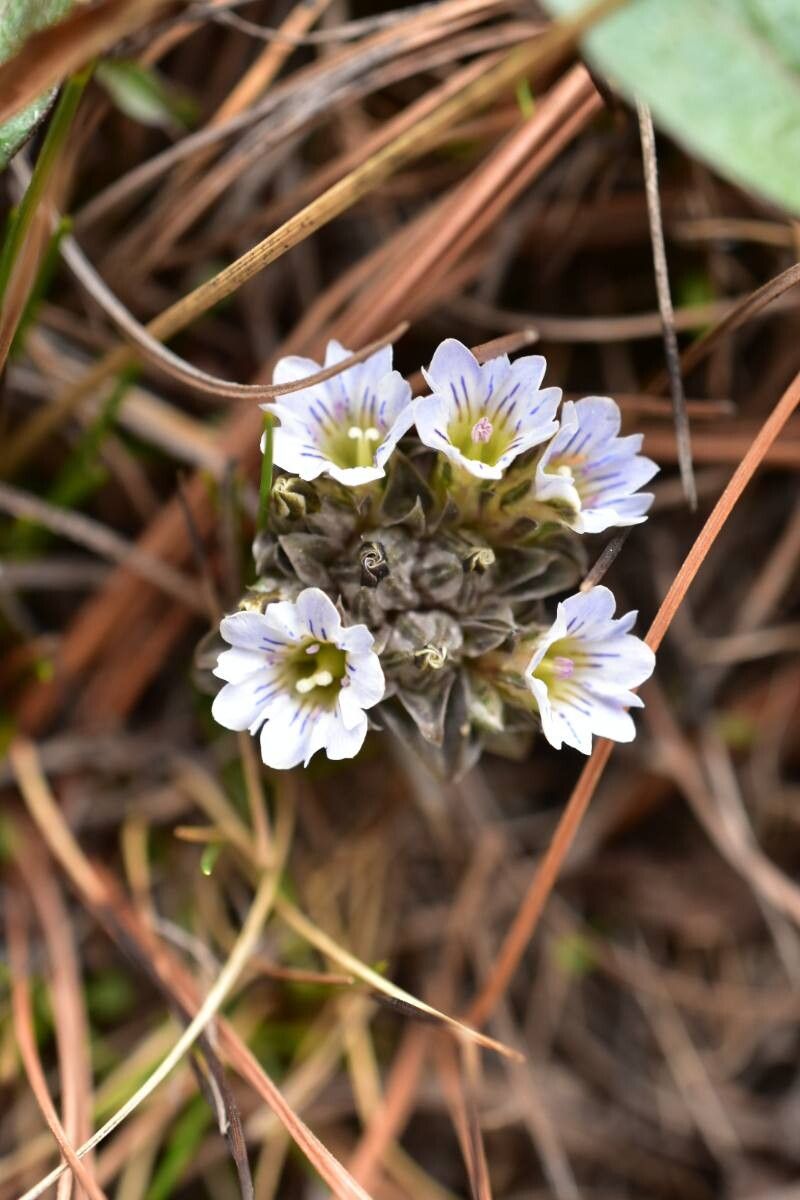
Gentiana triflora (三花龙胆 san hua long dan in Chinese, called clustered gentian in English) is a tall, flowering perennial plant in the genus Gentiana native to higher-elevation (600–1000 m) meadows and forests of China (Hebei, Heilongjiang, Jilin, Liaoning, Nei Mongol), Mongolia, Eastern Russia, Korea and Japan.
Gentian blue petals predominantly contain the unusually blue and stable anthocyanin gentiodelphin (delphinidin 3-O-glucosyl-5-O-(6-O-caffeoyl-glucosyl)-3′-O-(6-O-caffeoyl-glucoside)).
Three-flower gentian has strong disease resistance and is generally unlikely to suffer from illnesses. Nevertheless, it can be vulnerable to pests and diseases present in its environment, though such infections are typically mild. Care-wise, this plant needs moderate attention. It should be pruned regularly to keep a neat appearance and support healthy growth. Fertilizing can also encourage flowering. Three-flower gentian is suitable for anyone with outdoor space, like a garden or patio, and does not demand extensive gardening experience. It may need more care if grown indoors.
How to keep Gentiana Triflora.
Light
Three-flower gentian is a perennial herbaceous plant that favors sunny locations and comes from open habitats, commonly growing in meadows and grasslands. It prefers full sun but can also tolerate partly shaded conditions.
Water
The three-flower gentian is native to temperate regions and thrives in moist, well-drained soils. It needs watering every 1-2 weeks and has moderate drought tolerance. When grown outdoors, it aligns well with the local rainfall patterns, which helps promote its optimal health and resilience.
Temperature
Three-flower gentian can tolerate a wide range of temperatures, but its distribution may still be restricted by different combinations of moisture and heat. It performs best in warm summer conditions with adequate rainfall or watering. Extended periods of cloudy, rainy weather, as well as prolonged high temperatures, can increase the likelihood of Three-flower gentian dying. In winter, providing proper protection from cold can improve the plant’s survival rate.
Fertilizer
The best time to fertilize a Three-flower gentian is in early spring, when it is coming out of dormancy and starting active growth. Fertilizer supplies essential nutrients needed for healthy development. Although the Three-flower gentian has relatively low fertilizer requirements, an annual application can improve its survival and encourage better, longer-lasting blooms.
Pruning
To encourage robust growth and vibrant blooms in your three-flower gentian, prune it from early to late spring. Begin by removing any dead stems, then thin out congested areas to improve air circulation. Lightly trim the plant to maintain its shape. Always use sterilized tools to prevent disease, which will help enhance the plant's health and appearance.
Botanical profile.
- Plant Type
- Herb
- Life Cycle
- Perennial
- Genus
- Gentiana
- Family
- Gentianaceae
- Hardiness Zone
- 3-8
- Mature Height
- 34 cm to 76 cm
- Mature Spread
- 30 cm
- Leaf Color
- Dark Green
- Leaf Type
- Semi-evergreen
- Flower Color
- Blue
- Flower Size
- 3.05 cm to 5.08 cm
- Bloom Time
- Late summer, Early fall, Mid fall
- Planting Time
- Spring, Summer
- Harvest Time
- Mid fall, Late fall, Early winter
Other names.
Reader questions.
What are the sun requirements for Three-flower gentian (Gentiana triflora)?
The Three-flower gentian, also known as Gentiana triflora, thrives under specific sunlight conditions. It requires 'Full sun' which means it should receive above 6 hours of sunlight to flourish ideally. For those aiming for 'Partial sun,' the plant does well with about 3-6 hours of sunlight. It's vital to observe how sunlight navigates through your garden throughout the day to identify spots that offer a balanced mix of light and shade. This ensures the plant's needs are met for its overall happiness and growth.