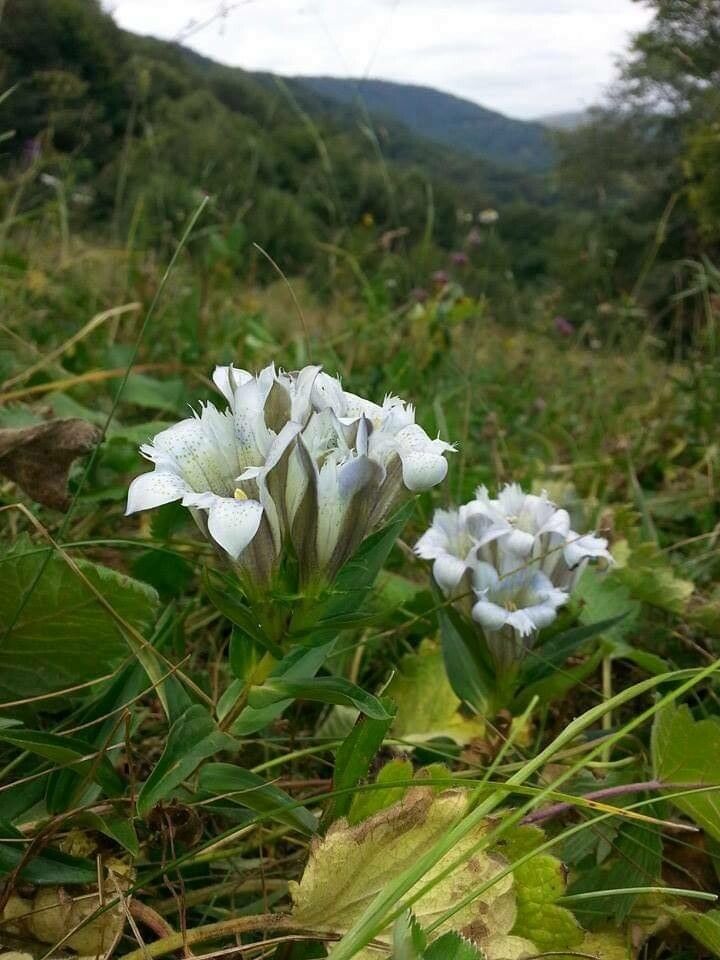
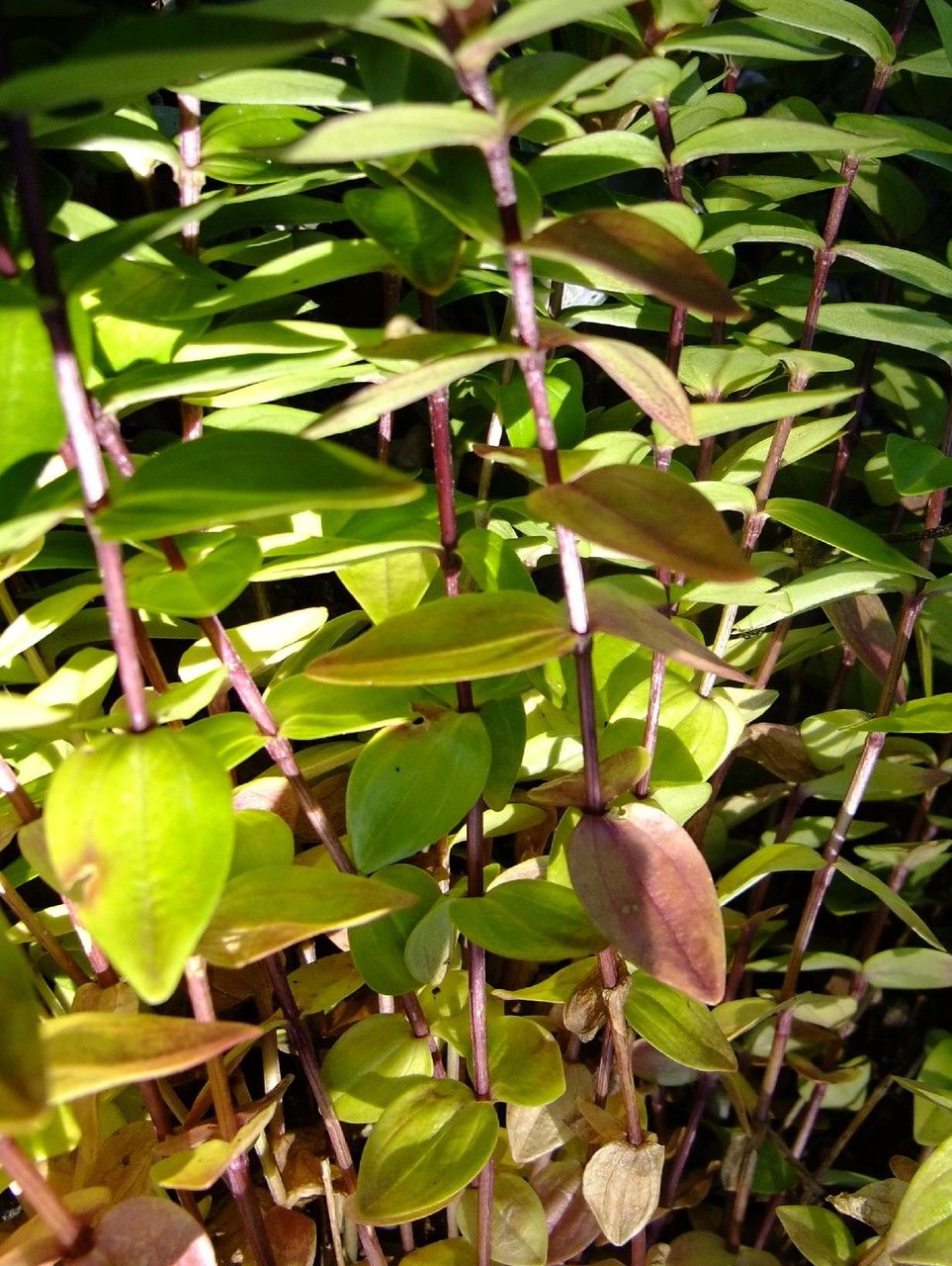
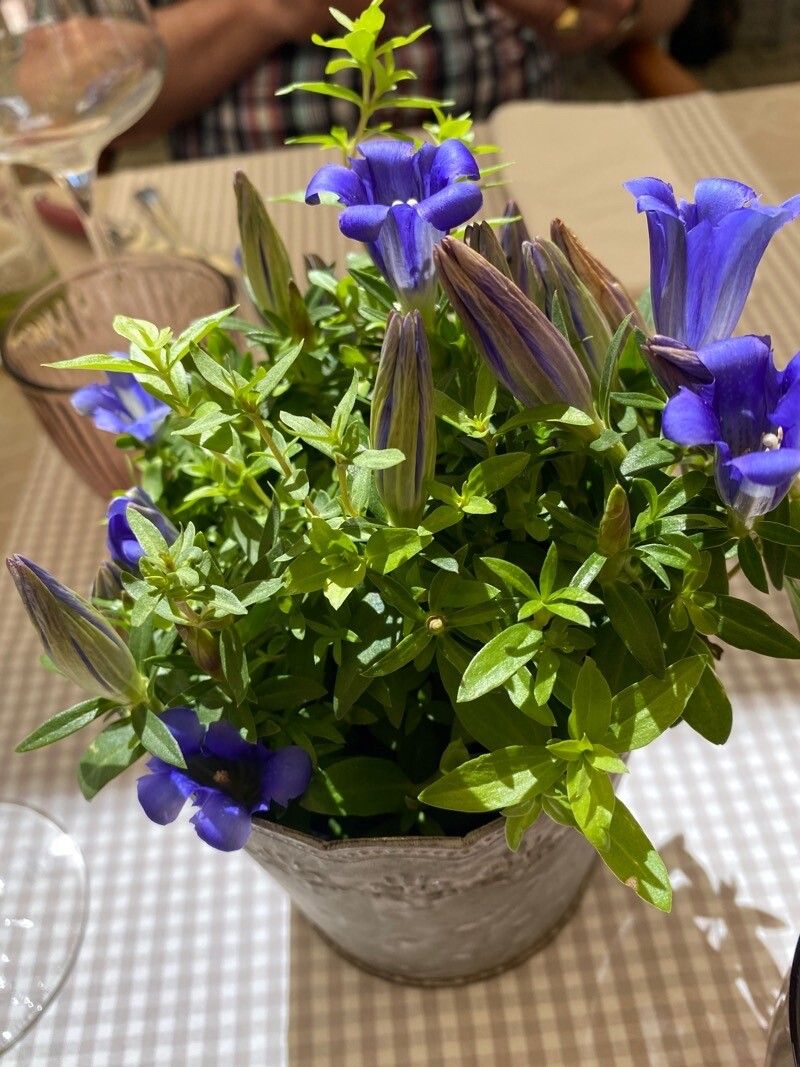
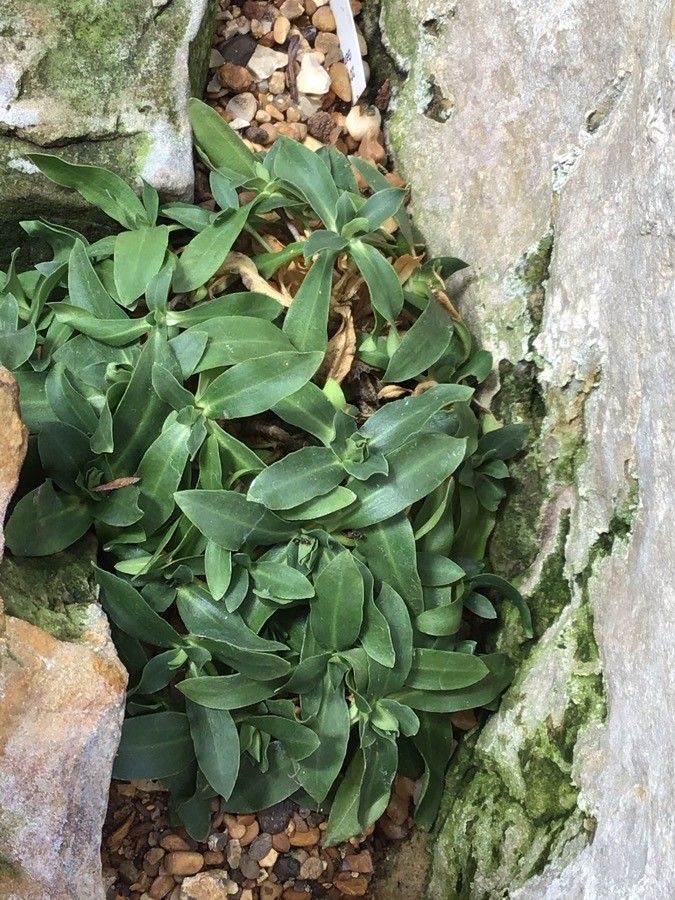
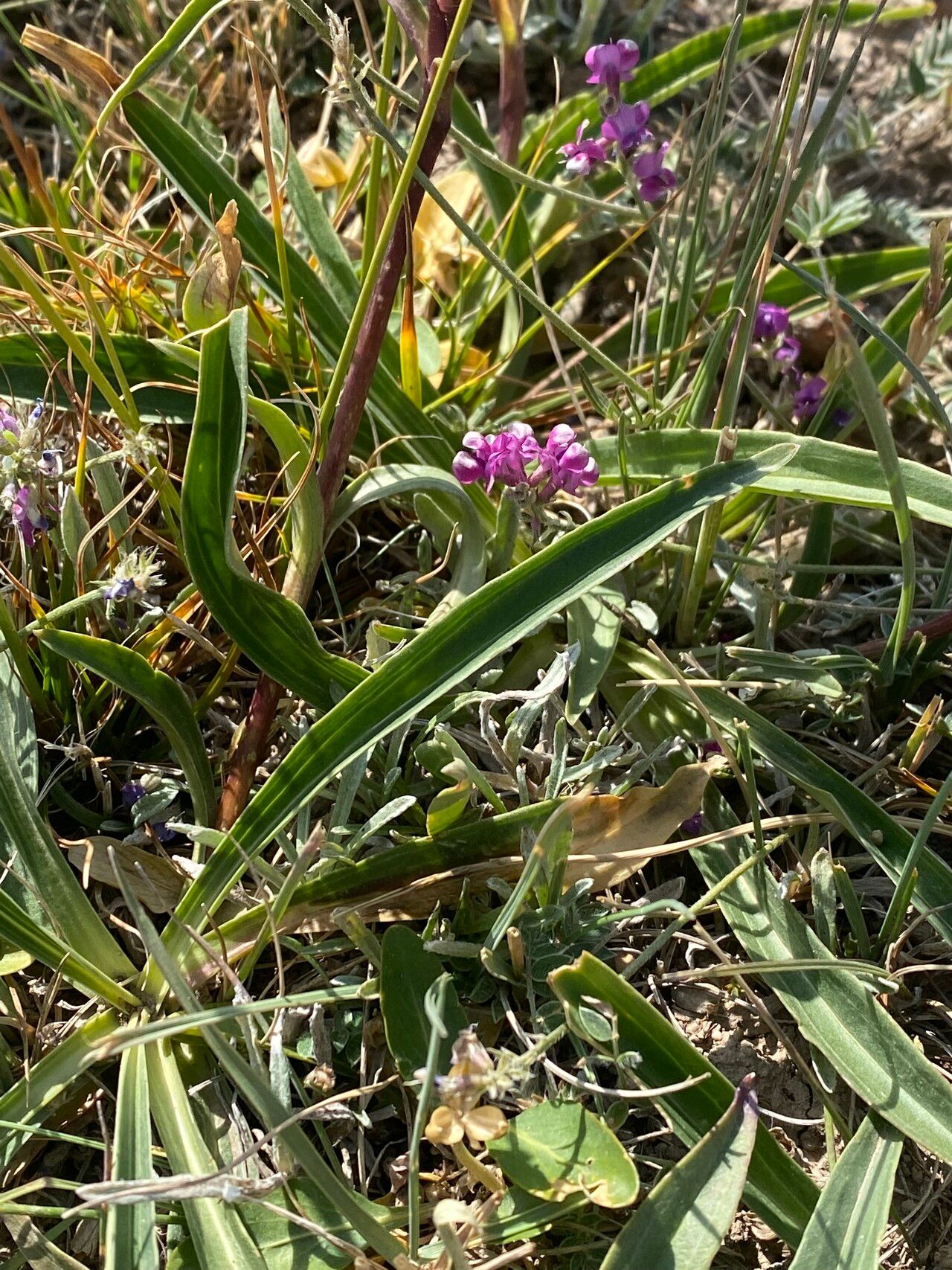
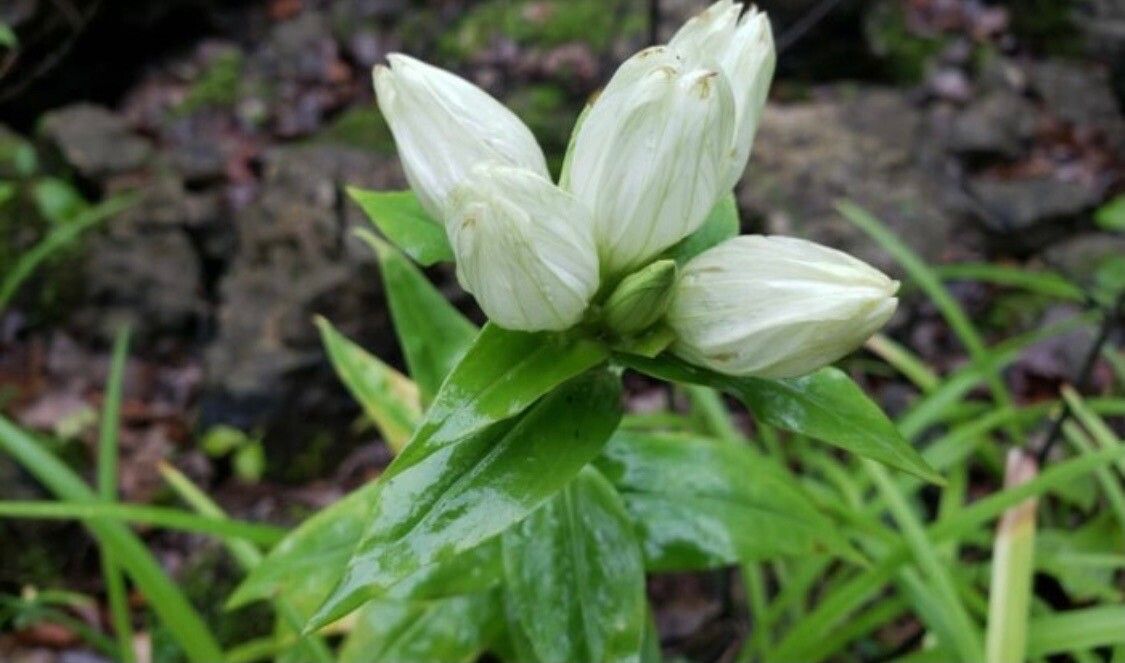
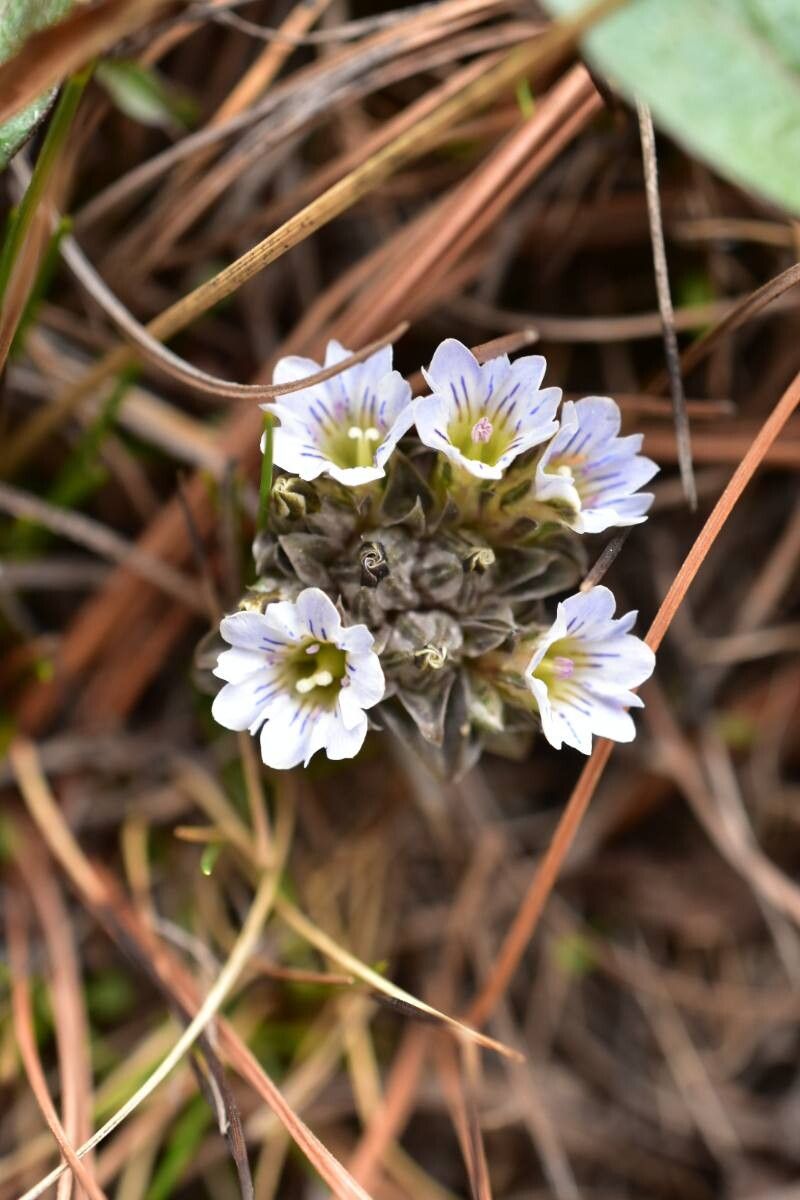
Gentiana septemfida, commonly known as the seven-flowered gentian, is a perennial herbaceous plant in the Gentianaceae family. Native to Europe and Asia, it thrives in alpine meadows, rocky slopes, and subalpine grasslands.
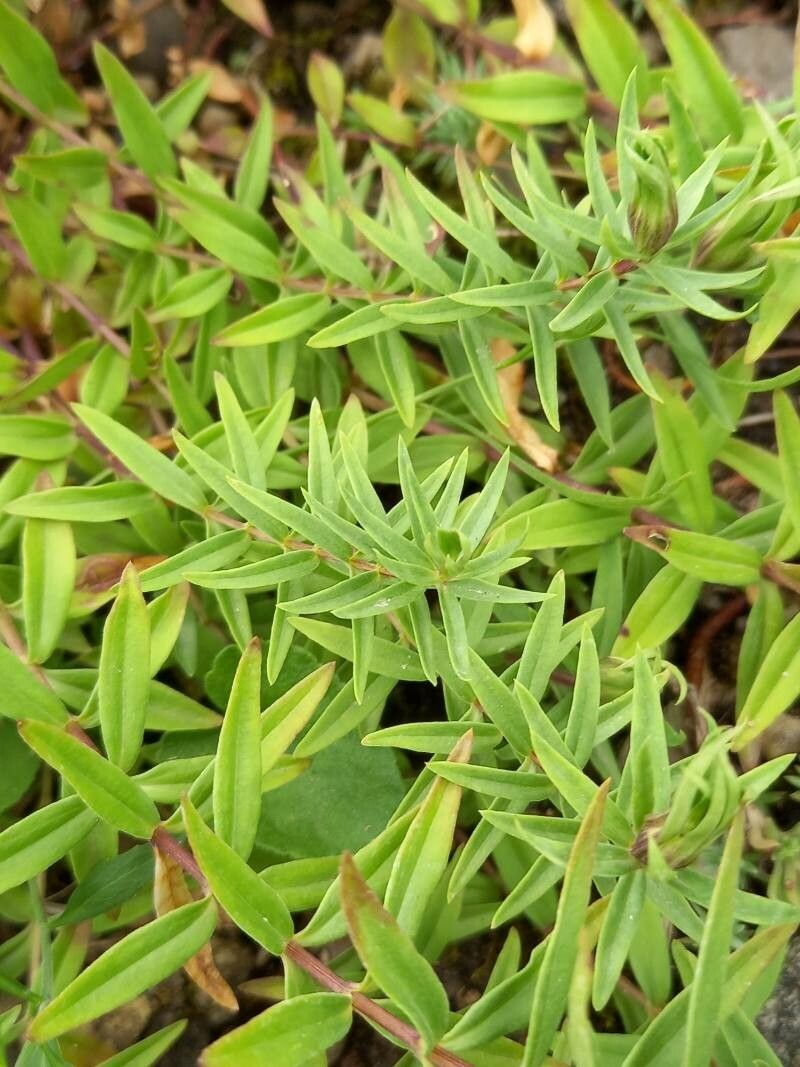
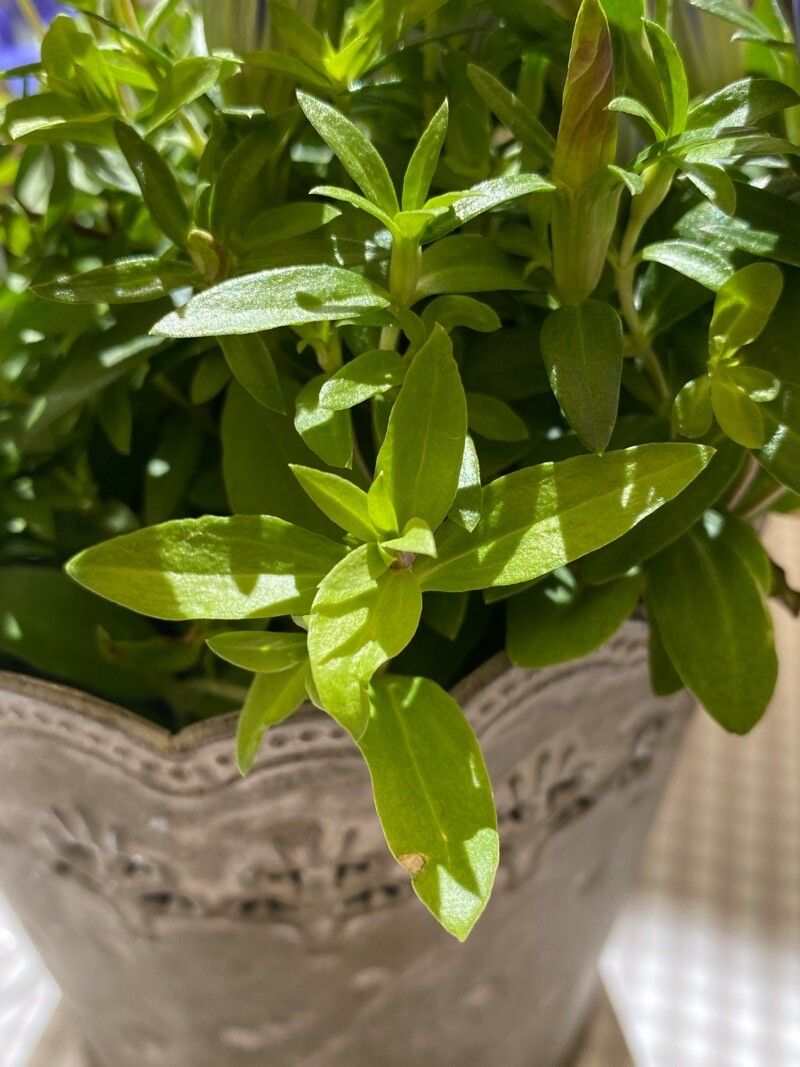
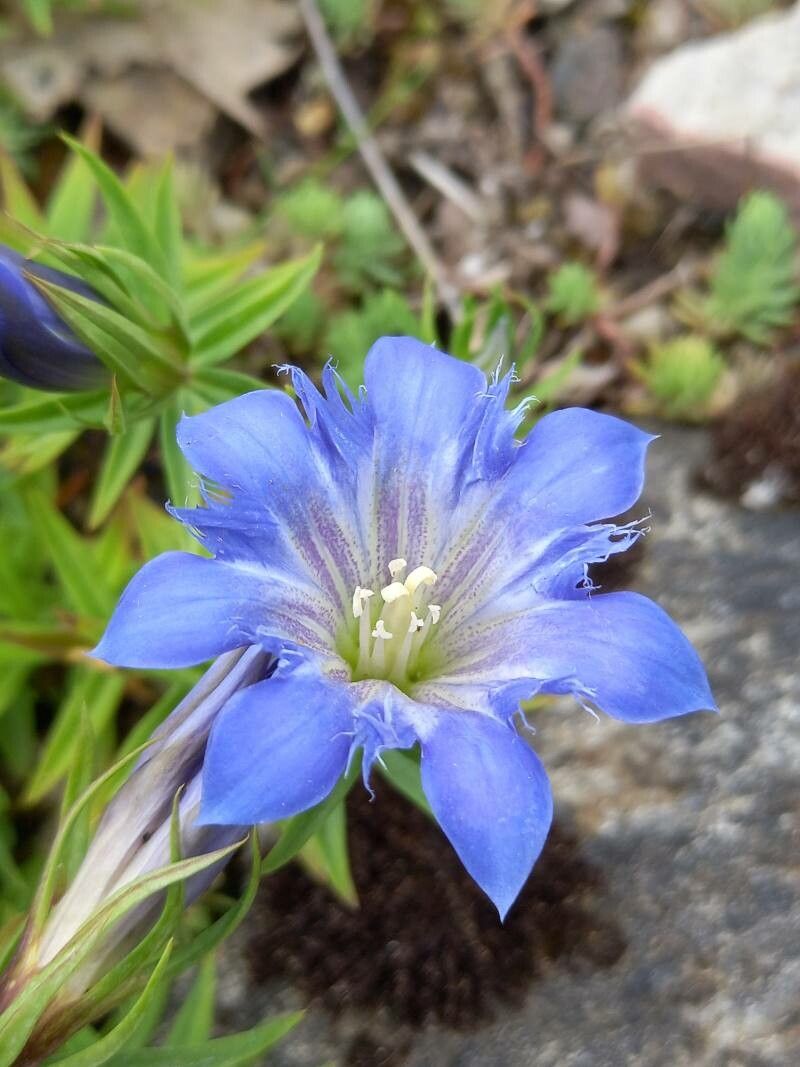
This plant typically reaches a height of up to 30 cm, featuring lance-shaped leaves arranged oppositely along the stem. Its large, deep blue flowers are particularly showy and attract pollinators such as bees.
For centuries, Gentiana septemfida has been valued for its medicinal properties, primarily due to its bitter taste, which aids in stimulating digestion. It has also been used as a natural remedy for various ailments, including fever, liver problems, and respiratory issues.
Beyond its medicinal uses, Gentiana septemfida is also cultivated for its ornamental appeal. It thrives in well-drained soil with full sun exposure but can tolerate some shade.
Overall, Gentiana septemfida is an important plant species, valued both for its medicinal benefits and aesthetic appeal. It contributes significantly to natural ecosystems and human societies alike.
Crested gentian is fairly disease-resistant and generally not prone to illness. However, it can be affected by pests and diseases present in its surroundings. Such infections are typically not severe. Regarding care, this plant needs moderate maintenance. It should be pruned regularly to preserve a good appearance and support healthy growth. Fertilizing can also encourage flowering. Crested gentian is suitable for anyone with an outdoor area, like a garden or patio, and does not demand a lot of gardening experience. It may need more attention when kept indoors.
How to keep Gentiana Septemfida.
Light
Crested gentian naturally occurs in habitats like forest understories and rocky areas, where it grows in natural shade. It prefers partial sun but can tolerate full sun or full shade, illustrating its versatile and hardy nature.
Water
Crested gentian thrives best in balanced moisture conditions and typically needs watering every 1-2 weeks. Being a deciduous plant, its water requirements change with the seasons. During its dormant period, the plant requires less frequent watering.
Fertilizer
Typically one spring application of fertilizer is enough for Crested gentian, though repeated feedings can enhance growth. Apply fertilizer every one to one-and-a-half months. Fertilization improves the leaves' appearance and function, helping them retain even color and a healthy texture. It also promotes root development and nutrient uptake for long-term plant health.
Pruning
To ensure your crested gentian thrives, it's important to prune it properly, ideally from early to late spring. Begin by removing any dead or damaged stems, and lightly trim the spent flowers to encourage continuous blooming and maintain the plant's shape. Regular care not only enhances flowering but also improves the plant's overall vitality, resulting in a robust and visually appealing display.
Botanical profile.
- Plant Type
- Herb
- Life Cycle
- Perennial
- Genus
- Gentiana
- Family
- Gentianaceae
- Hardiness Zone
- 4-8
- Mature Height
- 10 cm
- Mature Spread
- 40 cm
- Leaf Color
- Dark Green
- Leaf Type
- Deciduous
- Flower Color
- Blue
- Flower Size
- 3.05 cm to 5.08 cm
- Bloom Time
- Summer
- Planting Time
- Spring, Summer, Autumn
- Harvest Time
- Early fall, Mid fall
Other names.