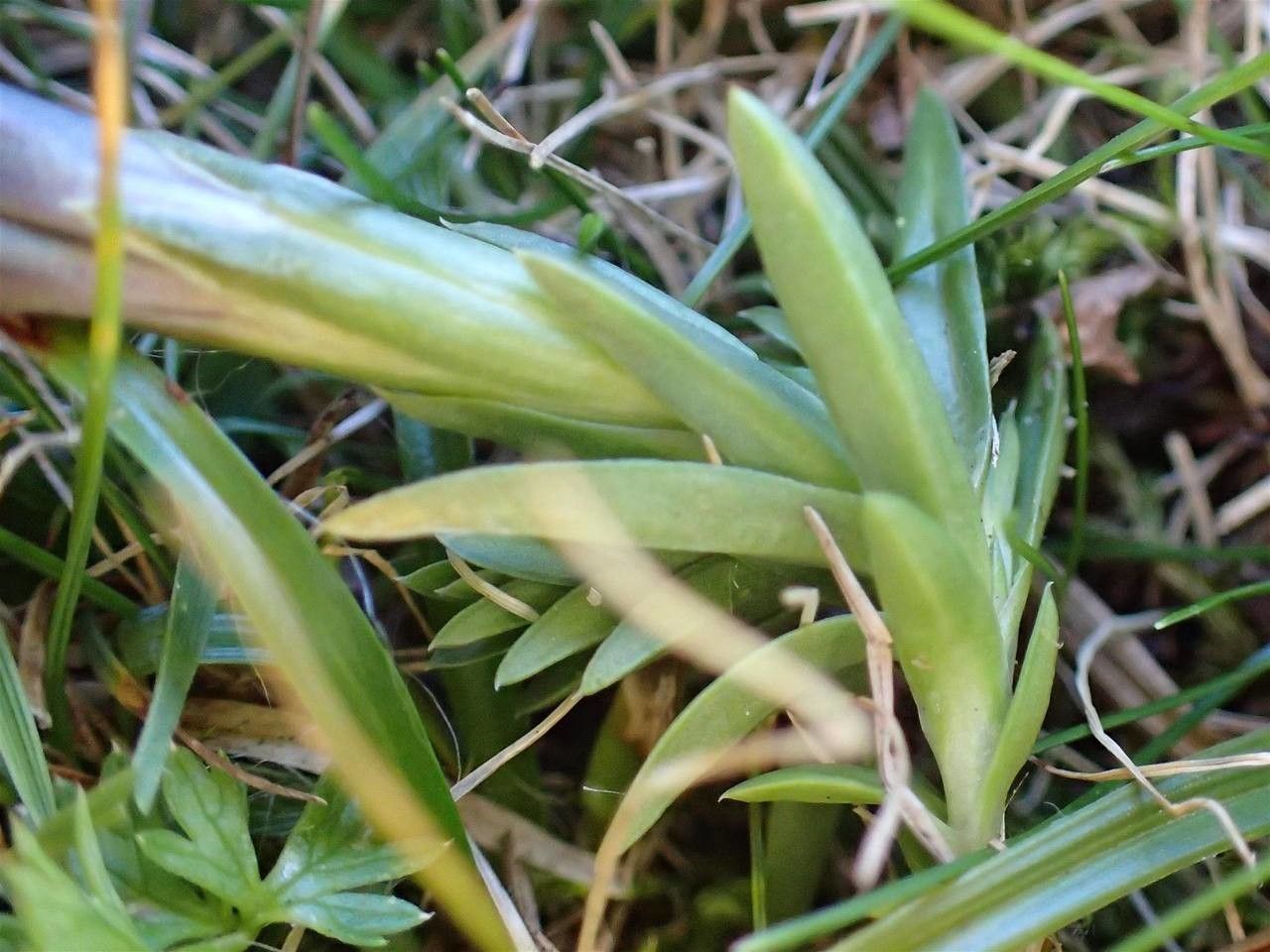
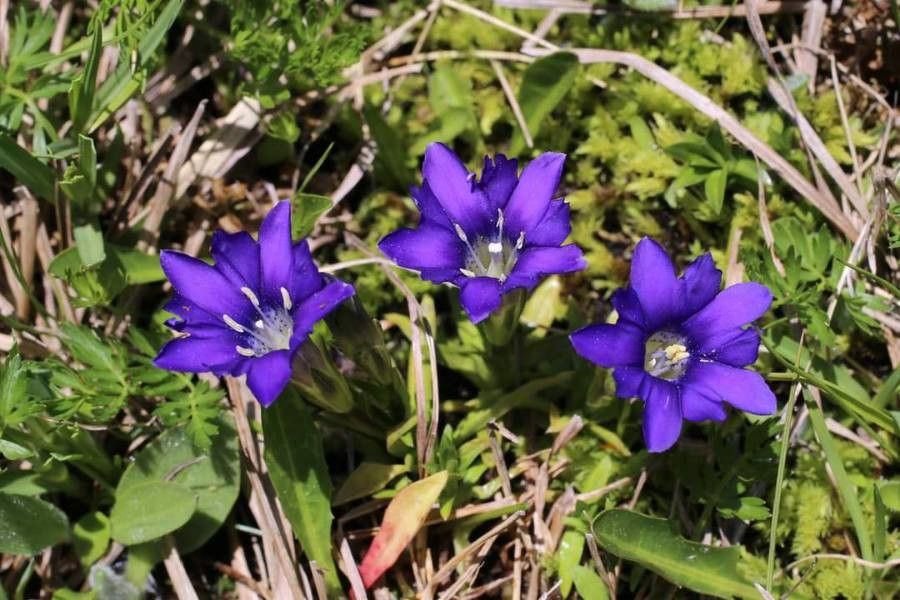
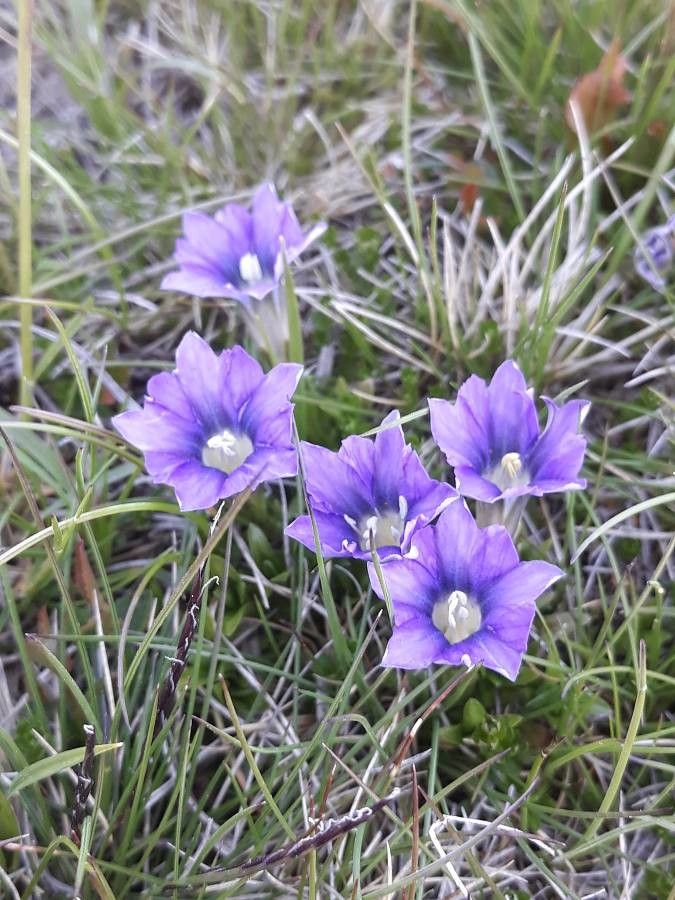
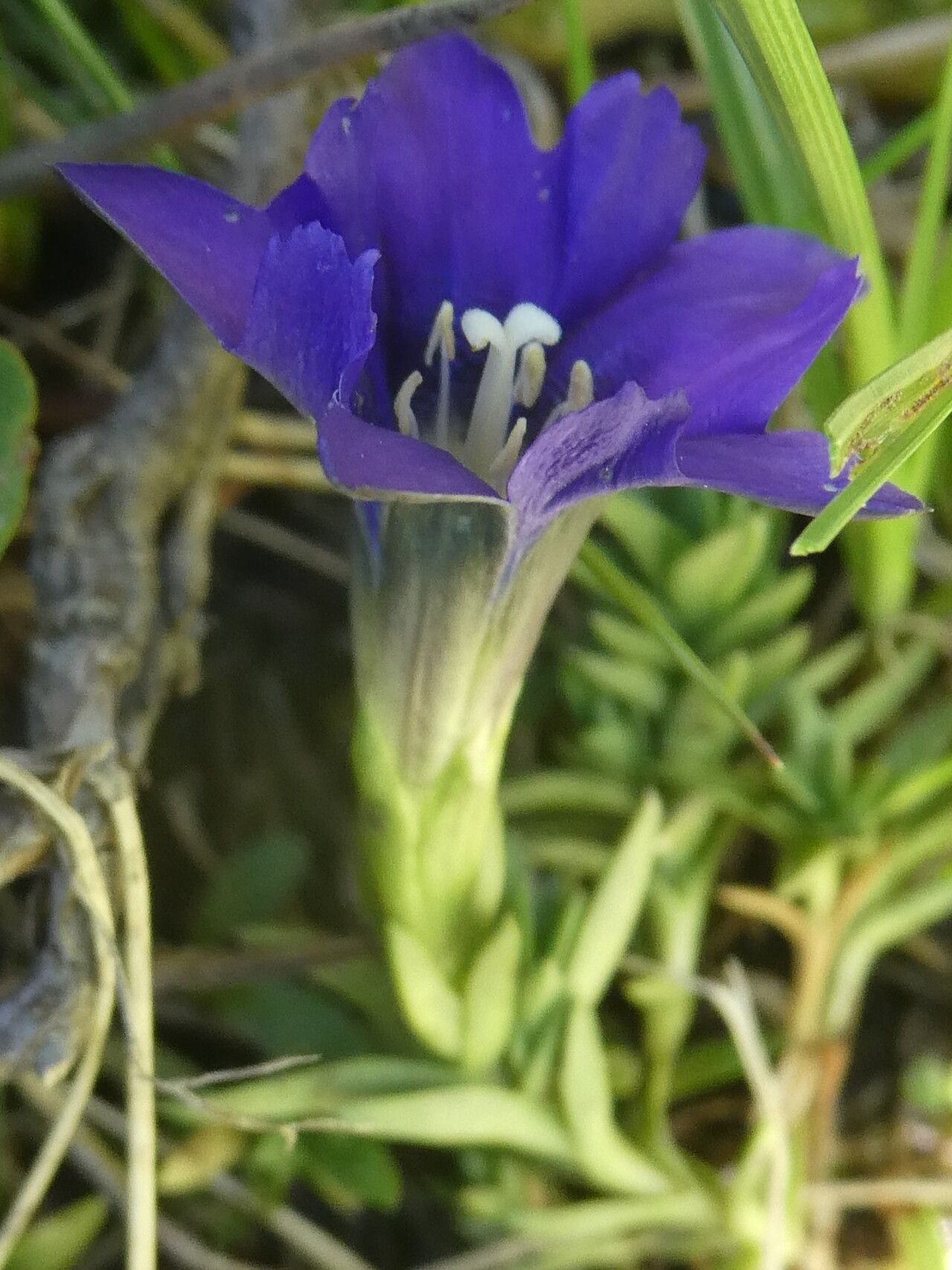
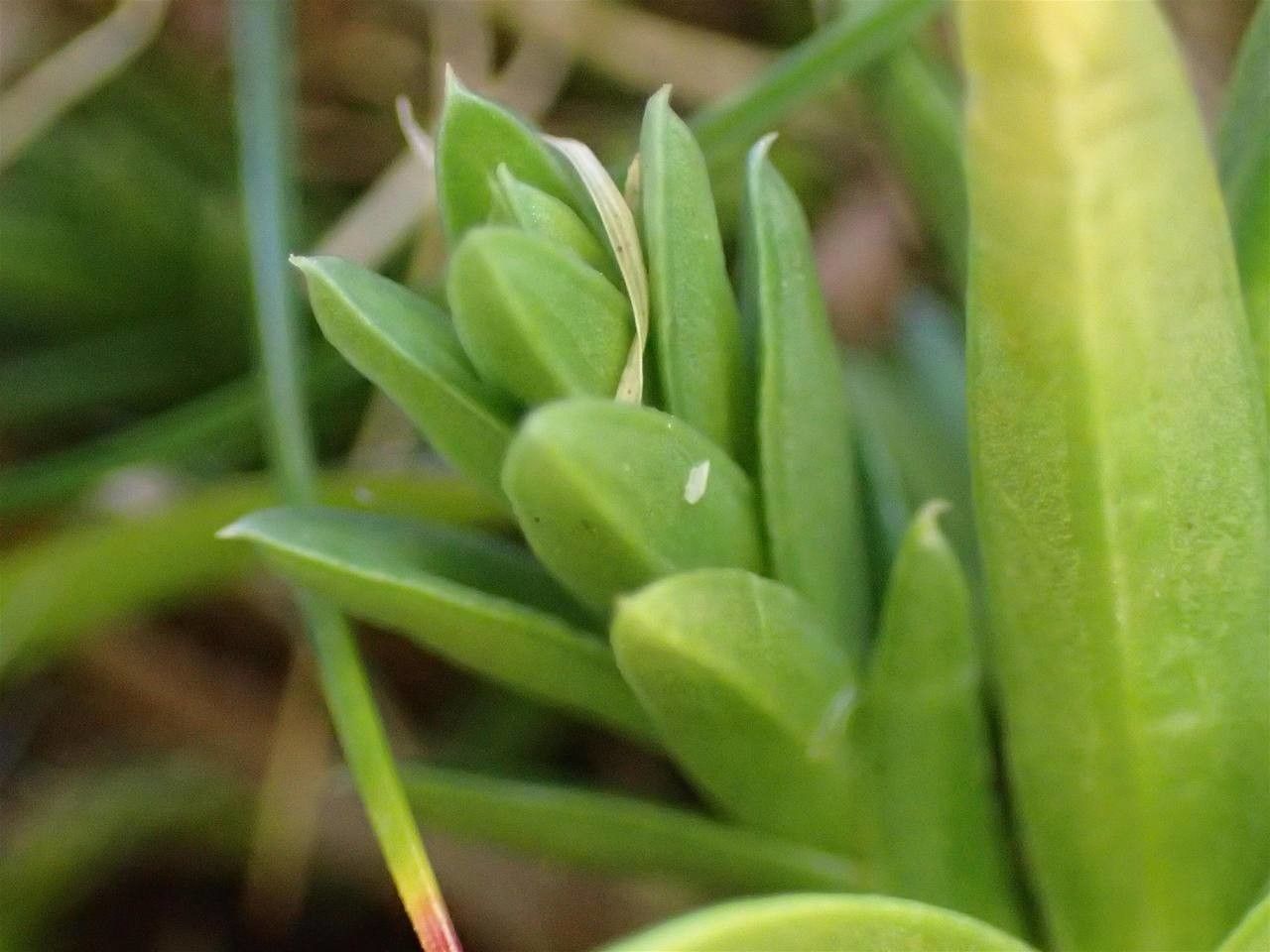
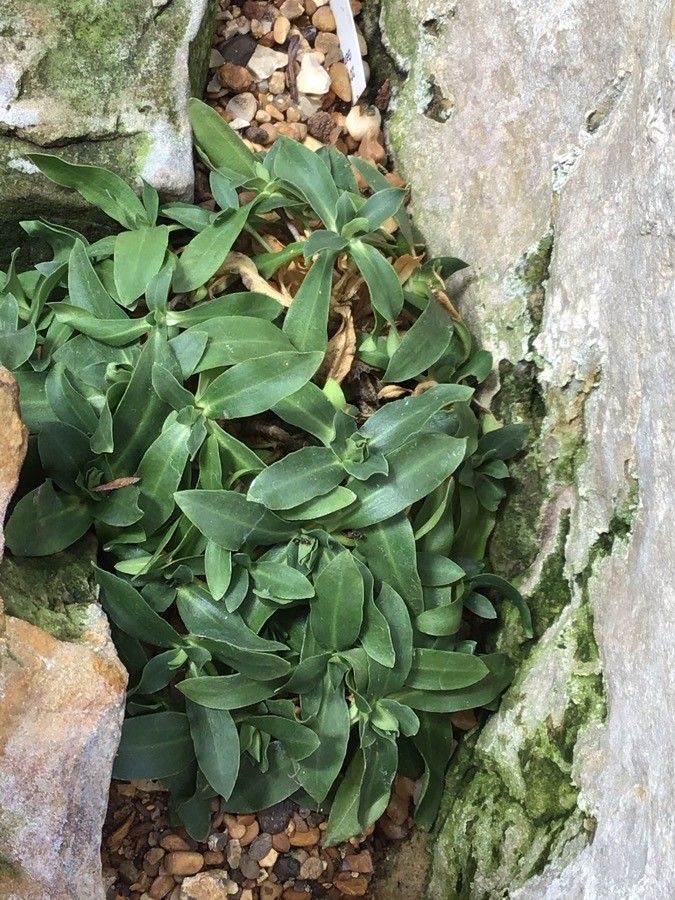
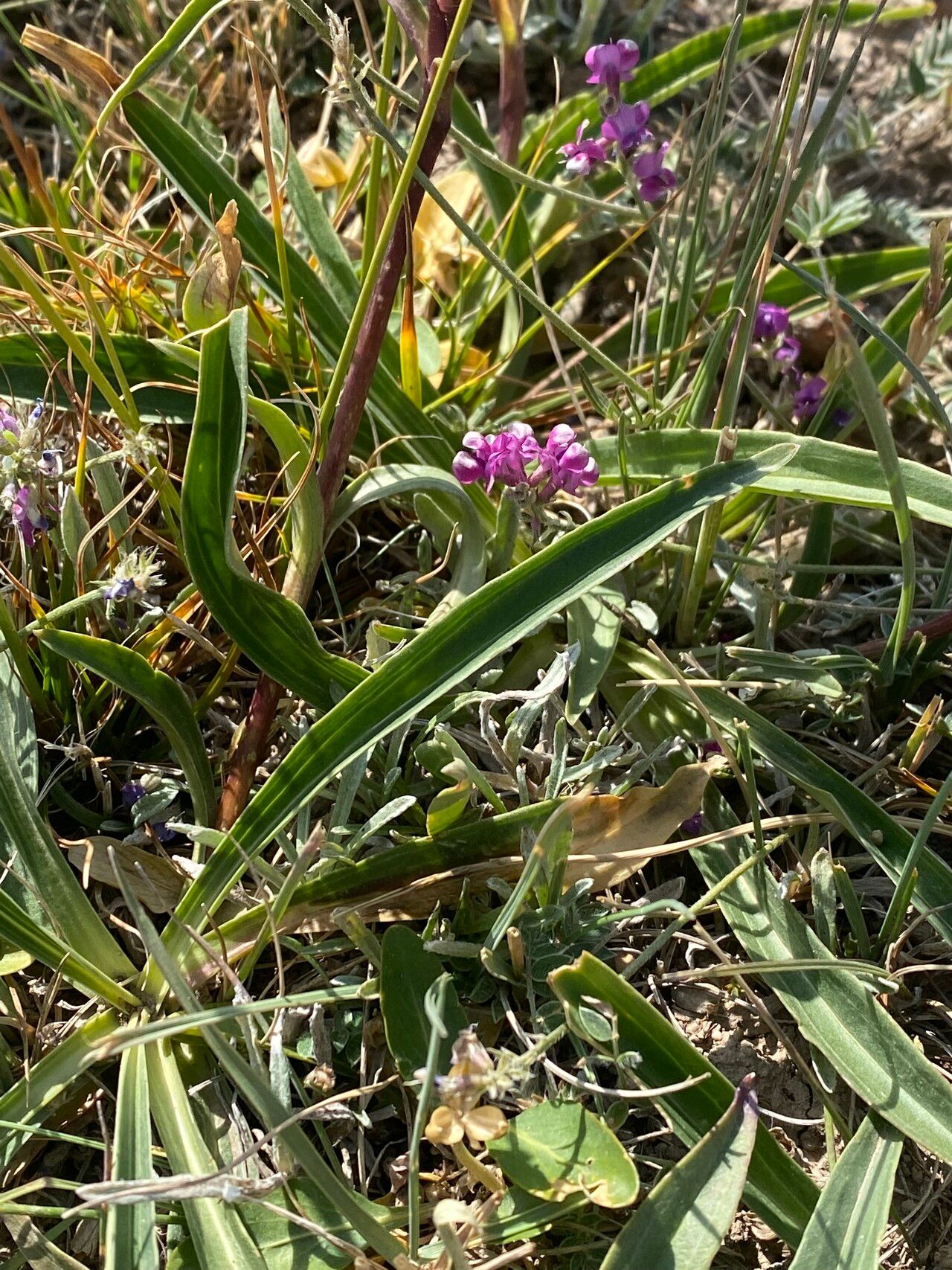
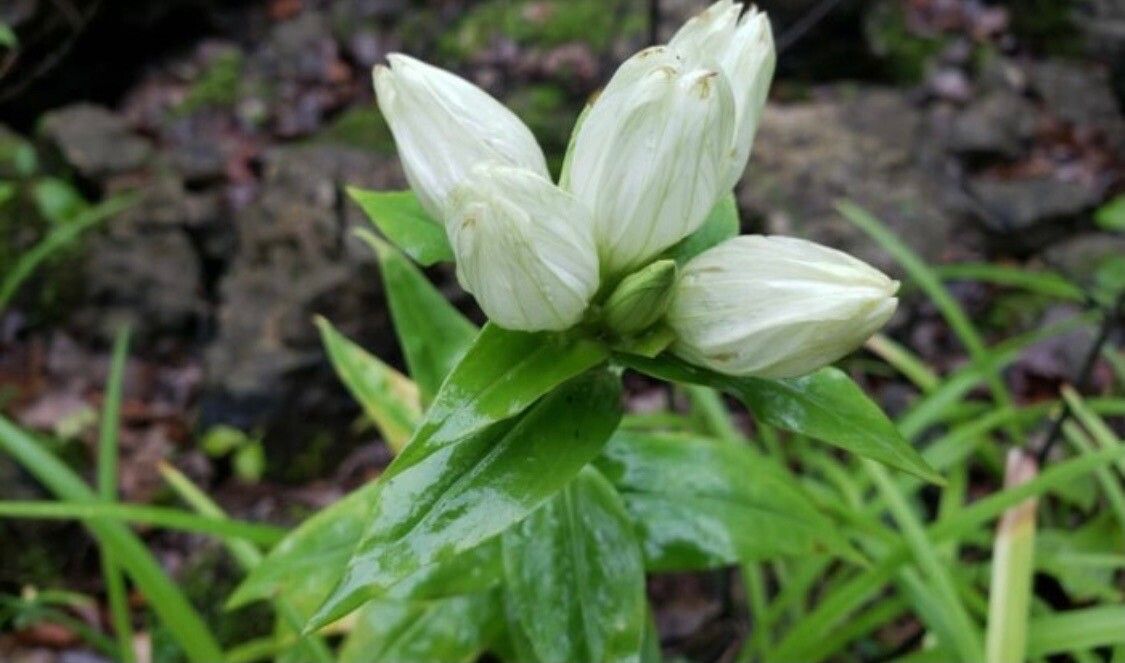
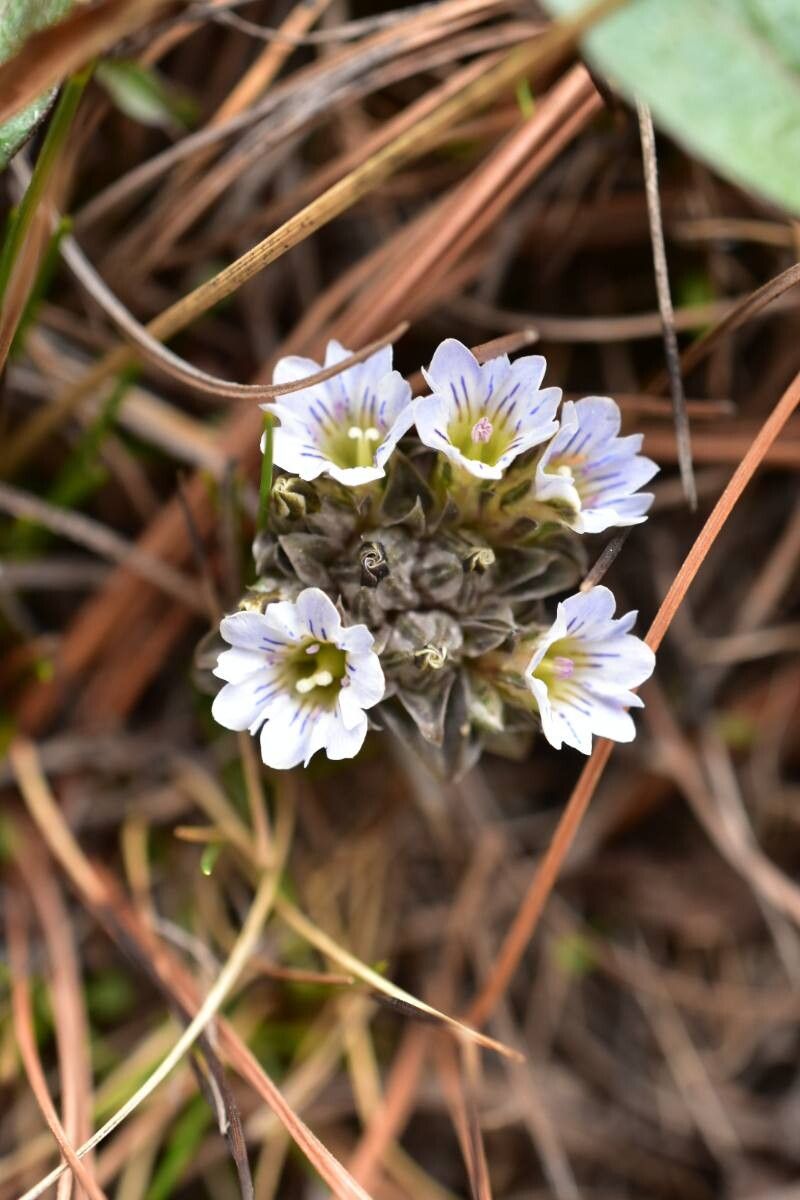
The Pyrenean gentian has strong resistance to disease and is usually not very susceptible to illnesses. Still, it can be vulnerable to pests and diseases present in its surroundings. These problems are generally not serious. In terms of care, this plant requires moderate maintenance. It should be pruned regularly to preserve a neat appearance and support healthy growth. Fertilizing can also help encourage flowering. The Pyrenean gentian is well suited for anyone with outdoor space, such as a garden or patio, and does not demand extensive gardening experience. It may need more attention if grown indoors.
How to keep Gentiana Pyrenaica.
Light
The Pyrenean gentian is a sun-loving herbaceous perennial that comes from open habitats and is commonly found in meadows and grasslands. It prefers full sun but can also tolerate partial sun.
Water
The Pyrenean gentian thrives in alpine environments and prefers soil that drains well while maintaining consistent hydration. Although it can withstand short periods of drought, it's best to water the Pyrenean gentian weekly for optimal health. This plant has adapted to make use of rainfall during its growing season, which is crucial for its survival and successful flowering.
Fertilizer
The best time to fertilize a Pyrenean gentian is in early spring, when it is coming out of dormancy and beginning active growth. Fertilizing supplies essential nutrients needed for healthy development. Although the Pyrenean gentian has fairly low fertilizer requirements, applying fertilizer once a year can improve its chances of survival and encourage better, longer-lasting blooms.
Pruning
In early to late spring, it's important to lightly prune the Pyrenean gentian. Focus on removing any dead or damaged stems, as this encourages new growth. This pruning practice helps improve airflow, reduces the risk of disease, and promotes blooming, all while maintaining the plant's natural shape. Be sure to use sterilized tools for safe and effective pruning.
Botanical profile.
- Plant Type
- Herb
- Life Cycle
- Perennial
- Genus
- Gentiana
- Family
- Gentianaceae
- Hardiness Zone
- 3-7
- Mature Height
- 5 cm to 15 cm
- Mature Spread
- 10 cm to 20 cm
- Leaf Color
- Dark Green
- Leaf Type
- Deciduous
- Flower Color
- Blue
- Flower Size
- 2.03 cm to 3.05 cm
- Bloom Time
- Late spring, Early summer
- Planting Time
- Spring, Autumn
- Harvest Time
- Mid summer, Late summer
- Native Area
- Turkey, Spain, Bulgaria, Iran, Poland, Azerbaijan, Armenia, Ukraine, France
Other names.
Reader questions.
How do I water my Pyrenean gentian in the best way?
To water the Pyrenean gentian effectively, it's best to use filtered water at room temperature or slightly warmer. Tap water can contain harmful particles, so filtered water is safer for this plant. Since the Pyrenean gentian is accustomed to a warm environment, using cold water can be a shock to its system. It's also important to avoid overhead watering as it can lead to issues with the foliage. Instead, apply the filtered room temperature water directly to the soil until it is completely soaked. This helps to moisture the roots and encourage their growth throughout the soil, allowing them to absorb the necessary nutrients.
What should I do if I give my Pyrenean gentian plant too much or too little water?
Overwatering is a more common issue than underwatering when it comes to the health of Pyrenean gentians. When the plant receives too much water, its stems and leaves may wilt and turn yellow. Prolonged overwatering can also lead to diseases like root rot, mold, and mildew, which can be deadly for the plant. On the other hand, underwatering is less likely but can still happen, causing the leaves to become brittle and brown. It's important to notice the signs of overwatering early on as some of the associated diseases may not be reversible if left unattended. If you see these signs, reduce your watering schedule immediately. Additionally, check the soil quality and replace it with a well-draining potting mix if it drains poorly. Conversely, if your plant shows signs of underwatering, simply water it more regularly until the signs improve.
How frequently should I water my Pyrenean gentian?
If your Pyrenean gentian is in a pot, the best way to determine if it needs water is to check the soil. Simply stick your finger in the soil and if the top two to three inches feel dry, it's time to water. For those growing their Pyrenean gentian outdoors in the ground, you can use the same method. When the first few inches of soil are dry, it's time to water. In the spring and early fall, you'll likely need to water once a week using this method. However, during extremely hot weather, you may need to water two or more times per week. It's worth noting that mature, well-established Pyrenean gentian plants have a remarkable ability to withstand drought.
How much water should I give my Pyrenean gentian?
When watering your Pyrenean gentian, it is important to give it an adequate amount of water. Make sure the top two to three inches of soil are dry before watering. Give the plant a thorough watering, making sure to soak the soil completely. The amount of water should be enough to cause excess water to drain out of the pot. If you don't see any excess water draining, it means you haven't watered enough. However, be careful not to let water accumulate in the soil, as this can harm the plant. If water isn't draining out of the pot, it may be due to poorly draining soil, which is unhealthy for the plant. If the plant is outdoors, 1 inch of rain per week should be sufficient.
How do I water my Pyrenean gentian when it is growing at different stages?
The water needs of the Pyrenean gentian can vary depending on its growth stages. When the plant is in its early years or has been recently transplanted, it requires more water. During these stages, the Pyrenean gentian dedicates energy to growing new roots, which need extra moisture to support future growth. As the plant matures, it will require less water. Additionally, during the blooming period, when the flowers are developing, the Pyrenean gentian may also need more water to fulfill their moisture requirements.
How should I water my Pyrenean gentian throughout the year?
The water needs of the Pyrenean gentian vary throughout the year. In the hottest months of summer, the plant requires frequent watering, possibly more than once per week depending on how quickly the soil dries out. On the other hand, during the winter, the plant goes into a dormant phase and requires much less water. In fact, watering may not even be necessary during this time. If you choose to water in winter, it should be done sparingly, about once per month, as excessive watering can increase the risk of disease.
What's the difference between watering my Pyrenean gentian inside and outside?
For gardeners living in non-temperate and non-tropical regions, growing the Pyrenean gentian indoors is a common practice. However, it's important to consider that soil in a container can dry out faster compared to ground soil. If you have drying elements like air conditioning units, your Pyrenean gentian may require more frequent watering compared to if it were planted outside. In such cases, watering your Pyrenean gentian may not be necessary if you receive regular rainfall, as it can provide enough moisture for the plant. On the other hand, if you grow this plant indoors, you will need to water it more often since relying on rainwater to soak the soil is not an option.