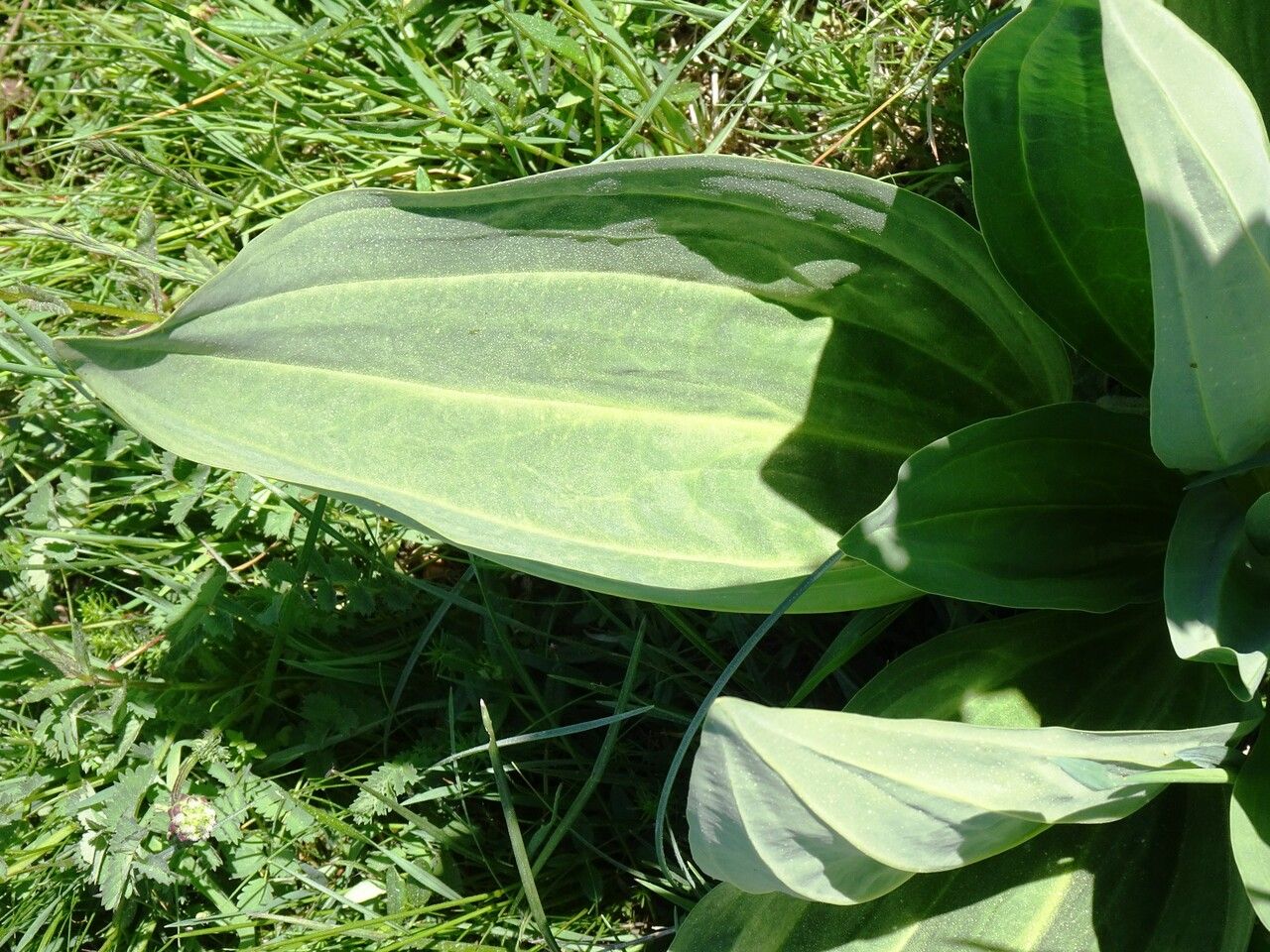
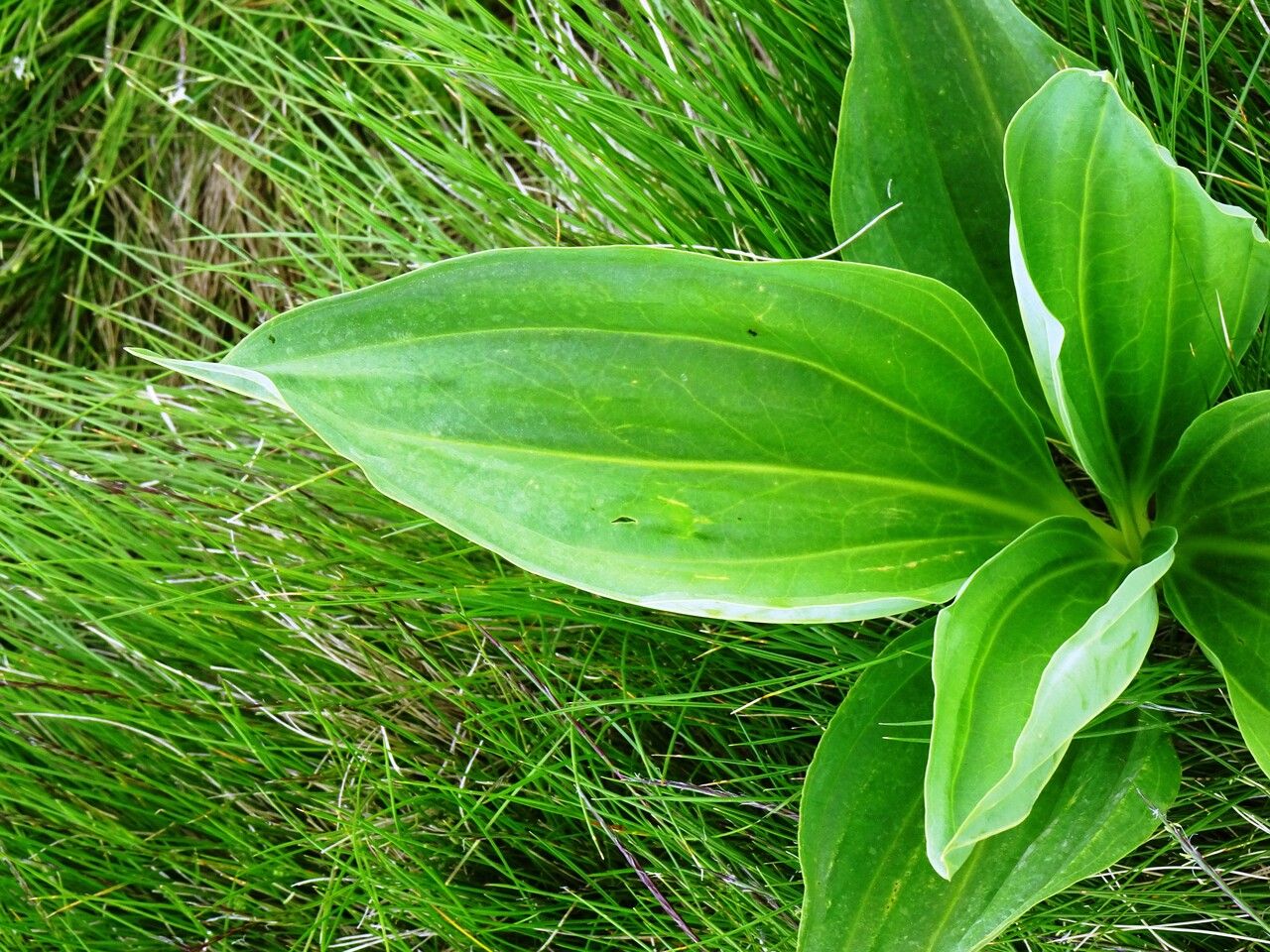
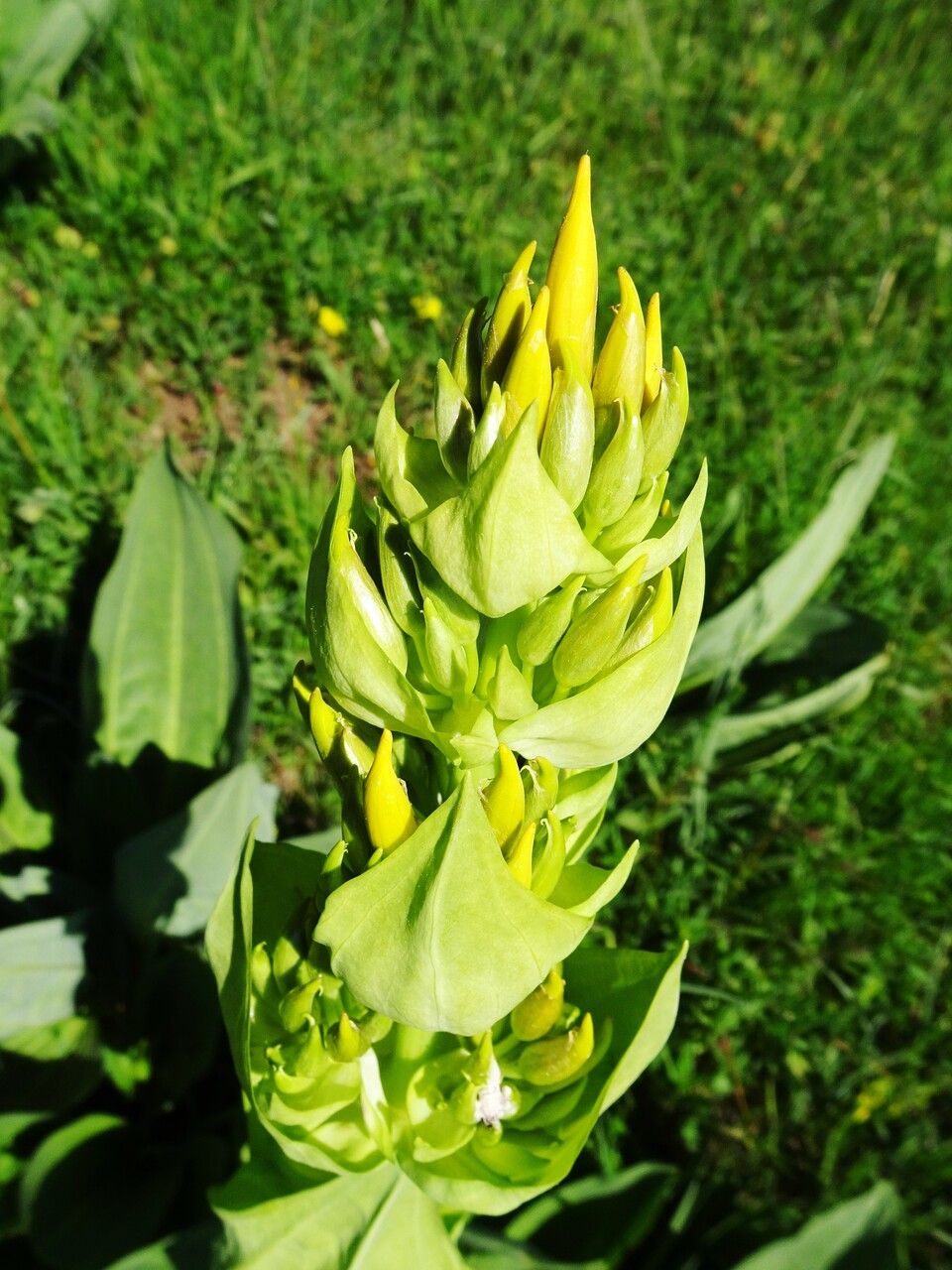
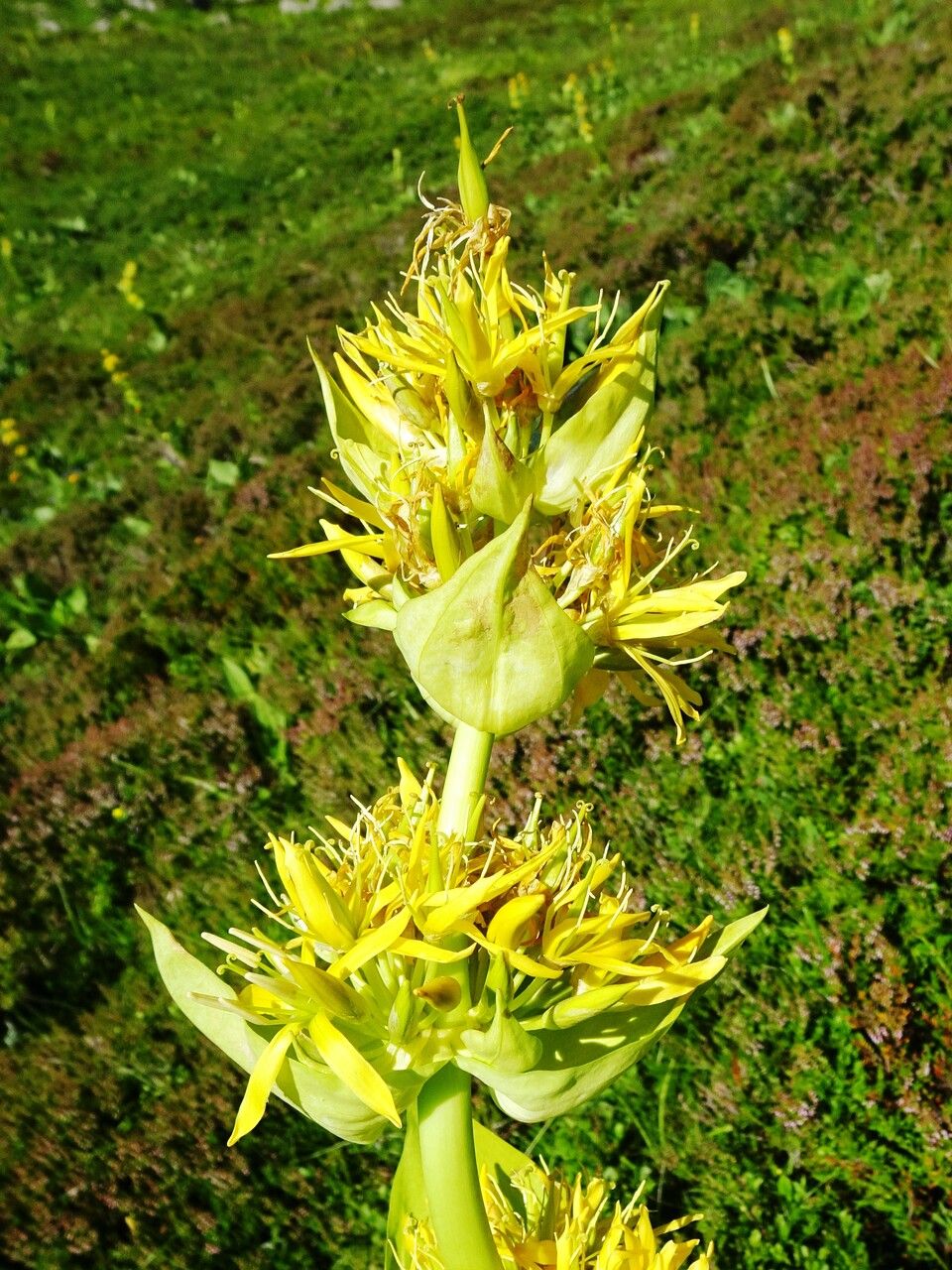
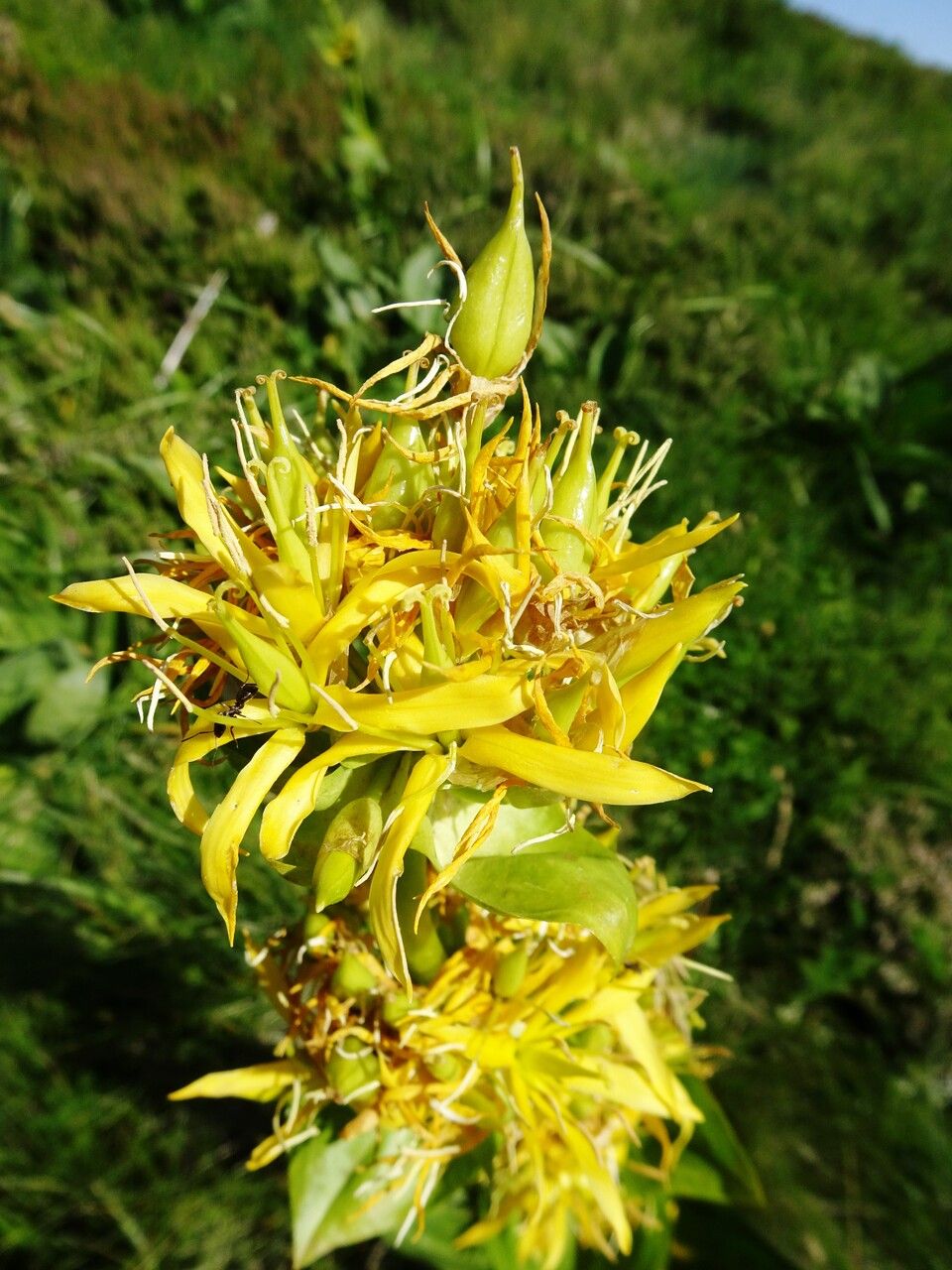
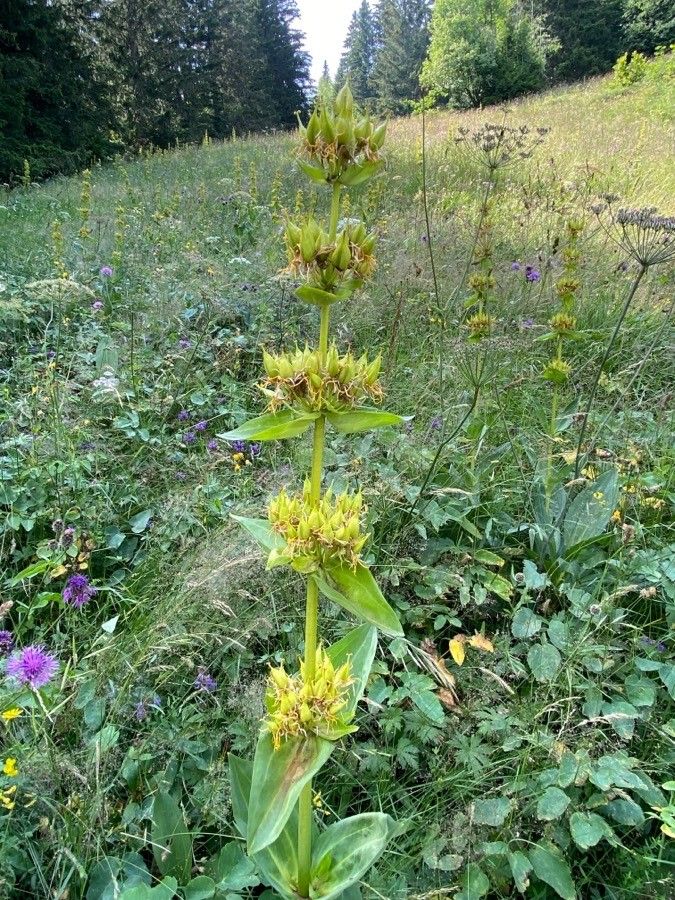
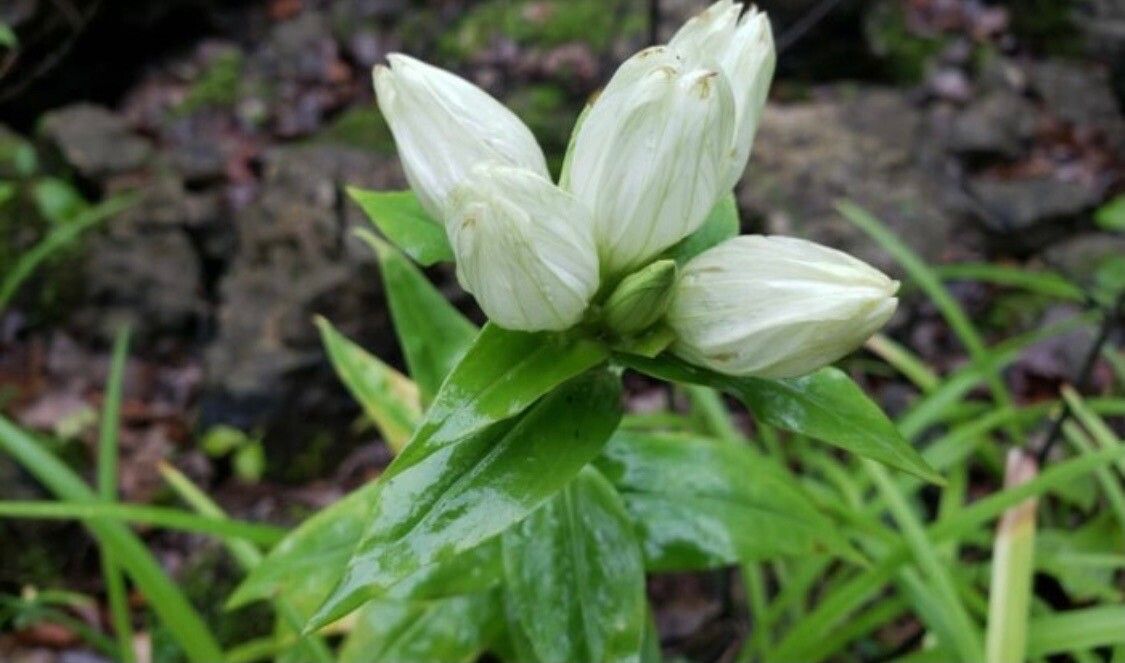
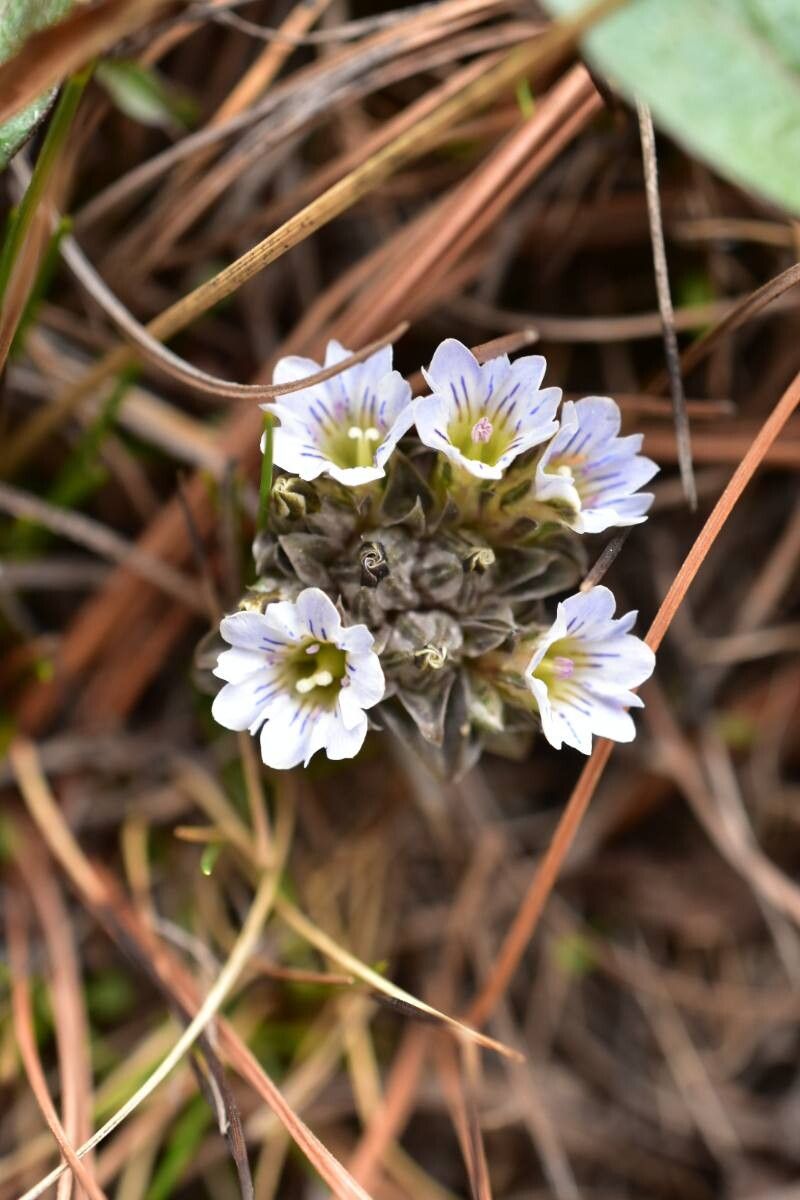
Gentiana lutea, commonly known as yellow gentian or bitterwort, is a perennial herbaceous plant that belongs to the Gentianaceae family. It is native to the mountainous regions of Europe and can be found growing in alpine meadows and on rocky slopes. The plant can reach up to 1 meter in height and features large, bright yellow flowers that bloom from July to September.
The roots of Gentiana lutea have been used for centuries in traditional medicine as a digestive aid due to their bitter taste. They are also used in the production of various alcoholic beverages such as bitters and vermouths.
Moreover, Gentiana lutea has been studied for its potential medicinal properties, including anti-inflammatory effects, antioxidant activity, and anti-cancer properties. It contains various bioactive compounds, such as xanthones, secoiridoids, and flavonoids, which are responsible for its therapeutic effects.
In summary, Gentiana lutea is an important medicinal plant with potential health benefits that have been recognized by traditional medicine practices throughout history.
Yellow gentian is fairly disease-resistant and usually not prone to illness. Nonetheless, it can be affected by pests and diseases present in its environment, and such problems are typically not severe. Regarding care, the plant needs moderate maintenance. Regular pruning is required to keep a good appearance and support healthy growth. Fertilizing can also help encourage flowering. Yellow gentian is suitable for people with outdoor space, like a garden or patio, and does not require much gardening experience. It may need more attention if grown indoors.
How to keep Gentiana Lutea.
Light
Yellow gentian does very well in strong, unfiltered sunlight, though it can also tolerate only moderately lit conditions. Its typical habitat is often in places that receive plentiful sunshine. Excessive shade inhibits growth, while too much sun can cause the leaves to wilt.
Water
Yellow gentian thrives in alpine environments, where it prefers moderate moisture and well-draining soils. To keep the plant healthy, it should be watered weekly, with additional irrigation during the growing season to encourage lush flowering. It is important to maintain a balance in hydration to prevent waterlogging.
Humidity
This plant will thrive in moderate humidity, which is probably the level in your home. However, misting it a few times a week can be very beneficial. Make sure the room has good ventilation.
Temperature
It is hardy to UK zone 5 and is not susceptible to frost.
Fertilizer
Early spring, when the Yellow gentian is coming out of dormancy and starting active growth, is the best time to apply fertilizer. Fertilization supplies essential nutrients for healthy development. Although Yellow gentian requires relatively little fertilization, an annual application can improve its survival and encourage better, longer-lasting flowers.
Pruning
Yellow gentian is a plant known for its tall stems and bright yellow flowers, which thrives with the right pruning practices. The best time to prune is from early to late spring, with an emphasis on removing damaged stems to enhance airflow. Regular, light pruning encourages growth and vibrant blooms while also reducing the risk of disease. For detailed pruning techniques, refer to horticultural guides.
Toxicity
Gentiana lutea has no toxic effects reported.
Further reading →
The toxicity and danger assessments provided are for reference only. We do not assure their accuracy, so it's crucial not to depend on them. Seek professional advice when necessary for accurate guidance.
Botanical profile.
- Plant Type
- Herb
- Life Cycle
- Perennial
- Genus
- Gentiana
- Family
- Gentianaceae
- Hardiness Zone
- 4-8
- Mature Height
- 61 cm to 91 cm
- Mature Spread
- 40 cm
- Leaf Color
- Green
- Leaf Type
- Deciduous
- Flower Color
- Yellow
- Flower Size
- 2.54 cm to 5.08 cm
- Bloom Time
- Early summer, Mid summer
- Planting Time
- Spring, Summer, Autumn
- Harvest Time
- Late summer, Early fall
Other names.
Reader questions.
How should I water my Yellow gentian plant in the best way?
To properly water the Yellow gentian, it is recommended to use filtered water at room temperature. Tap water should be avoided as it may contain harmful particles. The plant is accustomed to a warm environment, so it's best to use water that is not too cold to avoid shocking the plant. Instead of watering from above, it is better to apply filtered room temperature water directly to the soil until it is fully soaked. This method helps to moisturize the roots and allows them to spread and gather necessary nutrients.
Why should I put fertilizer on my Yellow gentian plant?
Fertilization plays a crucial role in the growth of Yellow gentian and other plants. It provides essential nutrients that aid in both above and below ground development. While Yellow gentians generally have low fertilization requirements and can survive without it, annual fertilization can greatly benefit the plant. It helps maintain the plant's health and can even enhance flower longevity. Those invested in optimizing the appearance of their Yellow gentian should prioritize annual fertilization.
What are the sunlight requirements for Yellow Gentian?
Yellow Gentian (Gentiana lutea) requires full sun to thrive, meaning it should receive above 6 hours of sunlight daily. It can also tolerate partial sun, which is about 3-6 hours of sunlight. Notably, it's important to observe how sunlight moves through your garden to find spots that offer a good balance of light and shade, ensuring the most suitable conditions for your plants.
What should I do if I give my Yellow gentian too much or too little water?
Both overwatering and underwatering can harm the health of your Yellow gentian, but overwatering is more common. When this plant gets too much water, its stems and leaves may wilt and turn yellow. Overwatering for a long time can also cause diseases like root rot, mold, and mildew, which can kill your plant. Underwatering is less likely for the Yellow gentian because it can tolerate drought. But if it does happen, you'll notice brittle, brown leaves. It's important to spot signs of overwatering early for your Yellow gentian. Some diseases caused by overwatering, like root rot, may not be fixable if you wait too long. If you see early signs of overwatering, reduce watering right away. Check the soil quality where your Yellow gentian grows. If it doesn't drain well, replace it with a loose, well-draining potting mix. On the other hand, if you see signs of under watering, just water more regularly until the signs go away.
What is the ideal time to fertilize my Yellow gentian plant?
The best time to fertilize a Yellow gentian is in late winter to early spring when it is transitioning from dormancy to active growth. Fertilizing at this time promotes healthy growth and a strong start to the season. Fertilizing in the early spring is generally most beneficial, but it is also acceptable to fertilize in the fall. However, it is not recommended to fertilize in the summer or winter.
Can Yellow Gentian grow in artificial lighting?
Yes, Yellow Gentian can grow under artificial lighting, which is essential for indoor plants that do not receive adequate natural sunlight. LED lights are recommended as they can be customized to provide specific wavelengths needed by plants. Full sun plants require 30-50W/sq ft of light, partial sun plants need 20-30W/sq ft, and full shade plants should have 10-20W/sq ft. The light should be placed 12-36 inches above the plant, and it should be on for about 8-12 hours per day to mimic natural daylight hours.
How frequently do I need to water my Yellow gentian?
If your Yellow gentian plant is in a pot, the most precise way to determine if it needs water is to check the moisture of the soil by sticking your finger into it. If the top two to three inches of soil feel dry, then it's time to water it. If you have planted your Yellow gentian outdoors in the ground, you can use a similar method to test the soil. Once the first few inches of soil have dried out, it is a sign that you should water the plant. Typically, during the spring and early fall, watering once a week using this method is sufficient. However, during extremely hot weather, you may need to increase watering to twice or more per week. Despite this, mature and well-established Yellow gentian plants have an impressive ability to withstand drought.
When is the best time to not fertilize my Yellow gentian?
To ensure proper fertilization of your Yellow gentian, it's best to only feed it during late winter and early spring. This plant has low fertilization needs, so a single annual feeding is enough. Overfertilization and its complications can occur if you continue to fertilize in spring, summer, and fall, unless you missed fertilizing in spring, then it's acceptable to feed it in fall. Additionally, there is no need to fertilize during the winter when the plant is in a dormant growth phase and not producing new growth.
What are the symptoms of inadequate lighting for Yellow Gentian?
Symptoms of inadequate lighting in Yellow Gentian include smaller new leaves, leggy or sparse growth, faster leaf drop, slower or no new growth, and lighter-colored new leaves. Additionally, extreme sunlight can cause chlorosis, sunscald, leaf curling, wilting, and leaf scorching, indicating either too much or too little light exposure.
How much water should I give my Yellow gentian?
To water your Yellow gentian effectively, don't hold back on the amount of water you give. Wait until the top two to three inches of soil are dry, and then give it a thorough watering. Make sure the water completely saturates the soil, enough so that excess water flows out through the drainage holes in the pot. If you don't see any excess water draining, it means you haven't given enough water. However, be cautious not to let water build up inside the soil, as it can harm the plant. On the other hand, if water isn't draining through the pot, it could mean the soil doesn't drain well, and that's not good for the plant's health. If the plant is outside, about 1 inch of rain per week is sufficient.
What kind of plant food does my Yellow gentian need?
To improve the growth of Yellow gentian, using a balanced general-purpose fertilizer is recommended. However, some nutrient combinations can be even more advantageous. For example, a fertilizer with higher levels of phosphorus is believed to enhance root strength and flower quality. Whether it's in granular or liquid form, as long as the fertilizer contains ample nutrients, it can be used. Additionally, organic methods like compost and manure can also be effective in cultivating a healthy growing environment for Yellow gentian.
What are some solutions for Yellow Gentian experiencing light-related issues?
For indoor plants, gradually move them to locations with at least 6 hours of direct sunlight, or keep a desk or ceiling lamp on for at least 8 hours daily. For outdoor plants, move them to increasingly sunnier spots each week, avoiding sudden changes in sunlight exposure. Additionally, if sunlight is obstructed, consider pruning branches or moving smaller plants to areas with more sunlight and good drainage.