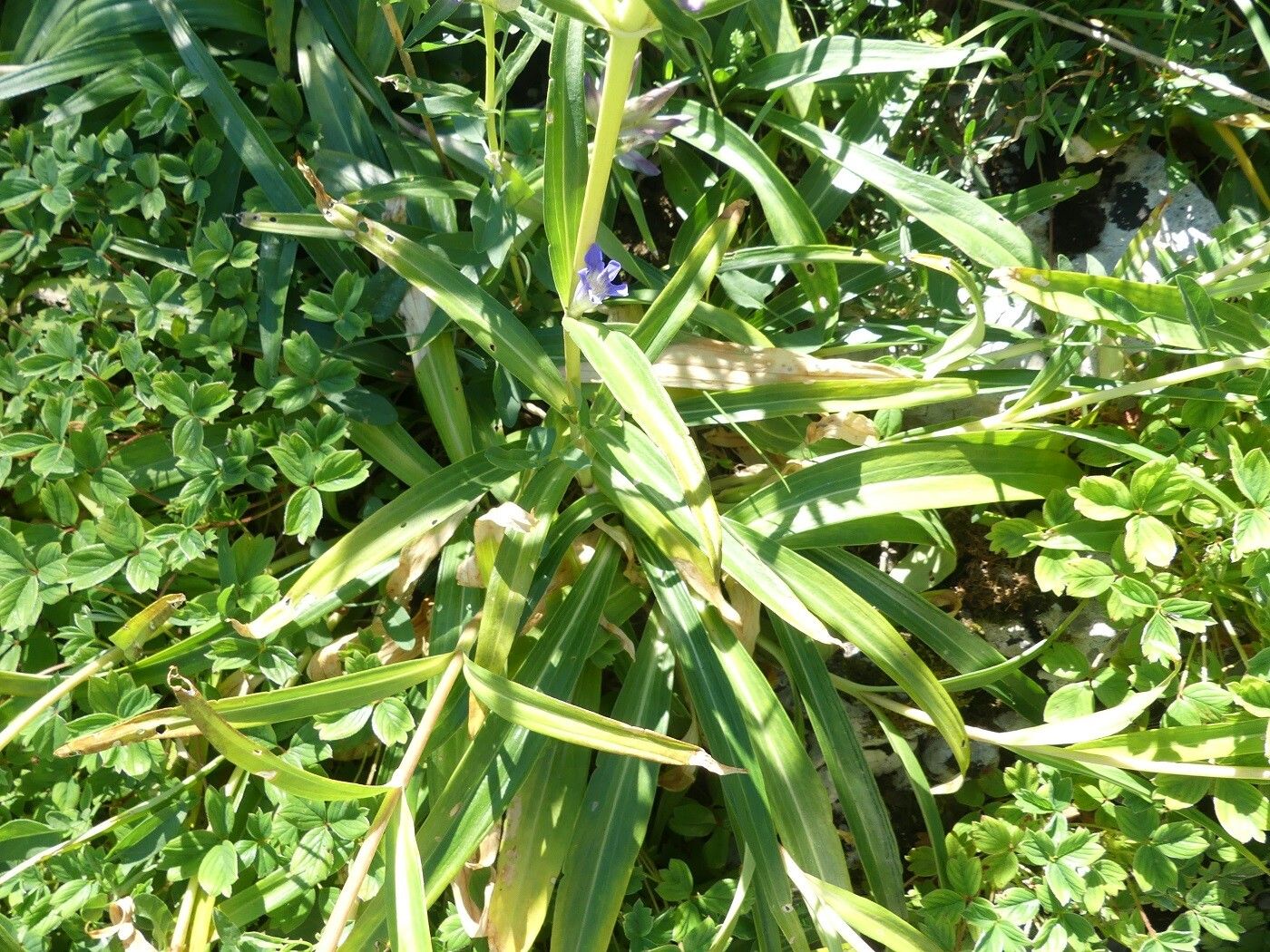
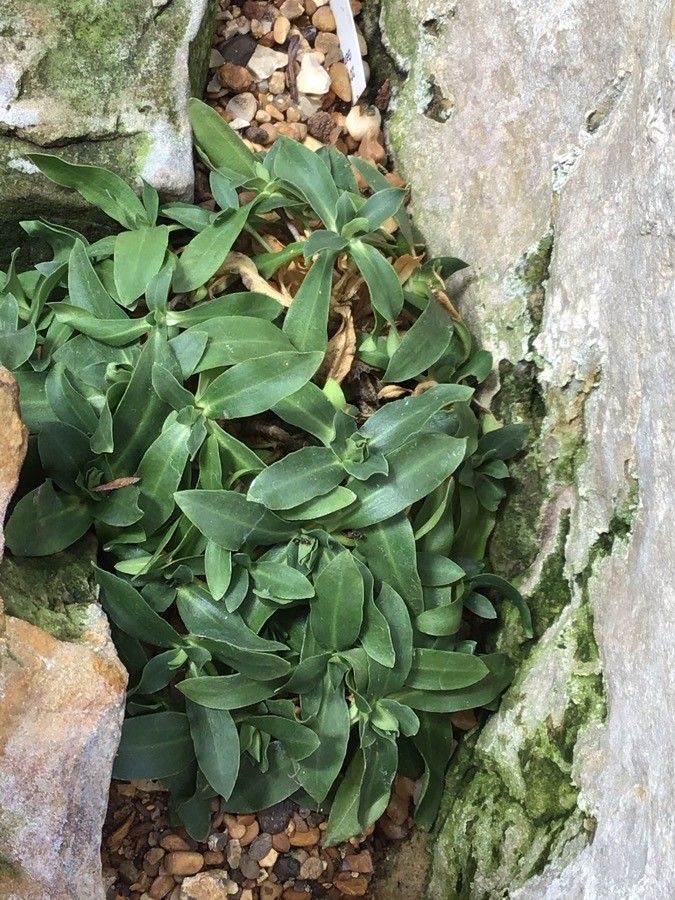
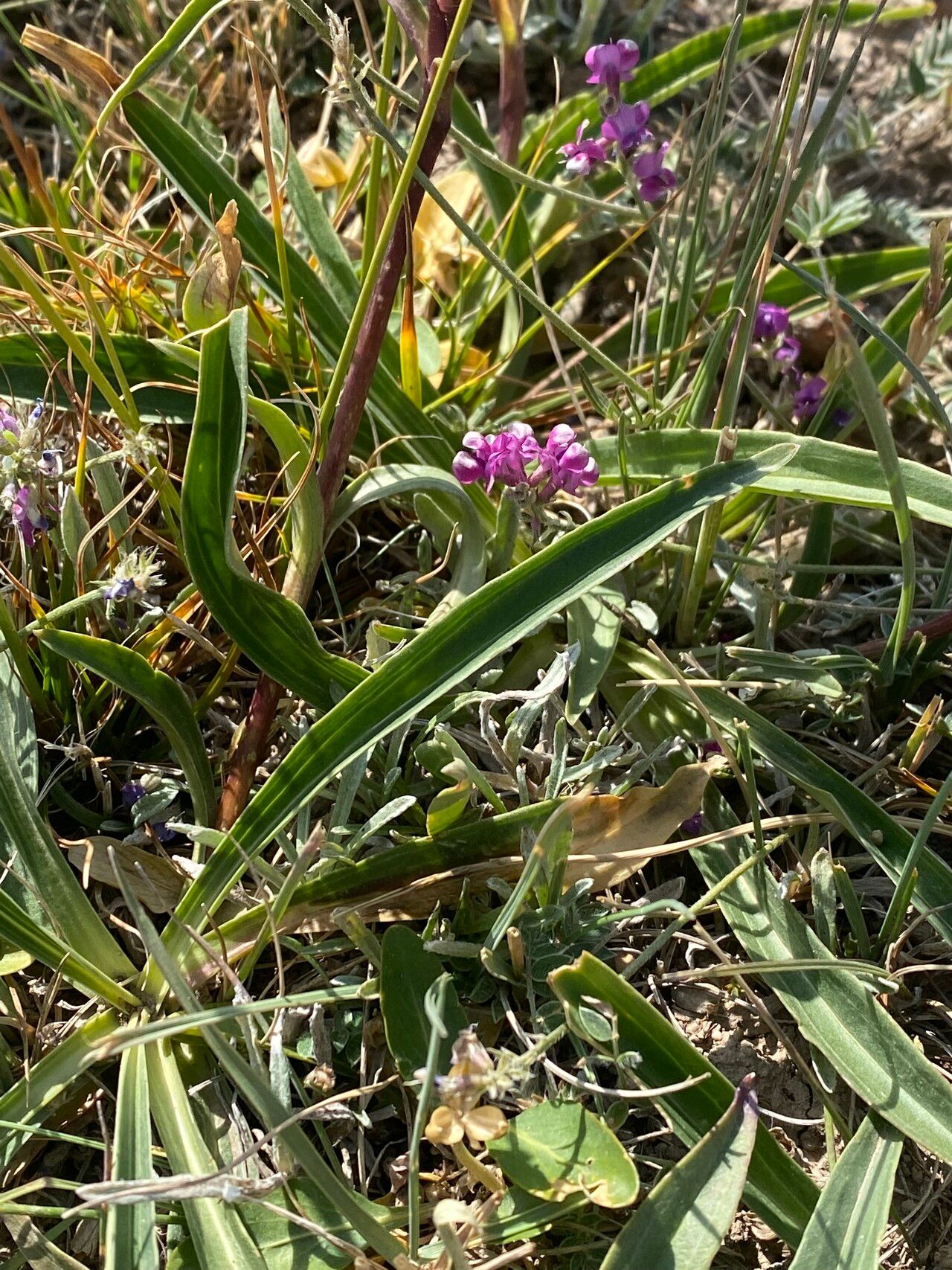
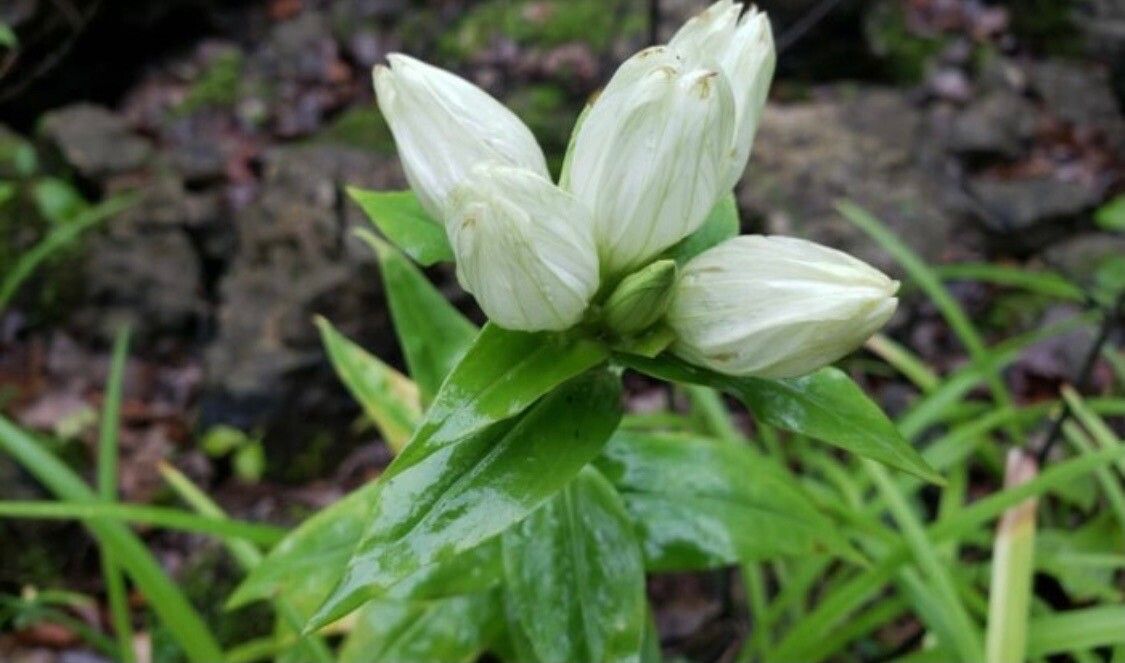
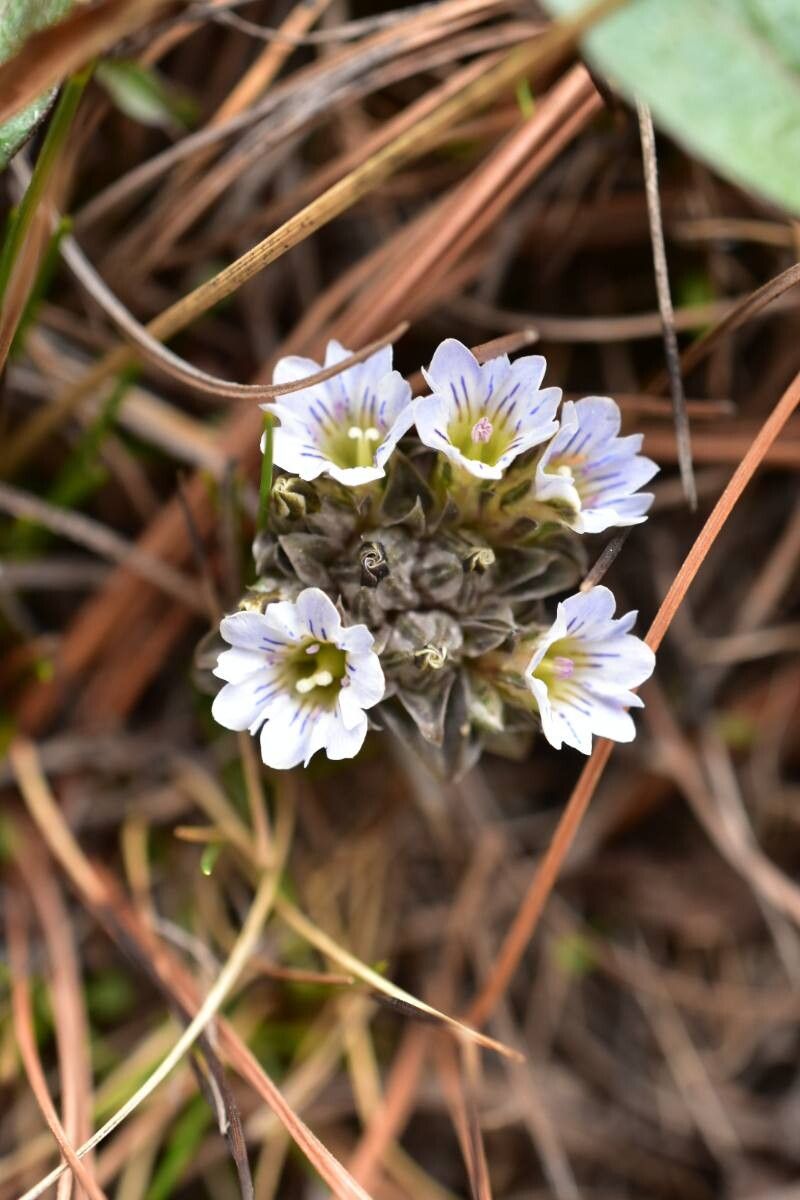
Dahurian gentian shows strong resistance to diseases and is typically not susceptible to illnesses. Still, it can be vulnerable to pests and diseases present in its environment. Such infections are generally mild. For care, this plant requires moderate maintenance. It should be pruned regularly to keep a neat appearance and promote healthy growth. Fertilizing can also help increase flowering. Dahurian gentian is suitable for anyone with outdoor space, such as a garden or patio, and does not demand extensive plant-care experience. It may need more attention when cultivated indoors.
How to keep Gentiana Dahurica.
Light
Dahurian gentian is a sun-loving, perennial herbaceous plant native to open habitats and often thrives in meadows and grasslands. It prefers full sun but can also tolerate partial sun conditions.
Fertilizer
The best time to fertilize Dahurian gentian is in early spring when the flowers are developing. Using the proper fertilizer promotes stronger blooms and helps the Dahurian gentian produce attractive flowers. Fertilizing in early spring ensures excellent flowering during the season and supplies energy for dormant growth phases.
Pruning
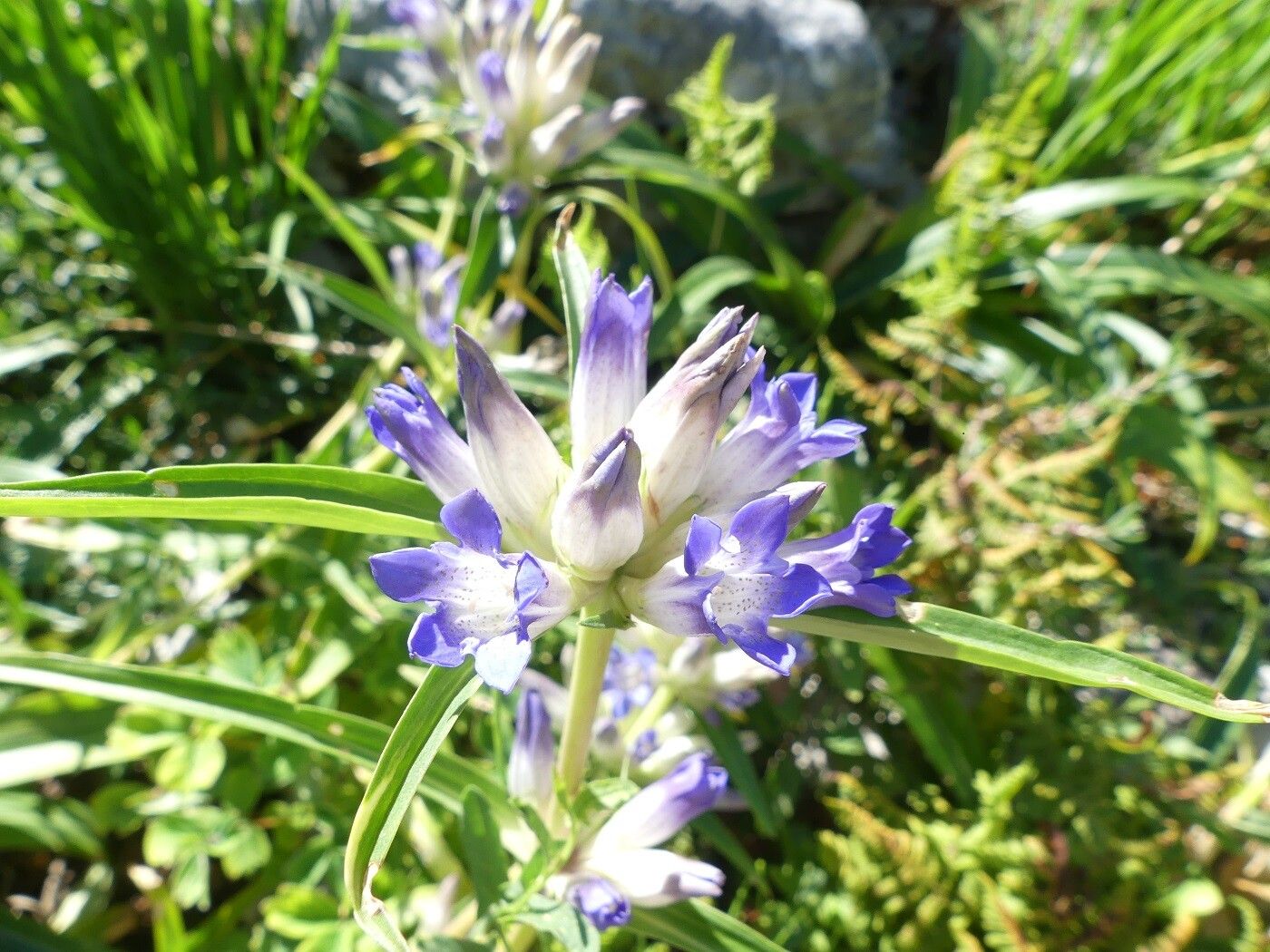
Dahurian gentian, known for its vibrant trumpet-shaped blue flowers, thrives in well-drained soils. To care for this plant, regularly deadhead the blooms and cut back the stems by one-third in spring. This encourages new growth and prevents legginess. Regular pruning is important to improve air circulation and maintain the plant's overall health. Always use clean, sharp tools for pruning tasks.
Botanical profile.
- Plant Type
- Herb
- Life Cycle
- Perennial
- Genus
- Gentiana
- Family
- Gentianaceae
- Hardiness Zone
- 3-8
- Mature Height
- 15 cm to 30 cm
- Mature Spread
- 30 cm to 37 cm
- Leaf Color
- Green, Dark Green
- Leaf Type
- Deciduous
- Flower Color
- Blue
- Flower Size
- 3.05 cm to 5.08 cm
- Bloom Time
- Late summer, Early fall
- Planting Time
- Spring, Autumn
- Harvest Time
- Mid fall, Late fall
- Native Area
- Mongolia, China
Other names.
Reader questions.
What are the sunlight requirements for Dahurian gentian?
Dahurian gentian, a sun-loving perennial herbaceous plant, thrives best in full sun conditions which imply above 6 hours of sunlight daily, though it can also tolerate partial sun, receiving about 3-6 hours of sunlight. Originating from open habitats such as meadows and grasslands, it's essential for the plant's happiness and health to be planted in spots that offer an optimal balance of light and shade per its natural preferences.
How does artificial lighting support plant growth indoors?
For indoor Dahurian gentian plants or others requiring light, artificial lighting serves as an essential substitute when natural sunlight is insufficient, especially during winter or in less sunny spaces. LED lights are favored for indoor plants as they can be adjusted to provide the precise wavelengths needed by the plant. Full sun plants necessitate 30-50W/sq ft, partial sun plants 20-30W/sq ft, and full shade plants 10-20W/sq ft of artificial light. The light source should be placed 12-36 inches above the plant to simulate natural sunlight effectively, ensuring your plants get 8-12 hours of light per day.
What are the common symptoms of inadequate light in Dahurian gentian?
Dahurian gentian exhibits several symptoms when suffering from inadequate lighting, including the growth of smaller new leaves, leggy or sparse growth due to longer spaces between leaves or stems, faster leaf drop to conserve resources, slower or ceased new growth as the plant enters survival mode, and the development of pale new leaves or irregular color patterns indicating a deficiency in chlorophyll and essential nutrients. These symptoms suggest the plant's need for better light conditions to maintain its health and growth.
What steps can be taken to address light deficiency in indoor and outdoor Dahurian gentian plants?
To combat light deficiency in Dahurian gentian plants, consider gradually moving them to sunnier locations, ensuring they receive at least 6 hours of direct sunlight daily. For indoor plants, using a south-facing window or supplementing with artificial light such as desk or grow lights for at least 8 hours a day can be beneficial. For outdoor plants, it's crucial to make light intensity changes gradual to prevent sunburn. Additionally, minimizing obstructions like trimming obstructive tree branches or transplanting to areas with more sunlight and good drainage can significantly improve light access. It's important to note that while parts of the plant already affected might not recover, new growth will be healthy with improved light exposure.