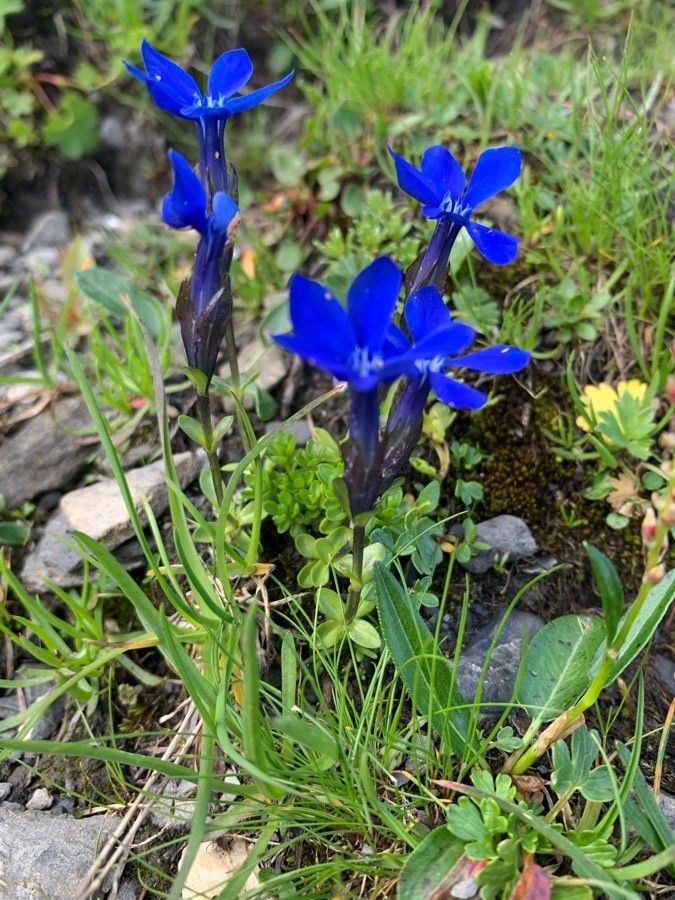
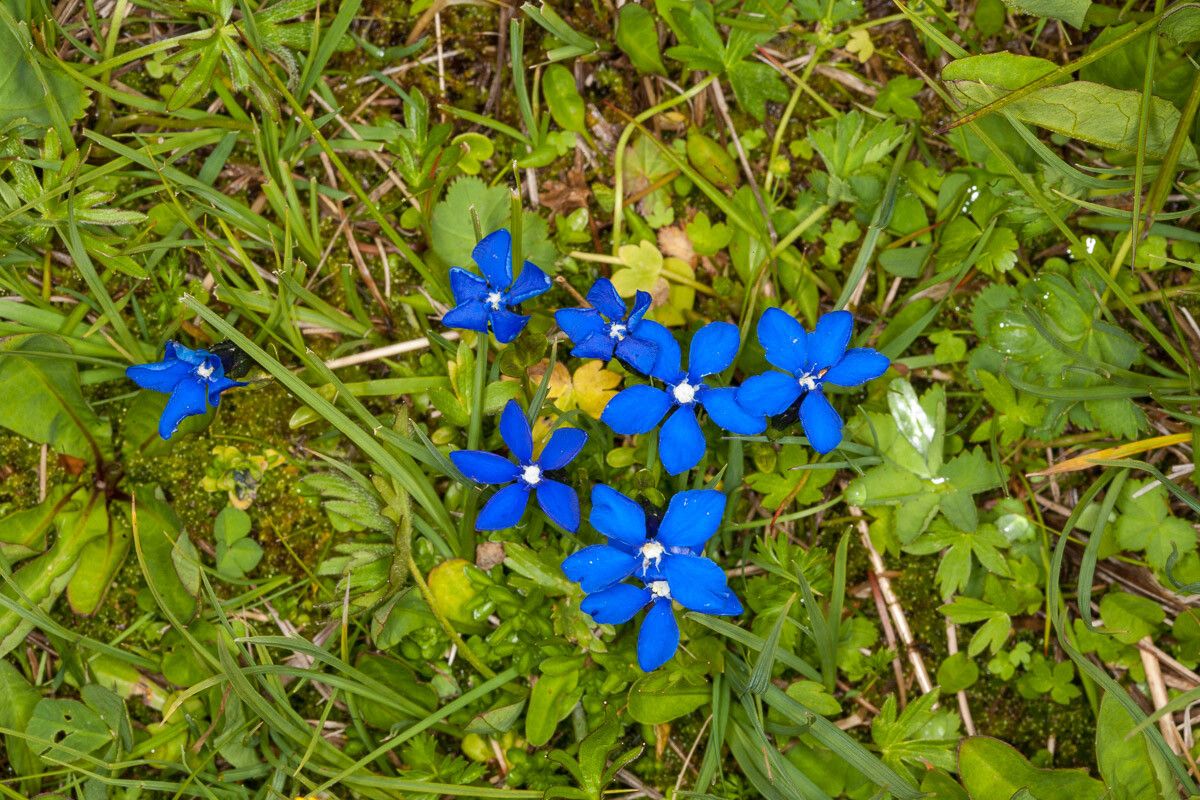
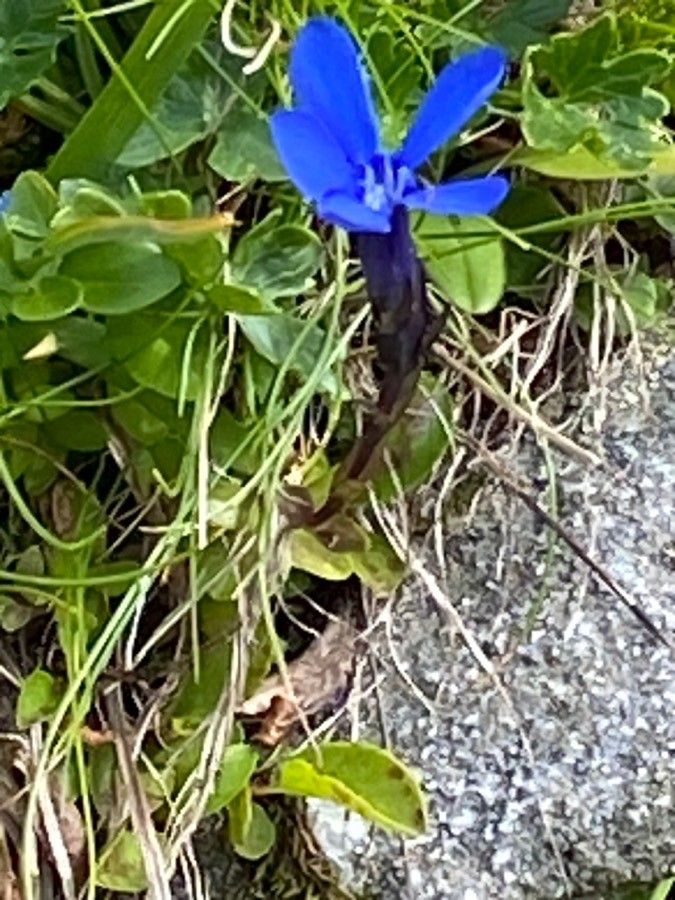
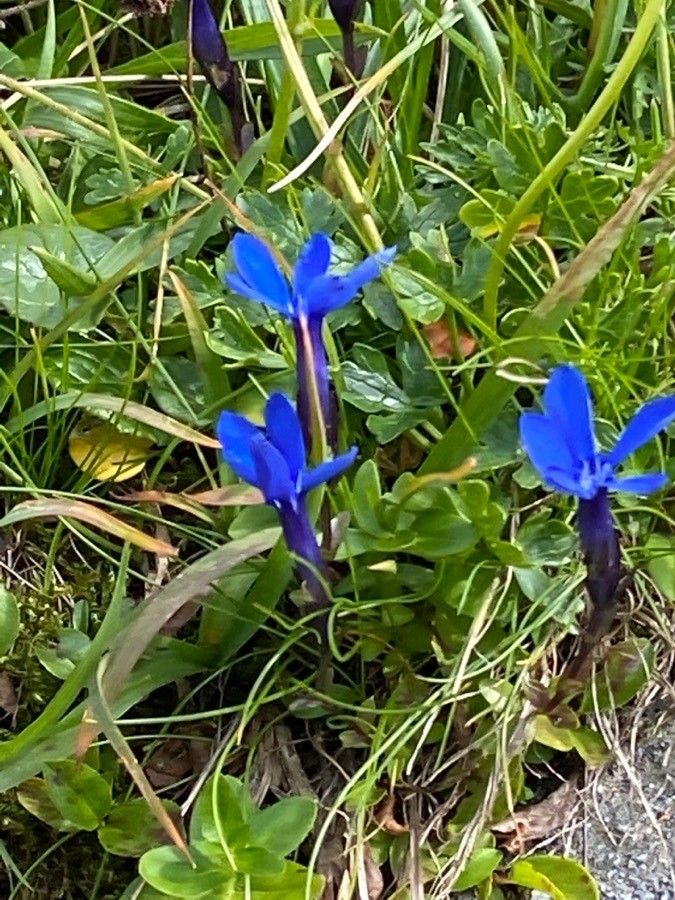
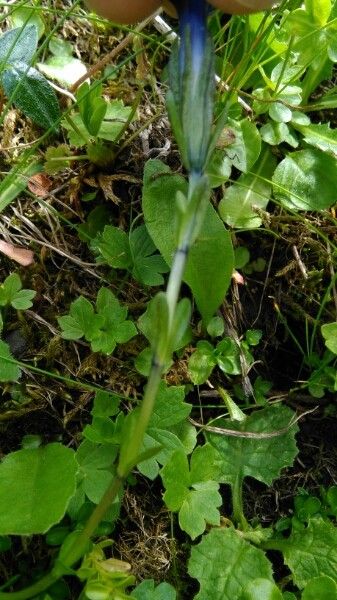
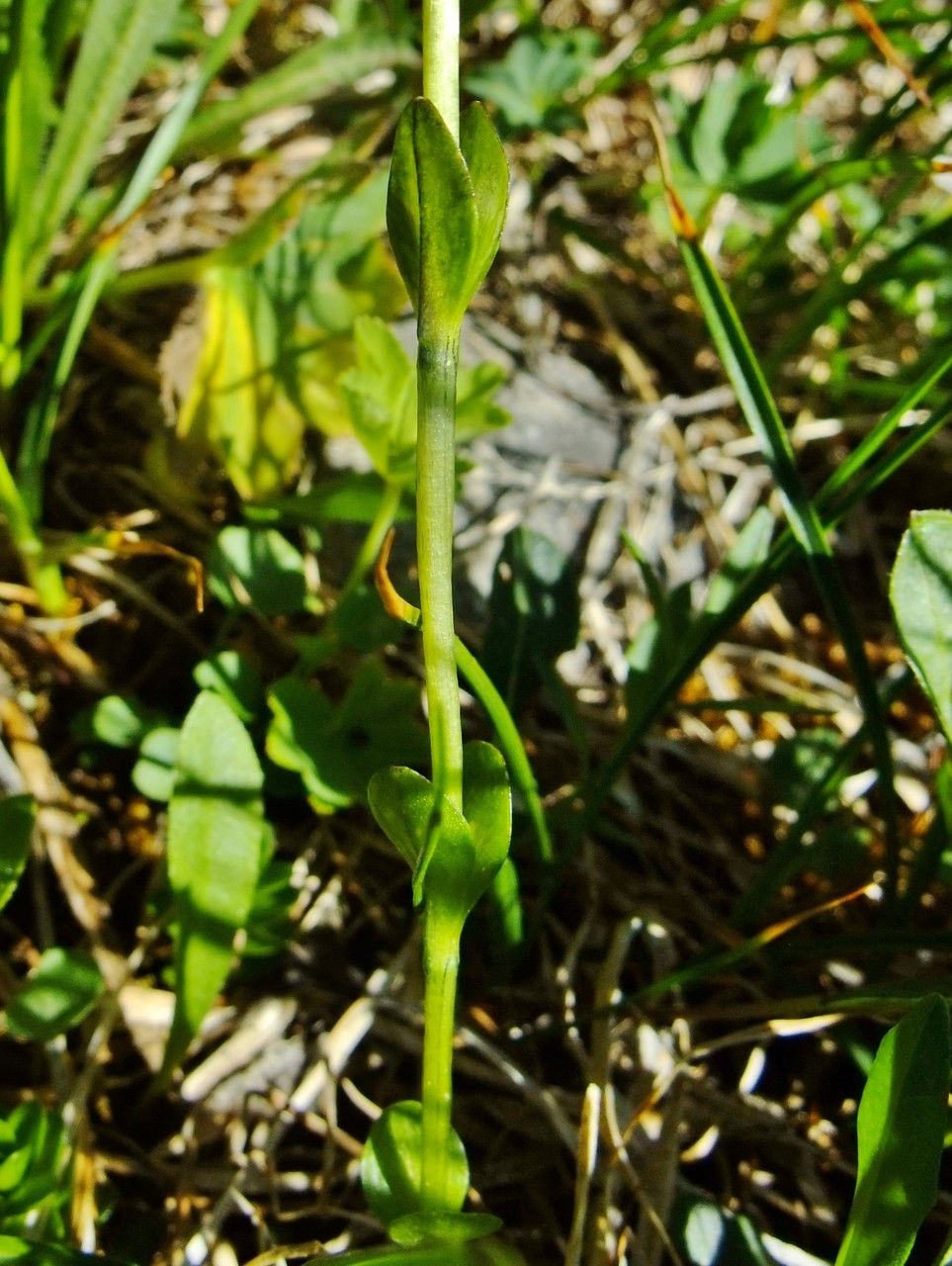
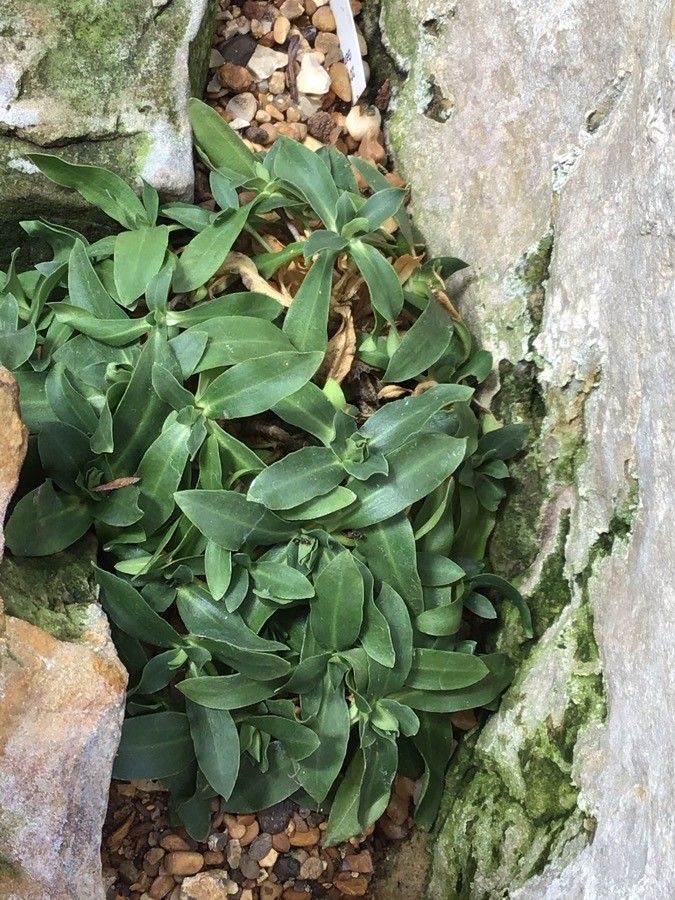
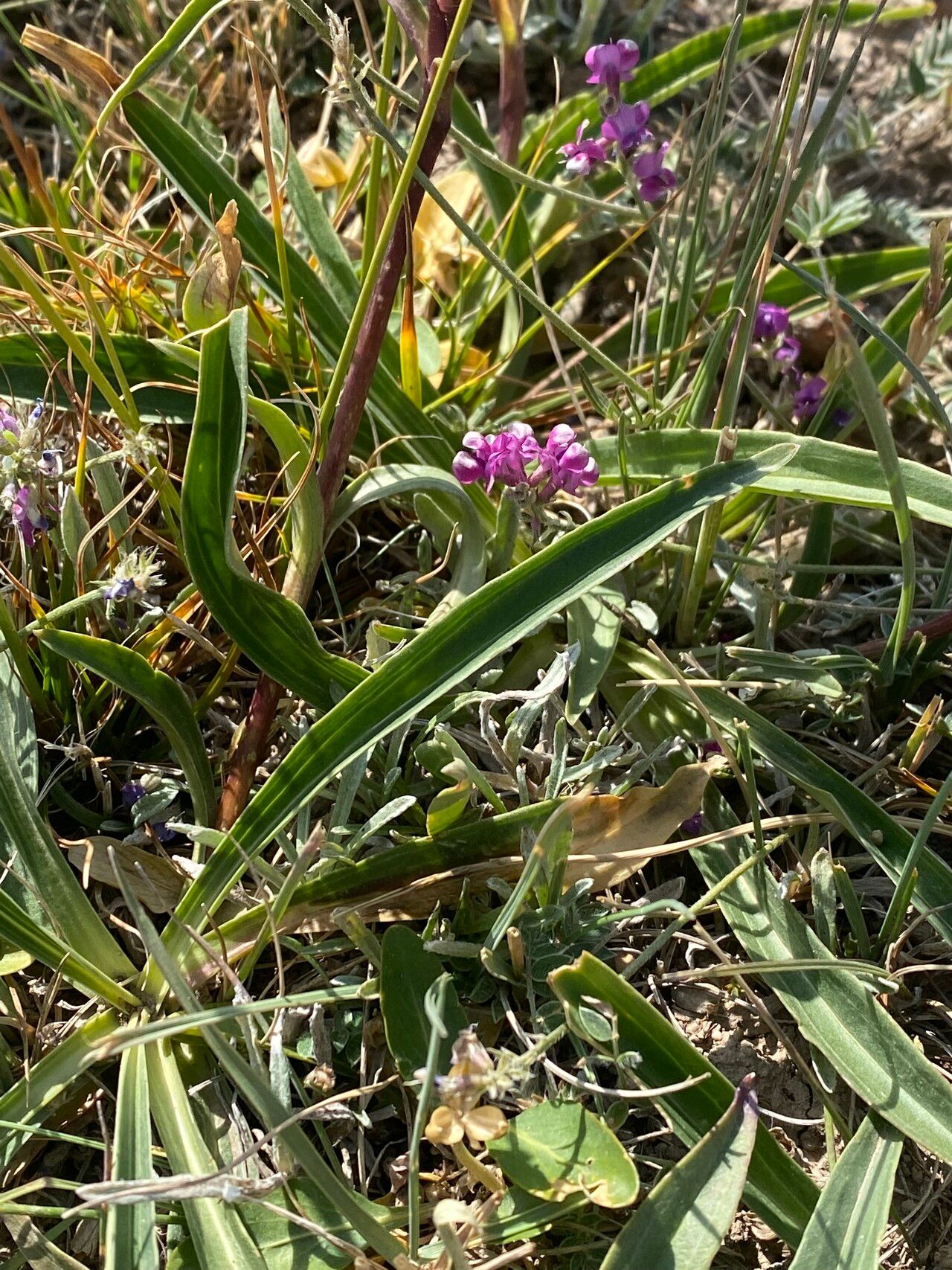
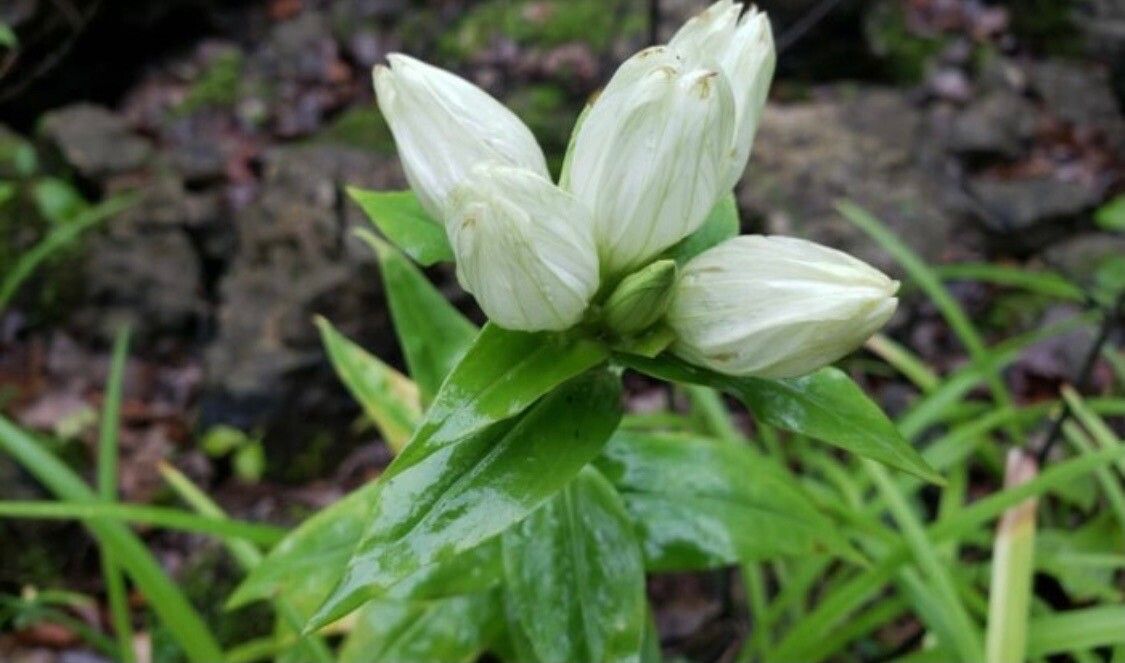
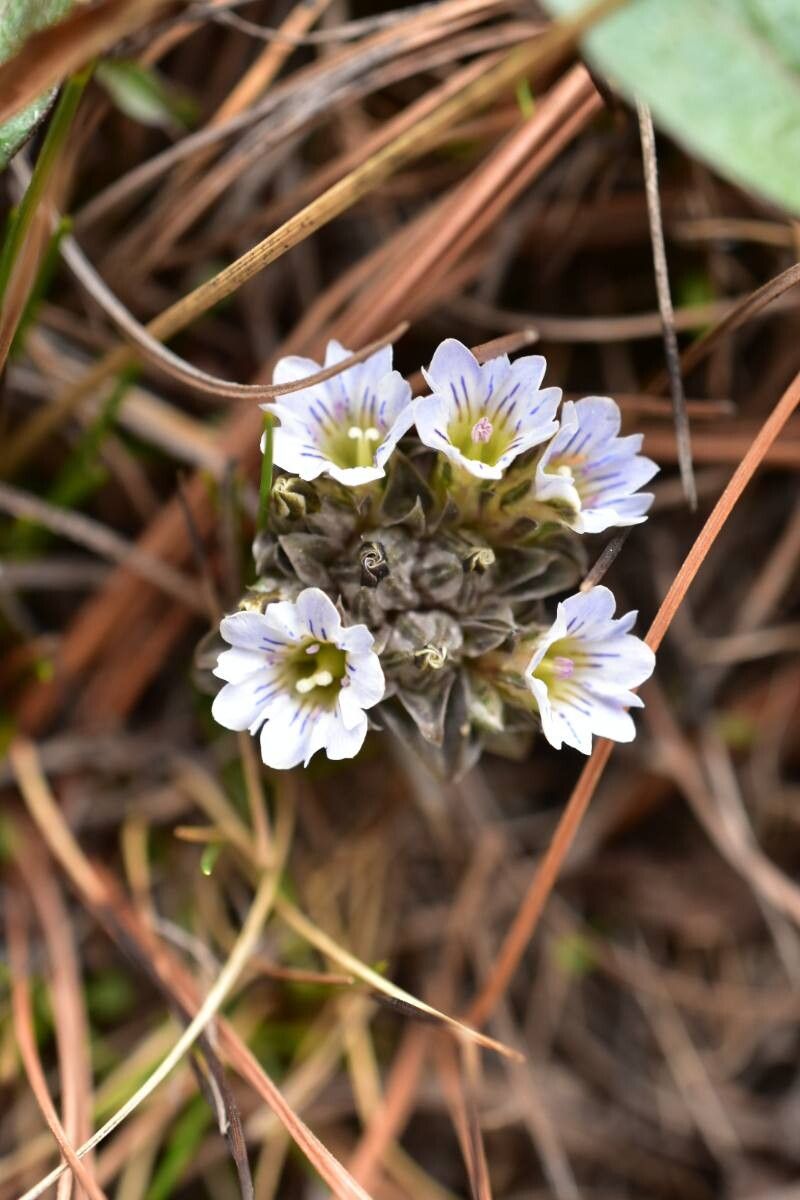
Gentiana bavarica, the Bavarian gentian, is a herbaceous perennial species of flowering plant in the Gentian family Gentianaceae.
Bavarian gentian is fairly disease-resistant and generally not prone to illnesses. However, it can be vulnerable to pests and diseases present in its environment. These infections are usually mild. For care, the plant requires a moderate level of maintenance. It should be pruned regularly to maintain a neat appearance and healthy growth. Fertilizing can also help encourage flowering. Bavarian gentian is suitable for anyone with an outdoor area, such as a garden or patio, and does not demand extensive care experience. It may need more attention when cultivated indoors.
How to keep Gentiana Bavarica.
Light
The bavarian gentian grows best when it gets a generous amount of sunlight each day; any less can interfere with its development. Coming from habitats with abundant light, it does better in those conditions. Reduced light can cause stunted growth and less vibrant blooms, while too much light does not harm it.
Water
Bavarian gentian, a plant native to alpine environments, thrives when given regular moisture but can also tolerate some drought. To replicate its natural wet-dry cycle, water the plant weekly, ensuring that you use well-drained soil. Successful cultivation depends on maintaining a balance between hydration and drainage, making soil type and environmental humidity crucial factors.
Humidity
This plant will thrive in moderate humidity, which is probably the level in your home. However, misting it a few times a week can be very beneficial. Make sure the room has good ventilation.
Temperature
Bavarian gentian thrives in climates with temperatures from 41 to 89.6 °F (5 to 32 ℃). Its native growing conditions favor somewhat cooler surroundings. Seasonal changes should be managed carefully, particularly in the warmer months.
Fertilizer
For Bavarian gentian, the main time to fertilize is in early spring when flowers are forming. The proper fertilizer promotes better blooms and helps Bavarian gentian produce attractive flowers. Fertilizing in early spring ensures excellent flowers during the season and supplies energy for its dormant growth phases.
Pruning
The Bavarian gentian is known for its vibrant blue flowers and thrives in alpine regions. To maintain its health and appearance, you should perform light pruning in early spring to remove any dead stems. Shaping the plant in late spring encourages new growth and promotes blooming. It's important to use clean tools to prevent disease. Also, avoid excessive pruning, as it can stress the plant. This careful approach will enhance the aesthetics and longevity of your Bavarian gentian.
Pot & Repot
Repot your Bavarian gentian every 2-3 years in the spring to promote healthy growth. Choose well-draining alpine or terracotta pots for the best results. After repotting, maintain consistent moisture without allowing the soil to become waterlogged. Also, make sure the plant receives plenty of sunlight to ensure healthy growth and vibrant blooms.
Botanical profile.
- Plant Type
- Herb
- Life Cycle
- Perennial
- Genus
- Gentiana
- Family
- Gentianaceae
- Hardiness Zone
- 4-7
- Mature Height
- 15 cm
- Mature Spread
- 15 cm
- Leaf Color
- Green, Yellow
- Leaf Type
- Evergreen, Deciduous
- Flower Color
- Blue
- Flower Size
- 2.03 cm to 3.05 cm
- Bloom Time
- Early summer, Mid summer
- Planting Time
- Spring, Summer, Autumn
- Harvest Time
- Late summer, Early fall
- Native Area
- Germany, Austria, Italy, Switzerland, France
Other names.
Reader questions.
How should I water my Bavarian gentian plant to keep it healthy?
To properly care for the Bavarian gentian, it is recommended to use filtered water at room temperature. This is because tap water may have harmful particles. Additionally, the water should be slightly warm to mimic the plant's natural warm environment and prevent shocking its system. It is best to avoid overhead watering to prevent foliage complications. Instead, water the soil directly with filtered room temperature water until it is thoroughly soaked. This will benefit the plant by keeping the roots moist and aiding in nutrient absorption.
What are the sunlight requirements for Bavarian gentian?
Bavarian gentian thrives in conditions where it receives full sun, meaning above 6 hours of sunlight daily. It's essential to observe how sunlight moves through your garden to ensure that you pick spots offering the right balance of light and shade, optimizing the plant's growth and health. These plants originate from habitats that boast ample light exposure, allowing them to flourish. Insufficient sunlight may lead to stunted growth and less vibrant blooms, but interestingly, overexposure does not seem to harm them.
What is the ideal climate for Bavarian gentian?
Bavarian gentian, or Gentiana bavarica, thrives best in climates with temperatures ranging from 41 to 89.6 °F (5 to 32 °C). It favors somewhat cool environments, indicative of its native growth conditions. This plant is highly cold-tolerant and doesn't need extra frost protection measures during winter. To prepare it for colder months, it's advised to water the plant generously before the first freeze in autumn to keep the soil moist. This is crucial for preventing drought and ensuring the plant has access to water during winter and early spring.
What should I do if I give too much or too little water to my Bavarian gentian?
Overwatering is a more common issue than underwatering for your Bavarian gentian. When the plant gets too much water, its stems and leaves may wilt and turn yellow. Prolonged overwatering can also cause diseases like root rot, mold, and mildew, which can be fatal. On the other hand, underwatering is less likely because this plant can tolerate drought. However, it is still possible, and when it happens, the leaves may turn brittle and brown. It's important to recognize the signs of overwatering early, as some diseases may not be reversible if you wait too long. If you notice signs of overwatering, reduce your watering immediately. Check the soil and replace it if it drains poorly. If your Bavarian gentian appears to be getting too little water, simply water it more regularly until the signs improve.
How can artificial lighting be used for Bavarian gentian?
Indoor Bavarian gentians require adequate lighting, especially when natural sunlight falls short, like in winter or less sunny spaces. Artificial lights, particularly LED, can be a vital solution by providing the specific light wavelengths needed. For optimal growth, it's recommended to supply 30-50W/sq ft of artificial light for full sun plants, 20-30W/sq ft for partial sun, and 10-20W/sq ft for full shade plants. The light source should be placed 12-36 inches above the plant, mimicking natural sunlight conditions, and kept on for 8-12 hours per day to simulate the length of natural daylight hours.
How does Bavarian gentian react to low temperatures?
Bavarian gentian is exceptionally cold-tolerant, capable of withstanding winter temperatures above -30°C (-22°F) without needing special care. Below this threshold, though, it may not show immediate distress during winter, but you might notice a decrease in sprouting or even a failure to sprout in spring. If this happens, you should remove any parts of the plant that have not sprouted as a way to help it recover from the cold stress.
How frequently should I water my Bavarian gentian?
If your Bavarian gentian is planted in a pot, you can easily determine when to water it by feeling the soil. Simply stick your finger into the soil and if the top two to three inches are dry, it's time to give it some water. For those growing their Bavarian gentian outdoors in the ground, you can also use a similar method to check the soil moisture. When you find that the top few inches of soil have become dry, it's time to water. Typically, during the spring and early fall, you'll need to water this plant about once a week using this method. However, during extremely hot weather, you may need to increase the frequency to twice a week or more. It's important to note that mature and well-established Bavarian gentians have a remarkable ability to withstand drought.
What are the signs of insufficient light exposure in Bavarian gentian?
Signs that your Bavarian gentian isn't getting enough light include smaller new leaves, leggy or sparse growth, faster leaf drop, slower or halted new growth, lighter-colored new leaves, and symptoms of chlorosis, which is the yellowing of leaves. Overexposure can lead to sunscald, leaf curling, wilting, and leaf scorching, indicating damage from too much sunlight. These symptoms show the plant's struggle to adapt to inadequate light conditions and its attempts to conserve resources.
What should I do if the Bavarian gentian experiences high temperatures?
This plant struggles with high temperatures, especially above 32°C (89.6°F), leading to halted growth and increased susceptibility to rot. To protect and care for Bavarian gentian in hotter climates, trim away any parts that have become sunburned or dried up. Moving the plant to a shaded area during the midday and afternoon sunlight or using a shade cloth can help protect it. Ensure the soil remains moist by watering in the morning and evening.
How much water does my Bavarian gentian plant need?
To properly water your Bavarian gentian, don't be afraid to give it a generous amount of water. Make sure the top two to three inches of soil are dry before watering. It's best to thoroughly soak the soil, allowing the excess water to drain through the holes at the bottom of the pot. If you don't see any excess water draining, you may have underwatered the plant. However, be careful not to let water accumulate in the soil, as this can harm the plant. On the other hand, if water doesn't drain well through the pot, it may indicate poorly draining soil, which is harmful to the plant. If the plant is outdoors, one inch of rain per week should be enough.
How can I address insufficient or excessive light exposure for my Bavarian gentian?
For indoor plants, gradually move them to a sunnier spot to ensure they receive at least 6 hours of direct sunlight daily. Using a south-facing window can maximize sunlight exposure. Also, consider artificial lighting options for large plants or if the plant is not easily movable, ensuring at least 8 hours of light daily. For outdoor plants, it's crucial to adapt them gradually to sunnier locations to prevent sunburn, possibly moving them across a few weeks. If obstructions like trees block sunlight, pruning might help, or if the plant is small, consider transplanting it during its dormant period to a spot with better light exposure and good drainage.
How do I water my Bavarian gentian as it grows?
The water requirements of the Bavarian gentian change depending on its growth stages. In the first few years of its life or after being transplanted, it will need more water. During this time, the plant focuses on growing new roots, which require more moisture. However, as the Bavarian gentian matures, it will require less water. The bloom period is another stage when the plant needs more water due to the energy it puts into flower development.