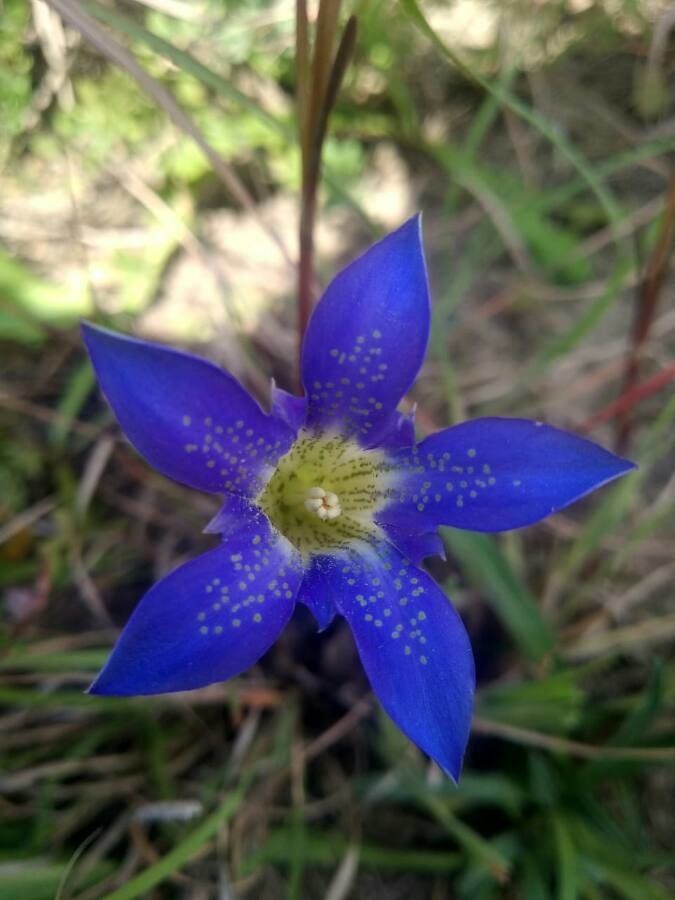
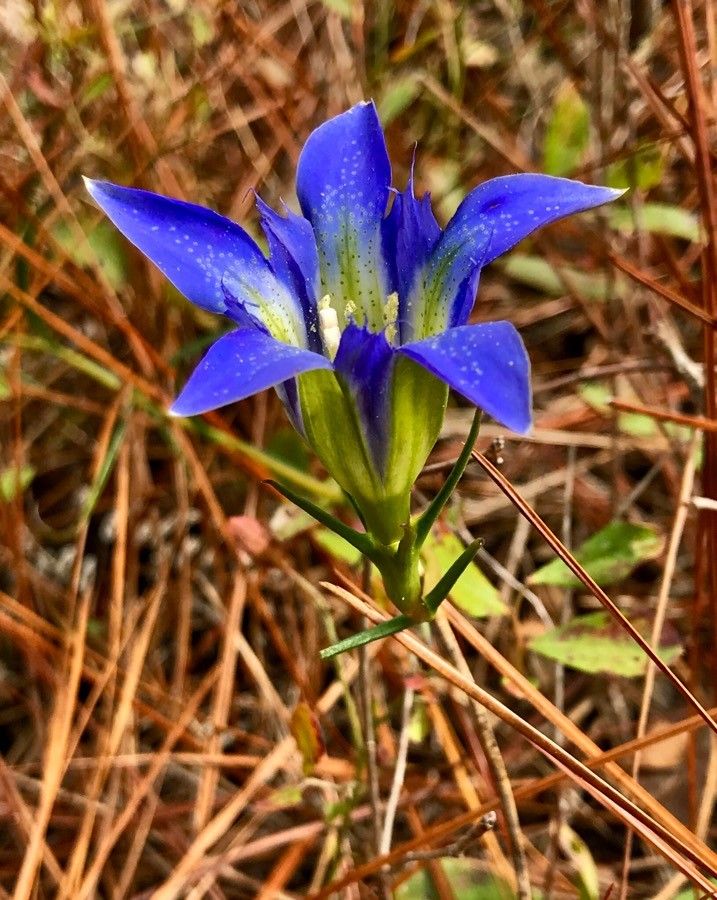
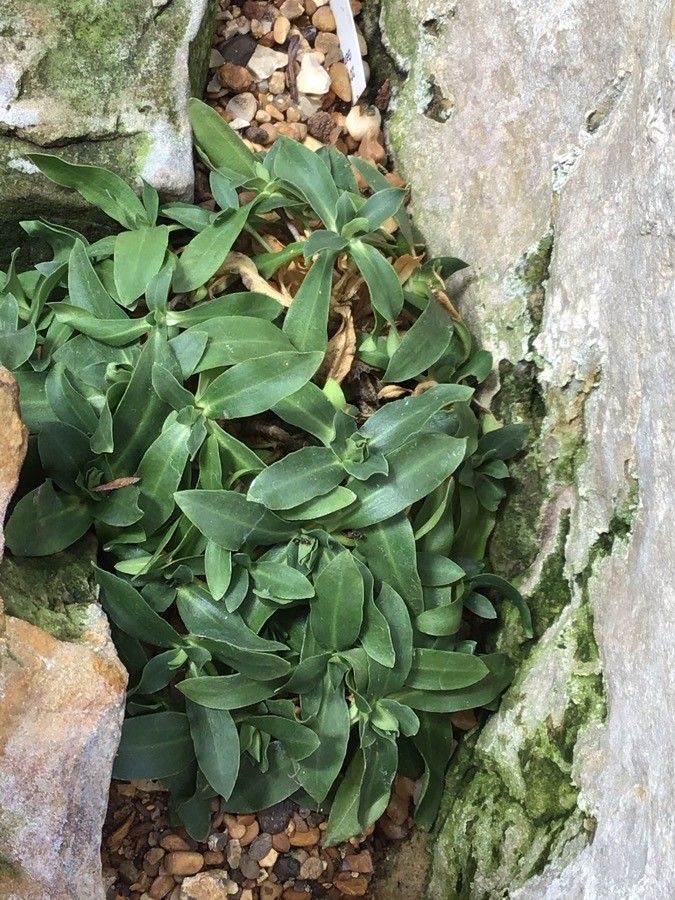
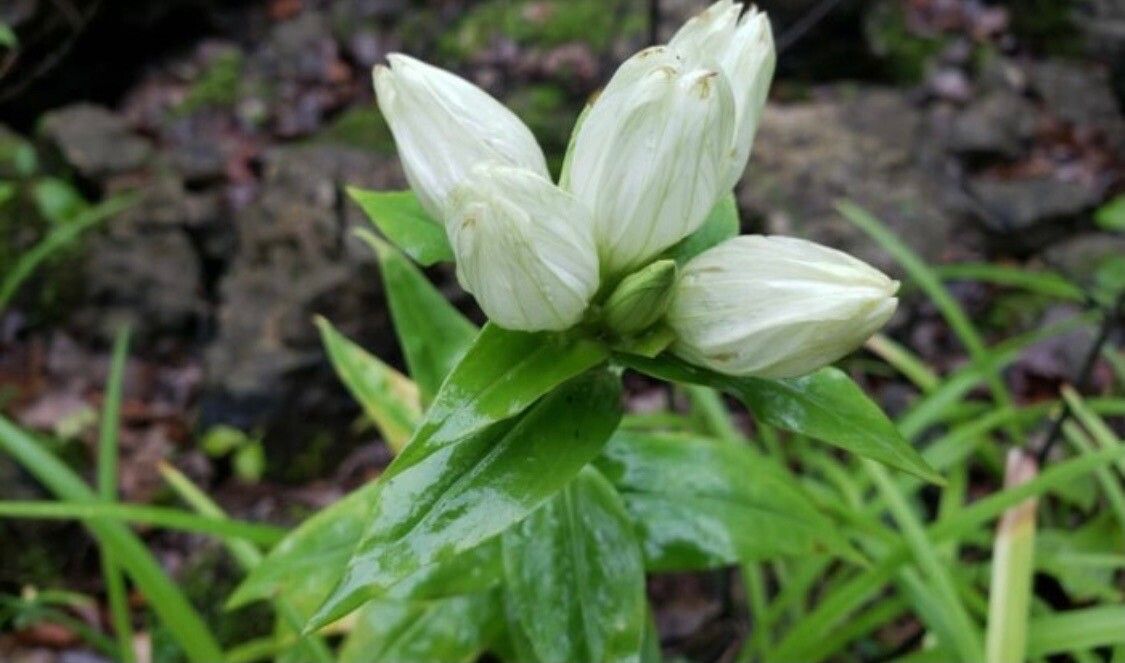
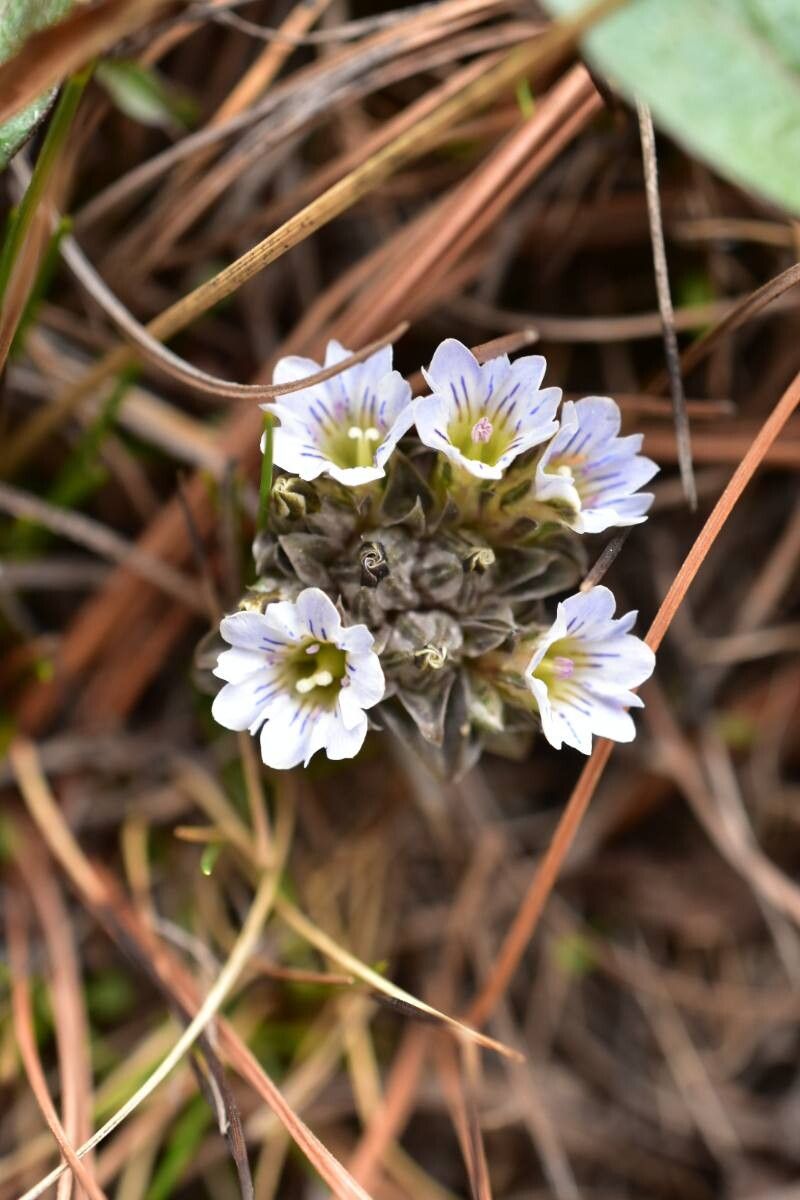
Gentiana autumnalis, the pine barren gentian, is a 1–2 ft (30–61 cm) tall flowering plant in the Gentianaceae family. It is native to eastern North America coastal pinebarrens from New Jersey to South Carolina. Fire suppression, invasive weeds, and the altering of natural water flows all pose threats to rare native populations of G. autumnalis.
Pine barren gentian is fairly disease-resistant and typically does not suffer much from illnesses. Still, it can be affected by pests and diseases present in its environment, though such infections are generally mild. Regarding care, the plant calls for moderate maintenance. It should be pruned on a regular basis to preserve an attractive appearance and healthy development. Applying fertilizer can also encourage more blooms. This species is well suited to anyone who has outdoor space, like a garden or patio, and does not demand extensive gardening experience. If kept indoors, it may need more attentive care.
How to keep Gentiana Autumnalis.
Light
Pine barren gentian is native to habitats like forest understories and rocky areas, where it grows in natural shade. It prefers partial sun but can tolerate full sun or full shade, showing its hardy, adaptable nature.
Water
The pine barren gentian thrives in conditions similar to its native habitat, which are moist but never waterlogged. To keep it healthy, it's important to water it weekly. While typically grown outdoors, this plant benefits from natural seasonal cycles and serves as an excellent indicator of the surrounding moisture levels.
Temperature
Pine barren gentian can tolerate a wide range of temperatures, but its distribution may still be constrained by different combinations of moisture and heat. It performs best in warm summer conditions with sufficient rainfall or watering. Extended periods of cloudy, rainy weather, as well as prolonged high temperatures, can raise the likelihood of Pine barren gentian dying. In winter, providing proper protection from cold can improve the plant's survival rate.
Fertilizer
For Pine barren gentian, the primary time to fertilize is in early spring when the flowers are forming. The appropriate fertilizer promotes better blooms and helps Pine barren gentian produce attractive flowers. Fertilizing in early spring helps ensure excellent flowers during the season and supplies energy for dormant growth phases.
Pruning
The pine barren gentian is known for its striking blue flowers and thrives in well-drained, acidic soils. To promote healthy growth and improve vigor, prune it in early spring to remove any dead stems. Regular trimming helps increase airflow, enhance sunlight penetration, and encourage blooming, ensuring the plant remains healthy and visually appealing.
Botanical profile.
- Plant Type
- Herb
- Life Cycle
- Perennial
- Genus
- Gentiana
- Family
- Gentianaceae
- Hardiness Zone
- 5-9
- Mature Height
- 20 cm to 46 cm
- Mature Spread
- 30 cm to 61 cm
- Leaf Color
- Green, Dark Green
- Leaf Type
- Deciduous
- Flower Color
- Blue
- Flower Size
- 3.05 cm to 5.08 cm
- Bloom Time
- Late summer, Early fall, Mid fall
- Planting Time
- Spring, Summer, Autumn
- Harvest Time
- Mid fall, Late fall, Early winter
- Native Area
- Mexico
Other names.