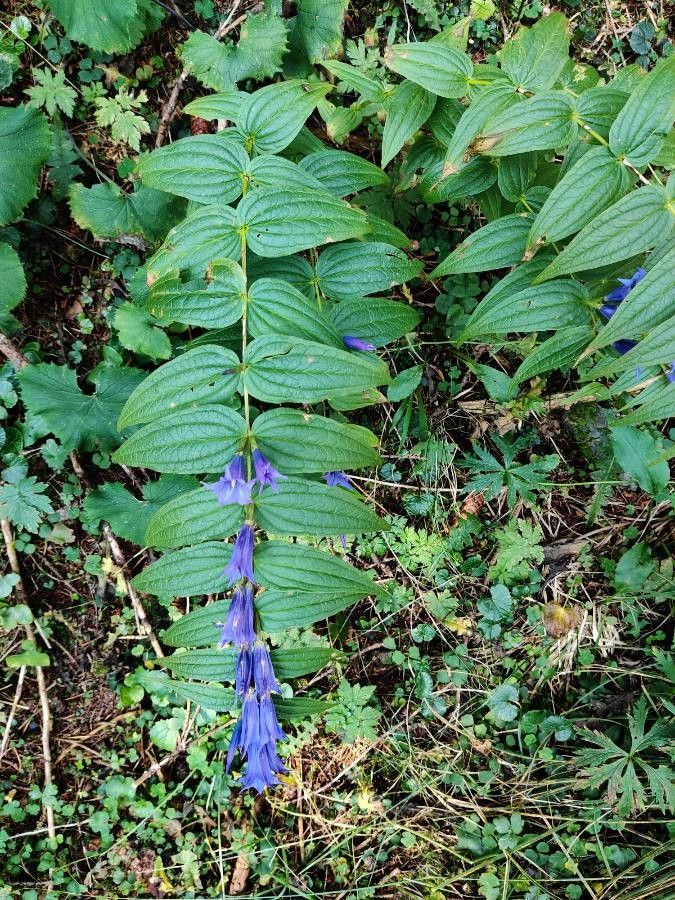
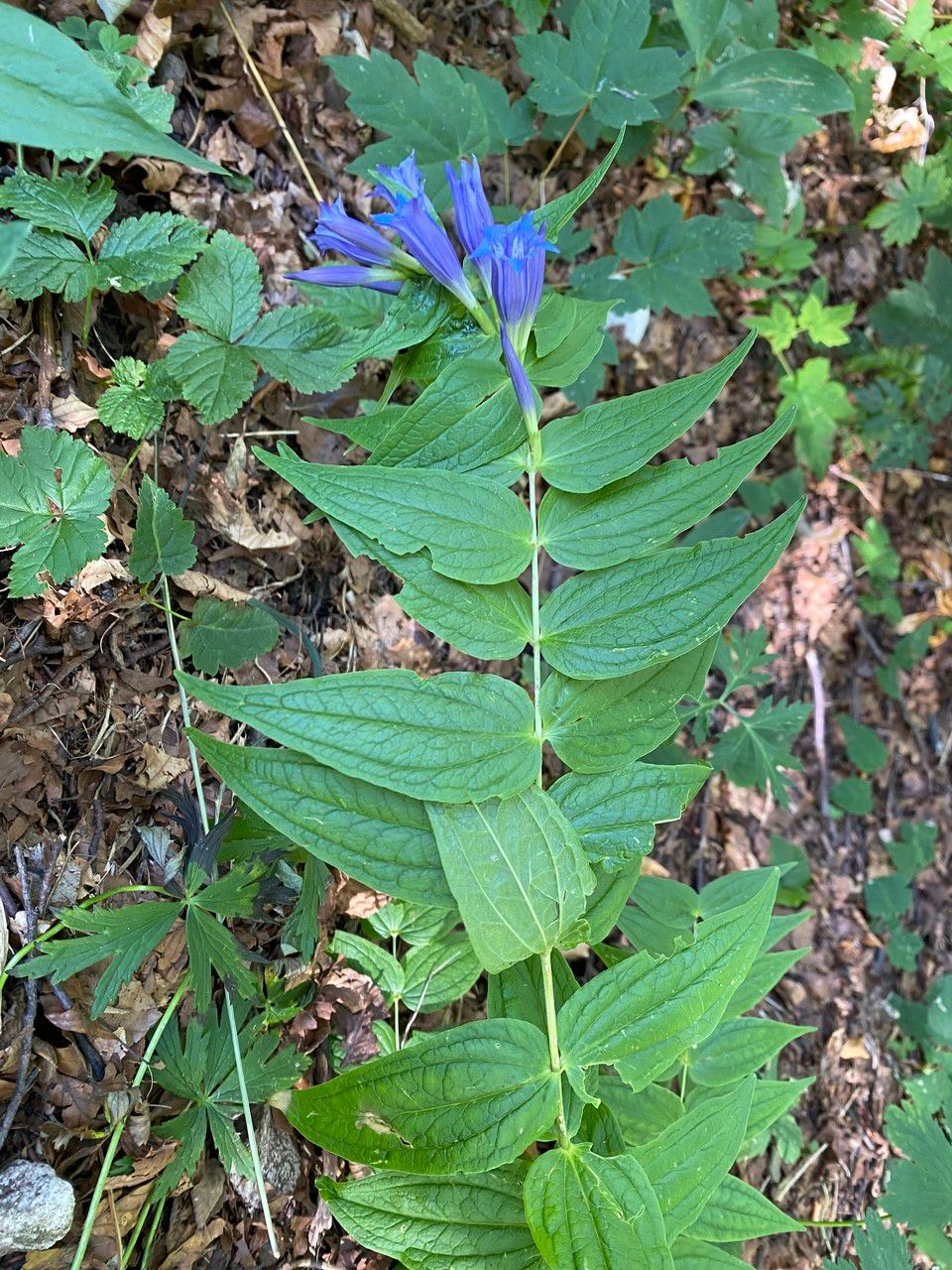
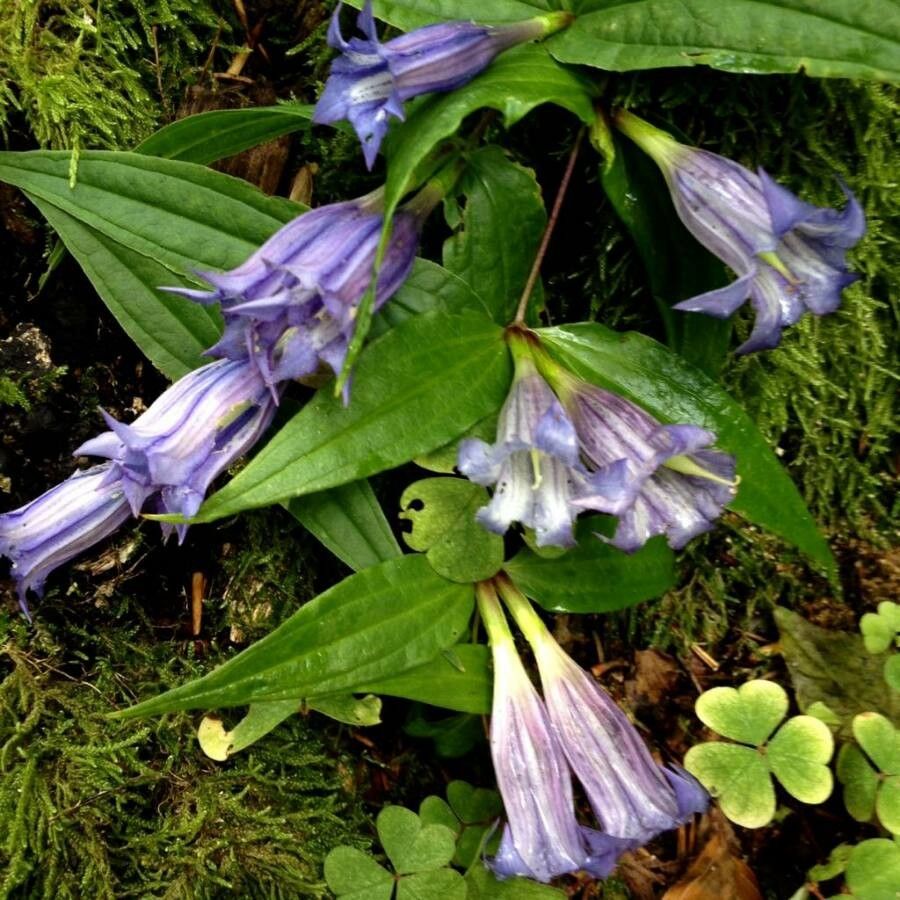
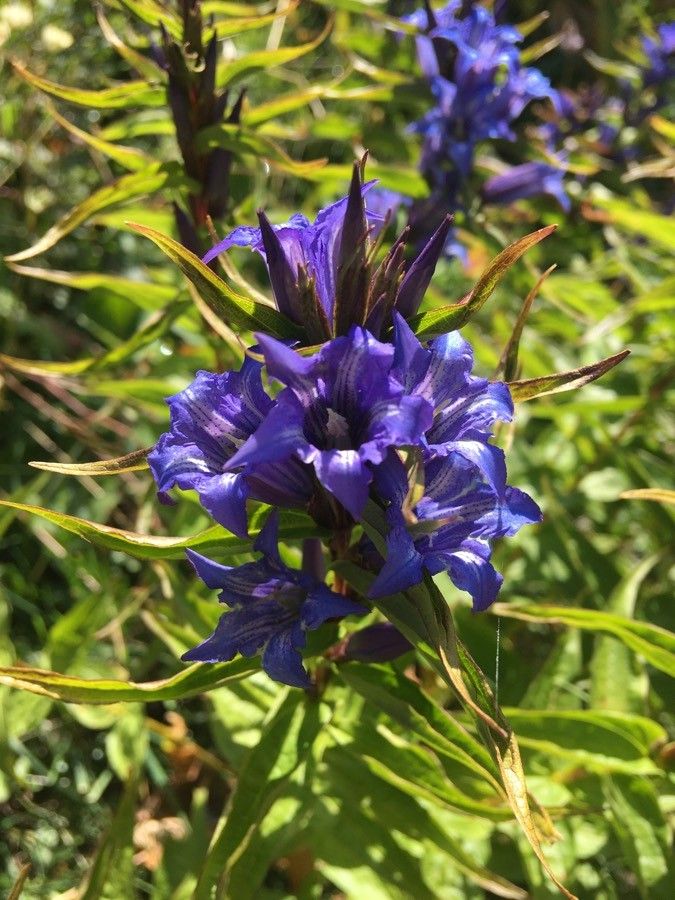
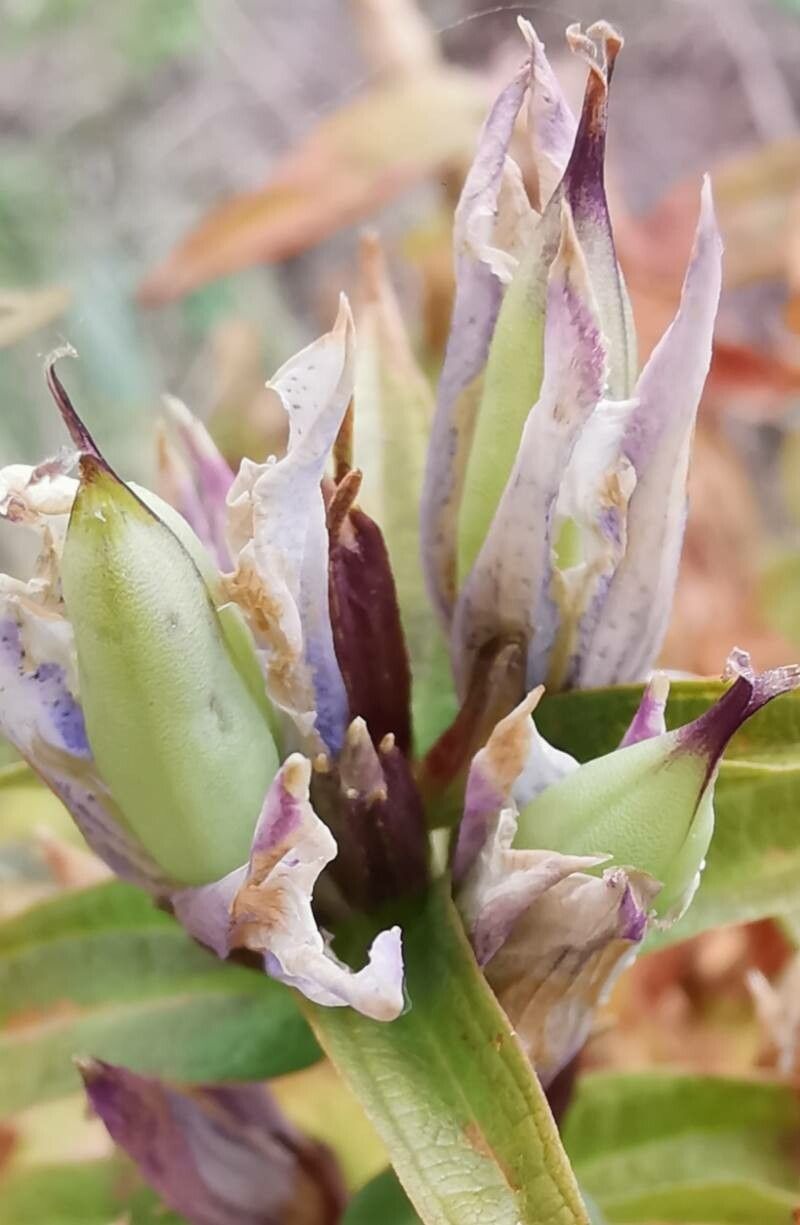
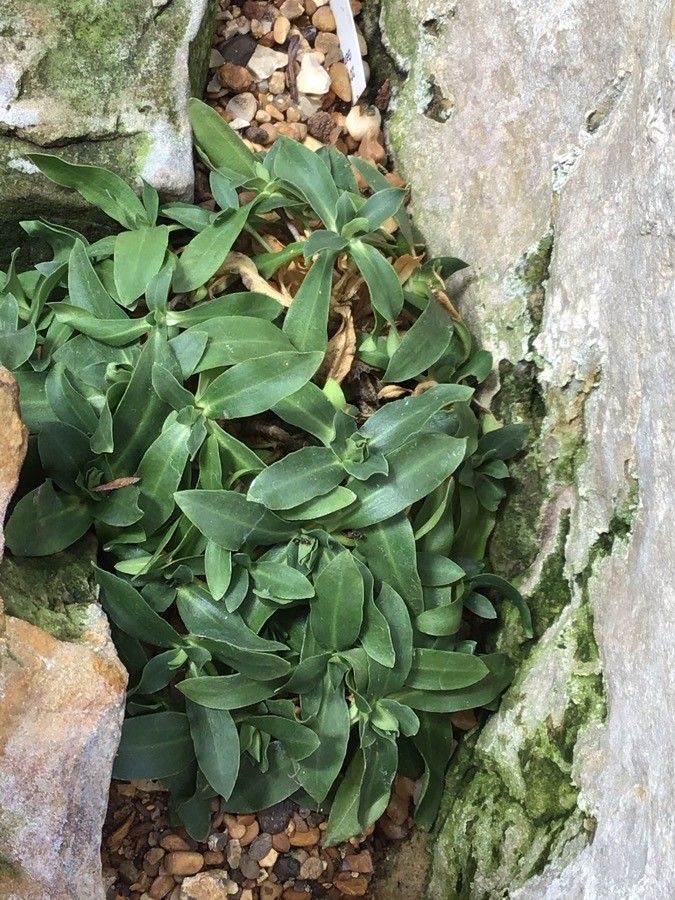
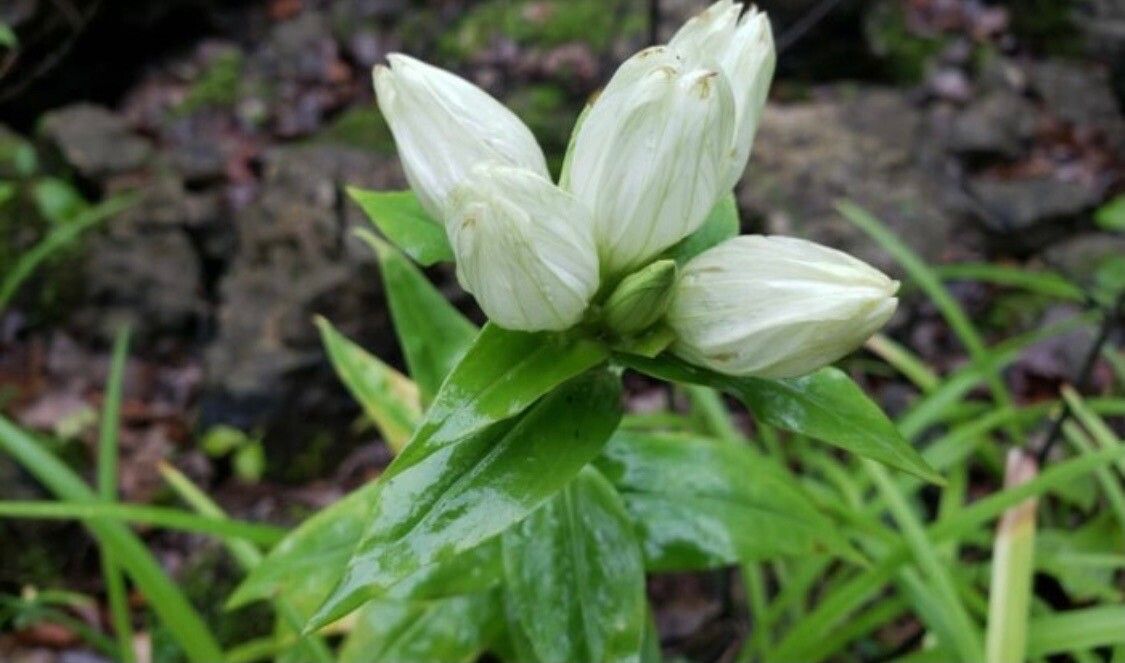
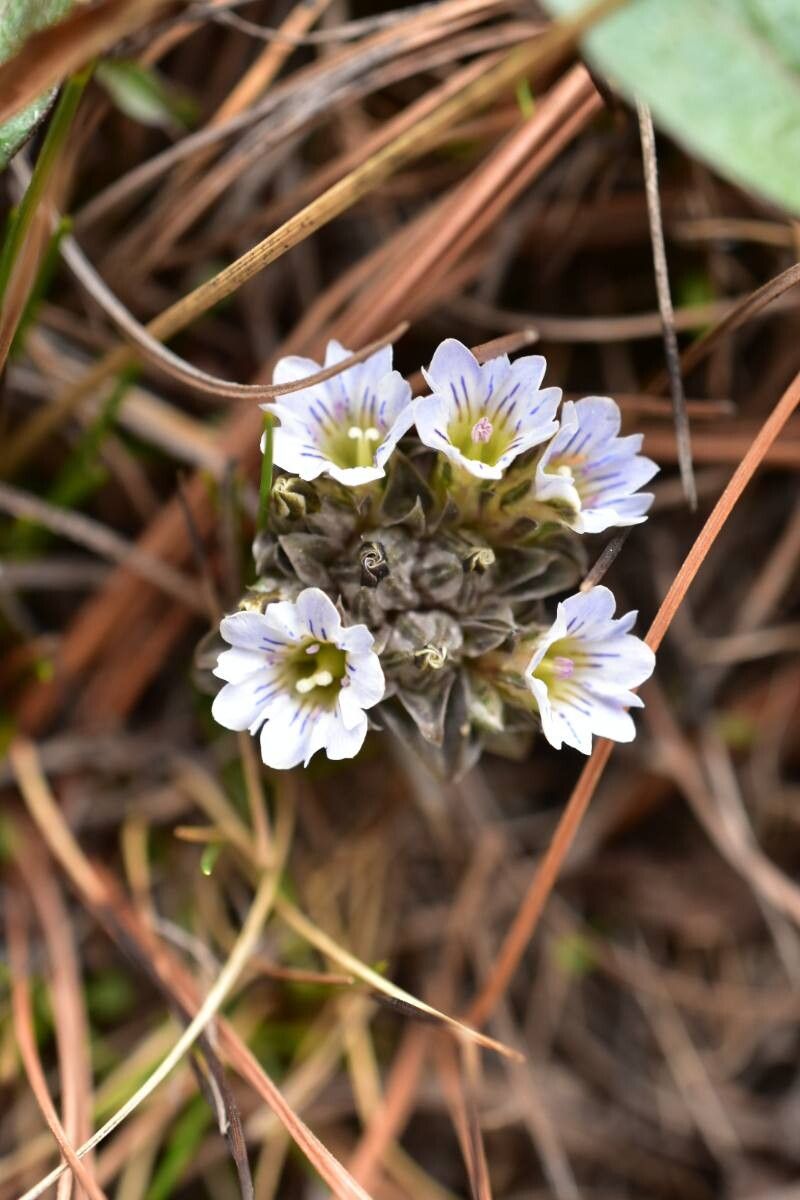
Gentiana asclepiadea, commonly known as Willow Gentian or Asclepias Gentian, is a perennial herbaceous plant belonging to the Gentianaceae family. Native to Europe and Asia, this plant thrives in damp meadows, along riverbanks, and in woodland areas.
The plant can grow up to 1 meter tall and features lance-shaped leaves arranged oppositely on the stem. The large, trumpet-shaped flowers are deep blue or purple and bloom from July to September, attracting bees and butterflies.
For centuries, Gentiana asclepiadea has been valued for its medicinal properties. Its bitter taste stimulates digestion, and it has been used as a natural remedy for fever, liver problems, and respiratory issues such as coughs and asthma.
In addition to its medicinal uses, Willow Gentian is often cultivated ornamentally in gardens for its striking flowers, which add vibrant color during the summer months. It prefers moist soil conditions but can tolerate some drought once established.
Overall, Gentiana asclepiadea is an attractive plant with both ornamental value and historical medicinal uses, making it an interesting and useful addition to any garden.
Willow gentian is fairly resistant to disease and typically does not suffer from illnesses. However, it can be vulnerable to pests and diseases present in its surroundings. Such infections are generally mild. The plant requires a moderate level of care. Regular pruning is needed to maintain a neat appearance and support healthy growth. Fertilizing can also help encourage flowering. Willow gentian is suitable for anyone with outdoor space, such as a garden or patio, and does not demand extensive care experience. It may need more attention if grown indoors.
How to keep Gentiana Asclepiadea.
Light
Willow gentian prefers locations with moderate sun exposure and can tolerate sites that receive full sun. It comes from habitats where filtered light is typical, which affects its healthy growth. Too much or too little sunlight can hinder its growth and vitality.
Water
Willow gentian flourishes in moist, temperate climates where the soil remains consistently damp. To maintain these ideal conditions, it is important to water the plant weekly, ensuring that the soil does not become too dry or overly saturated. When grown outdoors, willow gentian benefits from rainfall, which supports its natural watering cycle and encourages healthy growth.
Temperature
The willow gentian is native to areas with temperatures between 41 and 95 °F (5 to 35 °C). It grows best in temperate climates with mild winters and warm summers. Temperatures can be varied for seasonal changes, with cooler conditions in winter (ideally not below 41 °F (5 °C)).
Fertilizer
The ideal time to fertilize a Willow gentian is in early spring, as it comes out of dormancy and begins active growth. Fertilizer supplies the key nutrients needed for healthy growth. Although Willow gentian has relatively low fertilizer requirements, an annual application can improve its survival and encourage better, longer-lasting flowers.
Pruning
Willow gentian is known for its striking blue flowers and arching stems. To help it thrive, it's important to prune the plant from early to late spring. Begin by removing any dead stems and thinning out crowded areas to improve air circulation. This promotes healthy flowering and enhances the plant's overall vitality. Regular pruning also boosts its vigor and enhances its aesthetic appeal.
Botanical profile.
- Plant Type
- Herb
- Life Cycle
- Perennial
- Genus
- Gentiana
- Family
- Gentianaceae
- Hardiness Zone
- 4-9
- Mature Height
- 20 cm
- Mature Spread
- 30 cm
- Leaf Color
- Green
- Leaf Type
- Deciduous
- Flower Color
- Blue
- Flower Size
- 2.54 cm to 5.08 cm
- Bloom Time
- Late summer, Early fall
- Planting Time
- Spring, Summer
- Harvest Time
- Mid fall, Late fall
- Native Area
- Turkey, Austria, Czech Republic, Slovakia, Bulgaria, Armenia, Poland, Greece, Croatia, Slovenia, Ukraine, Serbia, Russia, Hungary, Germany, Italy, Switzerland, Iran, Albania, Azerbaijan, Romania, France
Other names.
Reader questions.
How should I water my Willow gentian plant effectively?
To properly water the Willow gentian, it's recommended to use filtered water at room temperature. Tap water may contain harmful particles, so filtered water is preferred. Since the Willow gentian is accustomed to warm environments, using cold water can be a shock to its system. Additionally, it's best to avoid overhead watering as it can cause problems with the foliage. Instead, gently water the soil until it is completely soaked. This method is beneficial as it helps moisten the roots and supports their growth and nutrient absorption.
Why do I need to add fertilizer to my Willow gentian plant?
Fertilization is important for the Willow gentian for various reasons. Firstly, it provides essential nutrients that support the plant's growth above and below ground. However, the overall fertilization requirements for the Willow gentian are relatively low. In some cases, the plant can survive without fertilization. Nonetheless, annual fertilization can greatly benefit the Willow gentian by ensuring its survival and potentially improving the quality and duration of its flowers. Therefore, individuals looking to enhance the appearance of their Willow gentian should prioritize annual fertilization.
What are the sunlight requirements for Willow gentian?
Willow gentian thrives in areas with moderate sun exposure but can also withstand areas with full daylight, benefiting from about 3-6 hours of sunlight. This plant is native to environments where filtered daylight is common, which significantly influences its healthy growth. Providing the right balance of light and shade is crucial; too much or too little sunlight can harm its growth and vitality. For indoor plants, when natural sunlight isn't enough, particularly during winter or in areas with less sun, artificial light is recommended. Adequate types include LED lights, which should be placed 12-36 inches above the plant and kept on for 8-12 hours per day to mimic natural sunlight.
What is the optimal temperature range for Willow gentian?
The Willow gentian, known botanically as Gentiana asclepiadea, thrives in temperatures ranging from 41 to 95°F (5 to 35°C). It prefers a temperate climate with mild winters and warm summers, adjusting to cooler temperatures in the winter, preferably not dropping below 41°F (5°C). The plant exhibits strong cold resistance, and typically does not require special frost protection measures, except in extremely cold conditions where temperatures are expected to fall below -30°C.
What should I do if I give my Willow gentian too much or too little water?
Overwatering is a more common problem than underwatering for Willow gentian. When overwatered, the stems and leaves may wilt and turn yellow. Prolonged overwatering can lead to root rot, mold, and mildew, which can be fatal. Underwatering is less common, but it can cause brittle, brown leaves. It's important to recognize signs of overwatering early since some issues like root rot may not be fixable if left untreated. Reduce watering if signs of overwatering are present and assess the soil drainage. If the soil is poorly draining, replace it with a loose, well-draining potting mix. If signs of underwatering are present, water more frequently until the symptoms improve.
When should I fertilize my Willow gentian plant?
The best time to fertilize a Willow gentian is in late winter to early spring when the plant is coming out of its dormant phase and starting to grow again. Fertilizing at this time promotes healthy growth and helps the plant get a strong start for the season. It is also acceptable to fertilize the Willow gentian in the fall, but it is not recommended to feed it during summer or winter.
How do insufficient or excessive sunlight affect Willow gentian?
Willow gentian can exhibit various symptoms when light conditions aren't ideal. Insufficient light can cause smaller new leaves, thin and stretched-out plant appearance, early leaf drop, halted growth, and pale or poorly colored leaves. These signs indicate the plant's struggle in low-light conditions and its attempt to conserve energy. Conversely, too much light can lead to chlorosis (leaves turning yellow), sunscald, leaf curling to reduce exposure, wilting, and leaf scorching. These issues stem from the plant's inability to handle excessive sunlight, leading to damaged tissues and reduced health.
How should Willow gentian be cared for in winter?
In winter, Willow gentian should be protected if temperatures are expected to drop below -30°C, despite its strong cold resistance. Protecting the plant can involve covering it with soil or straw and ensuring it's watered abundantly before the first freeze of autumn. This approach helps the soil retain moisture and enter a frozen state, which in turn prevents drought and water scarcity for the plant during the colder months and early spring.
How often do I need to water my Willow gentian?
If your Willow gentian is in a pot, the best way to determine if it needs water is to stick your finger into the soil. If the top two to three inches of soil are dry, then it's time to water it. If you're growing your Willow gentian outdoors in the ground, you can use the same method to test the soil. When you find that the top few inches of soil have dried out, it's time to water it. Generally, during the spring and early fall, you'll need to water this plant about once a week. In extremely hot weather, you may need to water it twice or more per week. However, mature and well-established Willow gentians have a remarkable ability to withstand drought.
When is not a good time to put fertilizer on my Willow gentian plant?
To ensure the best growth and avoid complications, it is best to only fertilize your Willow gentian during late winter and early spring. This plant has low fertilization needs, so a single annual feeding is sufficient. Fertilizing during spring, summer, and fall can easily lead to overfertilization and its associated problems. However, if you did not fertilize in spring, it is permissible to feed the plant in fall. Additionally, it is not necessary to fertilize the Willow gentian during winter because it is in a dormant growth phase and does not produce new growth.
What solutions can help manage light conditions for Willow gentian?
To optimize Willow gentian's growth in varying light conditions, gradual adaptation is key. For indoor plants, shifting them to sunnier spots weekly until they achieve 3-6 hours of sunlight or using artificial lighting like desk or grow lights for at least 8 hours daily can be beneficial. Outdoors, gradually moving plants to brighter locations can prevent sunburn from sudden light intensity changes. Minimizing obstructions, such as pruning nearby trees, and transplanting smaller plants during their dormant period to sunnier spots with good drainage, are effective strategies for ground-planted specimens. Note, however, that parts of the plant already damaged by inappropriate light exposure may not recover, but new growth should thrive under improved conditions.
How does Willow gentian react to low temperatures?
Willow gentian tolerates cold well, performing best when the temperature remains above 5°C. In winter, it is advisable to keep temperatures above -25°C. If temperatures fall below -30°C, the plant might not show noticeable changes during winter but could experience a decrease in sprouting, or fail to sprout at all in spring. The recommended solution for the spring season is to remove any parts that have failed to sprout.