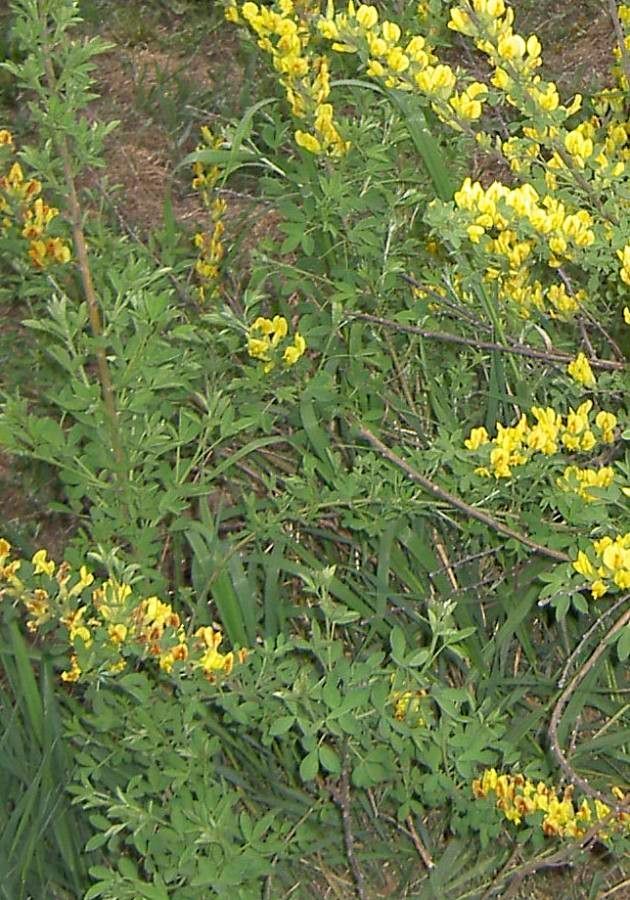
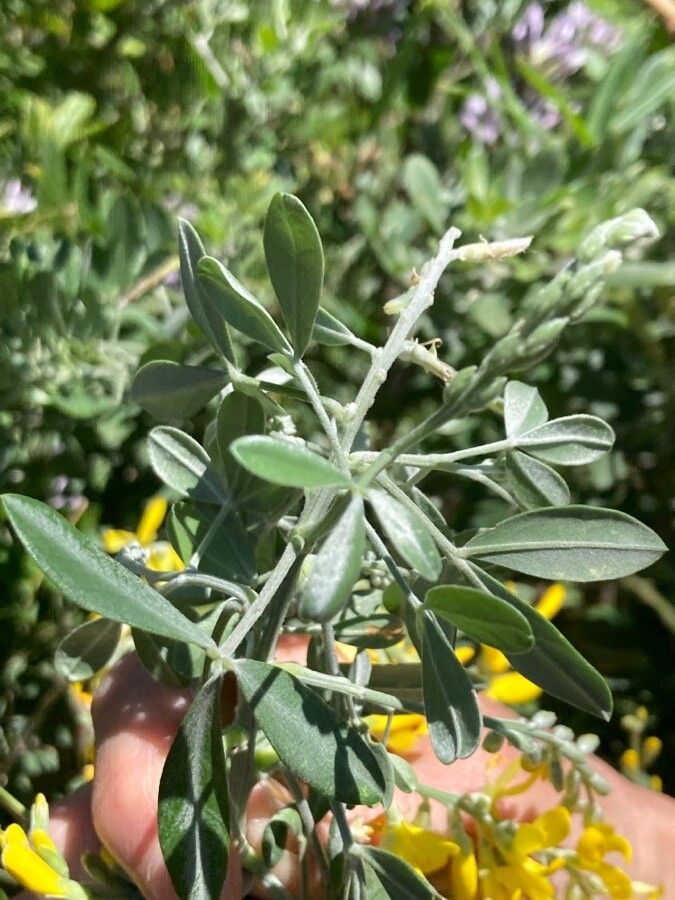
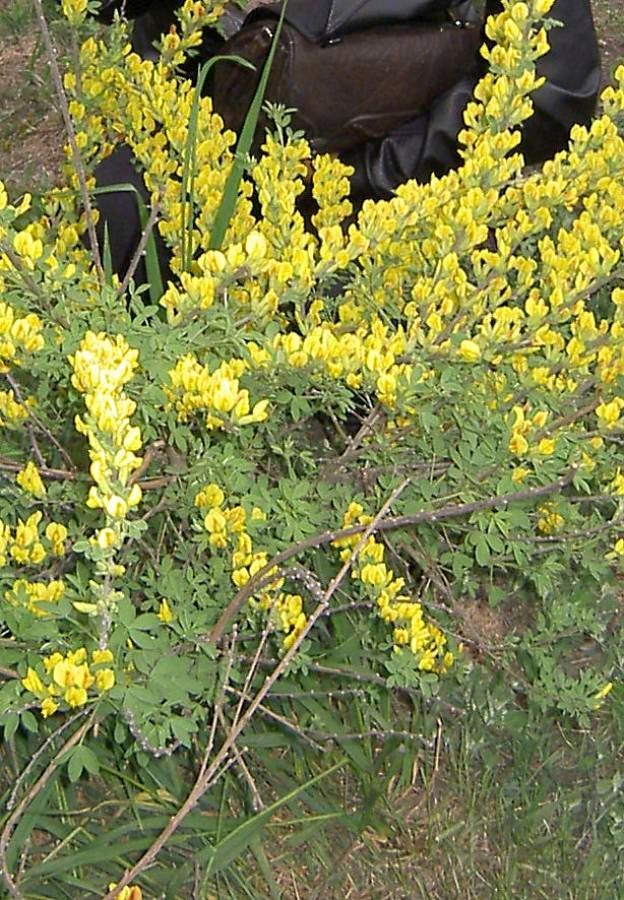
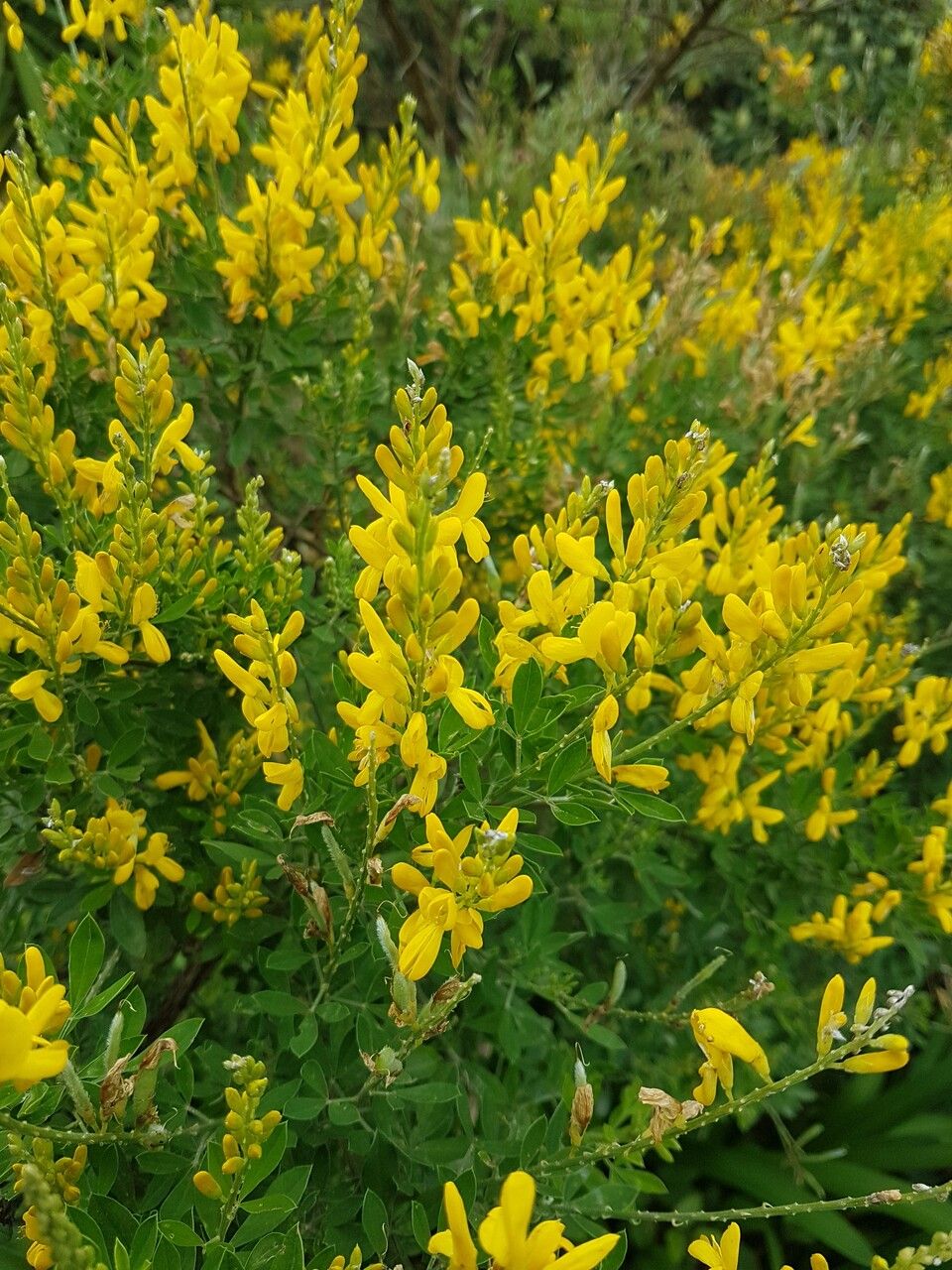
Genista stenopetala, commonly known as narrow-petaled broom, is a flowering plant species in the Fabaceae family. Native to the Mediterranean region, it can be found in countries such as Spain, Portugal, Morocco, and Algeria.
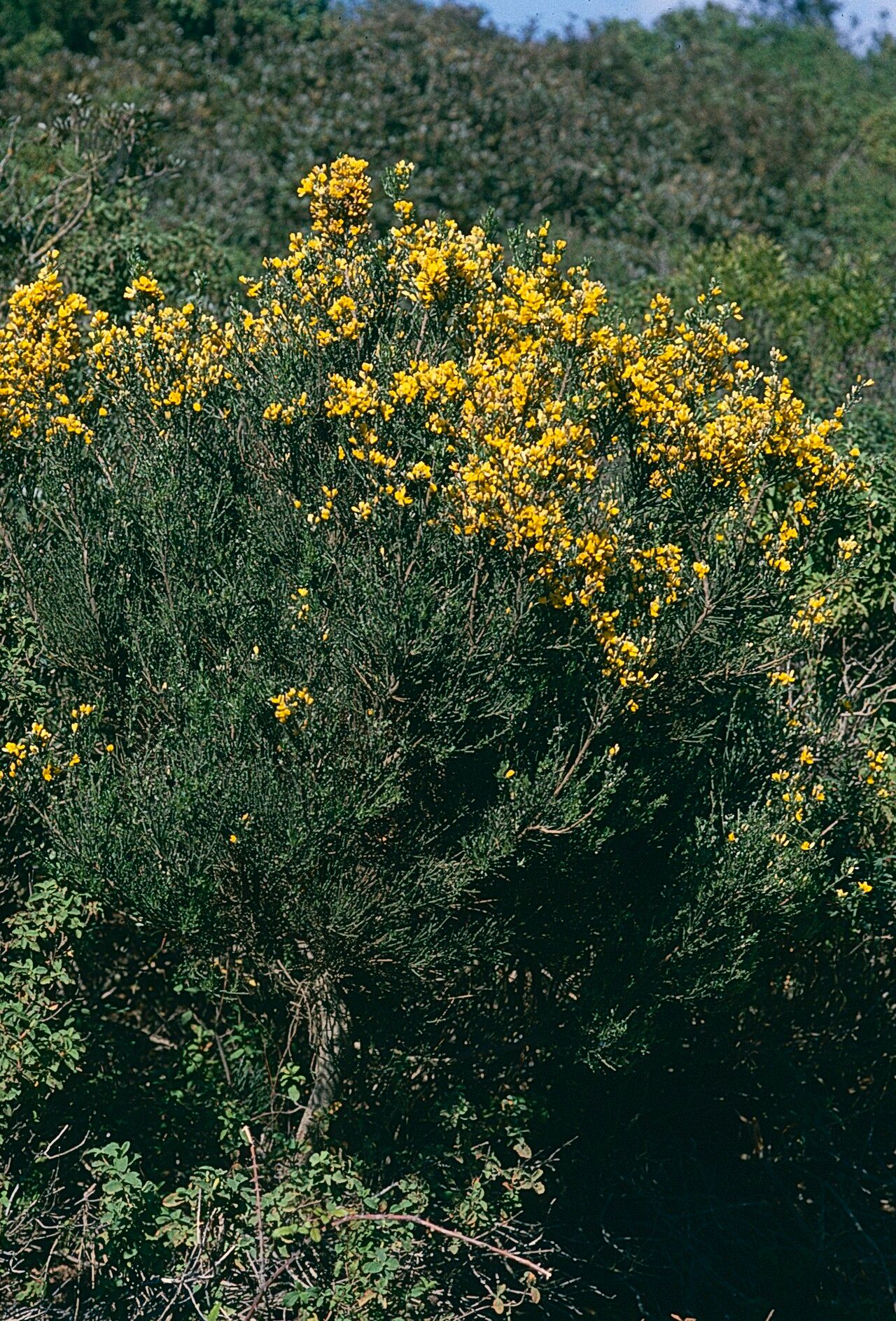
This plant typically grows to a height of 1-2 meters, with a shrubby habit and slender stems covered in small green leaves. The leaves are narrow and linear, measuring about 1-2 cm in length.
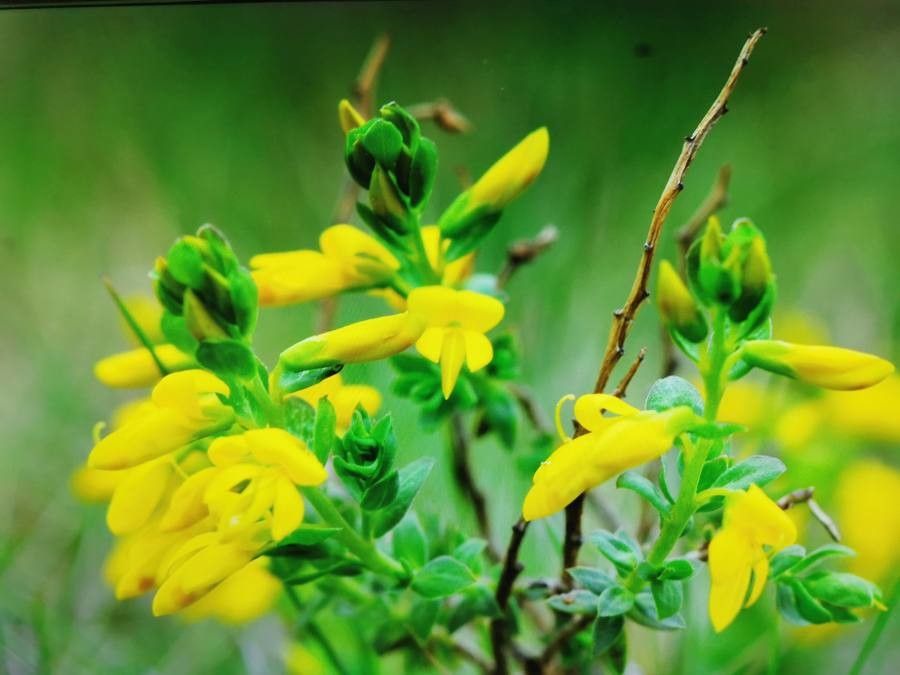
The flowers of Genista stenopetala are bright yellow and bloom from late spring through summer. They grow on long spikes that emerge from the tips of the branches.
Preferring well-drained soils with slightly acidic to neutral pH levels, this plant can tolerate drought conditions but requires full sun exposure for optimal growth.
Traditionally, Genista stenopetala has been used for medicinal purposes due to its diuretic properties, which help treat urinary tract infections and kidney problems.
Overall, Genista stenopetala is an attractive ornamental shrub that adds color to gardens during its blooming season, while also having medicinal properties valued by traditional healers.
Leafy broom is disease-resistant and, in general, not susceptible to illnesses. Regarding care, the plant is fairly low-maintenance. Outdoors it needs only light watering; larger specimens usually do not require pruning, while smaller ones should be trimmed after flowering. Leafy broom is appropriate for anyone with an outdoor area, such as a garden or a deck, and does not demand extensive care experience.
How to keep Genista Stenopetala.
Light
Leafy broom is native to open habitats like sunlit meadows and the boundaries of forests, where there is plenty of light. It performs best under full sun exposure but is also able to withstand partial sun, displaying a good degree of adaptability to different sunlight conditions.
Water
The leafy broom is well-suited to arid conditions due to its high drought tolerance. It only requires watering every 2-3 weeks. While it thrives outdoors, where it can benefit from natural rainfall, it has adapted to efficiently utilize water during its growth cycles. This adaptation ensures its survival in dry habitats.
Temperature
Leafy broom is quite adaptable to temperature conditions, having the capability to withstand hotter temperatures and significant temperature fluctuations. It is crucial to ensure adequate watering and shade during high temperatures to avoid sun scorch. On the contrary, Leafy broom's resilience towards low temperatures is somewhat limited. Although it can endure a certain level of cold, extremely low temperatures can result in damage from frost.
Fertilizer
The period for fertilizing Leafy broom is critical. Begin fertilization in the early spring and proceed on a monthly basis until the early part of the summer. Fertilizer aids in the creation of beautiful flowers and supplies energy during the periods of dormancy and active growth.
Pruning
Leafy broom is a dense shrub known for its vibrant yellow flowers. To keep it healthy and promote better growth, it's important to prune it from early to late winter. Focus on removing any dead branches to stimulate new growth, but be careful not to cut into the older wood, as this can hinder the development of new shoots. Regularly removing spent flowers, or deadheading, helps extend the blooming period and improves air circulation, both of which contribute to the overall health of the shrub.
Botanical profile.
- Plant Type
- Shrub
- Life Cycle
- Perennial
- Genus
- Genista
- Family
- Fabaceae
- Hardiness Zone
- 7-10
- Mature Height
- 0.91 m to 2.13 m
- Mature Spread
- 1.52 m to 2.44 m
- Leaf Color
- Green, Blue
- Leaf Type
- Evergreen
- Flower Color
- Yellow
- Flower Size
- 1.02 cm to 1.52 cm
- Bloom Time
- Mid spring, Late spring
- Planting Time
- Spring, Summer, Autumn
- Harvest Time
- Summer
Other names.
Reader questions.
What are the sunlight requirements for Leafy Broom?
Leafy Broom, or Genista stenopetala, requires full sun exposure, which means it needs above 6 hours of sunlight daily, but it can also tolerate partial sun, with about 3-6 hours of sunlight. It is essential to observe how sunlight moves through your garden to select the ideal spots that provide a balanced mix of light and shade, ensuring the plants' well-being. Originally from open environments like sunny meadows and forest edges, Leafy Broom thrives in conditions that offer ample light.
What is Leafy Broom?
Leafy Broom, scientifically known as Genista stenopetala, is a plant species. Specific information about its characteristics, habitat, or uses isn't provided in the available data. Further research or consultation with botanical sources may offer more insights into its unique aspects and how it may fit into gardening, conservation, or study purposes.
How can I use artificial lighting for Leafy Broom indoor plants?
Indoor Leafy Broom plants may require artificial lighting when natural sunlight is insufficient, especially during winter or in less sunny spaces. LED lights are recommended as they can be tailored to provide specific wavelengths needed by your plants. For full sun plants, 30-50W/sq ft of artificial light is needed; partial sun plants require 20-30W/sq ft, and full shade plants need 10-20W/sq ft. The light source should be placed 12-36 inches above the plant and be on for 8-12 hours per day to mimic natural daylight conditions.
What are the signs of insufficient light in Leafy Broom?
Leafy Broom may show several signs when it doesn't receive enough light. Symptoms include smaller new leaves, leggy or sparse growth, faster leaf drop, slower or stopped new growth, lighter-colored new leaves, chlorosis (leaves turning yellow due to lack of chlorophyll), sunscald (damage from intense light exposure), leaf curling as a defense against excessive sunlight, wilting due to increased water loss, and leaf scorching, characterized by brown, dry edges on leaves from too much sun.
How can I improve the lighting conditions for my Leafy Broom?
To better the lighting for Leafy Broom, gradual adjustments are key. For indoor plants, gradually move them to sunnier spots each week to achieve at least 6 hours of sunlight daily, use a south-facing window, and consider keeping a lamp on for at least 8 hours daily or invest in grow lights. Outdoors, move plants gradually to sunnier locations to avoid sunburn. Removing obstructions such as pruning trees can help increase sunlight exposure. Transplanting during the dormant period can also benefit smaller plants by moving them to a location with better light and drainage conditions. Note that parts affected by low light may not recover, but new growth should be healthy once light exposure improves.