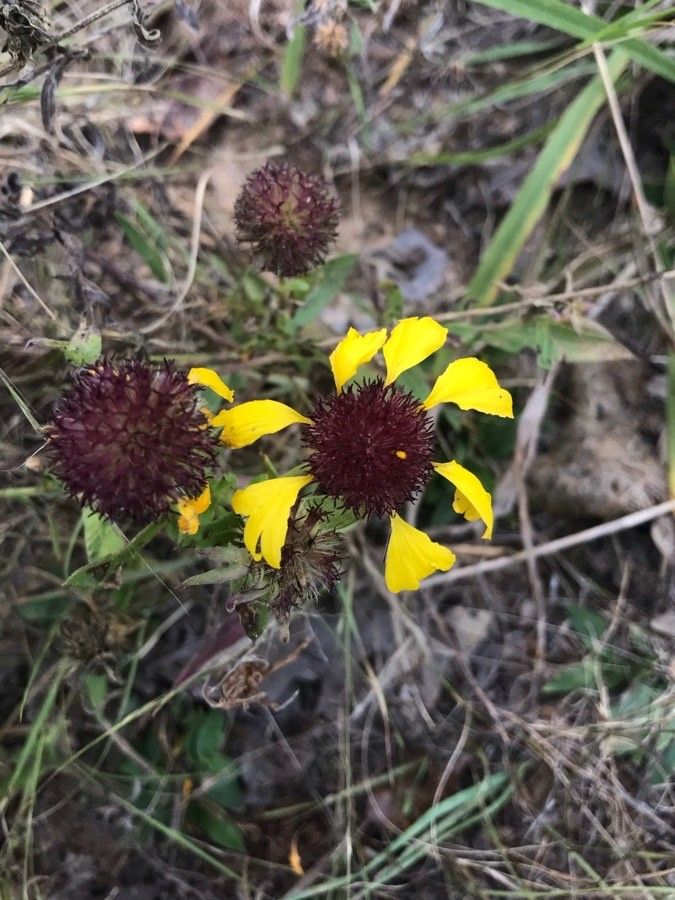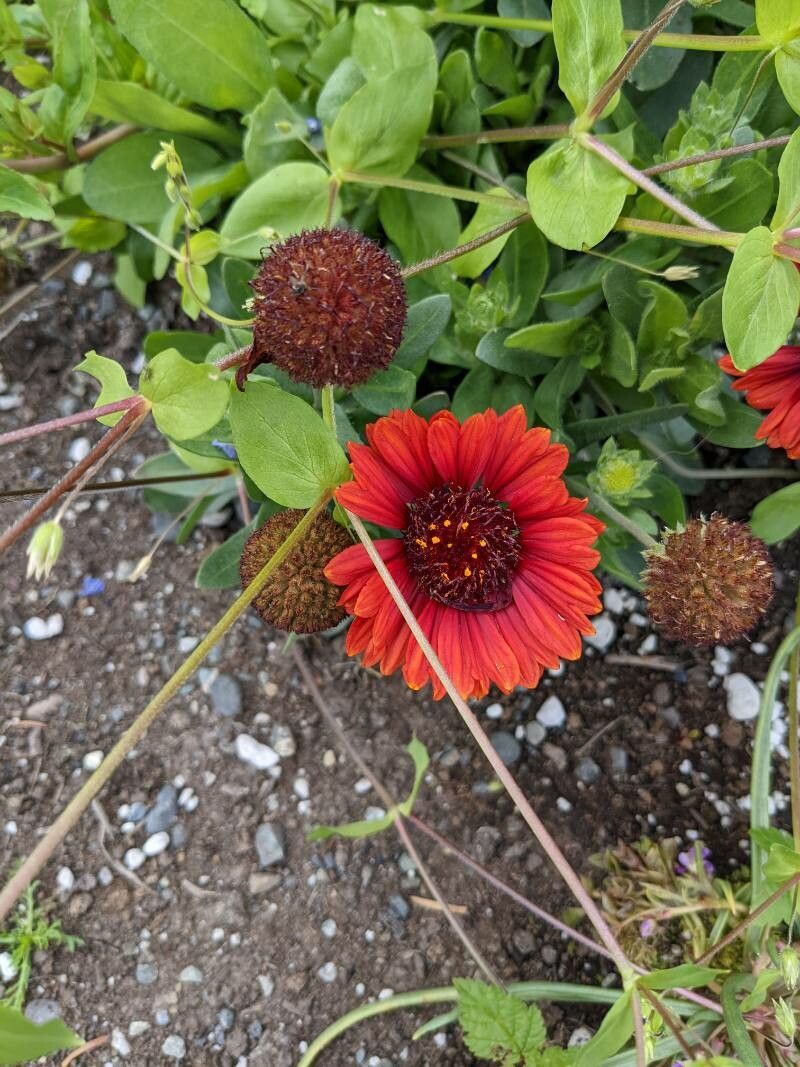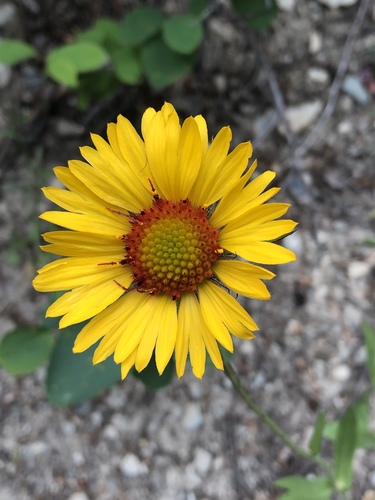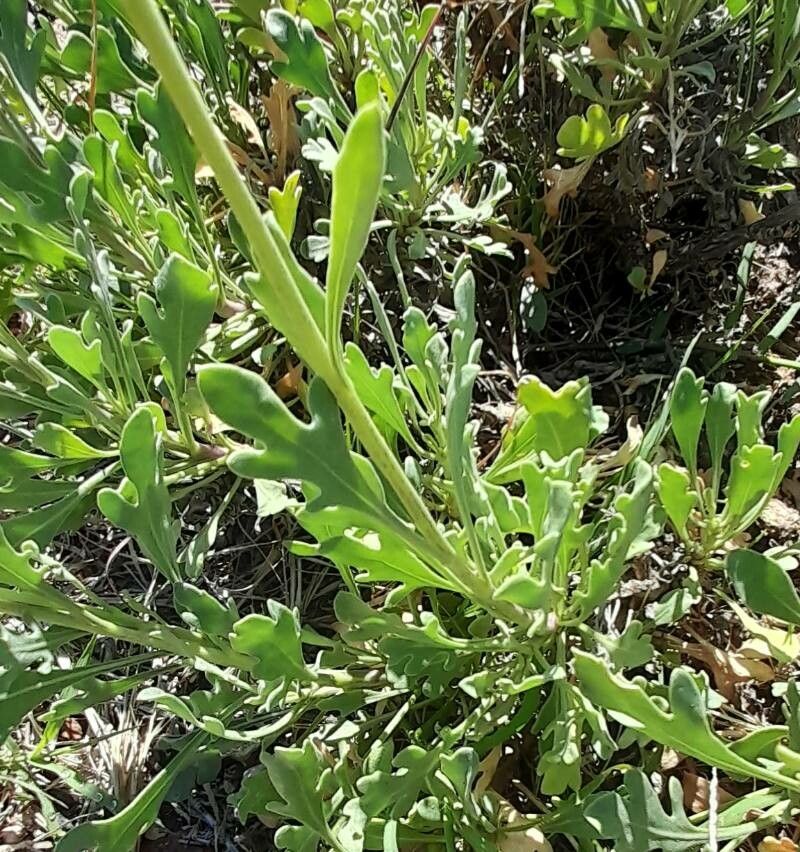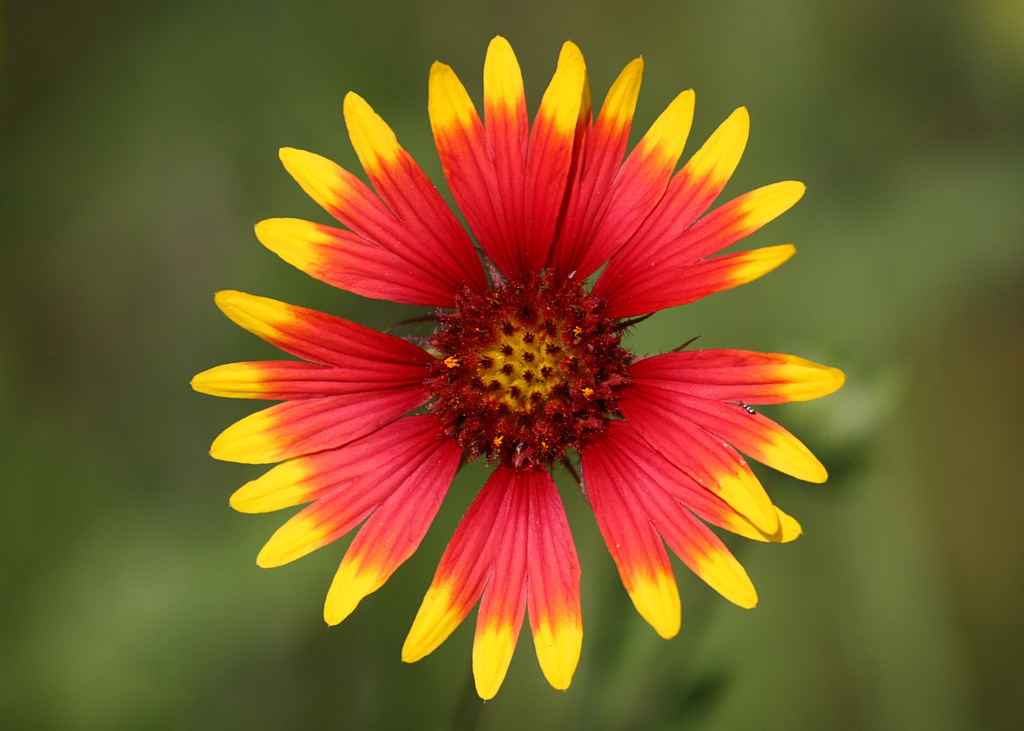
Gaillardia pulchella, commonly known as Indian blanket or firewheel, is a vibrant flowering plant in the sunflower family. Native to North and South America, it thrives in various habitats, including prairies, meadows, and roadsides. Typically, the plant reaches about 1 to 2 feet in height and showcases bright red or yellow daisy-like flowers that bloom from late spring to early fall. These eye-catching flowers attract pollinators such as bees and butterflies.
Gaillardia pulchella is easy to grow from seed, making it ideal for wildflower gardens or as a colorful addition to borders and containers. It prefers full sun but can tolerate some shade and requires well-draining soil with moderate moisture levels. Overall, Gaillardia pulchella is a stunning addition to any garden, providing vibrant color throughout the growing season while supporting pollinators in the ecosystem.
The term "Indian Blanket" originates from a legend about a brave Native American warrior who left to join a war. His devoted wife began weaving blankets for him, incorporating red and orange lines into the design. Each pattern she wove symbolized her prayers to the great gods for her husband's safety. In another part of the story, their daughter once became lost in the mountains and spent the night there. The next morning, she awoke to find herself covered by a blanket of red and orange flowers. From that day on, these flowers have been known as "Indian Blanket."
Indian blanket is fairly disease-resistant and typically not vulnerable to illnesses. Nevertheless, it can be affected by pests and diseases present in its surroundings. Such infections are usually not severe. In terms of care, this plant needs moderate maintenance. It should be pruned regularly to maintain a neat appearance and healthy growth. Fertilizing can also help encourage flowering. Indian blanket is suitable for anyone with outdoor space, such as a garden or patio, and does not require much care experience. It may need more attention when grown indoors.
How to keep Gaillardia Pulchella.
Light
Indian blanket prospers in plentiful sunlight, especially in places where sunlight is unobstructed during the day. Areas with gently dappled shade can also support strong growth. However, a marked reduction in sunlight can undermine the plant’s health and vigor. Excessive sun or insufficient sun can cause poor flowering and stressed foliage, respectively.
Water
Indian blanket is well-suited to dry, prairie-like conditions and requires only moderate watering, about twice a week. Its resilience makes it an excellent choice for outdoor cultivation, where it can benefit from natural rain cycles. This low-maintenance plant produces vibrant blooms, making it an attractive option for gardeners who want something beautiful yet hardy.
Humidity
This plant will thrive in moderate humidity, which is probably the level in your home. However, misting it a few times a week can be very beneficial. Make sure the room has good ventilation.
Temperature
Indian blanket is native to environments with temperatures ranging from 68 to 100 degrees Fahrenheit (20 to 38 degrees Celsius). It prefers warm conditions and can tolerate mild seasonal fluctuations. Adjust care proactively if temperatures drop below or rise above this range.
Fertilizer
Once most of the Indian blanket's blooms have opened to full size, resume fertilizing. When the blooms are at peak production, apply fertilizer every three to four weeks, weather permitting. Then, when the Indian blanket begins to produce fewer new blooms, stop fertilizing; there's no need to feed the plant when it can no longer produce additional blooms.
Pruning
Indian blanket is a perennial plant known for its vibrant, bi-colored blooms. To encourage bushier growth, prune it from early to late spring and regularly pinch back the spent flowers for continuous blooming. Be careful not to remove too much foliage, as this helps the plant maintain its energy reserves. Pruning also improves air circulation, reducing pest problems and promoting overall health.
Pot & Repot
When repotting Indian blanket, choose a pot that's 1-2 inches (2.5–5.1 cm) larger in diameter, ensuring it has good drainage. Use a well-draining potting mix and consider adding perlite for extra drainage. Repot in spring or early summer, then water thoroughly and place it in a shady location at first.
Botanical profile.
- Plant Type
- Herb
- Life Cycle
- Annual, Biennial
- Genus
- Gaillardia
- Family
- Asteraceae
- Hardiness Zone
- 7-11
- Mature Height
- 20 cm to 61 cm
- Mature Spread
- 15 cm to 30 cm
- Leaf Color
- Green, Silver, Gray
- Leaf Type
- Deciduous
- Flower Color
- Yellow, Purple, Red, Orange, Pink, Blue, Brown
- Flower Size
- 4.06 cm to 6.35 cm
- Bloom Time
- Late spring, Summer
- Planting Time
- Spring
- Harvest Time
- Summer, Early fall
- Native Area
- Honduras, Mexico, Guatemala, El Salvador, Nicaragua
Other names.
Reader questions.
When Should I Water My Indian Blanket?
Watering an Indian blanket, scientifically named Gaillardia pulchella, should be based on several indicators that signal when the plant needs water. These include soil dryness—when the top 1 to 2 inches of soil feels dry, leaf condition—wilting, faded, or yellowing leaves, and the plant's growth stages, particularly during the pre-flowering stage. The need for water increases with higher temperatures and more sunlight exposure. However, be cautious of over-watering, especially when the soil is still moist, to avoid root rot and under-watering which can lead to wilting and potentially stunt the plant's growth. Properly managing water supply is essential for the plant's health, encouraging optimal growth, vibrant flower production, and resistance to diseases.
Why should I put fertilizer on my Indian blanket plant?
Plants, including Indian blanket, require nutrients to survive. This is common knowledge among gardeners, regardless of their level of experience. However, without proper nourishment, Indian blanket will die out shortly after the initial pollination. To ensure the plant thrives throughout the blooming season and produces large, beautiful flowers, it is essential to provide the correct type and amount of nutrients. Fertilizer is especially beneficial as it aids Indian blanket in developing a robust and healthy root system. Given that this plant has a delicate and thin root system prone to damage, fertilizing at planting helps establish a strong foundation, providing stability and setting the stage for an impressive flowering performance. Proper timing of fertilization also has the potential to significantly prolong Indian blanket's blooming period.
What are the sunlight requirements for Indian blanket?
Indian blanket thrives in environments with abundant sunshine, needing above 6 hours of sunlight for full sun conditions and about 3-6 hours for partial sun conditions. It's important to monitor the movement of sunlight through your garden to place your plants in spots that offer a balanced light exposure. An area with light-dappled shade can also support the impressive growth of Indian blanket, but both overexposure and under-exposure to sunlight can lead to poor blooms and stressed foliage, respectively.
What is the ideal temperature range for Indian blanket to thrive?
The Indian blanket, scientifically known as Gaillardia pulchella, thrives best in environments where temperatures range between 68 to 100 degrees Fahrenheit (20 to 38 degrees Celsius). It is well-suited to warm temperatures and capable of adapting to mild seasonal fluctuations. Care adjustments are recommended when temperatures fall outside this ideal range.
How Should I Water My Indian Blanket?
Watering your Indian blanket effectively involves striking a balance that supports its need for moisture while avoiding over-saturation, as the plant is drought-tolerant. The traditional method of watering from above using a soft stream, mimicking rainfall, is recommended. This technique should be done until the first drops appear at the bottom of the pot, ensuring deep water penetration to the roots. Use a watering can with a long, narrow spout for targeted watering at the plant base, minimizing moisture on the foliage, which should remain dry. If foliage needs cleaning, use a soft brush instead of water spray to prevent mildew. Always avoid creating water puddles around the plant to reduce the risk of fungal diseases.
When should I fertilize my Indian blanket plant?
Indian blanket experiences significant growth early in the growing season, once the risk of frost has passed. It is crucial to fertilize Indian blanket during this time, specifically during planting. The fertilization should occur when the plant is initially placed in the ground or in planters, regardless of your chosen planting method. This dose of fertilizer will be the only one until later in the year when the blooms are in full swing. Once the season is in full swing and the majority of Indian blanket blooms have reached full size, it is time to resume fertilization. When the blooms are at their peak output, start fertilizing every three to four weeks, dependent on the weather. However, once Indian blanket begins producing fewer new blooms, it is not necessary to continue fertilizing as the plant is no longer capable of producing more blooms.
How does artificial lighting benefit Indian blanket indoors?
When natural sunlight is insufficient, especially during winter or in less sunny indoor spaces, artificial lighting becomes crucial for the growth of Indian blanket. Adequate artificial lighting can promote faster and healthier growth. LED lights are recommended for indoor plant lighting as they can be tailored to provide specific wavelengths necessary for the plant. The required intensity varies with the type of exposure needed: 30-50W/sq ft for full sun plants, 20-30W/sq ft for partial sun, and 10-20W/sq ft for full shade plants. Placement of the light source should be 12-36 inches above the plant, mimicking natural sunlight conditions for 8-12 hours per day.
Does Indian blanket require special frost protection measures during winter?
Indian blanket has a strong resistance to cold, which usually negates the need for special frost protection measures during winter. However, in instances where winter temperatures are anticipated to fall below -15°C, it's important to provide additional cold protection to the plant. This can be accomplished by covering the plant with insulating materials such as soil or straw. It is also beneficial to water the plant abundantly before the first freeze of autumn to ensure the soil remains moist and enters a frozen state, which helps prevent drought and water scarcity during the colder months.
How Much Water Does Indian Blanket Really Need?
The water requirement for an Indian blanket depends on several factors, including pot size, root depth, and the size of the plant itself. Generally, a plant in a 10-inch diameter pot might need about 1 liter of water, ensuring it reaches the root level well without causing water-logging. The soil should slightly dry out between watering sessions, and the soil's color will darken when moist. Signs of correct watering include the top layer of the soil feeling slightly dry to the touch. Over-watering and under-watering both have adverse effects on the plant, including risks of root rot, pest infestation, wilting, or reduced blooming.
When should I not put fertilizer on my Indian blanket?
Regular fertilizing is important for Indian blanket plants, but it's crucial to apply it at the right time. In some situations, it's necessary to hold back on fertilizer application. These situations are often related to climate, but controllable factors also play a role. When there are issues with the plant, the soil, or the climate, it's best to wait until these problems are resolved and the plant has recovered before applying fertilizer. For instance, severe or unexpected weather changes are indicators that it's not a good time to fertilize. If a sudden cold snap occurs during the summer, it's better to wait for warmer temperatures before resuming fertilization. The same applies if the soil becomes too dry or compacted to absorb any fertilizer effectively. In such cases, applying fertilizer would result in the roots receiving it directly, which isn't beneficial for Indian blanket plants. Additionally, it's important to avoid fertilizing when temperatures are excessively hot, particularly during the hottest parts of the day when temperatures reach into the 90-degree Fahrenheit range. Since fertilizer breaks down at different speeds depending on temperature, it's necessary to prevent it from breaking down too quickly in hot conditions. Furthermore, it's advisable to address any pest or disease issues and resolve them before reapplying fertilizer.
What are the symptoms of light deficiency in Indian blanket?
Indian blanket may show various symptoms when it experiences inadequate light conditions. These include smaller new leaves, leggy or sparse growth due to longer spaces between leaves or stems, faster leaf drop as a means to conserve resources, slower or halted new growth, and lighter-colored leaves indicating insufficient chlorophyll. Excessive sunlight can also lead to chlorosis (loss of green leaf color), sunscald (damage from intense sunlight), leaf curling as a defense mechanism, wilting due to increased water loss, and leaf scorching characterized by brown, dry edges on leaves.
How does Indian blanket respond to temperatures below -15°C?
When temperatures drop below -15°C, Indian blanket remains cold-tolerant with no noticeable changes during the winter. However, such low temperatures can lead to a decrease in sprouting or a complete lack of sprouting come springtime. The recommended solution in spring is to remove any parts of the plant that have failed to sprout, promoting healthier growth for the surviving sections.