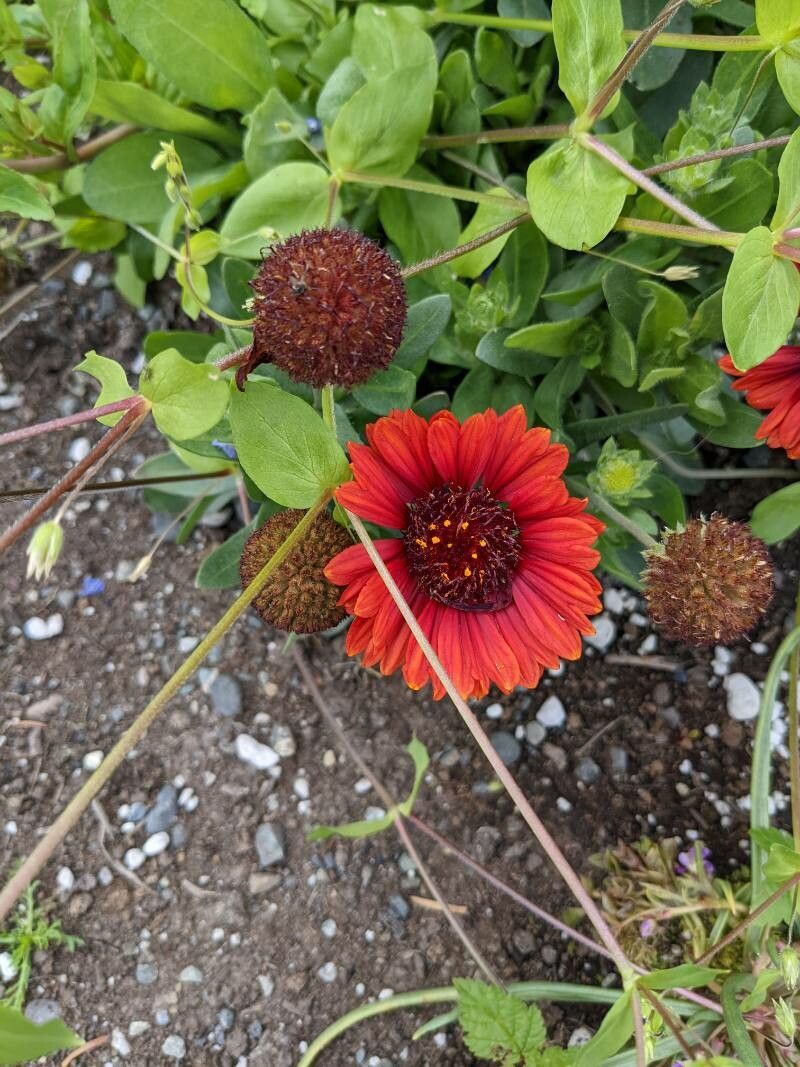
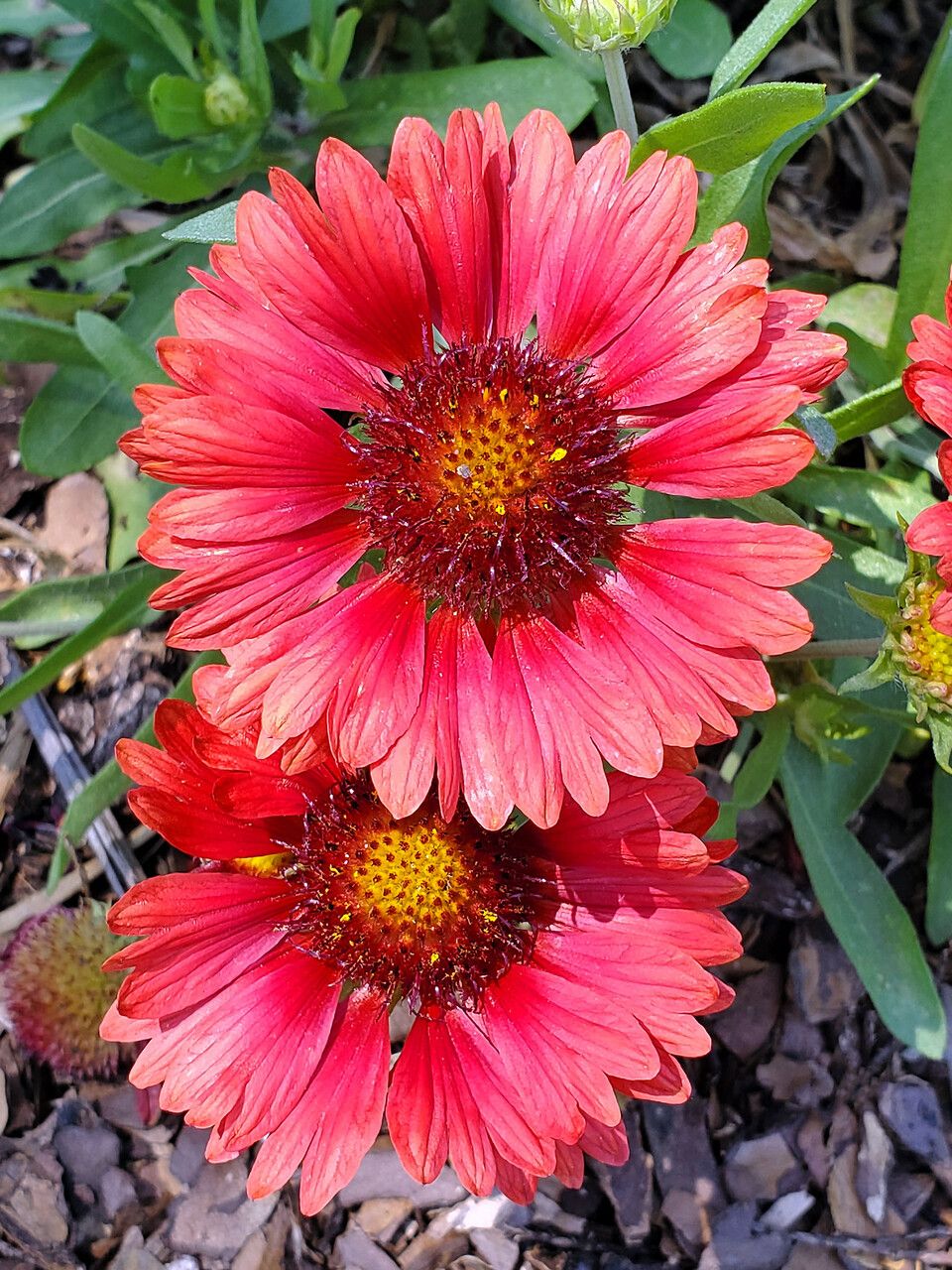
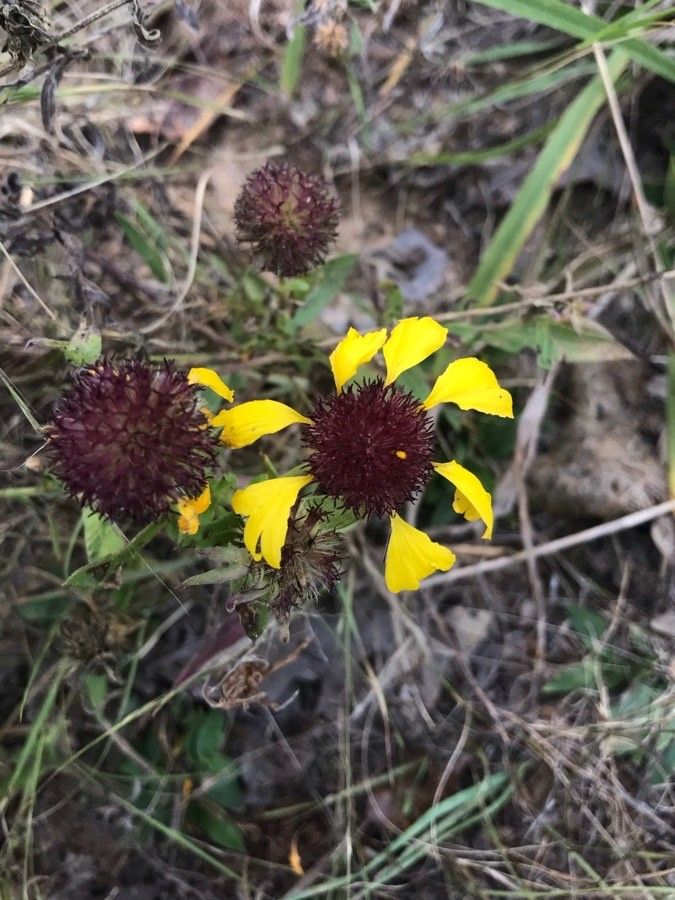
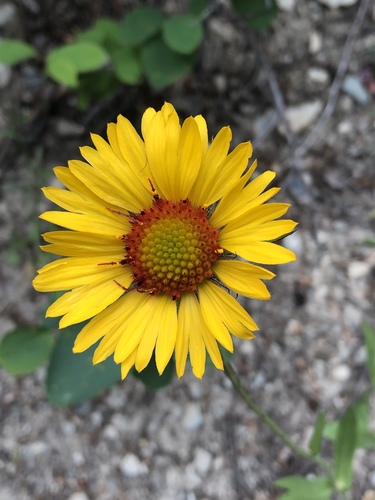
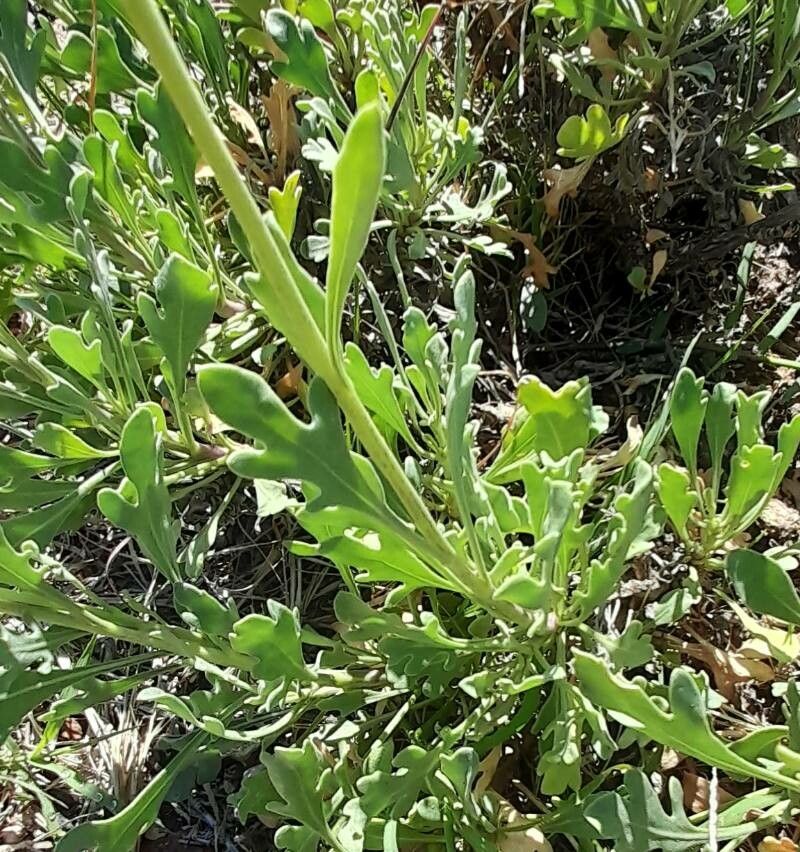
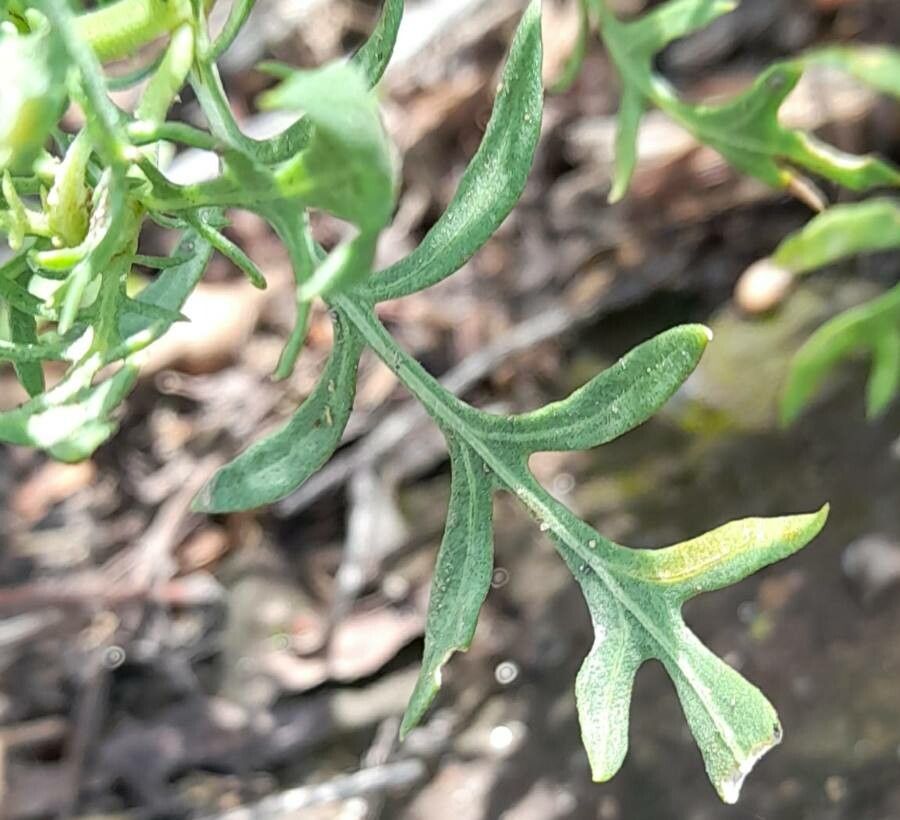
Gaillardia amblyodon, the maroon blanketflower, is a species of flowering plant in the aster family. It has been found only in the state of Texas in the south-central United States.Gaillardia amblyodon grows in open, sunlit locations on sandy soils. It is an annual herb up to 45 cm (18 in) tall with leafy stems. Each flower head is on its own flower stalk up to 15 cm (5.9 in) long. Each head has 8-12 red or purple (rarely yellow) ray flowers surrounding 30-60 disc flowers (yellow with purple tips). The species appears to be closely related to the more widespread G. pulchella.
The maroon blanketflower is fairly resistant to diseases and typically does not suffer from them. Still, it can be affected by pests and diseases present in its environment. Such issues are generally mild. Care-wise, this plant needs a moderate level of attention. It should be pruned regularly to preserve an attractive appearance and encourage healthy growth. Applying fertilizer can also support increased flowering. This plant is appropriate for anyone who has an outdoor area, like a garden or patio, and does not demand extensive care experience. It may need more attention if grown indoors.
How to keep Gaillardia Amblyodon.
Light
Maroon blanketflower comes from bright, open habitats where it flourishes in full sun. It tolerates partial sun but prefers direct sunlight for best growth. This plant, which can be annual or biennial, is noted for its sun-loving nature.
Temperature
The Maroon blanketflower can adapt to a wide range of temperatures, but its distribution may still be limited by various combinations of water and heat conditions. It does best in warm summer climates with sufficient rainfall or watering. Extended periods of cloudy, rainy weather, as well as prolonged high temperatures, can increase the likelihood of the Maroon blanketflower dying. In winter, proper protection from cold can improve the plant's chances of survival.
Fertilizer
When most of the Maroon blanketflower's blooms have opened to full size, resume fertilizing. During the period of peak bloom production, apply fertilizer every three to four weeks, weather permitting. After the plant begins to produce fewer new blooms, stop fertilizing—there's no need to feed it when it can no longer produce additional flowers.
Pruning
The Maroon Blanketflower is known for its vibrant maroon blossoms and flourishes when properly pruned. To encourage healthy growth and plentiful blooms, use techniques like deadheading and cutting stems back by one-third after flowering. These tasks are best performed in early spring. Regular maintenance not only improves air circulation, which reduces the risk of disease, but also enhances the plant's overall health and appearance.
Botanical profile.
- Plant Type
- Herb
- Life Cycle
- Annual
- Genus
- Gaillardia
- Family
- Asteraceae
- Hardiness Zone
- 4-11
- Mature Height
- 46 cm
- Mature Spread
- 1.22 m
- Leaf Color
- Green, Dark Green
- Leaf Type
- Semi-evergreen
- Flower Color
- Red
- Flower Size
- 5.08 cm
- Bloom Time
- Late spring, Summer
- Planting Time
- Spring, Summer, Autumn
- Harvest Time
- Mid summer, Late summer, Early fall, Mid fall
Other names.
Reader questions.
What are the sunlight requirements for Maroon blanketflower?
Maroon blanketflower, known botanically as Gaillardia amblyodon, thrives in bright, open environments indicative of its natural habitat. This plant requires full sun, defined as above 6 hours of sunlight daily, to flourish but can also tolerate partial sun, which consists of about 3-6 hours of sunlight. Given its sun-loving nature, it's essential to ensure it's planted in a location where it receives adequate sun exposure for optimal growth. When arranging your garden or deciding on a spot for your Maroon blanketflower, observe how sunlight moves through the area and choose places that offer a good balance of light and shade, considering the plant's preferences.
How can artificial lighting support Maroon blanketflower growth indoors?
Indoor cultivation of Maroon blanketflower may require artificial lighting to compensate for insufficient natural sunlight, especially during winter or in less sunny spaces. For optimal growth, it's crucial to provide adequate lighting. Selecting the right type of artificial light is vital, with LED lights being a popular choice due to their ability to emulate specific wavelengths needed by plants. Full sun plants, like the Maroon blanketflower, need 30-50W/sq ft of artificial light. The artificial light source should be placed 12-36 inches above the plant to mimic the natural sun and kept on for 8-12 hours per day to simulate the duration of natural daylight.
What are the signs of insufficient light for Maroon blanketflower?
When Maroon blanketflower is grown indoors or under insufficient light conditions, it may exhibit several symptoms indicating light deficiency. These include smaller than usual new leaves, leggy or sparse growth that makes the plant appear weak, faster leaf drop as a conservation measure, and a halt in growth signaling survival mode. Additionally, new leaves might appear lighter in color or show signs of chlorosis, turning yellow due to inadequate chlorophyll. Other symptoms can include sunscald from too much direct light, leaf curling as a defense against excessive sunlight, wilting due to increased water loss, and leaf scorching characterized by brown, dry edges.
What solutions can address light deficiency symptoms in Maroon blanketflower?
Addressing light deficiency in Maroon blanketflower can involve several strategies, whether the plant is grown indoors, outdoors, or in the ground. For indoor plants, gradually moving them to a location with at least 6 hours of direct sunlight daily or using artificial light sources like desk lamps or professional grow lights for 8 hours daily can be effective. Outdoors, it's crucial to transition plants progressively to sunnier spots to prevent sunburn, emphasizing gradual adaptation to light changes. In the ground, reducing obstructions by pruning trees or transplanting the plant during its dormant period to a sunnier location with good drainage can significantly improve light exposure. It's important to note that while increasing light exposure encourages healthy new growth, parts of the plant previously affected by insufficient light may not fully recover.