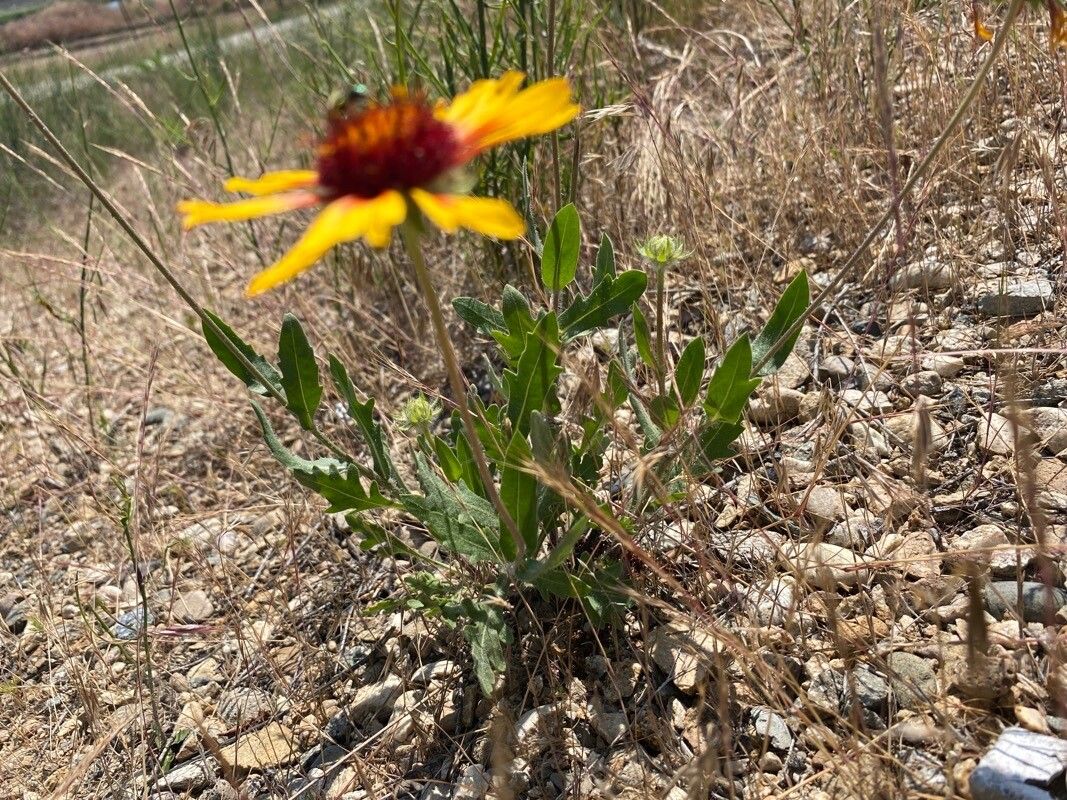
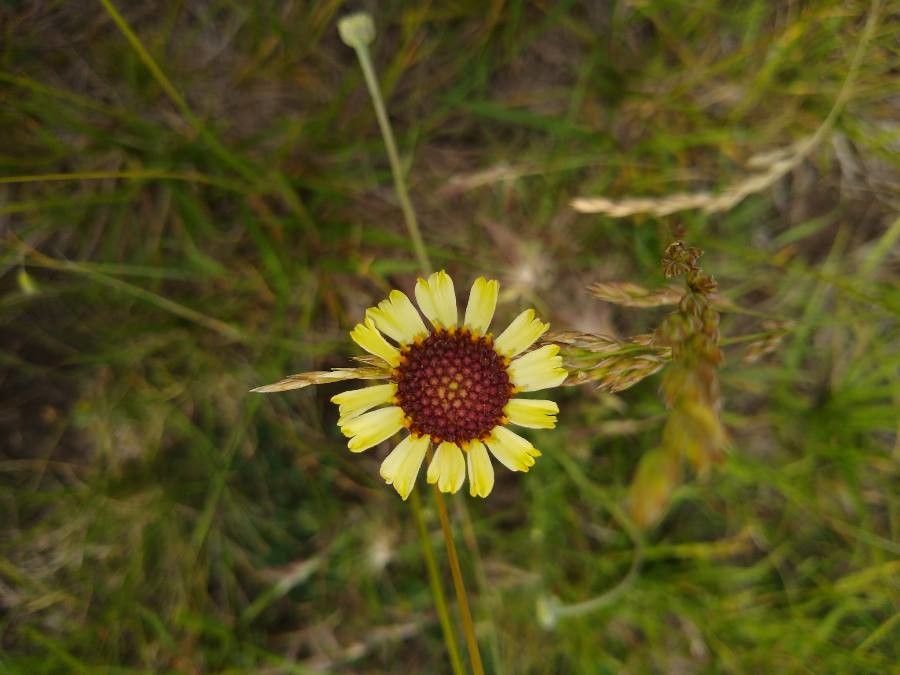
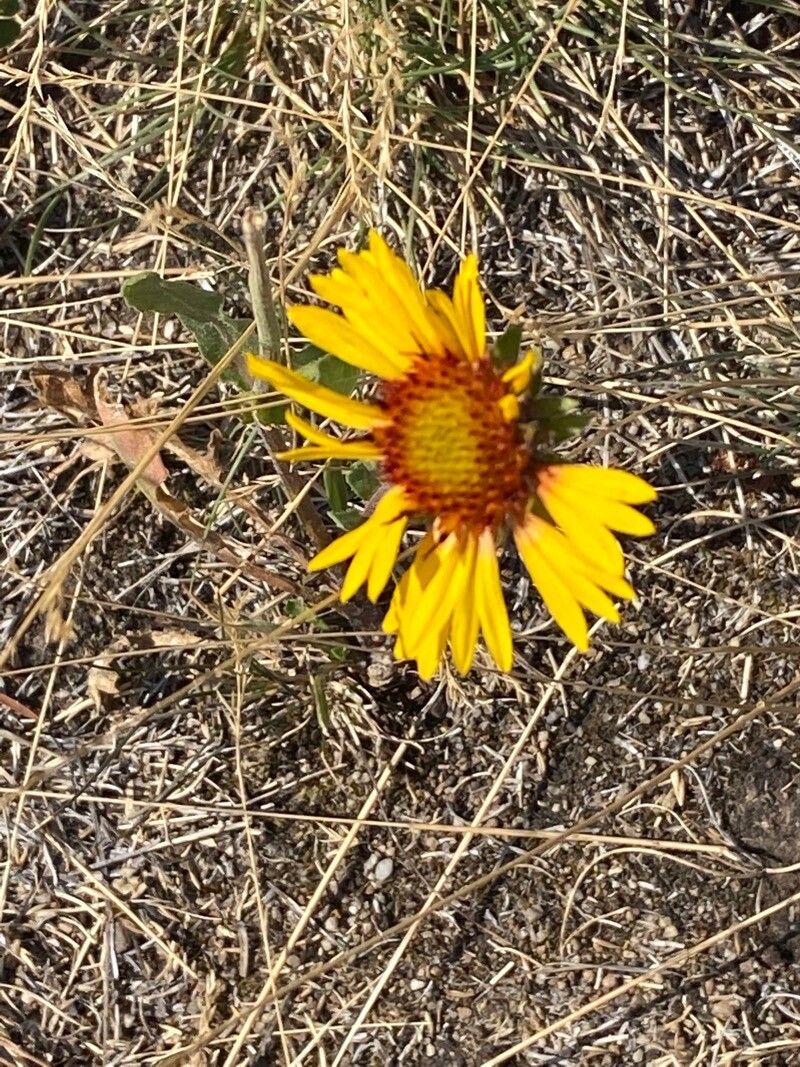
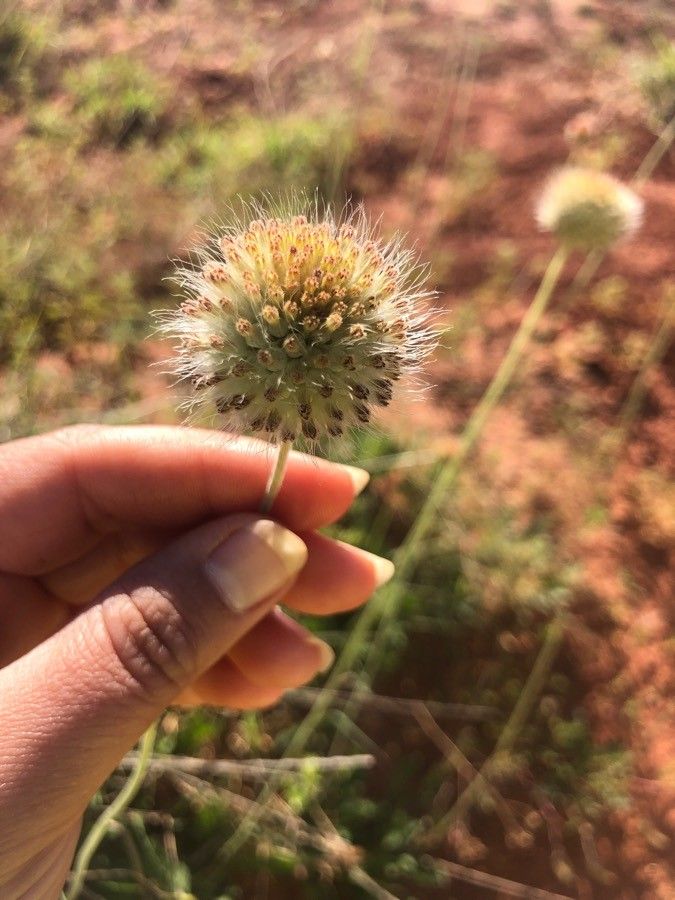
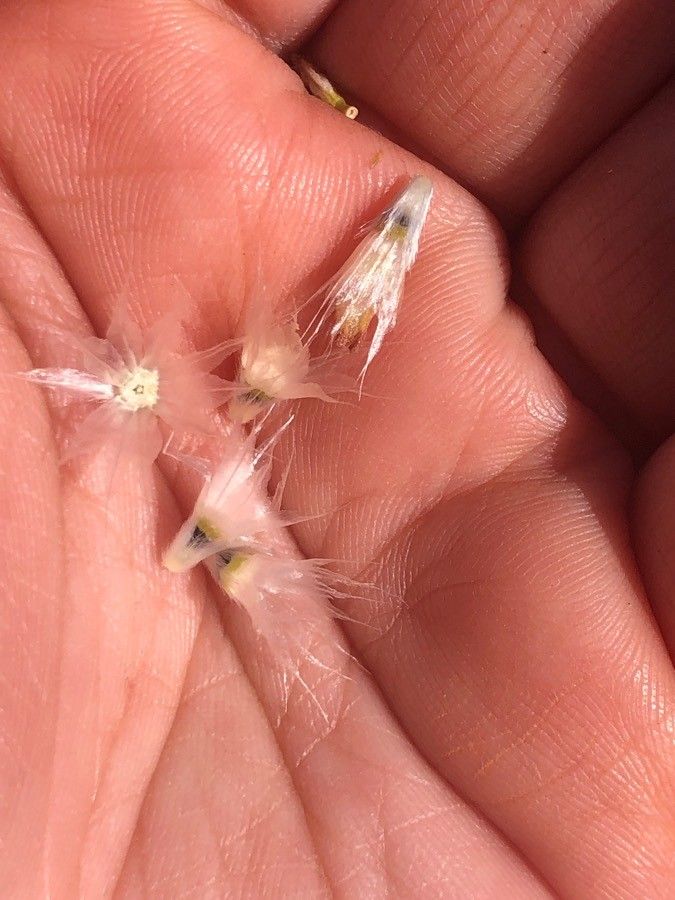
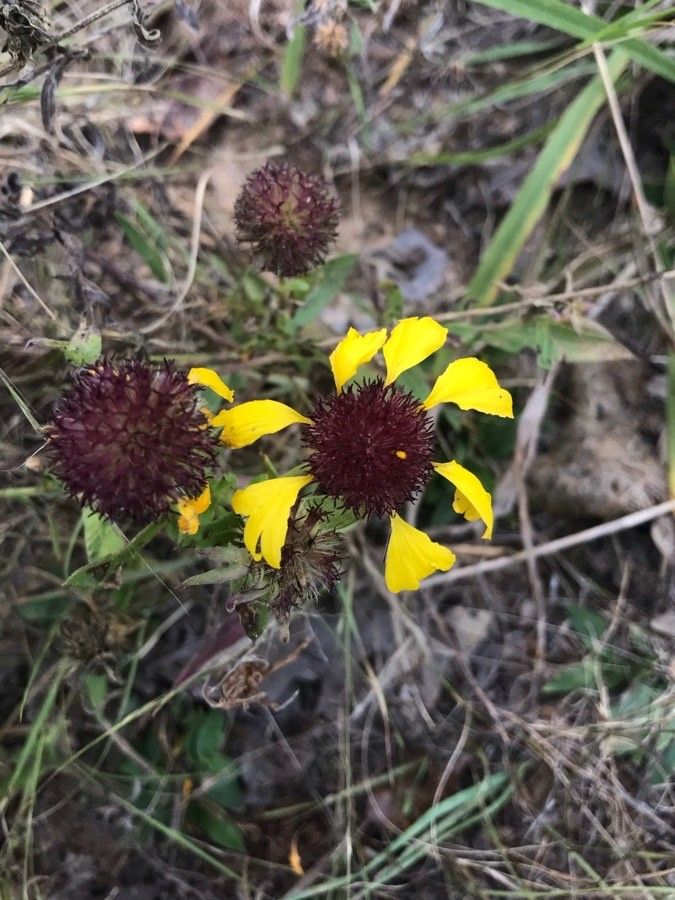
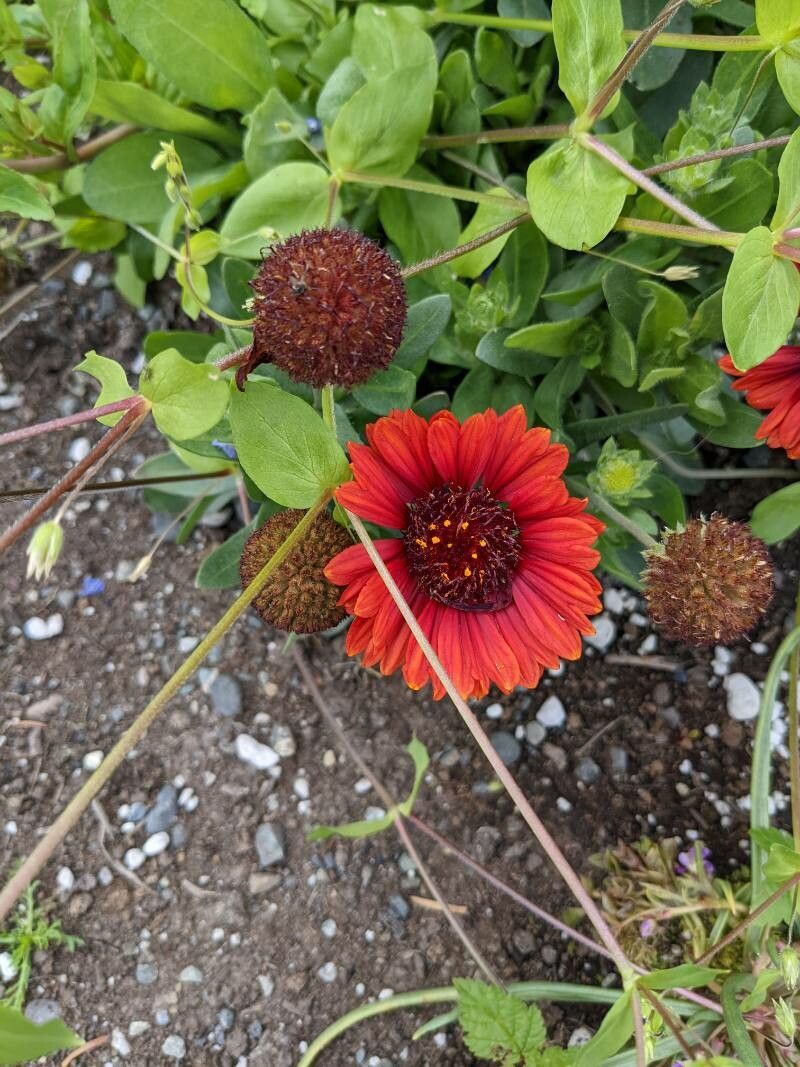
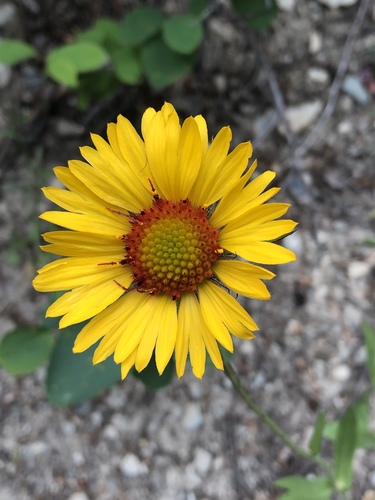
Gaillardia pinnatifida, commonly known as the red dome blanket flower, is a perennial plant native to the southwestern United States. This member of the Asteraceae family is distinguished by its bright red flowers with yellow tips, which bloom from late spring to early summer. Growing 1 to 2 feet tall and spreading equally wide, it makes a vibrant addition to any garden.
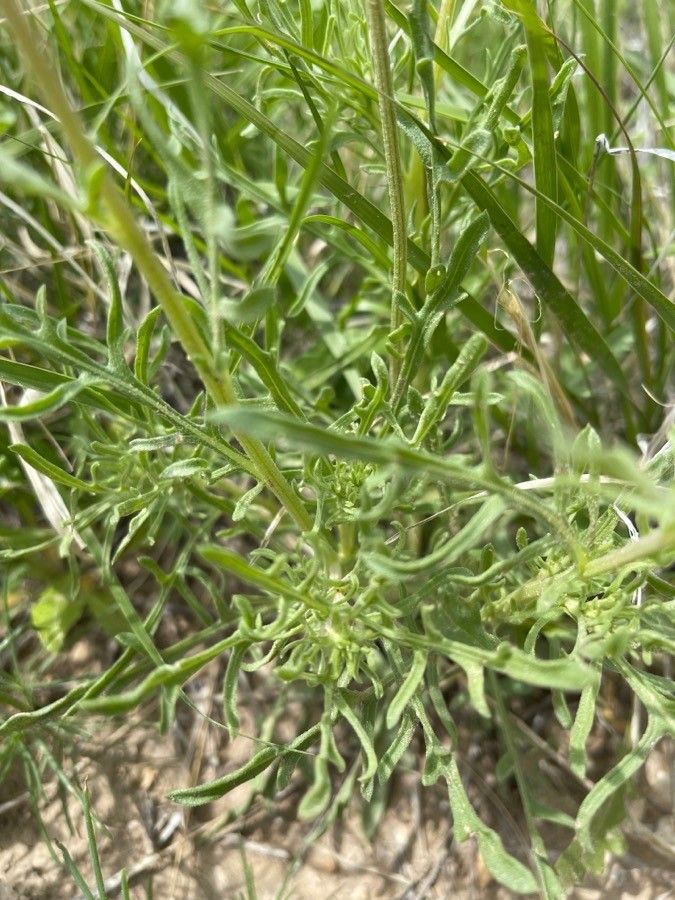
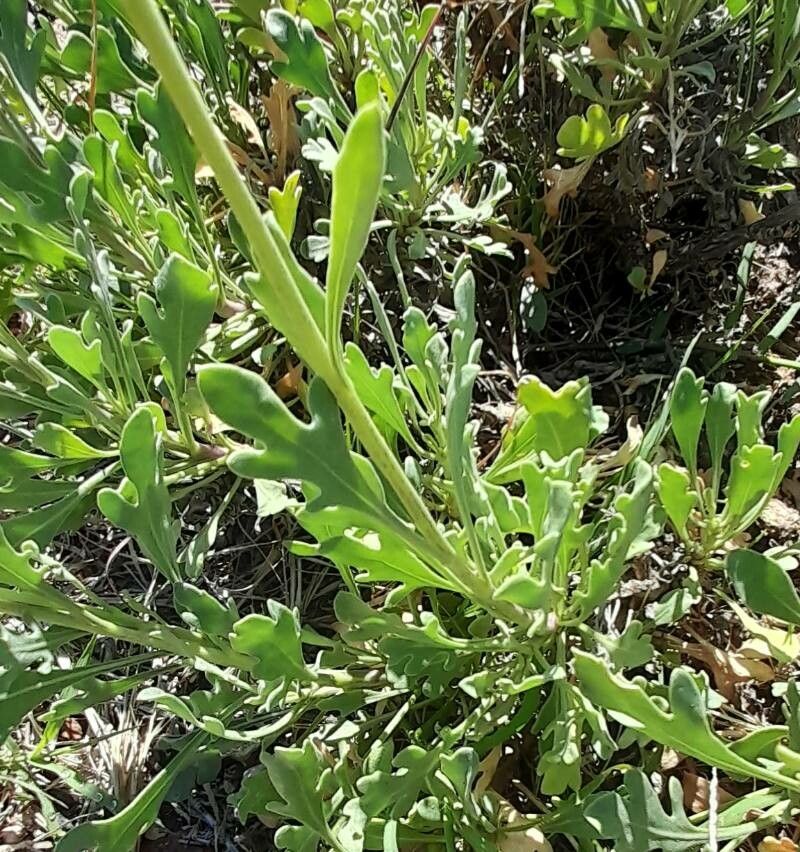
The leaves of Gaillardia pinnatifida are deeply lobed and resemble ferns, sporting a green hue and a slightly hairy texture. The plant's attractive, daisy-like flowers rise on long stems above the foliage.
This plant thrives in full sun but can tolerate partial shade, particularly in hotter climates. It prefers well-drained soil that is not overly rich in nutrients, as excessive fertilization can lead to leggy growth and reduced blooms.
An excellent choice for rock gardens or xeriscapes, Gaillardia pinnatifida is drought-tolerant once established. Its bright blooms attract pollinators such as bees, butterflies, and hummingbirds.
Overall, Gaillardia pinnatifida is an easy-to-grow perennial that provides vibrant color to any garden or landscape with minimal maintenance once established.
Red dome blanketflower has good disease resistance and typically is not prone to illnesses. However, it can be susceptible to pests and diseases present in its surroundings. These infections are generally not severe. In terms of care, this plant requires a moderate level of maintenance. It should be pruned regularly to maintain a good appearance and healthy growth. Fertilizing can also help encourage flowering. Red dome blanketflower is suitable for anyone with outdoor space, such as a garden or patio, and does not demand extensive plant-care experience. It may need more attention when grown indoors.
How to keep Gaillardia Pinnatifida.
Light
Red dome blanketflower performs best with plentiful sunlight. Too little light can cause weak growth and poor flowering, while too much can scorch the leaves. Native to open habitats, it is suited to unobstructed sun exposure. Accordingly, its various stages of development, from seedling to maturity, also require a considerable amount of sunlight.
Water
The Red Dome Blanketflower is well-suited for semi-arid environments, as it is drought-tolerant and requires minimal moisture. It thrives best in well-drained soils and benefits from weekly watering to maintain optimal health. This plant is an excellent choice for xeriscapes, displaying remarkable resilience in water-wise gardens during dry seasons.
Temperature
Red dome blanketflower is native to regions where the average temperature ranges from 59 to 95 °F (15 to 35 ℃). It does best when the environment matches its preferred temperature conditions. It is adaptable to seasonal changes, and adjusting temperatures to align with the seasons is recommended when necessary.
Fertilizer
The best time to fertilize a Red dome blanketflower is in early spring, when it is coming out of dormancy and beginning active growth. Fertilization supplies essential nutrients needed for healthy development. Although the Red dome blanketflower has fairly low fertilizer requirements, applying fertilizer annually can improve its survival and encourage healthier, longer-lasting blooms.
Pruning
The Red Dome Blanketflower is known for its vibrant blooms and benefits greatly from spring pruning. To encourage growth and maintain its shape, remove spent flowers and dead stems. For sprawling varieties, a significant cutback can be beneficial. Pruning improves airflow, reduces pests, and extends the blooming period. Be sure to use clean tools and avoid cutting into the woody base.
Botanical profile.
- Plant Type
- Herb, Shrub
- Life Cycle
- Perennial
- Genus
- Gaillardia
- Family
- Asteraceae
- Hardiness Zone
- 7-10
- Mature Height
- 33 cm
- Mature Spread
- 30 cm to 46 cm
- Leaf Color
- Green
- Leaf Type
- Semi-evergreen
- Flower Color
- Yellow, Red, Orange
- Flower Size
- 7.62 cm to 10.16 cm
- Bloom Time
- Late spring, Summer, Early fall, Mid fall
- Planting Time
- Spring, Summer, Autumn
- Harvest Time
- Mid summer, Late summer, Fall, Early winter
- Native Area
- Mexico
Other names.
Reader questions.
How should I water my Red dome blanketflower to keep it healthy?
When watering the Red dome blanketflower, it is recommended to use filtered water at room temperature. Tap water may contain harmful particles, so it's best to avoid it. The Red dome blanketflower prefers warm water as it comes from a warm environment. Cold water can shock the plant. Instead of overhead watering, it's better to apply filtered room temperature water directly to the soil until it is soaked. This method helps moisten the roots and allows them to spread and collect nutrients.
What are the sun requirements for Red Dome Blanketflower?
The Red Dome Blanketflower thrives in different sunlight conditions depending on its growth stage. Full sun exposure, characterized by more than 6 hours of sunlight daily, is ideal for its growth. Partial sun, which means about 3-6 hours of sunlight, can also be sufficient for certain stages of its development. It's essential to observe how sunlight moves through your garden to ensure that you choose locations that provide the right balance of light and shade for your plants.
What is the native temperature range for Red Dome Blanketflower?
Red Dome Blanketflower flourishes in its native habitat where the average temperature oscillates between 59 to 95 °F (15 to 35 °C). The plant is highly adaptable to seasonal temperature shifts, hence adjusting the surrounding temperatures with the change of seasons is advisable to mimic its natural growing conditions. It exhibits strong resistance against cold, negating the need for special frost protection measures in most winter scenarios. Nonetheless, precautions should be taken if temperatures are forecasted to plummet below -15°C, by insulating the plant with soil or straw. To safeguard against drought and water scarcity during the colder months, it's recommended to water the plant generously before the initial frost in autumn, ensuring the soil remains moist but not waterlogged as it freezes.
What should I do if I give my Red dome blanketflower too much water or not enough water?
Overwatering and underwatering can harm your Red dome blanketflower. However, overwatering is a more common issue. When this plant gets too much water, it may wilt, turn yellow, and be susceptible to diseases like root rot, mold, and mildew, which can be fatal. Red dome blanketflowers are fairly drought-tolerant, so underwatering is less likely. But when it does happen, the leaves become brittle and brown. It's important to recognize the signs of overwatering early to prevent irreversible damage. If you notice these signs, reduce watering immediately and check the soil's draining capacity. If it drains poorly, replace it with well-draining potting mix. If you see signs of underwatering, simply water more regularly until the signs disappear.
Why is the right amount of sunlight important for Red Dome Blanketflower?
The Red Dome Blanketflower needs abundant sunlight to grow strong and flower well. Originating from open environments, it is adapted to receiving unobstructed solar exposure. Insufficient sunlight may result in weak growth and poor flowering, while too much sunlight can lead to leaf scorching. The plant's various growth stages, from seedling to maturity, require substantial sunlight to thrive effectively.
How does Red Dome Blanketflower react to low temperatures?
The Red Dome Blanketflower is quite cold-tolerant, thriving optimally at temperatures above 15°C, while maintaining resilience down to about -10°C. Below -15°C, even though the plant may not exhibit immediate distress, you might notice a reduced or completely absent sprouting activity come spring. To counteract any adverse effects of such cold exposure, it's suggested to prune away any parts of the plant that have failed to sprout as the warmer weather takes hold.
How often do I need to water my Red dome blanketflower?
If your Red dome blanketflower is in a pot, check the soil by sticking your finger in it. If the top two to three inches of soil feel dry, water the plant. When growing the Red dome blanketflower in the ground, use the same method to test the soil. If the top few inches are dry, it's time to water. Usually, watering once a week is enough during spring and early fall. However, during extremely hot weather, you may need to water twice or more per week. Mature Red dome blanketflowers can handle drought well.
How can artificial lighting help indoor Red Dome Blanketflowers?
Indoor Red Dome Blanketflower plants require adequate lighting for optimal growth, especially when natural sunlight is insufficient, like in winter or shaded indoor spaces. Artificial lights, such as LED lights customized to provide specific wavelengths of light, can promote faster and healthier growth. For full sun plants, 30-50W/sq ft of artificial light is recommended, partial sun plants need 20-30W/sq ft, and full shade plants require 10-20W/sq ft. The light source should be placed 12-36 inches above the plant, simulating natural sunlight as closely as possible, with most plants needing 8-12 hours of light per day.
What should be done if Red Dome Blanketflower experiences high temperatures?
In the warmer months, it's crucial to ensure that the temperature around the Red Dome Blanketflower does not exceed 35°C. Exposure to temperatures beyond 41°C could lead to the leaves turning a lighter color, curling at the edges, suffering sunburn, or the plant could show signs of severe stress including wilting or drying out completely. To mitigate these high temperature stresses, affected parts should be pruned off. The plant may benefit from being relocated to a spot with more shade, especially during the peak sun of midday and afternoon, or by using a shade cloth to protect it. Additionally, maintaining soil moisture through watering in the early morning or evening can offer the plant some relief from the heat.
How often should I water my Red dome blanketflower?
To properly water your Red dome blanketflower, don't hesitate to give it a substantial amount of water. Make sure the first two to three inches of soil are dry before watering thoroughly. Ensure that you provide enough water to completely saturate the soil, causing any excess water to flow out through the drainage holes at the bottom of the pot. If you don't see this excess water draining, it means you haven't watered enough. However, be cautious not to let the water accumulate inside the soil, as this can harm the plant. Additionally, if water doesn't drain properly from the pot, it may indicate that the soil doesn't drain well and this should be avoided, as it can negatively affect the plant's health. If the plant is outdoors, watering it with 1 inch of rain per week is sufficient.
What signs indicate my Red Dome Blanketflower is not receiving enough light?
Several symptoms can indicate your Red Dome Blanketflower is suffering from insufficient light. These include smaller new leaves, leggy or sparse growth, faster leaf drop, slower or halted new growth, and lighter-colored new leaves. These signs suggest the plant is in survival mode due to poor light conditions, affecting its health and growth.
How should I water my Red dome blanketflower as it grows?
The water requirements of the Red dome blanketflower can vary depending on its growth stages. When the plant is young or has recently been transplanted, it needs more water than usual. During these stages, the Red dome blanketflower focuses on growing new roots to support future growth, so they require additional moisture. However, as the plant matures over a few seasons, it will need less water. Another stage in which the plant may need more water is during the bloom period when the flower development requires a significant amount of moisture.