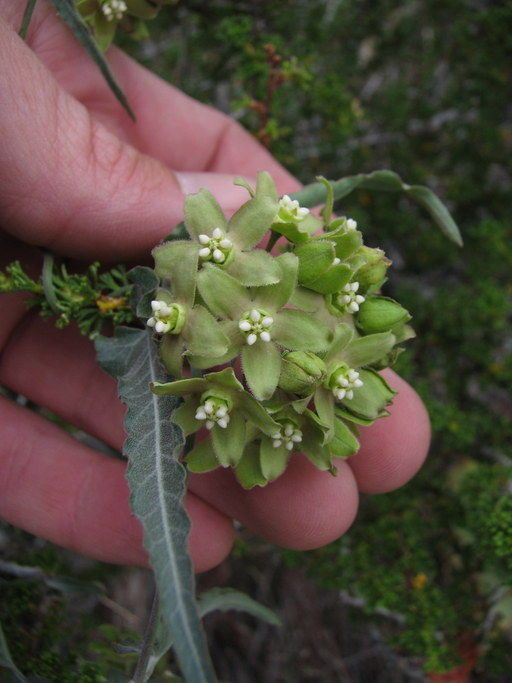
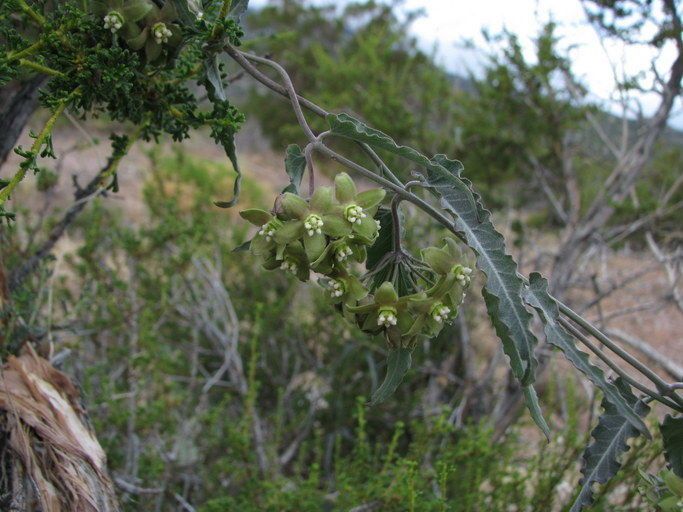
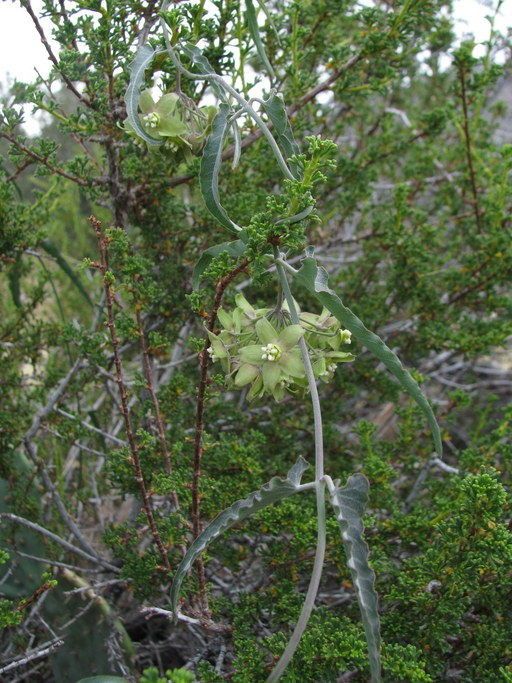
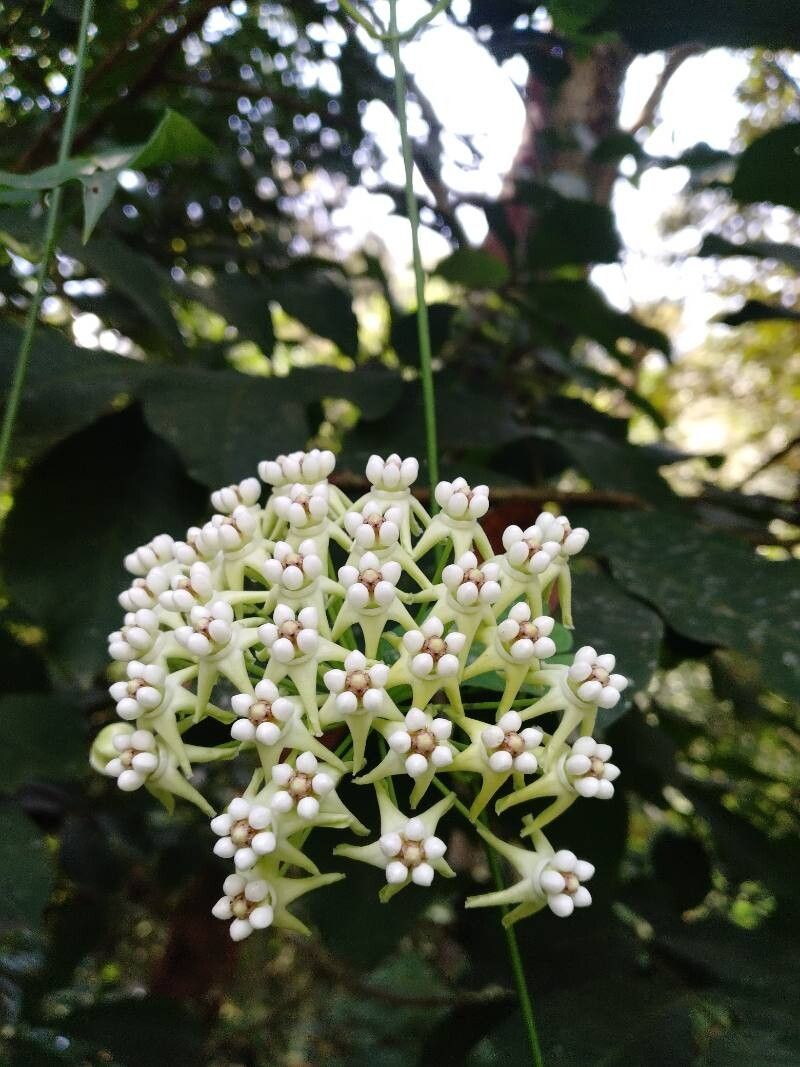
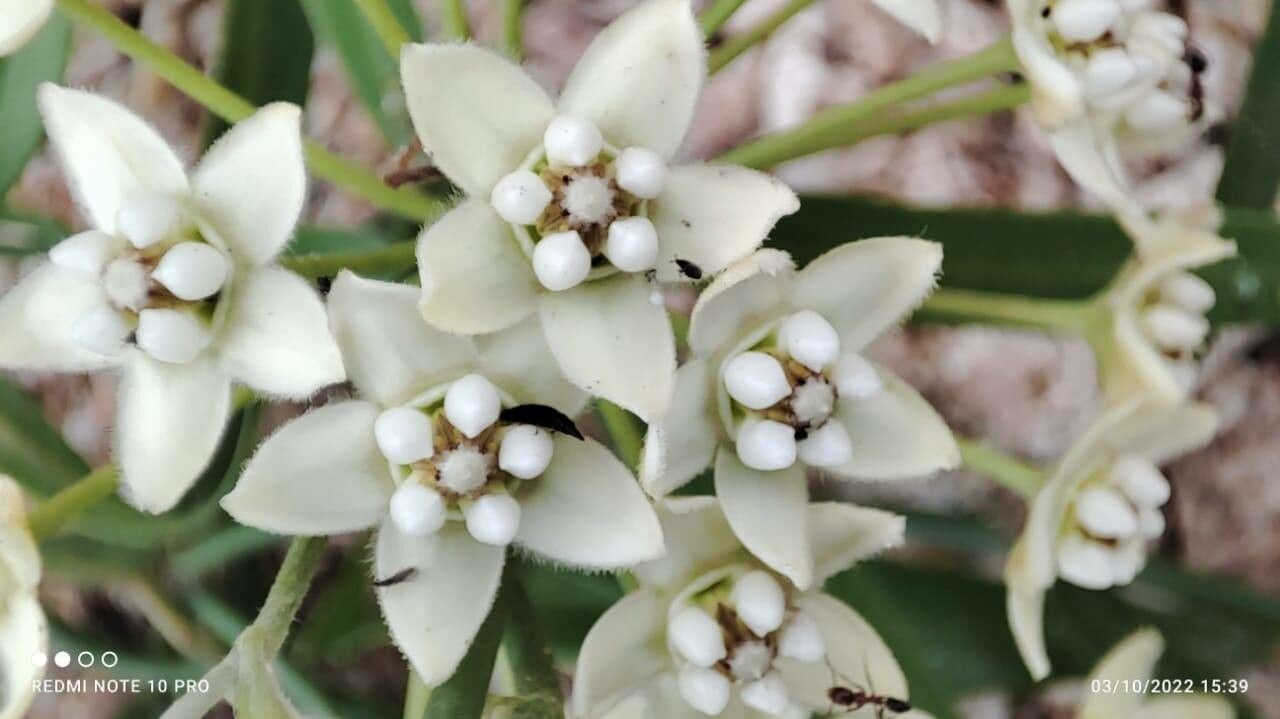
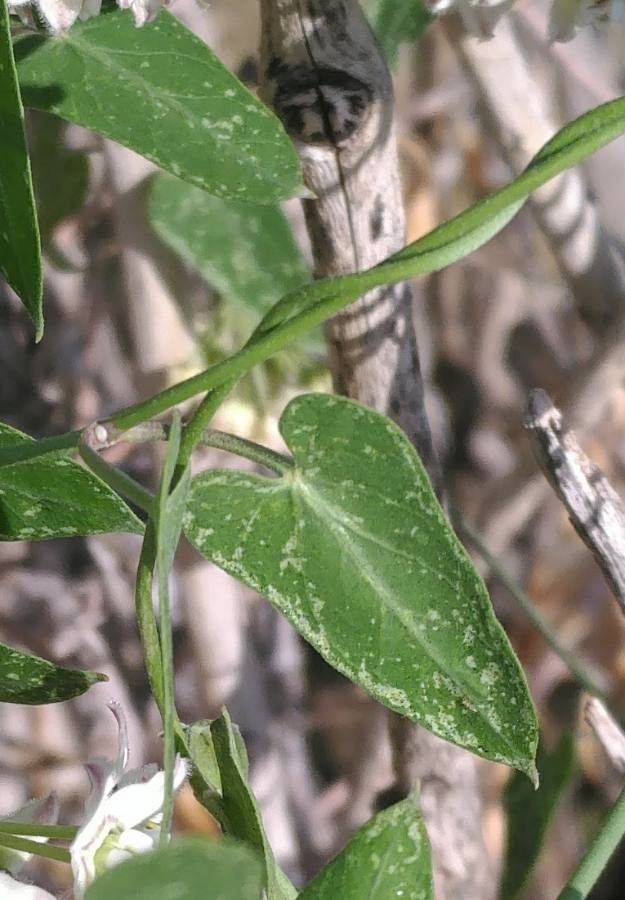
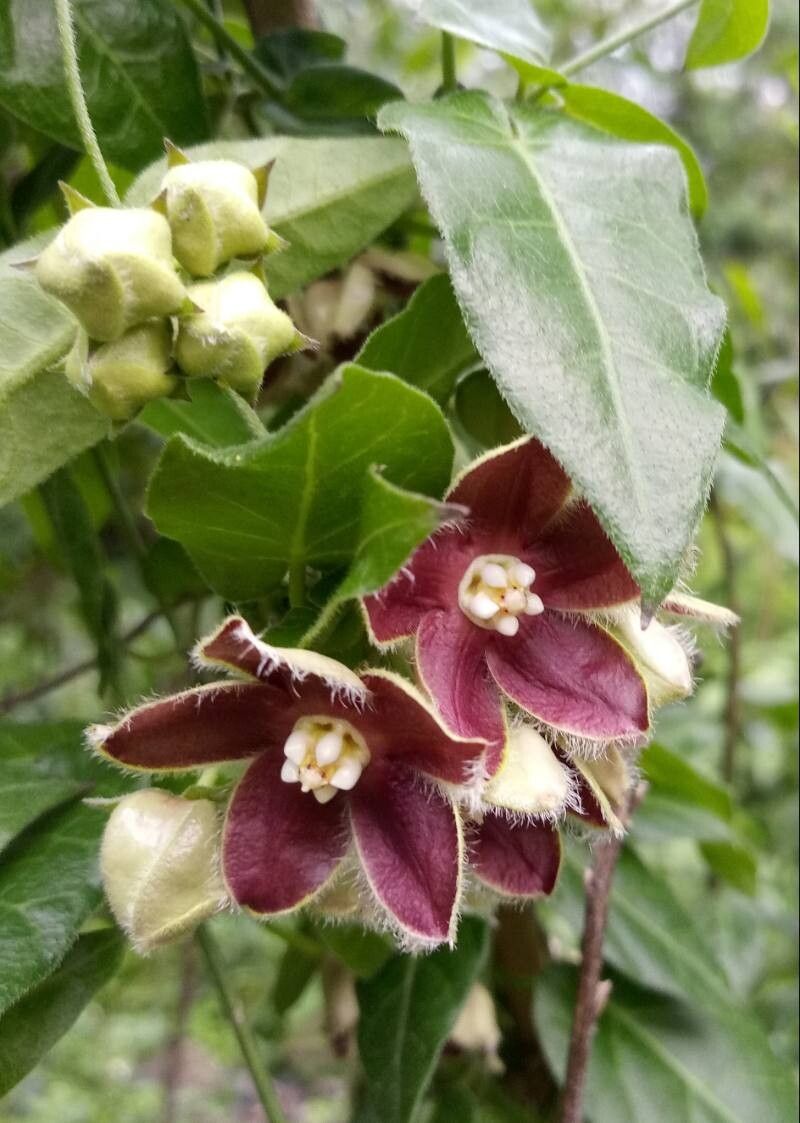
Wavy-leaf twinevine is fairly disease-resistant and usually not prone to illnesses. Nevertheless, it can be affected by pests and diseases present in its surroundings. These outbreaks are typically not serious. In terms of care, the plant requires moderate maintenance. It should be pruned regularly to keep a tidy appearance and support healthy growth. Fertilizing can also help encourage flowering. Wavy-leaf twinevine is appropriate for anyone with an outdoor space, such as a garden or patio, and does not call for extensive gardening experience. It may demand more attention when grown indoors.
How to keep Funastrum Crispum.
Light
The wavy-leaf twinevine is a perennial herbage that loves the sun, native to wide-open landscapes, frequently flourishing in meadows and grasslands. While it thrives ideally in full sunlight, it can acclimate to partially sunny environments as well.
Temperature
The wavy-leaf twinevine comes from regions of the tropics that are characterized by heat and humidity. Hence, it is well-suited to environments with high levels of warmth and dampness. The plant prefers steady temperatures and doesn't like abrupt temperature changes. Therefore, maintaining a consistent indoor temperature is crucial. The plant is generally intolerant of cold temperatures and thrives in warmer conditions. If the surrounding temperature falls excessively, the plant's growth could be halted or it could even perish.
Fertilizer
During its active growth period, which mainly takes place in the spring, summer, and early autumn, the Wavy-leaf twinevine necessitates the highest amount of fertilizer. The reason for fertilization is to supply vital nutrients that might be deficient in the soil, encouraging the healthy growth of roots and stems, as well as appealing leaves, which are an important characteristic of this specific plant.
Pruning
To keep your wavy-leaf twinevine healthy, prune any dead or damaged stems in early spring. This encourages new growth and improves the plant's vining structure. Light trimming helps maintain its shape and prevents overgrowth, which promotes air circulation and reduces the risk of disease. Regular pruning, in line with the plant's natural growth cycle, supports vigorous regrowth.
Botanical profile.
- Plant Type
- Vine, Herb
- Life Cycle
- Perennial
- Genus
- Funastrum
- Family
- Apocynaceae
- Hardiness Zone
- 9-11
- Mature Height
- 2.13 m to 3.96 m
- Mature Spread
- 0.91 m to 2.13 m
- Leaf Color
- Green
- Leaf Type
- Deciduous
- Flower Size
- 1.02 cm to 1.52 cm
- Bloom Time
- Summer, Early fall, Mid fall
- Planting Time
- Spring, Summer, Autumn
- Harvest Time
- Late summer, Fall, Early winter
- Native Area
- Mexico
Other names.