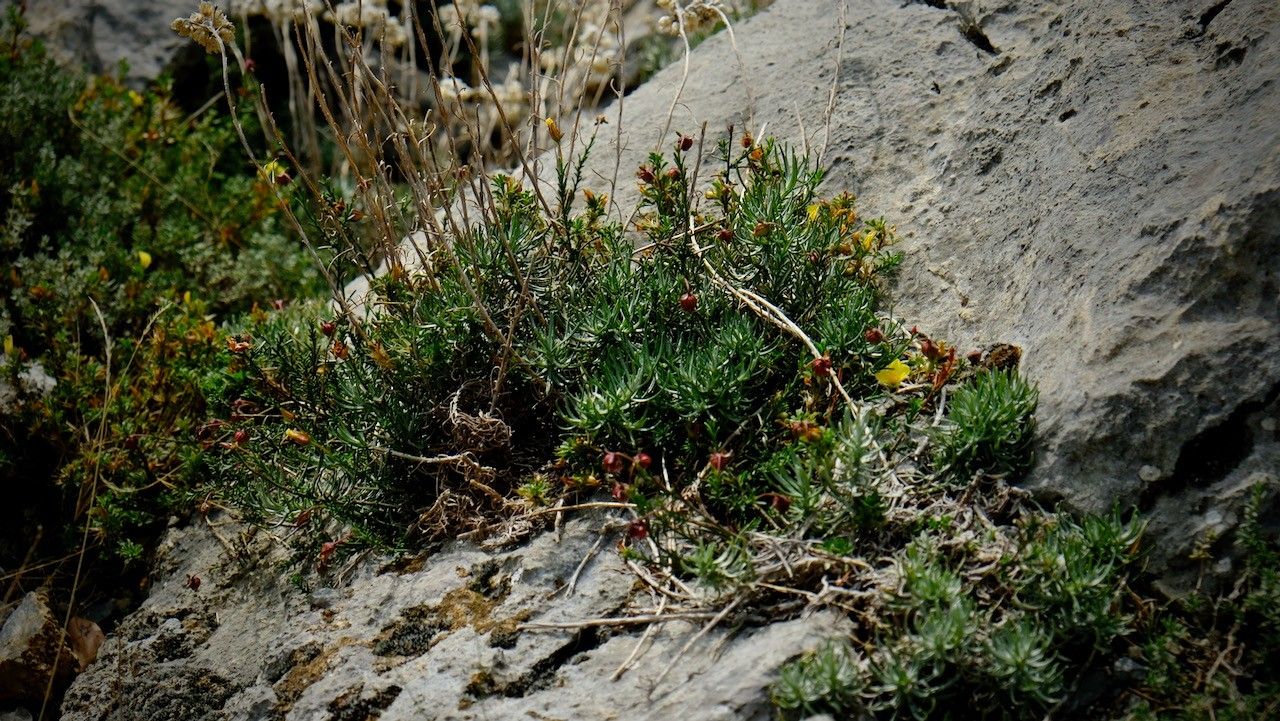
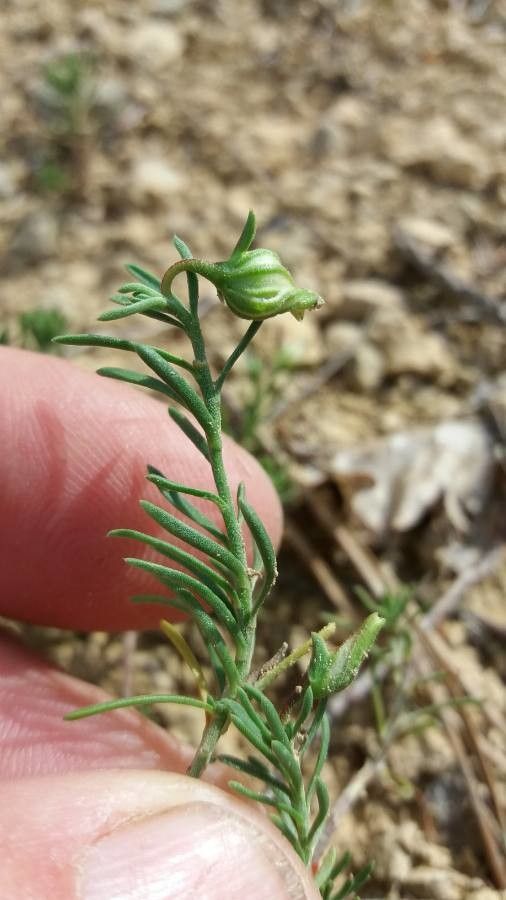
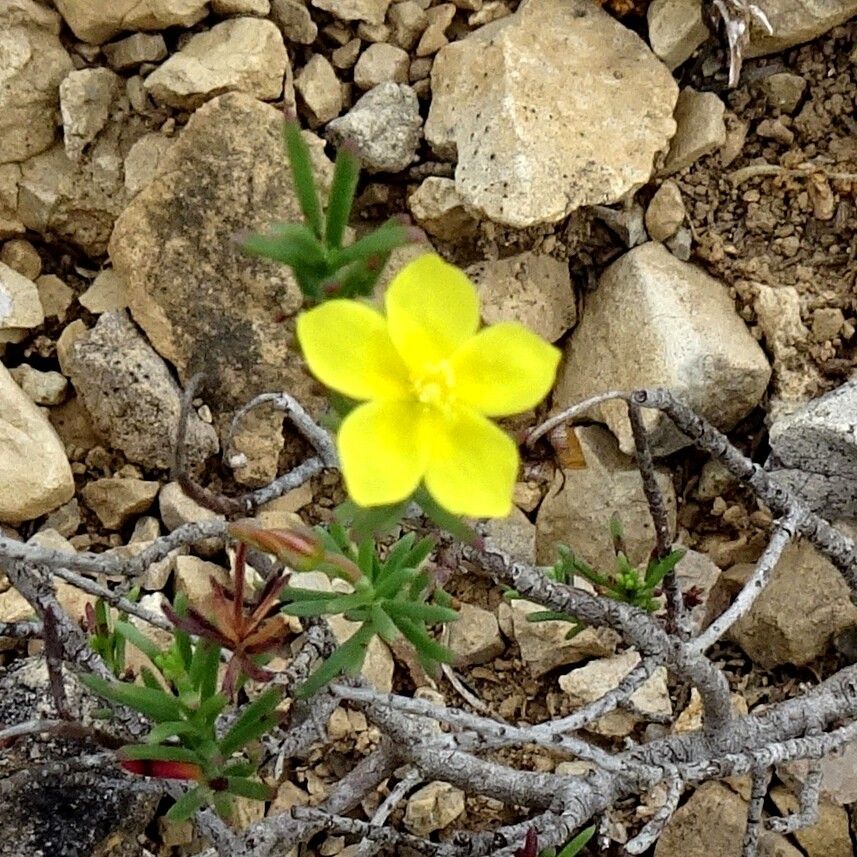
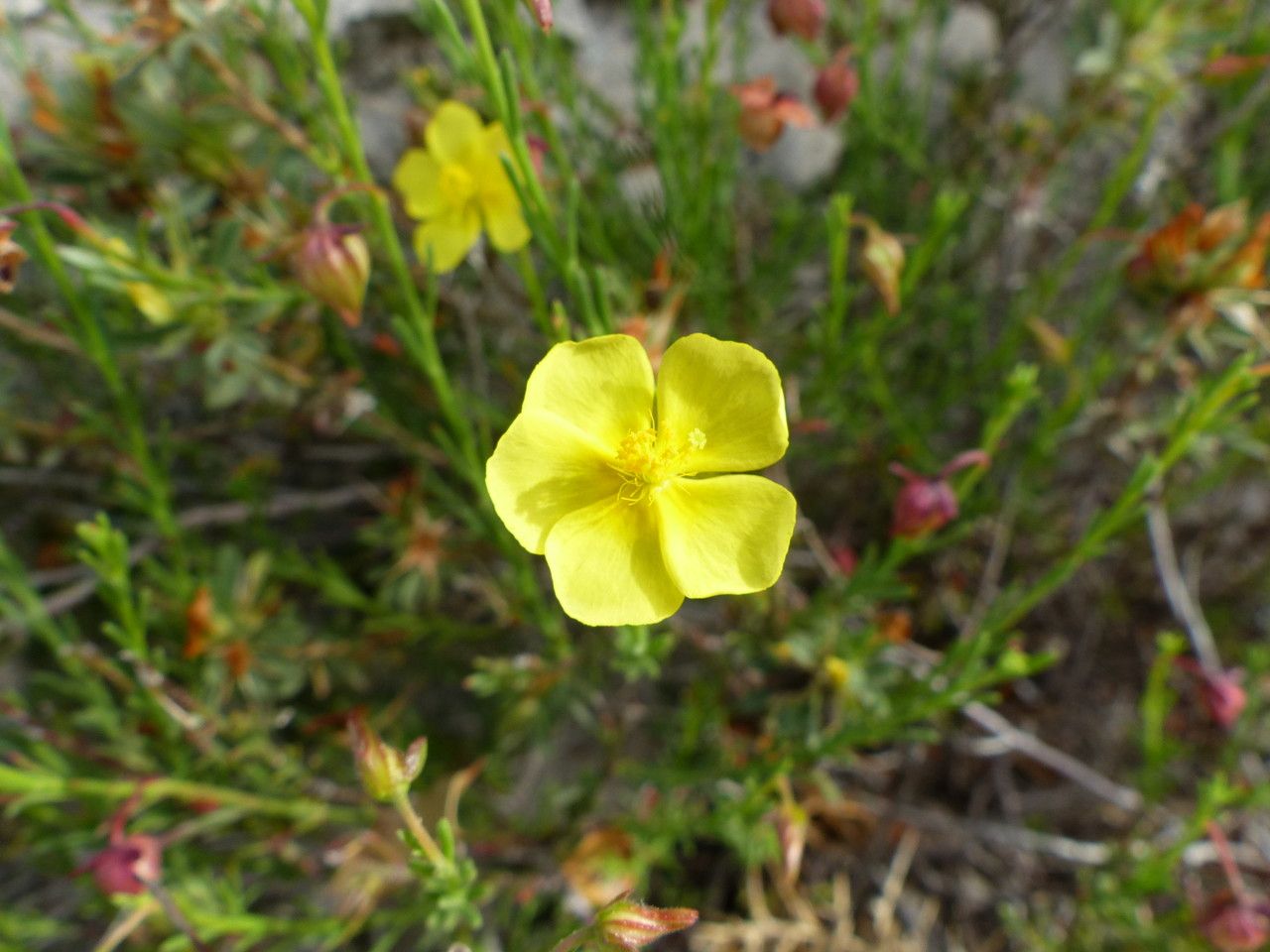
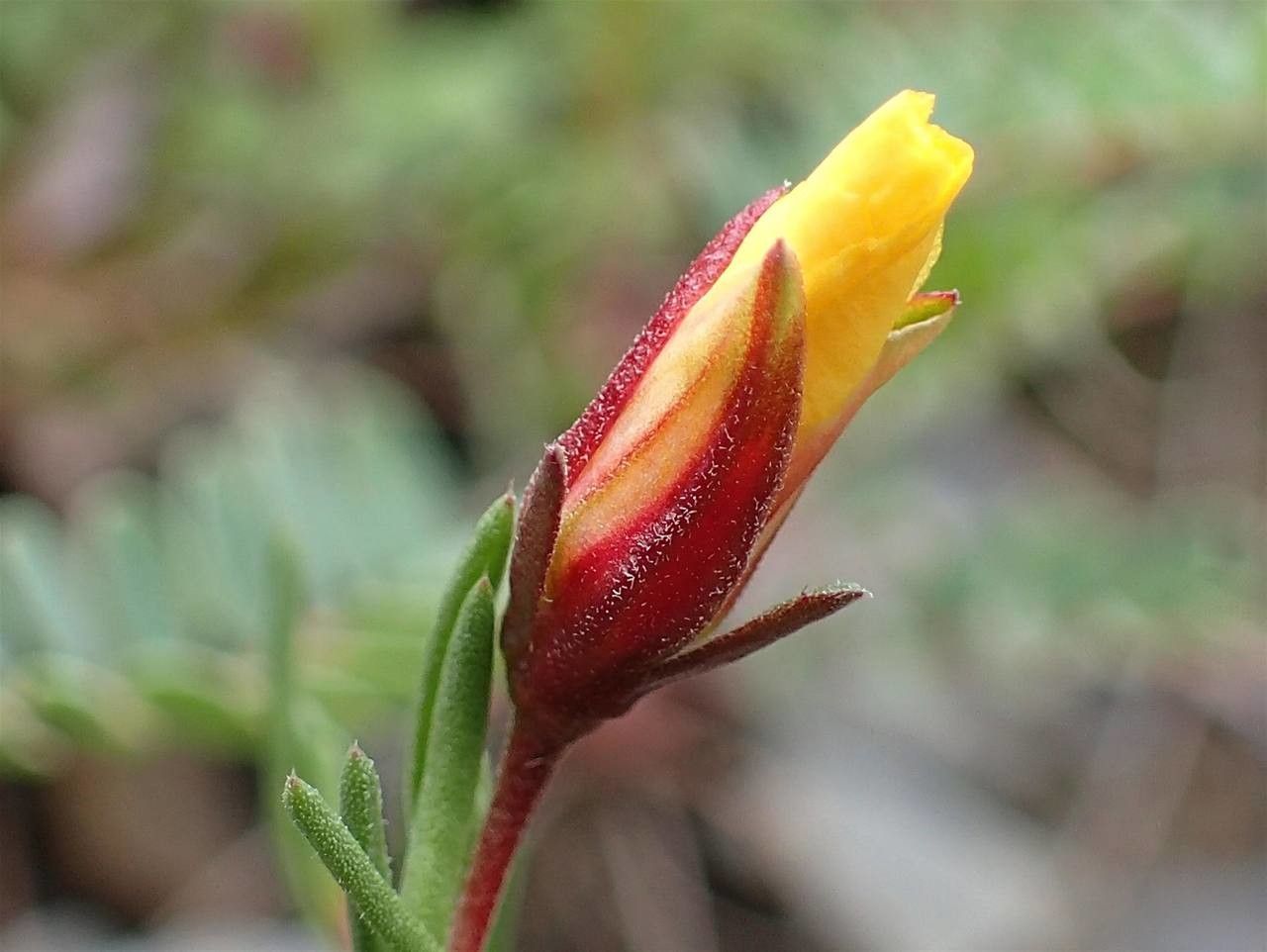
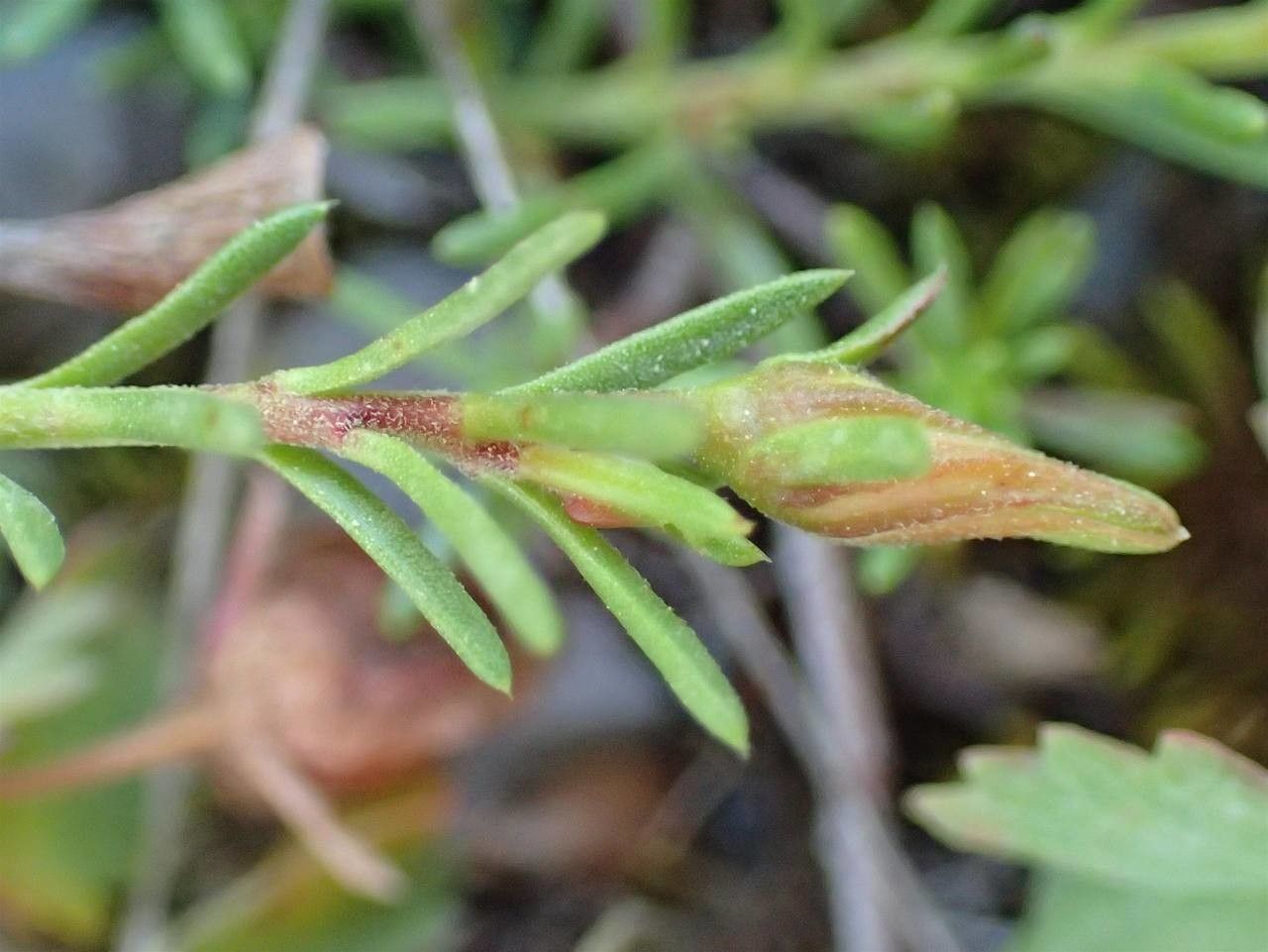
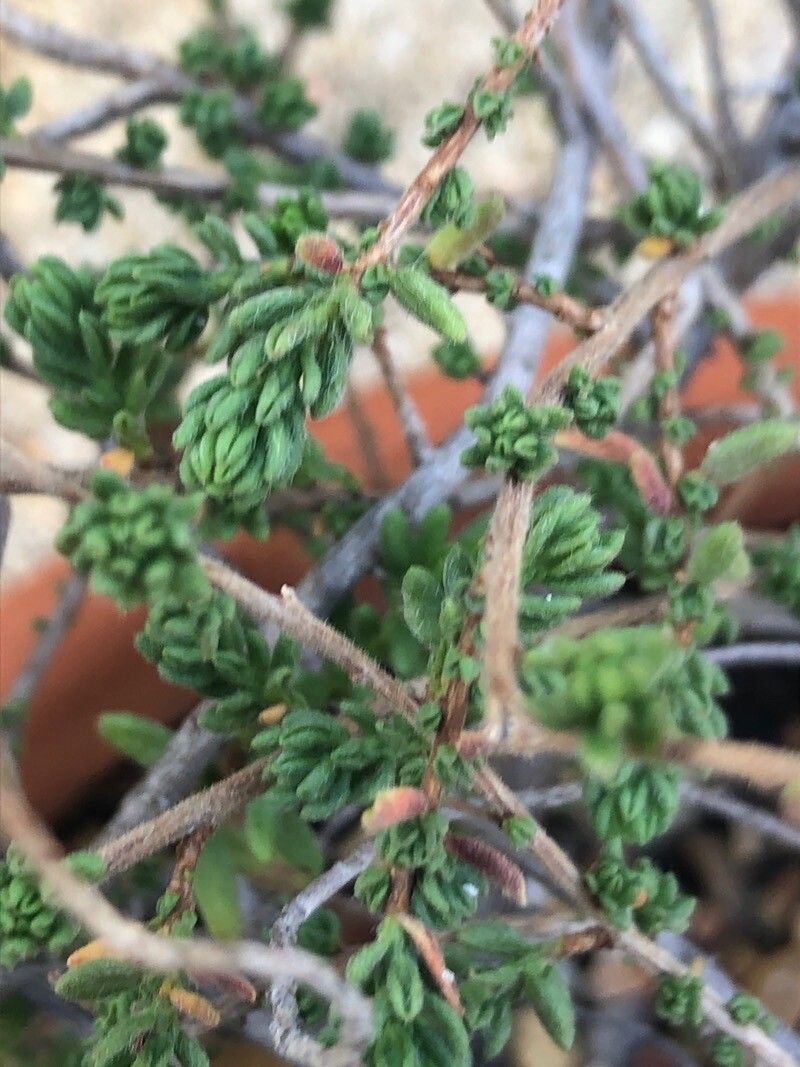
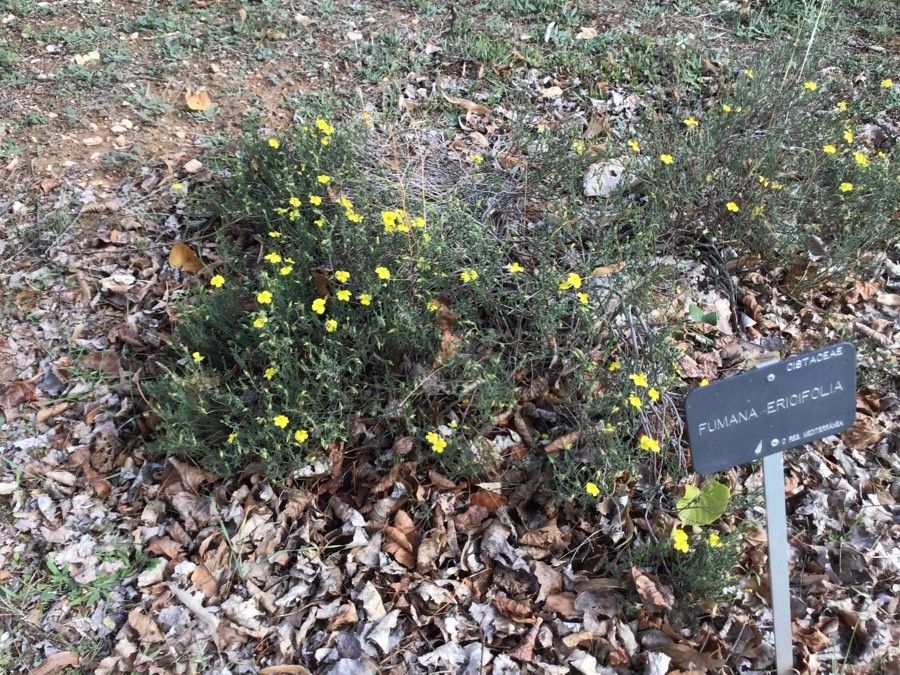
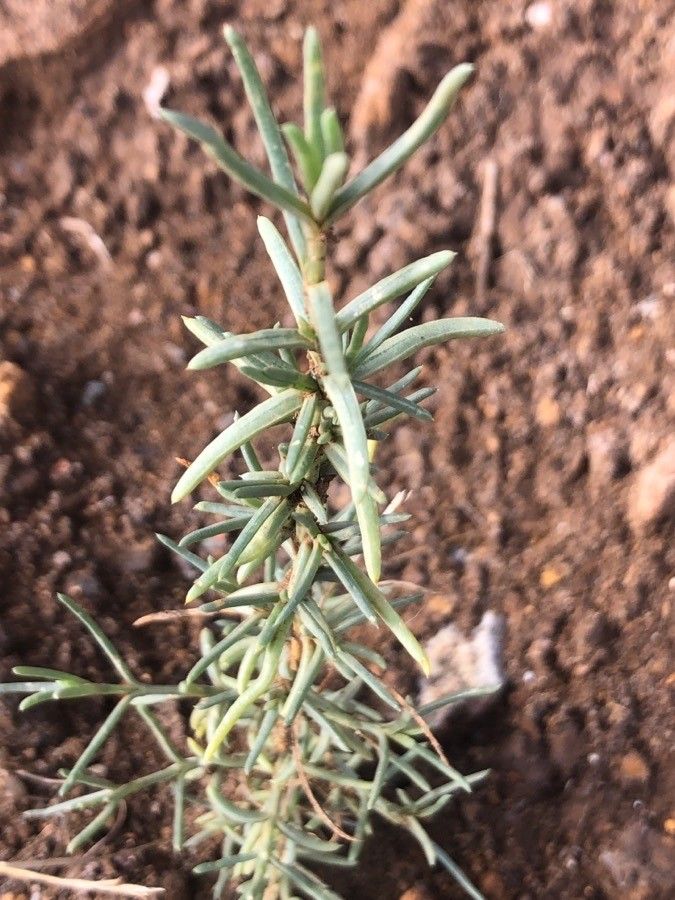
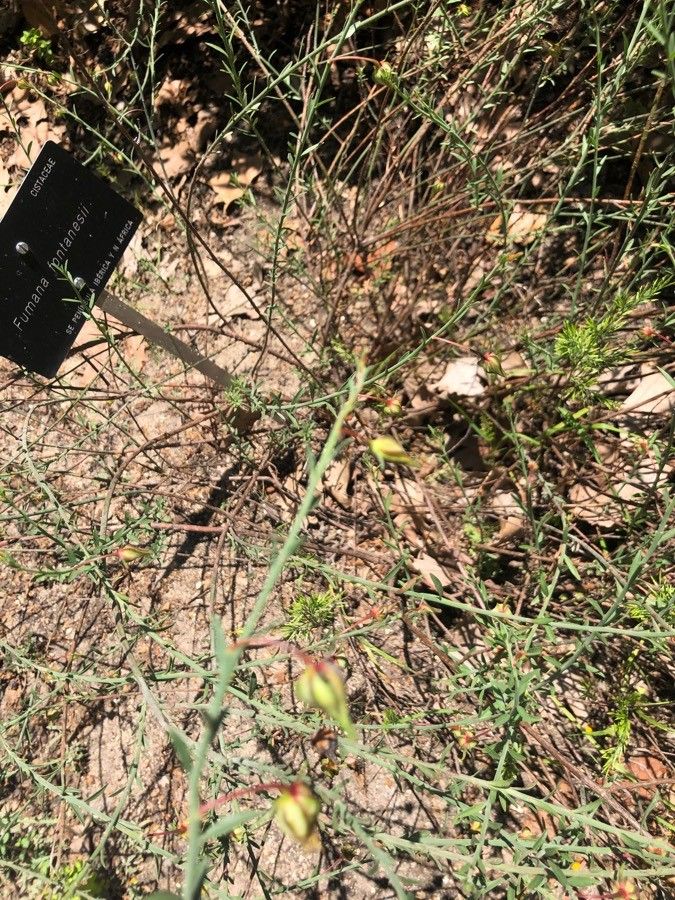
Common fumana shows strong resistance to disease and is generally not susceptible to illnesses. Regarding care, the plant is fairly low-maintenance. When grown outdoors it needs only minimal watering, and larger specimens typically do not require pruning. Smaller specimens, however, should be pruned after they finish blooming. Common fumana is suitable for anyone with an outdoor area, such as a garden or deck, and does not demand much experience in plant care.
How to keep Fumana Procumbens.
Light
Common fumana comes from open habitats, such as sunlit meadows and forest margins, which supply abundant light. It thrives in full sun but can also tolerate partial sun, adapting well to a range of light conditions.
Water
Common fumana thrives in arid environments and shows remarkable drought tolerance. It only needs watering every 2-3 weeks and prefers well-drained soil. As an evergreen species, it is best suited for outdoor growth, reflecting its ability to adapt to low rainfall conditions.
Temperature
Common fumana is native to temperate regions where yearly temperatures range from 41 to 77 °F (5 to 25 ℃). It grows best within this temperature span and may need temperature adjustments during pronounced seasonal shifts.
Fertilizer
Timing is important when fertilizing Common fumana. Apply fertilizer in early spring and continue monthly until early summer. Fertilizer promotes attractive blooms and supplies energy during both dormant and active growth phases.
Pruning
Common fumana is a low-growing, evergreen plant that requires minimal pruning during its dormant phase, which lasts from early to late winter. To improve its shape and air circulation, remove any dead or overcrowded branches. Use clean, sharp tools for precise cuts, as this will promote healthy growth and reduce the risk of disease.
Botanical profile.
- Plant Type
- Shrub
- Life Cycle
- Perennial
- Genus
- Fumana
- Family
- Cistaceae
- Hardiness Zone
- 5
- Mature Height
- 10 cm to 20 cm
- Mature Spread
- 20 cm to 30 cm
- Leaf Color
- Dark Green
- Leaf Type
- Evergreen
- Flower Color
- Yellow
- Flower Size
- 1.02 cm to 1.52 cm
- Bloom Time
- Late spring, Early summer, Mid summer
- Planting Time
- Spring, Summer, Autumn
- Harvest Time
- Late summer, Early fall
Other names.
Reader questions.
How should I water my Common fumana plant?
Your Common fumana doesn't require specific watering methods. You can use any common watering tool, like watering cans, hoses, or cups, to water it. It's important to water the soil directly, ensuring all areas are evenly moistened so that the entire root system receives sufficient water. Using filtered water is recommended, as tap water may contain harmful particles. It is also best to use water at or slightly above room temperature, as overly hot or cold water can be a bit shocking for the Common fumana. However, this plant generally responds well to any type of water you provide.
Why should I use fertilizer on my Common fumana plant?
Whether you own a Common fumana or a different kind, regular fertilization is essential for ensuring the plant's overall health. Providing the right nutrients supports robust growth and improves the plant's resilience against tough conditions, diseases, and pests. Since the foliage of the Common fumana is a notable feature, it's crucial to maintain its attractiveness. This involves sticking to a specific fertilization schedule tailored to your Common fumana, promoting the development of vibrant, lush leaves.
What are the sunlight requirements for Common fumana?
Common fumana requires full sun, meaning it thrives in conditions with more than 6 hours of sunlight daily, but it can also tolerate partial sun, which is about 3-6 hours of sunlight. This adaptability makes it suitable for various environments, from sunny meadows to forest edges. It's important to observe the movement of sunlight through your garden to find the optimal balance of light and shade for these plants, ensuring their growth and happiness.
What is the ideal temperature range for growing Common fumana?
Common fumana, scientifically known as Fumana procumbens, flourishes in temperate climates where the annual temperature oscillates between 41 to 77 °F (5 to 25 °C). It is crucial for its survival and growth to maintain it within this temperature spectrum, as drastic seasonal fluctuations may necessitate temperature adjustments to ensure the plant's well-being.
What should I do if I give my Common fumana plant too much water or not enough water?
Outdoor plants, especially newly planted ones or seedlings, are susceptible to not receiving enough water. It's important to ensure they are adequately watered for a few months, particularly when the plant is small or recently planted. This is because once the roots are established, they will rely on rainfall most of the time. When it comes to Common fumana planted in pots, overwatering is more common. If you accidentally overwater your Common fumana, you should act quickly to address the situation. First, stop watering the plant immediately to minimize the effects. Then, remove the plant from its pot and inspect the roots. If there are no signs of root rot, you can return the plant to its container. However, if you do find signs of root rot, trim away the affected roots and consider using a fungicide to prevent further damage. Finally, repot the Common fumana in well-draining soil. On the other hand, if your Common fumana is underwatered, simply water it more frequently. Underwatering is an easy fix, as the plant's leaves will droop, dry out, and fall off, but they will quickly regain their fullness after sufficient watering. Make sure to adjust your watering frequency as soon as you notice underwatering.
When should I fertilize my Common fumana?
Fertilizing your Common fumana at two specific times can greatly benefit its growth and survival. Firstly, in late winter or early spring, providing fertilizer will give the plant the necessary nutrients to thrive as the weather warms up. Secondly, if you live in a warm climate region, another round of fertilization in early fall can be beneficial. This not only adds nutrients to the soil for the upcoming growing season, but also helps the Common fumana become more resilient to winter cold, preventing foliage damage. By fertilizing early, the plant will have enough time to develop strong branches capable of withstanding the cold temperatures.
How does artificial lighting benefit indoor plants?
Artificial lighting is crucial for indoor plants, especially when natural sunlight is insufficient, such as in winter or less sunny spaces. It ensures adequate lighting for optimal growth. LED lights are a popular choice for indoor plant lighting because they provide specific wavelengths needed by plants. For full sun plants, 30-50W/sq ft of artificial light is recommended, 20-30W/sq ft for partial sun plants, and 10-20W/sq ft for full shade plants. The light source should be placed 12-36 inches above the plant to mimic natural sunlight, and most plants benefit from 8-12 hours of light per day.
How does Common fumana cope with cold temperatures and frost?
Common fumana exhibits exceptional cold tolerance, eliminating the need for additional frost protection measures during winter months. To optimize its winter resilience, it is advisable to water the plant generously before the onset of the first freeze in autumn. This practice helps to keep the soil moist and in a frozen state throughout the winter, safeguarding the plant against drought and water scarcity during the colder months and into early spring.
How frequently should I water my Common fumana plant?
Most outdoor plants can rely on rainfall for their watering needs. However, if you live in an area with little rainfall, you should consider watering your plants every 2 weeks in the spring and fall. In the summer, you will need to water them more frequently. During winter, when plants grow slower and need less water, you can water them sparingly or not at all. Young or newly planted Common fumana plants require more frequent watering to help them establish and become more adaptable to drought conditions. When it comes to potted plants, there are two main approaches to determine watering frequency for Common fumana. The first approach is to follow a set watering schedule, such as once every week or every other week. However, this may not always be suitable as it doesn't consider the specific conditions of your Common fumana's growing environment. Another option is to adjust the watering frequency based on soil moisture. It's generally best to wait until the top two to four inches of soil (about ⅓ to ½ depth of the pot) have completely dried out before watering again. Keep in mind that during summer, when the plant's water needs are highest, a predetermined watering schedule might not be enough.
When is it not a good idea to add fertilizer to my Common fumana plant?
There are certain times of the year when you shouldn't fertilize your Common fumana. The first time is during the winter months when the plant is dormant and doesn't require any feeding. It's also not a good idea to fertilize it in late spring and throughout the summer, as the weather tends to be hotter and drier which can negatively affect the plant's response to fertilization. To prevent any issues, it's best to stick to a fertilization schedule that involves feeding only in early spring and early fall.
What symptoms indicate Common fumana is receiving insufficient light?
Common fumana may show several symptoms when light conditions are suboptimal, including small new leaves, leggy or sparse growth, faster leaf drop, slower or no new growth, and lighter-colored new leaves. Additionally, conditions like chlorosis (leaves turning yellow), sunscald (damaged leaves or stems from intense sunlight), leaf curling, wilting, and leaf scorching can occur. These symptoms often point to the plant's struggle with inadequate sunlight exposure, indicating a need for better light conditions.
What symptoms indicate Common fumana is experiencing too low temperatures, and what are the recommended solutions?
When Common fumana is subjected to temperatures below -25°C, it may not exhibit immediate visible damage during winter; however, its branches can become brittle and dry by spring, failing to produce new shoots. The recommended course of action in the spring is to prune away any dead branches that have not produced new leaves, aiding in the plant's recovery and promoting healthy growth.