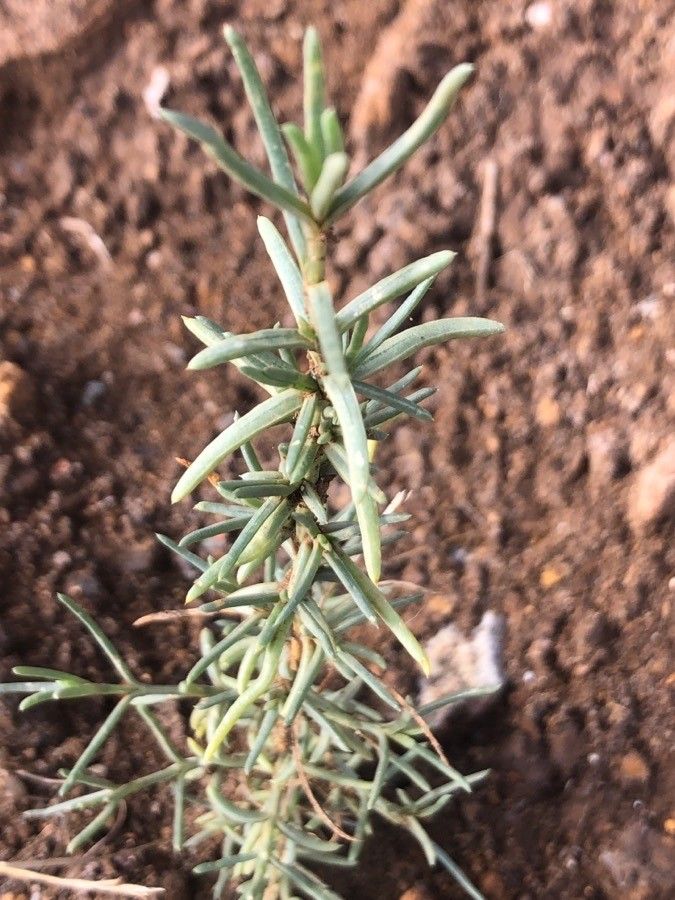
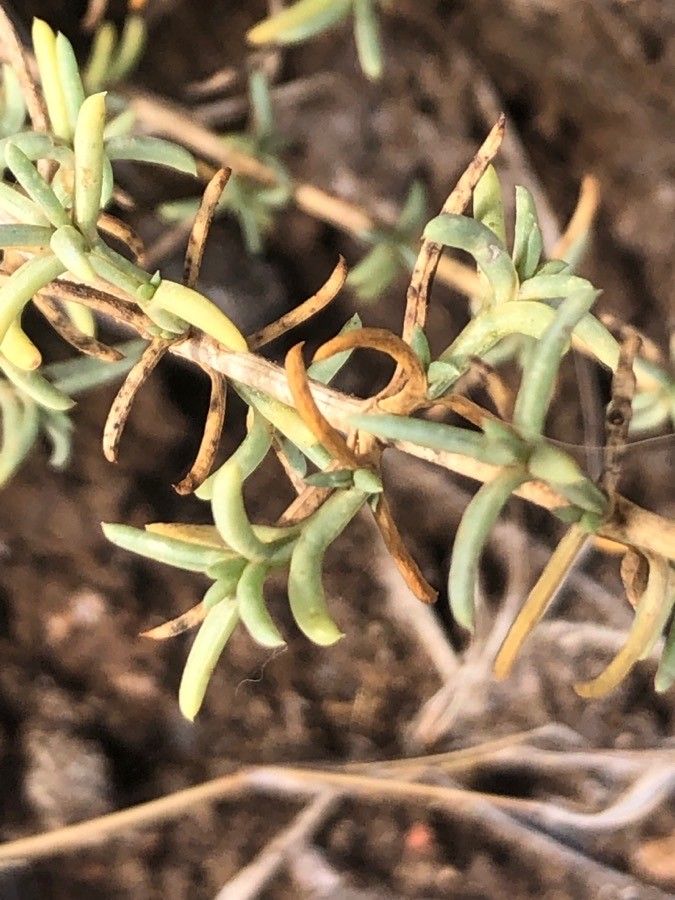
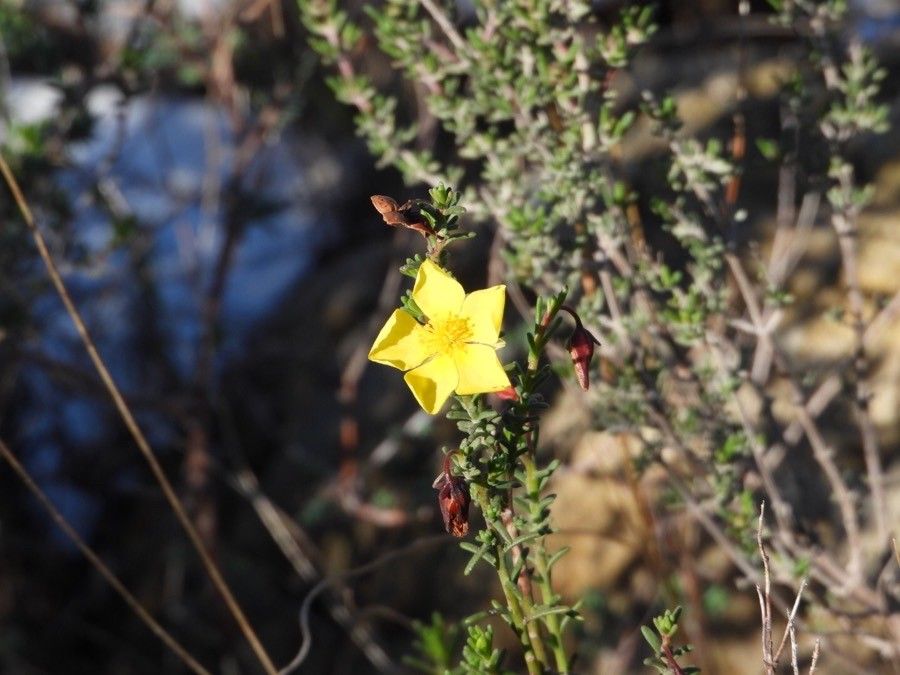
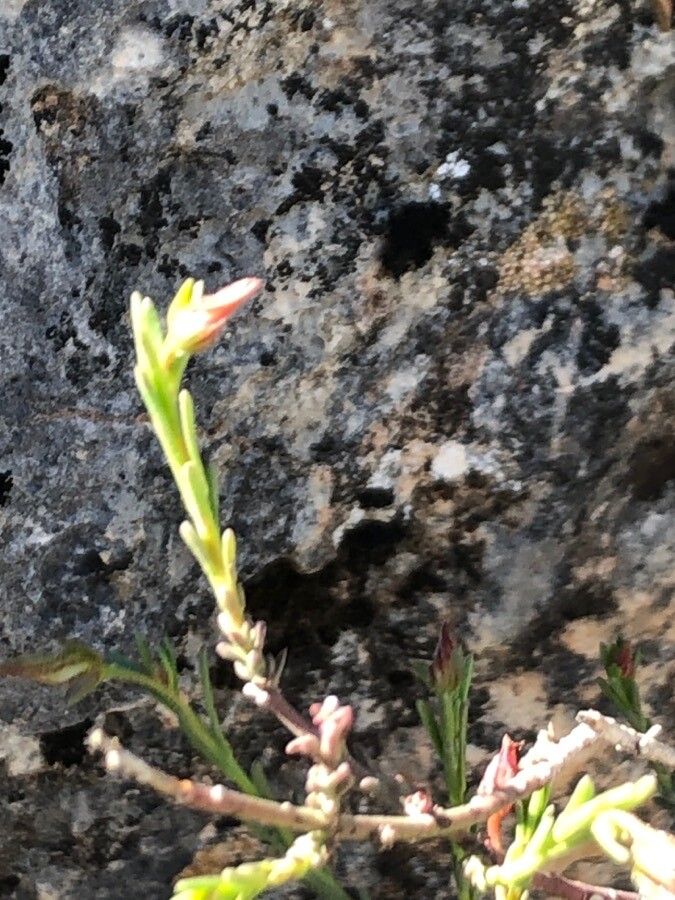
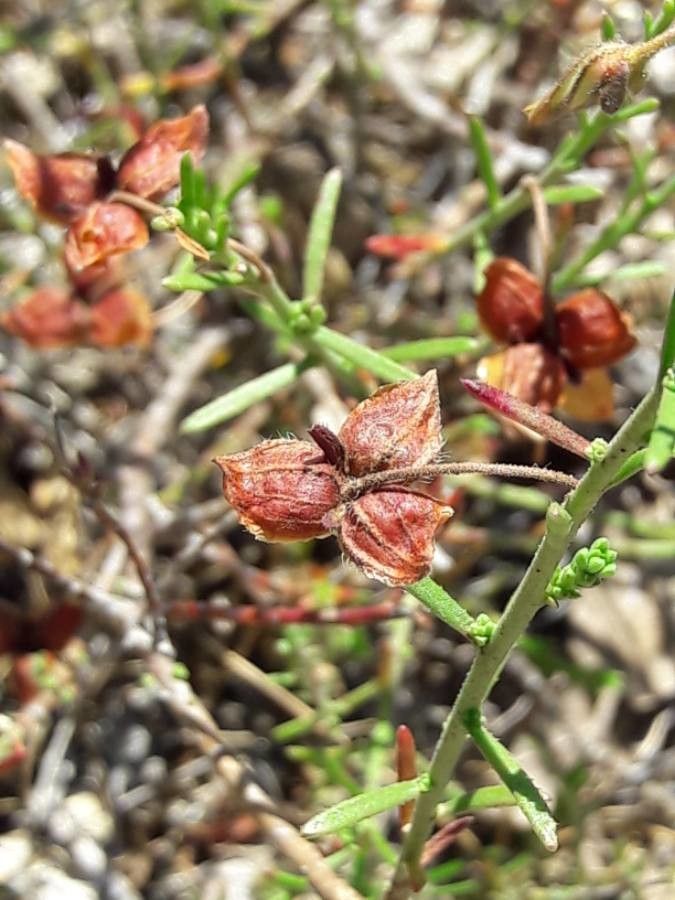
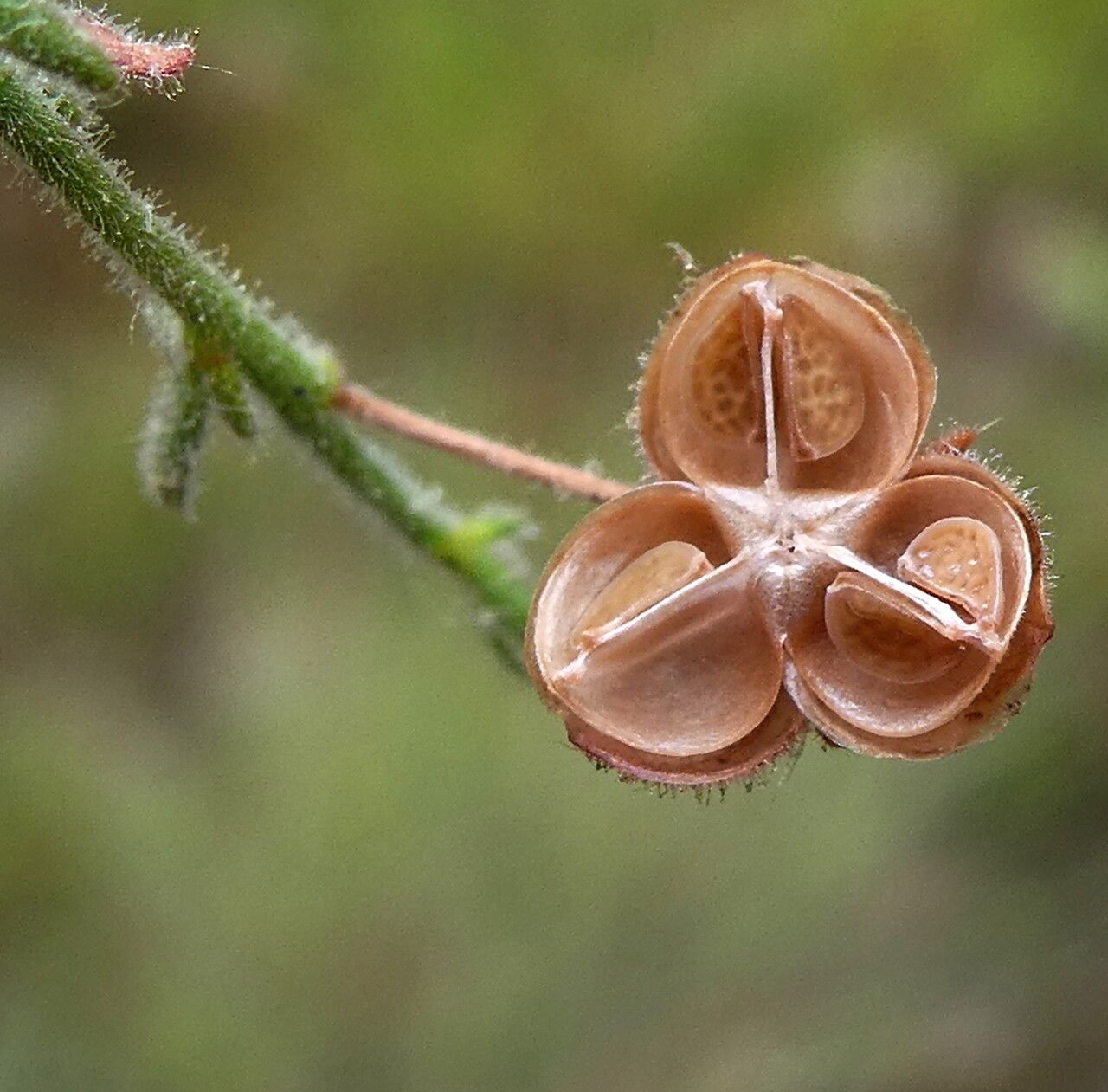
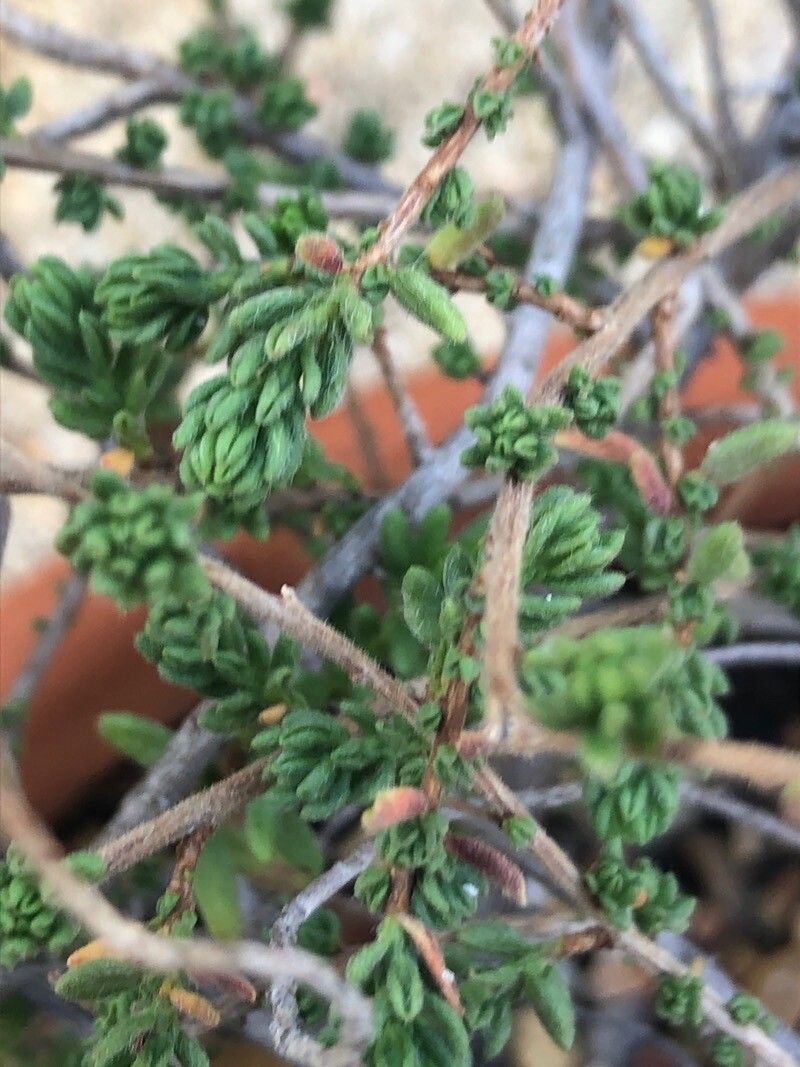
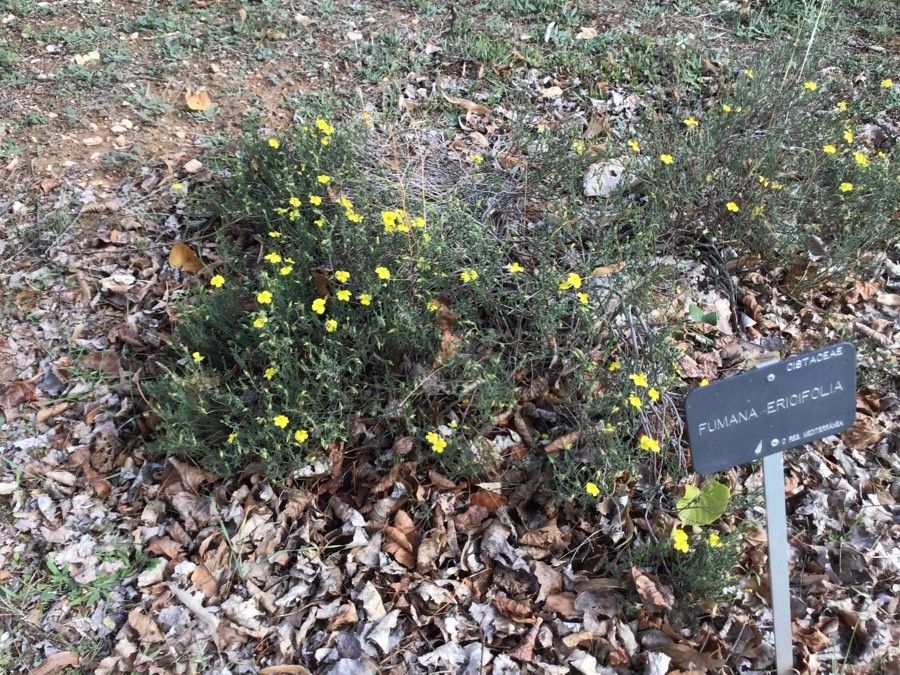
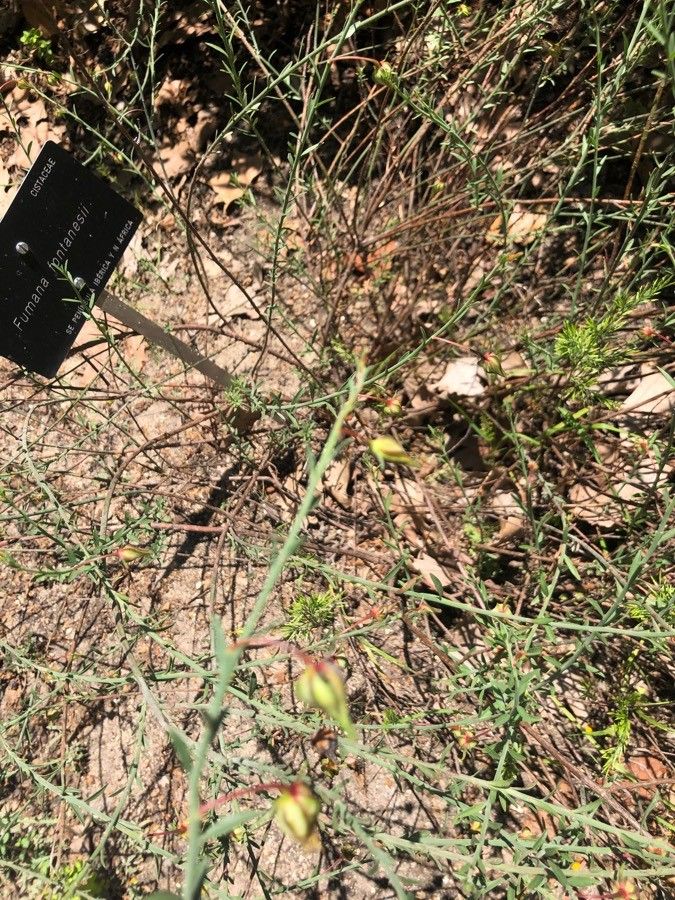
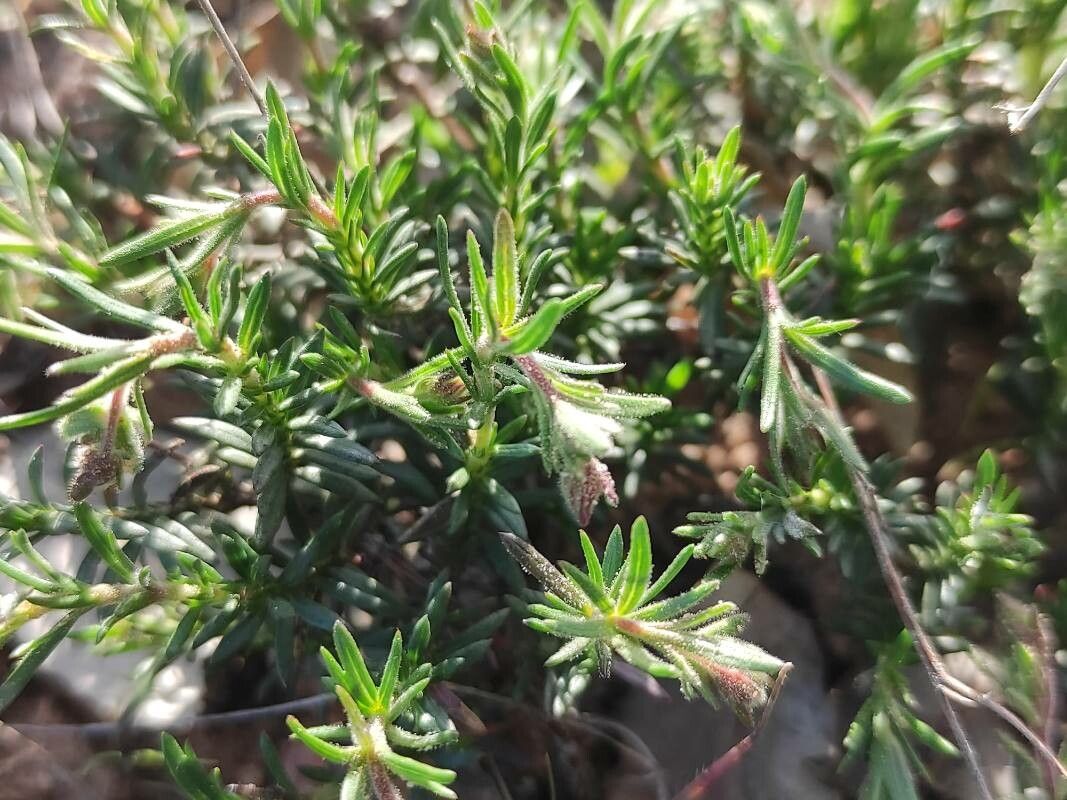
Fumana ericoides, commonly known as heath fumana or false heather, is a small evergreen shrub in the Cistaceae family. Native to the Mediterranean region, it thrives in dry, rocky habitats such as hillsides, cliffs, and scrublands. This plant can grow up to 50 cm tall and features narrow leaves about 1 cm long. Its small, yellow flowers, each with five petals, bloom from late spring to early summer. Fumana ericoides is a hardy plant that requires minimal maintenance once established in well-drained soil and full sun exposure. It makes an excellent ground cover or addition to rock gardens, where its attractive foliage and flowers can draw in bees and butterflies.
Sillerilla displays strong resistance to disease and is generally not susceptible to illnesses. Regarding care, this plant is fairly low-maintenance. When planted outdoors it needs only minimal watering, and larger plants usually do not require pruning. Smaller plants, however, should be pruned after they finish blooming. Sillerillat is appropriate for anyone with an outdoor area, such as a garden or deck, and does not demand extensive care experience.
How to keep Fumana Ericoides.
Light
Sillerilla comes from open habitats, like sunny meadows and forest margins, where light is plentiful. It performs best in Full Sun but tolerates Partial Sun as well, adjusting readily to a range of sunlight conditions.
Water
Sillerilla, a plant native to arid regions, is highly drought-tolerant and only needs watering every 2-3 weeks. It thrives in dry conditions and prefers the soil to completely dry out between waterings to prevent root rot. This makes it an excellent choice for rock gardens or xeriscaping, where it can help conserve water.
Temperature
Sillerilla is very adaptable to different climate conditions, from blistering summers to frigid winters. Nevertheless, it has an optimal temperature range for growth. If temperatures become too high, the plant may experience heat and humidity stress, which can lead to its death. In areas where temperatures near the lower limit of its cold tolerance, it's necessary to use insulation measures to protect the plant.
Fertilizer
The timing of fertilizing Sillerilla is important. Apply fertilizer in early spring and continue monthly until early summer. Fertilizer encourages attractive blooms and provides energy during both dormant and active growth phases.
Pruning
Sillerilla is a low-growing shrub with needle-like leaves and yellow flowers. To encourage healthy growth, prune it in the early to late winter. Focus on removing any dead branches to promote new growth. Be careful not to prune too heavily; this helps reduce stress and improves both air circulation and flowering. By following these tips, you'll ensure that your garden thrives.
Botanical profile.
- Plant Type
- Shrub
- Life Cycle
- Perennial
- Genus
- Fumana
- Family
- Cistaceae
- Hardiness Zone
- 8-10
- Mature Height
- 20 cm to 40 cm
- Mature Spread
- 20 cm to 40 cm
- Leaf Color
- Dark Green
- Leaf Type
- Evergreen
- Flower Color
- Yellow
- Flower Size
- 2.03 cm to 2.54 cm
- Bloom Time
- Mid spring, Late spring, Early summer
- Planting Time
- Spring, Summer
- Harvest Time
- Mid summer, Late summer, Early fall
- Native Area
- Morocco, Italy, Spain, Switzerland, Serbia, Montenegro, Albania, Algeria, Croatia, Slovenia, France
Other names.
Reader questions.
How should I water my Sillerilla plant?
Your Sillerilla plant is not very particular about how you water it. You can use almost any common watering tool, such as watering cans, hoses, or even cups. When it's time to water your Sillerilla, it's best to apply the water directly to the soil. Make sure to evenly moisten all areas of the soil to provide all parts of the root system with the water it needs. Using filtered water is helpful because tap water can have harmful particles for plants. It's also beneficial to use water that is at or slightly above room temperature, as extremely cold or hot water can shock the Sillerilla. However, the Sillerilla typically responds well to any kind of water you give it.
What are the sunlight requirements for Sillerilla?
Sillerilla thrives best in open environments that mimic its natural habitat, such as sunny meadows and forest edges, making full sun exposure (above 6 hours of sunlight) ideal. However, it can also tolerate partial sun (about 3-6 hours of sunlight), adapting well to various light conditions. When planting Sillerilla, it's essential to observe the movement of sunlight through your garden to pick spots that offer a balanced mix of light and shade, ensuring the plant's well-being.
What should I do if I give my Sillerilla plant too much or too little water?
Outdoor plants, especially new ones or seedlings, are susceptible to lack of watering. Remember to water them adequately for a few months until they establish their roots and can rely on rain. Overwatering is more likely to happen when the plants are in pots. If you accidentally overwater your plant, stop watering it immediately to minimize the effects. Take the plant out of its pot and check for root rot. If there is no root rot, you can return the plant to its container. If there is root rot, trim the affected roots and apply fungicide. Repot the plant in well-draining soil. In the case of underwatering, water the plant more frequently. The leaves will droop, dry out, and fall off when underwatered, but they will recover quickly with sufficient watering. Adjust your watering frequency promptly when you notice underwatering.
How can I use artificial lighting to support my indoor Sillerilla plants?
To support Sillerilla indoors, especially during less sunny seasons or in spaces with insufficient natural light, artificial lighting can be a crucial alternative. Indoor plants benefit from artificial lights such as LED, which can be adjusted to provide specific wavelengths necessary for optimal growth. For full sun plants, 30-50W per square foot is recommended, partial sun plants need 20-30W per square foot, and full shade plants require 10-20W per square foot. Position the light source 12-36 inches above the plant to emulate the natural sunlight and ensure it receives 8-12 hours of light per day.
How frequently should I water my Sillerilla plant?
If you live in an area with regular rainfall, most outdoor plants can grow naturally without needing extra watering. However, if your area doesn't get much rain, you should water your plants every 2 weeks in the spring and fall, and more frequently in the summer. In the winter, when growth slows down and plants need less water, you can water them less often or even not at all. For young or newly planted Sillerilla plants, it's important to water them more frequently to help them establish and become more adaptable to drought. When it comes to potted plants, there are two ways to determine how often to water your Sillerilla. One way is to follow a set schedule, watering once a week or every other week. However, this may not always be accurate as it doesn't consider the unique conditions of your Sillerilla's growing environment. Another approach is to check the soil moisture. Wait until the top two to four inches of soil have completely dried out before watering again. This is usually about one-third to one-half the depth of the pots.
What are some symptoms of light deficiency in Sillerilla?
Sillerilla, when not receiving adequate sunlight, might show several symptoms indicating light deficiency. These include smaller new leaves, leggy or sparse growth, premature leaf drop, slowed or stopped growth, and lighter-colored or chlorotic leaves. Other symptoms due to excessive sunlight exposure include sunscald, leaf curling, wilting, and leaf scorching. These signs demonstrate the plant's struggle with inappropriate lighting conditions.
How much water does my Sillerilla plant need?
To effectively water your Sillerilla plant, you don't always need to use a lot of water. Instead, if only a few inches of soil have dried since the last watering, giving it about five to ten ounces of water will promote healthy growth. You can also determine the water volume based on how dry the soil is. Take note of how many inches of soil have dried out between waterings. To ensure the Sillerilla receives enough moisture, water it enough to moisten all the layers of dry soil since the last watering. If more than half of the soil is dry, consider giving more water than usual until you see excess water draining from the pot's holes. If the Sillerilla is placed outdoors where it receives ample rain, additional watering may not be necessary. For young or newly established Sillerilla plants, provide 1-2 inches of rain per week. As the plant grows and establishes, it can rely solely on rainfall. However, during hot weather without rainfall for 2-3 weeks, it's beneficial to give the Sillerilla a thorough watering to prevent stress.
How can exposure to sunlight affect Sillerilla, and what are some solutions?
Exposure to insufficient sunlight can cause Sillerilla plants to show symptoms such as light deficiency, leading to slower growth and weaker plants. To optimize growth, aim to gradually move your plants to locations receiving at least 6 hours of direct sunlight daily. Use a south-facing window for indoor plants to maximize sunlight exposure. For those that are not easily moved, consider supplementing with artificial light, keeping it on for at least 8 hours daily. Outdoors, select the best spot for sunlight and acclimate your plants to avoid sunburn. If sunlight is blocked by obstacles like trees, consider pruning to improve light access or transplant smaller plants during their dormant period to brighter areas with good drainage.
How do I know if I'm giving enough water to my Sillerilla?
Overwatering is a common issue for the Sillerilla, and there are distinct signs to watch out for. When overwatered, the Sillerilla's leaves turn yellow and some may even fall off. Additionally, overwatering can cause the entire plant to shrivel and lead to root rot. On the contrary, an underwatered Sillerilla will also show signs of wilting. Its leaves may become brown and brittle. Whether you spot signs of overwatering or underwatering, it's important to take action and restore the plant's health.
How should I water my Sillerilla as it grows?
During the early stages of the Sillerilla's life, especially when it is a seedling, it requires more water compared to when it is mature. It is essential to keep the soil consistently moist during this time to promote root development. This is also true when you transplant a Sillerilla to a new location. Additionally, if you want the Sillerilla to produce beautiful flowers and fruits, proper care and slightly increased watering might be necessary during its flowering or fruiting phase.
How can I make sure my Sillerilla plant gets enough water throughout the year?
The watering needs of your Sillerilla will vary with the seasons. In the hot summer months, especially if it's exposed to a lot of sunlight, you'll need to water it more often as the soil dries out quickly. However, during the winter when the plant is not actively growing, it will require much less water. You can water it once every 2 to 3 weeks, or even skip watering altogether. If you're growing Sillerilla indoors, be mindful of appliances like air conditioners that can dry out the plant faster, requiring more frequent watering.
How is watering my Sillerilla plant different inside and outside?
Depending on your circumstances, your Sillerilla may not require additional watering if it is grown outside and can rely solely on rainwater. However, if you reside in an area with limited rainfall, it is advisable to water the plant approximately every two weeks. If you live outside of the plant's natural hardiness zone, it is best to grow it indoors. When grown indoors, be mindful of the soil moisture as it can dry out faster in containers or when exposed to HVAC units like air conditioners. These drying factors necessitate more frequent watering compared to growing the plant outdoors.