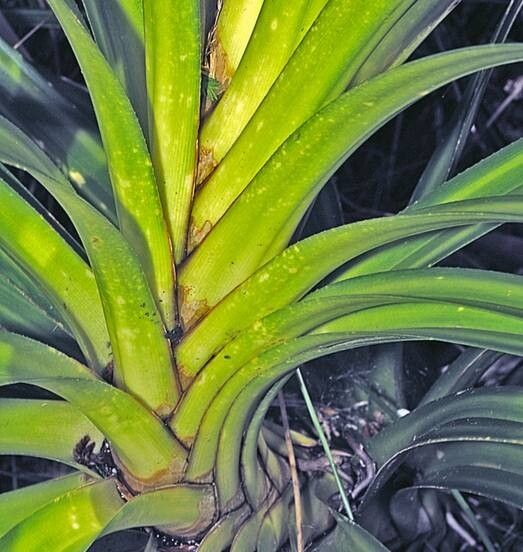
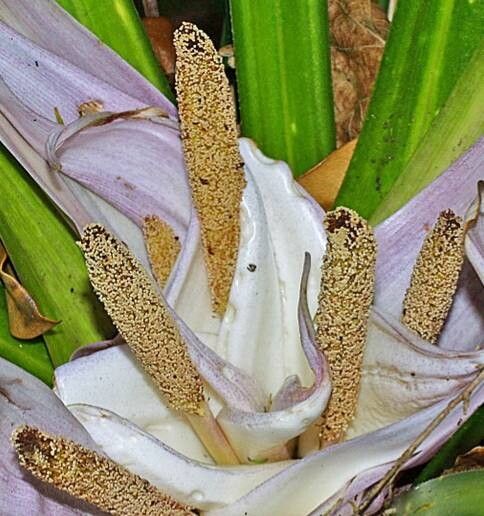
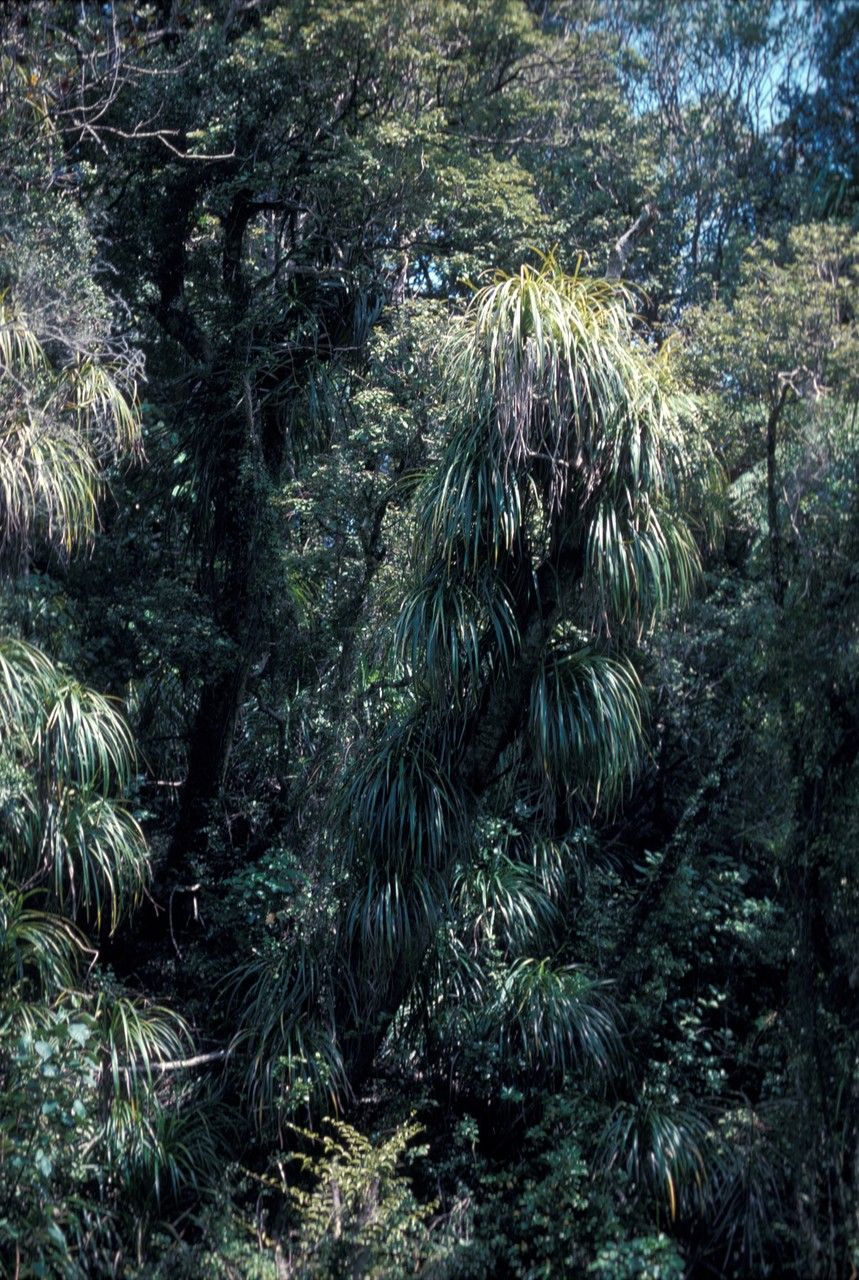
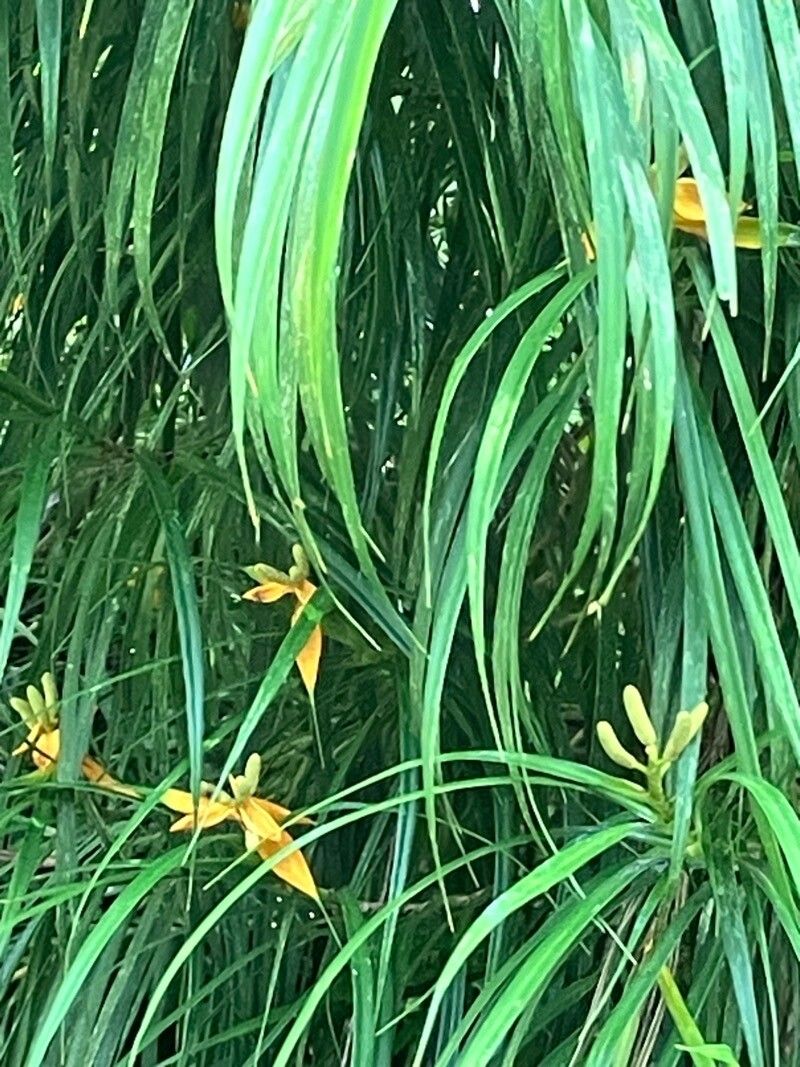
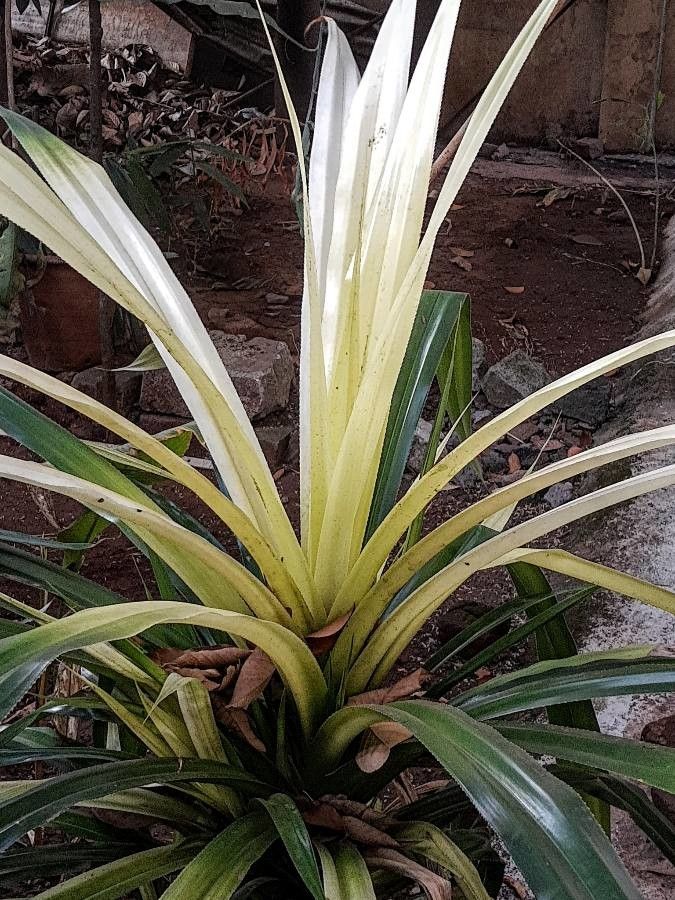
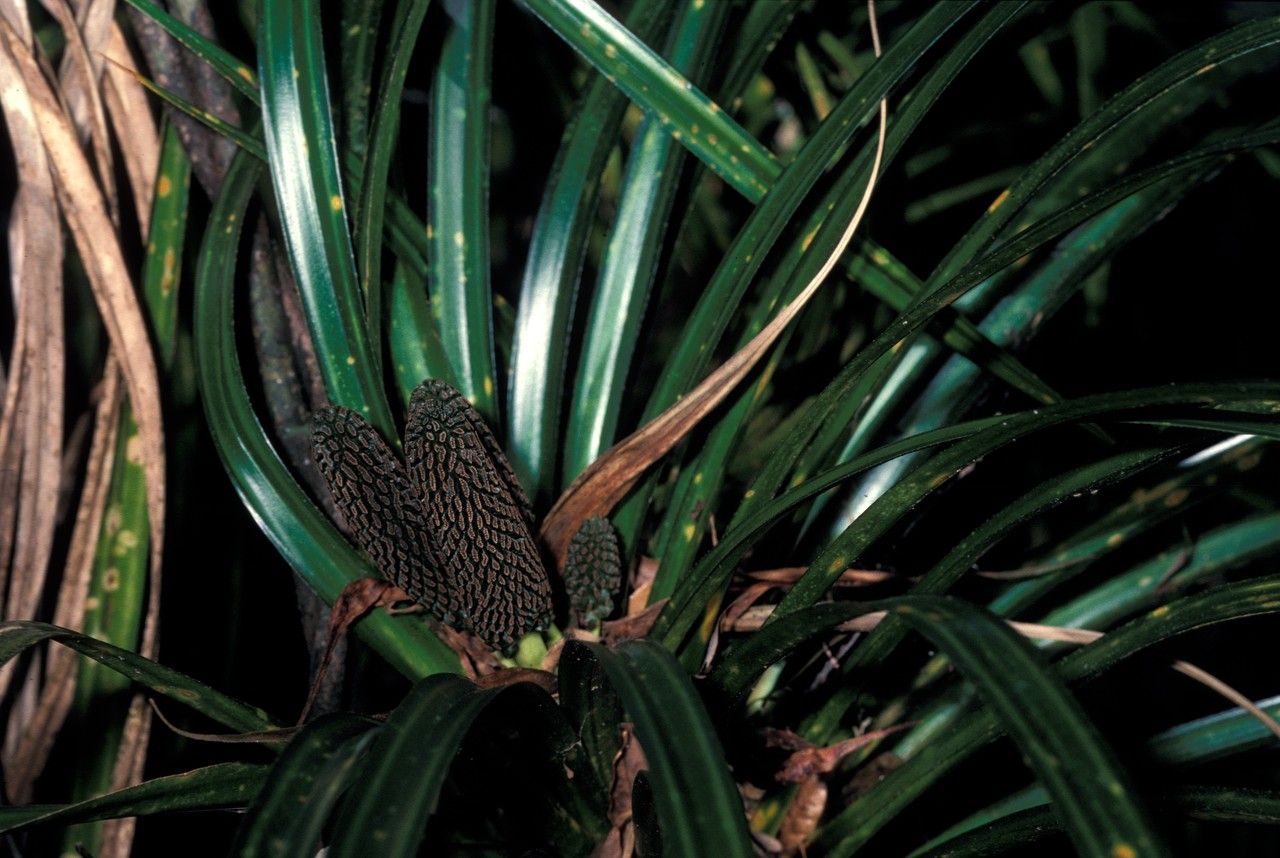
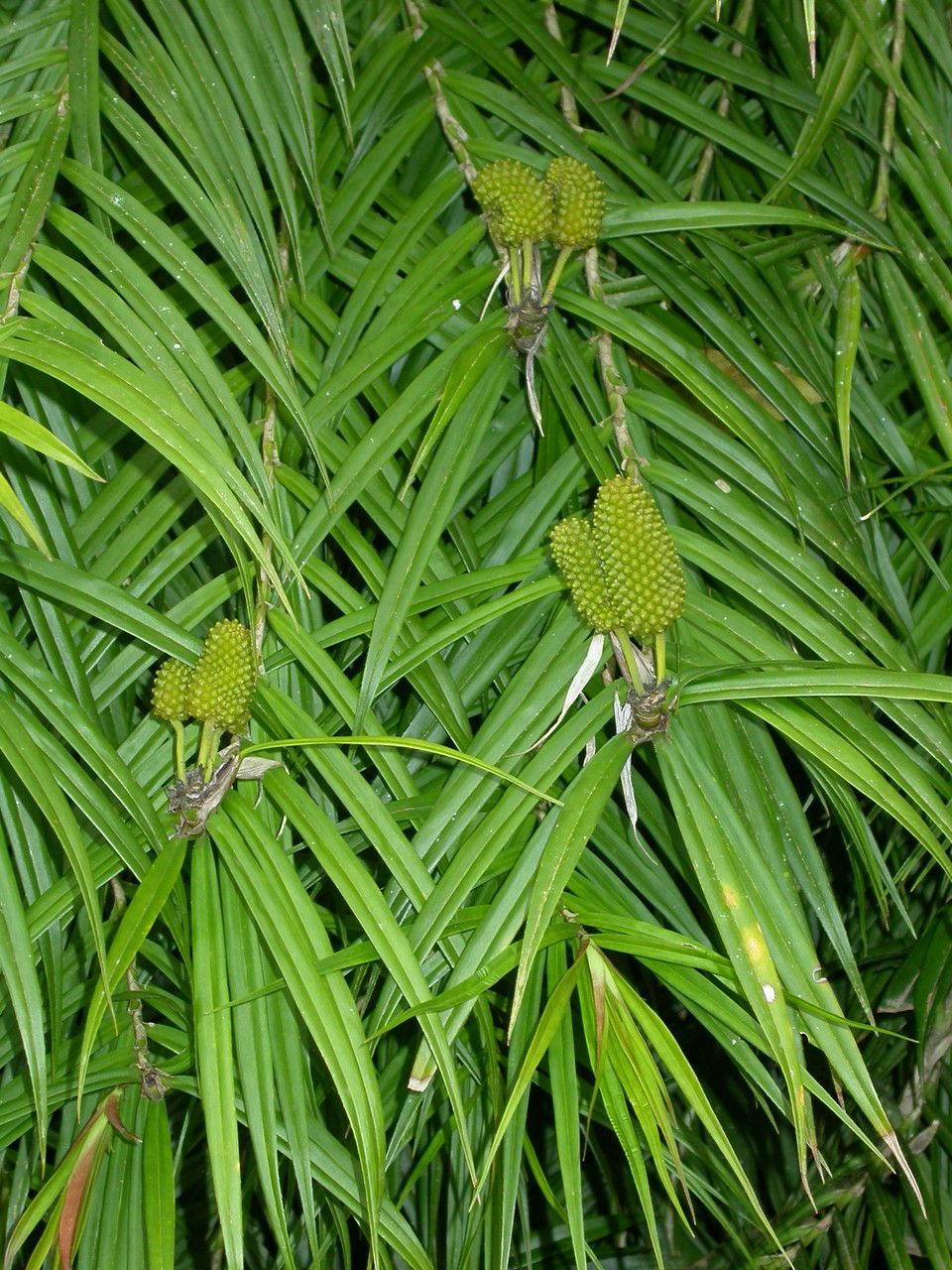
Kiekie (Freycinetia banksii) is a densely branched, brittle, woody climber native to New Zealand. It is a member of the screwpalm family Pandanaceae. Kiekie has numerous cane-like stems up to 40 mm in diameter, which freely produce aerial roots. It climbs tree trunks, or forms dense tangles on the forest floor. Its stems and leaves are a dominant feature in many areas of New Zealand forest, the stems eventually reaching up to 30 m long. The leaves are long and slender, 60–90 cm long and 2-2.5 cm broad.
Kiekie is resistant to disease and generally not prone to illnesses. In terms of care, this plant is fairly low maintenance. When grown outdoors it needs little watering, and larger plants typically do not need pruning. Smaller plants, however, should be pruned after they have finished blooming. Kiekiet is suitable for anyone with an outdoor area, such as a garden or deck, and does not demand much prior plant-care experience.
How to keep Freycinetia Banksii.
Light
Kiekie thrives naturally in locales like forest understories or rugged terrains, which provide natural shelter from the sun. While it favors conditions with partial sun exposure, it shows resilience and flexibility by adapting to extreme sunlight conditions, tolerating both full sun and complete shade.
Water
Kiekie thrives in humid environments and requires moderate watering, approximately once every three weeks. It is best suited as an indoor ornamental plant and prefers well-draining soil to prevent waterlogging, which is essential for maintaining a healthy root system.
Temperature
Kiekie shows a considerable ability to adapt to temperature, possessing the capacity to endure higher temperatures and greater fluctuations in temperature. During high-temperature periods, it is crucial to monitor watering and implement suitable shading to avoid sunburn. However, Kiekie displays a relatively limited tolerance to reduced temperatures. Although it can resist a certain level of cold, exceptionally cold conditions can result in frost harm.
Fertilizer
For Kiekie fertilization, timing is essential. Begin fertilizing in the initial phase of spring and continue on a monthly basis until the start of summer. Fertilizating aids in producing beautiful flowers and also provides the necessary energy for both dormant and active growth stages.
Pruning
Kiekie is a climbing perennial plant recognized for its long, strap-like leaves. To manage its growth and improve air circulation, it is best to prune it in early spring. This will help ensure a healthier plant. Focus on pruning dead foliage and overgrown stems to encourage new growth and maintain its appearance.
Botanical profile.
- Plant Type
- Vine
- Life Cycle
- Perennial
- Genus
- Freycinetia
- Family
- Pandanaceae
- Hardiness Zone
- 10-11
- Mature Height
- 29.87 m
- Mature Spread
- 2.13 m to 3.05 m
- Leaf Color
- Dark Green
- Leaf Type
- Evergreen
- Flower Color
- Red, Pink
- Flower Size
- 1.52 cm to 2.03 cm
- Bloom Time
- Fall
- Planting Time
- Spring, Summer, Autumn
- Harvest Time
- Winter
- Native Area
- New Zealand
Other names.
Reader questions.
What are the sunlight requirements for Kiekie?
Kiekie thrives in partial sun, needing about 3-6 hours of sunlight daily. It's native to environments like forest understories or rocky areas, experiencing natural shade. While preferring partial sun, Kiekie can also tolerate full shade, making it adaptable to various lighting conditions. It's crucial to observe the movement of sunlight in your garden and choose spots that offer a balance of light and shade to ensure your plants' happiness.
How can artificial lighting be used for Kiekie grown indoors?
When natural sunlight is insufficient, especially during winter or in less sunny spaces, artificial lighting can be a vital solution for Kiekie's growth. LED lights are recommended as they can be customized to provide specific light wavelengths needed by your plants. Full sun plants should have 30-50W/sq ft of artificial light, partial sun plants need 20-30W/sq ft, and full shade plants should have 10-20W/sq ft. Position the light source 12-36 inches above the plant, mimicking natural sunlight, and ensure it receives 8-12 hours of light per day to promote healthier growth.
What are the symptoms of insufficient light for Kiekie?
When Kiekie grows in conditions of insufficient light, it may show several symptoms indicating stress. These include smaller new leaves, leggy or sparse growth, faster leaf drop, slower or no new growth, and lighter-colored new leaves. Additionally, excessive sunlight can lead to chlorosis, sunscald, leaf curling, wilting, and leaf scorching, indicating the plant's struggle with inappropriate light levels.
What solutions are available for Kiekie struggling with light conditions?
For Kiekie not receiving adequate light, gradually increasing its exposure to sunlight can help. For indoor plants, gradually shift them to sunnier spots each week or use artificial light, such as a desk lamp or professional grow lights, for at least 8 hours daily. Outdoors, move your plants to a sunnier location each week to adapt gradually, avoiding sudden changes to prevent sunburn. To reduce obstructions, prune any nearby trees and consider transplanting smaller plants during their dormant period to areas with better sunlight and drainage. Although parts of the plant affected by insufficient light may not recover, adapting these methods can promote healthy new growth.