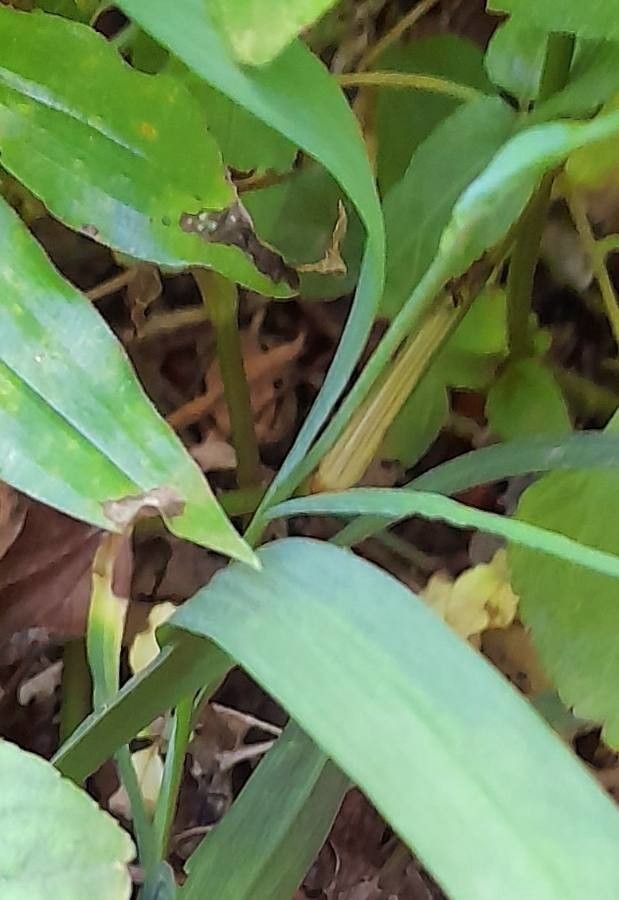
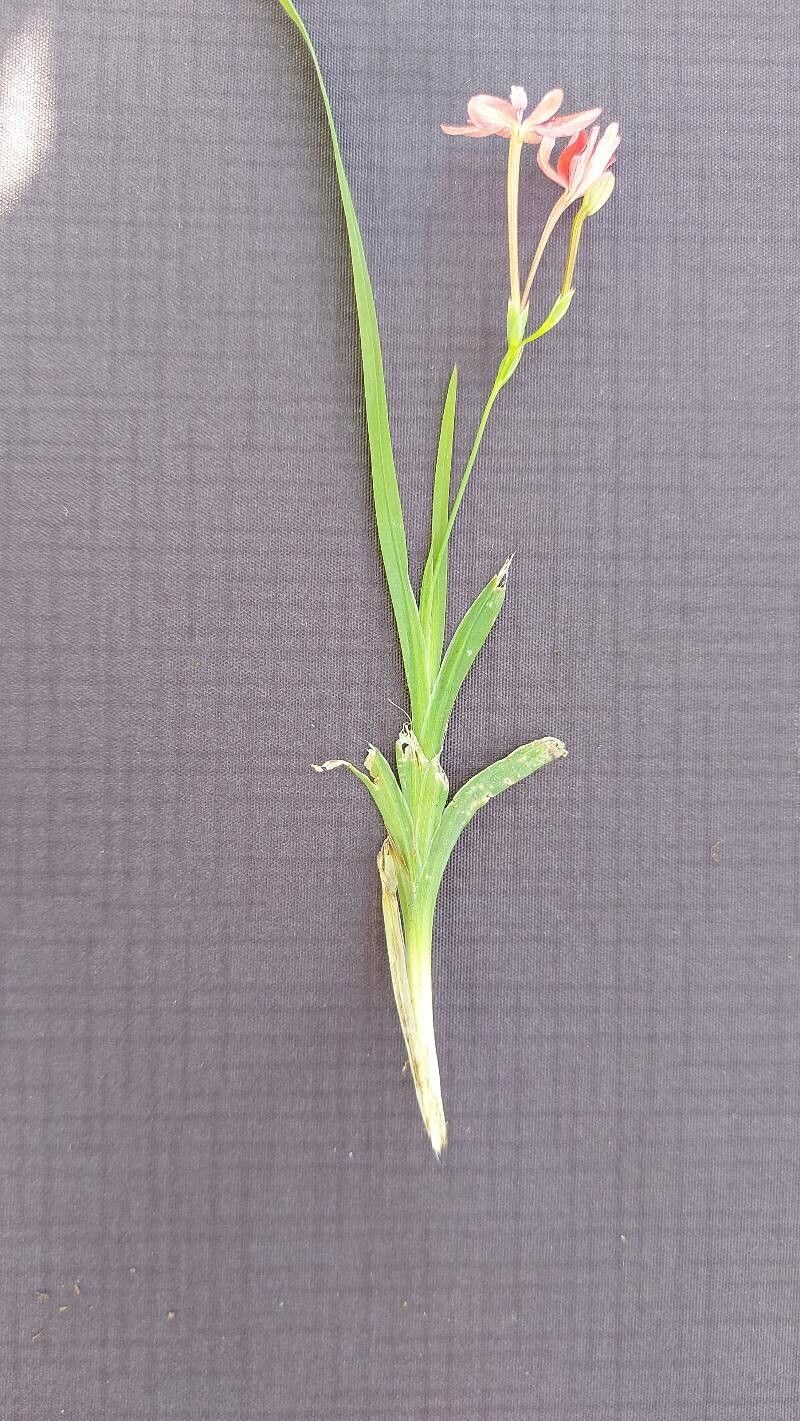
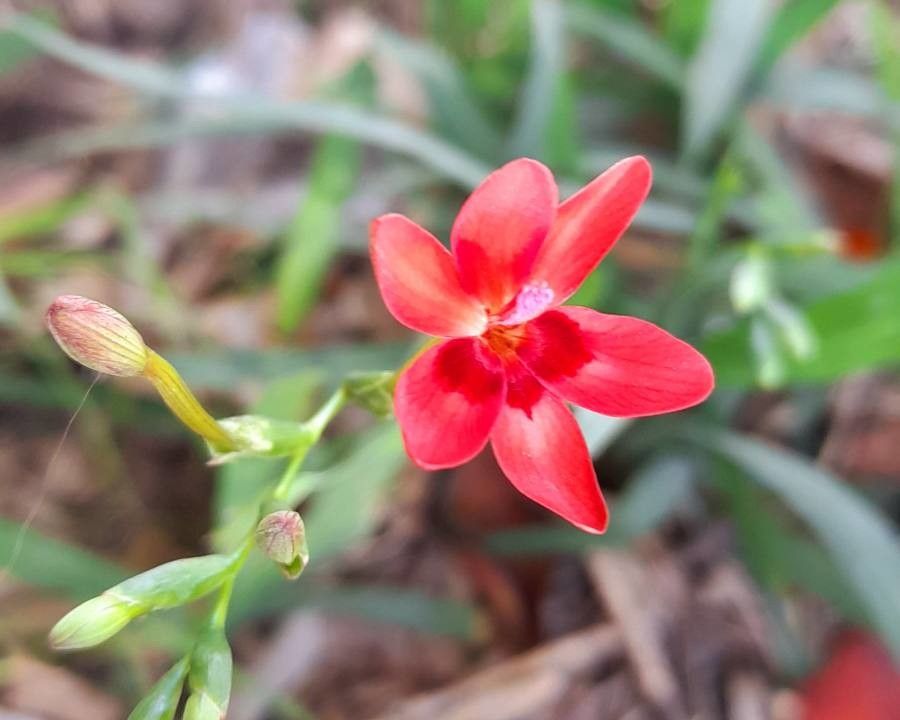
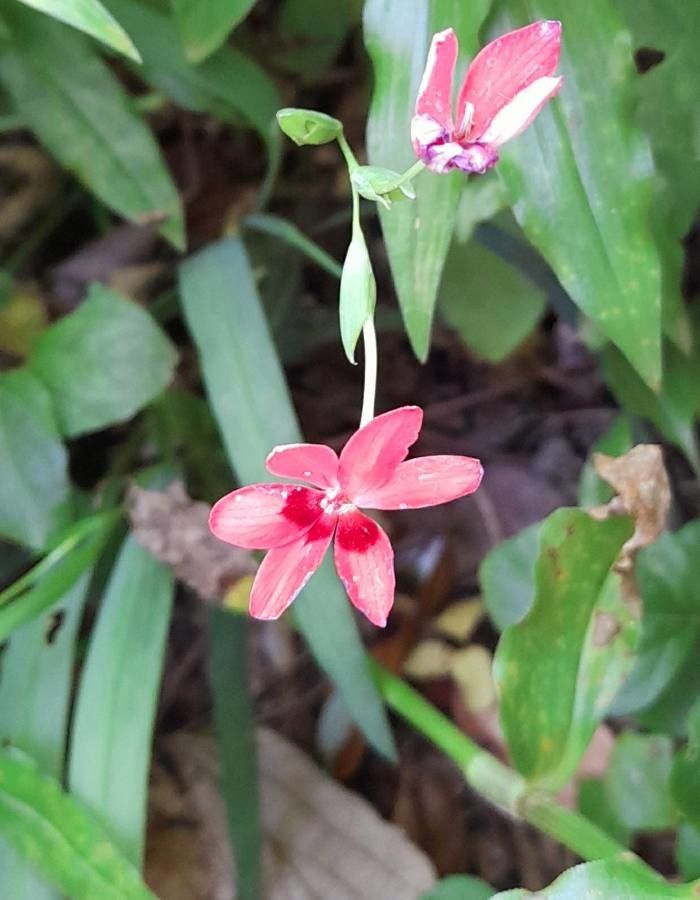
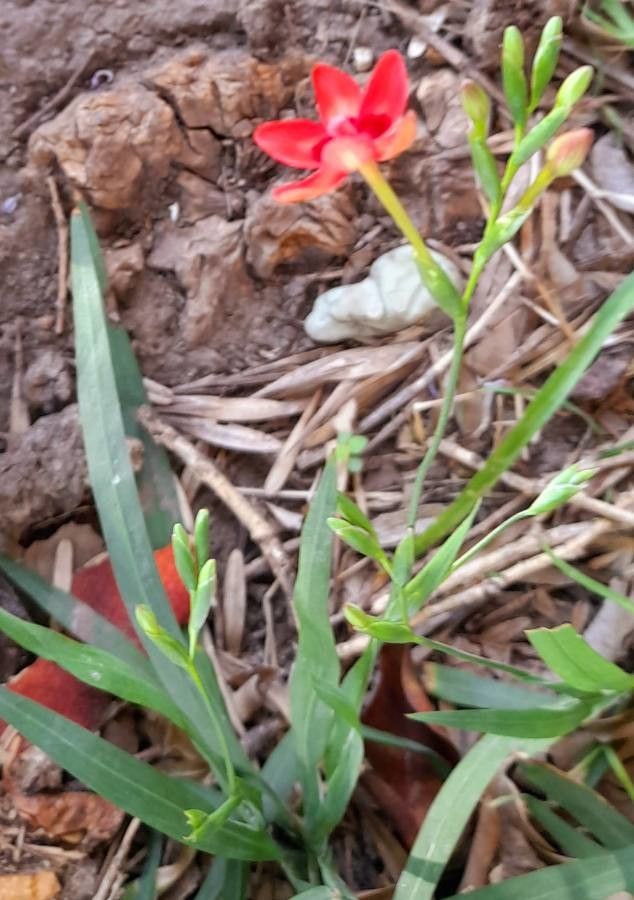
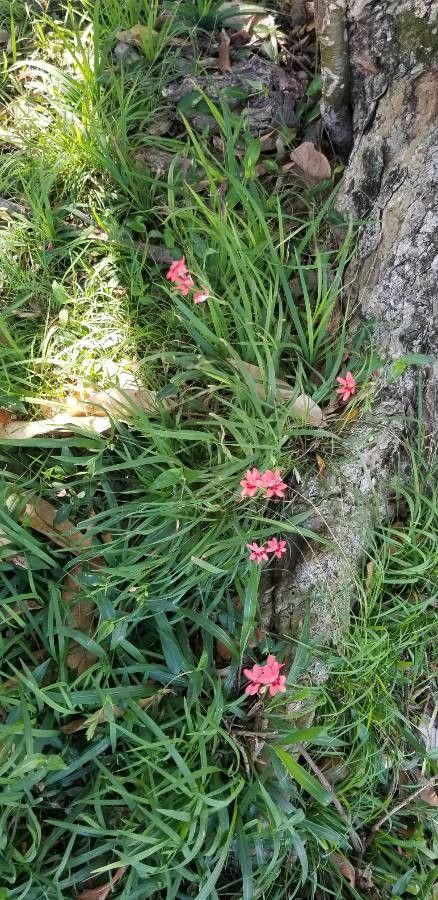
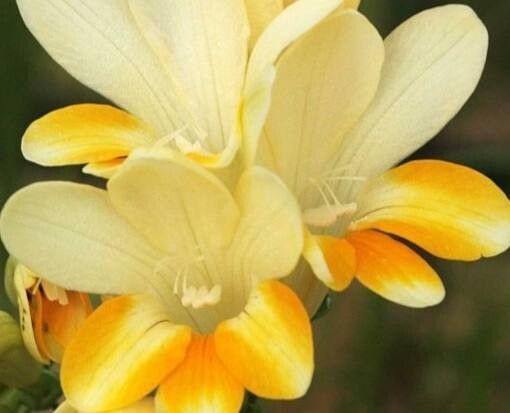
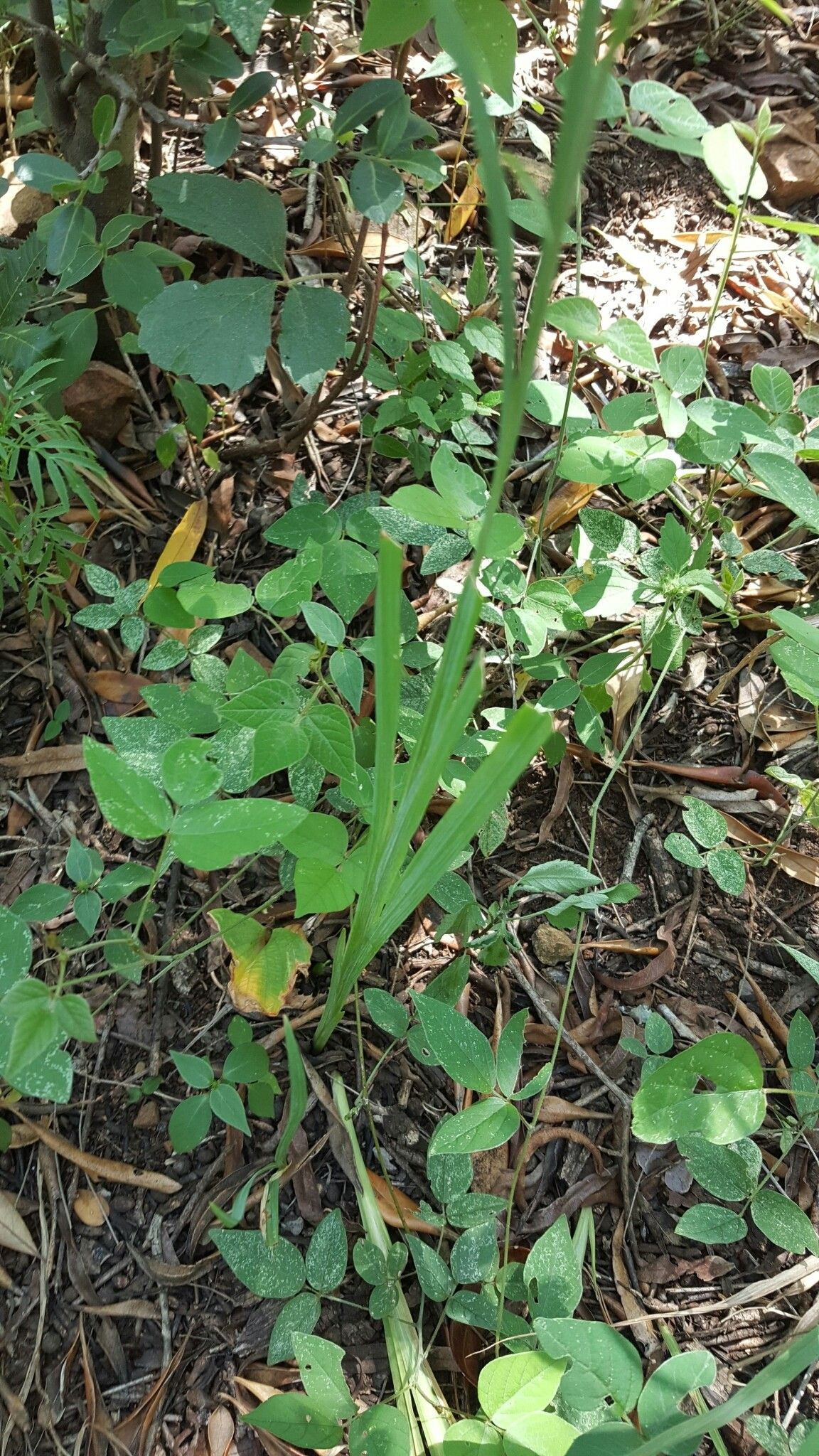
Freesia laxa, commonly known as flowering grass, is a small species of cormous flowering plant in the family Iridaceae, from eastern and southern Africa, from Kenya to northeastern South Africa. It is grown in gardens as an ornamental plant.
Flowering grass has strong resistance to disease and is generally unlikely to suffer from illnesses. However, it can be vulnerable to pests and diseases present in its surroundings. These infections are usually mild. In terms of care, this plant requires moderate maintenance. It should be pruned regularly to keep a tidy appearance and support healthy growth. Fertilizing can also help encourage flowering. Flowering grass is suitable for anyone with outdoor space, such as a garden or patio, and does not demand much prior experience in plant care. It may need more attention when grown indoors.
How to keep Freesia Laxa.
Light
Flowering grass does best when it gets plenty of sunlight, which promotes its growth and overall health. It can also tolerate conditions with less light. Too much sun can damage it, causing leaves to wilt, while too little sun may prevent it from flowering. It originates from environments that receive abundant sunlight.
Water
This flowering grass, native to the seasonally arid regions of South Africa, demonstrates moderate drought tolerance. It thrives best when watered deeply but infrequently, about every one to two weeks. During the active growing season, it flourishes outdoors in conditions that replicate its natural moisture balance, making consistent soil moisture crucial for its growth.
Temperature
Flowering grass is native to environments with temperatures ranging from 59 to 95 °F (15 to 35 ℃). It prefers moderate warmth, especially once established. In changing seasons or during temperature extremes, consider relocating the plant to keep it within this preferred temperature range.
Fertilizer
The best time to fertilize Flowering grass is in early spring, as it comes out of dormancy and begins active growth. Fertilizing supplies essential nutrients for healthy development. Although Flowering grass has relatively low fertilizer needs, applying fertilizer once a year can improve its survival and encourage better, longer-lasting flowers.
Pruning
Flowering grass benefits greatly from regular pruning, which is best done from early to late spring. By trimming dead stems and old foliage, you can improve the shape of the grass, encourage new growth, and enhance air circulation. These practices contribute to the overall health and increased blooming of the grass. For specific techniques suited to your particular type of grass, it is wise to consult trusted gardening guides.
Toxicity
Freesia plants are not toxic and are considered safe to both humans and pets, however, if ingested in large amounts can cause stomach upset or discomfort
Further reading →
The toxicity and danger assessments provided are for reference only. We do not assure their accuracy, so it's crucial not to depend on them. Seek professional advice when necessary for accurate guidance.
Botanical profile.
- Plant Type
- Herb
- Life Cycle
- Perennial
- Genus
- Freesia
- Family
- Iridaceae
- Hardiness Zone
- 8-10
- Mature Height
- 15 cm to 34 cm
- Mature Spread
- 20 cm
- Leaf Color
- Green
- Leaf Type
- Deciduous
- Flower Color
- Red, Pink, White
- Flower Size
- 2.03 cm
- Bloom Time
- Mid spring, Late spring
- Planting Time
- Spring, Summer, Autumn, Winter
- Harvest Time
- Early summer, Mid summer
- Native Area
- Africa
Other names.
Reader questions.
How should I water my Flowering grass?
To properly water the Flowering grass, it is recommended to use filtered water at room temperature. Tap water may contain harmful particles, so filtered water is preferable. The water should be at room temperature or slightly warmer since the Flowering grass is accustomed to a warm environment and is sensitive to cold water. It is advised to avoid overhead watering, as it can lead to issues with the foliage. Instead, it is best to water the soil directly with filtered room temperature water until the soil is thoroughly soaked. This method benefits the plant by moisturizing the roots and aiding their growth and nutrient absorption.
Why do I have to put fertilizer on my blooming grass?
Fertilization is important for Flowering grass because it provides essential nutrients for its growth above and below ground. However, Flowering grass has relatively low fertilization needs and can sometimes survive without it. Annual fertilization, though, can greatly benefit Flowering grass by keeping it alive and promoting the production of better and longer-lasting flowers. Therefore, those wanting their Flowering grass to look its best should remember to fertilize it annually.
What are the sunlight requirements for Flowering grass (Freesia laxa)?
Flowering grass, or Freesia laxa, thrives best when it receives more than 6 hours of sunlight daily, classified under 'Full sun'. However, it can also grow adequately in 'Partial sun', which refers to about 3-6 hours of sunlight per day. Observing the movement of sunlight through your garden helps in selecting spots that ensure a balance of light and shade, crucial for the plants' optimal growth and happiness.
What is the native environment and ideal temperature range for Flowering Grass?
Flowering grass is a plant native to environments where the temperature ranges from 59 to 95°F (15 to 35°C). It thrives in moderate temperatures, especially after it has been established. In seasons with extreme temperature fluctuations, adjusting the plant’s location to maintain its preferred temperature range is advised. Flowering grass possesses some cold tolerance and usually doesn't require additional protection if the temperature stays above -5°C. However, when temperatures are expected to drop below -5°C, temporary cold protection measures, such as wrapping the plant with plastic film, fabric, or other insulating materials, are necessary. These protective measures should be removed once the temperature rises again to avoid potential harm to the plant.
What should I do if I give my Flowering grass too much water or too little water?
Overwatering is a common issue that can harm your Flowering grass. When this happens, the stems and leaves may wilt and turn yellow, and diseases like root rot, mold, and mildew can arise, ultimately killing the plant. Underwatering is less common, but it can still happen. Look out for brittle, brown leaves if your Flowering grass is not getting enough water. It's important to catch the signs of overwatering early because some diseases may not be fixable if you wait too long. Reduce your watering schedule and replace poorly draining soil if you suspect overwatering. If your Flowering grass is not getting enough water, simply water it more regularly until the signs of dehydration go away.
When should I fertilize my Flowering grass?
The best time to fertilize a Flowering grass is in late winter to early spring when it is transitioning from dormant to active growth. Fertilizing at this time promotes healthy growth and sets the plant up for a successful season. Although early spring is typically the best time, it is also acceptable to fertilize in the fall. However, it is not recommended to fertilize in the summer or winter.
What are the essential needs for the growth of Flowering grass?
Flowering grass requires a considerable amount of sunlight for robust health and growth, although it can manage with less sunlight as well. Too much sunlight can lead to wilted leaves, whereas not enough sunlight might prevent it from flowering. Native to sun-rich habitats, its growth benefits significantly from exposure to sunlight. In cases where natural light is insufficient, especially indoors or during winter, artificial lighting can be a great alternative. Using the right type of artificial light, like LED lights, and ensuring it's provided for 8-12 hours per day at the right intensity and distance, can promote healthier and faster growth.
How does low temperature affect Flowering Grass and what are the recommended solutions?
Flowering grass demonstrates moderate tolerance to low temperatures, ideally flourishing when temperatures are above 15°C. To withstand winter conditions, it's important to keep it above -5°C. When temperatures fall below -10°C, the leaves of the plant may begin to droop. In mild cases, the plant can recover; however, in severe cases, the leaves will wilt and may eventually fall off. To mitigate damage from frost, trim off the frost-damaged parts of the plant. Before facing low temperatures again, protect the plant by wrapping it with non-woven fabric or cloth and constructing a wind barrier to shield it from cold winds.
How often should I give water to my flowering grass?
If your Flowering grass is in a pot, the best way to tell if it needs water is by sticking your finger in the soil. If the top two to three inches of soil are dry, it's time to water. For outdoor Flowering grass planted in the ground, use the same method. When the top few inches of soil have dried out, it's time to water. In spring and early fall, watering once a week is usually sufficient. During hot weather, you may need to water twice a week or more. However, mature, well-established Flowering grass can handle periods of drought well.
When is the best time to not fertilize my Flowering grass?
To avoid overfertilization and complications, it is best to only fertilize your Flowering grass in late winter and early spring. This plant has low fertilization needs, so a single annual feeding is sufficient. Fertilizing during spring, summer, and fall can easily lead to overfertilization, unless it was missed in spring, in which case feeding in fall is allowed. Additionally, there is no need to fertilize during winter as the plant is in a dormant growth phase and won't produce new growth.
What are symptoms of inadequate lighting in Flowering grass?
Symptoms of inadequate lighting in Flowering grass include smaller new leaves, leggy or sparse growth, faster leaf drop, slower or no new growth, and paler or irregularly colored new leaves. These signs indicate that the plant is not receiving enough light to function properly, leading to a decrease in its overall health and appearance. On the other end, excessive sunlight can cause chlorosis, sunscald, leaf curling, wilting, and leaf scorching, which are harmful to the plant's ability to photosynthesize and maintain hydration.
How does high temperature affect Flowering Grass and what measures should be taken?
During the summer, Flowering grass should be kept in temperatures below 35°C to avoid stress from high heat. When exposed to temperatures above 41°C, the plant exhibits signs of distress such as lighter-colored leaves, dry and withered leaf tips, curling leaves, and increased susceptibility to sunburn. To care for your plant under these conditions, trim away any sunburned or dried-up parts of the plant. Relocate the plant to an area with shade during the midday and afternoon sun, or use a shade cloth to artificially create some shade. Additionally, watering the plant in the morning and evening can help keep the soil adequately moist and further protect the plant from the adverse effects of high temperatures.