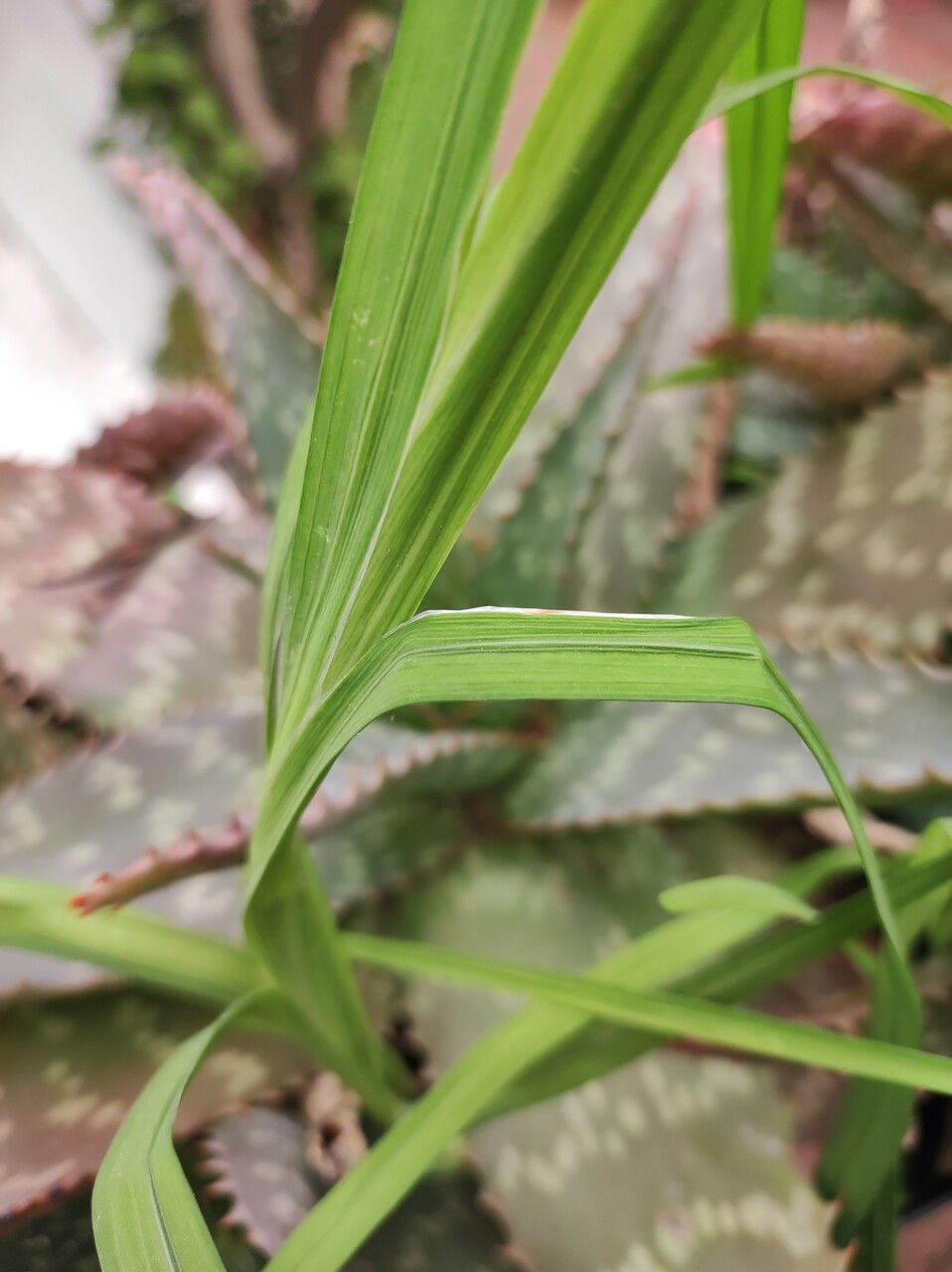
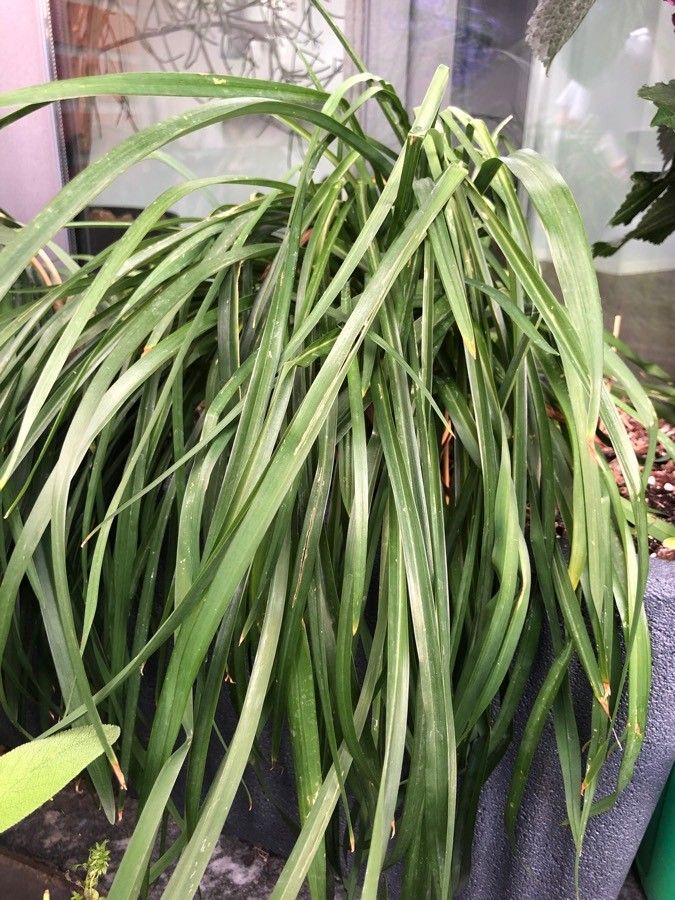
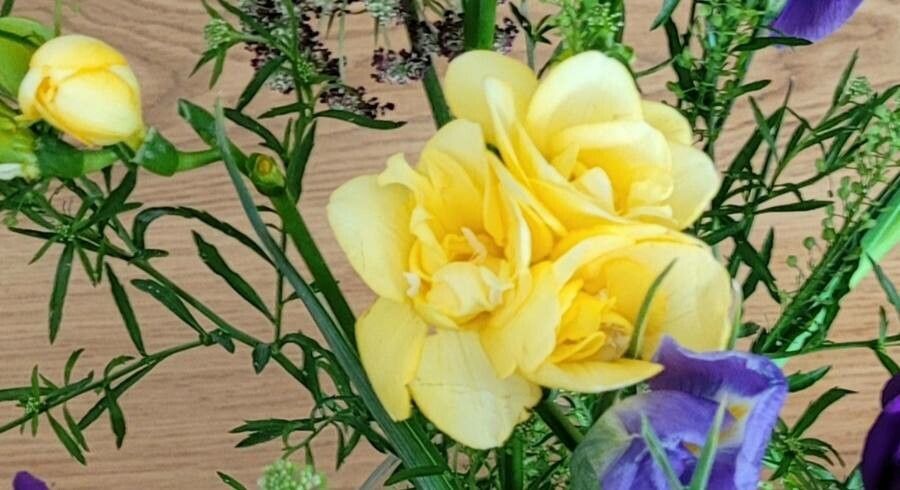
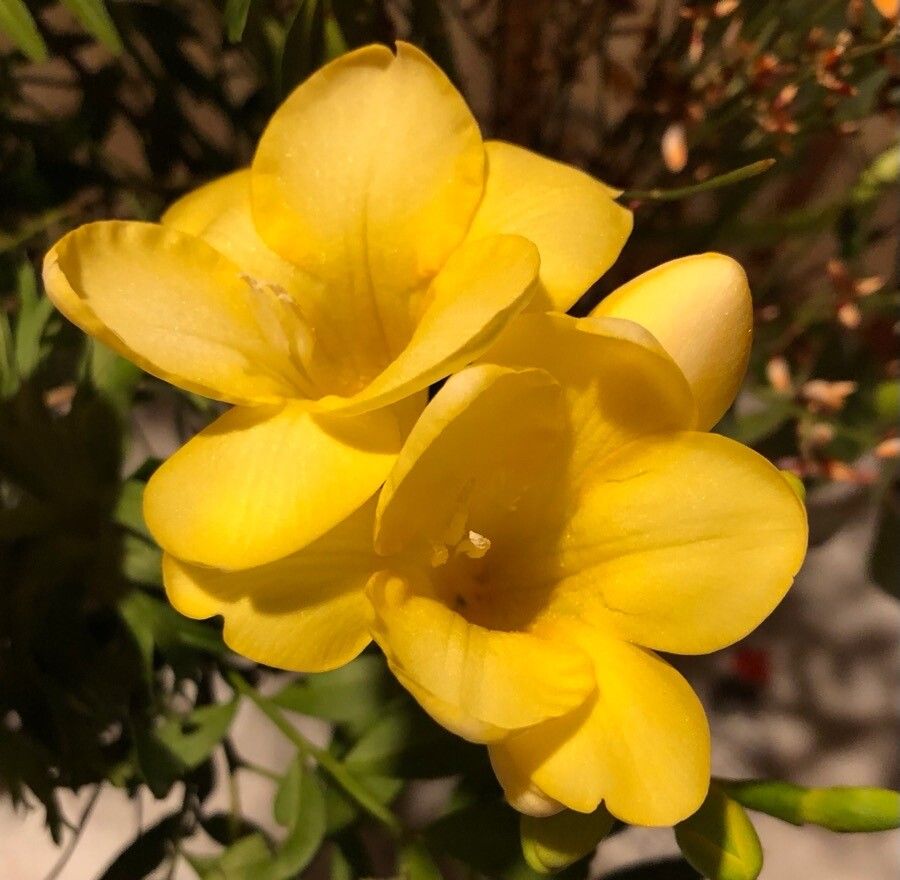
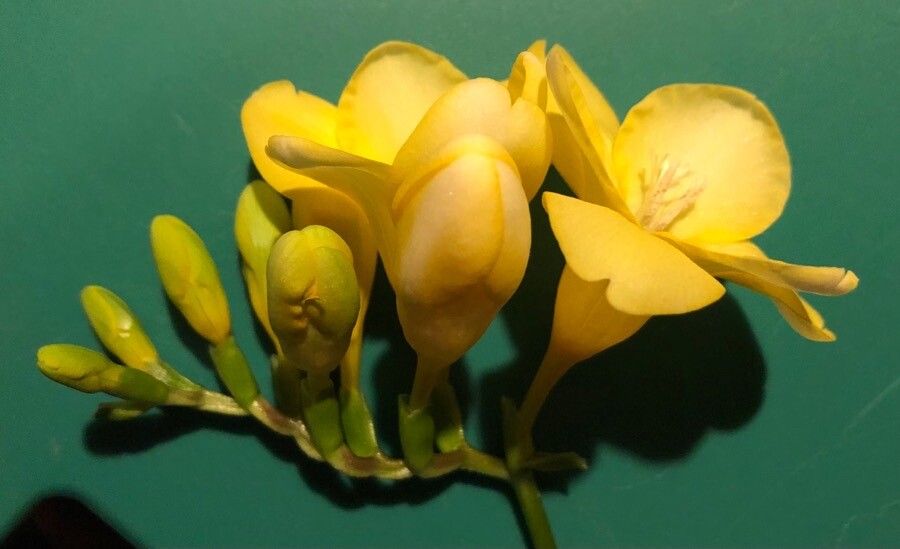
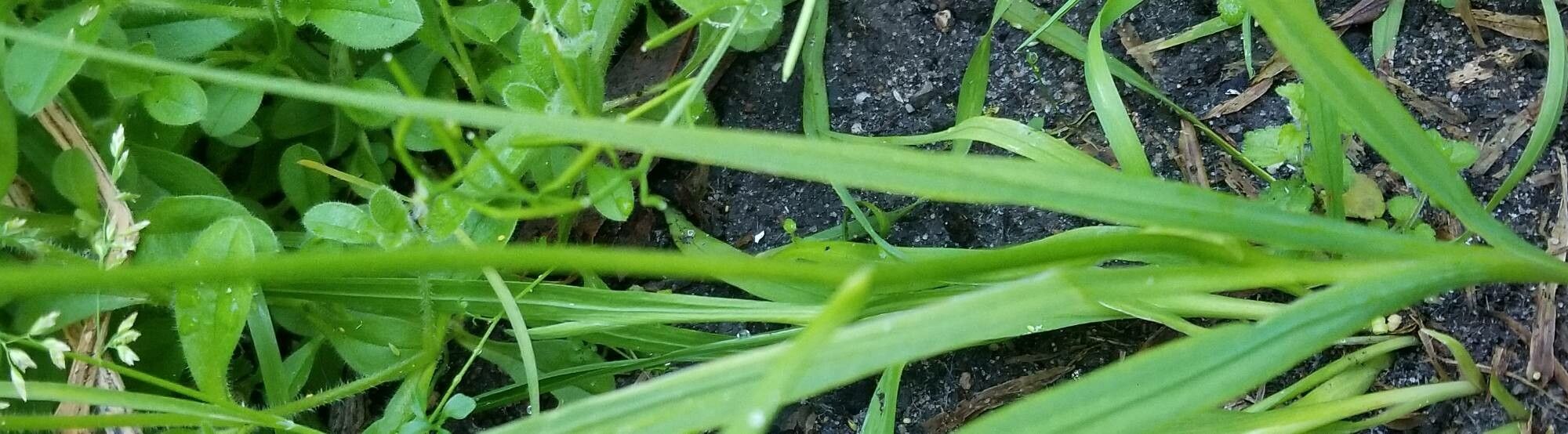
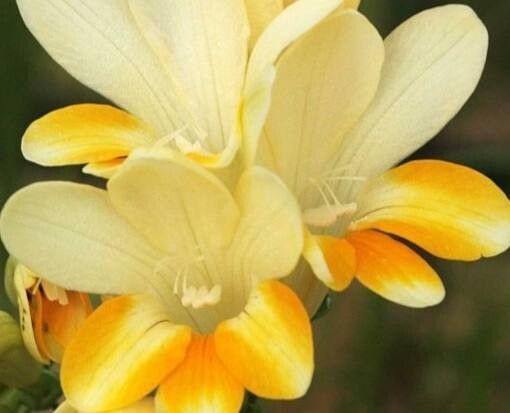
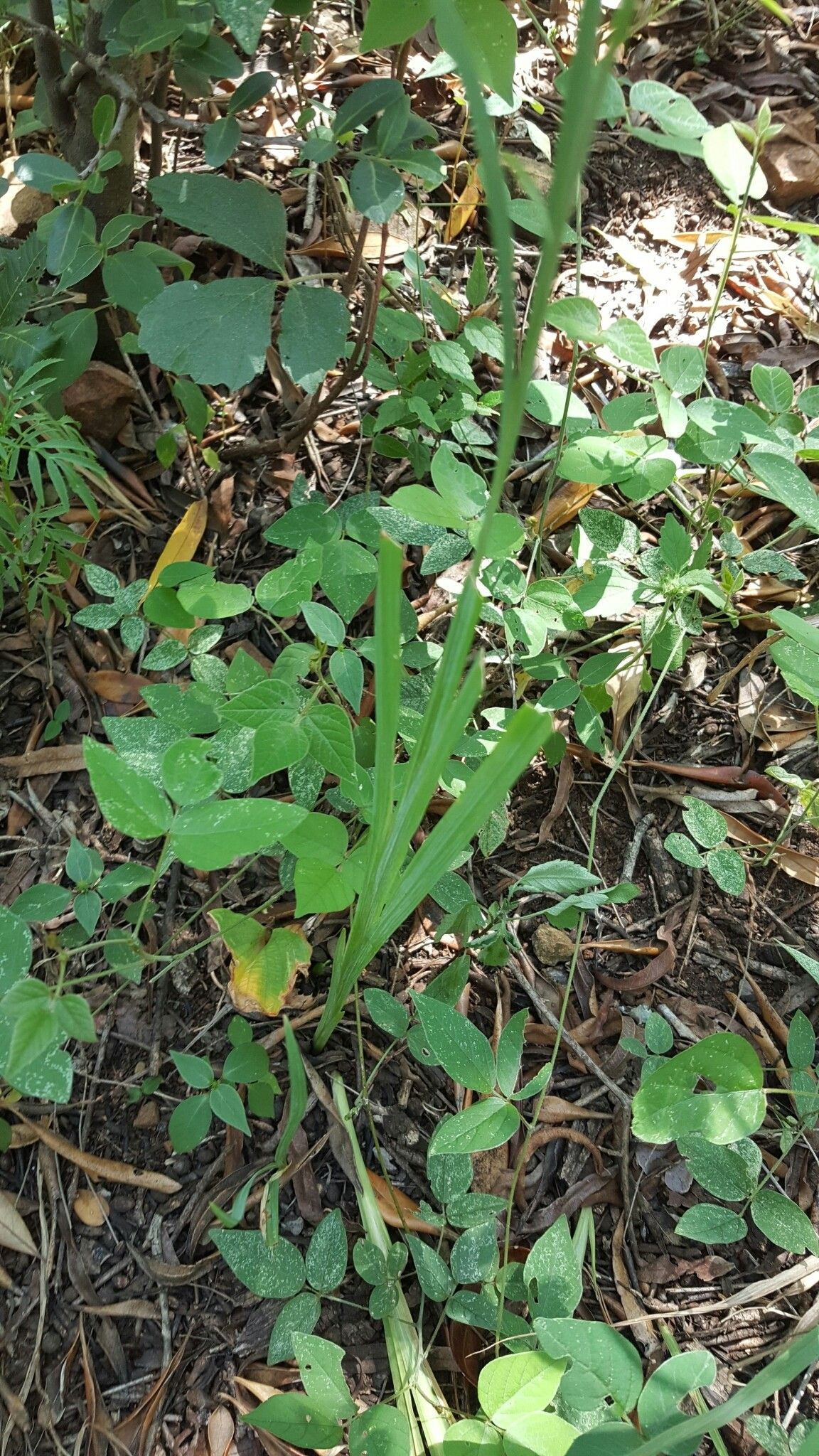
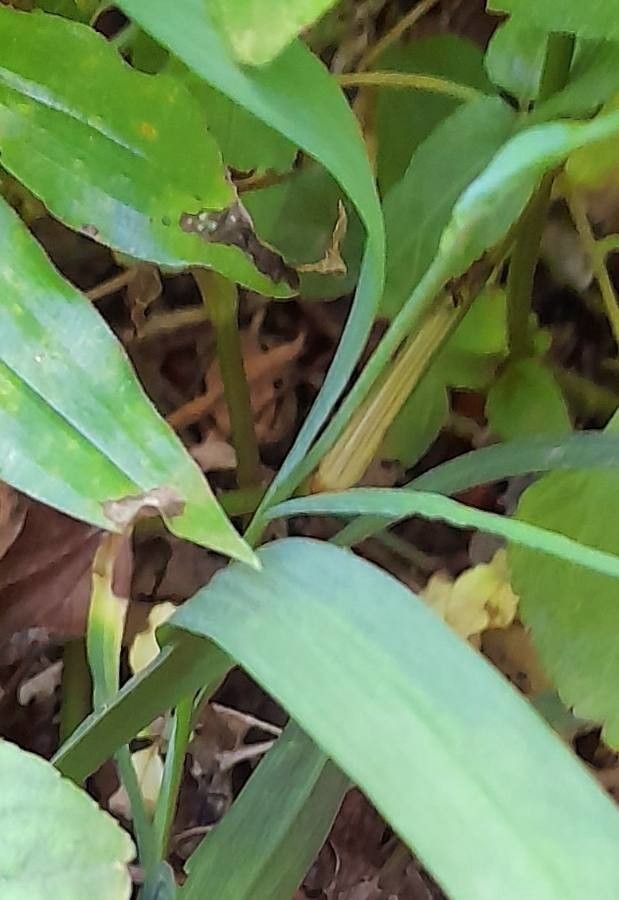
Freesia corymbosa is a perennial, geophyte native to the Eastern and Western Cape. The species occurs from the Great Swartberg through the Langkloof to Grahamstown, King William’s Town and Butterworth. It also forms part of the fynbos and Albany thickets biomes.
Common freesia is fairly resistant to disease and generally not easily affected by illnesses. Still, it can be vulnerable to pests and diseases found in its environment, though such infections are typically mild. Regarding care, this plant requires a moderate level of attention. It should be pruned regularly to preserve an attractive appearance and support healthy growth. Applying fertilizer can also encourage better flowering. Common freesia is appropriate for anyone who has outdoor space, like a garden or a patio, and it does not demand extensive gardening experience. It may need extra care if cultivated indoors.
How to keep Freesia Corymbosa.
Light
Common freesia is a sun-loving, perennial herbaceous plant native to open habitats and frequently grows in meadows and grasslands. It prefers full sun but can tolerate partial sun conditions.
Water
The common freesia requires moderate watering, about once a week. It's important to let the soil dry out slightly between waterings. To prevent root rot caused by stagnant water, avoid overwatering and ensure the soil drains well.
Temperature
Common freesia is fairly adaptable to temperature, able to endure higher heat and considerable temperature swings. In hot weather, attention should be paid to watering and providing adequate shade to prevent sunburn. Conversely, common freesia is relatively sensitive to low temperatures. While it can tolerate some cold, very low temperatures can cause frost damage.
Fertilizer
The best time to fertilize a Common freesia is in early spring, when it is coming out of dormancy and beginning active growth. Fertilizing supplies essential nutrients needed for healthy growth. Although Common freesia has relatively low fertilizer requirements, applying fertilizer once a year can improve its survival and encourage better, longer-lasting flowers.
Pruning
Common freesia is known for its fragrant, funnel-shaped flowers. To promote growth and flowering, it is important to follow a strategic pruning routine in early spring. Start by removing any dead stems and cutting off spent blooms. This will encourage new growth and more abundant flowering. Additionally, thin out congested areas to improve air circulation, which helps reduce the risk of disease and enhances the plant's overall health and aesthetic appeal.
Botanical profile.
- Plant Type
- Herb
- Life Cycle
- Perennial
- Genus
- Freesia
- Family
- Iridaceae
- Hardiness Zone
- 8-10
- Mature Height
- 30 cm to 61 cm
- Mature Spread
- 20 cm to 30 cm
- Leaf Color
- Green
- Leaf Type
- Deciduous
- Flower Color
- White, Yellow, Pink, Purple, Orange
- Flower Size
- 5.08 cm to 6.35 cm
- Bloom Time
- Spring, Early summer
- Planting Time
- Spring, Summer
- Harvest Time
- Summer
- Native Area
- South Africa
Other names.