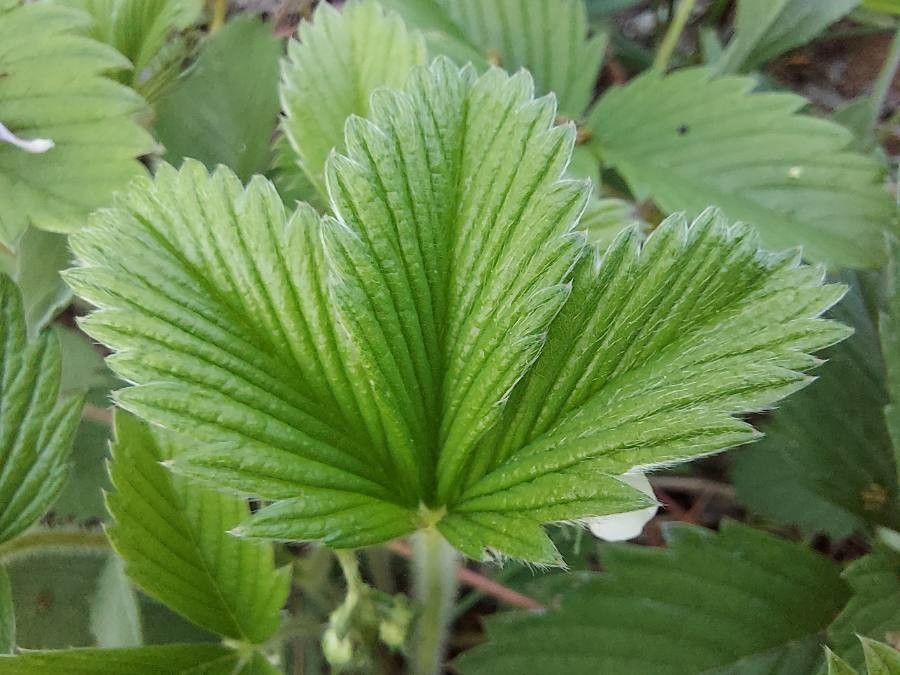
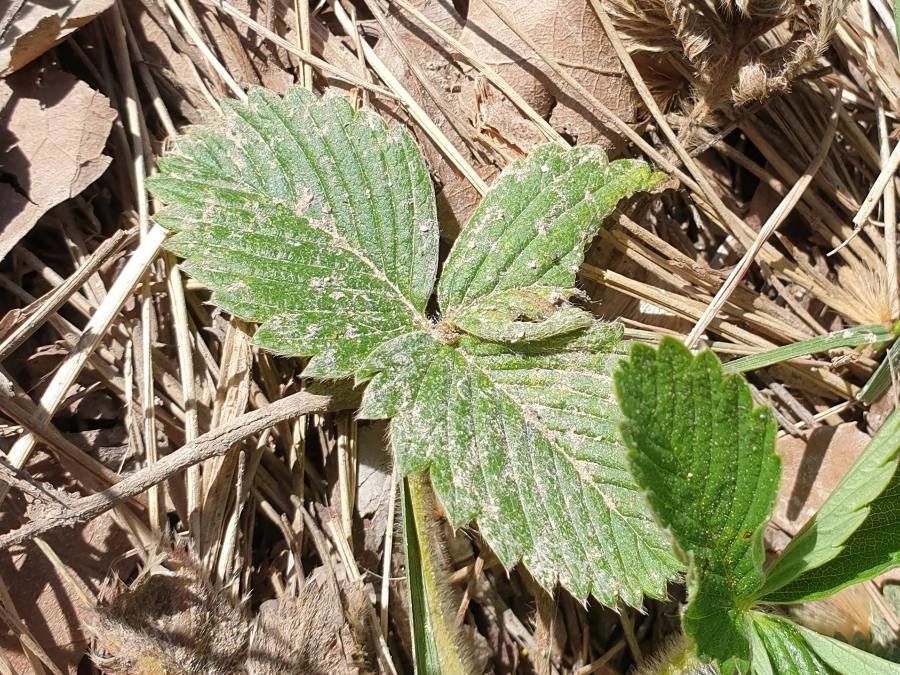
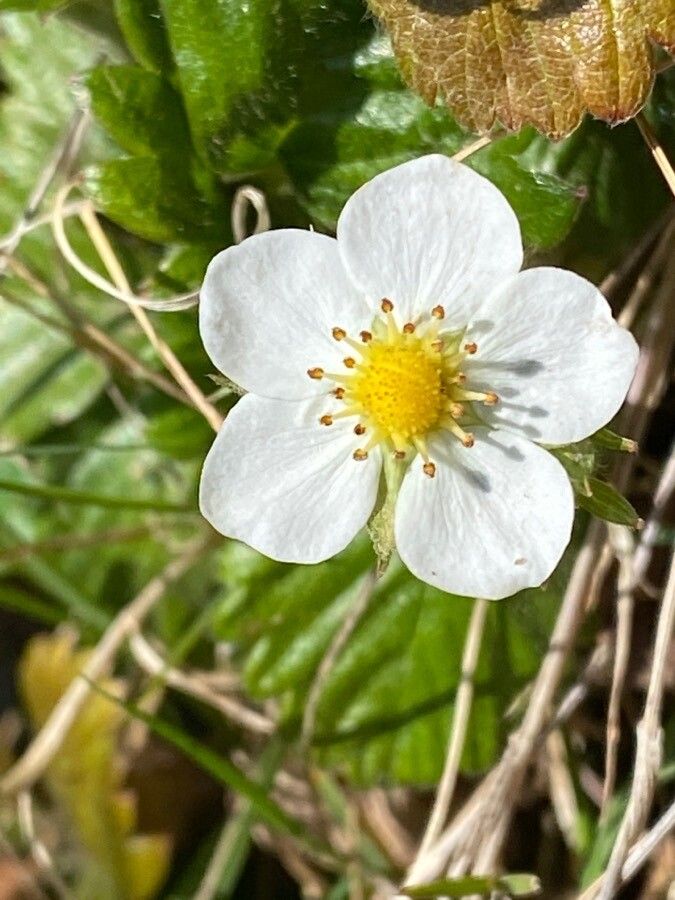
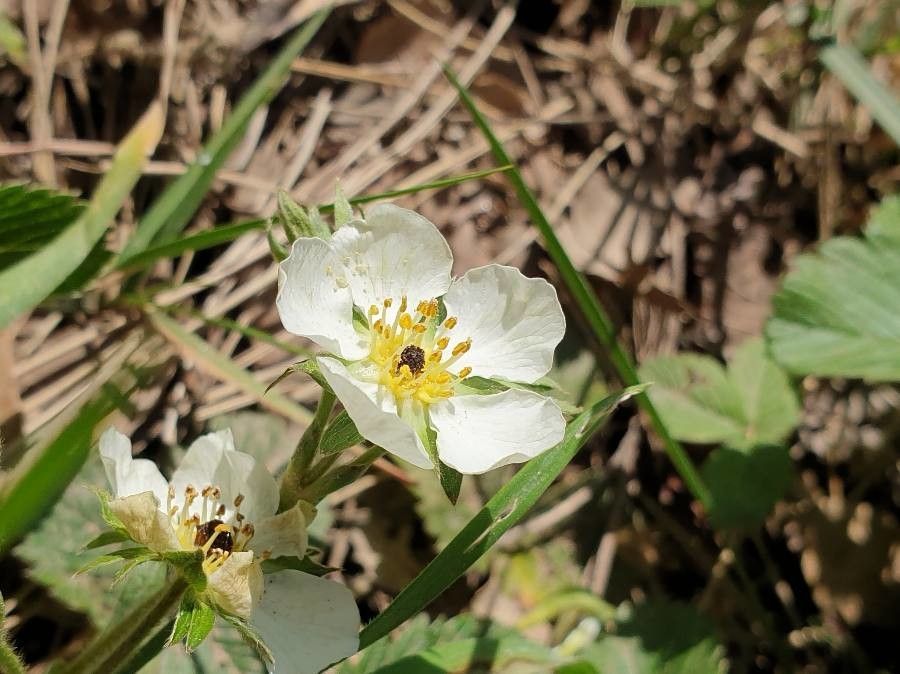
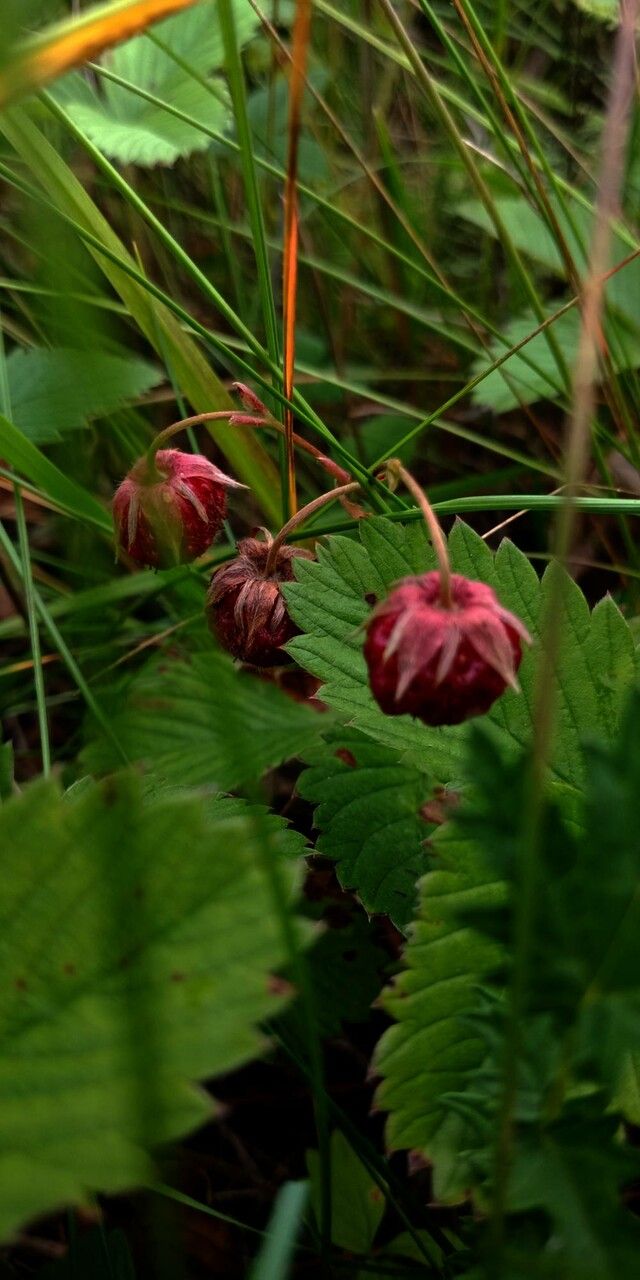
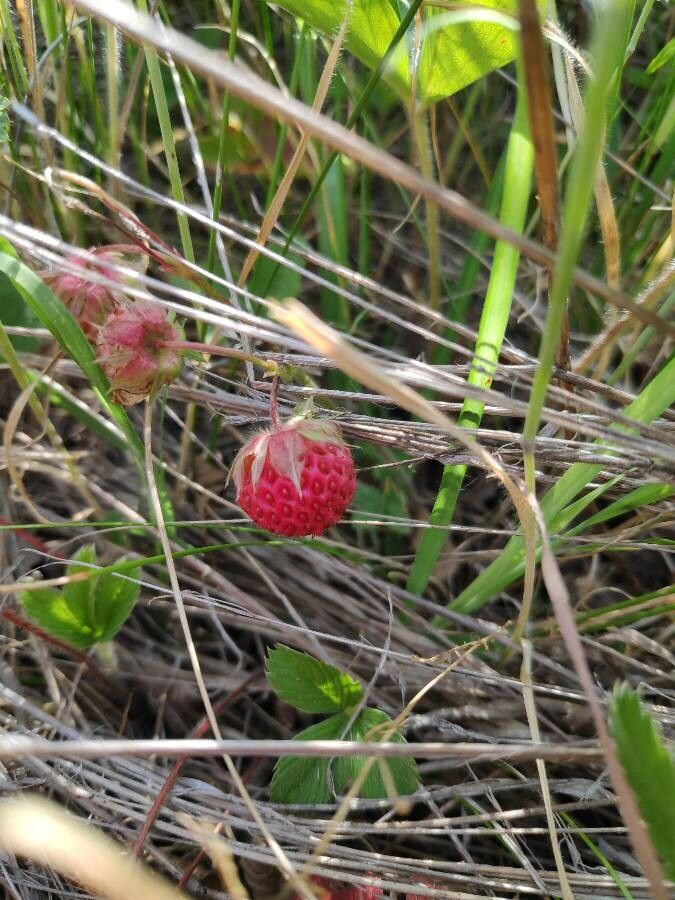
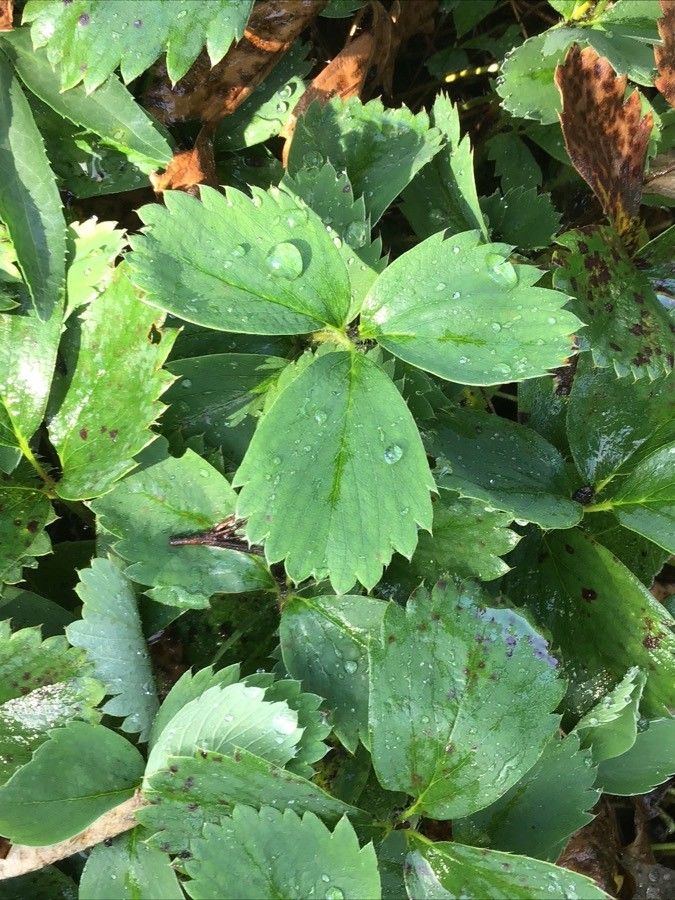
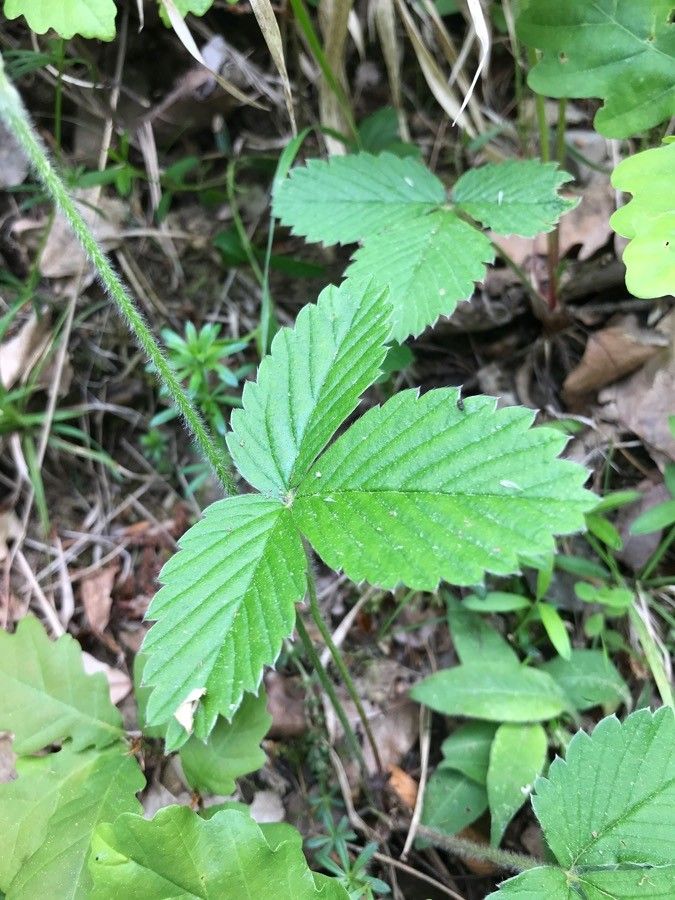
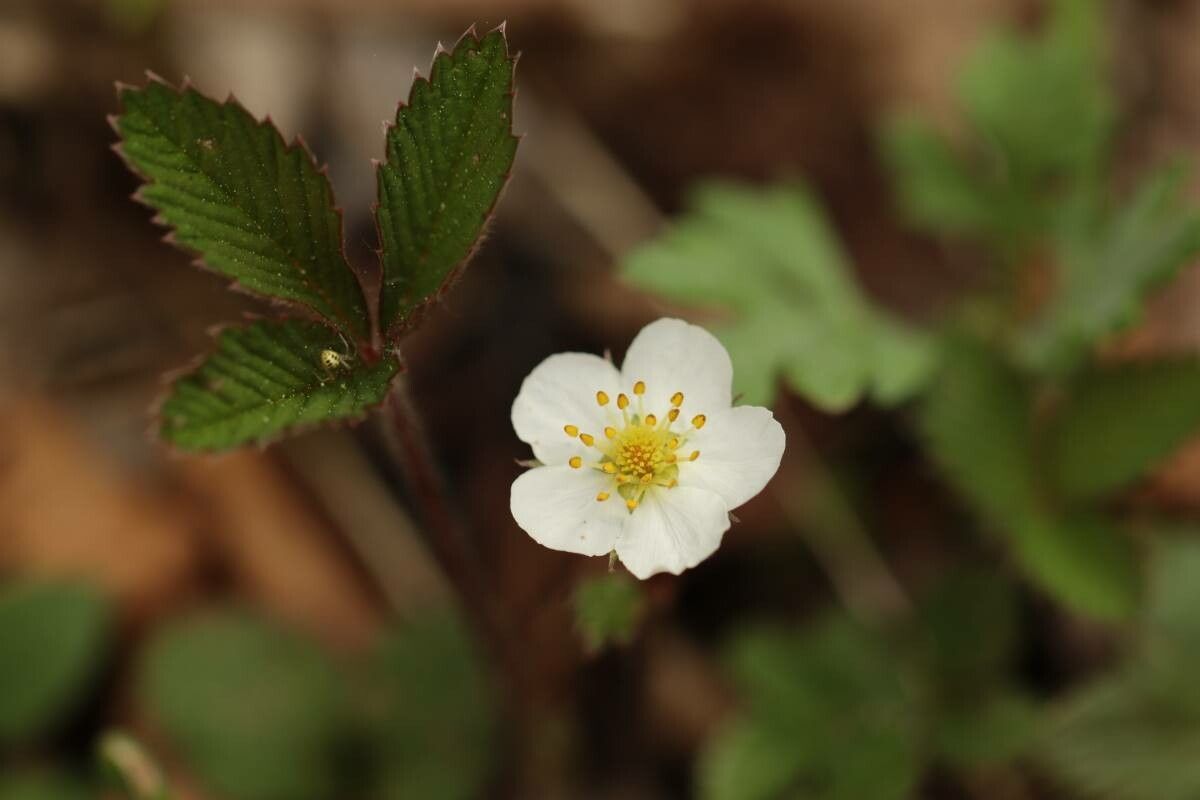
Fragaria viridis, commonly known as the Alpine Strawberry or Green Strawberry, is a species of wild strawberry native to Europe and Asia. Belonging to the Rosaceae family, this perennial herbaceous plant typically grows to a height of up to 15 cm. It features trifoliate leaves with toothed edges and produces small, white, five-petaled flowers in early summer.
The fruit of Fragaria viridis is small and round, initially green when unripe but turning red upon full ripening. While it has a sweet taste, it lacks the intense flavor of cultivated strawberries. The fruit can be eaten fresh or used in making jams, jellies, and syrups, or it can be added to desserts.
Fragaria viridis prefers well-drained soil with full sun exposure but can also tolerate partial shade. It thrives best in cool climates at high altitudes, such as alpine meadows or rocky slopes.
Since ancient times, the plant has been used for medicinal purposes due to its high content of vitamin C and antioxidants, which help boost immunity levels and prevent diseases such as cancer.
Overall, Fragaria viridis is an attractive ornamental plant that produces delicious fruits while offering numerous health benefits, making it an excellent addition to any garden.
Green strawberry is disease-resistant and typically not prone to illnesses. However, it can still be affected by pests and diseases present in its surroundings. These infections are generally not severe. For care, this plant requires moderate maintenance. Regular pruning is needed to keep a tidy appearance and encourage healthy growth. Fertilizing can also help boost flowering. Green strawberry is suitable for anyone with outdoor space, such as a garden or patio, and does not require extensive care experience. It may need more attention when grown indoors.
How to keep Fragaria Viridis.
Light
The green strawberry needs plenty of sunlight each day to flourish. Too much or too little light can cause stunted growth and poor plant health. Coming from habitats with abundant sun, it can lessen its light requirements at different stages of development. Nevertheless, it can also tolerate locations with somewhat reduced sun exposure.
Water
The green strawberry plant thrives in consistently moist environments and prefers soil that is evenly hydrated. To maintain this balance, it is important to water the plant weekly, although rainwater also works well. As a herbaceous perennial, the green strawberry's water requirements change throughout the year: it needs more water during its active growth phases and less when it is dormant.
Temperature
Green strawberry is a plant that comes from cool climates and prefers temperatures of 41 to 95°F (5 to 35℃). As seasons shift, you may need to adjust temperatures to recreate its natural habitat. Avoid very cold or very hot conditions.
Fertilizer
The Green strawberry plant needs adequate nutrients for optimal fruit production. Fertilize in early spring to support new growth and flower development. Regular fertilization keeps the plant healthy, encourages tastier fruit, and prevents nutrient-deficiency problems like yellowing leaves and poor fruit yield.
Pruning
Green strawberries benefit greatly from selective pruning, which involves removing dead leaves, thinning out crowded areas, and trimming runners. The best time to prune is in early summer. This helps improve air circulation and boosts fruit production, while also reducing the risk of disease and promoting overall plant health.
Botanical profile.
- Plant Type
- Herb
- Life Cycle
- Perennial
- Genus
- Fragaria
- Family
- Rosaceae
- Hardiness Zone
- 5-9
- Mature Height
- 5 cm to 20 cm
- Mature Spread
- 0.91 m to 2.13 m
- Leaf Color
- Green, Dark Green
- Leaf Type
- Evergreen
- Flower Color
- White
- Flower Size
- 1.52 cm to 2.03 cm
- Bloom Time
- Early spring, Mid spring
- Planting Time
- Spring, Summer
- Harvest Time
- Late spring, Early summer
Other names.
Reader questions.
How should I water my Green strawberry?
The Green strawberry has specific preferences for water, including how much it gets and how it is provided. If the proper watering technique is not used, it could harm your tomatoes. The best way to water the Green strawberry is to apply the water directly to the soil in a slow and gentle manner. Avoid pouring all the water in the soil at once or doing overhead watering. Water slowly and deeply to make sure the soil is sufficiently moist for your Green strawberry to grow.
Why should I put fertilizer on my green strawberries?
Plants need nutrients to grow, and as they grow, they use up these nutrients from the soil. This is especially true for fast-growing plants like Green strawberry. To keep the plant healthy and produce tasty fruit, it's important to regularly fertilize it and provide extra nutrients. If plants are not fertilized for a long time, they can face various problems. One common issue is yellow leaves, which is a sign of nutrient deficiency. Other problems include leaves turning reddish, deformed shapes, withered tips, or large portions of the plant dying. Some nutrient deficiencies can also affect the bark, slow growth, hinder shoot development, and reduce fruit production.
What are the sunlight requirements for Green strawberries?
Green strawberries thrive under conditions of full sun, meaning they require more than 6 hours of sunlight daily. However, they can also tolerate partial sun, with about 3-6 hours of sunlight. It's important to monitor the sunlight movement through your garden to find spots that offer a good balance of light and shade. This ensures the plants receive enough light without suffering from overexposure.
What is the native climate of the Green Strawberry (Fragaria viridis)?
The Green Strawberry, scientifically known as Fragaria viridis, is native to cooler climates and thrives in temperatures ranging from 41 to 95°F (5 to 35°C). It requires temperature adjustments with the changing seasons to mimic its native environment, avoiding extremes of both cold and hot weather. Despite its strong resistance to cold, special frost protection measures are not usually necessary, but in cases where winter temperatures are expected to dip below -25°C, measures like covering the plant with soil or straw should be taken.
What should I do if I give my Green strawberry plant too much water or too little water?
If you realize that you have given too much water to your Green strawberry plant and you are worried about the risk of disease, taking immediate action is important. The best approach in this situation is to remove the plant from its current location. Once you have taken it out of the ground, allow its roots to dry slightly before replanting it in a new location that has well-draining soil. If you are growing the plant in pots, consider switching it to a pot with more or larger drainage holes. On the other hand, if you have not provided enough water to your plant, simply increase the frequency at which you water it.
When should I fertilize my Green strawberry for the best results?
The best time to fertilize green strawberries is in early spring, before the buds start to grow. At this time, the plant relies on the stored reserves from winter to produce new growth. Fertilizing 2 to 4 weeks before the expected blooming period allows enough time for the nutrients to be absorbed by the soil and distributed throughout the plant to support bloom development. You can continue fertilizing during spring, but avoid fertilizing in autumn as this can result in excessive foliage growth late in the season, making the leaves vulnerable to winter damage.
What are the essentials for growing Green strawberries successfully?
To grow Green strawberries successfully, ensure they receive an abundance of daily sunlight, as both excessive or insufficient light can impact their growth and health negatively. These plants are accustomed to environments with a lot of sun exposure but can adjust their sunlight needs during different growth stages. In less sunny areas or during winter, artificial lighting, such as LED lights, can be used to provide the necessary wavelengths of light. For optimal growth indoors, you need 30-50W/sq ft for full sun plants, 20-30W/sq ft for partial sun plants, and 10-20W/sq ft for full shade plants.
How does low temperature affect the Green Strawberry, and what are the solutions?
Green Strawberry is cold-tolerant and performs best when temperatures are kept above 5°C. It can survive winters with temperatures above -20°C but if temperatures fall below -25°C, the plant may experience a decrease in sprouting or fail to sprout in spring. To mitigate this, in spring, it is advised to remove any parts of the plant that have failed to sprout, ensuring the plant's healthy growth for the season.
How often do I need to water my Green strawberry?
Green strawberries need a lot of water during the growing season. To meet this need, water them frequently in the spring and summer. In the beginning, water them once or twice a week. As the season progresses, water them even more, possibly twice a day or more in the summer. After the main growth phases, you can reduce watering to about once a week until the end of the growing season.
When is it not a good time to add fertilizer to my green strawberry plant?
Here are some tips for fertilizing Green strawberries: 1. In the first year of growth, it's best to avoid fertilizing altogether. Only provide fertilizer if absolutely necessary. 2. If you pruned 20% or more of the plant the previous year, hold off on fertilizing. 3. Do not fertilize diseased or damaged plants, as this can cause more harm than good. Instead, address the root cause of the issue before considering fertilizer. 4. Avoid fertilizing after the peak of summer, as this can lead to excessive growth before winter. 5. During hot and dry times of the year, it's not ideal to fertilize Green strawberries. Dry soil doesn't effectively deliver fertilizer, and stimulating growth during this time can increase the need for more water, which may not be readily available. 6. Fertilize earlier in the season when temperatures are cooler. 7. Be cautious about inadvertently giving plants a double-dose of fertilizer, as Green strawberries can absorb fertilizer applied to nearby plants or lawns.
What symptoms indicate poor lighting conditions for a Green strawberry plant?
Symptoms of poor lighting conditions for Green strawberry plants include smaller new leaves, leggy or sparse growth, faster leaf drop, slower or no new growth, lighter-colored new leaves, chlorosis (yellowing of leaves), sunscald (damage from intense light), leaf curling (to minimize exposure), wilting (due to water loss from transpiration), and leaf scorching (brown or crispy leaf edges). These symptoms point to either insufficient light or overexposure, hindering the plant's health and growth.
What should be done if the Green Strawberry experiences high temperatures?
During the summer months, it's crucial to keep the Green Strawberry's surrounding temperature below 35°C to prevent heat stress. Exposure to temperatures above 38°C can result in the leaves becoming lighter in color, curling, being prone to sunburn, and in severe cases, the plant may wilt and dry up completely. To handle this, trim away the sunburned and dried-up parts of the plant, move it to a location that provides shade during the midday and afternoon sun, or use a shade cloth. Additionally, water the plant in the morning and evening to maintain soil moisture.