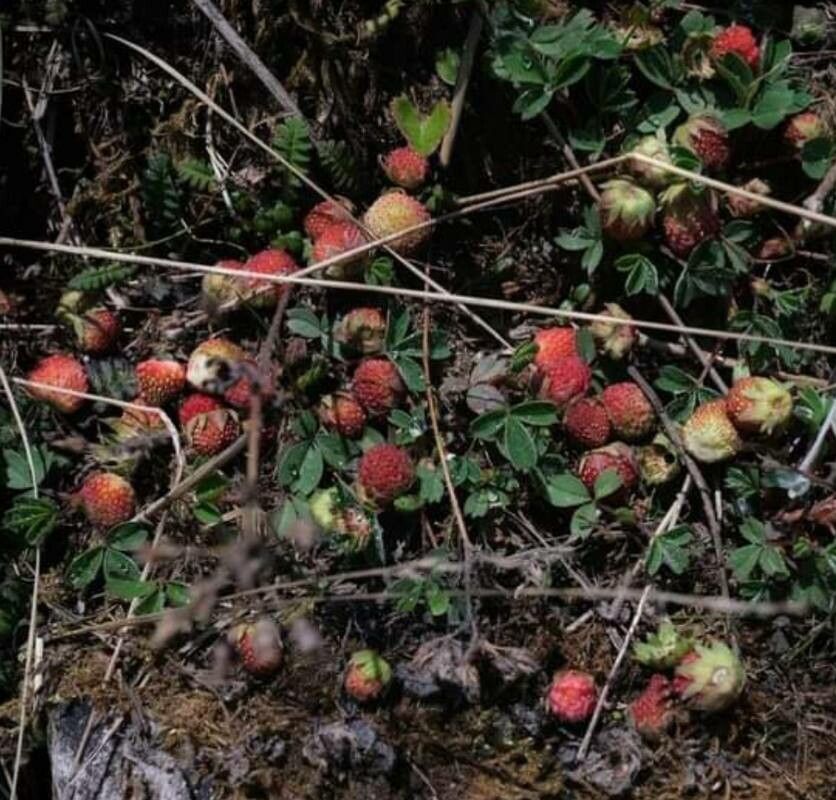
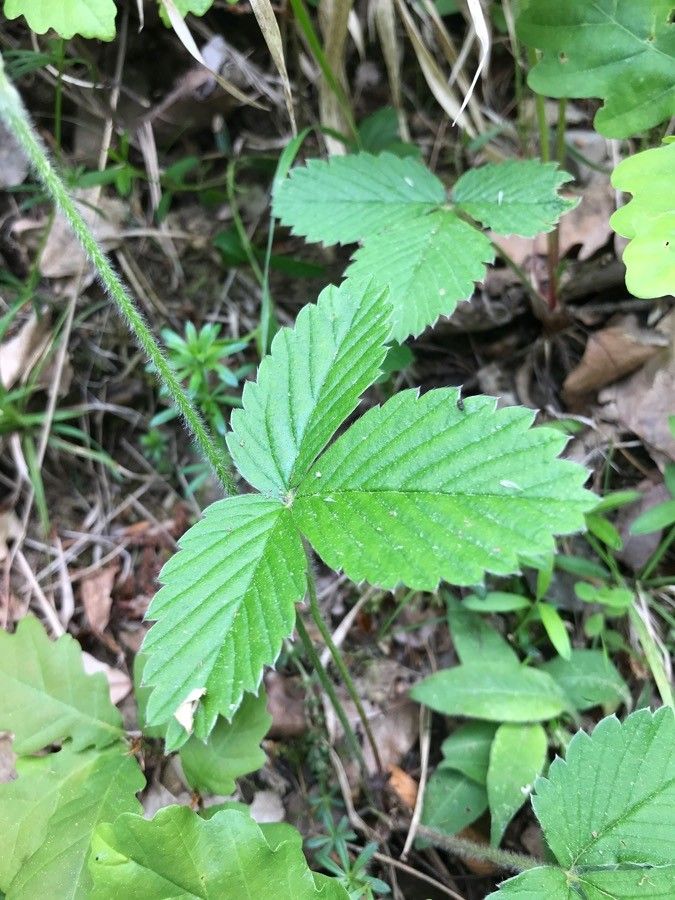
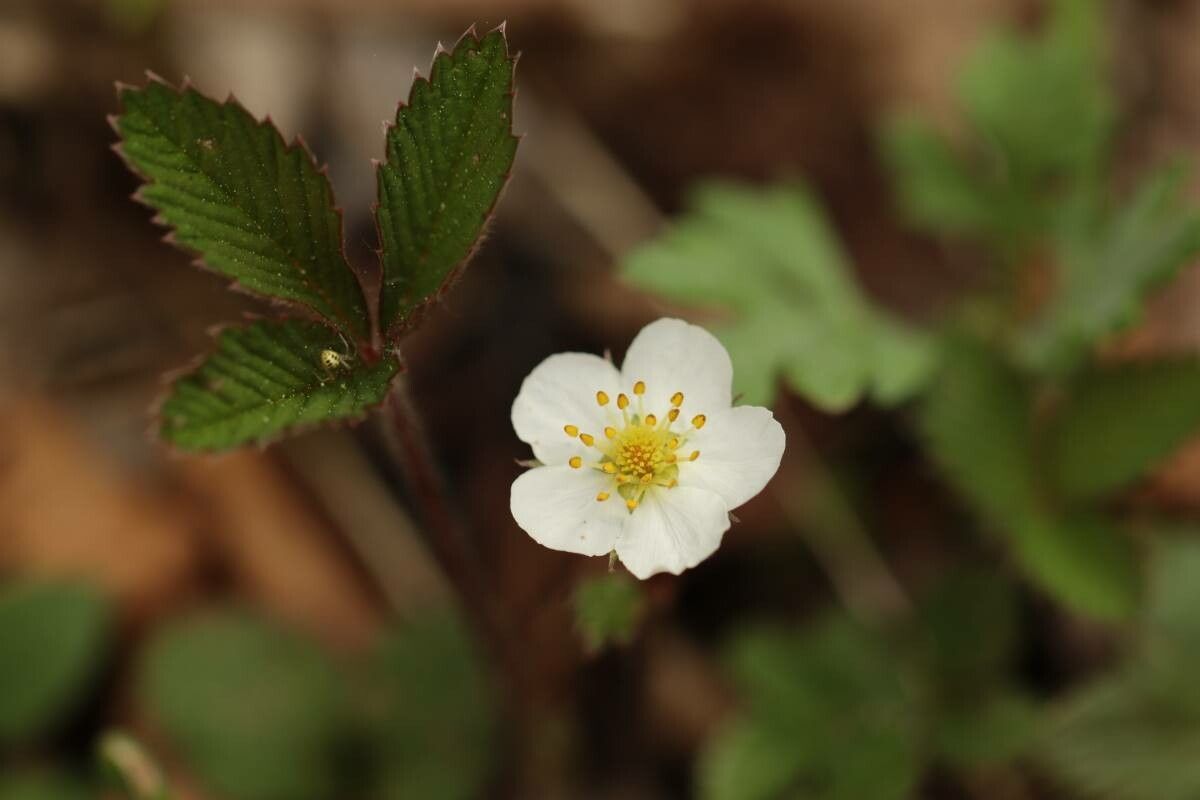
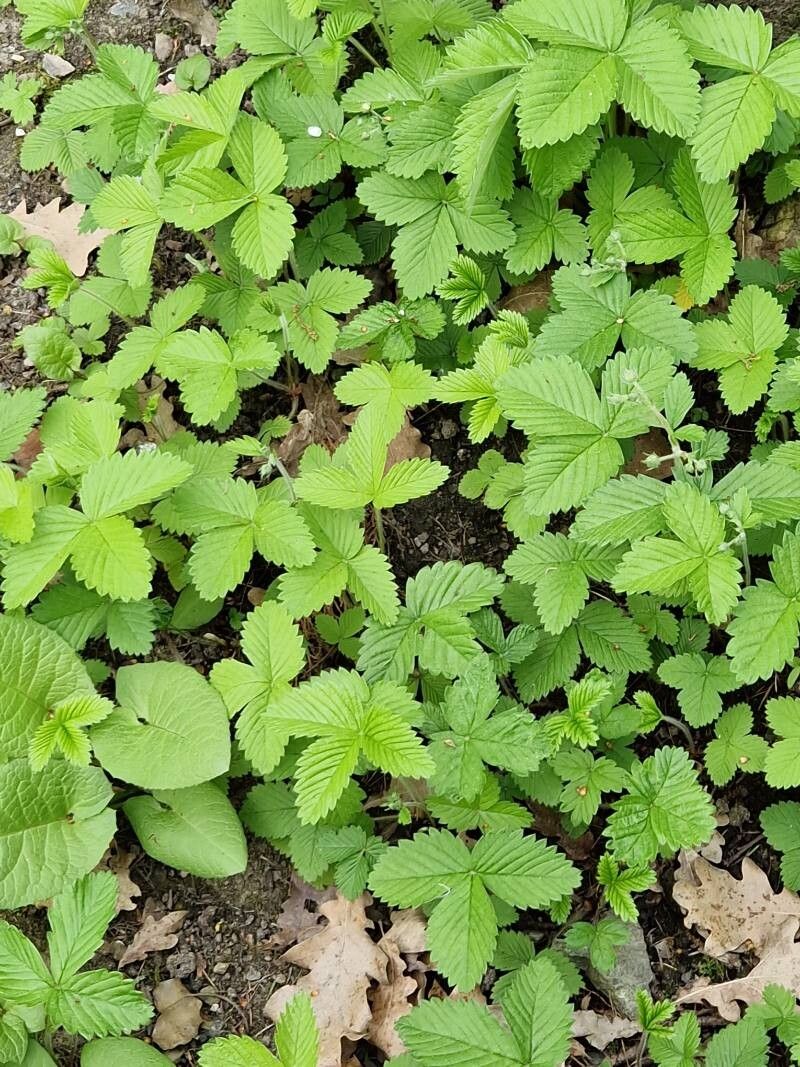
Fragaria chiloensis, commonly known as the beach strawberry or Chilean strawberry, is a flowering plant belonging to the rose family. Native to the coastal regions of western North and South America, it ranges from Alaska to Chile. This plant typically grows low to the ground and produces small white flowers that eventually turn into small, sweet red berries.
The beach strawberry serves as an important food source for various wildlife, including birds and bears. Humans also enjoy its delicious fruit, commonly using it in jams, desserts, or eating it fresh. Additionally, indigenous peoples have used the plant medicinally for its anti-inflammatory properties.
Since the 18th century, Fragaria chiloensis has been cultivated widely around the world. It has given rise to numerous cultivated varieties that are grown commercially today.
Beach strawberry is fairly disease-resistant and typically not prone to illnesses. Nevertheless, it can be affected by pests and diseases present in its environment. These problems are usually mild. For care, this plant needs moderate maintenance. It requires regular pruning to preserve a neat appearance and healthy growth. Fertilizing can also encourage flowering. Beach strawberry is appropriate for anyone with outdoor space, such as a garden or patio, and does not demand extensive gardening experience. It may need more attention when grown indoors.
How to keep Fragaria Chiloensis.
Light
Beach strawberry does best with abundant sunlight, which is essential for its healthy growth. In its natural habitat it is found in places where sunlight is plentiful. It can, however, survive with moderate sun exposure, although this may reduce its energy intake and slow its growth. Too much or too little sunlight can impede its normal development.
Water
The beach strawberry flourishes in coastal areas where it prefers consistent moisture, though it can endure short dry periods. To keep it hydrated, water it twice a week. Natural rainfall greatly contributes to its moisture requirements, helping this evergreen plant maintain its vibrant green leaves throughout the year.
Temperature
Beach strawberry is usually found in habitats where temperatures range from 68 to 95 °F (20 to 35 °C). To remain healthy through the seasons, it may need some exposure to cooler temperatures during winter.
Fertilizer
Beach strawberry plants need adequate nutrients to produce fruit at their best. Fertilize in early spring to promote new growth and flowering. Regular feeding keeps the plant healthy, produces tastier fruit, and prevents nutrient-deficiency problems such as yellow leaves and poor fruit production.
Pruning
The beach strawberry is a low-growing, evergreen ground cover known for its attractive foliage and edible fruits. For best results, prune in early summer to remove any damaged runners. This encourages fresh growth and enhances fruit yield. Regular pruning also helps control the plant's spread and reduces pest problems, promoting both the health and visual appeal of the plant.
Pot & Repot
Repot your beach strawberry every 2-3 years to refresh the soil and roots. The best time to do this is in the spring, as it aligns with the plant's growth phase. Choose a shallow, wide container to allow the runners to spread. After repotting, ensure the plant receives consistent moisture and partial sunlight to maintain optimal health.
Botanical profile.
- Plant Type
- Herb
- Life Cycle
- Perennial, Annual
- Genus
- Fragaria
- Family
- Rosaceae
- Hardiness Zone
- 4-9
- Mature Height
- 0 cm to 30 cm
- Mature Spread
- 30 cm
- Leaf Color
- Green
- Leaf Type
- Evergreen
- Flower Color
- White
- Flower Size
- 2.54 cm
- Bloom Time
- Mid spring, Late spring, Early summer
- Planting Time
- Spring, Autumn, Winter
- Harvest Time
- Early summer, Mid summer
Other names.
Reader questions.
How should I water my Beach strawberry plant?
The Beach strawberry has specific preferences for water and how it is provided. It is important to water the Beach strawberry correctly to avoid damaging your tomatoes. The best method is to apply water directly to the soil in a slow and gentle way. Avoid pouring all the water at once and avoid overhead watering. It is important to water slowly and deeply to ensure the soil is adequately moist for the Beach strawberry to thrive.
Why should I put fertilizer on my Beach strawberry plant?
Plants, particularly fast-growing ones, continue to deplete the soil of nutrients, which can cause various issues. Regular fertilization is essential for the Beach strawberry, as it not only helps it stay healthy but also promotes the growth of delicious fruit. If plants are not fertilized for a long time, they may experience nutrient deficiency, resulting in problems such as yellow leaves, reddish color, shape deformities, withered tips, or dieback. Additionally, nutrient deficiency can lead to bark disorders, slow growth, poor shoot development, and a lack of fruit production.
What are the sunlight requirements for beach strawberry?
Beach strawberry requires full sun exposure, defined as more than 6 hours of sunlight daily, to thrive optimally. It can also adapt to partial sun conditions, which means about 3-6 hours of sunlight daily. It's critical to observe how light moves through your garden to find spots that offer a good balance of light and shade, ensuring the plants' health and happiness. Beach strawberry naturally grows in areas with significant sunlight but can survive with moderate exposure, though this may impact its energy absorption and growth pace. Both overexposure and underexposure to sunlight can disrupt its normal development.
What is the ideal temperature range for beach strawberry?
Beach strawberry, or Fragaria chiloensis, thrives in environments where temperatures fluctuate between 68°F to 95°F (20°C to 35°C). To maintain its health throughout the year, some adjustment to cooler temperatures may be necessary during the winter. However, the plant exhibits strong cold resistance, so special frost protection measures are generally not needed, unless winter temperatures are expected to drop below -30°C.
What should I do if I give my Beach strawberry too much water or too little water?
If you have overwatered your Beach strawberry and are worried about disease, it's important to take action right away. The best solution for an overwatered Beach strawberry is to remove it from its current spot. Let the plant's roots dry out a bit before re-planting it in soil with good drainage. If you're growing in pots, consider using a pot with better drainage holes. On the other hand, if you have underwatered your plant, simply increase the frequency of watering.
When should I fertilize my Beach strawberry plant?
To achieve optimal growth and blooms, it is recommended to fertilize Beach strawberry in early spring, before the buds appear. During this time, the plant utilizes the stored reserves from winter to fuel new growth. Fertilizing approximately 2 to 4 weeks prior to blooming allows the plant to absorb and distribute the nutrients needed for bloom development. While you can continue to fertilize Beach strawberry in spring, it is advised to avoid fertilizing in autumn. Fertilizing at this time can lead to excessive foliage growth late in the season, making the leaves vulnerable to damage during winter.
How does artificial lighting support beach strawberry indoor growth?
Indoor beach strawberry plants require adequate lighting for optimal growth, especially when natural sunlight is lacking, such as during winter or in less sunny indoor spaces. Artificial lights, like LED lights, are beneficial as they can be tailored to provide specific light wavelengths needed by plants. Full sun plants need 30-50W/sq ft, partial sun plants need 20-30W/sq ft, and full shade plants require 10-20W/sq ft of artificial light. The right installation involves placing the light source 12-36 inches above the plant and keeping it on for 8-12 hours per day to mimic natural daylight conditions.
How do I protect beach strawberry in extremely cold winters?
In regions where winter temperatures are expected to fall below -30°C, it is important to provide cold protection for beach strawberry to ensure its survival. This can be easily achieved by covering the plant with insulating materials such as soil or straw. Additionally, before the first freeze of autumn, it's recommended to water the plant abundantly, ensuring the soil is moist when it freezes. This helps prevent drought stress during the winter and early spring.
How frequently do I need to water my Beach strawberry plant?
Beach strawberry needs a lot of water during the growing season. To meet this, water it frequently from spring to summer. At the beginning, water it once or twice a week, then increase frequency as the season advances. During the summer, you may need to water it twice a day or more. Once the major growth phases are over, you can water it once a week until the end of the season.
When is it best not to use fertilizer on my Beach strawberry?
To encourage healthy growth in Beach strawberry plants, it is important to follow some guidelines for fertilization. In the first year of growth, it is best to avoid fertilizing altogether. In subsequent years, only apply fertilizer when necessary and exercise caution. If you pruned 20% or more of the plant in the previous year, refrain from fertilizing. Similarly, if the plant is diseased or damaged, hold off on fertilizing as it can do more harm than good. Instead of relying solely on fertilizer, address the root cause of any issues before considering feeding the plant again. Additionally, it is advisable to avoid fertilizing Beach strawberry after the peak of summer, as this can lead to excessive growth just before winter. Similarly, during hot and dry periods, it is best to abstain from fertilization as the dry soil does not effectively deliver nutrients, and the stimulated growth may require more water than is available. Ideally, fertilizer should be applied earlier in the season when temperatures are cooler. Lastly, be mindful that Beach strawberry can absorb fertilizer from nearby plants or lawns, so be cautious to avoid inadvertently providing a double-dose of fertilizer.
What are the signs of inadequate sunlight for beach strawberry?
Symptoms of insufficient sunlight in beach strawberry include small or immature new leaves, leggy or sparse growth, faster leaf drop, slower growth or halted new growth, lighter-colored new leaves, leaf curling, wilting, and specific conditions like chlorosis (leaf yellowing), sunscald (pale or necrotic patches from intense sun), and leaf scorching (brown, dry edges from excessive light). These issues indicate that the plant isn't receiving enough sunlight, which is vital for its photosynthesis and overall health.
What are the symptoms of beach strawberry experiencing low temperatures?
Beach strawberry is cold-tolerant and performs best when the temperature remains above 20°C. During the winter, it is crucial to keep the temperature above 0°C. If the temperature drops below -30°C, the plant may not show immediate changes, but there could be a decline in sprouting or even a lack of sprouting in spring. To address this, in spring, remove any parts of the plant that have failed to sprout.