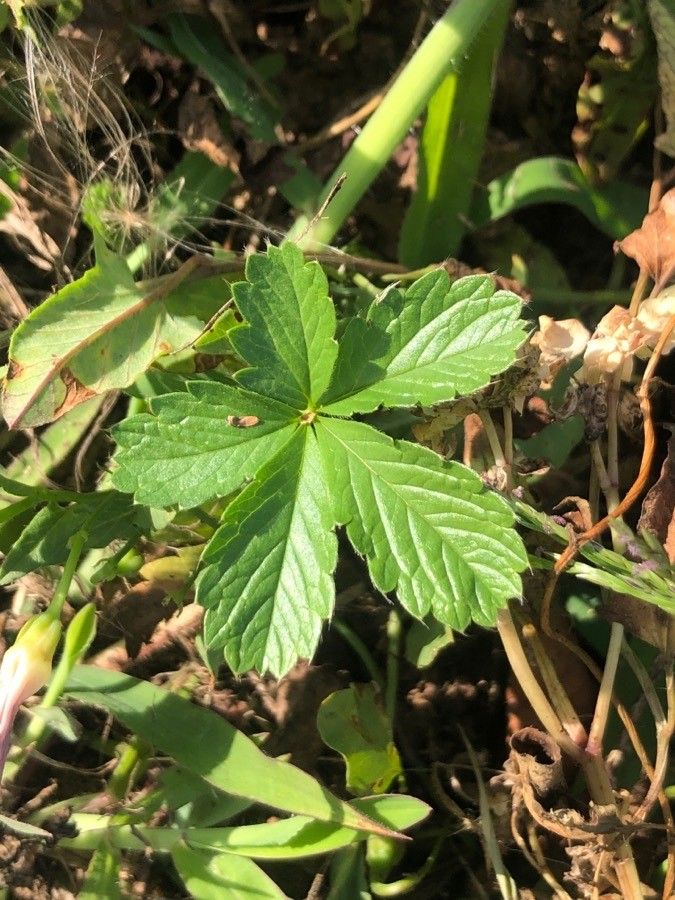
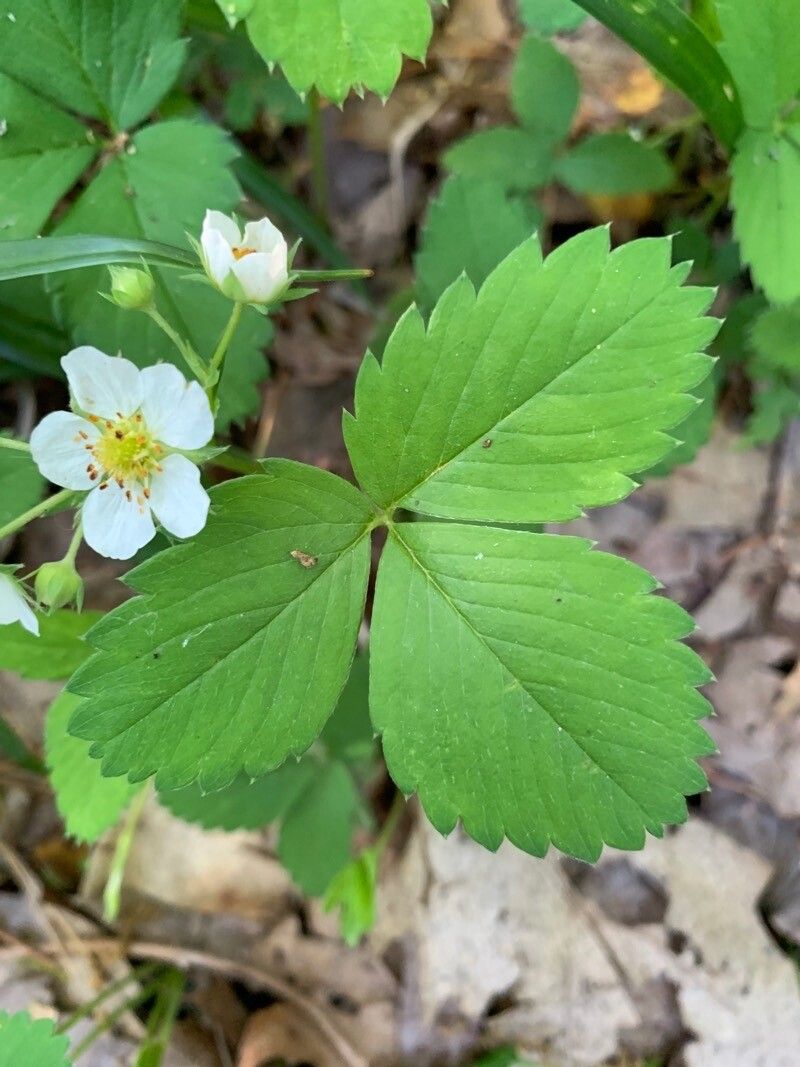
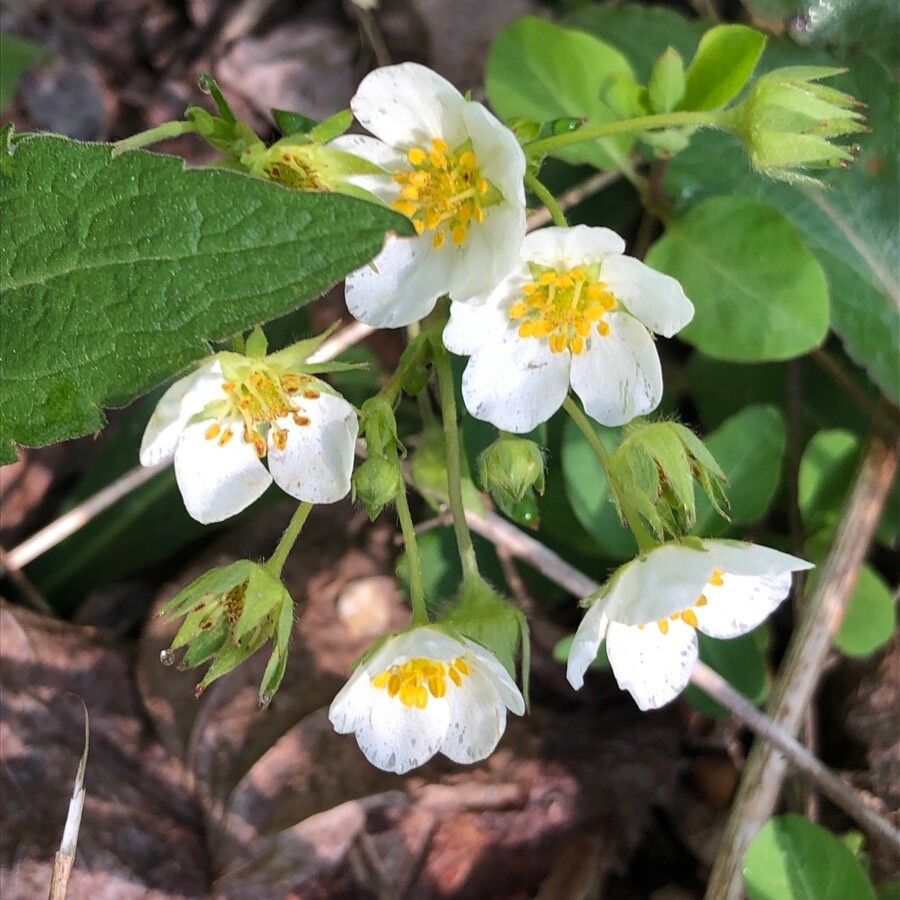
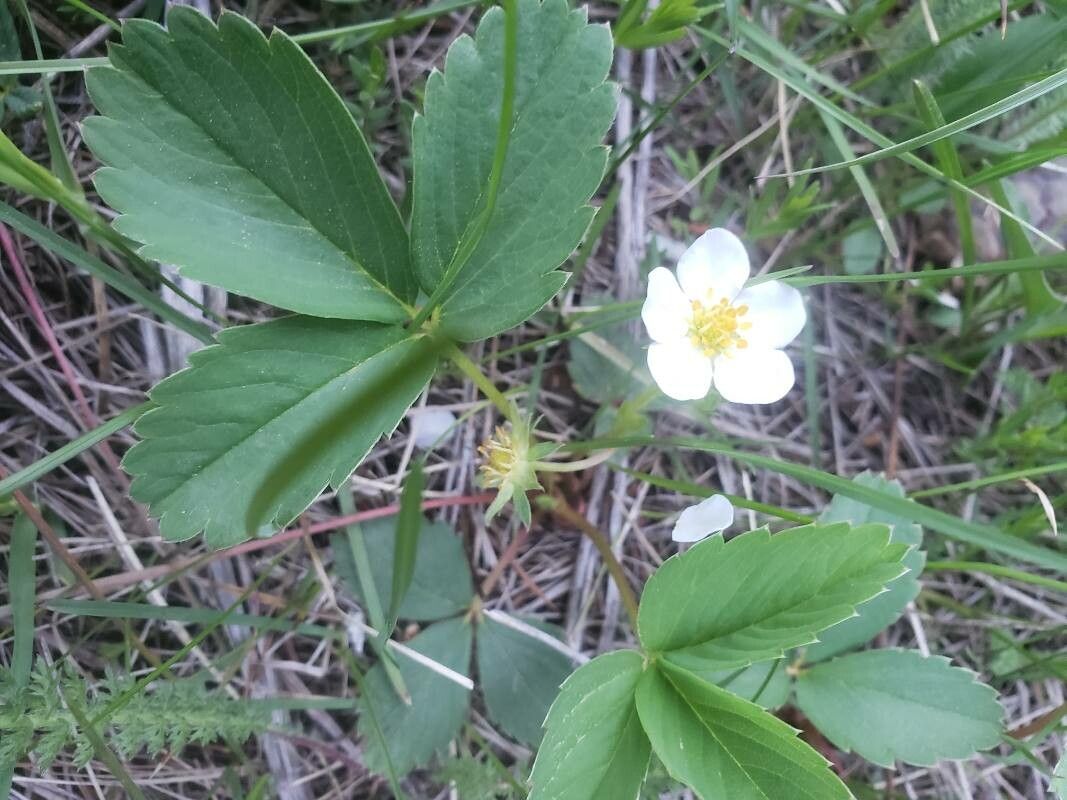
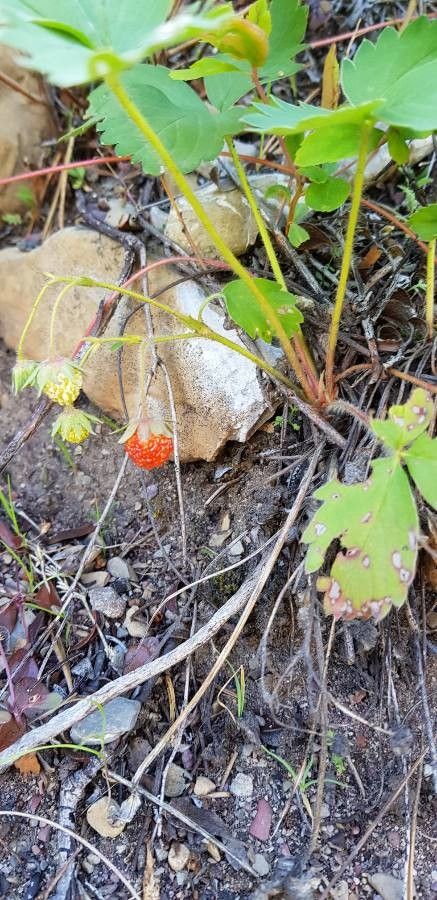
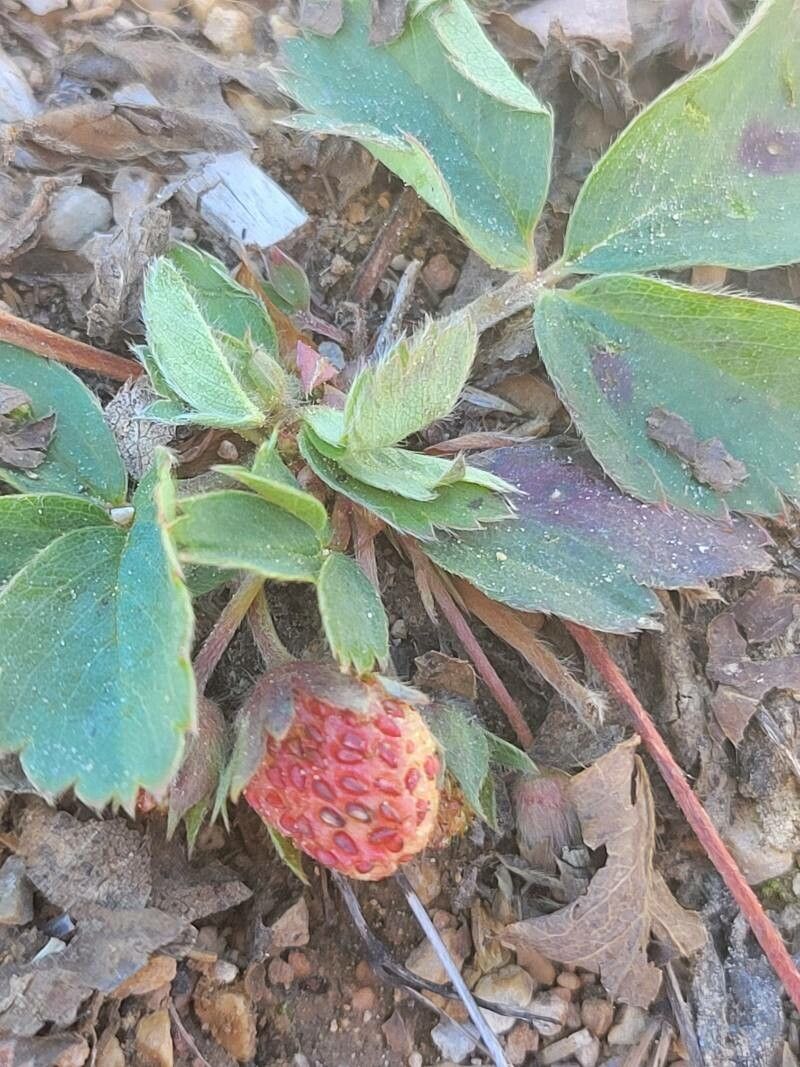
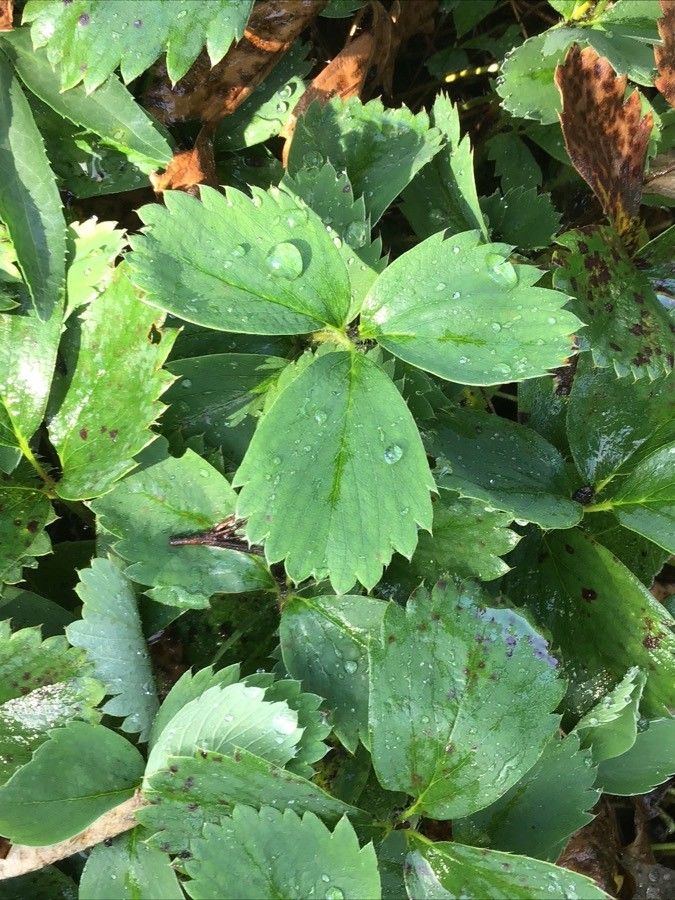
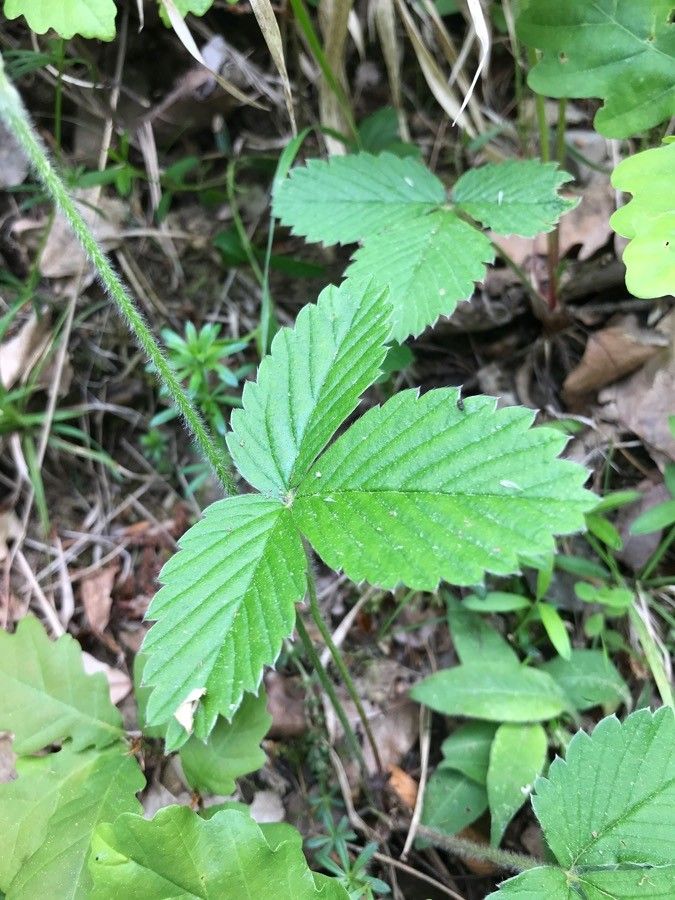
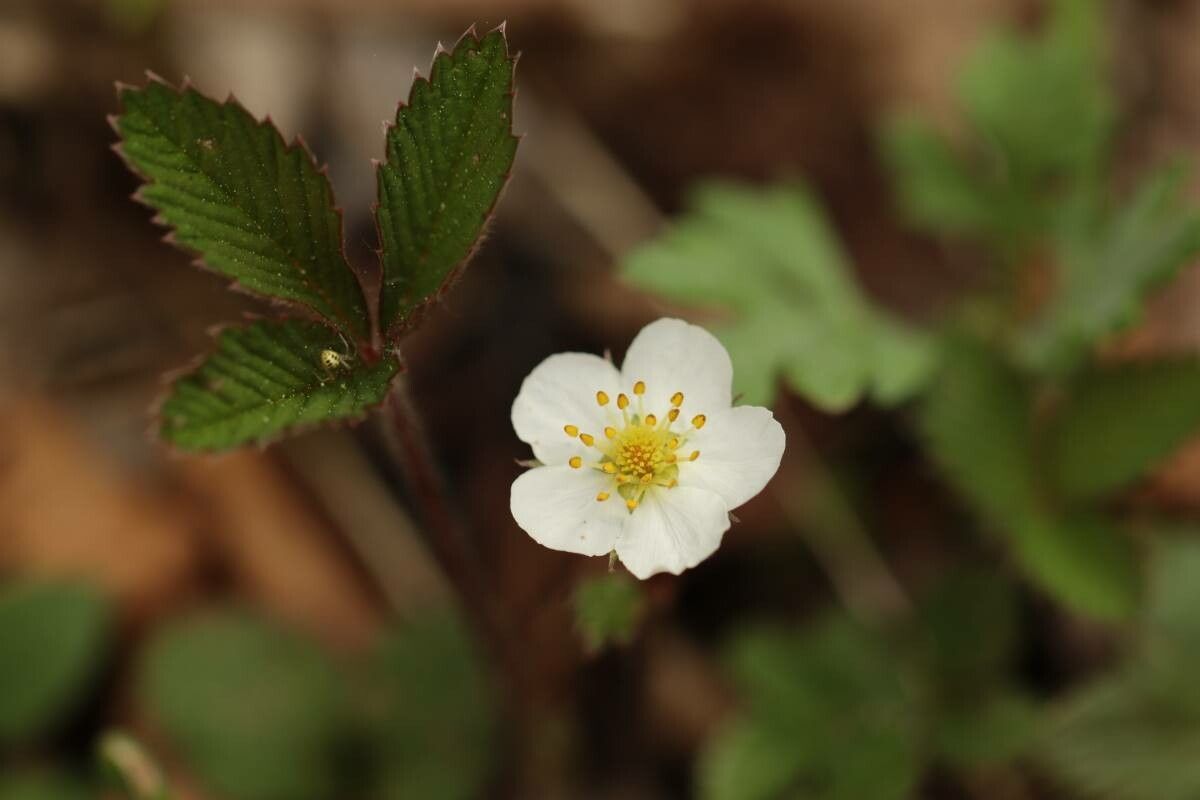
Fragaria virginiana, known as Virginia strawberry, wild strawberry, common strawberry, or mountain strawberry, is a North American strawberry that grows across much of the United States and southern Canada. It is one of the two species of wild strawberry that were hybridized to create the modern domesticated garden strawberry (Fragaria × ananassa).
Wild strawberry is fairly disease-resistant and typically does not suffer from many illnesses. Still, it can be affected by pests and diseases present in its environment. Such infections are generally mild. Regarding upkeep, this plant needs moderate maintenance. It should be pruned regularly to preserve a neat appearance and healthy growth. Fertilizing can also encourage flowering. Wild strawberry is well suited for anyone with outdoor space, like a garden or patio, and does not demand extensive care experience. When grown indoors, it may require more attention.
How to keep Fragaria Virginiana.
Light
The wild strawberry performs best in locations where it receives sunlight all day. It is sufficiently adaptable to still grow and set fruit in areas with light shade. However, cloudy conditions or excessive shade can adversely affect its growth and fruiting. Coming from habitats with abundant light, it relies on sun mainly for photosynthesis and energy production.
Water
Wild strawberries flourish in moist woodland environments. They prefer a consistent level of moisture but should not be waterlogged. Watering them twice a week is ideal, particularly during the active growing season, to ensure they receive enough moisture for optimal health and fruit production.
Humidity
This plant will thrive in moderate humidity, which is probably the level in your home. However, misting it a few times a week can be very beneficial. Make sure the room has good ventilation.
Temperature
The wild strawberry's native growing range is between 41-95 ℉ (5-35 ℃). It does best for growth and fruiting at 50-75 ℉ (10-24 ℃). In higher temperatures it may go dormant or produce smaller fruit. In cooler conditions, applying mulch to protect the roots is recommended.
Fertilizer
Wild strawberry plants need adequate nutrients to achieve optimal fruit production. Apply fertilizer in early spring to encourage new growth and flower development. Regular feeding keeps the plant healthy, yields more flavorful fruit, and prevents nutrient deficiency problems like yellowing leaves and poor fruit production.
Pruning
Wild strawberries produce sweet red berries and thrive when pruned in early spring. To boost growth and fruit yield, trim away any dead or diseased parts. This also helps enhance airflow and reduces the risk of fungal infections. Make sure to use sterilized tools to prevent the spread of disease, allowing the plant to focus its energy on producing fruit rather than foliage.
Pot & Repot
When repotting wild strawberry, pick a pot 1-2 inches (2.5–5.1 cm) larger that has ample drainage. Use a well-draining potting mix. Repot in spring or fall, making sure the root ball sits slightly lower than the rim of the flower pot. Water thoroughly after repotting and place it in a warm spot with indirect sunlight.
Botanical profile.
- Plant Type
- Herb
- Life Cycle
- Perennial
- Genus
- Fragaria
- Family
- Rosaceae
- Hardiness Zone
- 4-9
- Mature Height
- 10 cm
- Mature Spread
- 30 cm to 61 cm
- Leaf Color
- Green
- Leaf Type
- Evergreen, Deciduous
- Flower Color
- White
- Flower Size
- 1.02 cm to 2.03 cm
- Bloom Time
- Mid spring, Late spring, Early summer
- Planting Time
- Winter
- Harvest Time
- Early summer, Mid summer
Other names.
Reader questions.
How should I water my Wild strawberry plant?
The Wild strawberry is particular about its water needs, including both the amount and technique of watering. If you don't water it properly, you may end up damaging your tomatoes. To water the Wild strawberry correctly, apply water directly to the soil in a slow and gentle manner. Avoid pouring all the water at once or using overhead watering. While watering slowly, make sure to water deeply to ensure sufficient moisture in the soil where your Wild strawberry grows.
Why should I put fertilizer on my Wild strawberry?
Regular fertilization is important for the health and productivity of plants, especially fast growing ones like Wild strawberry. This is because the growth of plants depletes the soil of nutrients. By providing Wild strawberry with extra nutrients through fertilization, not only will it stay healthy, but it will also produce more delicious fruit. If plants are not fertilized for a long time, they may encounter various problems. One common issue is nutrient deficiency, which can manifest as yellow leaves, reddish coloration, deformities in leaf shape, withered tips, or the death of large sections of the plant. Nutrient deficiency can also affect the bark, leading to disorders, slow growth, poor shoot development, and a lack of fruit production.
What are the sunlight requirements for wild strawberry?
Wild strawberry thrives in full sunshine, requiring more than 6 hours of sunlight daily (full sun) for optimal growth. It can also adapt to partial sun conditions, receiving about 3-6 hours of sunlight. However, its health and fruit production may decline in overly shaded areas. Observing how sunlight moves through your garden helps in choosing the best spots that offer the right balance of light and shade, ensuring your wild strawberry plants remain happy and productive.
What is the ideal temperature range for the growth and fruiting of wild strawberry?
The wild strawberry, or Fragaria virginiana, thrives in a temperature range between 41-95°F (5-35°C), with the optimum growth and fruiting temperatures being between 50-75°F (10-24°C). In temperatures higher than this range, the plant may enter dormancy or produce smaller fruits, while lower temperatures may necessitate the use of mulch to protect its roots against the cold.
What should I do if I give my Wild strawberry too much water or too little water?
If you overwater your Wild strawberry and are worried about disease, take immediate action. The best solution for an overwatered Wild strawberry is to remove it from its current spot. Let the roots dry before planting it elsewhere with well-draining soil. If you grow in pots, consider using a pot with better drainage. On the other hand, if you underwater your Wild strawberry, simply water it more frequently.
When should I fertilize my Wild strawberry?
The best time to fertilize wild strawberries is in early spring, before the buds start to grow. During winter dormancy, wild strawberries rely on stored reserves to grow new shoots. Fertilizing them about 2 to 4 weeks before blooming allows enough time for the nutrients to penetrate the soil and be absorbed by the plant. This ensures adequate energy for bloom development. While you can continue to fertilize during spring, it's best to avoid fertilizing in autumn as it can lead to excessive foliage growth late in the season. This makes the leaves vulnerable to winter damage.
How does artificial lighting affect the growth of wild strawberries indoors?
Indoor wild strawberry plants need adequate lighting to grow optimally, especially when natural sunlight is insufficient. Artificial lighting, such as LED lights, can be a vital solution to provide the necessary wavelengths of light for photosynthesis and energy production. Full sun plants require 30-50W/sq ft, partial sun plants need 20-30W/sq ft, and full shade plants should have 10-20W/sq ft of artificial light. The light source should be placed 12-36 inches above the plants, simulating natural daylight conditions for 8-12 hours per day to promote healthier, faster growth.
Is the wild strawberry cold-resistant, and how should it be protected during winter?
Yes, the wild strawberry is highly cold-resistant and typically does not require special frost protection measures. However, if winter temperatures are expected to drop below -30°C, it is important to provide cold protection by covering the plant with soil or straw. Additionally, before the first freeze in autumn, it's recommended to water the plant abundantly to ensure the soil is moist and enters a frozen state, helping prevent drought and water scarcity through the winter and early spring.
How frequently should I water my Wild strawberry plant?
Wild strawberry requires a lot of water during the growing season. To meet this need, water your Wild strawberry early and often in the spring and summer. In the early part of the season, water it once or twice a week. As the season progresses, increase the frequency of watering. In the summer, you may need to water it twice a day or even more, depending on the weather. Once the Wild strawberry has completed its major growth phases, you can reduce watering to about once a week until the end of the season.
When is it best not to put fertilizer on my Wild strawberry?
Here are some tips for fertilizing Wild strawberry plants: 1. In the first year of growth, it's best to avoid fertilizing altogether. Only provide fertilizer if it is absolutely necessary. 2. If you pruned 20% or more of the plant the previous year, refrain from fertilizing. 3. Don't fertilize plants that are diseased or damaged, as this can do more harm than good. Instead, address the underlying issue causing the problem. 4. Avoid fertilizing after the peak of summer, as this can cause excessive growth just before winter. 5. During hot and dry times of the year, it's best to avoid fertilizing since dry soil doesn't deliver fertilizer as effectively as moist soil. Fertilizing at this time can also stimulate growth that requires more water, which may not be available. 6. It's best to fertilize earlier in the season when temperatures are cooler. 7. Be cautious about inadvertently providing plants with a double-dose of fertilizer, as Wild strawberry plants can absorb fertilizer from nearby plants or lawns.
What are the common symptoms of inadequate light in wild strawberries?
Wild strawberries show several symptoms when exposed to inadequate lighting, including the development of smaller leaves, leggy or sparse growth, accelerated leaf drop, reduced or halted new growth, paler or irregularly colored new leaves, and conditions like chlorosis (leaf yellowing due to chlorophyll breakdown), sunscald (sunburnt plant tissue), leaf curling (a defense mechanism against excessive sunlight), wilting (loss of turgor pressure), and leaf scorching (brown, dry leaf edges). These symptoms signal the plant's need for better light conditions to maintain health and vigor.
How does low temperature affect wild strawberry, and what are the solutions?
Wild strawberry is cold-tolerant and generally thrives best when temperatures remain above 5°C. During the winter, it should be kept above -25°C, but if temperatures fall below -30°C, there may not be noticeable changes during winter, yet a decrease in sprouting or a lack of sprouting may occur in spring. The solution to low sprouting is to remove any parts of the plant that have failed to sprout in the spring.