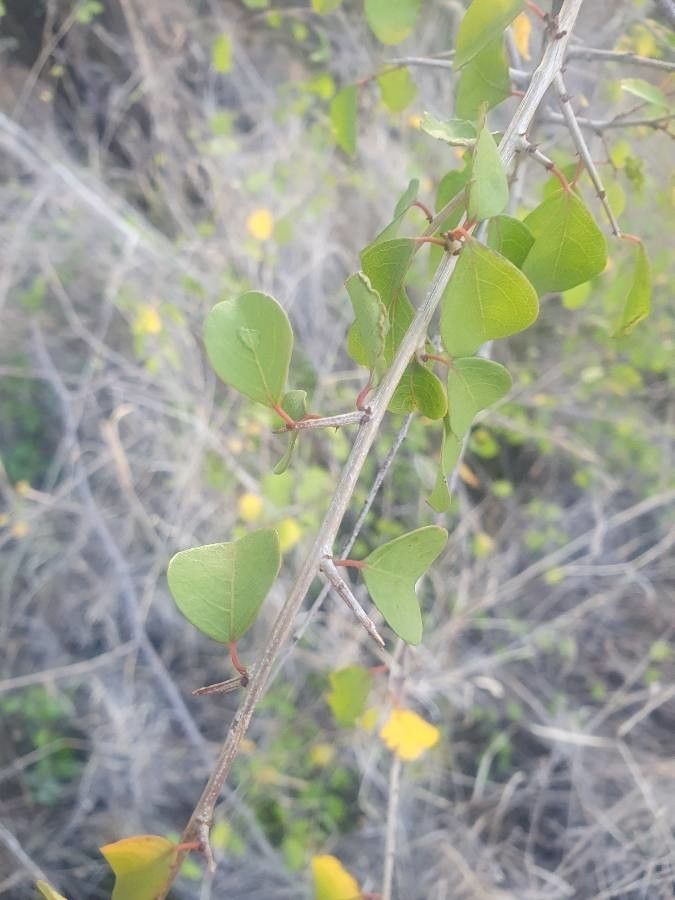
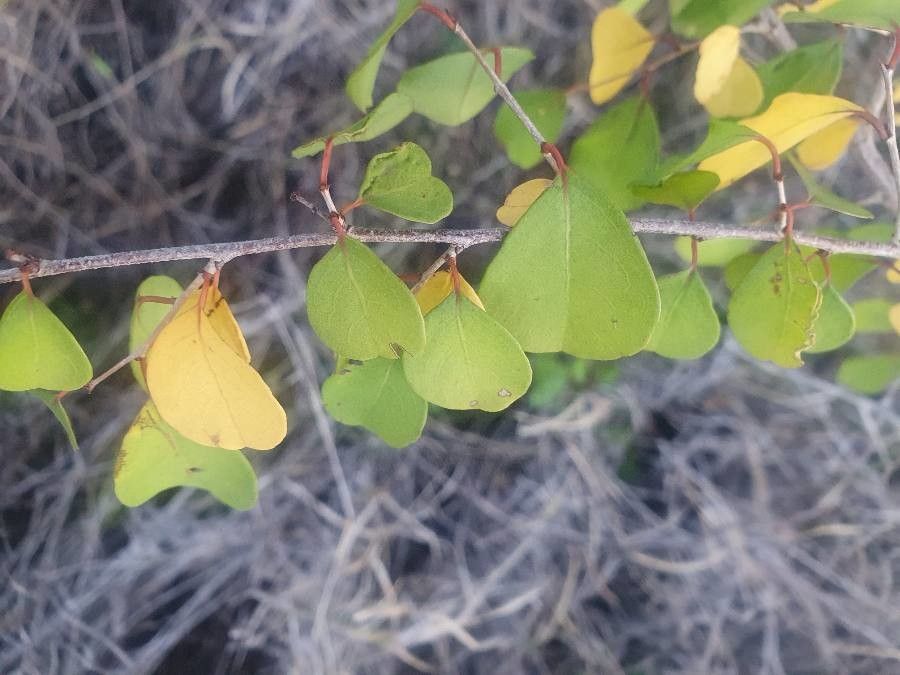
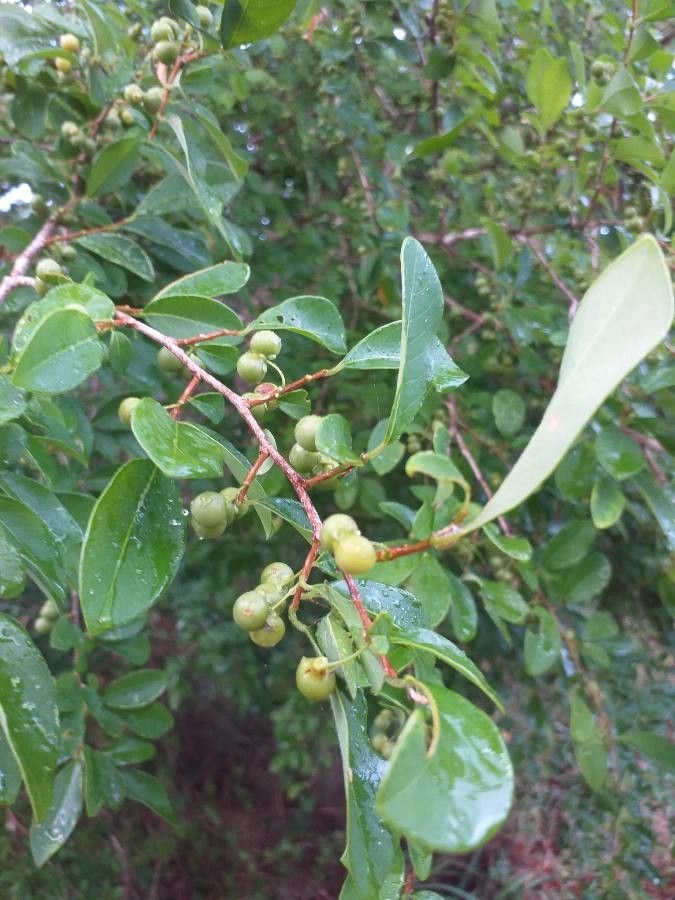
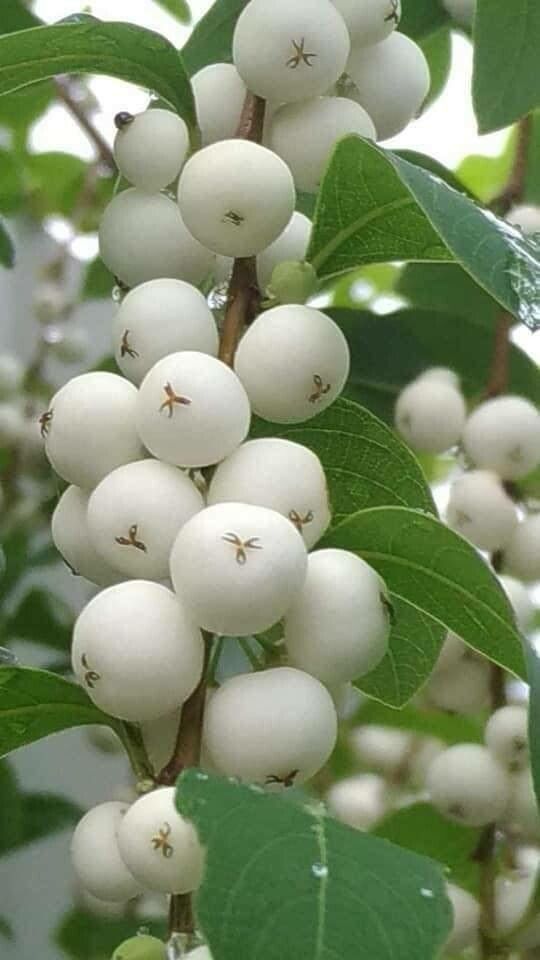
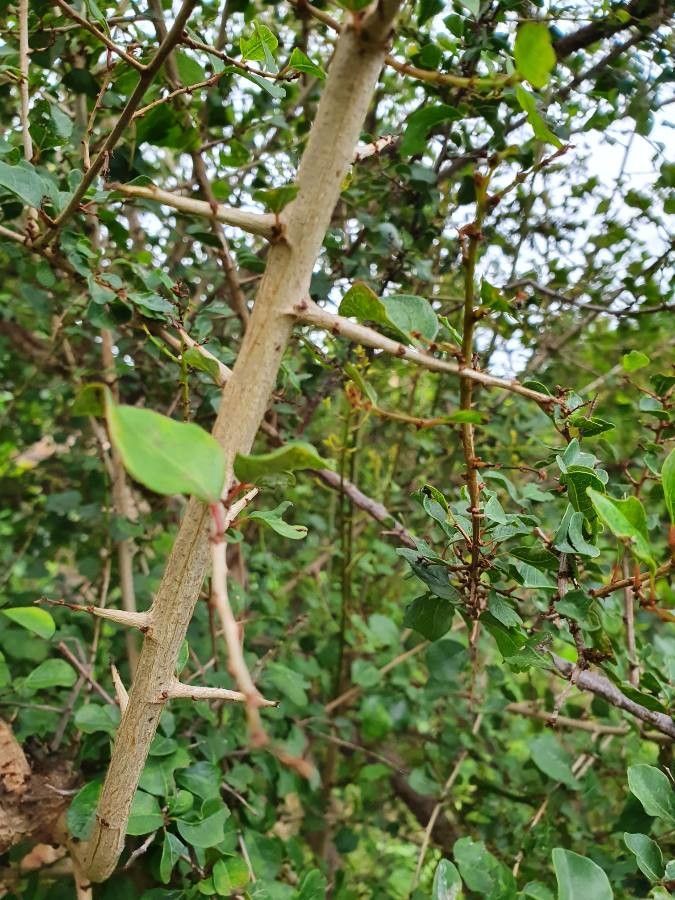
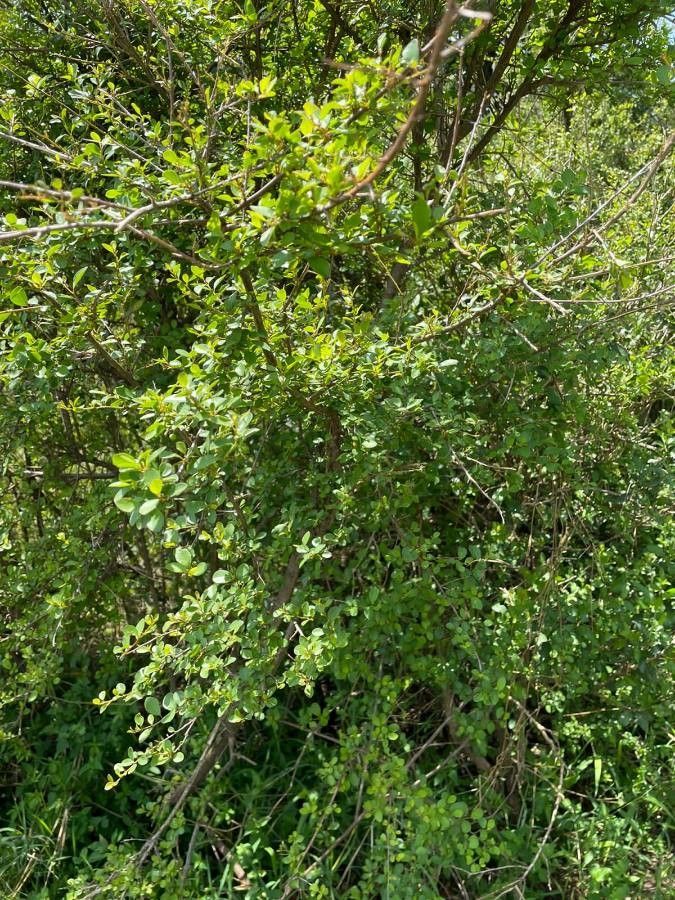
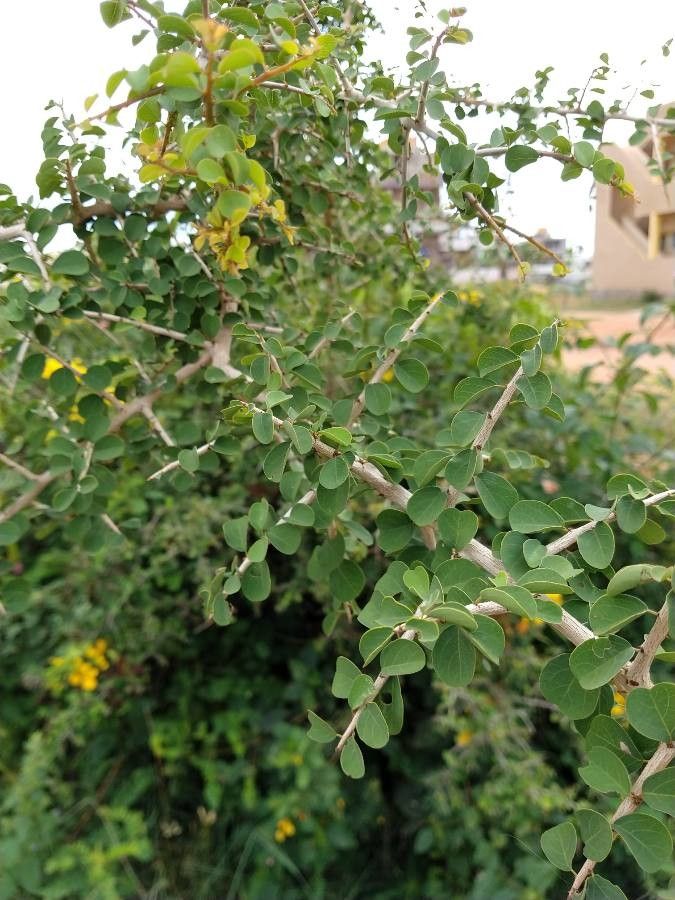
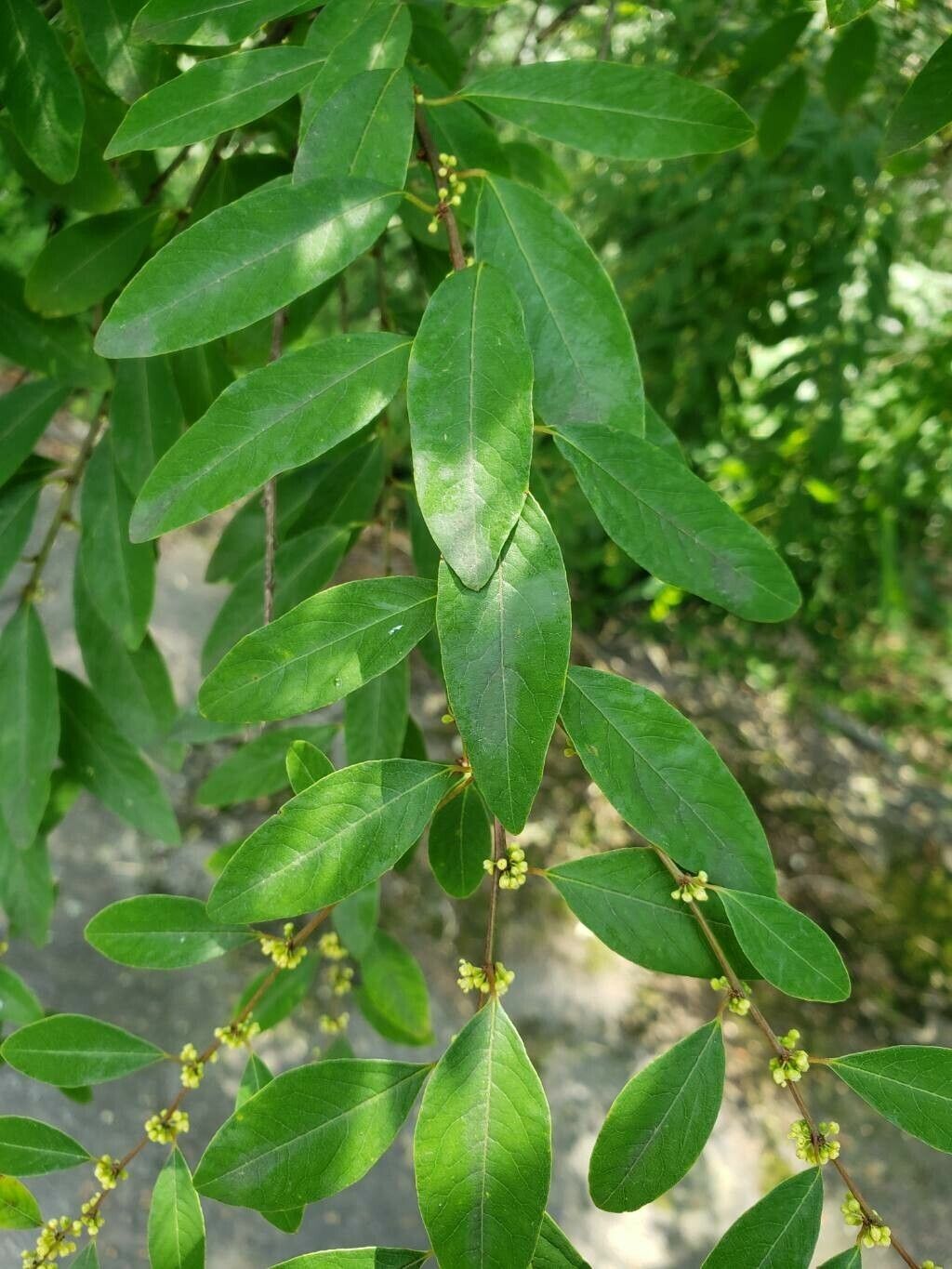
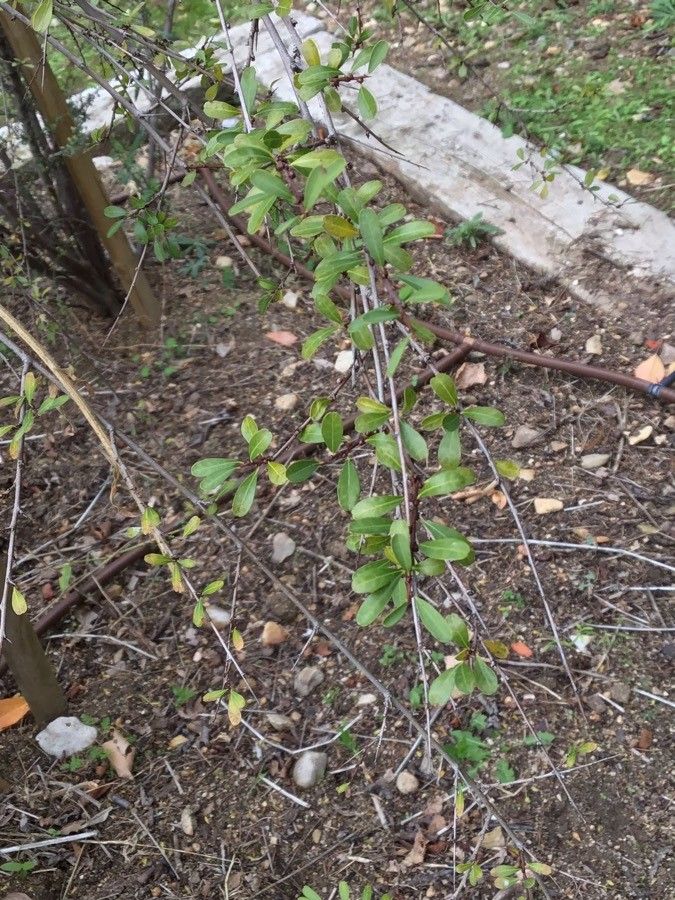
Flueggea virosa, commonly known as the white pear or snowberry, is a small shrub belonging to the family Phyllanthaceae. It is native to tropical and subtropical regions of Asia and Africa. The plant can grow up to 2 meters in height and has a spreading habit with numerous branches.
The leaves of Flueggea virosa are simple, alternate, and either ovate or elliptic in shape with smooth margins. The small, greenish-white flowers bloom from June to August. The fruit is a small, white berry that contains numerous seeds.
This plant possesses various medicinal properties, including anti-inflammatory, analgesic, antipyretic, and anti-cancer activities, due to the presence of phytochemicals such as alkaloids, flavonoids, and terpenoids.
Flueggea virosa is used in traditional medicine to treat various ailments like fever, coughs, and colds. It also has insecticidal properties, making it useful for controlling pests like mosquitoes.
Overall, Flueggea virosa is an important medicinal plant with potential therapeutic benefits, making it a significant species from both ecological and economic perspectives.
Common bushweed is highly resistant to disease and, overall, does not tend to become sick. Regarding care, this plant is fairly low-maintenance. When grown outside it needs only light watering, and larger specimens typically do not require pruning. Smaller specimens, however, should be trimmed after they finish blooming. Common bushweedt is appropriate for anyone with an outdoor area, such as a garden or deck, and does not call for extensive experience in plant care.
How to keep Flueggea Virosa.
Light
Common bushweed occurs in open habitats, such as sunny meadows and forest edges, which supply abundant light. It does best in Full Sun but will also tolerate Partial Sun, adapting well to different sunlight conditions.
Water
The common bushweed thrives in dry conditions and needs to be watered only every 2-3 weeks to mimic its natural rainfall patterns. It prefers well-draining soil to avoid waterlogging, which reflects its adaptation to drought-prone environments. With its high tolerance for drought, the common bushweed is well-suited for outdoor landscapes.
Temperature
Common bushweed comes from tropical regions where the climate is usually warm and humid. Consequently, it is well adapted to high temperatures and humidity. It does not tolerate sudden temperature shifts and prefers a stable temperature environment, so indoor temperature fluctuations should be avoided. It typically cannot withstand cold and needs higher temperatures to grow. If the surrounding temperature drops too low, the plant may stop growing or even die.
Fertilizer
Fertilizing is essential for caring for Common bushweed. Feeding it regularly during the growing season keeps up the energy needed for its attractive foliage and encourages overall growth. Failing to fertilize can lead to unhealthy leaves, reduced ornamental value, and stunted or weak growth that is more likely to break.
Pruning
The common bushweed is known for its dense, bushy growth. To manage this, it's important to prune regularly. This involves removing dead or diseased branches and thinning out areas to improve air circulation. The best time to prune is from early to late winter when the plant is dormant. This promotes healthier growth, enhances the plant's shape, and increases its resistance to pests and diseases.
Botanical profile.
- Plant Type
- Tree, Shrub
- Life Cycle
- Perennial
- Genus
- Flueggea
- Family
- Phyllanthaceae
- Hardiness Zone
- 9-11
- Mature Height
- 6.1 m
- Mature Spread
- 3.96 m
- Leaf Color
- Light Green, Pale Green
- Leaf Type
- Evergreen
- Flower Color
- White
- Flower Size
- 0.20 cm to 0.25 cm
- Bloom Time
- Late spring, Summer
- Planting Time
- Spring, Summer, Autumn
- Harvest Time
- Late summer, Fall
Other names.
Reader questions.
How should I water my Common bushweed?
Your Common bushweed is not very specific about how it is watered, so you can use any common watering tool to water its soil. Whether it's a watering can, a hose, or even a cup, it will do the job. Just make sure to water the soil directly, and to ensure that all parts of the root system receive equal moisture. Using filtered water is a good idea, as tap water may contain harmful particles. It's also best to use water that is at or slightly above room temperature, as very cold or hot water can be a bit too much for the Common bushweed. However, overall, this plant usually responds well to any water you give it.
What are the sunlight requirements for Common Bushweed?
Common Bushweed thrives in environments that provide ample light, originating from open places such as sunny meadows and forest edges. It requires full sun, meaning above 6 hours of direct sunlight daily, but can also tolerate partial sun, which is about 3-6 hours of sunlight. It is important to watch how sunlight moves through your garden, selecting spots that ensure an ideal balance of light and shade to make your plants happy.
What do I do if I give my Common bushweed too much or too little water?
Outdoor plants, especially newly planted ones or seedlings, are prone to lack of watering. It's important to water them enough for a few months when they are small or just planted. Once the roots are established, Common bushweed can rely on rain most of the time. When Common bushweed is planted in pots, overwatering is often a problem. If you accidentally overwater your Common bushweed, there are steps you can take to fix it. First, stop watering the plant immediately to minimize the effects. Then, remove the plant from its pot to inspect the roots. If there is no root rot, you can return the plant to its container. If there is root rot, trim away the affected roots and consider using a fungicide. Finally, repot the Common bushweed in well-draining soil. For underwatered Common bushweed, simply water the plant more frequently. It's usually an easy fix. When you underwater the plant, the leaves will droop, dry out, and fall off. They will quickly regain fullness after sufficient watering. Make sure to adjust your watering frequency as soon as you notice underwatering.
How can artificial lighting supplement sunlight for indoor plants?
When natural sunlight is insufficient, particularly during winter or in less sunny spaces, artificial lighting becomes crucial for indoor plant growth, promoting faster, healthier development. LED lights are recommended because they can be tailored to provide specific wavelengths needed by your plants. Full sun plants require 30-50W/sq ft of artificial light, partial sun plants need 20-30W/sq ft, and full shade plants should have 10-20W/sq ft. The light source should be placed 12-36 inches above the plant, mimicking natural sunlight as closely as possible, and plants most commonly need 8-12 hours of light per day.
How often should I water my Common bushweed plant?
Most outdoor plants can rely on rainfall to grow normally. However, if your area doesn't get much rain, you'll need to water your plants every 2 weeks in spring and fall, and more frequently in summer. In winter, when plants grow slower and need less water, you can water less often or not at all. If you have a young or newly planted Common bushweed, you should water it more often to help it establish and grow into a more adaptable and drought-tolerant plant. For potted plants, there are two main ways to determine how often to water your Common bushweed. The first way is to follow a set watering schedule, either once a week or once every two weeks. However, this approach may not always work since it doesn't consider the specific conditions of your growing environment. Your watering frequency can also change depending on the season. During summer, when the plant's water needs are highest, a predetermined schedule may not be enough. An alternative approach is to base your watering frequency on the moisture level in the soil. Generally, you should wait until the top two to four inches of soil (about one-third to half the depth of the pots) have completely dried out before watering again.
What are the symptoms of insufficient light in Common Bushweed?
When Common Bushweed receives suboptimal lighting, it may show several symptoms indicating light deficiency. These include smaller new leaves, leggy or sparse growth, faster leaf drop, slower or no new growth, lighter-colored new leaves, chlorosis (leaves turning yellow), sunscald, leaf curling, wilting, and leaf scorching. These symptoms suggest the plant is struggling with the current light conditions.
How much water does my Common bushweed require?
When it's time to water your Common bushweed, you might be surprised to learn that it doesn't always require a lot of water. If only a few inches of soil have dried since your last watering, giving it about five to ten ounces of water each time can promote healthy growth. You can also gauge the water volume based on the moisture in the soil. Just take note of how many inches of soil have dried out between waterings. To ensure your Common bushweed receives sufficient moisture, water enough to moisten all the dry soil layers since the last watering. If more than half of the soil is dry, consider giving more water than usual. In such cases, keep adding water until you see excess water draining from the pot's drainage holes. If your Common bushweed is planted in an outdoor area with plenty of rain, it may not need additional watering. When the Common bushweed is young or establishing itself, make sure it receives 1-2 inches of rain per week. As it continues to grow and establish, it can rely solely on rainwater, except in hot weather without any rainfall for 2-3 weeks. In such cases, give your Common bushweed a complete watering to prevent stress.
What solutions are available for managing light exposure in plants?
To ensure optimal growth for both indoor and outdoor plants, gradually increasing their sunlight exposure is key. Indoors, move plants to sunnier spots gradually each week or consider using artificial light, like plant grow lights or keeping a desk lamp on for at least 8 hours daily. Outdoors, acclimate your plants to sunnier spots by moving them gradually to avoid sunburn. If your plants are in the ground and sunlight is blocked, consider pruning obstructing trees or transplanting smaller plants during their dormant period to an area with better sunlight and good drainage. It's important to note that parts of the plant that were previously affected by insufficient light may not recover, but new growth should be healthy with improved light conditions.
How can I know if I'm giving enough water to my Common bushweed?
Overwatering is a common issue for the Common bushweed, and there are signs to look out for. When overwatered, the plant will have yellowing leaves and may drop some. Overwatering can also make the plant structure shrink and lead to root rot. On the other hand, an underwatered plant will start to wilt and may have brown or brittle leaves. Whether you see signs of overwatering or underwatering, take action to restore the health of your Common bushweed.
How should I water my Common bushweed as it grows?
When the Common bushweed is very young, like in the seedling stage, it requires more water compared to when it is mature. During the initial stages of its life, it is crucial to keep the soil consistently moist for better root development. This also holds true for any Common bushweed that has been transplanted to a new location for growth. Additionally, providing the correct care can result in the production of attractive flowers and fruits by the Common bushweed. If your Common bushweed is in the flowering or fruiting phase, it will likely need slightly more water than usual to support these plant structures.
How do I make sure my Common bushweed gets enough water all year round?
The watering needs of your Common bushweed will vary throughout the seasons. In the hot summer months, especially if it is exposed to a lot of sunlight, you will likely need to water it more often. The strong summer sunlight can cause the soil to dry out quickly, so you will need to water it more frequently. On the other hand, during the winter, when the plant is not actively growing, it will require less water. You can get away with watering it once every 2 to 3 weeks, or sometimes not at all. If you are growing the plant indoors, be cautious of appliances like air conditioners, as they can dry out the plant faster, necessitating more frequent watering.
How is watering my Common bushweed different indoors and outdoors?
Common bushweed may not require additional watering when grown outdoors and can survive on rainwater alone in some cases. However, if you reside in an area with minimal rainfall, it is advisable to water this plant every two weeks. If you are located outside of its natural hardiness zone, it is recommended to cultivate it indoors. When grown indoors, you should be more vigilant in monitoring the plant's soil as it may dry out faster when confined in a container or exposed to HVAC units like air conditioners. These factors may necessitate more frequent watering compared to growing the plant outdoors.