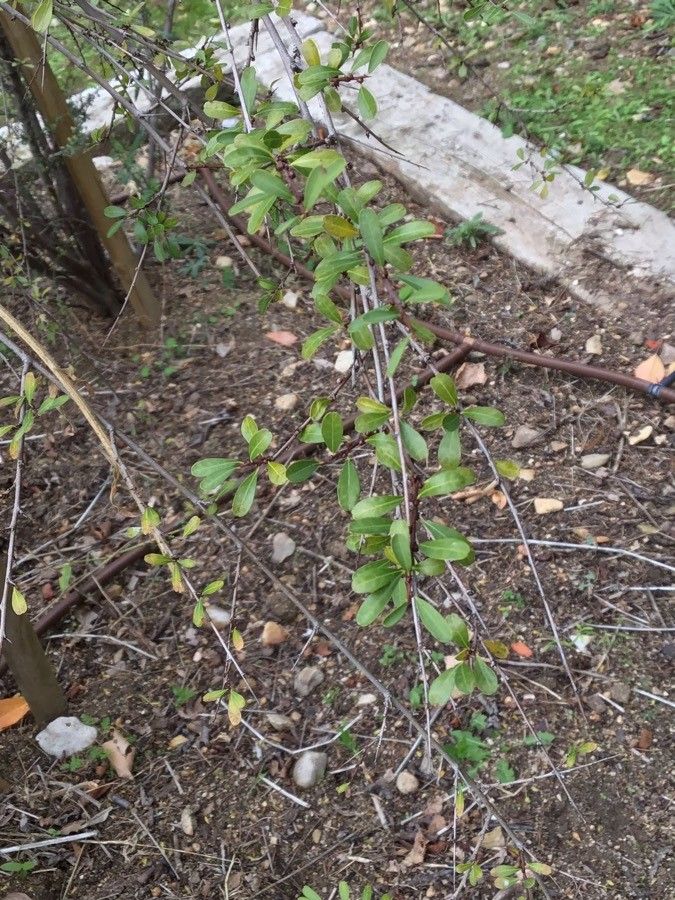
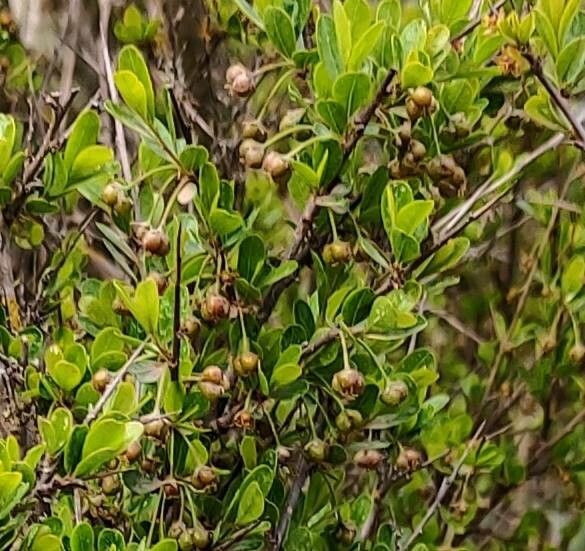
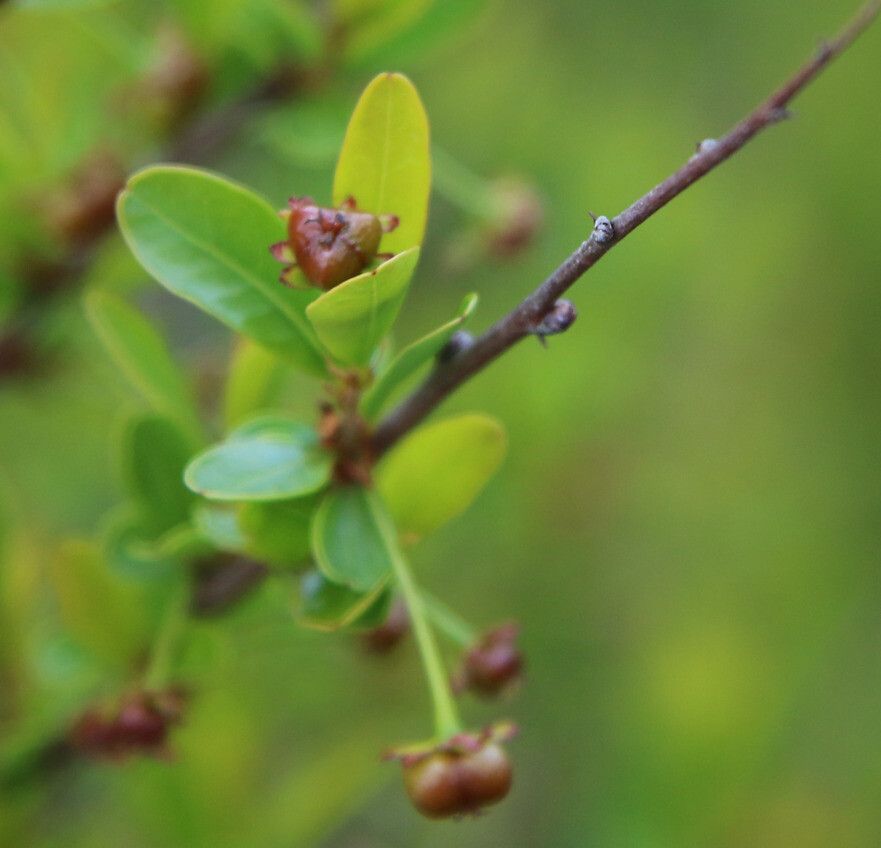
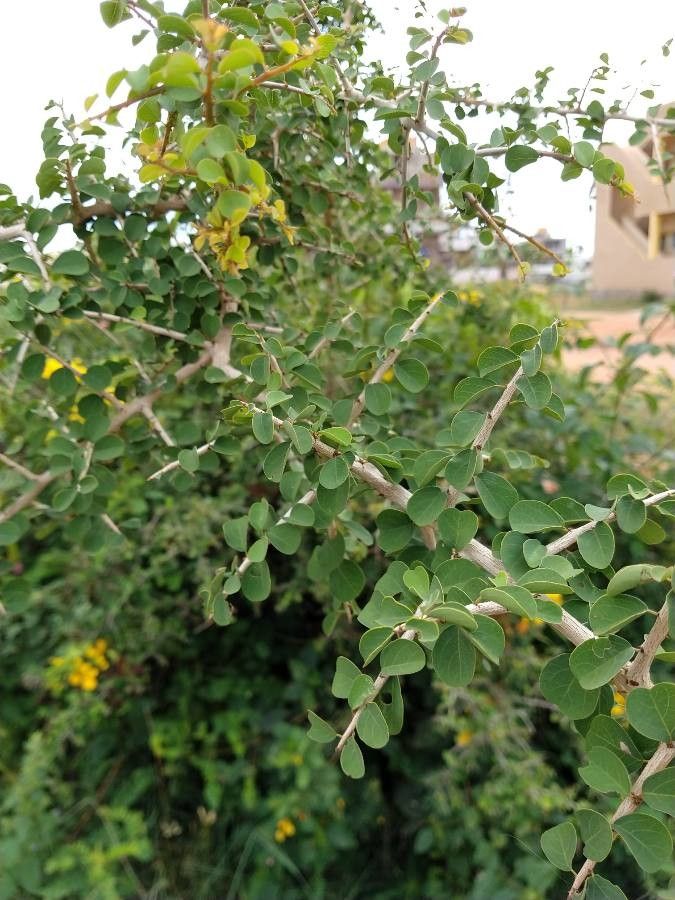
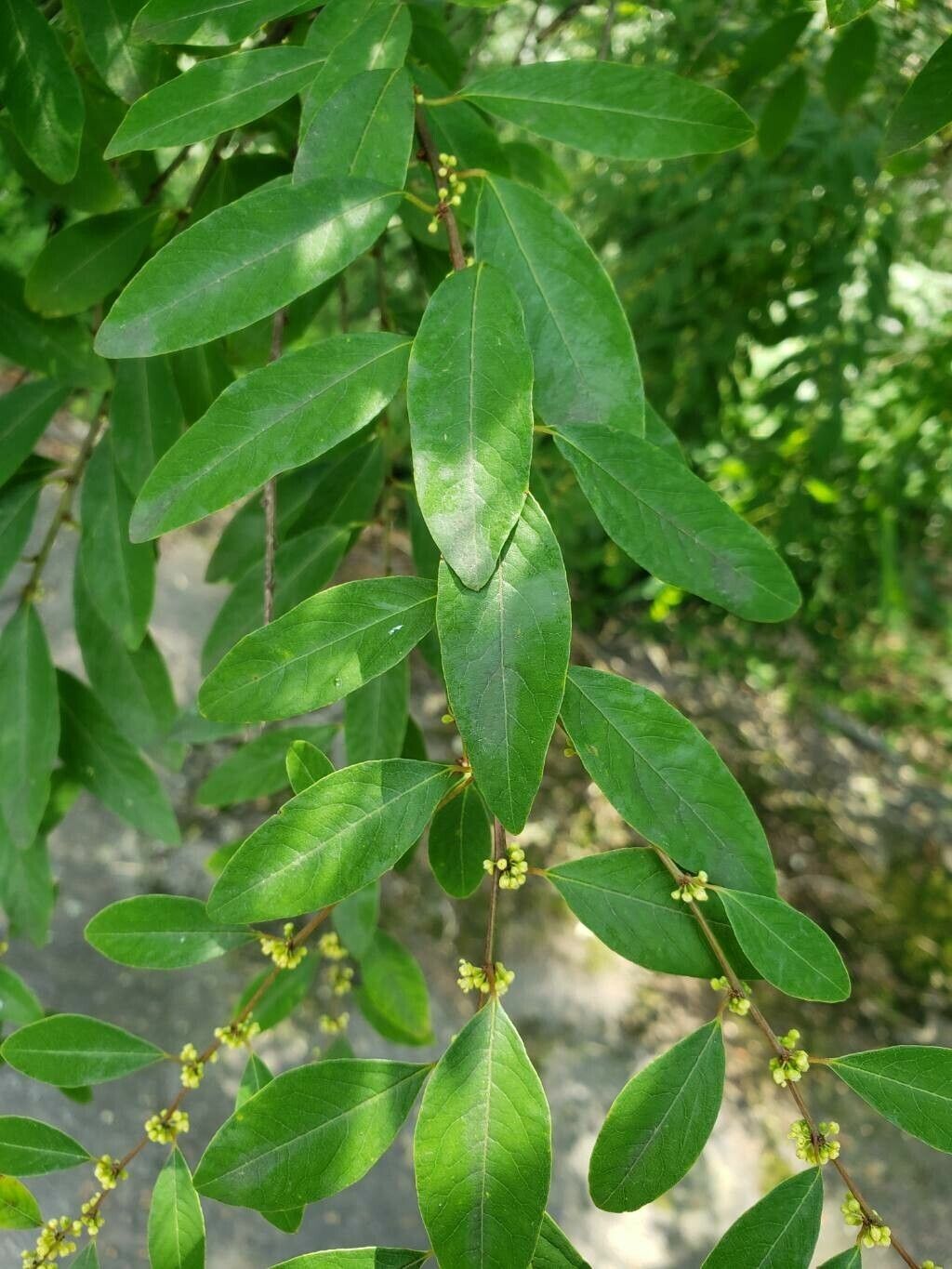
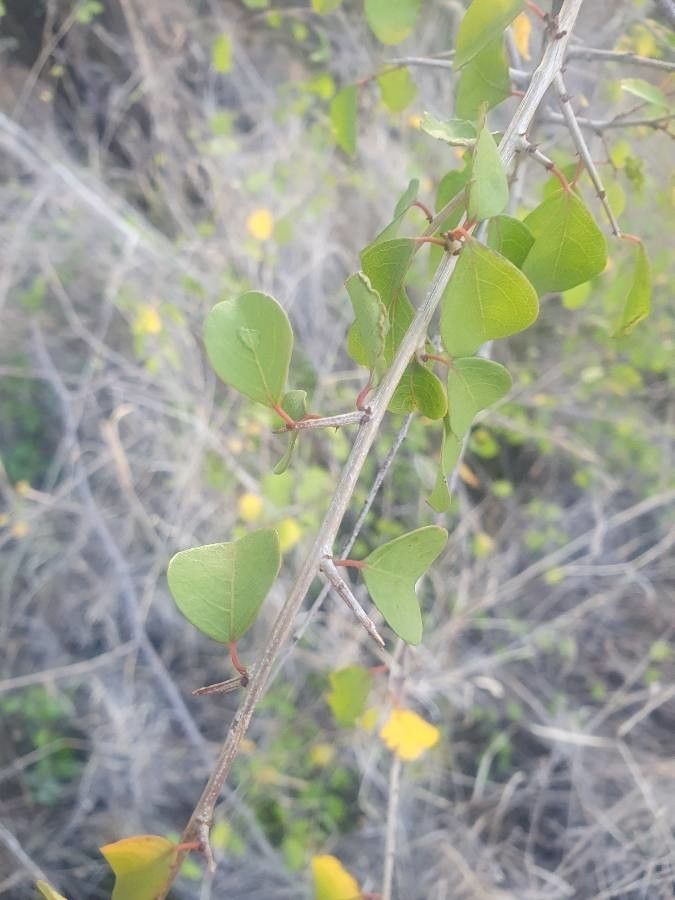
Flueggea tinctoria, commonly known as Indian snowberry or dyer's oleander, is a small shrub that belongs to the family Phyllanthaceae. It is native to tropical and subtropical regions of Asia and Africa. The plant can grow up to 2 meters in height and has a sprawling habit with numerous branches.
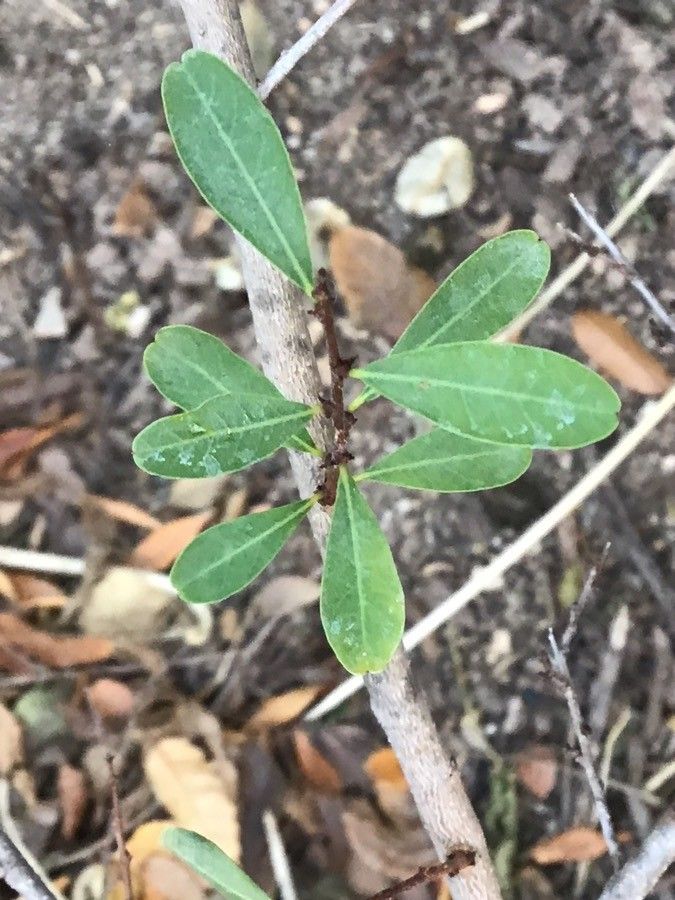
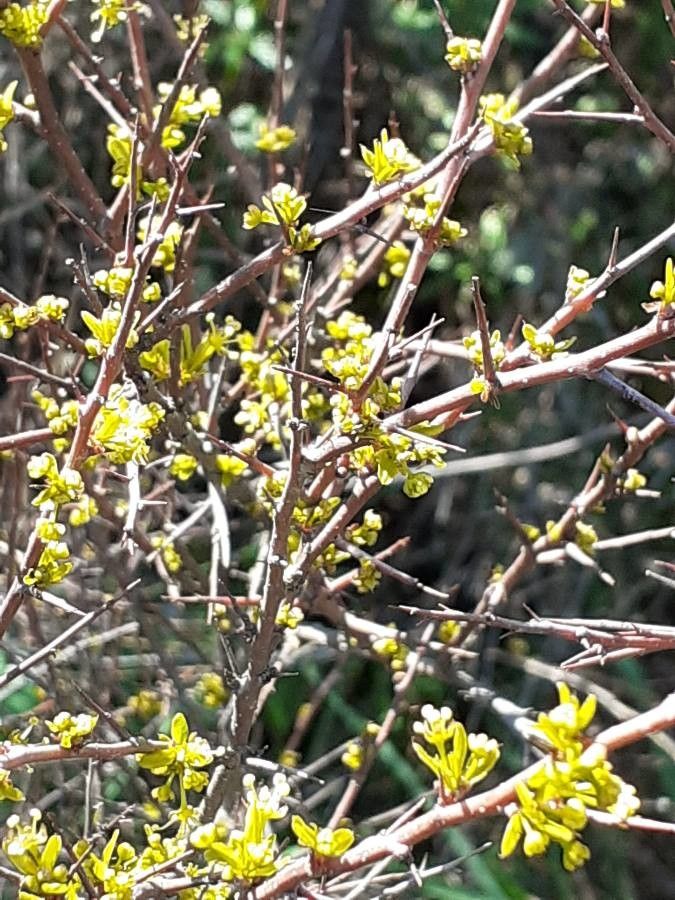
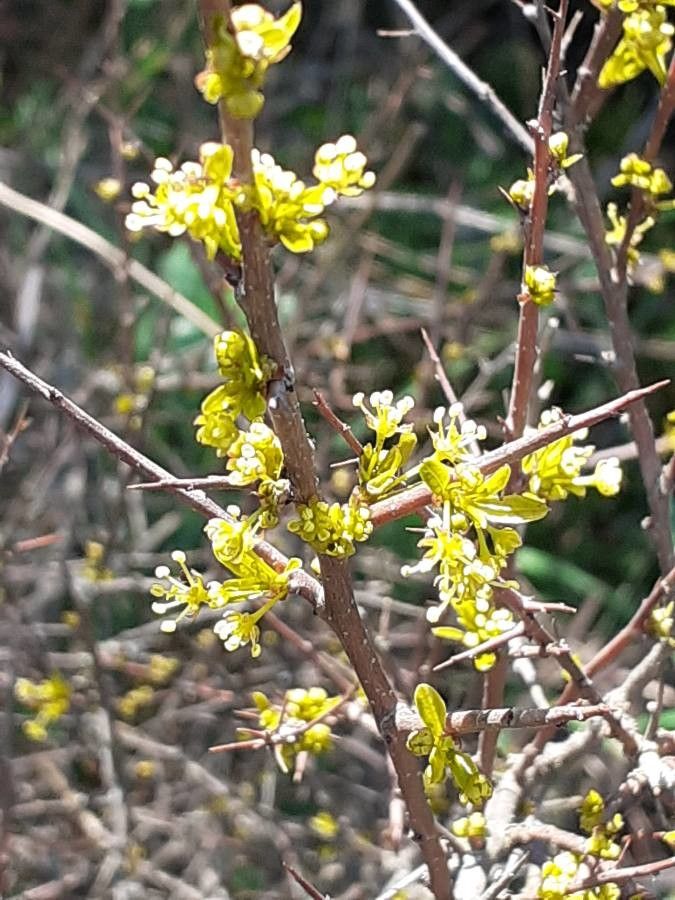
The leaves of Flueggea tinctoria are simple, alternate, and either elliptic or ovate in shape, with a smooth margin. The flowers are small and inconspicuous, featuring greenish-white petals that bloom from June to August. The fruit is a small, berry-like drupe that turns red when ripe.
Flueggea tinctoria has been used for various medicinal purposes in traditional medicine systems like Ayurveda for centuries. It is utilized in treating skin diseases, fever, diarrhea, dysentery, and respiratory problems. The plant also has insecticidal properties due to the presence of alkaloids such as flueggine A and B.
The bark of the plant contains tannins, which have been traditionally used to dye fabrics a yellowish-brown color by indigenous people in India, hence its common name, dyer's oleander.
Overall, Flueggea tinctoria is an important medicinal plant due to its various therapeutic properties. Its long history of use in traditional medicine systems also makes it an important part of cultural heritage.
Tamujo resists disease well and is typically not susceptible to illnesses. Regarding care, the plant is fairly low-maintenance. When grown outdoors it needs little watering, and mature specimens usually do not require pruning. Smaller ones, however, should be pruned after they have bloomed. Tamujot suits anyone with an outdoor area, such as a garden or deck, and does not demand much plant-care experience.
How to keep Flueggea Tinctoria.
Light
Tamujo comes from open habitats, such as sunny meadows and forest margins, which offer plenty of light. It does best in Full Sun but can tolerate Partial Sun, adapting well to a range of sunlight conditions.
Temperature
Tamujo displays strong adaptability to a range of climate conditions, from scorching summers to cold winters. Nonetheless, it has a preferred temperature range for healthy growth. If temperatures become too high, the plant is vulnerable to heat and humidity stress, which can lead to its death. In areas where temperatures near the lower edge of its cold tolerance, taking insulation precautions to protect the plant is important.
Fertilizer
To encourage healthy growth, fertilize your Tamujo in early spring. Consistent fertilization improves overall health, producing vigorous growth, greater tolerance of harsh conditions, and increased resistance to diseases and pests. Keep to a defined fertilization schedule for your Tamujo to maintain lush foliage with deep color and lively appearance.
Pruning
Tamujo plants are characterized by their dense foliage and vibrant stems, which thrive when pruned in early spring. To care for them effectively, use some key techniques: remove weak branches, shape the plant to maintain a manageable size, and trim just above the buds to encourage new growth. Regular pruning not only promotes better air circulation but also helps prevent disease. Additionally, using clean tools is essential to minimize the risk of infection.
Botanical profile.
- Plant Type
- Shrub
- Life Cycle
- Perennial
- Genus
- Flueggea
- Family
- Phyllanthaceae
- Hardiness Zone
- 7-10
- Mature Height
- 0.91 m to 2.13 m
- Mature Spread
- 0.91 m to 1.52 m
- Leaf Color
- Light Green
- Leaf Type
- Deciduous
- Flower Size
- 0.25 cm to 0.51 cm
- Bloom Time
- Mid spring, Late spring
- Planting Time
- Autumn, Winter
- Harvest Time
- Early summer, Mid summer
- Native Area
- Spain, Portugal
Other names.