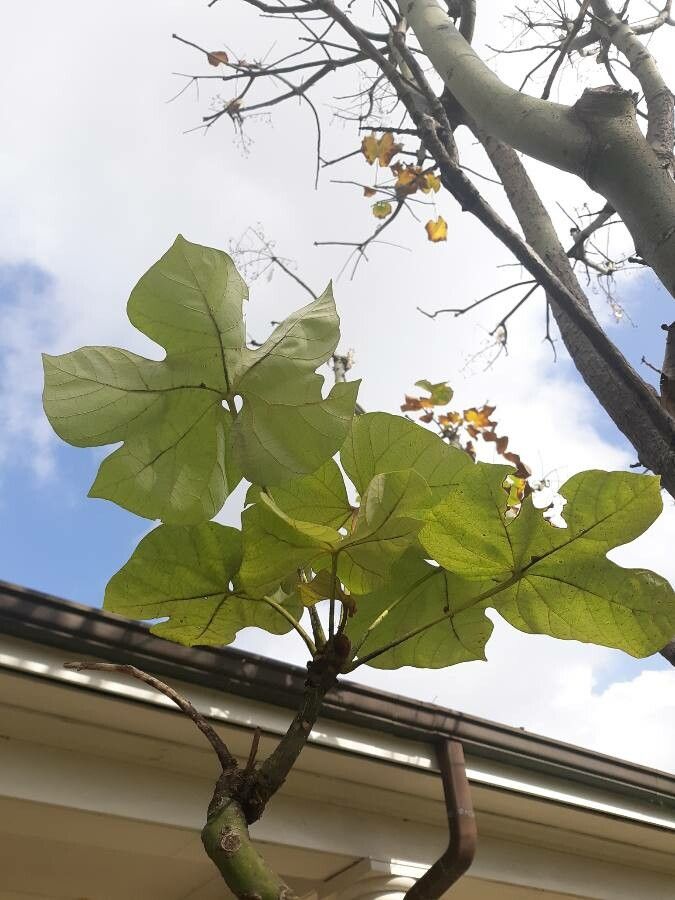
Firmiana simplex, commonly known as the Chinese parasol tree, is a deciduous tree native to China and Taiwan. Belonging to the family Malvaceae, this tree can reach heights of up to 20 meters. Its broad canopy features large leaves that resemble an umbrella or parasol, which is the origin of its common name.
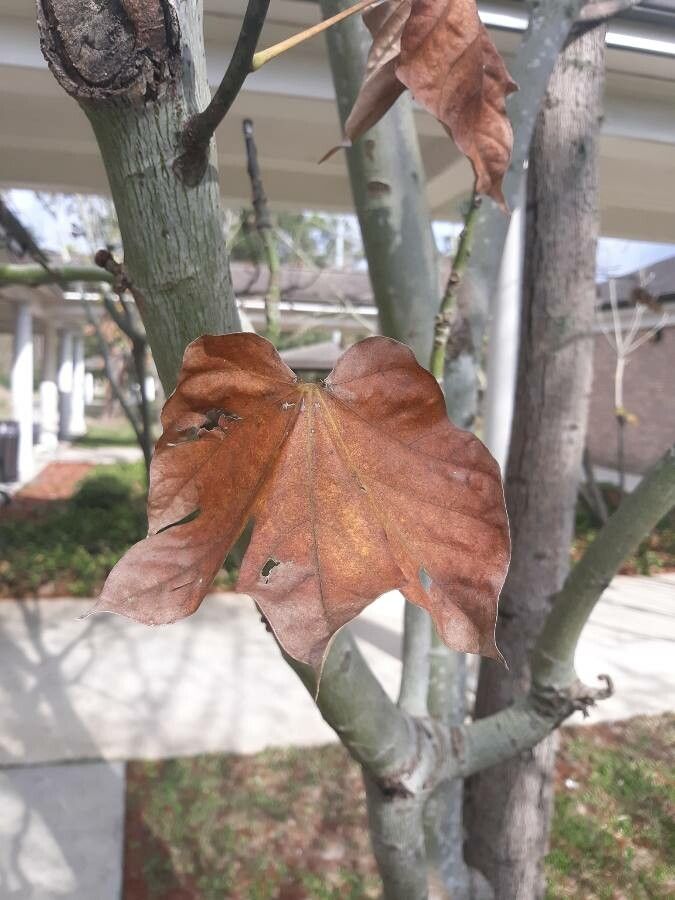
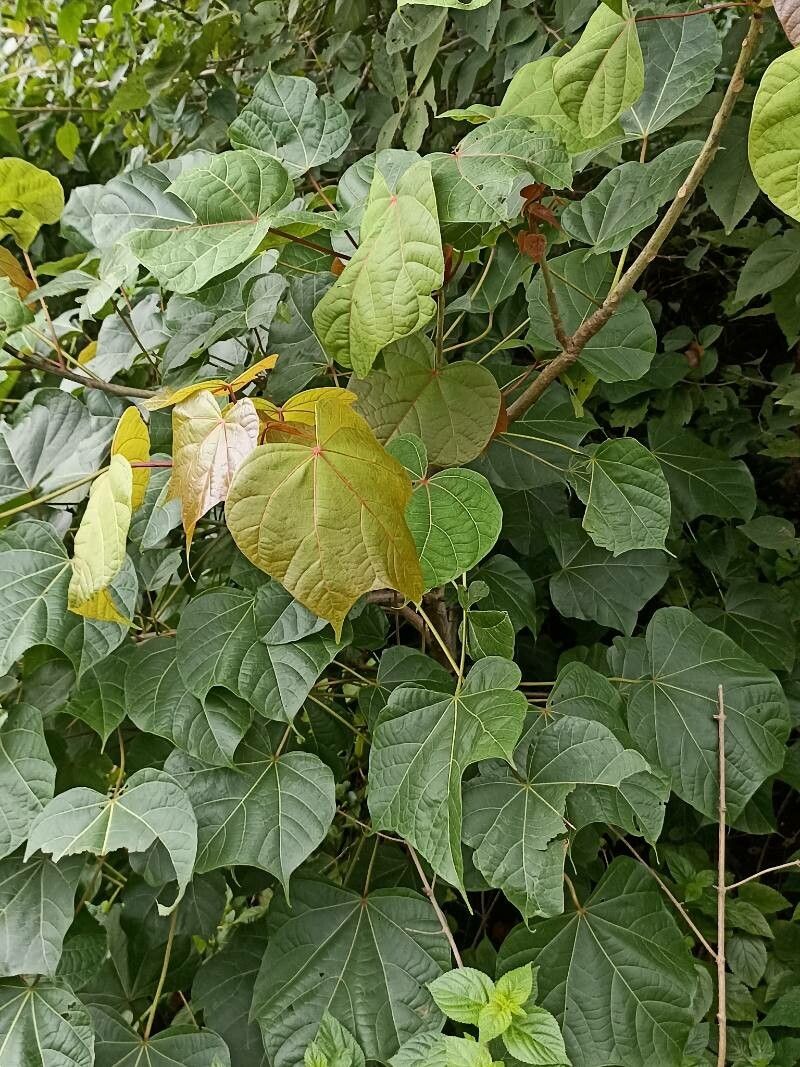
The Chinese parasol tree is prized for its ornamental value due to its attractive foliage and unique appearance. The leaves are large, glossy, and green with serrated edges. In the autumn, they turn yellow before falling. The trunk's bark is smooth and grayish-brown.
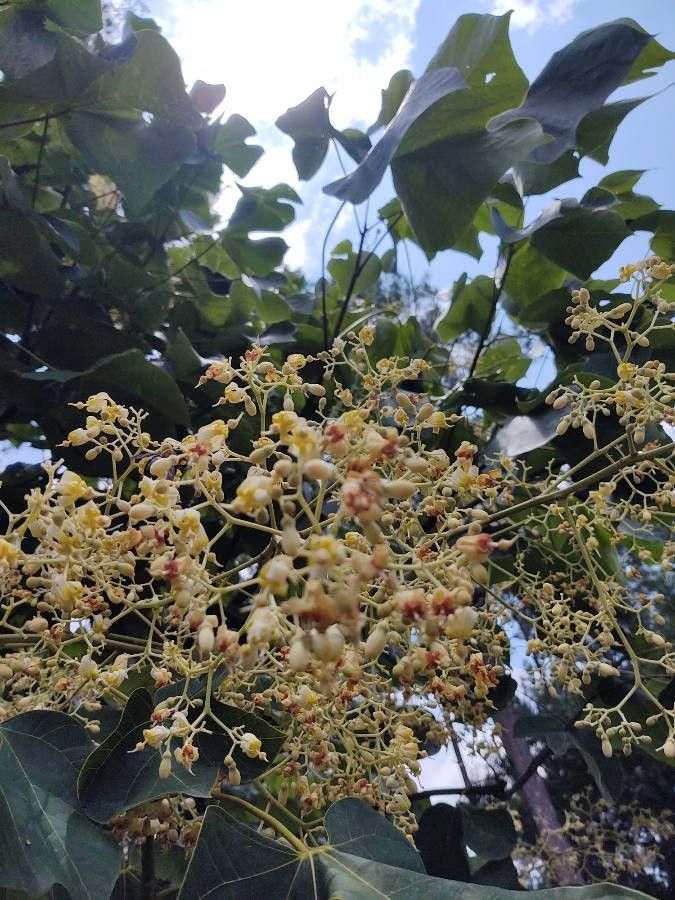
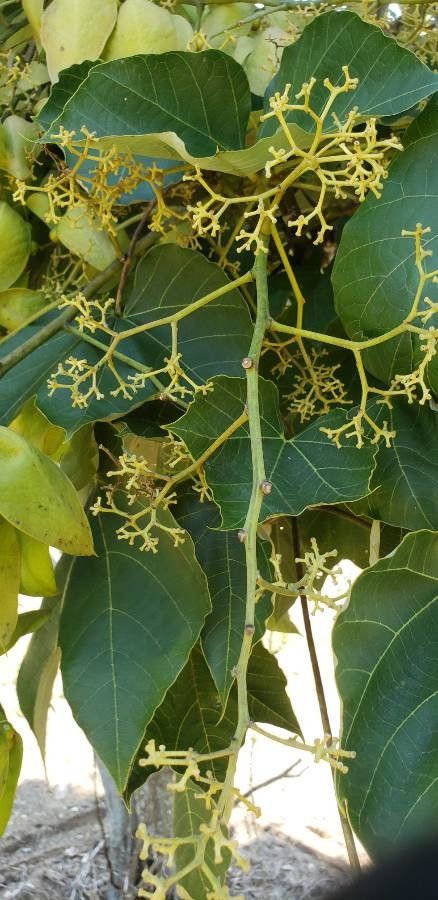
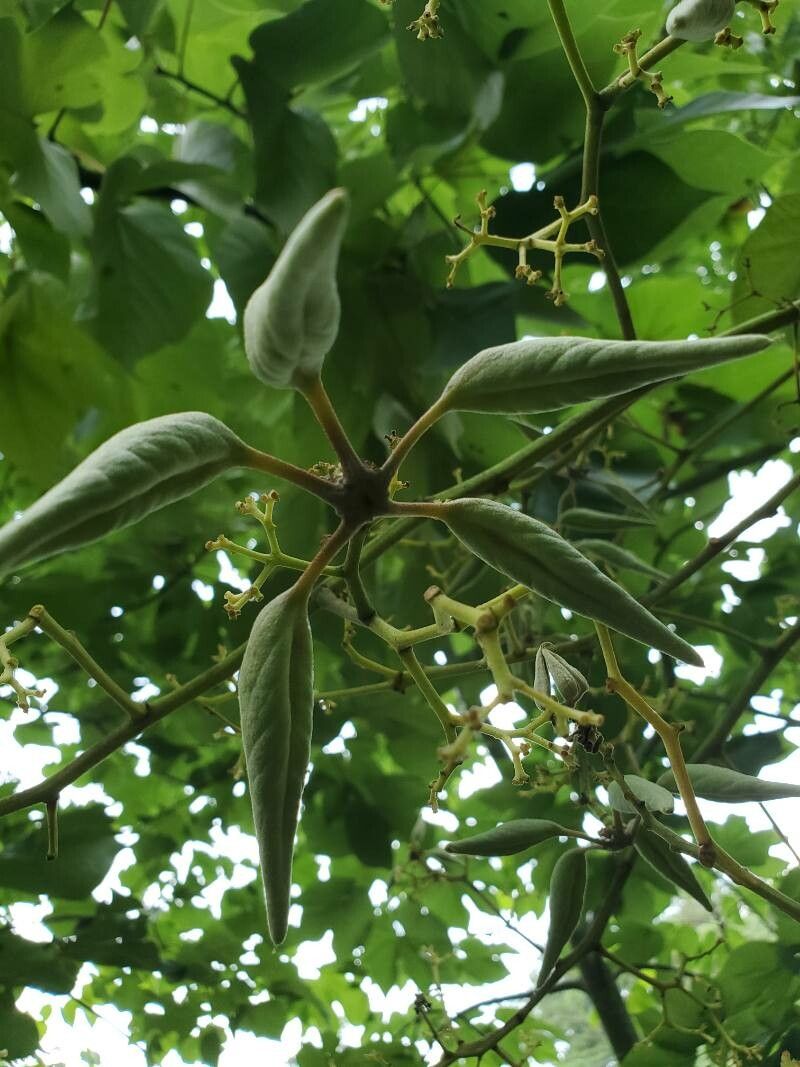
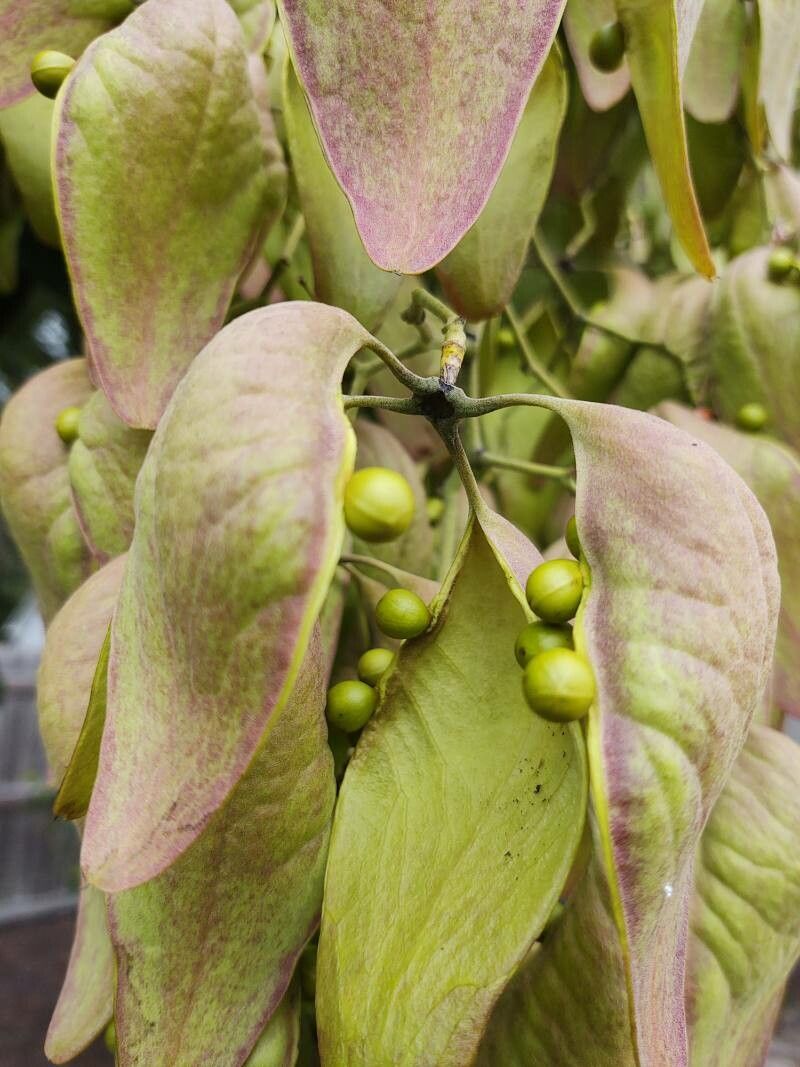
In the summer, the tree produces small yellow-green flowers followed by woody capsules that contain numerous seeds. These seeds are dispersed by wind or water.
Firmiana simplex thrives in well-drained soil and full sun exposure but can also tolerate partial shade. It is relatively easy to grow from seeds or cuttings, though it requires regular pruning for optimal growth.
In traditional Chinese medicine, various parts of the plant, including the bark, roots, and leaves, have been used for their medicinal properties, such as treating fever, reducing inflammation, and promoting blood circulation.
Overall, Firmiana simplex is an attractive ornamental plant with unique foliage, making it suitable for landscaping purposes. Its medicinal properties add to its value, making it a worthy addition to any garden or landscape design project.
The Chinese parasol tree has good disease resistance and is generally not prone to disease. Regarding care, this plant is fairly low-maintenance. When grown outdoors it needs little watering, and larger specimens typically do not require pruning. Smaller plants, however, should be pruned after they finish blooming. The Chinese parasol tree is suitable for anyone with outdoor space, such as a garden or deck, and does not demand much gardening experience.
How to keep Firmiana Simplex.
Light
The Chinese parasol tree does best in places with plenty of sunlight for vigorous growth. Locations with full sun exposure promote optimal health. However, it can tolerate areas with partial shade. Its native environment gives it this tolerance. Both excessive and inadequate sunlight disturb its health and growth.
Water
The Chinese parasol tree is native to temperate climates and is highly drought-tolerant. It thrives in well-drained soil with moderate moisture. For optimal growth, it should be watered every two weeks. When grown outdoors, the Chinese parasol tree effectively uses rainfall during its growth periods, making it well-suited for open spaces.
Temperature
The Chinese parasol tree naturally grows in areas where temperatures range from 41 to 95 °F (5 to 35 ℃). While it is adaptable, it favors moderate conditions. In winter, protect it from freezing temperatures to ensure optimal growth.
Fertilizer
Proper timing matters when fertilizing the Chinese parasol tree. Apply fertilizer in early spring and repeat monthly until early summer. Fertilizer encourages attractive blooms and provides energy during both dormant and active growth periods.
Pruning
The Chinese parasol tree, known for its broad, palmate leaves, benefits greatly from early spring pruning. This practice encourages healthy growth and helps maintain the tree's desired shape. To ensure optimal air circulation, it's important to remove dead branches and thin out crowded areas. Regular pruning not only keeps the tree at a manageable size but also enhances its visual appeal, promoting both its ornamental beauty and structural health.
Pot & Repot
When repotting a Chinese parasol tree, select a pot 1–2 inches (2.5–5.1 cm) larger with good drainage. Use a well-draining potting mix. Repot in spring or fall, making sure the root ball sits slightly below the rim of the flower pot. Water thoroughly after repotting and keep it in a warm spot with indirect sunlight.
Botanical profile.
- Plant Type
- Tree
- Life Cycle
- Perennial
- Genus
- Firmiana
- Family
- Malvaceae
- Hardiness Zone
- 4-10
- Mature Height
- 15.85 m
- Mature Spread
- 4.57 m to 6.1 m
- Leaf Color
- Green, Yellow, Gold
- Leaf Type
- Deciduous
- Flower Color
- Yellow, Green, White
- Flower Size
- 2.54 cm
- Bloom Time
- Early summer, Mid summer
- Planting Time
- Spring, Autumn
- Harvest Time
- Mid summer
- Native Area
- Japan, China
Other names.
Reader questions.
How should I water my Chinese parasol tree?
To ensure excellent root development, place a garden hose near the base of your plants. Avoid spraying the leaves directly, as this can be detrimental. If your plants are outdoors and exposed to direct sunlight, the leaves will need more water. You can use bubblers or soaker hoses to moisten the roots. When adding or removing plants, use soaker hoses that cover the entire garden or bed to encourage deep root growth. Make sure to drain any excess water and allow the soil to dry before watering again. Watering at ground level is recommended to prevent diseases. On sunny days, consider spraying the entire bush with water. Whether your Chinese parasol tree is in a pot or in the ground, remember to prioritize deep watering rather than light sprinkling.
Why is it necessary to add fertilizer to my Chinese parasol tree?
Fertilizing your Chinese parasol tree is important for several reasons. Firstly, it helps the tree produce beautiful blooms. To ensure excellent flowers in the spring season, it's best to fertilize in early spring. Additionally, fertilizer provides the tree with ample energy to store in the ground during its dormant growth phases. By giving the tree extra nutrients during fall planting or late spring, it can accumulate more energy to use when active growth resumes.
What are the sunlight requirements for a Chinese parasol tree?
A Chinese parasol tree thrives in areas with full sun, requiring above 6 hours of direct sunlight daily, but it can also tolerate partial sun, which is about 3-6 hours of sunlight. This adaptability allows it to endure both ample sunlight and partially shaded conditions, thanks to its origin environment. It's essential to observe the movement of sunlight through your garden to choose the best spots that offer the right balance of light and shade, ensuring the tree's health and growth.
What are the essential care tips for a Chinese parasol tree?
The Chinese parasol tree, or Firmiana simplex, thrives in environments with temperatures ranging from 41 to 95°F (5 to 35°C). It prefers moderate conditions and is quite adaptable. During winter, it is crucial to protect the tree from freezing temperatures to ensure its optimal growth. While the Chinese parasol tree has strong cold resistance and usually does not require special frost protection, in regions where temperatures might drop below -30°C, it's important to wrap the trunk and branches with non-woven fabric or cloth. Additionally, watering the plant plentifully before the first freeze in autumn to maintain soil moisture can help prevent drought and water scarcity during winter and early spring.
What should I do if I give the Chinese parasol tree too much or too little water?
When a Chinese parasol tree is overwatered, its leaves will turn yellow, drop off, and wilt. The tree may also appear dull and unhealthy, with mushy stems. If you notice these signs, try adjusting your watering schedule. Wilting can also be a sign of under watering, characterized by crispy and dry leaves. In this case, check the soil's moisture level and give the tree a full watering when needed. Although sufficient water will help the tree recover, it may still have dry and yellow leaves due to root damage. Once the tree returns to normal, the yellowing leaves will stop. When keeping a Chinese parasol tree indoors, regularly check the moisture levels in the pot and avoid overwatering. Look out for black spots, which indicate excess moisture, and allow the soil to dry by refraining from watering for a few days. Overwatering can lead to root rot, indicated by discolored and slimy roots. If this is the case, consider transferring the tree to a different pot and prevent root rot by avoiding excessive soil moisture. When planting a Chinese parasol tree outdoors, ensure the soil is adequately moist, as overly dry soil may indicate underwatering. Providing the tree with adequate watering is necessary for recovery.
When should I fertilize my Chinese parasol tree?
To effectively fertilize the Chinese parasol tree, it is important to consider the timing. Applying fertilizer too early, while the tree is still dormant, will lead to ineffective use and potential pollution as the rainwater can wash it away. Ideally, the first application of fertilizer should be done in early spring, followed by monthly fertilization until early summer.
How does inadequate or excessive sunlight affect the Chinese parasol tree?
Both too much and too little sunlight can disrupt the health and growth of a Chinese parasol tree. Symptoms of insufficient sunlight include small leaves, leggy or sparse growth, faster leaf drop, slower or no new growth, lighter-colored new leaves, and chlorosis. On the other hand, excessive sunlight can lead to sunscald, leaf curling, wilting, and leaf scorching. These issues highlight the importance of managing sunlight exposure to maintain the tree's health.
How does low temperature affect the Chinese parasol tree and how can it be managed?
The Chinese parasol tree is cold-tolerant and best maintained at temperatures above 5°C, and it should not be exposed to conditions below -25°C. Should the temperature fall below -30°C, the tree may not show immediate damage during winter, but in spring, the branches may become brittle and dry, without producing new shoots. To manage this, dead branches that fail to produce new leaves should be pruned away in spring.
How much should I water my Chinese parasol tree?
The Chinese parasol tree prefers deep and infrequent watering. If planted in pots, they should be soaked in a gallon of water each time due to limited water storage and quicker soil drying. In colder regions, watering is required every 3 to 5 days. It is best to water in the morning when the soil is dry, both outdoors and indoors. Check the soil inside to determine if watering is needed - when the top 2-3 inches are dry, the plant should be watered thoroughly. During hot days, monitor soil moisture daily as heat can rapidly dry out potted soil. If you have a garden, irrigation is necessary. In hot climates, watering once a week is sufficient. Only water when the top 2 to 3 inches of soil are dry, and consider existing rainfall to prevent root rot. Chinese parasol trees primarily grow in spring and fall. Adding 3 to 4 inches of mulch when they are outdoors helps conserve water. Sandy soil requires more frequent watering, while clay soil necessitates less frequent watering to avoid root rot. Keep track of watering dates and pay attention to drooping leaves as a sign of needing water.
When is it not a good time to fertilize my Chinese parasol tree?
To keep your Chinese parasol tree healthy and promote vibrant blooms, follow these fertilization tips: 1. Avoid high-nitrogen fertilizers as they can cause excessive leaf growth but hinder flower development. Look for a fertilizer that contains a lower level of nitrogen compared to other nutrients. 2. Refrain from fertilizing the tree after early autumn. This period can encourage excessive growth right before winter, which may be detrimental to the tree's overall health. 3. During hot and dry seasons, avoid fertilizing the Chinese parasol tree. Dry soil doesn't effectively deliver fertilizer, and stimulating growth during this time may require additional water that might not be readily available. It's best to apply fertilizer when temperatures are cooler. 4. Be mindful of nearby plants or lawns that have been fertilized. Chinese parasol trees can absorb excess fertilizer from surrounding areas, so be cautious to prevent inadvertently giving the tree a double-dose of nutrients.
What artificial lighting requirements should be met for indoor Chinese parasol trees?
Indoor Chinese parasol trees require sufficient lighting, especially when natural sunlight is inadequate. Artificial lights, such as LEDs, are advisable because they provide specific wavelengths needed for optimal plant growth. The requirements vary based on the plant's natural sunlight needs: full sun plants need 30-50W/sq ft, partial sun plants 20-30W/sq ft, and full shade plants 10-20W/sq ft of artificial light. The light source should be placed 12-36 inches above the plant, mimicking natural sunlight's distance and duration, which is typically 8-12 hours per day.
What should be done if a Chinese parasol tree experiences high temperatures?
During summer, it's important to keep the Chinese parasol tree below 35°C. Temperatures exceeding 41°C can cause the leaves to lighten in color, dry out, and become susceptible to sunburn. To protect the tree, trim away sunburned and dried parts, move it to a shadier location or use shade cloth to protect it from the midday and afternoon sun. Additionally, watering the tree in the morning and evening will help keep the soil moist and reduce stress from high temperatures.