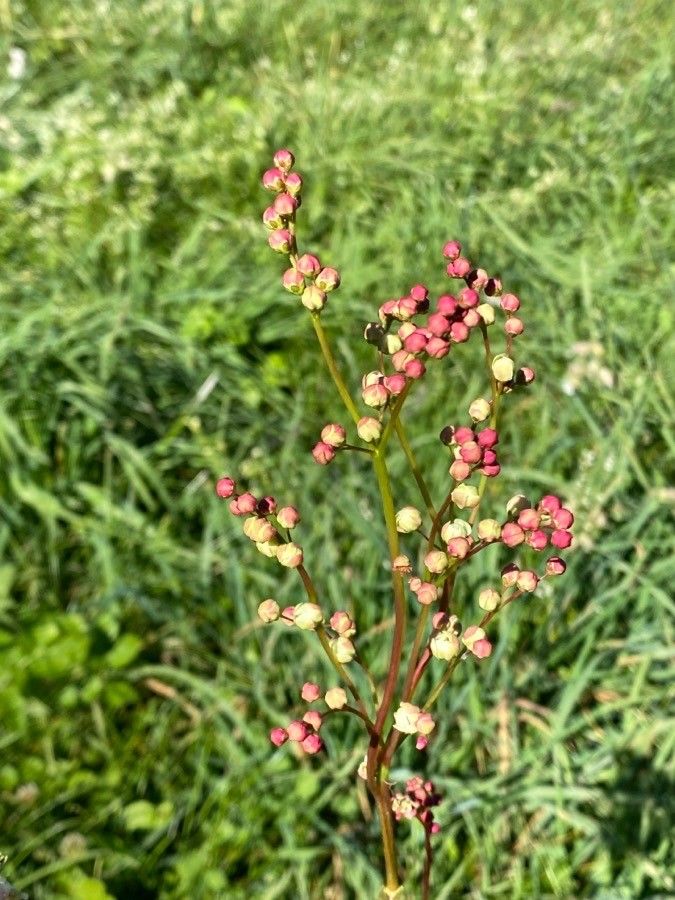
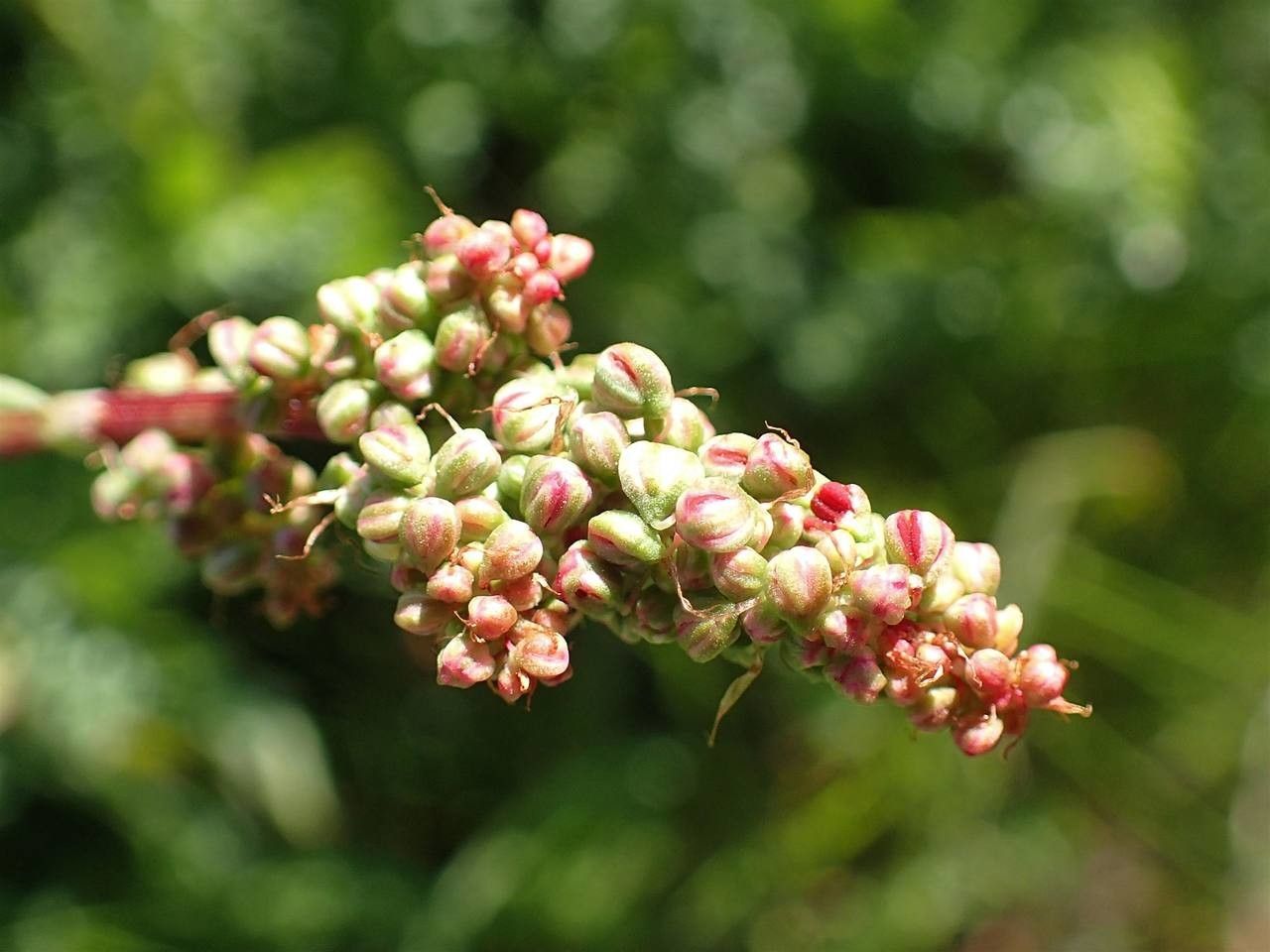
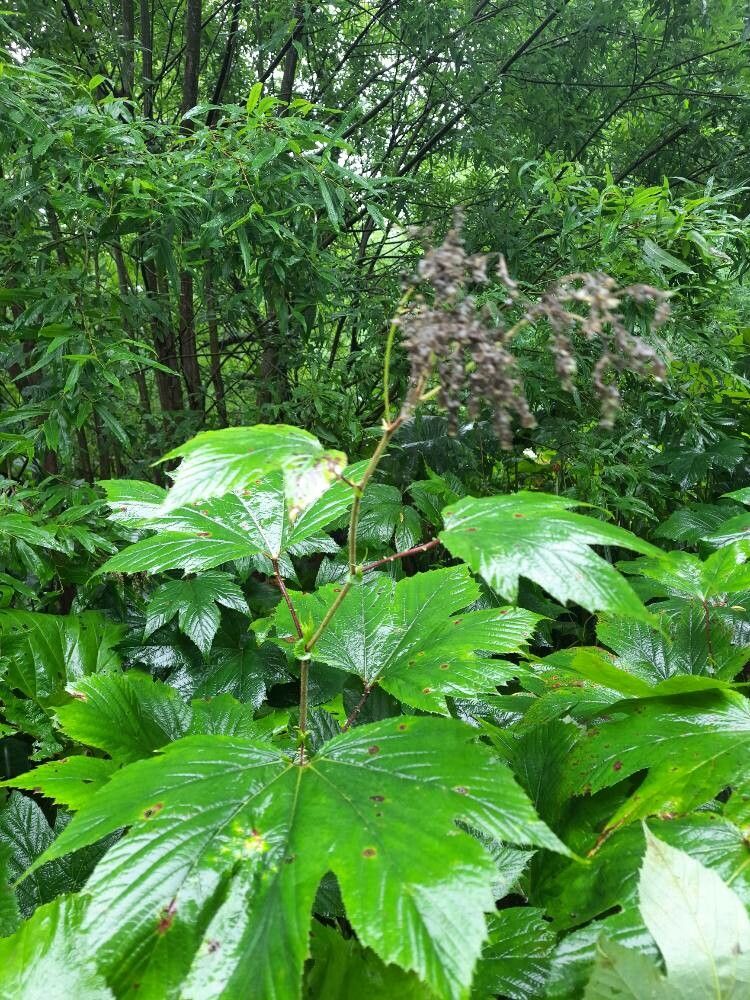
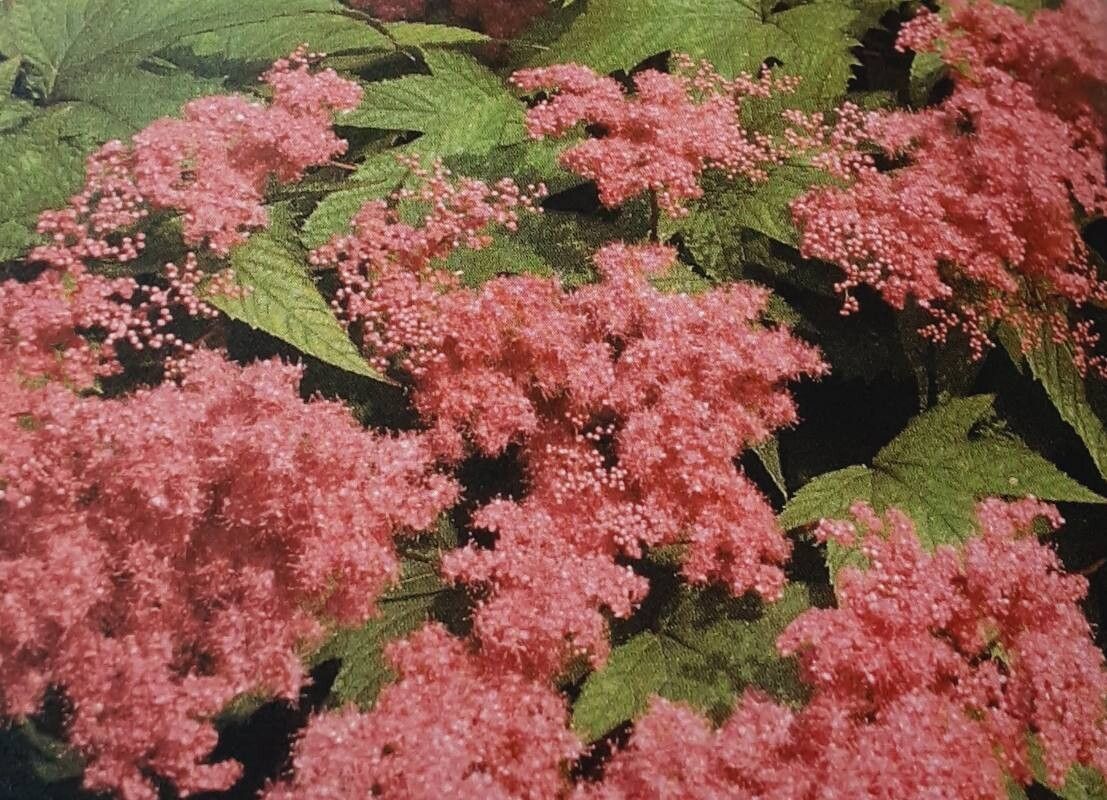
Filipendula vulgaris, commonly known as dropwort, is a perennial herbaceous plant belonging to the Rosaceae family. Native to Europe and Asia, it thrives in meadows, grasslands, and open woodlands.
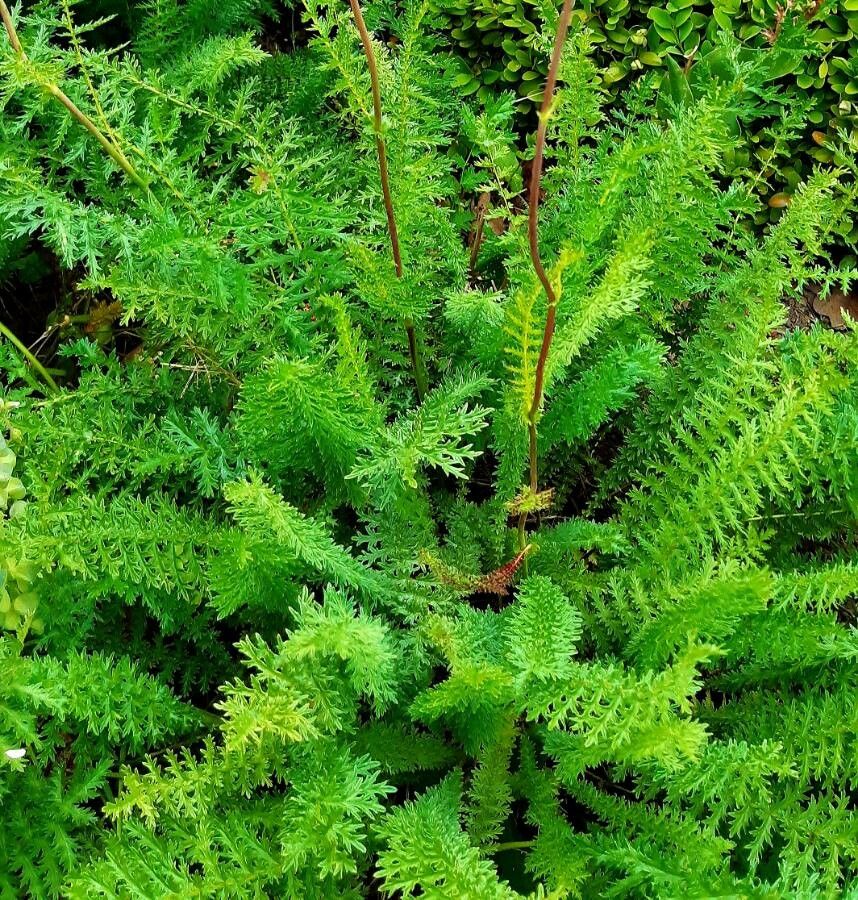
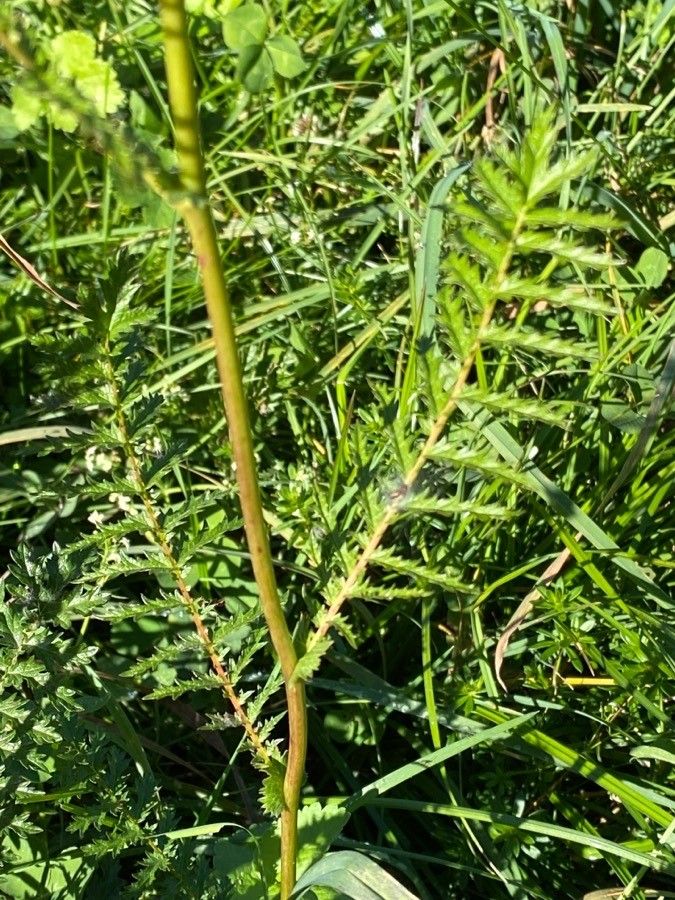
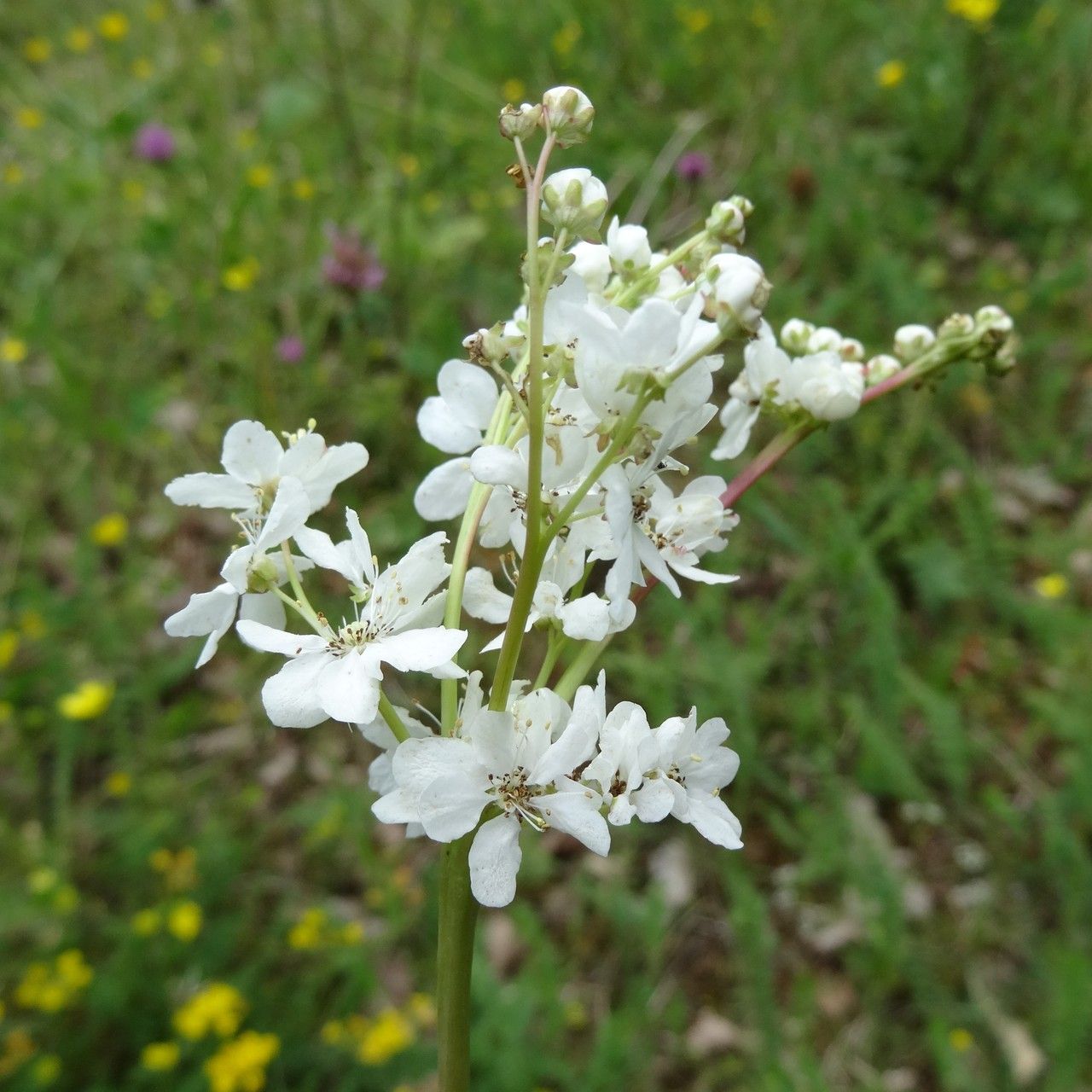
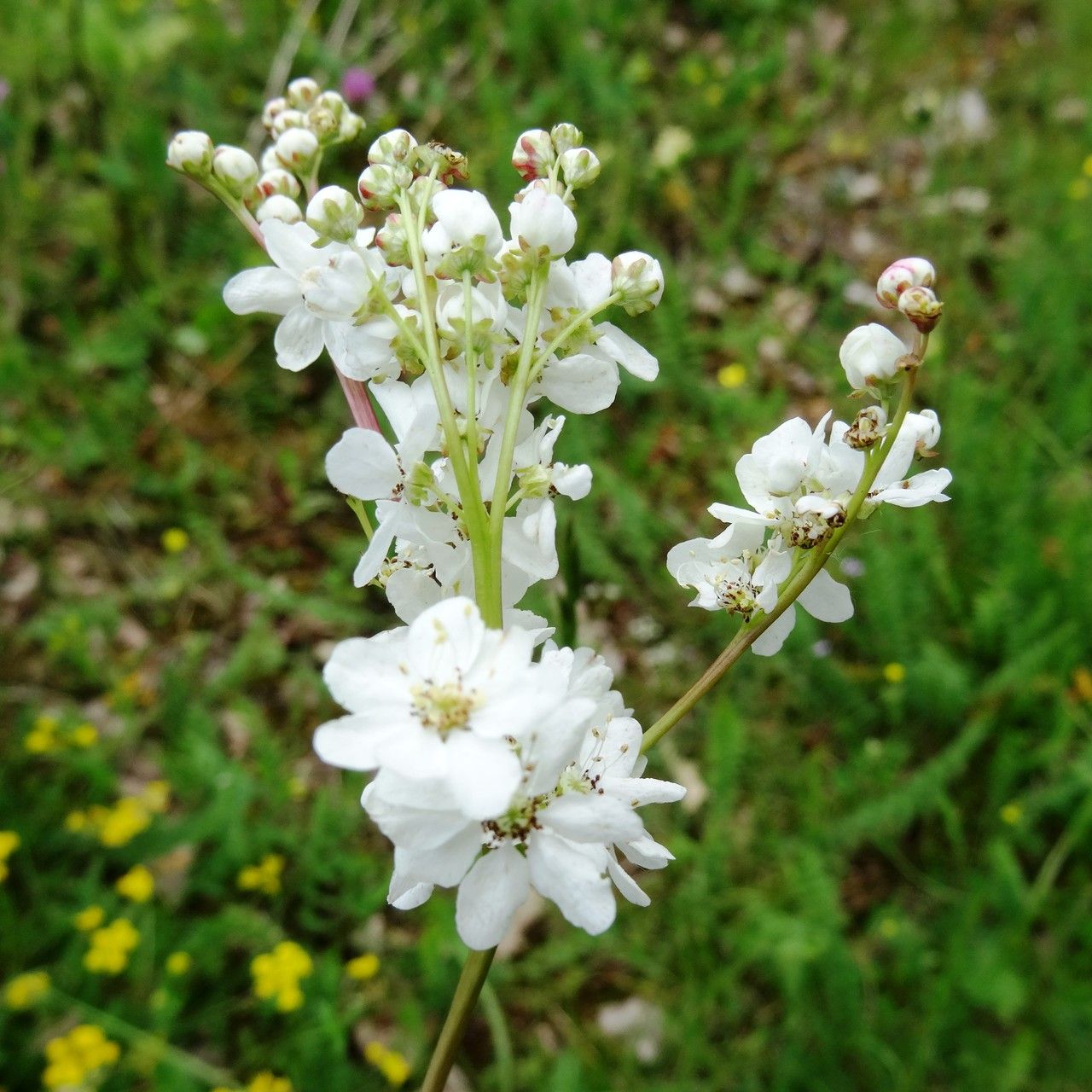
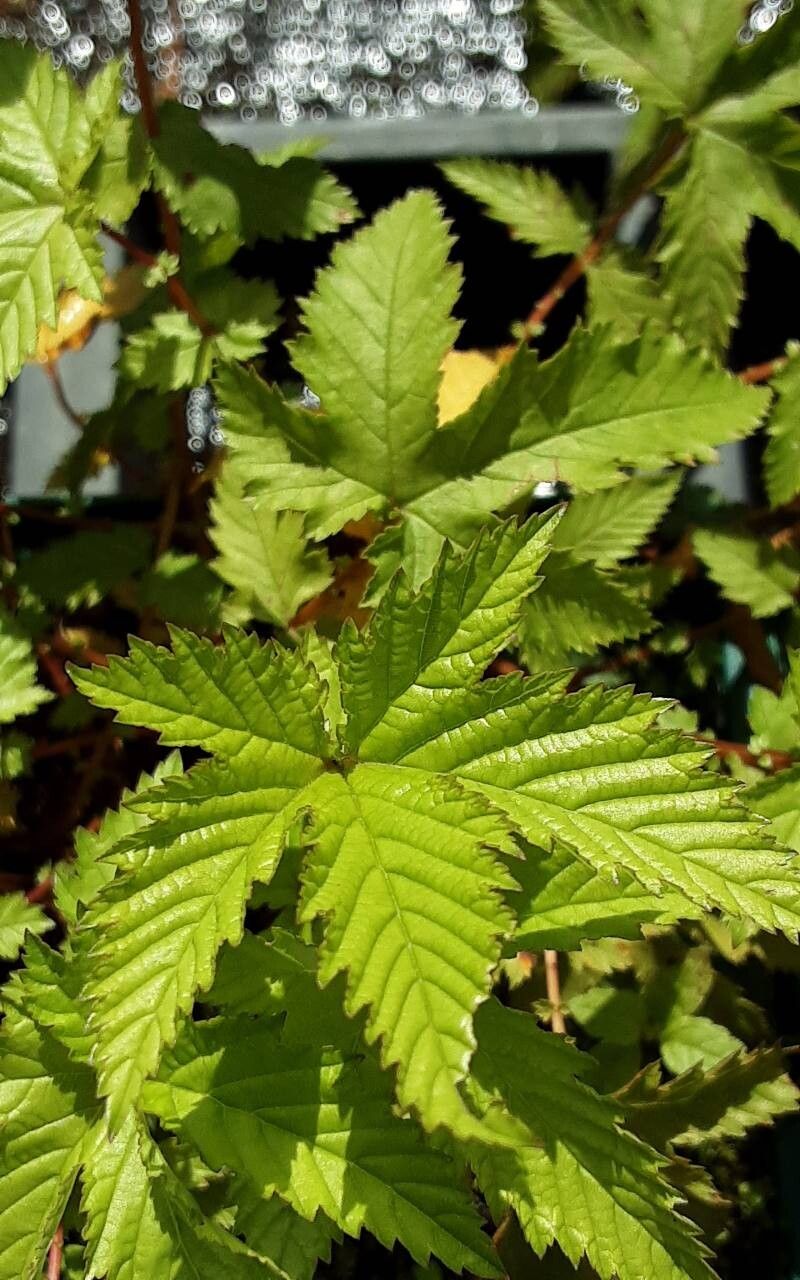
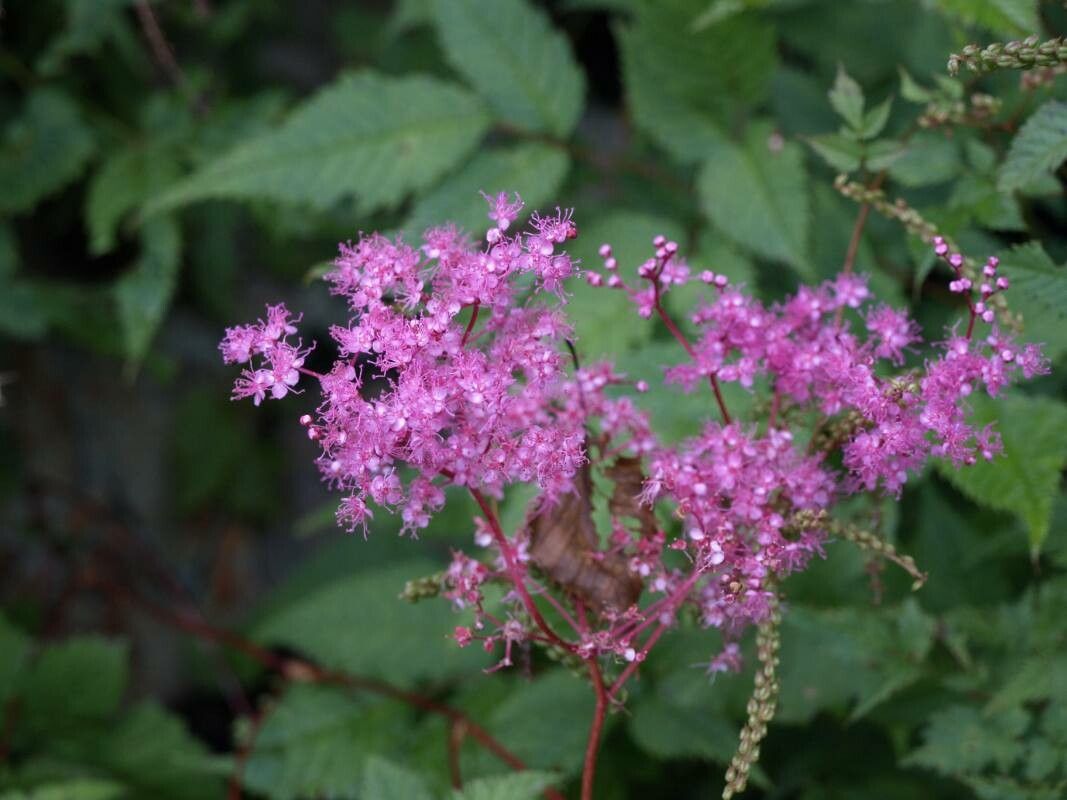
The plant typically grows to about 60 cm in height and features a basal rosette of pinnately divided leaves with toothed leaflets. The erect stem supports dense clusters of small white or pink flowers, which bloom from June to August.
Historically, the root of Filipendula vulgaris has been valued for its medicinal properties, particularly its anti-inflammatory effects. It has been used as a natural remedy for digestive issues such as diarrhea and dysentery.
Beyond its medicinal uses, Filipendula vulgaris is also appreciated for its ornamental qualities. The attractive flowers are popular among gardeners. The plant prefers moist soil but can tolerate some drought once established.
In summary, Filipendula vulgaris is an appealing herbaceous perennial that offers both health benefits and aesthetic value, making it a worthwhile addition to any garden or landscape design.
Dropwort is fairly disease-resistant and generally does not suffer from frequent illnesses. However, it can be vulnerable to pests and local diseases; such infections are usually mild. Care-wise, the plant requires moderate maintenance. Regular pruning is needed to keep a neat appearance and support healthy growth. Fertilizing can also encourage flowering. Dropwort is well suited for anyone with outdoor space, such as a garden or patio, and does not demand extensive care experience. It may need more attention when grown indoors.
How to keep Filipendula Vulgaris.
Light
For optimal health, Dropwort greatly benefits from extensive exposure to sunlight. It originates from sunny environments and although it can adjust to areas with less sunlight, it flourishes best in locations with generous amounts of light throughout the day. Any imbalance in light exposure could potentially have a detrimental effect on the plant's growth and stability. Therefore, ensuring the plant receives the correct amount of sunlight is crucial.
Water
Dropwort is a plant that originally comes from European meadows. It thrives in conditions with moderate moisture but can tolerate short periods of dryness. To keep it healthy, water it once a week, and provide extra irrigation during dry spells. Its ability to adapt to various soil moisture levels makes it an excellent choice for temperate gardens that experience seasonal rains.
Temperature
Dropwort is indigenous to temperate zones and thrives best in a moderate weather condition. It has the ability to tolerate a temperature range of 32 to 95°F (0 to 35℃), which showcases its adaptability. During seasons with lower or higher temperatures, establishing a consistent microclimate proves advantageous.
Fertilizer
The optimal time to fertilize Dropwort is at the onset of spring when it begins to form flowers. Using the appropriate fertilizer enhances the quality of blooms and enables Dropwort to produce beautiful flowers. Applying fertilizer in the early spring facilitates the growth of splendid flowers throughout the season and supplies the necessary energy required for latent growth phases.
Pruning
Dropwort, known for its delicate foliage and white flowers, benefits from pruning in early to late spring. Trim old growth just above the base, and remove spent flowers to prolong the blooming period. Additionally, thinning out older stems improves air circulation, which enhances the plant's health, vigor, and overall appearance, promoting robust growth.
Botanical profile.
- Plant Type
- Herb
- Life Cycle
- Perennial
- Genus
- Filipendula
- Family
- Rosaceae
- Hardiness Zone
- 3-10
- Mature Height
- 20 cm to 49 cm
- Mature Spread
- 37 cm to 46 cm
- Leaf Color
- Green, Blue
- Leaf Type
- Deciduous
- Flower Color
- White
- Flower Size
- 0.51 cm to 0.76 cm
- Bloom Time
- Late spring, Early summer, Mid summer
- Planting Time
- Spring, Summer, Autumn
- Harvest Time
- Mid summer
- Native Area
- Turkey, Sweden, Austria, Slovakia, Montenegro, Slovenia, Morocco, Croatia, Belarus, Russia, Germany, Estonia, Romania, Latvia, Belgium, Portugal, Netherlands, France, Czech Republic, Bulgaria, Poland, Greece, Ukraine, Serbia, Lithuania, Norway, Kyrgyzstan, Kazakhstan, Italy, Spain, Switzerland, Denmark, Finland, Iran, Albania, Ireland, United Kingdom, Hungary, Algeria
Other names.
Reader questions.
How should I water my Dropwort plant properly?
To effectively water the Dropwort plant, it is recommended to use filtered water at room temperature. Tap water may have harmful particles that could negatively affect the plant's health. The reason for using room temperature water is that the Dropwort is adapted to warmer environments and cold water might shock it. Additionally, it is best to avoid overhead watering to prevent any issues with the foliage. Instead, simply pour the filtered room temperature water onto the soil until it is fully soaked. This practice helps to moisturize the roots and supports their spread in the soil, allowing them to obtain necessary nutrients.
Why should I put fertilizer on my Dropwort plant?
Fertilization is important for the Dropwort for multiple reasons. Firstly, it provides essential nutrients for the plant's growth, both above and below ground. However, Dropwort tends to have low overall fertilization needs and can sometimes survive without it. Annual fertilization, though, can be highly beneficial as it helps keep the plant alive and may improve flower longevity. Therefore, those who want their Dropwort to look its best should prioritize annual fertilization.
What are the sunlight requirements for Dropwort?
Dropwort, or Filipendula vulgaris, thrives in environments with abundant sunlight, needing significant exposure to the sun's rays for optimum health. It requires more than 6 hours of sunlight daily, classified as full sun, though it can adapt to partial sun conditions of about 3-6 hours of sunlight. Monitoring how sunlight moves through your garden helps in choosing the best spots that offer the right balance of light and shade, ensuring the plant's health and happiness.
What are the essential details about Dropwort's native climate and temperature preferences?
Dropwort, botanically known as Filipendula vulgaris, thrives in temperate regions and prefers a moderate climate. It is adaptable, withstanding temperatures ranging from 32 to 95°F (0 to 35°C). Although it has strong cold resistance and does not usually require special frost protection measures, in extremely cold conditions where winter temperatures are expected to fall below -35°C, protective measures such as covering the plant with soil or straw are recommended. Additionally, to prevent drought and water scarcity during winter and early spring, it is advised to water the plant abundantly before the first freeze in autumn, ensuring the soil remains moist and enters a frozen state.
What do I do if I give my Dropwort too much water or not enough water?
Overwatering is a more common problem than underwatering for the health of your Dropwort plant. When overwatered, the stems and leaves may wilt and turn yellow. Over time, it can also lead to diseases such as root rot, mold, and mildew, which can be fatal for the plant. However, underwatering is less likely to occur as the Dropwort has good drought tolerance. If underwatering does happen, the leaves become brittle and brown. It is important to recognize the signs of overwatering early on because some diseases like root rot cannot be fixed if left too long. If you notice signs of overwatering, reduce watering immediately and check the soil drainage. If the soil drains poorly, replace it with a loose, well-draining potting mix. On the other hand, if your Dropwort shows signs of not enough water, increase watering until the signs disappear.
When should I fertilize my Dropwort?
The best time to fertilize a Dropwort is in late winter to early spring when it is transitioning from dormancy to active growth. Fertilizing at this time promotes healthy growth and a great start to the season. Fertilizing in the fall is also acceptable, but it is not recommended in summer or winter.
Can Dropwort grow under artificial lighting?
Yes, Dropwort can grow under artificial lighting, especially when natural sunlight is insufficient. Indoor plants benefit from artificial lights, particularly in winter or less sunny spaces, which promote faster, healthier growth. LED lights are recommended because they provide specific wavelengths needed by plants. Full sun plants require 30-50W/sq ft, partial sun plants 20-30W/sq ft, and full shade plants 10-20W/sq ft of artificial light. The light source should be placed 12-36 inches above the plant, for 8-12 hours per day to mimic natural daylight hours.
How does Dropwort respond to low temperatures, and what are the recommended solutions?
Dropwort is notably cold-tolerant, thriving best in temperatures above 0°C but should ideally be kept above -30°C during winter to prevent damage. While the plant may not show noticeable changes when temperatures fall below -35°C during winter, this can lead to decreased sprouting or even no sprouting at all in spring. The recommended solution for any parts of the plant that fail to sprout in spring due to extreme cold is to remove those parts.
How often should I give water to my Dropwort plant?
If you have a potted plant, the best way to determine if it needs water is to stick your finger into the soil. If the top two to three inches of soil are dry, it's time to water it. If you have a Dropwort plant growing outdoors, you can use the same method. When the top few inches of soil are dry, it's time to water it. During spring and early fall, you'll typically need to water the plant once a week using this method. In very hot weather, you may need to water it twice a week or even more. However, mature Dropwort plants that are well-established can withstand drought quite well.
When is not a good time to fertilize my Dropwort plant?
To avoid overfertilizing your Dropwort plant, it is best to only fertilize it once a year during late winter or early spring. Fertilizing during spring, summer, or fall can lead to complications, unless you missed fertilizing in the spring, in which case you can fertilize it in the fall. Additionally, there is no need to fertilize the plant during the winter as it is in a dormant phase and does not experience new growth.
What are the signs of insufficient light in Dropwort?
Signs of insufficient light in Dropwort include small or new leaves growing smaller compared to older ones, leggy or sparse growth with longer spaces between leaves or stems, accelerated leaf drop, halted or no new growth, and paler new leaves indicating a lack of chlorophyll. Chlorosis, sunscald, leaf curling, wilting, and leaf scorching can also be symptoms of improper light exposure. These conditions suggest that the plant is not receiving the adequate amount of light it needs to maintain healthy growth and development.
What effect do high temperatures have on Dropwort, and how should these conditions be managed?
During the summer months, it's crucial to ensure Dropwort's environment remains below 35°C. Exposure to temperatures exceeding 41°C can result in the leaves becoming lighter in color, prone to curling, and susceptible to sunburn. In severe cases, the plant may wilt and become completely dry. To mitigate the effects of high temperatures, it is advised to trim away any sunburned and dried-up parts. Relocating the plant to a shaded area during the midday and afternoon sun, or employing a shade cloth, can provide necessary relief. Additionally, watering the plant in the morning and evening helps keep the soil moist and supports the plant's health during hot conditions.