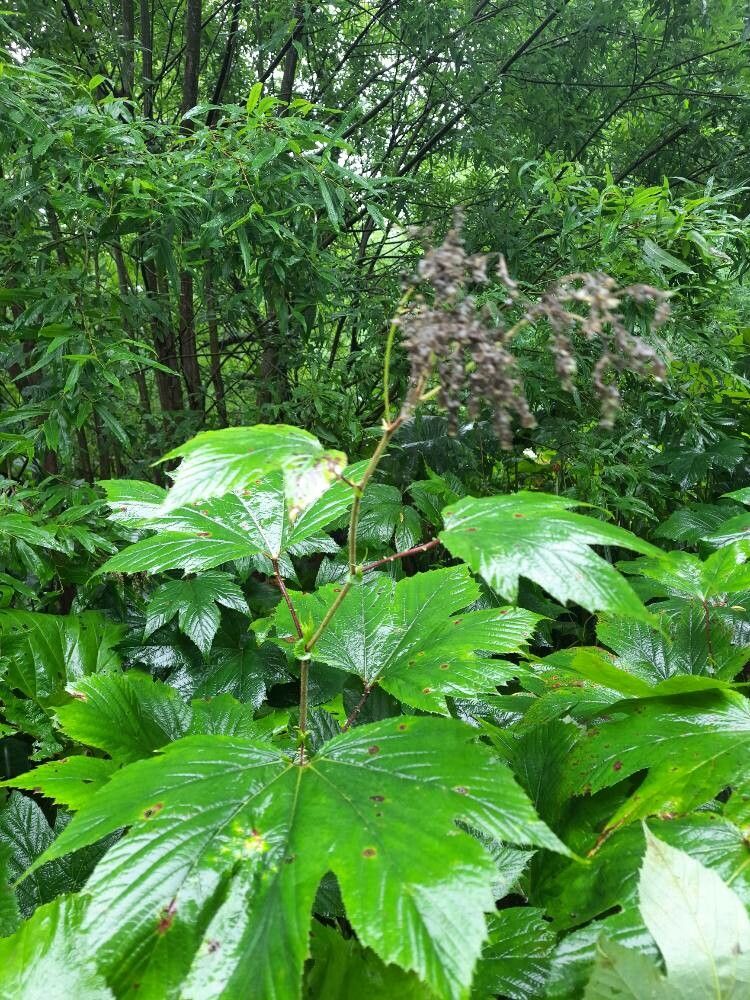
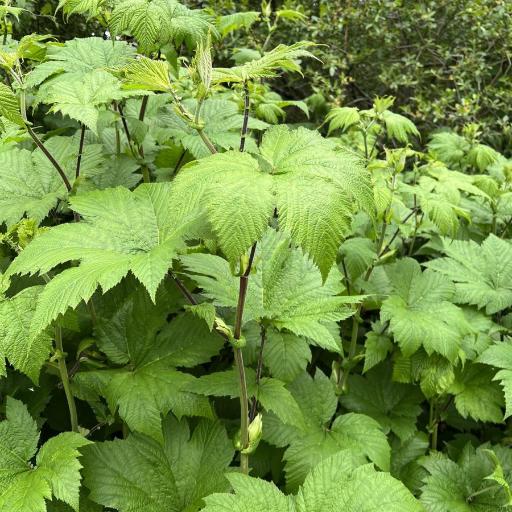
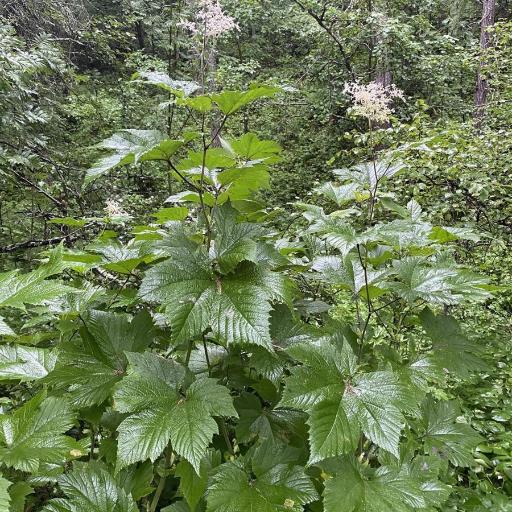
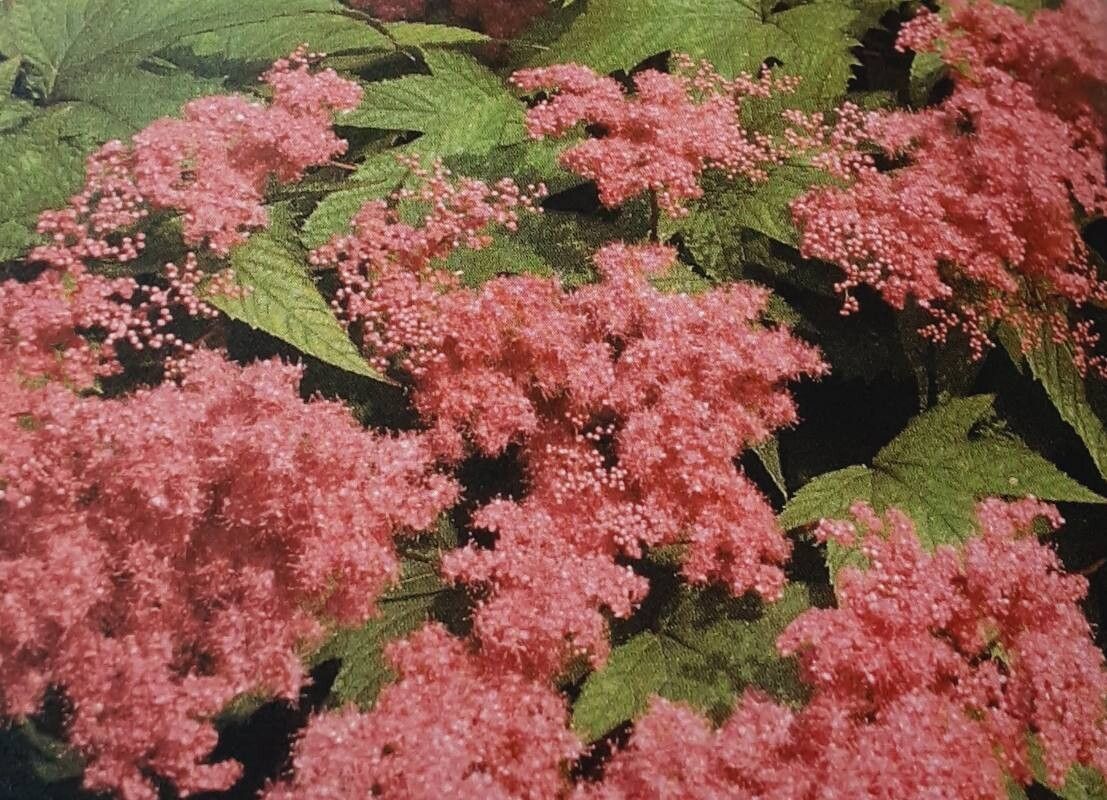
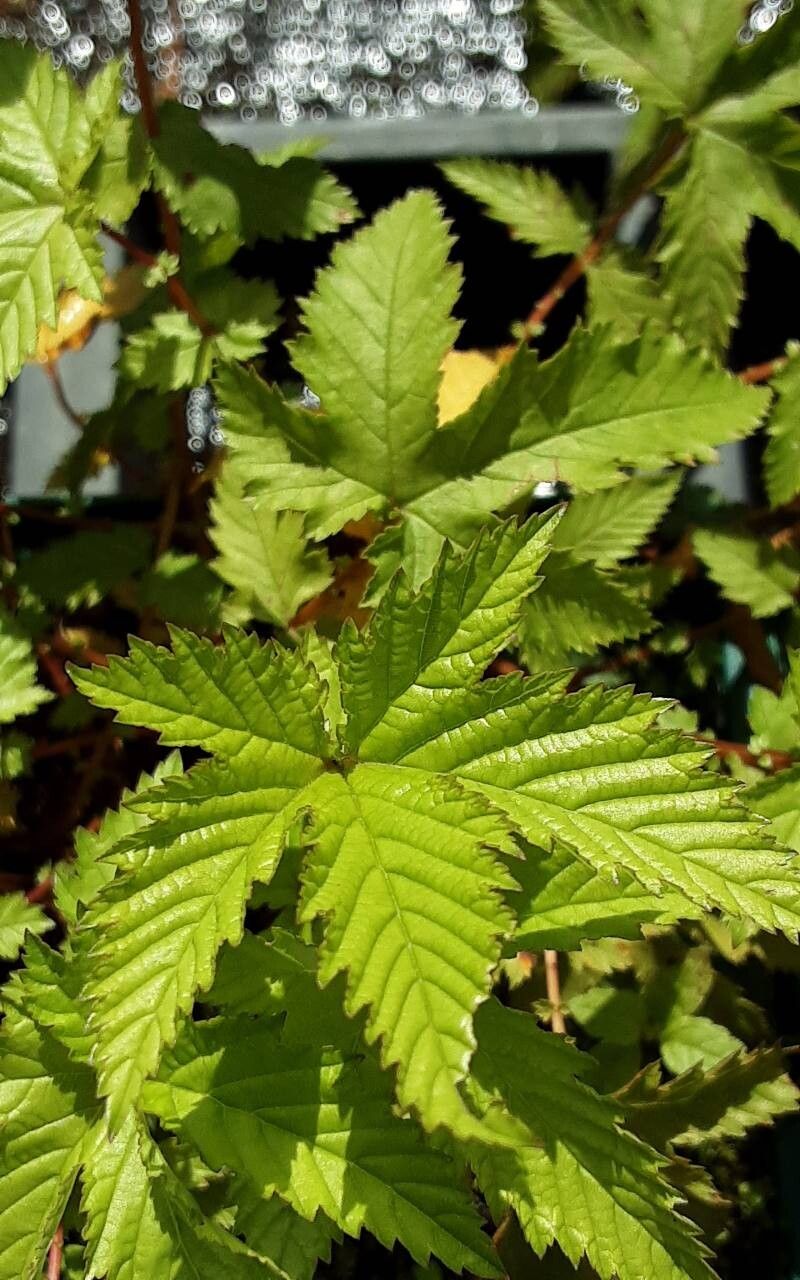
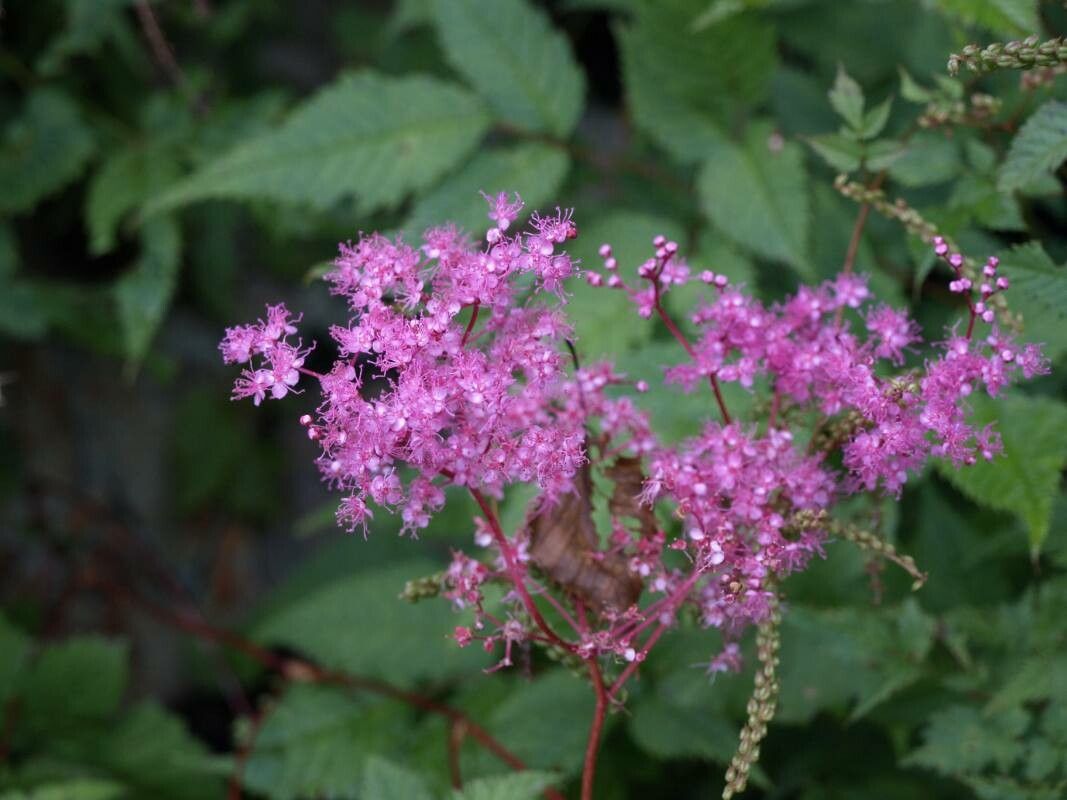
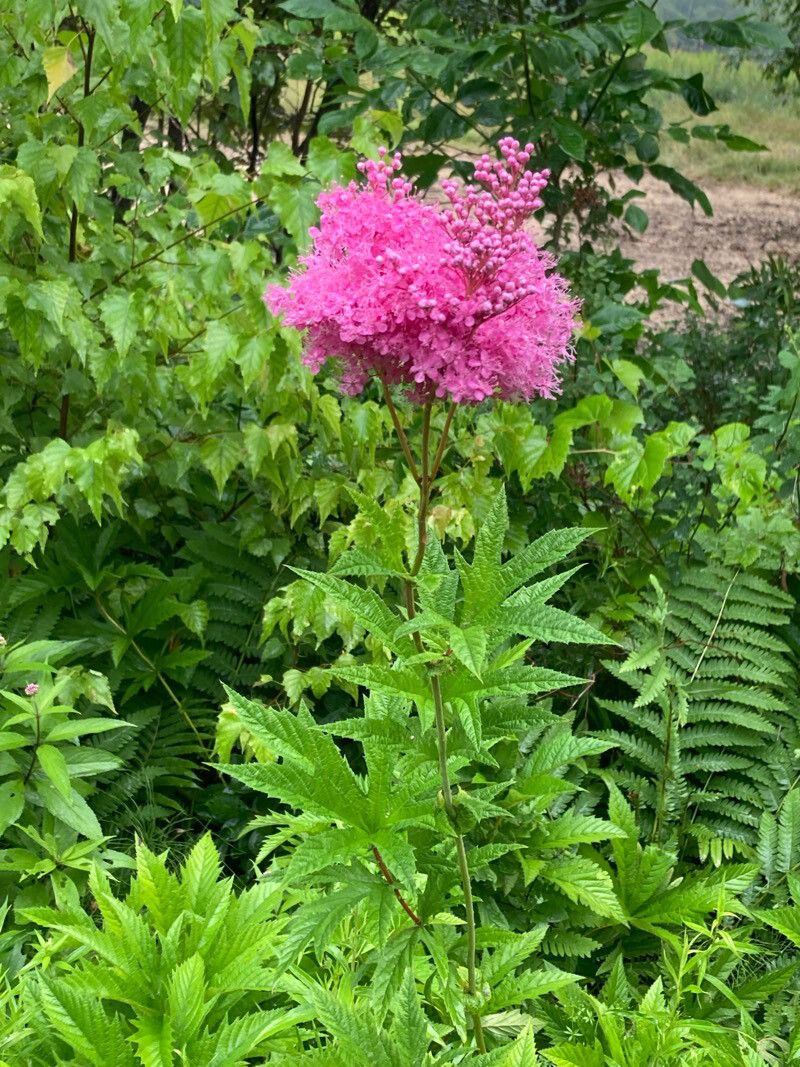
Giant meadowsweet has strong resistance to disease and typically does not suffer from many illnesses. Still, it can be affected by pests and diseases present in its environment, though these problems are generally mild. Regarding care, this species needs a moderate amount of attention. Regular pruning is necessary to keep it looking good and to support healthy growth. Applying fertilizer can also encourage more flowering. Giant meadowsweet is well suited for anyone who has outdoor space, like a garden or patio, and does not demand extensive experience in plant care. It may need extra attention when cultivated indoors.
How to keep Filipendula Camtschatica.
Light
The giant meadowsweet flourishes naturally in habitats such as beneath forest canopies or in rocky terrains, where there is innate shading. It predominantly favors semi-sunny environments but can adjust to full sun or total shade, highlighting its adaptable and robust characteristics.
Temperature
Giant meadowsweet can acclimate to various temperature environments, however, assorted combinations of heat and water conditions may still restrict its spread. It flourishes optimally in temperate climates with sufficient summer rain or irrigation. Extended durations of overcast, wet weather or elevated temperatures can heighten the risk of Giant meadowsweet perishing. During wintertime, the chance of the plant surviving improves significantly with the correct protections against the cold.
Fertilizer
Applying fertilizer to Giant meadowsweet once in the spring typically suffices, but its growth can be maximized with more frequent feedings. Apply the fertilizer every month to six weeks. The fertilization helps improve the aesthetic and effectiveness of the leaves, maintaining a steady color and a robust texture. It also encourages the roots to grow and take in nutrients, contributing to the plant's health over an extended period.
Pruning
Giant meadowsweet features large leaves and thrives in moist conditions. To maintain its health and appearance, prune the plant in early spring by removing dead stems and old flower stalks. This helps to improve airflow and encourages new growth. Regular pruning enhances the plant's shape and vitality, significantly boosting its overall health and visual appeal.
Botanical profile.
- Plant Type
- Herb
- Life Cycle
- Perennial
- Genus
- Filipendula
- Family
- Rosaceae
- Hardiness Zone
- 3-7
- Mature Height
- 1.52 m to 2.44 m
- Mature Spread
- 0.91 m to 1.52 m
- Leaf Color
- Dark Green
- Leaf Type
- Deciduous
- Flower Size
- 0.76 cm to 1.27 cm
- Bloom Time
- Early summer, Mid summer
- Planting Time
- Spring, Summer
- Harvest Time
- Late summer, Early fall
- Native Area
- Russia, Koppen, Japan
Other names.