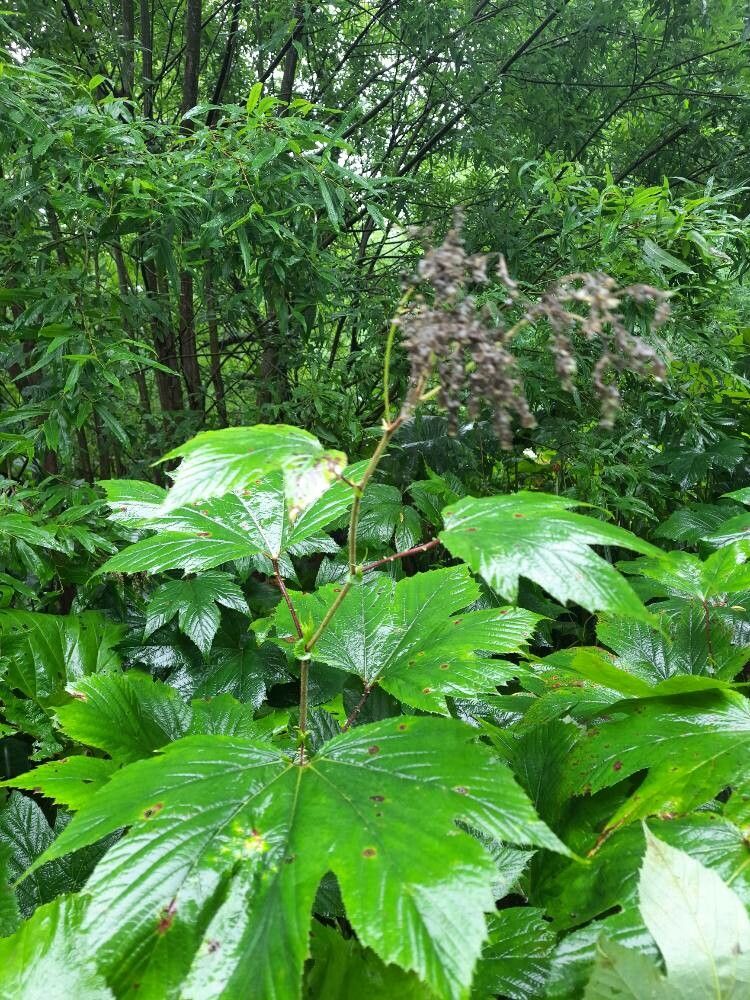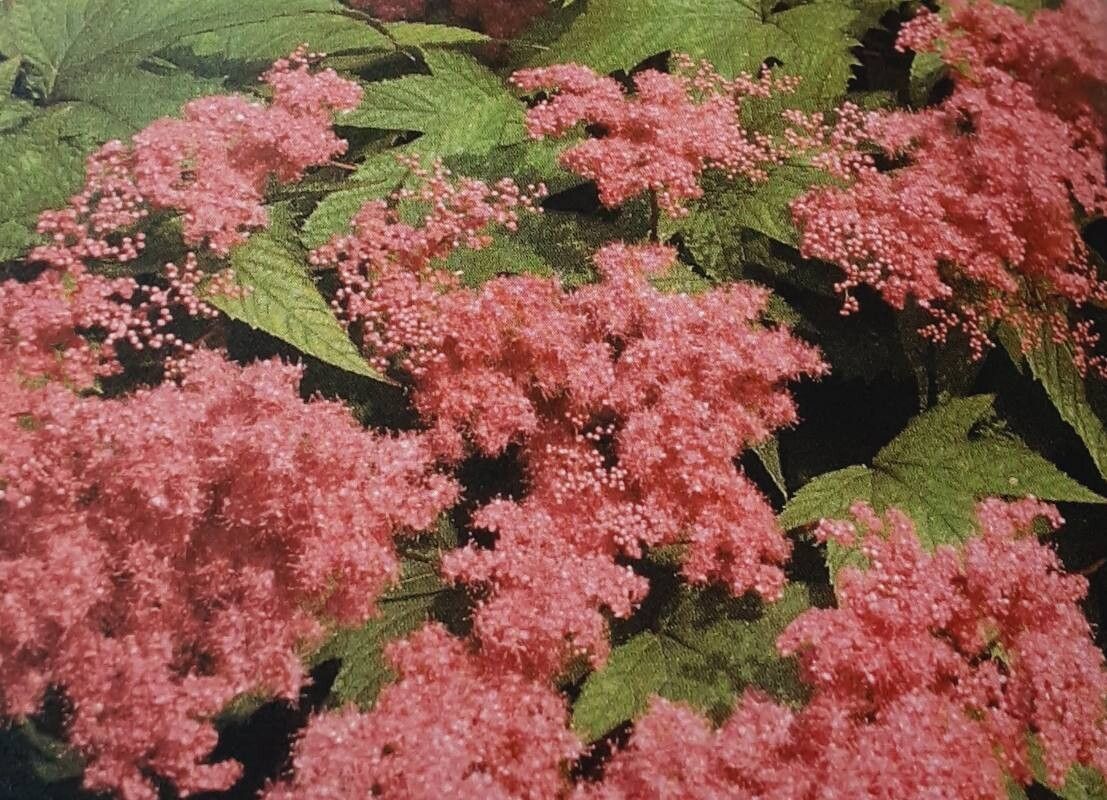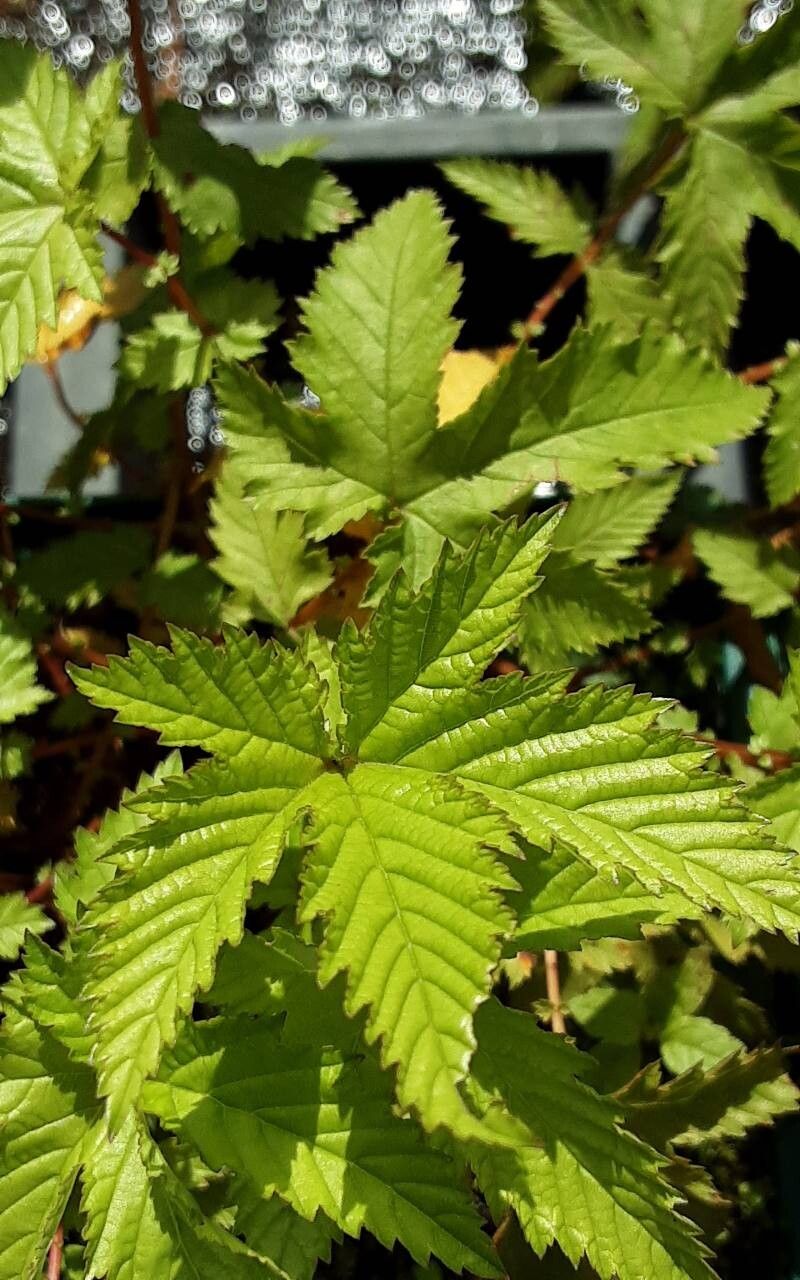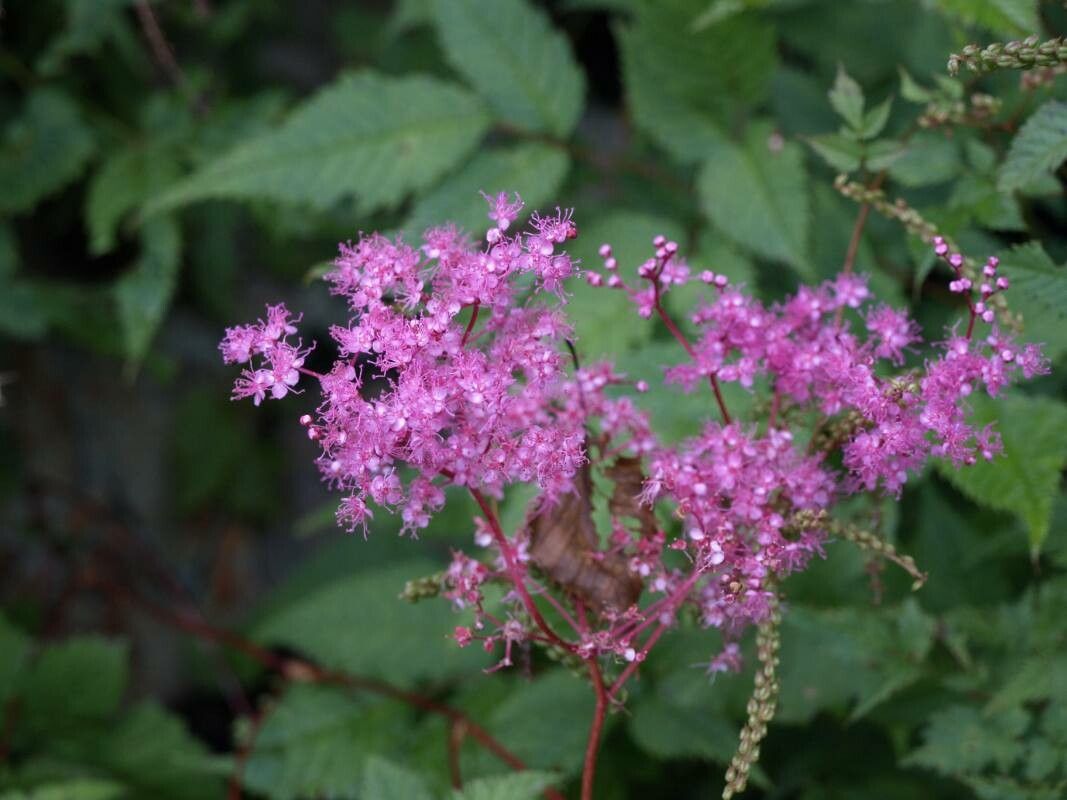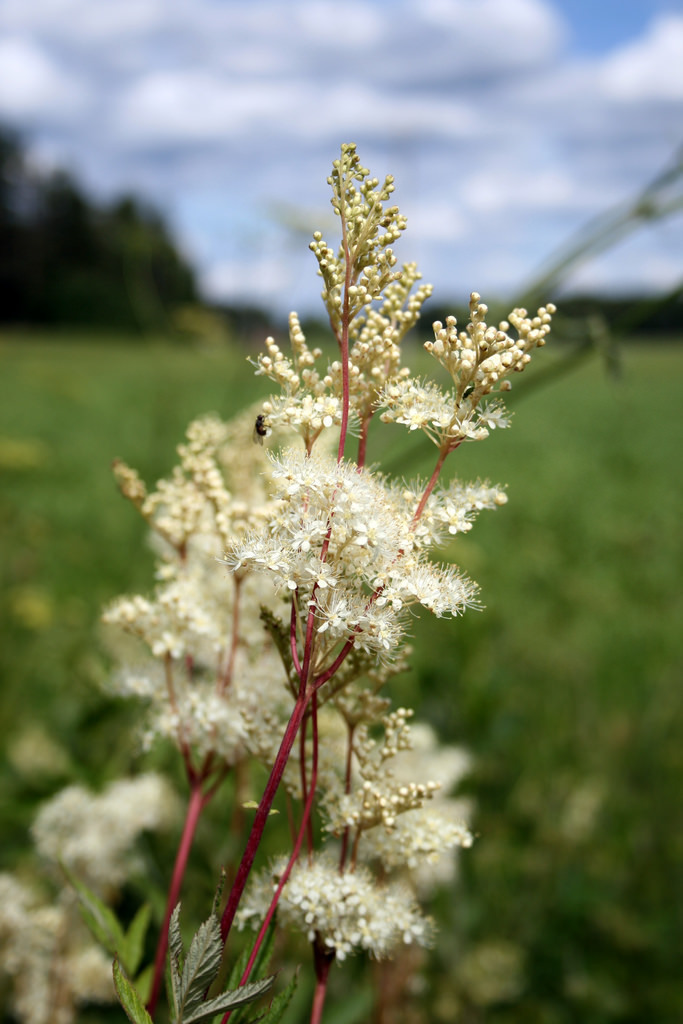
Filipendula ulmaria, commonly known as meadowsweet or mead wort, is a perennial herbaceous plant in the family Rosaceae that grows in damp meadows. It is native throughout most of Europe and Western Asia (Near east and Middle east). It has been introduced and naturalised in North America. Meadowsweet has also been referred to as queen of the meadow, pride of the meadow, meadow-wort, meadow queen, lady of the meadow, dollof, meadsweet, and bridewort.
Meadowsweet is fairly disease-resistant and usually not prone to illnesses. That said, it can be affected by pests and diseases present in its environment. These problems are generally minor. Regarding care, the plant requires moderate maintenance. It should be pruned regularly to keep a tidy appearance and encourage healthy growth. Fertilizing can also help stimulate flowering. Meadowsweet is well suited to anyone with an outdoor area, such as a garden or patio, and does not demand extensive gardening experience. It may need more attention if grown indoors.
How to keep Filipendula Ulmaria.
Light
Meadowsweet prefers sites with moderate yet steady sunlight. In its native habitats, which cover a variety of light conditions, it has developed the ability to tolerate increased sun exposure when needed. However, inconsistent or unsuitable lighting can inhibit growth or cause harm.
Water
Meadowsweet thrives in damp environments and prefers consistent moisture for optimal growth. Although it is moderately drought-tolerant, it needs to be watered weekly, especially during periods of active growth, to maintain its strength and blooms. Water uptake changes with the growing season, highlighting the importance of stable humidity.
Temperature
Meadowsweet thrives in cooler conditions between 32 and 95 °F (0 to 35 ℃). Its roots are adapted to withstand freezing winters. Since it does well in cooler climates, provide some shade during the hot summer months to promote optimal growth.
Fertilizer
The best time to fertilize a Meadowsweet is in early spring, when it is coming out of dormancy and beginning active growth. Fertilization supplies essential nutrients for healthy growth. Although Meadowsweet needs relatively little fertilizer, applying it annually can improve survival and encourage better, longer-lasting flowers.
Pruning
Meadowsweet is a perennial herb known for its sweet-smelling, creamy-white flowers. To keep the plant healthy, it is essential to perform regular pruning. In early spring, remove any dead stems to allow room for new growth. After the plant has finished blooming, trim back the flower stalks to promote further growth and prevent self-seeding. Regular pruning also helps reduce the risk of disease, ensuring a healthier plant overall.
Toxicity
It can cause stomach complaints including nausea. Skin rashes and lung tightness can also occur. If taken in large amounts or for a long period of time, Filipendula ulmaria might not be safe. Too much Filipendula ulmaria can cause blood in the stool, vomiting, ringing in the ears, kidney problems, and other side effects.
Further reading →
The toxicity and danger assessments provided are for reference only. We do not assure their accuracy, so it's crucial not to depend on them. Seek professional advice when necessary for accurate guidance.
Botanical profile.
- Plant Type
- Herb
- Life Cycle
- Perennial
- Genus
- Filipendula
- Family
- Rosaceae
- Hardiness Zone
- 3-9
- Mature Height
- 0.91 m to 2.13 m
- Mature Spread
- 40 cm to 49 cm
- Leaf Color
- Green, Silver, Yellow, Gray
- Leaf Type
- Deciduous
- Flower Color
- White
- Flower Size
- 0.51 cm
- Bloom Time
- Early summer, Mid summer
- Planting Time
- Spring
- Harvest Time
- Mid summer
- Native Area
- Turkey, Austria, Sweden, Slovakia, Montenegro, Croatia, Slovenia, Belarus, Russia, Germany, Iceland, Estonia, Romania, Latvia, Belgium, Netherlands, France, Portugal, Czech Republic, Bulgaria, Poland, Greece, Ukraine, Serbia, China, Lithuania, Norway, Kyrgyzstan, Kazakhstan, Italy, Spain, Switzerland, Denmark, Mongolia, Finland, Iran, Albania, Ireland, United Kingdom, Hungary
Other names.
Reader questions.
How should I water my Meadowsweet plant?
To properly care for Meadowsweet, use filtered water at room temperature. Tap water may contain harmful particles. The plant prefers warm water to prevent shock. Avoid overhead watering to prevent foliage problems. Instead, thoroughly water the soil with filtered room temperature water. This benefits the plant by providing moisture to the roots, helping them spread and absorb nutrients.
Why is fertilizing my Meadowsweet necessary?
The structure of Meadowsweet is mainly made up of its leaves. Fertilization is an important way to enhance the appearance and function of these leaves. By properly fertilizing, you can ensure that the leaves of your Meadowsweet stay vibrant and healthy. Additionally, fertilization also benefits the plant below the surface by promoting the growth of new roots and maintaining existing ones. This not only keeps the plant healthy in the present, but also improves its ability to absorb nutrients from the soil in the future.
What are the sunlight requirements for Meadowsweet?
Meadowsweet requires varying amounts of sunlight depending on the planting location and specific needs. Partial sun exposure includes about 3-6 hours of sunlight, while full sun exposure means the plant should get above 6 hours of sunlight daily. It's important to observe how sunlight moves through your garden to select spots that provide an ideal balance of light and shade, which ensures the plant's well-being. Meadowsweet thrives in environments where daylight is moderate yet consistent, and can adapt to more solar exposure if necessary. However, unbalanced lighting might stunt growth or damage the plant.
What is Meadowsweet and where does it thrive?
Meadowsweet, scientifically known as Filipendula ulmaria, is a plant that thrives in cooler climates, with optimal growth temperatures ranging from 32 to 95 °F (0 to 35 °C). This plant is at home in chillier environments and its roots have evolved to withstand freezing winters. It performs well in cooler climates and may require some shade during the hot summer months for optimal growth. Meadowsweet is well-adapted to cold conditions and typically doesn't need special frost protection, except in extremely cold conditions where temperatures are expected to drop below -35°C.
What should I do if I give too much or too little water to my Meadowsweet plant?
Overwatering and underwatering can harm your Meadowsweet plant, but overwatering is more common and can have more severe consequences. When the plant gets too much water, its stems and leaves may wilt and turn yellow. Overwatering for a long time can also lead to diseases like root rot, mold, and mildew, which can kill the plant. Underwatering is less likely for Meadowsweet because it can tolerate drought, but it can still happen. When underwatering occurs, the leaves become brittle and brown. It's important to recognize the signs of overwatering early when taking care of your Meadowsweet. Some diseases caused by overwatering, like root rot, may not be fixable if you wait too long. If you see early signs of overwatering, reduce watering immediately. Check the soil quality where the plant grows. If the soil drains poorly, replace it with a loose, well-draining potting mix. If you notice signs of underwatering, increase watering until the signs improve.
What's the best time to add plant food to my Meadowsweet?
If you grow your Meadowsweet outdoors, it will produce new growth in early spring. This is when you should start fertilizing it for the year. Usually, applying fertilizer once in the spring is enough. But if you want to maximize growth, you can fertilize it multiple times throughout the spring and early summer. In this case, you can feed your Meadowsweet every month to a month and a half.
How can artificial lighting be used for indoor Meadowsweet plants?
In cases where natural sunlight is insufficient, especially during winter or in less sunny spaces, artificial lighting becomes essential for the optimal growth of indoor Meadowsweet plants. LED lights are recommended due to their customizability to provide specific wavelengths needed by plants. For full sun plants, 30-50W/sq ft of artificial light is needed; partial sun plants require 20-30W/sq ft; and full shade plants need 10-20W/sq ft. The light source should be placed 12-36 inches above the plant, simulating natural sunlight as closely as possible, and should operate for 8-12 hours per day to mimic natural daylight hours.
How should Meadowsweet be cared for during winter?
During winter, Meadowsweet showcases strong cold resistance and does not usually require special frost protection measures. However, in regions where winter temperatures are expected to plummet below -35°C, protecting the plant from the cold is crucial. This protection can be provided by covering the plant with soil or straw. To prepare for the first freeze of the autumn, it's recommended to water the plant abundantly, ensuring the soil is moist as it freezes. This preparation helps in preventing drought and water scarcity for Meadowsweet during the winter and early spring.
How frequently should I give water to my Meadowsweet?
If your Meadowsweet plant is in a pot, you can check if it needs water by sticking your finger into the soil. If the top two to three inches of soil are dry, it's time to water it. For Meadowsweet plants grown outdoors in the ground, you can use the same method. Water the plant when the top few inches of soil have dried out. In the spring and early fall, watering once a week is often sufficient. When it's very hot, you may need to increase watering to twice or more per week. However, mature and well-established Meadowsweet plants can tolerate drought well.
When is the best time to not fertilize my Meadowsweet plant?
During the late fall and winter, your Meadowsweet will go into a dormant phase and stop producing new growth. It's important to avoid fertilizing your Meadowsweet during this time. If you choose to fertilize during the spring and summer, start decreasing the amount of fertilizer as summer approaches because the growth rate of your Meadowsweet will also slow down. In general, it is not recommended to fertilize your Meadowsweet during extremely hot weather or when the soil is excessively dry. Fertilizing in these conditions can stress your Meadowsweet and potentially cause it to die prematurely.
What are the symptoms of insufficient light in Meadowsweet and how can they be addressed?
When Meadowsweet grows in low light conditions, it may exhibit several symptoms indicating light deficiency, such as smaller new leaves, leggy or sparse growth, faster leaf drop, slower or no new growth, lighter-colored new leaves, chlorosis, sunscald, leaf curling, wilting, and leaf scorching. To address these issues, gradually exposing the plant to sunnier spots each week is recommended, aiming for 3-6 hours of direct sunlight daily. If the plant is large or not easily movable, using artificial light like desk or ceiling lamps for at least 8 hours daily or investing in grow lights can help. For outdoor plants, a gradual transition to sunnier spots minimizes the risk of sunburn. Reducing obstructions such as pruning trees that block sunlight or transplanting to sunnier locations with good drainage are also effective strategies.
How does Meadowsweet react to low temperatures?
Meadowsweet is cold-tolerant and functions best in temperatures above 0°C, managing well through the winter as long as temperatures stay above -30°C. If temperatures fall below -35°C, there may not be visible changes during winter, but a decrease in sprouting or a complete lack of sprouting in spring can occur. In spring, any non-sprouting parts of Meadowsweet should be removed to encourage new growth.