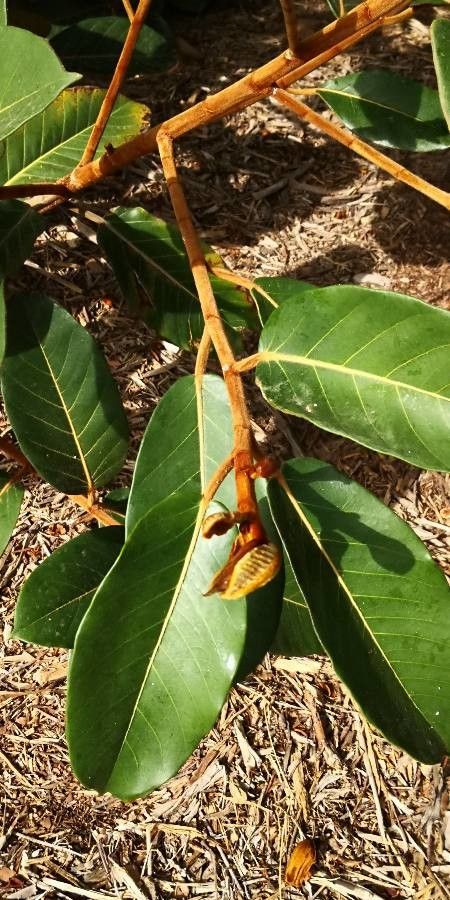
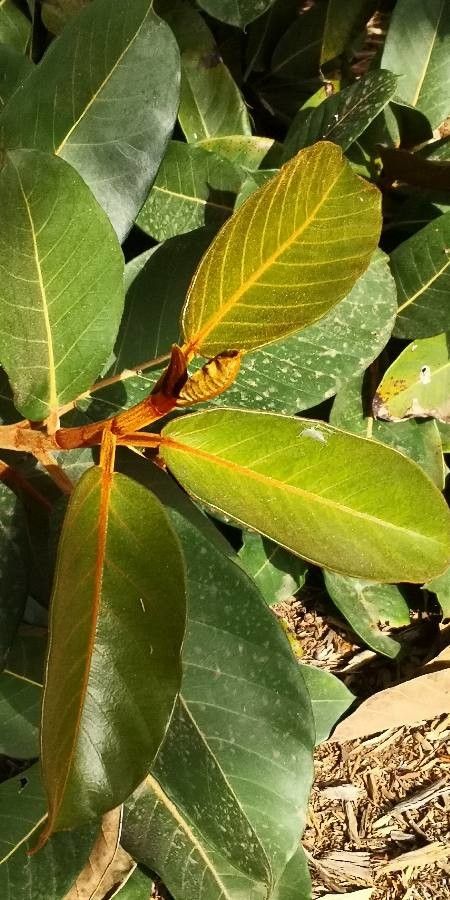
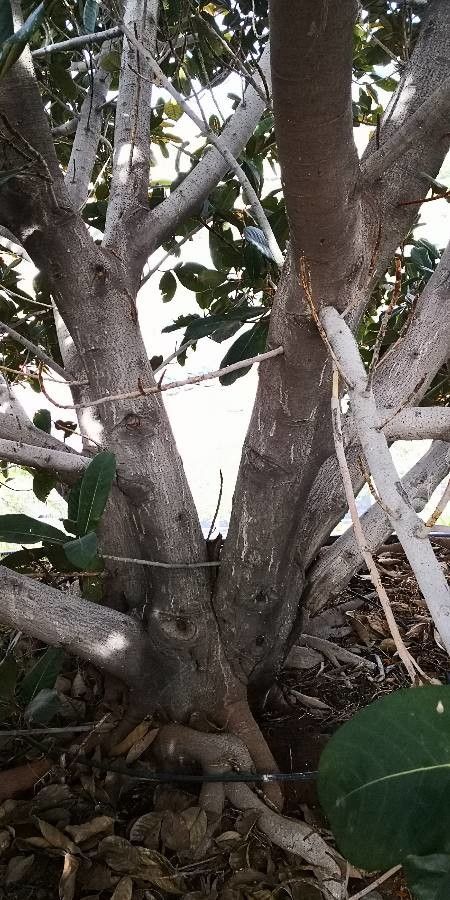
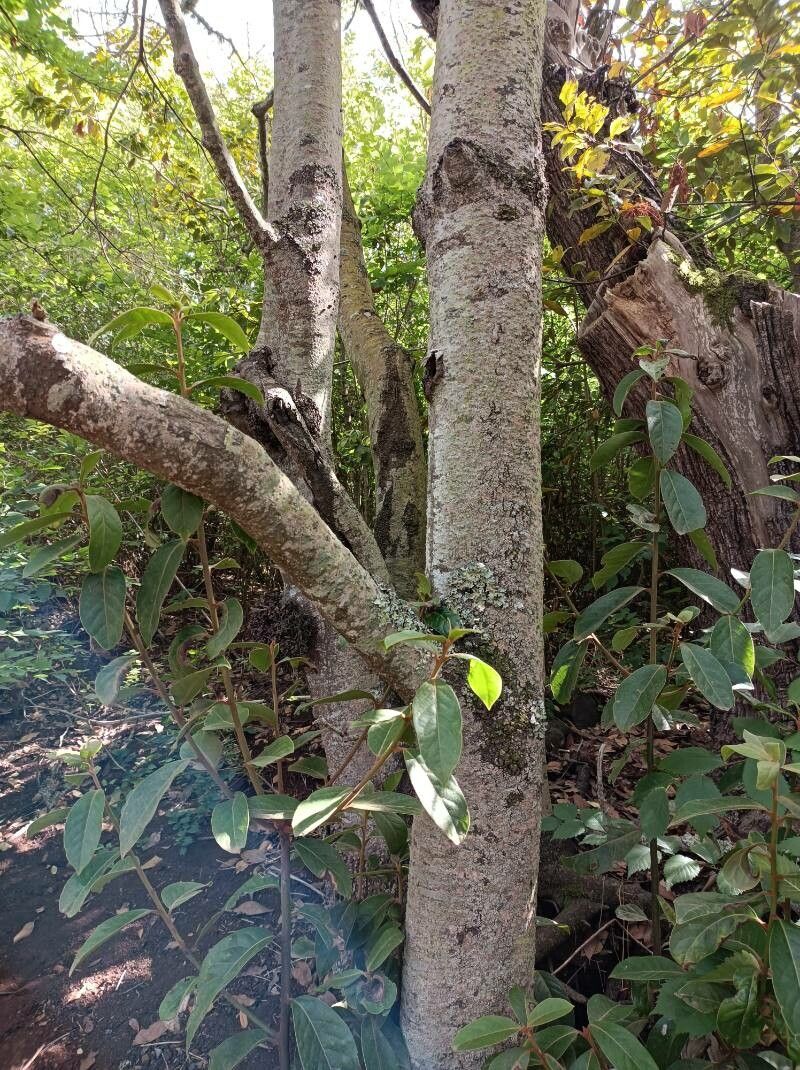
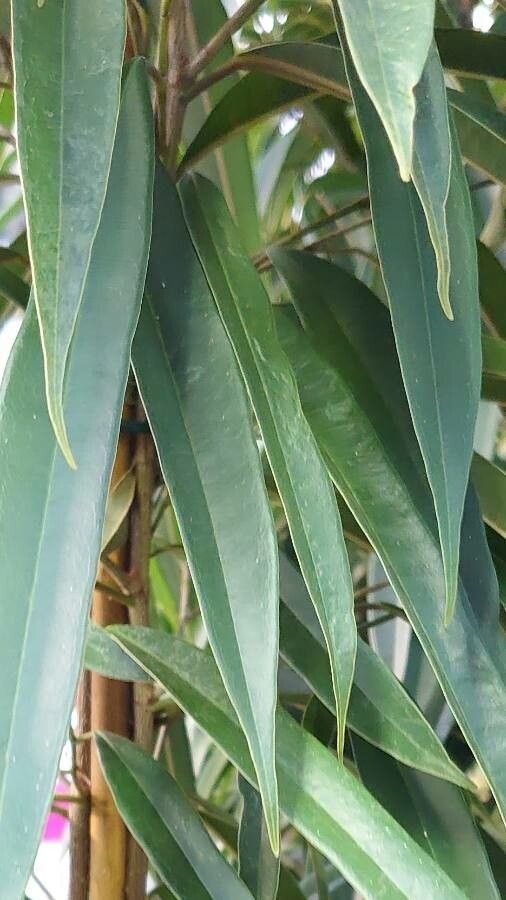
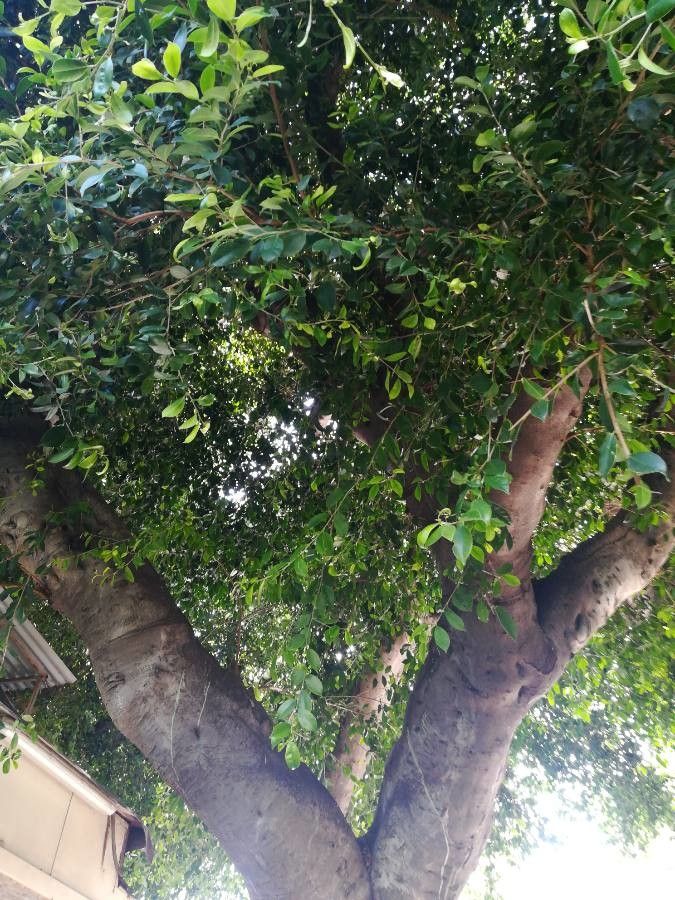
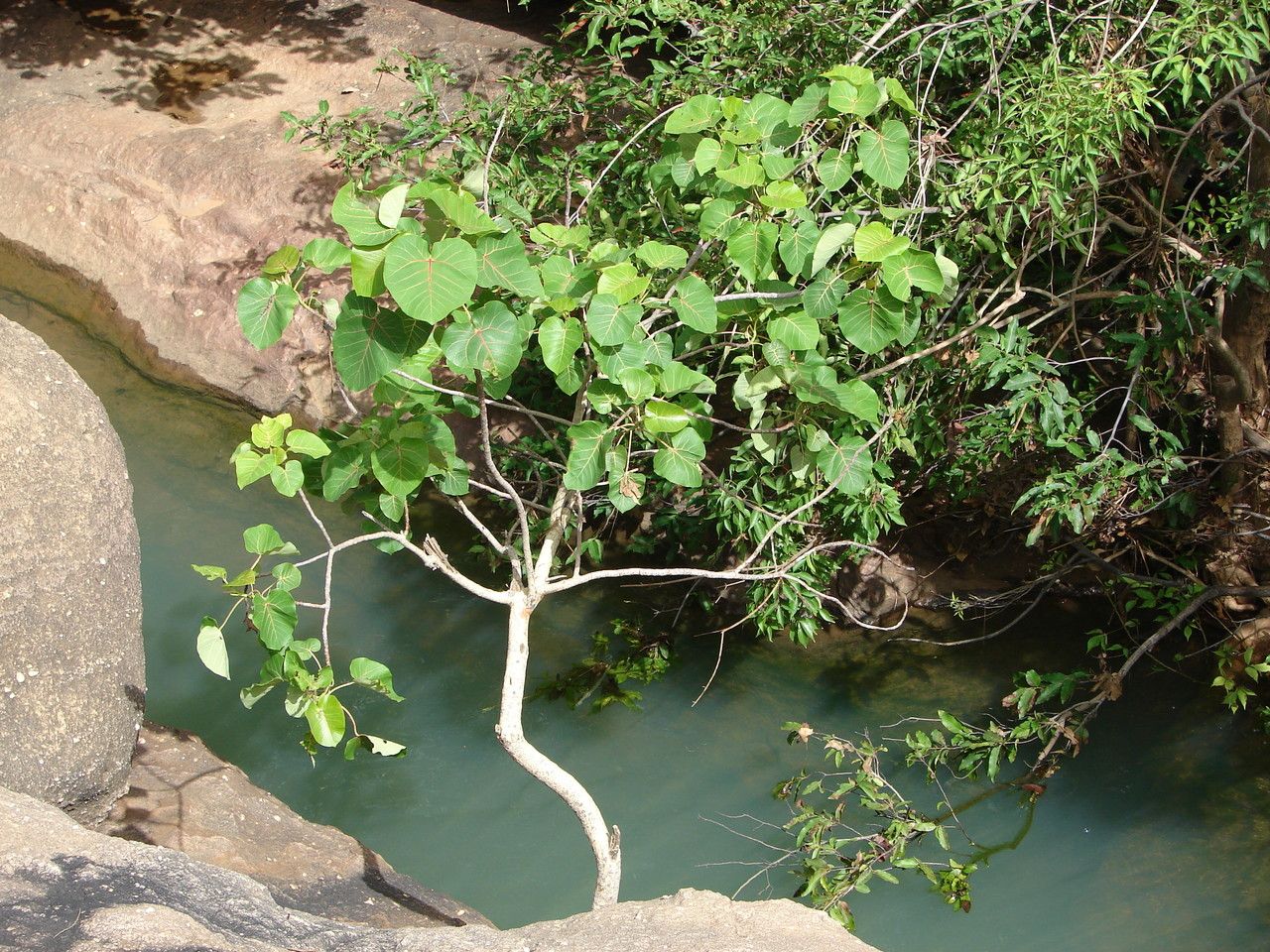
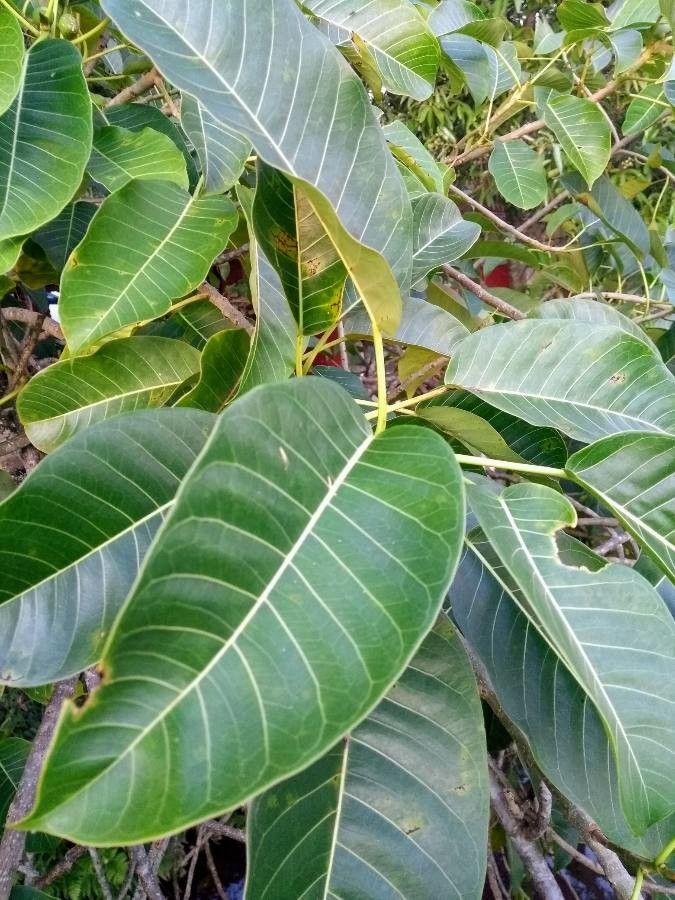
Ficus velutina, commonly known as the velvet-leaved fig, is a species of fig tree native to Southeast Asia. This small to medium-sized tree can grow up to 15 meters tall. The leaves of Ficus velutina are large, glossy, and have a velvet-like texture on the underside, which gives the tree its common name.
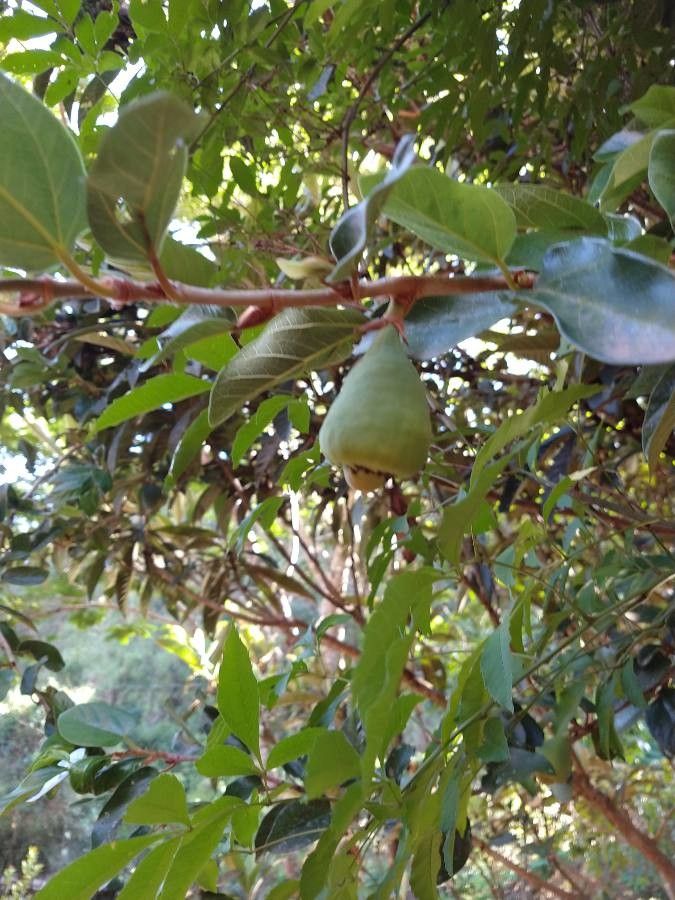
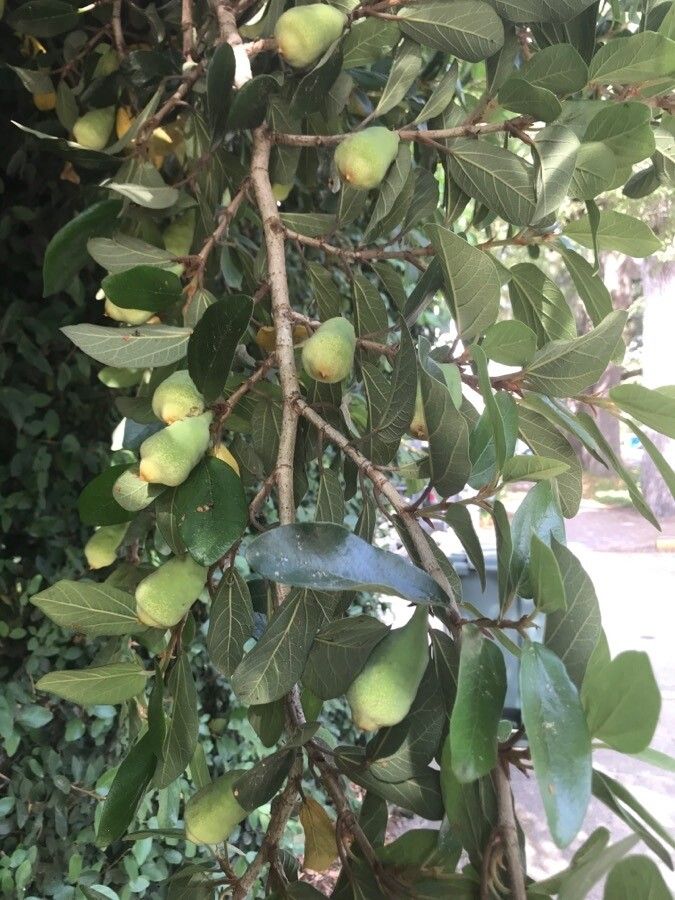
Ficus velutina produces small, greenish-yellow flowers that are pollinated by wasps. These flowers develop into edible fruits about 1 cm in diameter. The fruit has a sweet taste and can be eaten either fresh or dried.
This plant prefers warm temperatures and high humidity levels but can tolerate some drought conditions once established. It grows well in full sun or partial shade and requires well-draining soil.
Ficus velutina has various applications in traditional medicine. Its leaves possess anti-inflammatory properties, and its bark has been used to treat skin diseases such as eczema.
Overall, this plant is an attractive addition to any garden or landscape, thanks to its unique foliage texture and interesting growth habit.
Ficus velutina is quite resistant to disease and usually does not tend to get sick. In terms of care, this plant is fairly low-maintenance. When grown outdoors it needs only minimal watering, and larger specimens typically do not require pruning. Smaller plants, however, should be pruned after they have finished blooming. Ficus velutinat is appropriate for anyone with an outdoor area, such as a garden or a deck, and does not demand much prior care experience.
How to keep Ficus Velutina.
Light
Ficus velutina is native to habitats like forest understories and rocky areas, where it grows under natural shade. It prefers partial sun but can tolerate full sun or full shade, showing its versatile, hardy nature.
Water
Ficus velutina is easy to care for due to its well-developed root system, which requires minimal watering. For potted plants, water them only when the soil surface feels dry. During warm months, water the plant once a week, and reduce watering to every two weeks in winter. Be sure to adjust your watering schedule based on changes in humidity and temperature.
Temperature
Ficus velutina comes from tropical areas where the climate is usually warm and humid. Consequently, it is adapted to high temperatures and humidity. It does not tolerate sudden temperature changes and prefers a steady temperature, so avoiding indoor temperature fluctuations is important. It generally cannot withstand cold and needs higher temperatures to grow. If the ambient temperature falls too low, the plant may stop growing or even die.
Fertilizer
Fertilization is essential for the care of Ficus velutina. Regular feeding during the growing season preserves energy for its showy leaves and supports overall growth. Skipping fertilization can cause unhealthy foliage, reduced ornamental value, and stunted or weak growth that is prone to breaking.
Pruning
Ficus velutina is known for its lush foliage and moderate growth rate. To encourage new growth and maintain its shape, it is best to prune it in early spring. Remove any damaged branches and thin out overcrowded areas to improve air circulation. Regular, careful pruning not only promotes bushiness but also reduces the likelihood of pest infestations. Additionally, using clean tools helps minimize the risk of disease.
Botanical profile.
- Plant Type
- Tree
- Life Cycle
- Perennial
- Genus
- Ficus
- Family
- Moraceae
- Hardiness Zone
- 10-12
- Mature Height
- 10.06 m to 14.94 m
- Mature Spread
- 7.92 m to 11.89 m
- Leaf Color
- Dark Green, Forest Green
- Leaf Type
- Evergreen
- Bloom Time
- All year round
- Planting Time
- Spring, Summer, Autumn
- Harvest Time
- All year round
- Native Area
- Colombia, Mexico, Guatemala, Venezuela, Brazil, Nicaragua, Ecuador, Costa Rica
Other names.