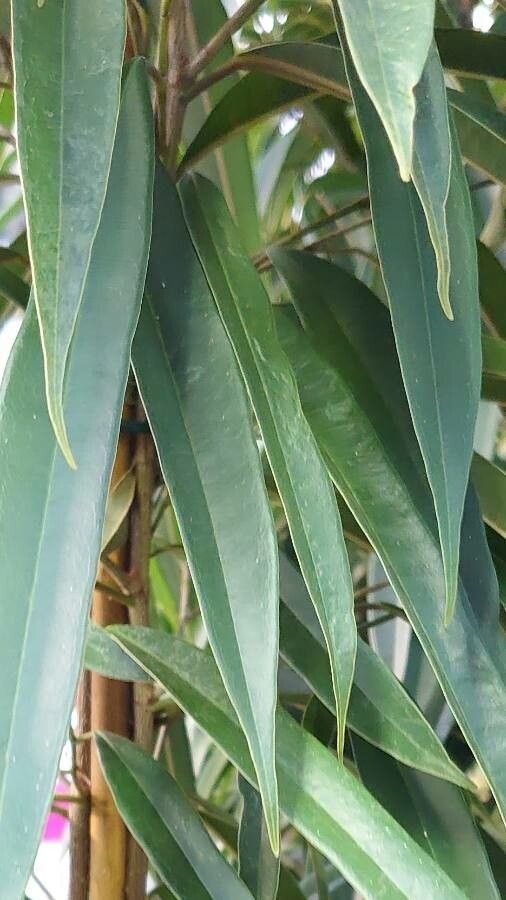
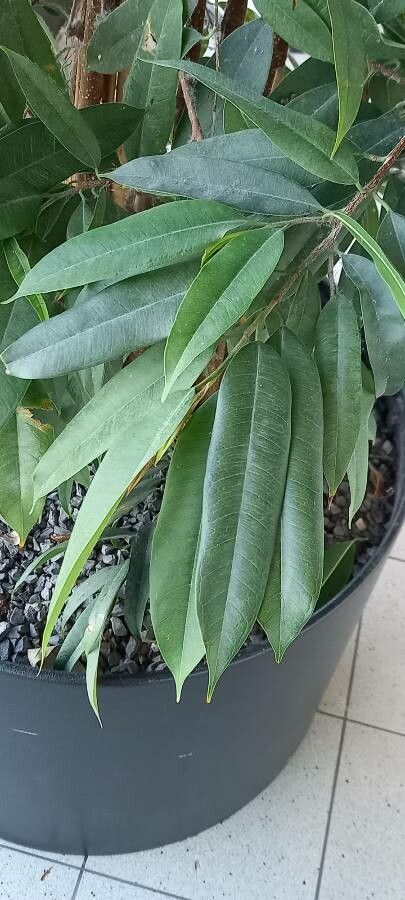
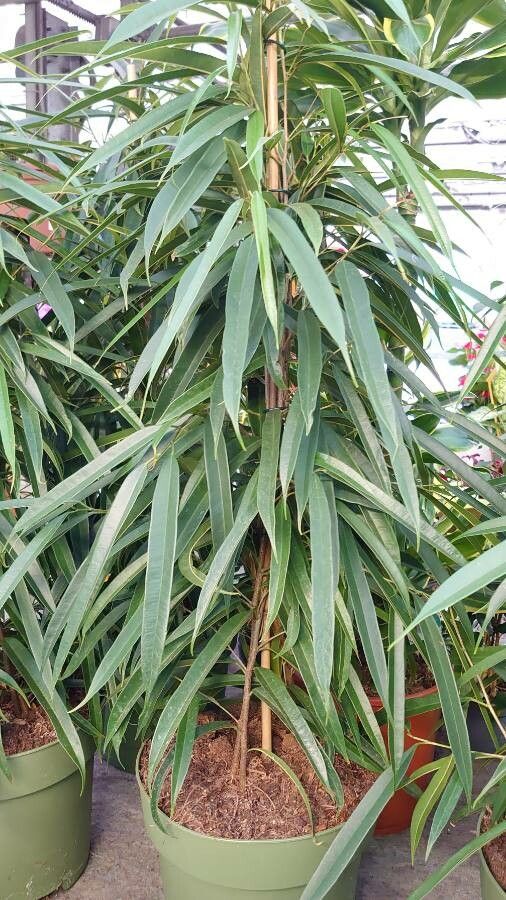
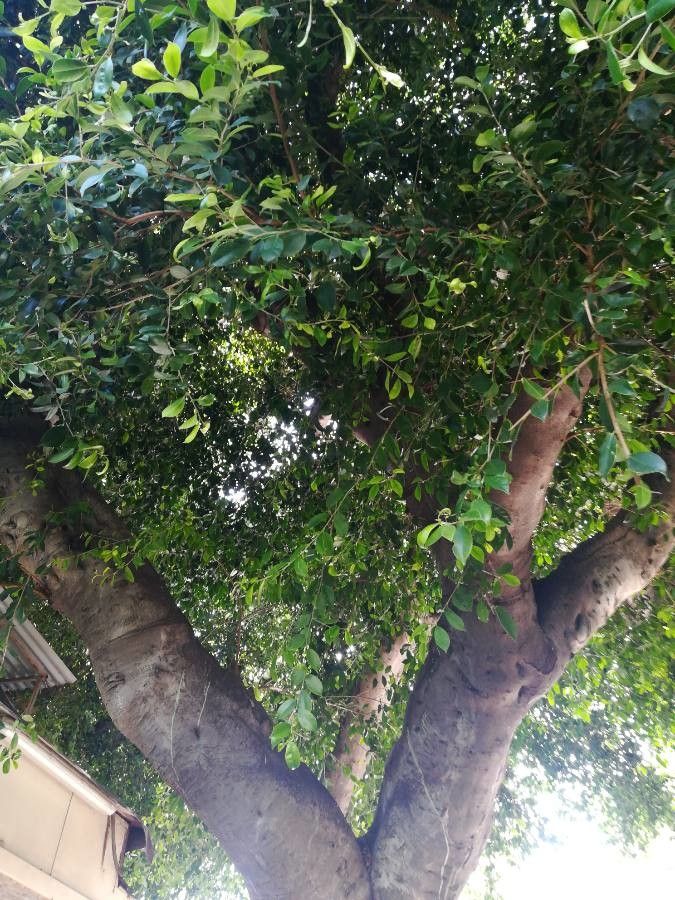
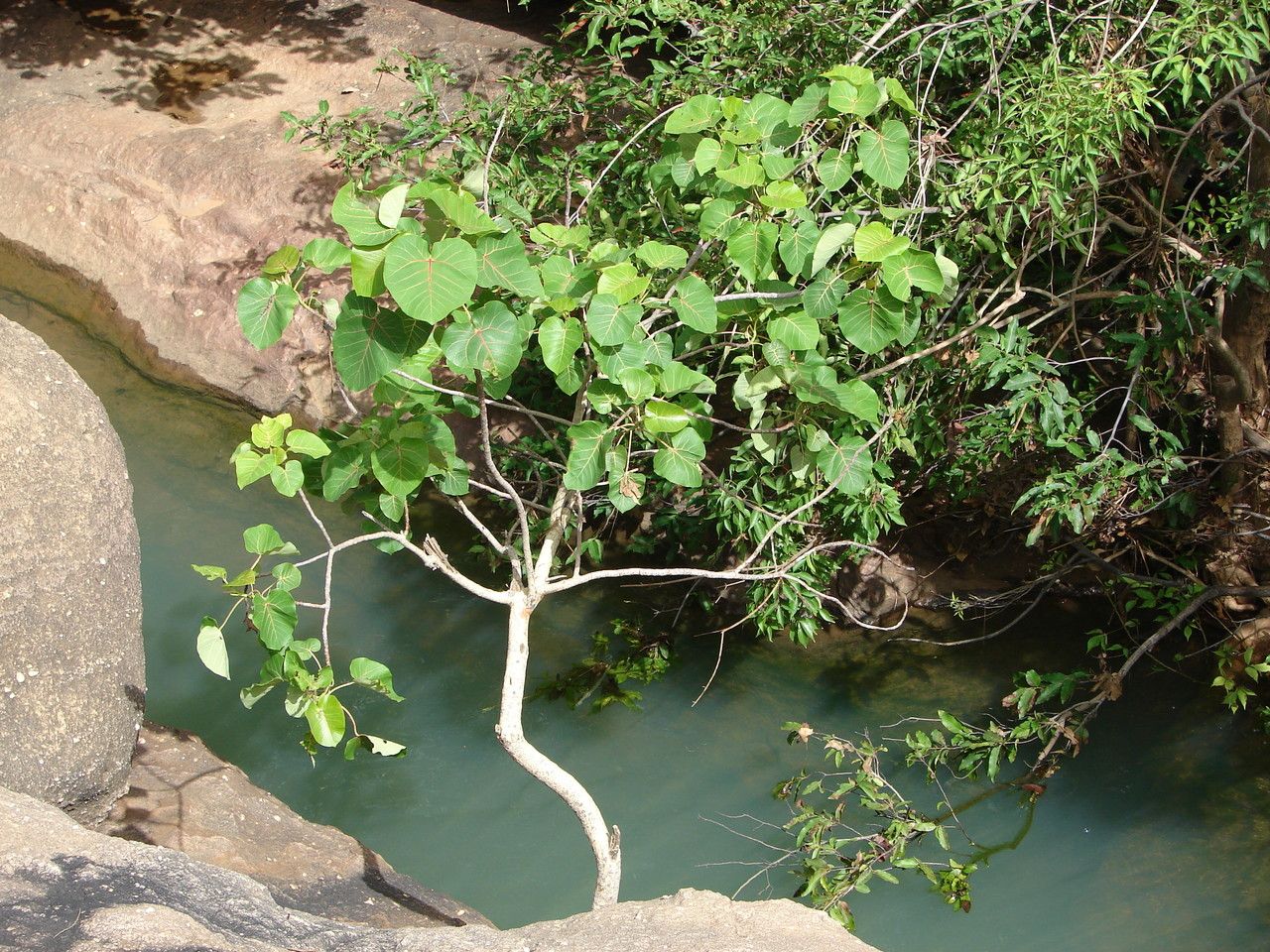
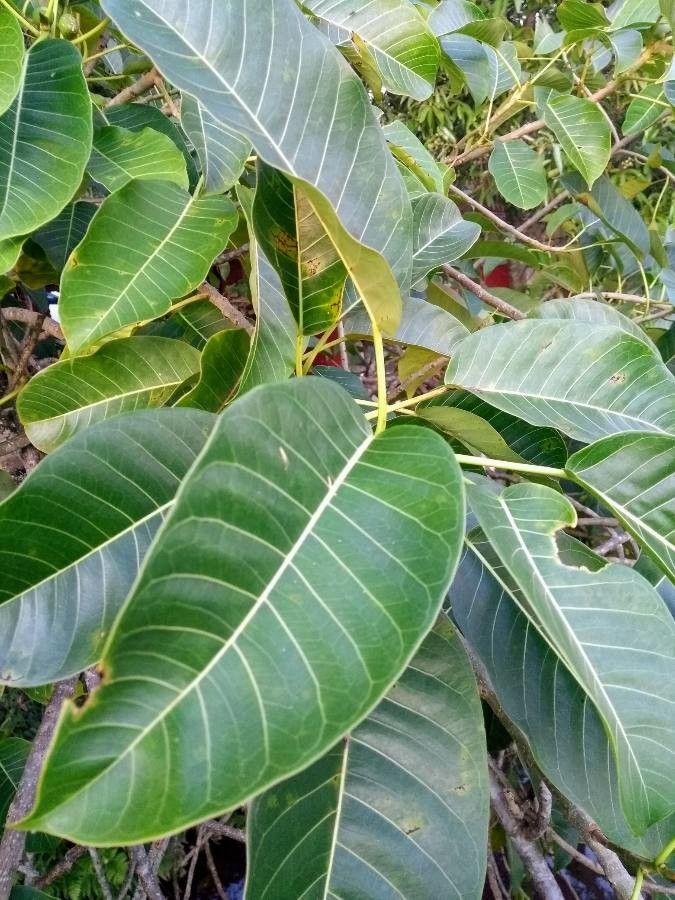
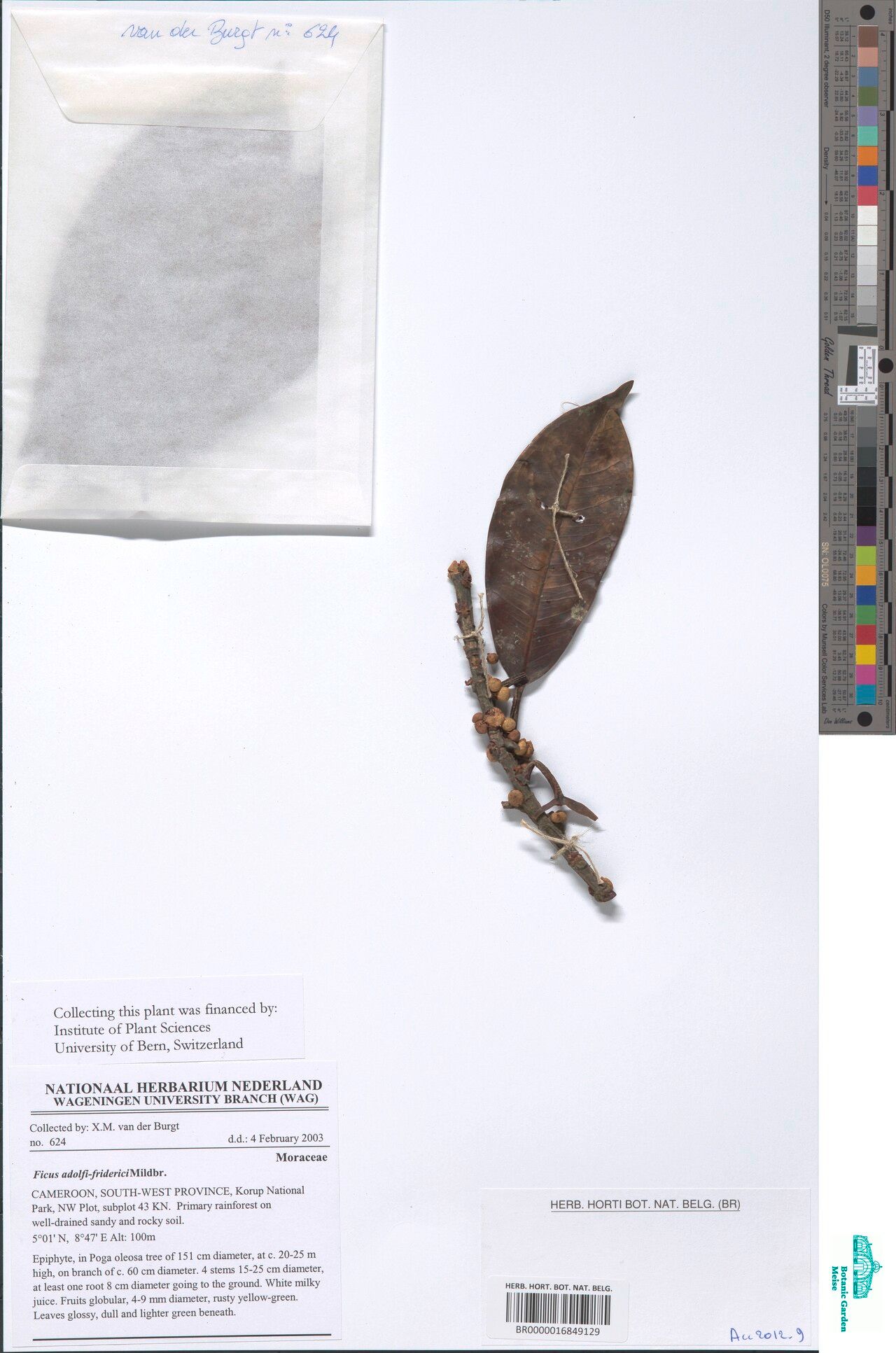
The Alii ficus has strong resistance to disease and is usually not susceptible to illnesses. Regarding care, this plant is relatively low-maintenance. When planted outdoors it needs only minimal watering, and larger specimens generally do not require pruning. Smaller plants, however, should be pruned after they have bloomed. Alii ficust is appropriate for anyone with an outdoor space, like a garden or deck, and does not require much experience to care for.
How to keep Ficus Binnendijkii.
Light
The Alii ficus comes from well-lit areas like sunny fields and edges of woods, where there is plentiful sunlight. It flourishes in full sunlight but can also withstand semi-shaded conditions, proving its adaptability to different levels of sun exposure.
Water
The alii ficus is a low-maintenance plant when it comes to watering. It thrives in well-draining soil. For potted alii ficus, water the plant when the top layer of soil feels dry. This usually means watering once a week during warm months and every two weeks in winter. Be sure to adjust your watering schedule based on temperature changes, and if the air is dry, increase humidity to support the plant’s growth.
Humidity
This plant needs special care because it loves high humidity levels of 60-80% or more. The best way to achieve this is by placing a humidifier near the plant. Daily misting is also essential! Make sure the room has good ventilation.
Temperature
The Alii ficus is native to the tropics, characterized by a consistently warm and moist climate. Consequently, it thrives in conditions with high heat and humidity. It isn't amenable to abrupt changes in temperature and requires a constant thermal environment, indicating the importance of maintaining stable indoor temperatures. The plant typically doesn't fare well under cold conditions and needs warmer climates to grow. If the ambient temperature falls excessively, this may lead to the discontinuation of the plant's growth, or worse, its death.
Fertilizer
The care of Alii ficus heavily relies on fertilization. Consistent nourishment throughout the growth phase aids in maintaining the vigor needed for vibrant leaves and facilitates total growth. Failing to fertilize can lead to unwell leaves, a decrease in ornamental charm, and fragile or suppressed growth susceptible to snapping.
Pruning
The Alii ficus is known for its slender leaves and elegant growth pattern. Pruning in early spring helps create a denser canopy by removing dead branches and shaping the plant's growth. Thinning the foliage improves air circulation and light penetration, which supports the plant's overall health. Regular pruning maintains the beauty of the Alii ficus and prevents it from becoming overgrown.
Pot & Repot
Repot your alii ficus every 2 to 3 years during the spring to encourage optimal growth. Choose a pot that is 2 to 3 inches larger than the current one to allow the roots to expand. After repotting, place the plant in a location with bright, indirect light and slightly increase the amount of water you give it, ensuring the soil remains consistently moist. Maintain a warm environment to help the plant transition successfully.
Botanical profile.
- Plant Type
- Tree
- Life Cycle
- Perennial
- Hardiness Zone
- 10-12
- Mature Height
- 3.05 m to 6.1 m
- Mature Spread
- 0.91 m to 2.13 m
- Leaf Color
- Green
- Leaf Type
- Evergreen
- Flower Color
- Green
- Bloom Time
- All year round
- Planting Time
- Spring, Summer, Autumn
- Harvest Time
- All year round
- Native Area
- Malaysia, Indonesia, Singapore, Brunei, Thailand
Other names.