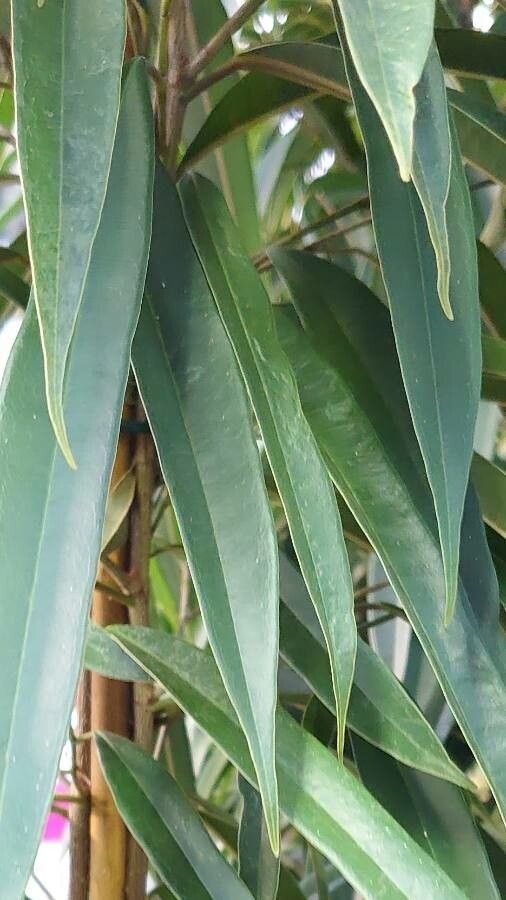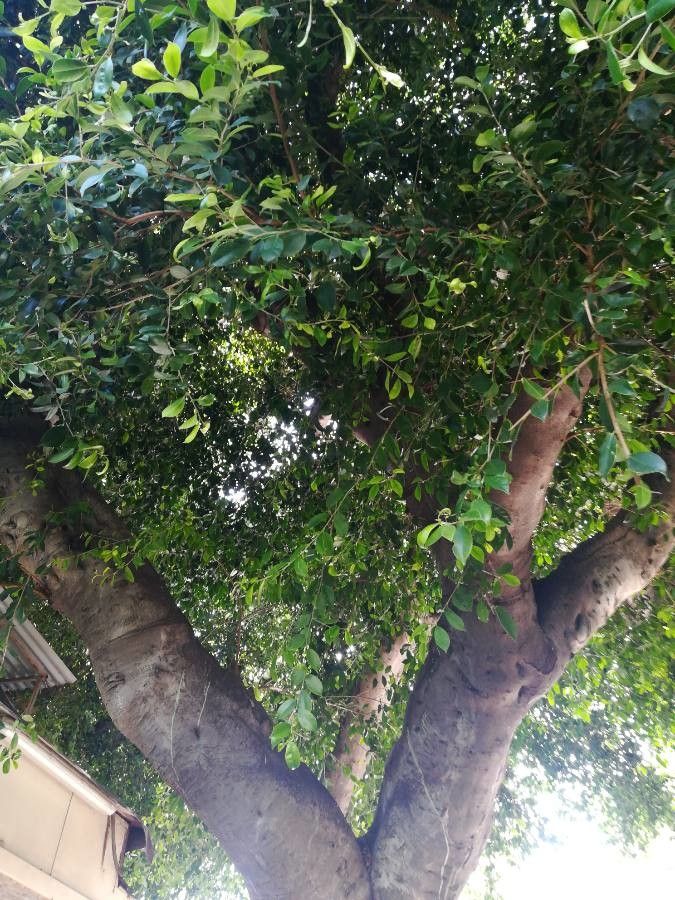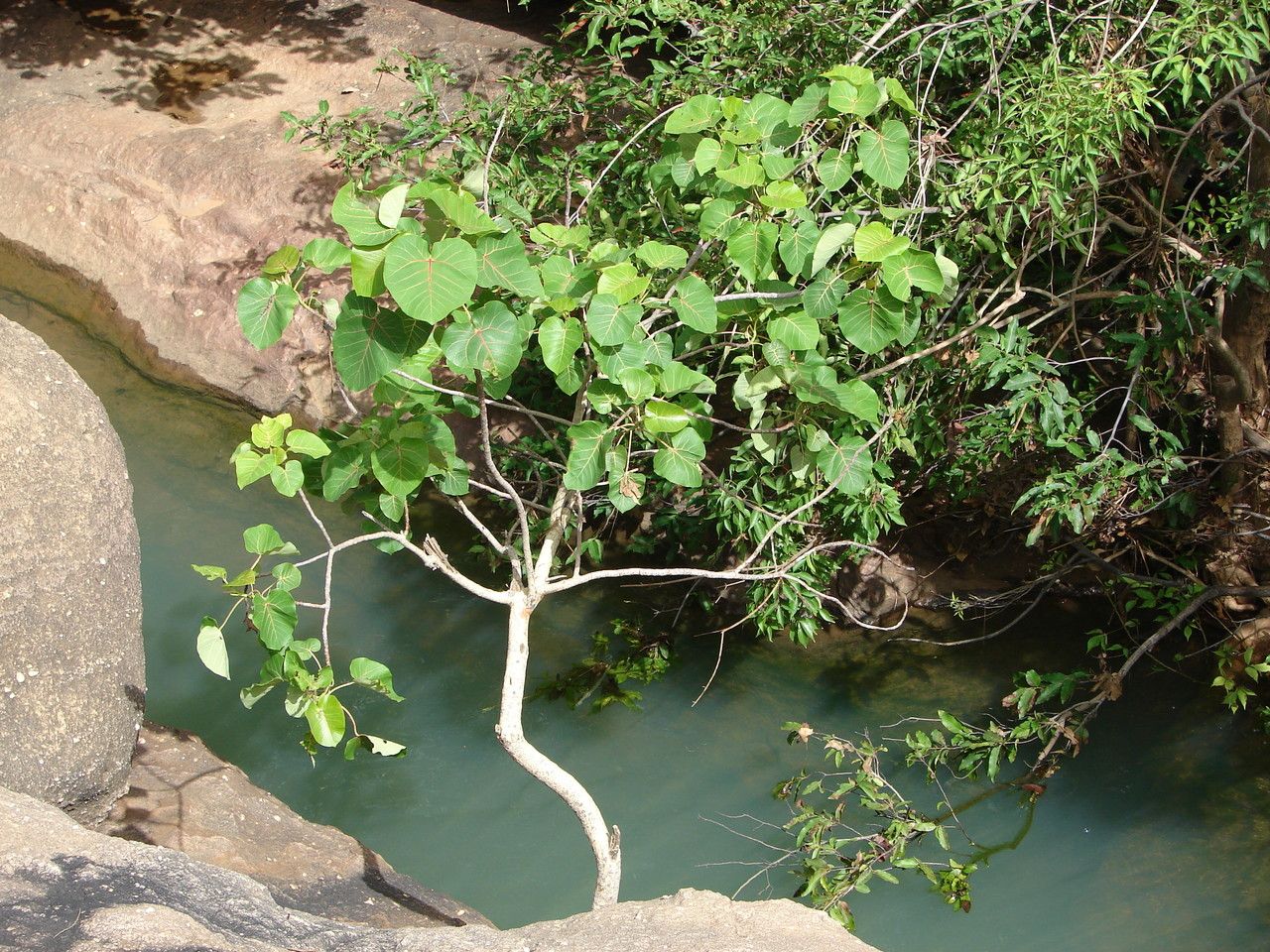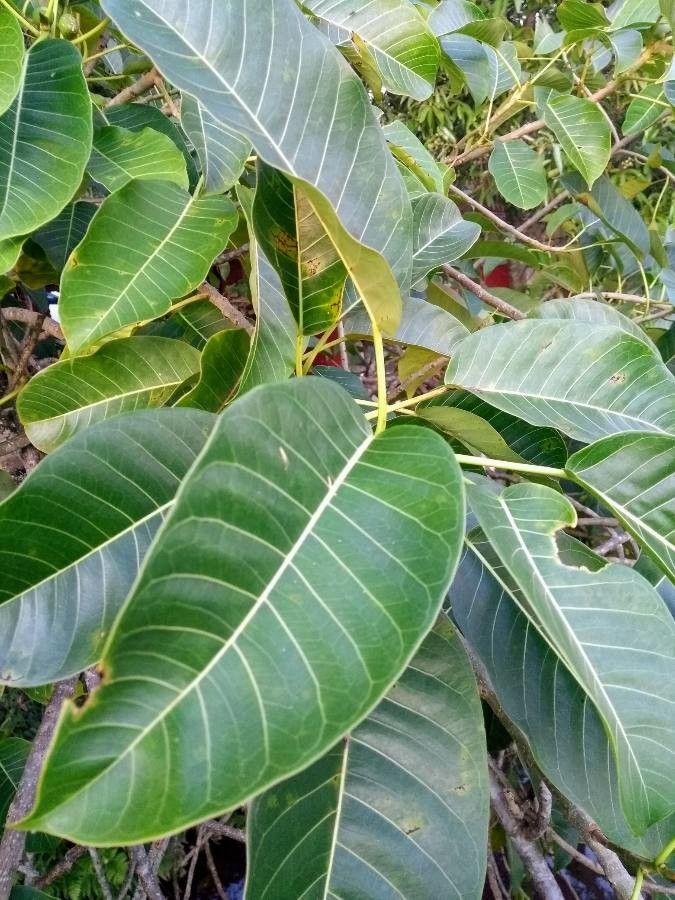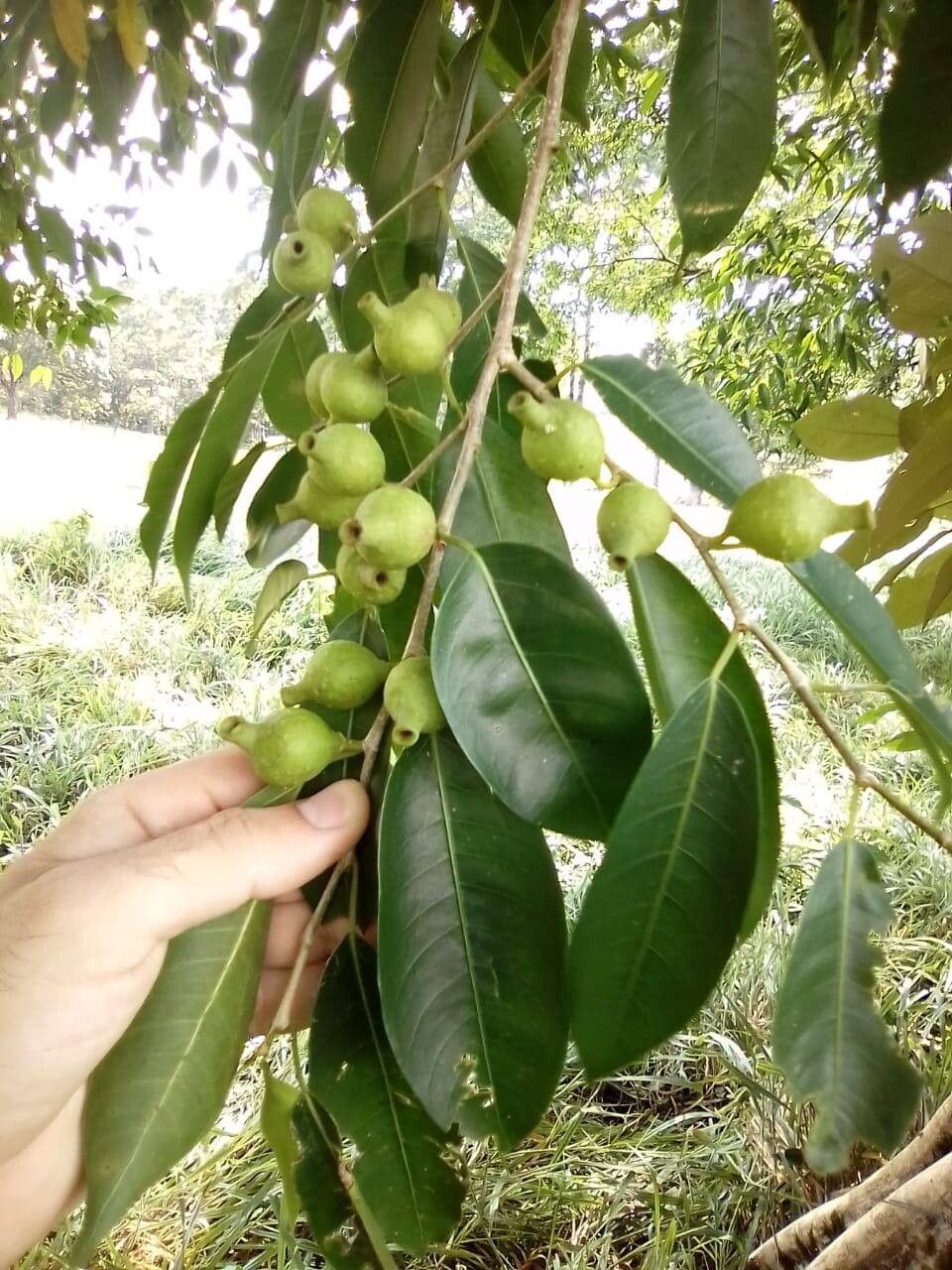
The Sonoran strangler fig is resistant to many diseases and typically not vulnerable to illness. Regarding care, this plant is relatively low-maintenance. When grown outdoors it needs only minimal watering, and larger specimens generally do not require pruning; however, smaller plants should be pruned after they finish blooming. The Sonoran strangler fig is suitable for anyone who has outdoor space, such as a garden or deck, and it does not demand extensive gardening experience.
How to keep Ficus Trachelosyce.
Light
The Sonoran strangler fig is indigenous to spaces like forest understories or rocky regions where it is typically in natural shade. It favors conditions of partial sunlight, but it has the adaptability to tolerate full sunlight or complete shade, showcasing its robust and flexible character.
Temperature
The Sonoran strangler fig is a native of tropical areas, characterized by their hot and moist climate. With its adaptation to hot and high-humidity environments, it doesn't handle abrupt shifts in temperature well and prefers a consistent thermal ambiance. Therefore, it is crucial to maintain a steady temperature when cultivating it indoors. It generally does not thrive in chilly conditions and necessitates warmer temperatures for its growth. If the ambient temperature becomes too cold, there's a risk the plant might halt growing or potentially perish.
Fertilizer
Feeding the Sonoran strangler fig regularly during its growing phase plays a critical role in its maintenance. Consistent fertilization contributes to the vibrancy of its leaves and facilitates its overall development. If fertilizing is overlooked, it could lead to unwell leaves, reduced aesthetic value, and restricted or fragile growth susceptible to snapping.
Botanical profile.
- Plant Type
- Tree
- Life Cycle
- Perennial
- Genus
- Ficus
- Family
- Moraceae
- Hardiness Zone
- 10-12
- Mature Height
- 14.94 m to 29.87 m
- Mature Spread
- 10.06 m to 20.12 m
- Leaf Color
- Dark Green, Forest Green
- Leaf Type
- Evergreen
- Bloom Time
- All year round
- Planting Time
- Spring, Summer, Autumn
- Harvest Time
- All year round
- Native Area
- Belize, Honduras, Mexico, Guatemala, Peru, Panama, Jamaica, Colombia, Bolivia, Venezuela, Guyana, El Salvador, Nicaragua, Brazil, Ecuador, Costa Rica