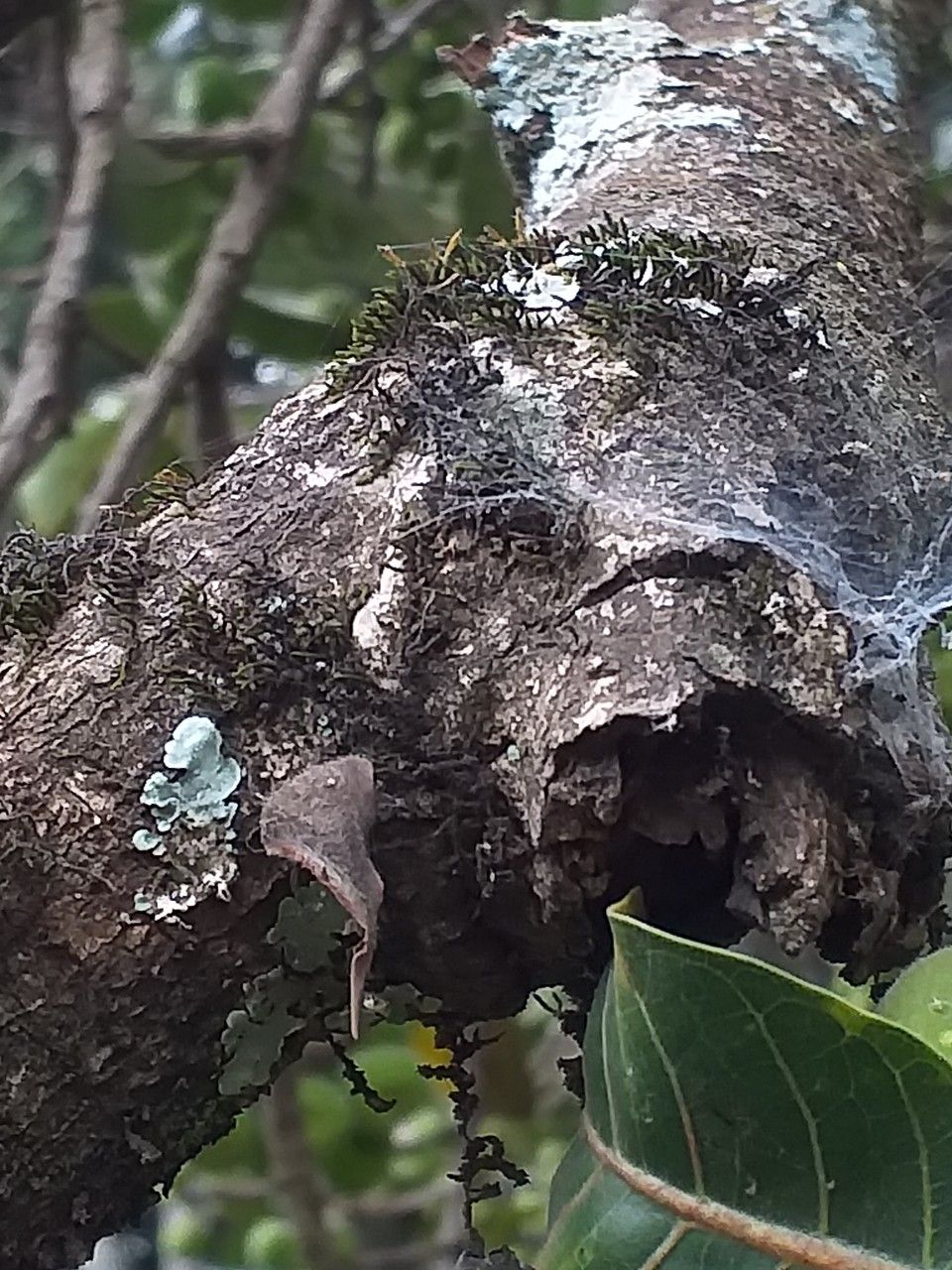
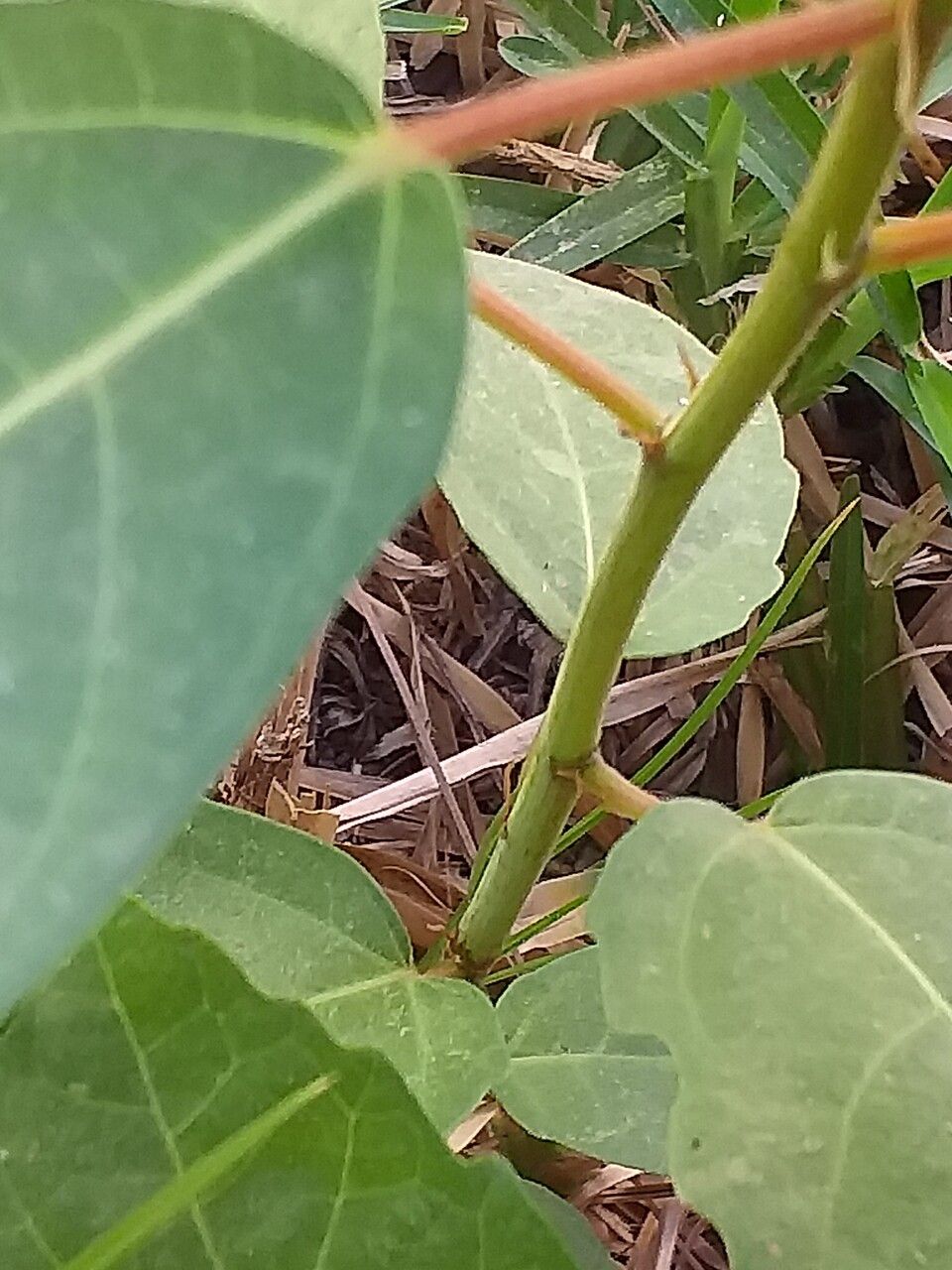
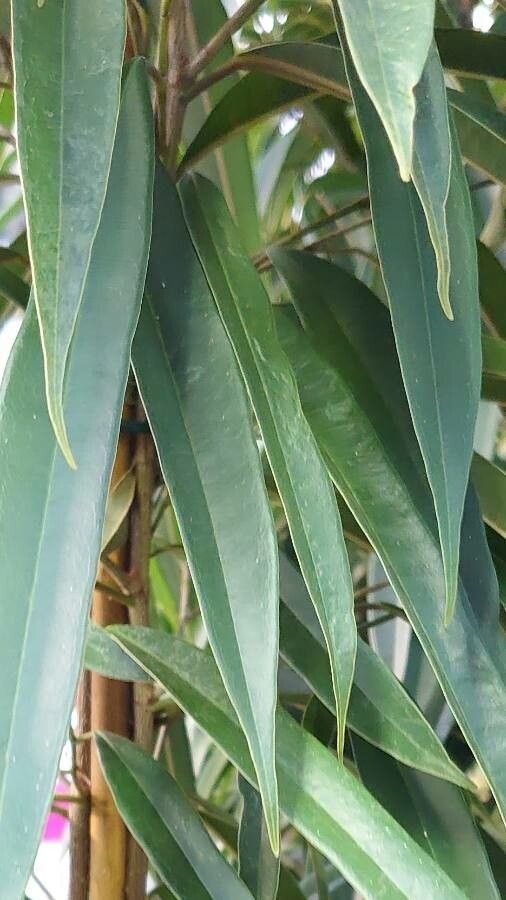
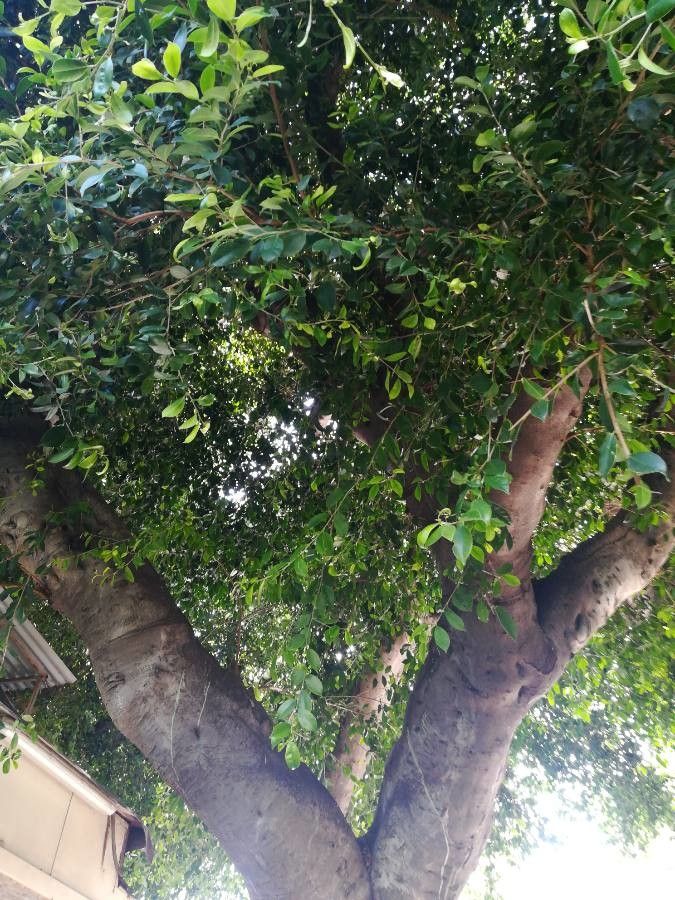
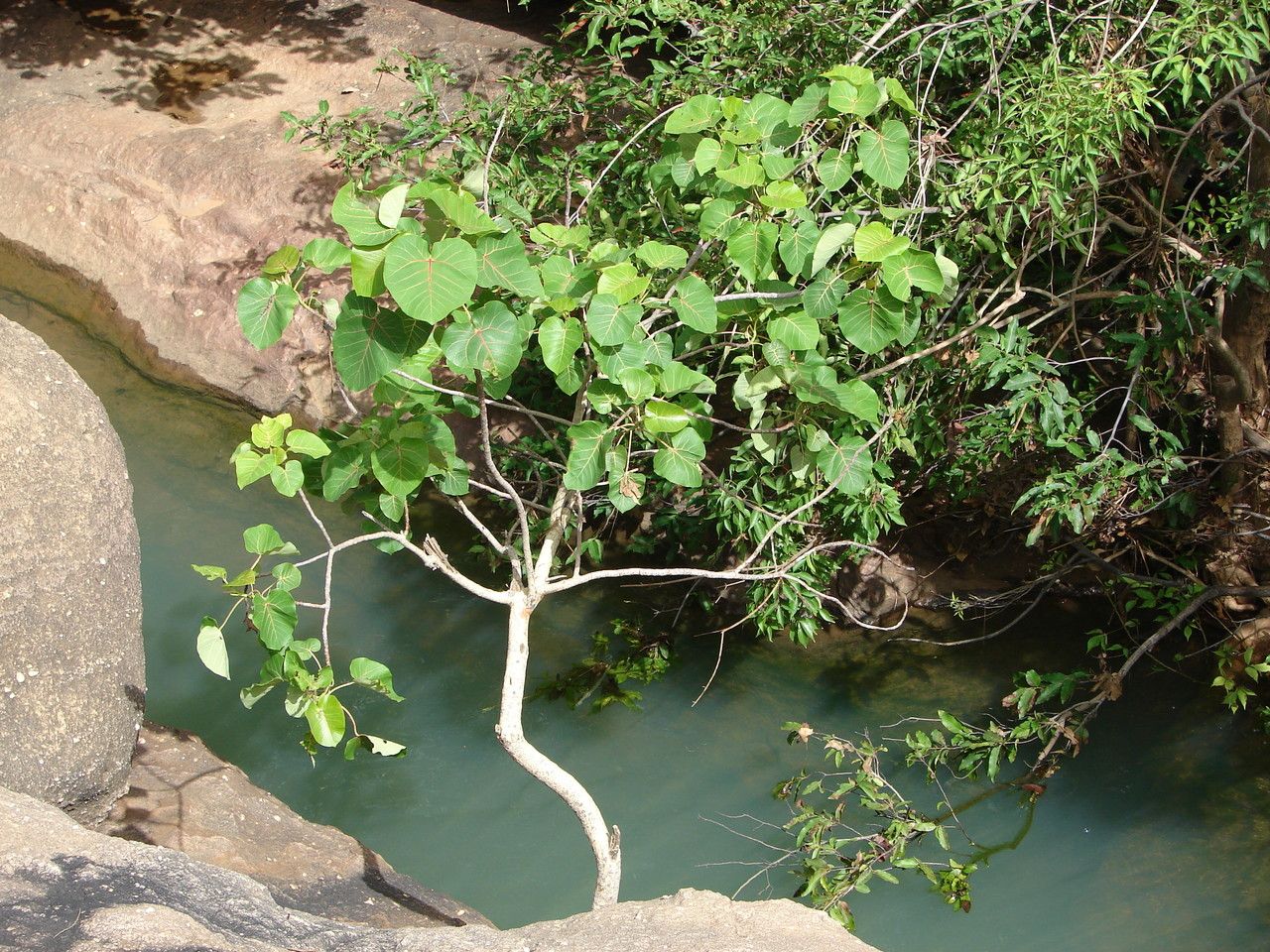
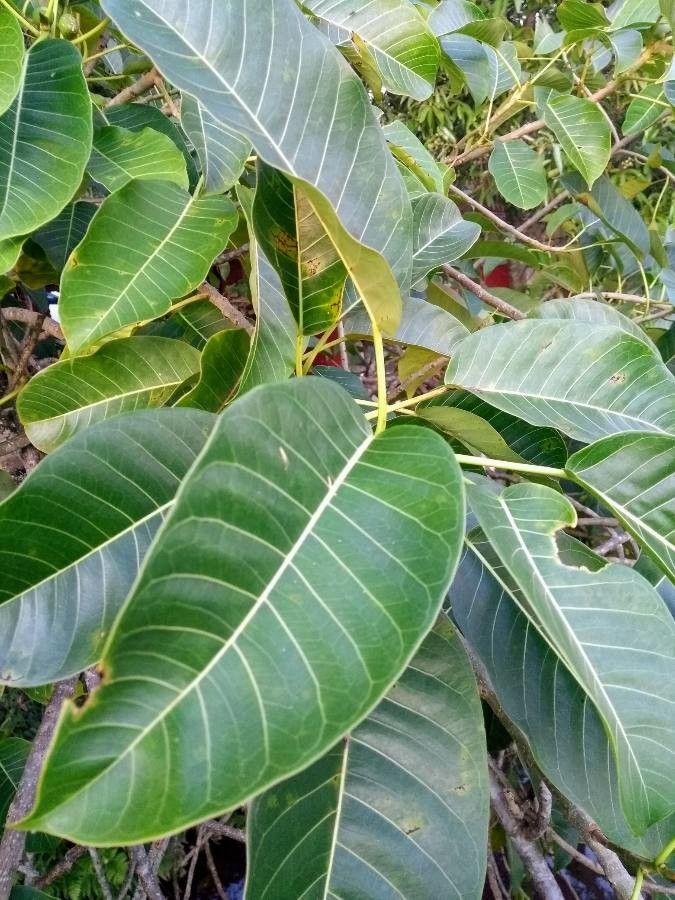
Ficus sur, commonly known as the Banyan fig, is a species of fig tree native to Southeast Asia and the Indian subcontinent. This large and impressive tree can grow up to 30 meters tall, with a wide canopy that can spread up to 100 meters. The Banyan fig exhibits a unique growth habit, starting as an epiphyte on another tree or structure. Over time, it sends down aerial roots that develop into thick trunks, supporting the weight of the expansive canopy.
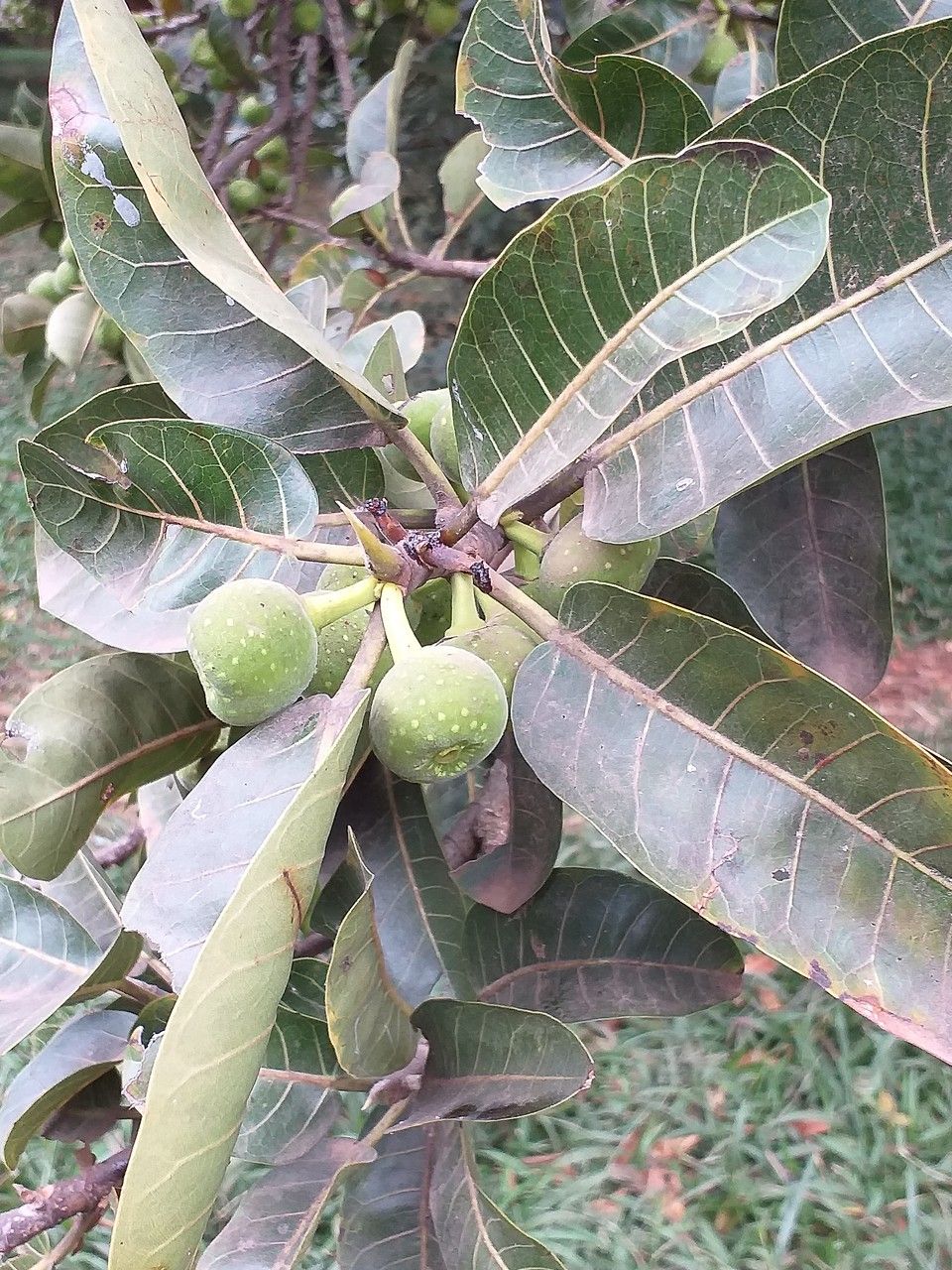
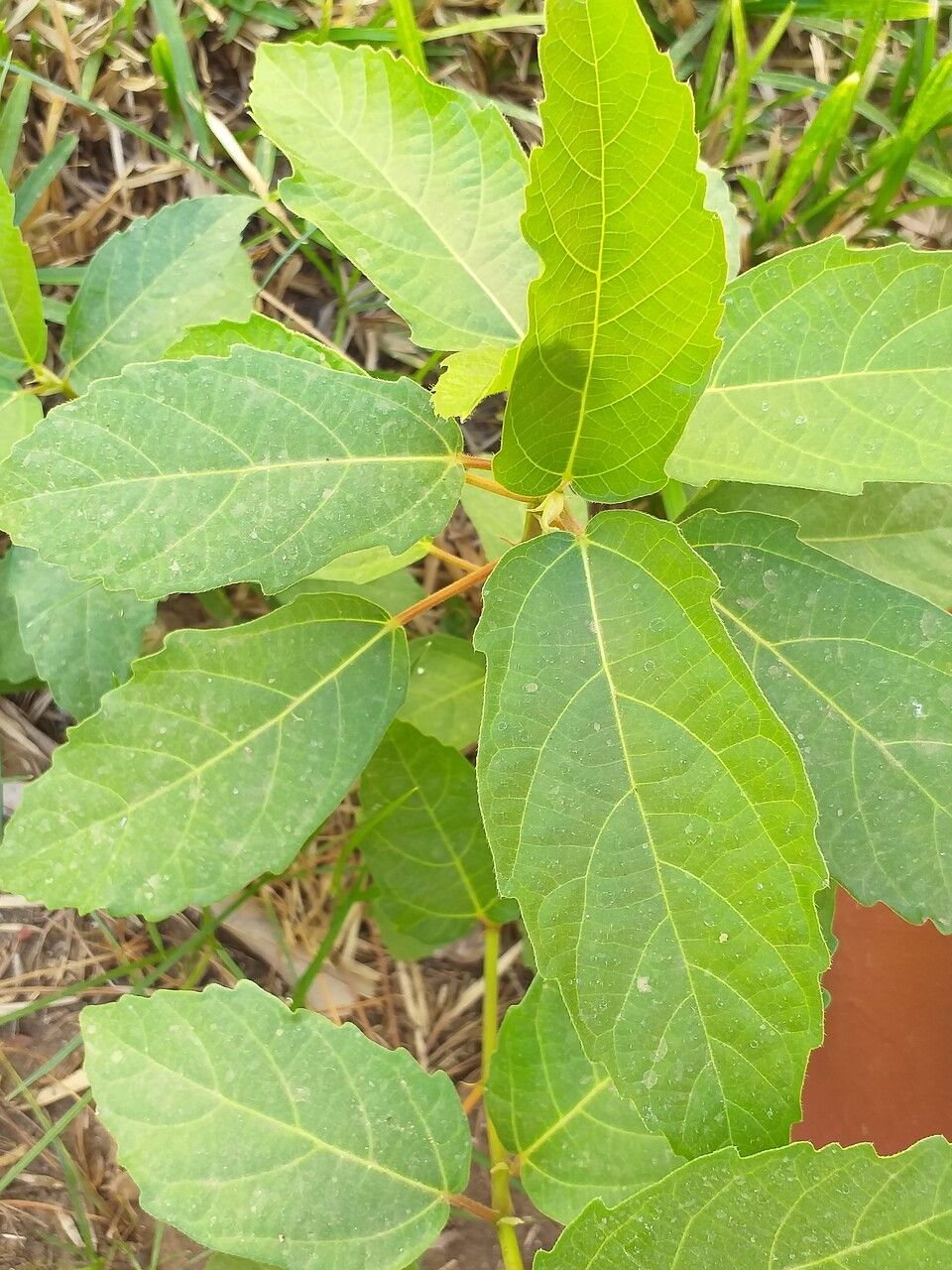
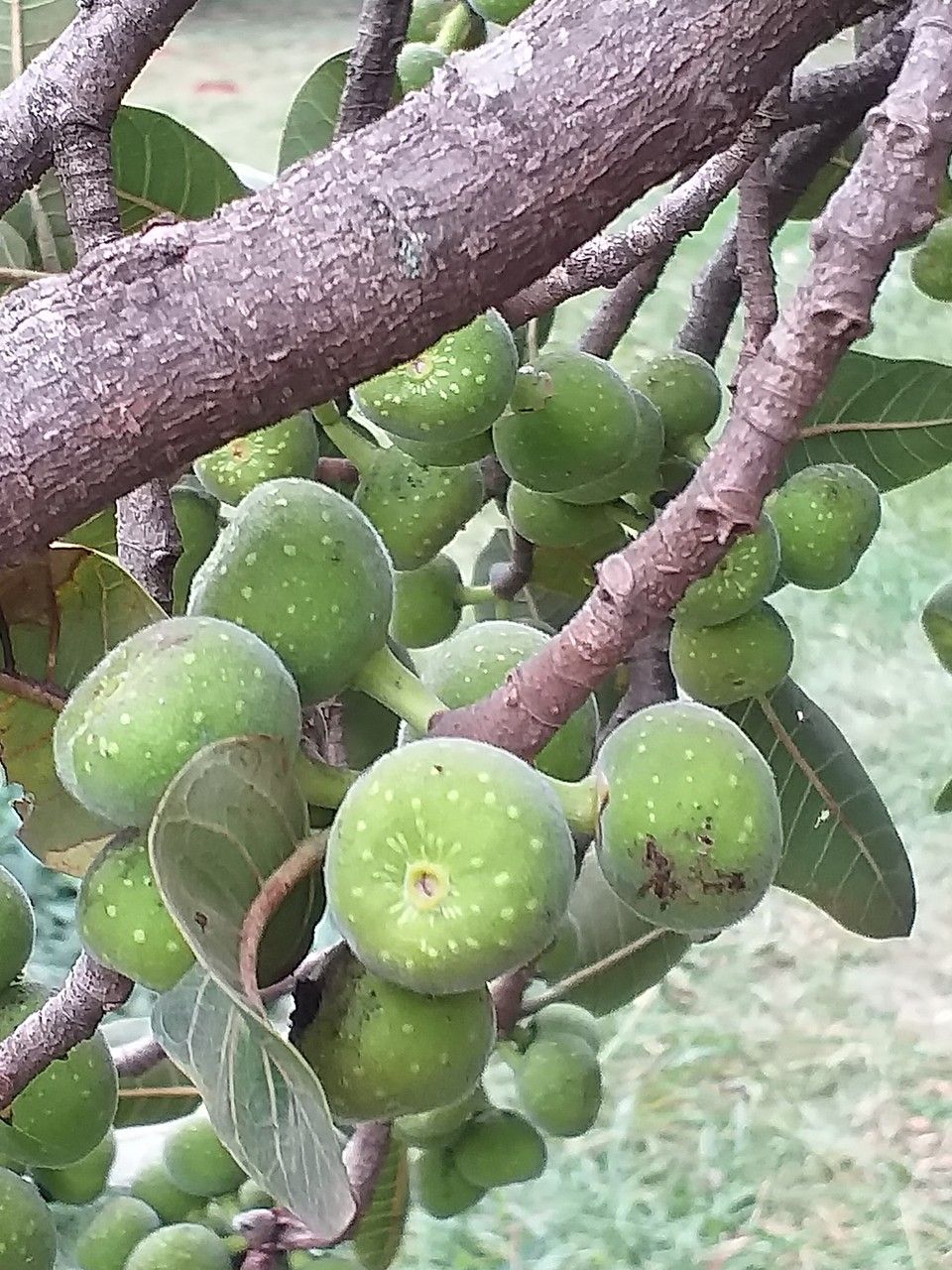
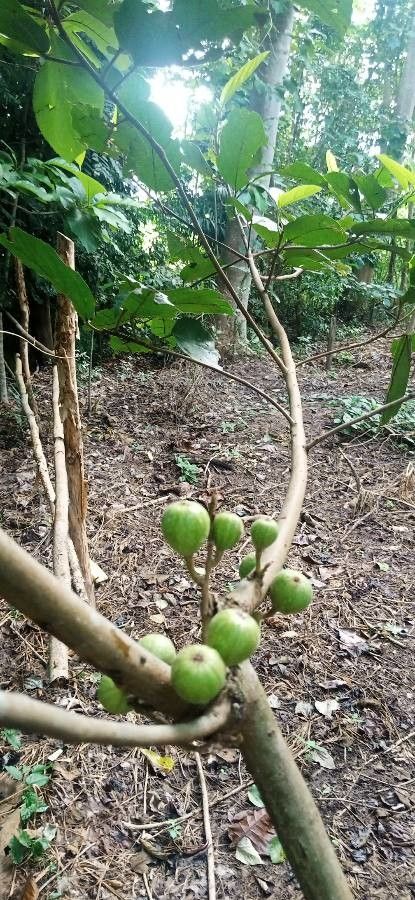
The leaves of Ficus sur are large, glossy green, and oval-shaped with pointed tips. The tree produces small green figs that ripen to a purple or black color when mature.
For centuries, Ficus sur has been used in traditional medicine for its various health benefits, such as treating respiratory problems, digestive issues, and skin conditions. It also holds cultural significance in many parts of Southeast Asia, where it is considered sacred by some religions.
Beyond its medicinal properties, Ficus sur plays a crucial ecological role by providing habitat for various animals, such as birds and insects. Its aerial roots offer shelter for small animals, while its fruit serves as a vital food source for many species.
Overall, Ficus sur is a fascinating plant with unique growth habits that make it both aesthetically pleasing and ecologically significant in its native range.
Bush fig is resistant to disease and typically not susceptible to illnesses. As for care, this plant is fairly low-maintenance. When grown outdoors it needs little watering, and larger specimens usually do not require pruning. Smaller plants, however, should be trimmed after they have finished blooming. Bush fig is appropriate for anyone who has an outdoor area, like a garden or a deck, and it does not demand extensive gardening experience.
How to keep Ficus Sur.
Light
The bush fig comes from open habitats, like sunny meadows and forest margins, where there is abundant light. It performs best in full sun but can also tolerate partial sun, adapting well to a range of light conditions.
Water
The bush fig, native to humid regions, thrives with consistent moisture and has a moderate tolerance for drought. For optimal health, it is recommended to water it weekly. Although it is primarily grown indoors, placing it in areas with high ambient humidity can help mimic its natural environment.
Temperature
Bush fig comes from tropical areas where the climate is usually warm and humid. Consequently, it is adapted to high heat and moisture. It does not tolerate abrupt temperature changes and prefers a steady thermal environment, so avoid indoor temperature swings. It typically cannot withstand cold and needs warmer conditions to grow; if temperatures fall too low, the plant may stop growing or even die.
Fertilizer
Fertilizing is essential for caring for a Bush fig. Regular feeding during the growing season preserves the energy required for its showy foliage and supports overall growth. Failing to fertilize can cause unhealthy leaves, reduced ornamental appeal, and stunted or weak growth that is more susceptible to breaking.
Pruning
The bush fig is a hardy plant characterized by its broad leaves. To maintain its health and appearance, it's beneficial to prune the plant. This involves removing dead branches, thinning the plant to improve airflow, and shaping it for aesthetic purposes. Pruning is best done from early to late winter. This practice not only enhances the plant's structural integrity but also encourages vigorous growth of leaves and fruit in the following seasons.
Botanical profile.
- Plant Type
- Tree
- Life Cycle
- Perennial
- Genus
- Ficus
- Family
- Moraceae
- Hardiness Zone
- 10-11
- Mature Height
- 4.88 m to 39.93 m
- Mature Spread
- 10.36 m to 17.98 m
- Leaf Color
- Green
- Leaf Type
- Evergreen
- Bloom Time
- All year round
- Planting Time
- Spring, Summer, Autumn
- Harvest Time
- All year round
- Native Area
- Burkina Faso, Angola, Eritrea, Nigeria, Yemen, Guinea-Bissau, Niger, Kenya, Uganda, Tanzania, Mali, Zimbabwe, Benin, Sierra Leone, Cameroon, Liberia, Mozambique, Burundi, Ghana, Ethiopia, Congo, Central African Republic, Malawi, South Africa, Zambia, Sudan, Guinea, Chad, Senegal, Eswatini, Côte d'Ivoire, Gambia, Congo (DRC), Gabon
Other names.
Reader questions.
What are the sunlight requirements for a Bush fig plant?
The Bush fig, or Ficus sur, thrives under various sunlight conditions. It requires 'full sun' exposure which consists of above 6 hours of sunlight daily for optimal growth. Additionally, it can tolerate 'partial sun' conditions, meaning it can also grow well with about 3-6 hours of sunlight each day. It's essential to observe the sunlight patterns in your garden to identify spots that offer a good balance of light and shade, ensuring your Bush fig plant's health and happiness.
What is the common name of Ficus sur?
The common name of Ficus sur is Bush fig.
What can you tell me about the botanic name of Bush fig?
The botanic name of Bush fig is Ficus sur.