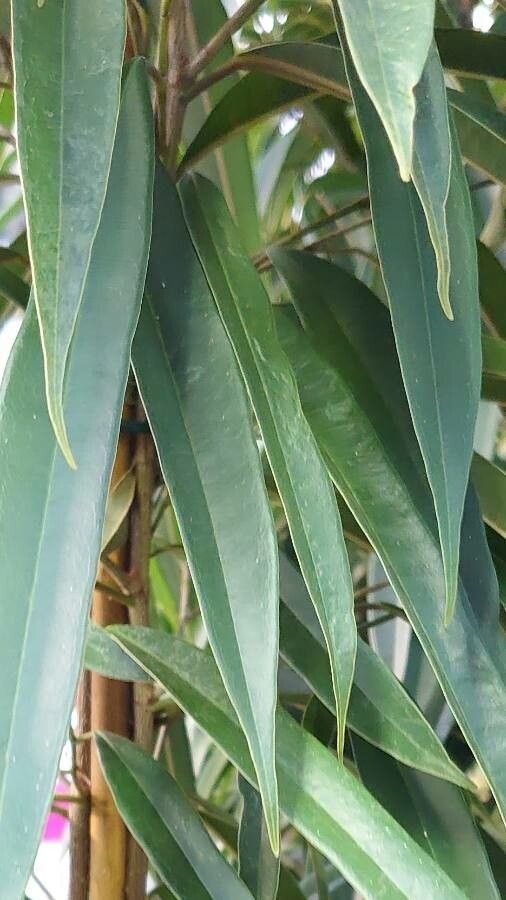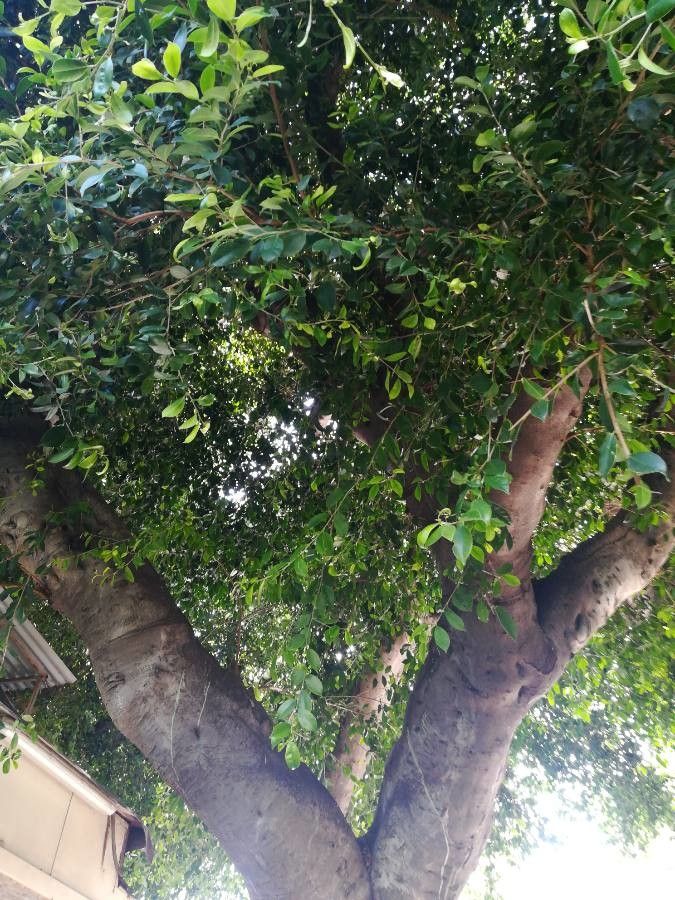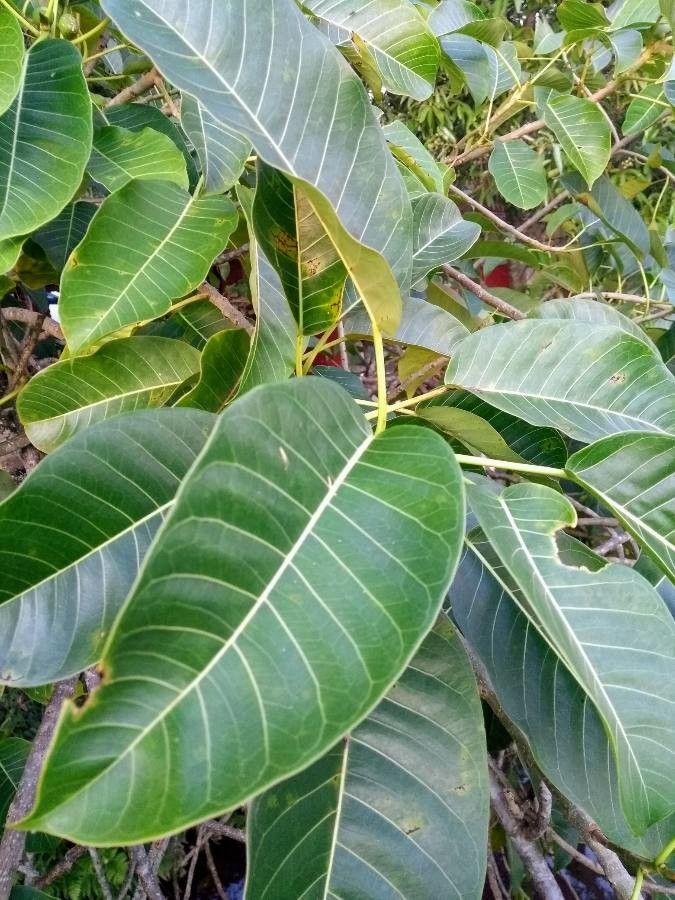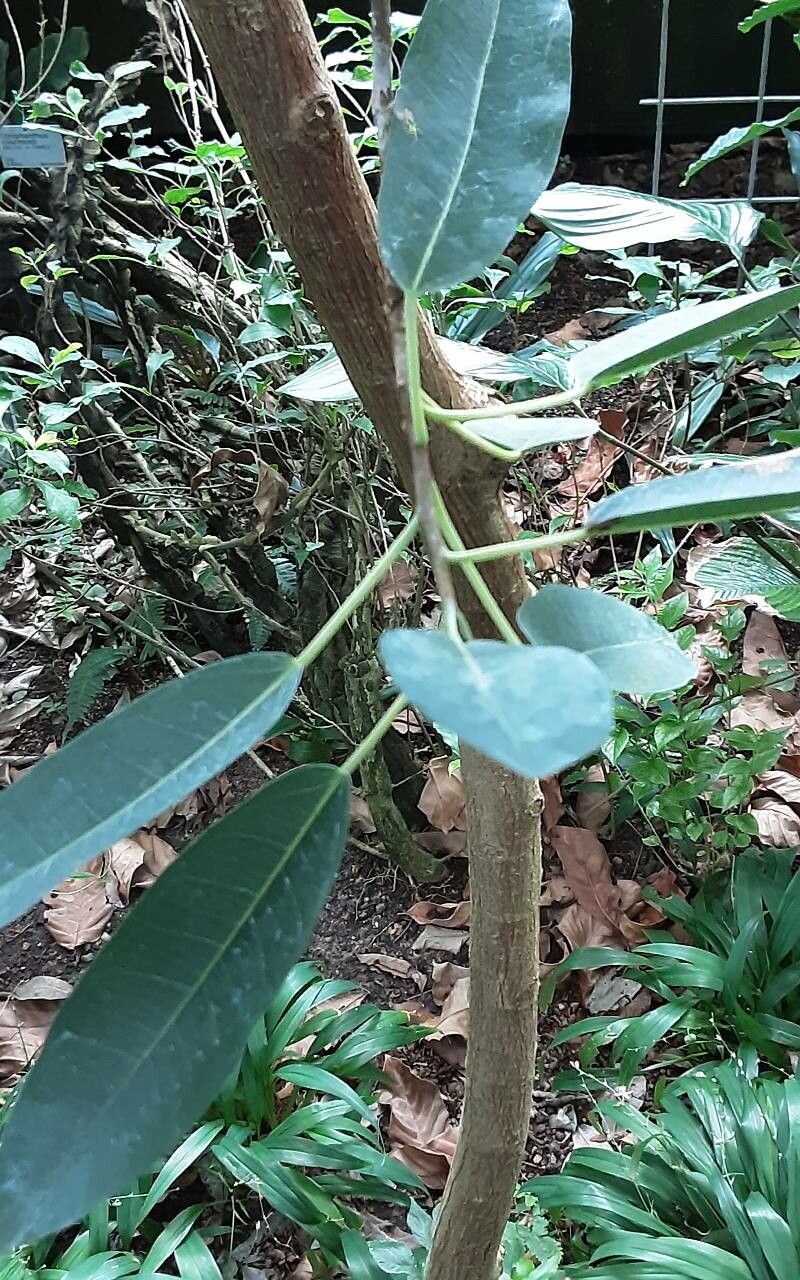
Ficus subulata is disease-resistant and generally not susceptible to illnesses. In terms of care, the plant is fairly low-maintenance. When grown outdoors it needs only light watering, and larger specimens typically do not require pruning. Smaller plants, however, should be pruned after they have finished blooming. Ficus subulatat is well suited to anyone with an outdoor area, such as a garden or deck, and does not demand extensive care experience.
How to keep Ficus Subulata.
Light
Ficus subulata thrives naturally in environments like forest understories or rocky regions where it is typically shaded. It favors settings with partial sunlight, however, it can acclimate to both complete sunshine and full shade, highlighting its robust and adaptable characteristics.
Water
Ficus subulata has strong roots and requires minimal watering, usually only during periods of drought. If you have a potted Ficus subulata, water it weekly during the spring, summer, and fall. In the winter, reduce the watering frequency to every two weeks. Adjust the watering schedule based on temperature and humidity levels, taking care not to overwater, as this can lead to root rot.
Temperature
Ficus subulata is native to tropical areas, characterized by generally hot and moist conditions. Consequently, it has adapted to thrive in high heat and humidity. It does not favor abrupt variations in temperature and needs a consistent climate, emphasizing the need to prevent indoor temperature swings. Typically, it struggles with low temperatures and needs warmer climates to grow. When subjected to overly cold conditions, the plant might stop growing or even perish.
Fertilizer
The care of Ficus subulata significantly relies on fertilization. Constant feeding throughout the growth period aids in maintaining energy for flamboyant leaves and bolsters total growth. If fertilization is ignored, the leaves could become unhealthy, the decorative allure might decrease, and the growth may become restrained or fragile, making it susceptible to snapping.
Pruning
Proper and timely pruning of Ficus subulata is crucial to prevent the main branches from dominating growth. This practice encourages the axillary buds to sprout and develop side branches. To achieve an optimal shape, pinch the terminal buds when the plant reaches 60 cm (24 inches) in height and again at 80 cm (31 inches). Regular pruning improves air circulation and promotes healthier leaf growth. Be sure to wear gloves while pruning, as the plant’s milky sap can be irritating to the skin.
Botanical profile.
- Plant Type
- Tree
- Life Cycle
- Perennial
- Genus
- Ficus
- Family
- Moraceae
- Hardiness Zone
- 10-12
- Mature Height
- 30 cm to 61 cm
- Mature Spread
- 30 cm to 49 cm
- Leaf Color
- Dark Green
- Leaf Type
- Evergreen
- Bloom Time
- All year round
- Planting Time
- Spring, Summer, Autumn
- Harvest Time
- All year round
- Native Area
- Nepal, India, Malaysia, Indonesia, Vietnam, Myanmar, Philippines, Bhutan, Bangladesh, Thailand, China