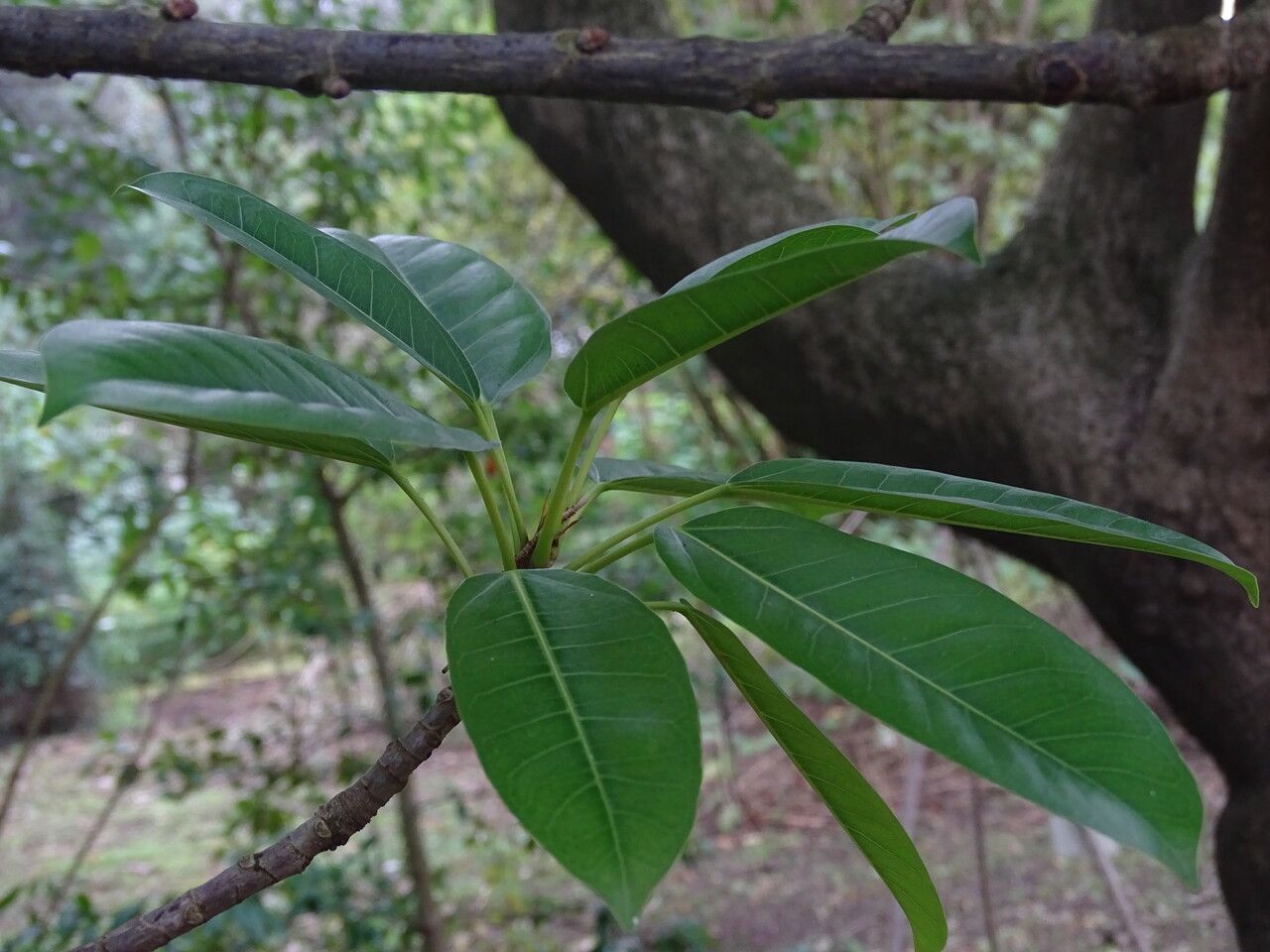
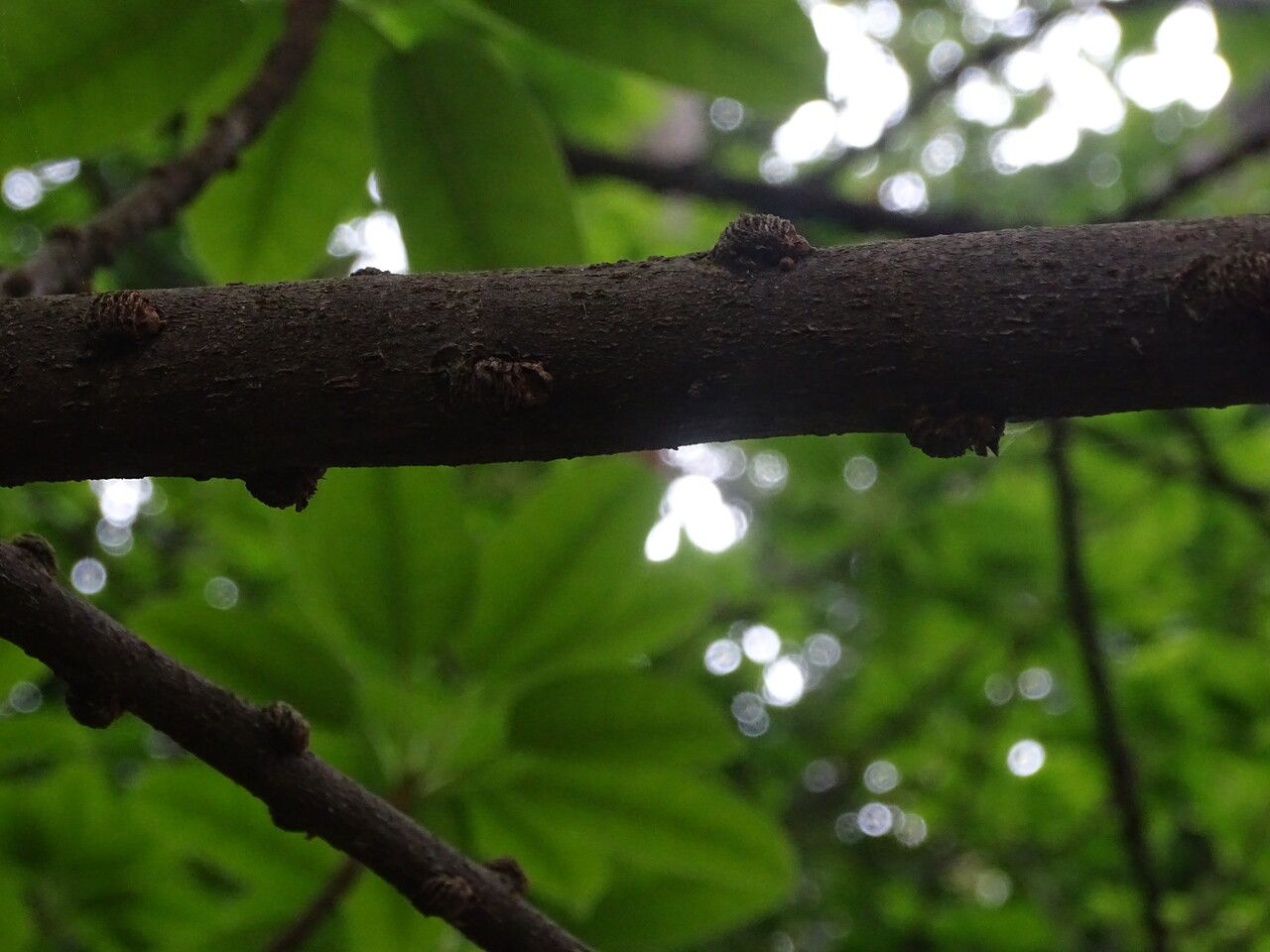
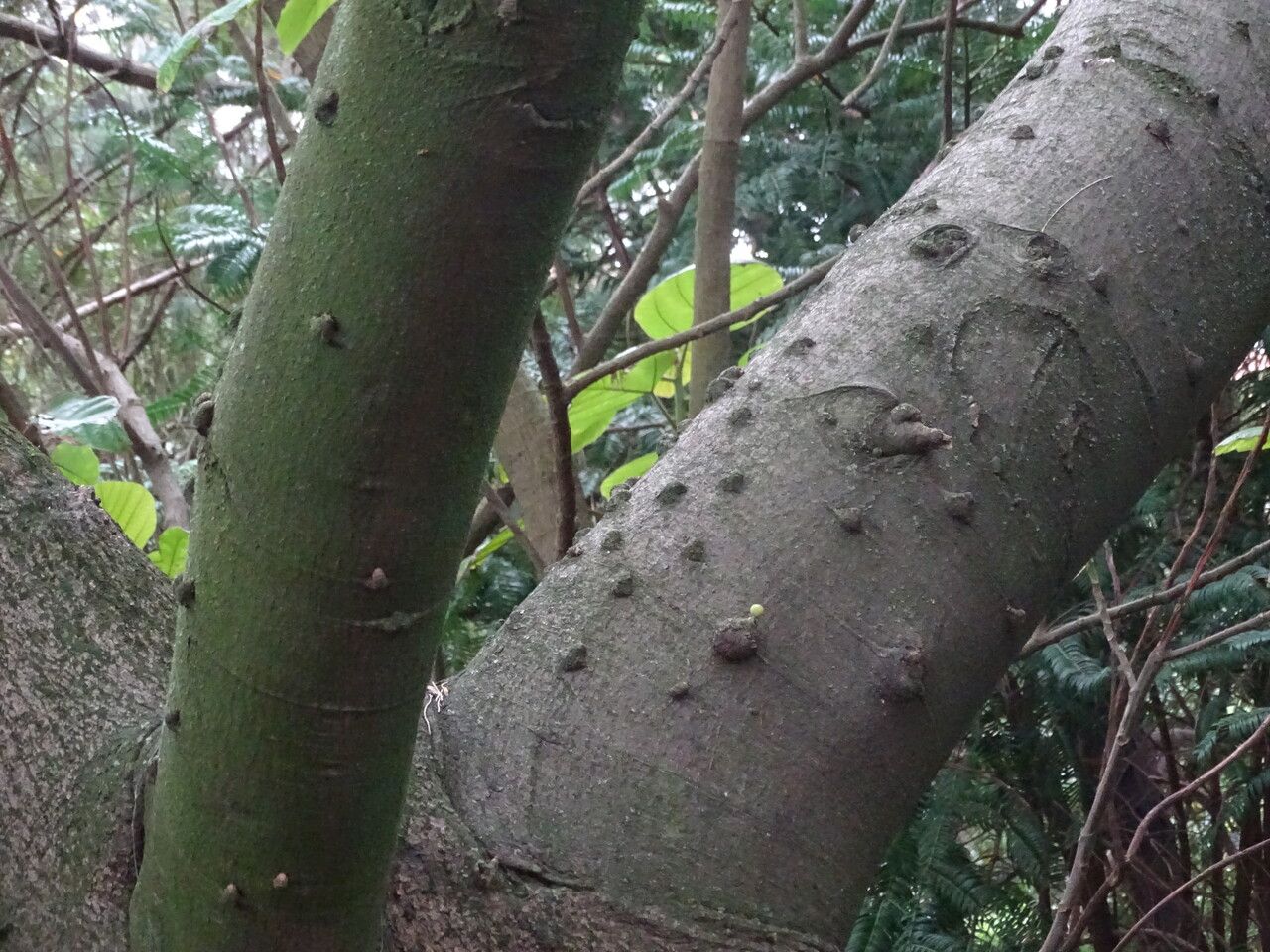
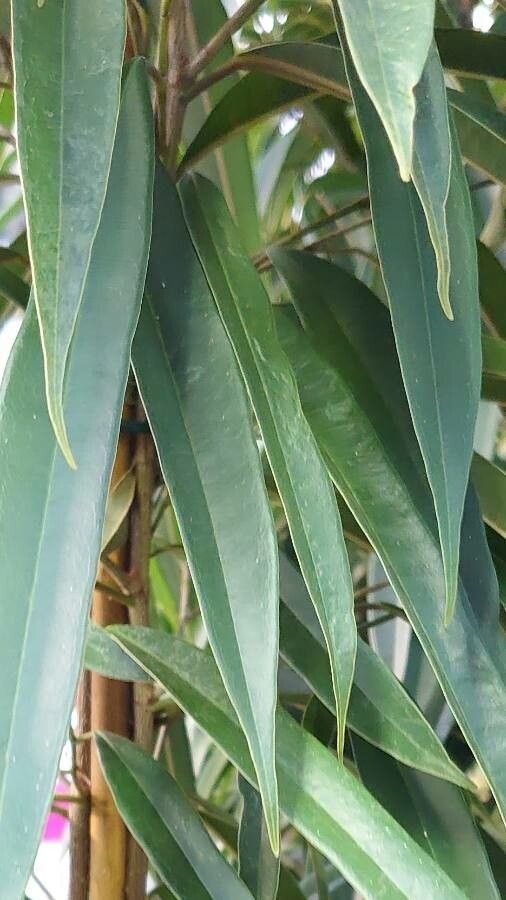
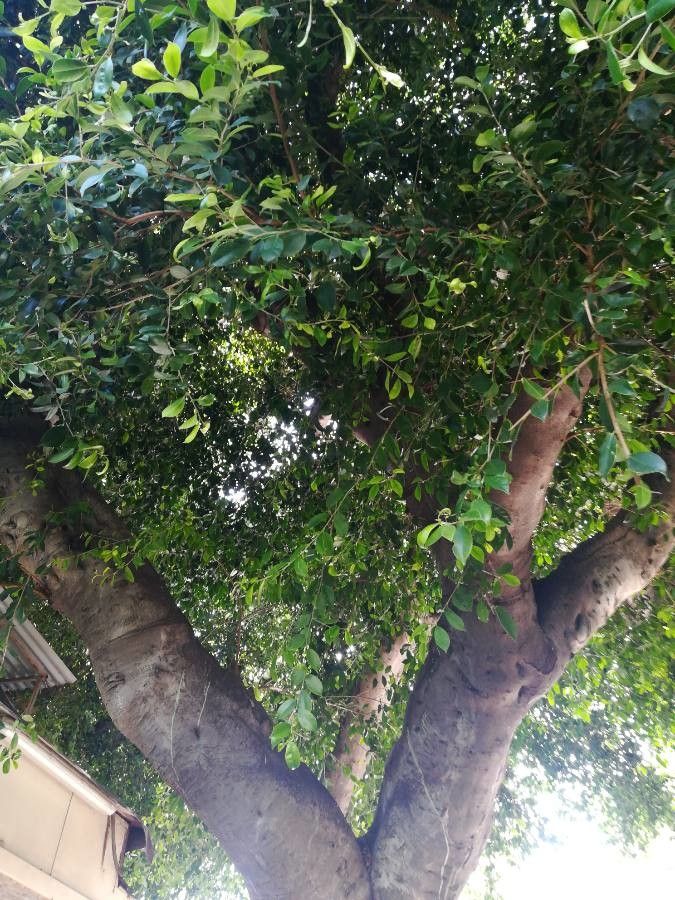
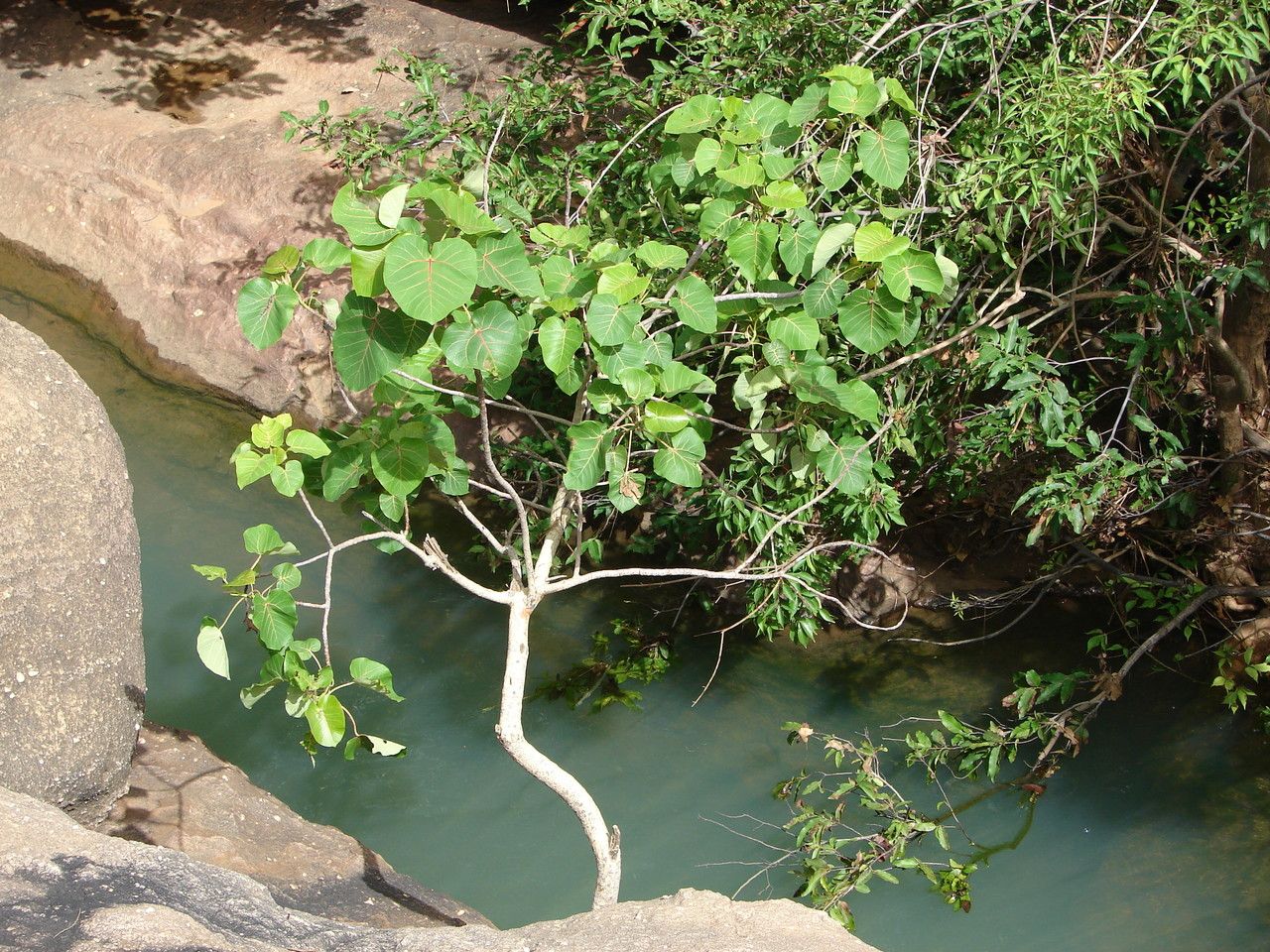
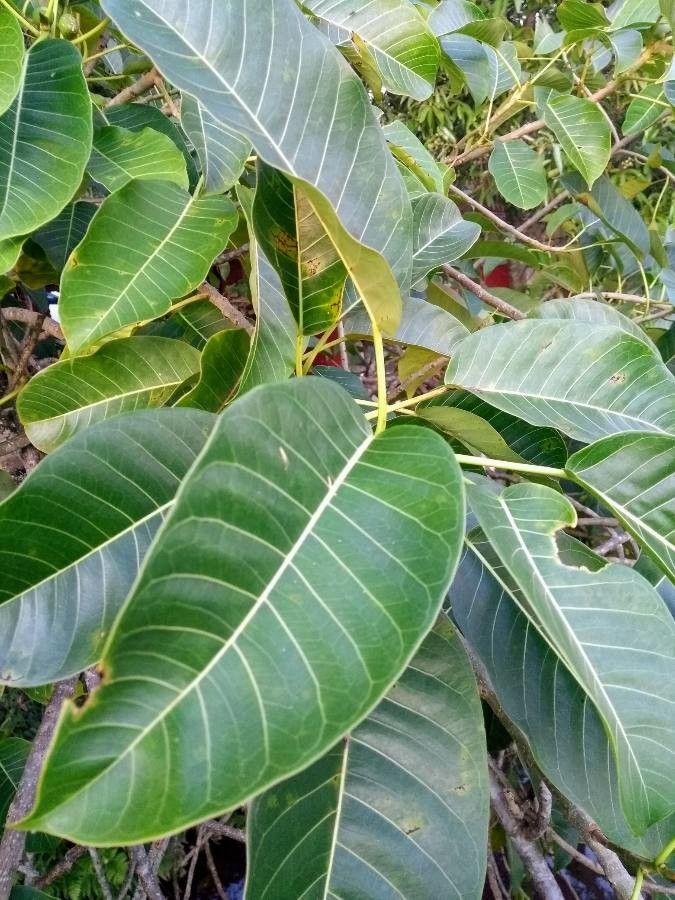
Ficus subpisocarpa (called 笔管榕 in China and 雀榕 in Taiwan) is a species of small deciduous tree native to Japan, China, Taiwan and southeast Asia to the Moluccas (Ceram). Two subspecies are recognised. Terrestrial or hemiepiphytic, it reaches a height of 7 m (23 ft). Ants predominantly of the genus Crematogaster have been recorded living in stem cavities. Ficus subpisocarpa is pollinated by Platyscapa ishiiana (Agaonidae).
The Superb fig is disease-resistant and generally not prone to illnesses. In terms of care, this plant is fairly low maintenance. When grown outdoors it needs little water, and larger specimens typically do not require pruning. Smaller plants, however, should be pruned after they finish blooming. The Superb fig is suitable for anyone with outdoor space, such as a garden or deck, and does not demand much care experience.
How to keep Ficus Subpisocarpa.
Light
The superb fig prospers when exposed to ample natural light throughout its life cycle, showing a preference for abundant sunshine. Its original habitat was mainly open spaces with plenty of sun. However, too much or too little light can impede its healthy growth, causing withering in the former case and stunted development in the latter.
Water
The superb fig originates from humid subtropical regions and thrives in moist environments, preferring consistent soil moisture. Water it every 2-3 weeks, being careful not to overwater. Often grown indoors, it benefits from higher humidity levels, especially during its active growth phase, to maintain optimal foliage health.
Temperature
Superb fig comes from tropical areas, where the climate is generally warm and humid. Consequently, it is well suited to high temperatures and humidity. It does not tolerate sudden temperature changes and prefers a stable temperature environment, so avoiding temperature fluctuations indoors is important. It usually cannot withstand cold temperatures and requires warmer conditions for growth. If the surrounding temperature drops too low, the plant may stop growing or even die.
Fertilizer
The best time to fertilize a Superb fig is in early spring as it breaks dormancy. This encourages overall growth and the development of flowers. Fertilizing improves the foliage, stems, and branches, while encouraging large, vibrant, and long-lasting blooms. It helps transport nutrients from the roots to the flowers and enhances the plant’s health and resistance to disease.
Pruning
To encourage the health and vitality of a fig plant, regular pruning from early to late winter is essential. During this dormant period, concentrate on removing dead branches and thinning out dense growth to improve air circulation. This approach reduces stress on the plant and supports healthy growth in the spring, ultimately enhancing both its appearance and overall well-being.
Botanical profile.
Other names.
Reader questions.
What are the sunlight requirements for a Superb Fig?
The Superb Fig (Ficus subpisocarpa) thrives when exposed to generous amounts of natural light throughout its life cycle, indicating a significant preference for ample sun. Originating from habitats that offered open areas with plentiful sunlight, the plant requires more than 6 hours of sunlight daily to maintain healthy growth. However, an important caution is to observe the movement of sunlight in your garden to ensure that the plants receive a balanced amount of light and shade, as both excessive and insufficient sunlight can negatively affect the plant's growth, causing issues like withering or stunted development.
What is the botanical name of the Superb fig?
The botanical name of the Superb fig is Ficus subpisocarpa.
What solutions are recommended for Superb Figs not receiving enough sunlight?
For Superb Figs not receiving enough sunlight, the following solutions are recommended: Indoors, gradually move the plant to a location with at least 6 hours of direct sunlight daily, utilizing a south-facing window for maximum exposure. If the plant is large or not easily movable, consider supplementing with artificial lighting, keeping a desk or ceiling lamp on for at least 8 hours a day or investing in professional grow lights. Outdoors, move your plants gradually to sunnier spots each week to avoid sunburn. Additionally, if plants are in the ground and sunlight is obstructed, observe the environment to identify and reduce obstructions like overhanging branches, or consider transplanting smaller plants during their dormant period to a location with ample sunlight and proper drainage.
How can artificial lighting be used for indoor Superb Figs?
Artificial lighting is crucial for indoor Superb Figs when natural sunlight is insufficient, especially during winter or in less sunny spaces. To promote healthier and faster growth, consider using LED lights, as they provide customizable wavelengths specific to your plant's needs. The recommended artificial light intensity varies with the plant's sunlight requirement: 30-50W/sq ft for full sun plants, 20-30W/sq ft for partial sun, and 10-20W/sq ft for full shade plants. The light source should be placed 12-36 inches above the plant, mimicking natural sunlight conditions. Additionally, most indoor plants benefit from 8-12 hours of light per day, depending on the species.
What are the symptoms of insufficient or excessive sunlight in Superb Fig plants?
Superb Figs exhibit various symptoms in response to insufficient or excessive sunlight exposure. Insufficient sunlight may lead to symptoms such as smaller new leaves, leggy or sparse growth, faster leaf drop, slower or halted new growth, and lighter-colored or irregularly patterned new leaves. Excessive sunlight can cause chlorosis, sunscald, leaf curling, wilting, and leaf scorching. Chlorosis leads to yellowing leaves due to chlorophyll breakdown, while sunscald results in damaged plant tissues. Leaf curling acts as a defense mechanism against water loss, whereas wilting and leaf scorching indicate severe dehydration and damage from too much sun.